Tag Archives: morocco overland

Time for my Tablet: Samsung Tab + Gaia GPS vs Garmin Montana

With added info from Duncan B and Grant @HU
See also:
Morocco Maps
Time for my Tablet: Samsung Tab + Gaia GPS vs Garmin Montana
How to trace a tracklog
Michelin 742 Morocco (2024) map review
Map review: Reise Know-How Morocco 1:1m (2023)

Updated September 2025

Short version: Gaia detailed mapping on big tablet screen better for following, but Garmin 680 better for easy and reliable recording with minimal tapping faff.
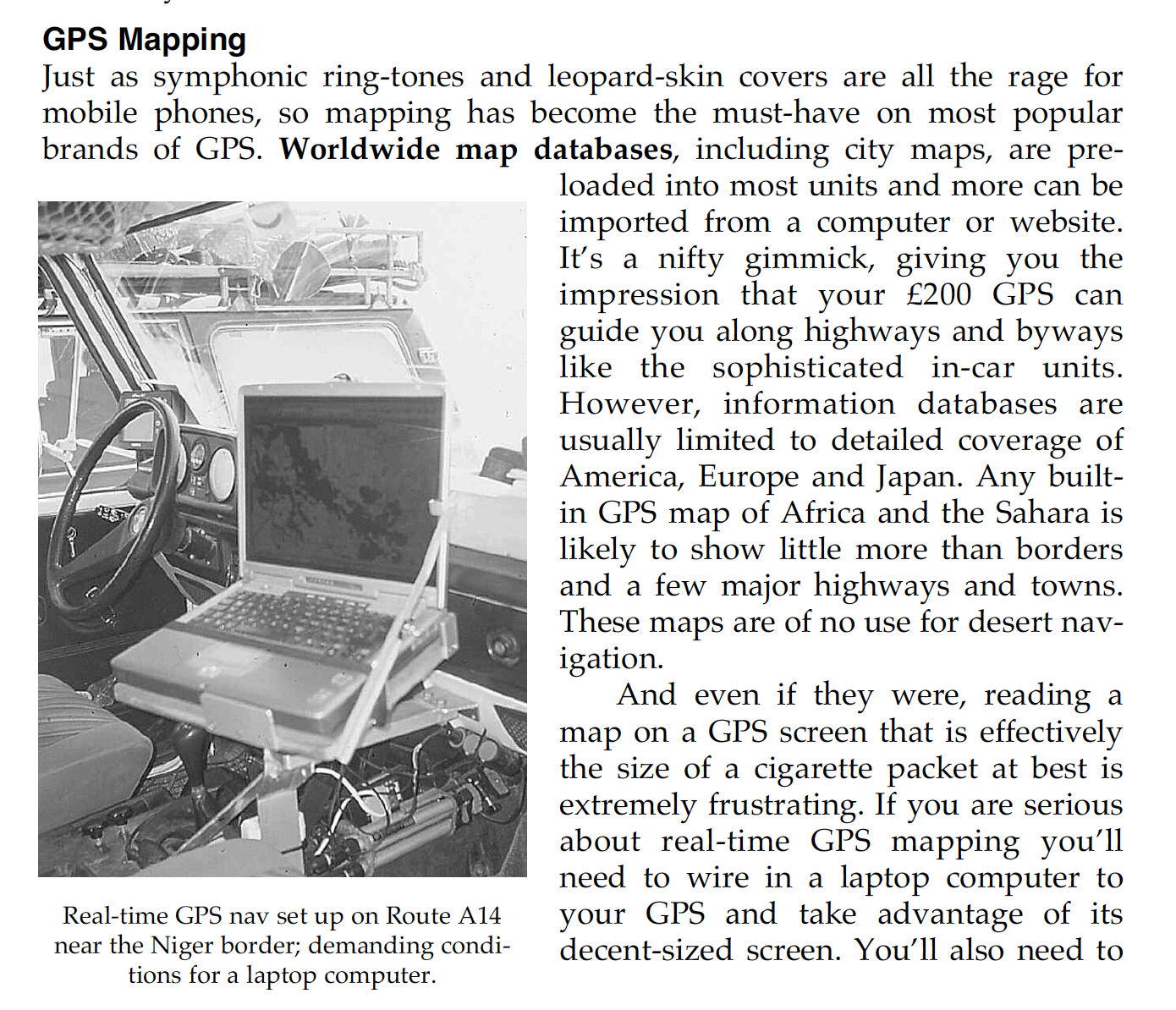
In the early Noughties I recall meeting a lone G-Wagen near the Monts Gautier in far southeastern Algeria (Route A14). They’d hooked up their GPS to a laptop for big screen nav. It was the only sensible way to do it in a car if you wanted that sort of thing, but would have been hard on the spinning HDD drives of that era.
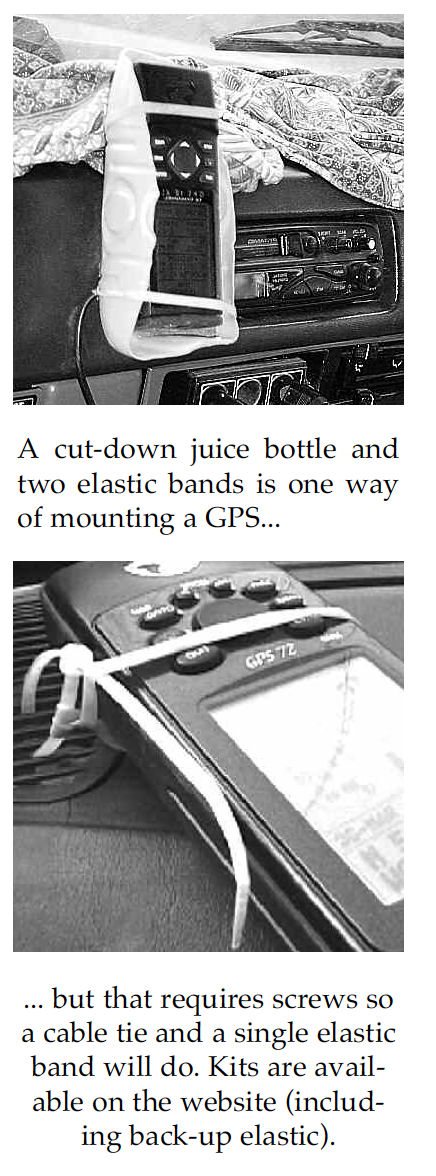
I’m not sure I even owned a laptop at that time. Instead we managed to research and log the scores of routes in Sahara Overland with a hardback jotter and a Garmin 12 or a ‘big screen’ 76 mounted in a sawn-off juice bottle and an elastic band. When needed, I transposed the lat/long reading to the then still excellent IGN 1 million maps using a ruler or a more accurate roamer grid (below).

You could then pinpoint your position with adequate accuracy for the expansive Sahara because, unless you were looking for a cache (which we’d buried the previous day for Desert Riders), that was good enough to locate yourself. Otherwise, as the Austrian guys had done, you had to scan and carefully calibrate your paper maps (taking into account the map’s projection format) so that the moving cursor dot would mark your precise location.


Fast forward 2.2 decades
… and I was driving Duncan Barbour on a recce job in Morocco (more of which later) while he logged our convoy’s route on an iPad. I had my hands full and so assumed his setup was off his phone but in these phablet days, his SIM- enabled iPad was all he needed, along with an app like Gaia GPS. In the meantime a couple of others confirmed it was no longer possible to mirror a Garmin GPS onto a larger screen, be it laptop or tablet. Perhaps because Garmin want you to buy their 5 or 10-inch Tread series from £500 to well over a grand + subscriptions.
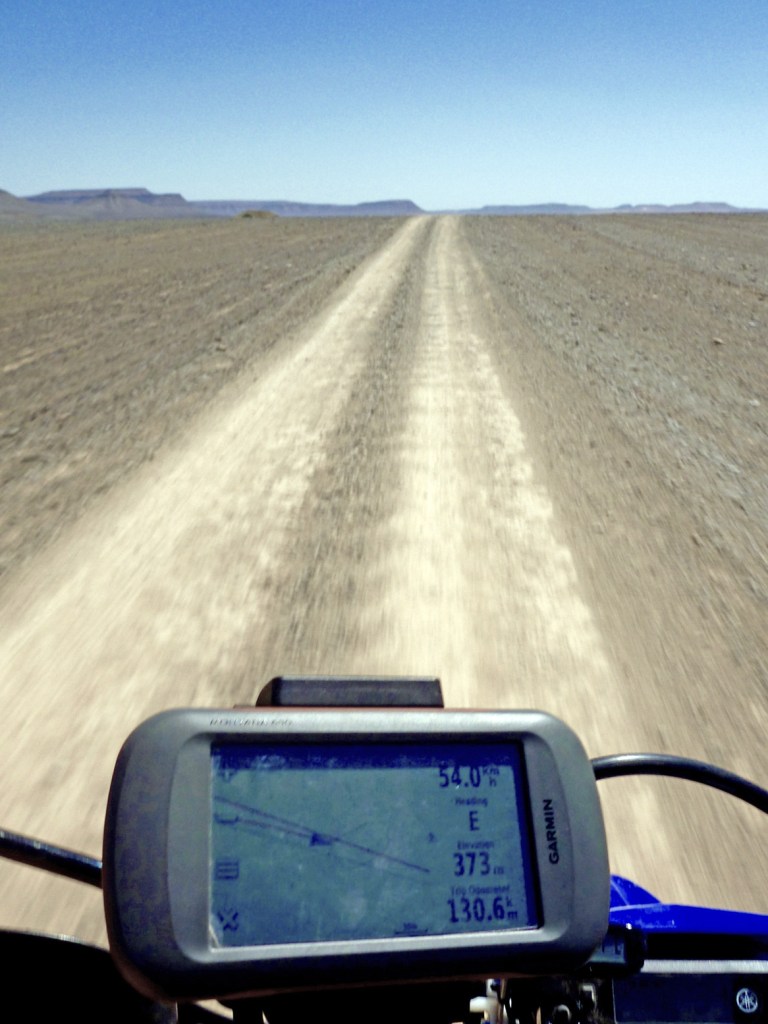
I already owned some 400 quid’s worth of 680T Montana, the Garmin handhelds which in 2010 changed the game by being able to load several increasingly better base maps and not just record tracklogs and waypoints on what in the Sahara had hitherto been an essentially blank screen.
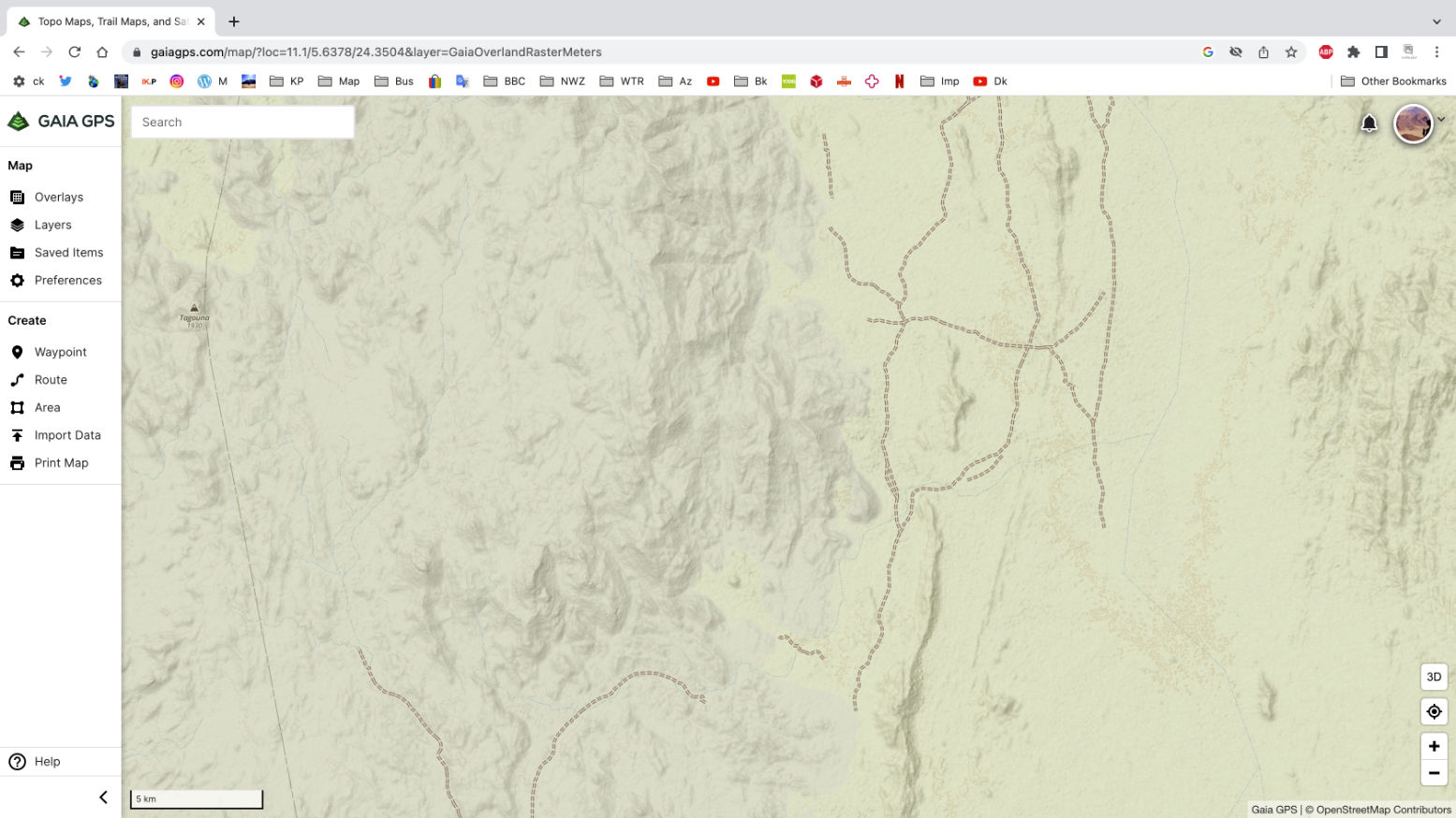
Tefedest (Algeria). Scraps of tracks on the ‘Overland’ map layer. Not helpful (like old TPC aero maps).
(Don’t start me on this ‘scraps’ thing on the OSM database…)

Since then digital mapping has improved to the point where there are topo maps based on OSM of the middle of the Sahara nearly matching the classic IGNs. Problem is, unlike the paper maps, these OSM-supported maps have been in part automatically rendered – the discontinuous scraps of tracks are a dead give away, as above (southern Tefedest, Algeria).
A year later and I see I was quite wrong about this. These disconnected tracks and paths – some less than a hundred metres long, have actually been added – presumably remotely from aerial imagery – by over-zealous OSM contributors whose understanding of ‘ground truth’ is… different. I have since found them all over southern Morocco on the OSM database, often with no path visible on any of the aerial layers and very often the work of one contributor who just does not get it. It can sure make it hard to see the main track among all the clutter.
Anyway, even with the on and off lifting restrictions on overlanding in this part of Algeria, such maps will still take forever to be completed with genuine tracklogs while the IGNs show it how is was (and still is). But with Gaia GPS Premium it’s also possible to download high-res WYSIWYG satellite imagery to use offline (see bottom of page). Plus there’s nothing to stop you travelling with paper IGNs or similar, or scan of them on your device.

Tablet + Gaia GPS app vs Garmin Montana GPS

  • Tablet + Gaia good
  • Cheap to buy/lose/break
  • Can do internet/phone/camera etc
  • Big bright 8″ screen
  • Loads of Gaia maps (once subscribed)
  • The desktop app is much easier to navigate (keyboard/mouse)
  • ESRI (or non-Google) sat imagery downloadable too
  • Masses of memory (1TB)
  • One tap track recording
  • Loads of (messy) public tracklogs on the Gaia map (can be ‘muted’)
  • Works on my iPhone 7 (but not Android phone)
  • Gaia GPS free Topo map is nicely rendered for an OSM
  • Samsung tablet/Gaia less good
  • Gaia GPS requires subscription for good stuff
  • Freezes or take ages to fire up (could be my tablet CPU?)
  • Gaia takes ages to get a fix
  • Tablets (and phones) can overheat
  • Baffling organisation of saved Gaia files in folders
  • Hard to tap and manage on the move
  • Hard to save precise waypoint easily
  • Screen decentres after inputs
  • Battery life: must be plugged in unless dimmed
  • Proper car mounts are expensive but needed
  • Gaia GPS app froze on my Android phone
  • Samsung A7 fried 2 motherboards in 2 years. Replaced with cheaper A9.
  • Garmin Montana + OSM Topo good
    Rugged
    build (good for motos)
  • If needed, li-ion battery lasts all day (or takes AAs)
  • Once customised and familiar, interface easy to manage
  • Fits in a pocket
  • Will do routing like a car satnav (Gaia may too)
  • Won’t overheat
  • Garmin less good
  • Expensive to buy
  • Small and dim screen
  • Limited miniSD capacity (32GB)
  • Freezes/crashes occasionally
  • Needs BaseCamp and other (free) Garmin apps on a computer
  • Easy to forget tracking, zero the trip meter, etc
  • Keyboard‘ is comparatively excruciating
  • It’s only a GPS + a rubbish camera

Samsung A7 Lite
I decided to try Gaia GPS on my own car recce and settled on a Samsung A7 8.7 incher; £120 from Argos. It has a metal case, takes up to 1TB microSD and weighs 330g when fully charged. CPU speed is 2.3GHz, 1.8GHz Octa-Core; I don’t know if that’s a lot, but 18 months in it fried its motherboard, got repaired on warranty, then did the same at 25 months, just out of warranty. Is that normal for a lightly used Samsung tablet? Don’t know but I replaced it with a near identical A9 for just £85. If that packs up too I guess I’ll just get an iPad. My laptop and desktop have always been Macs, but an equivalent new iPad Mini starts at a staggering £750.
I owned a crappy old Samsung mobile once; the A7 has the same interface so the A7’s Android learning curve was pleasingly pruned. Best of all, I was able to flog my Kindle Fire for 40 quid and remain ‘gadget neutral’ in line with current government advisories.
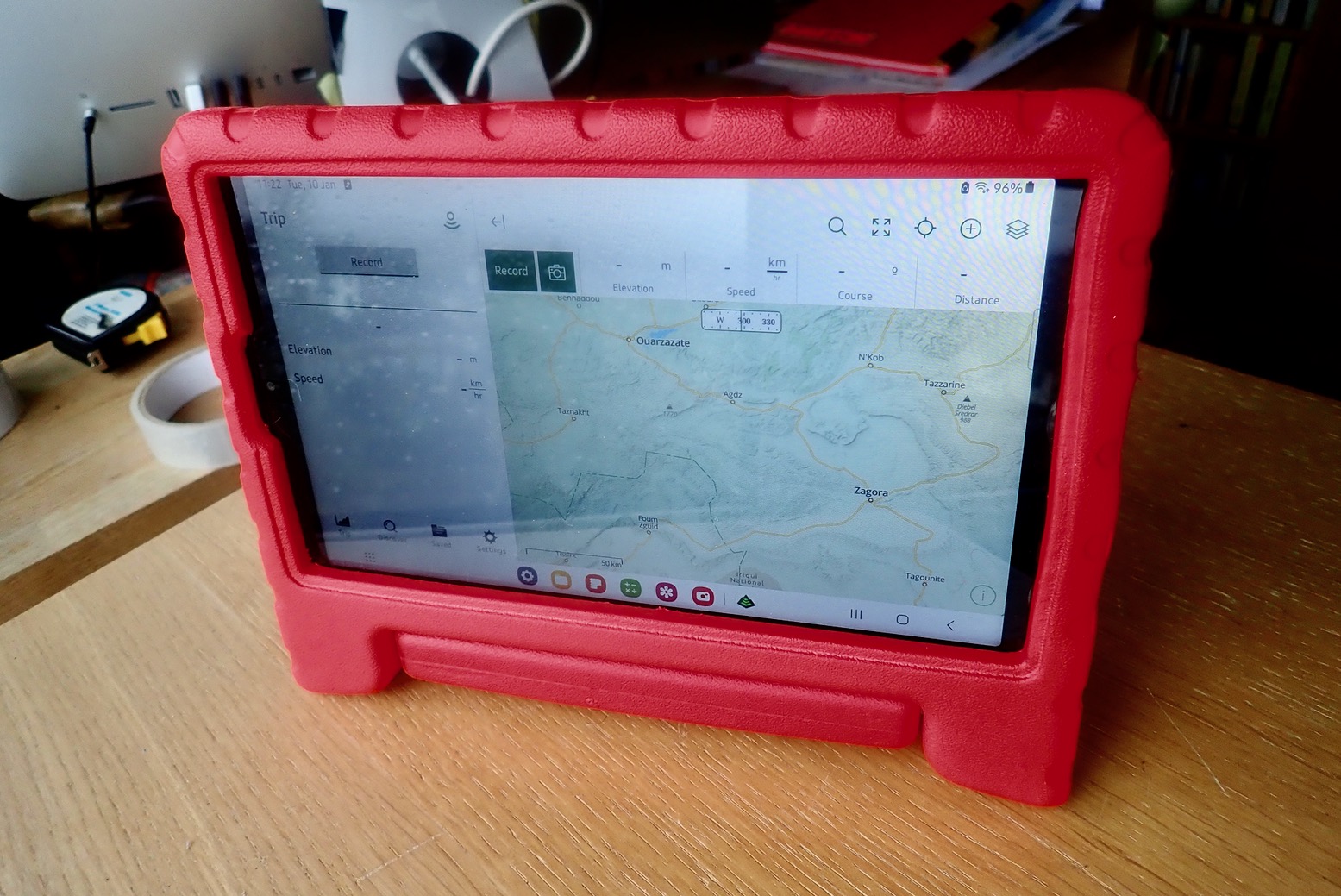
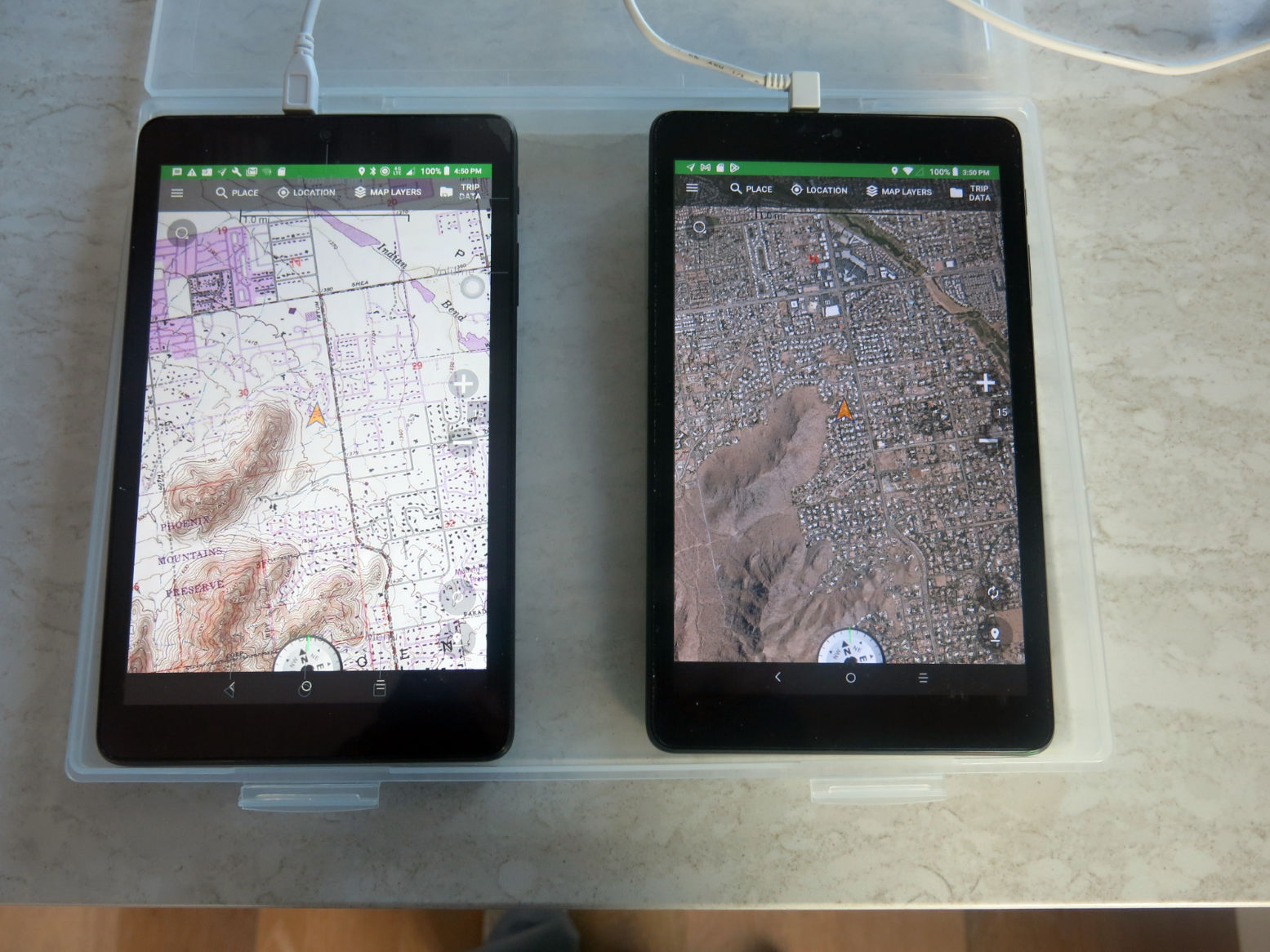
From fourbie driver CW in Arizona: a twin-tablet set up to save flipping from maps to satellite or playing with opacity due to bright sun visibility issues.

The A7 got fitted with a screen protector out of the box but the all-metal body is very slippery so needs something better to handle it. I have a RAM windscreen sucker and flange mount but was shocked at A7 RAM ‘Tough Dock’ prices which easily exceeded the cost of the tablet.
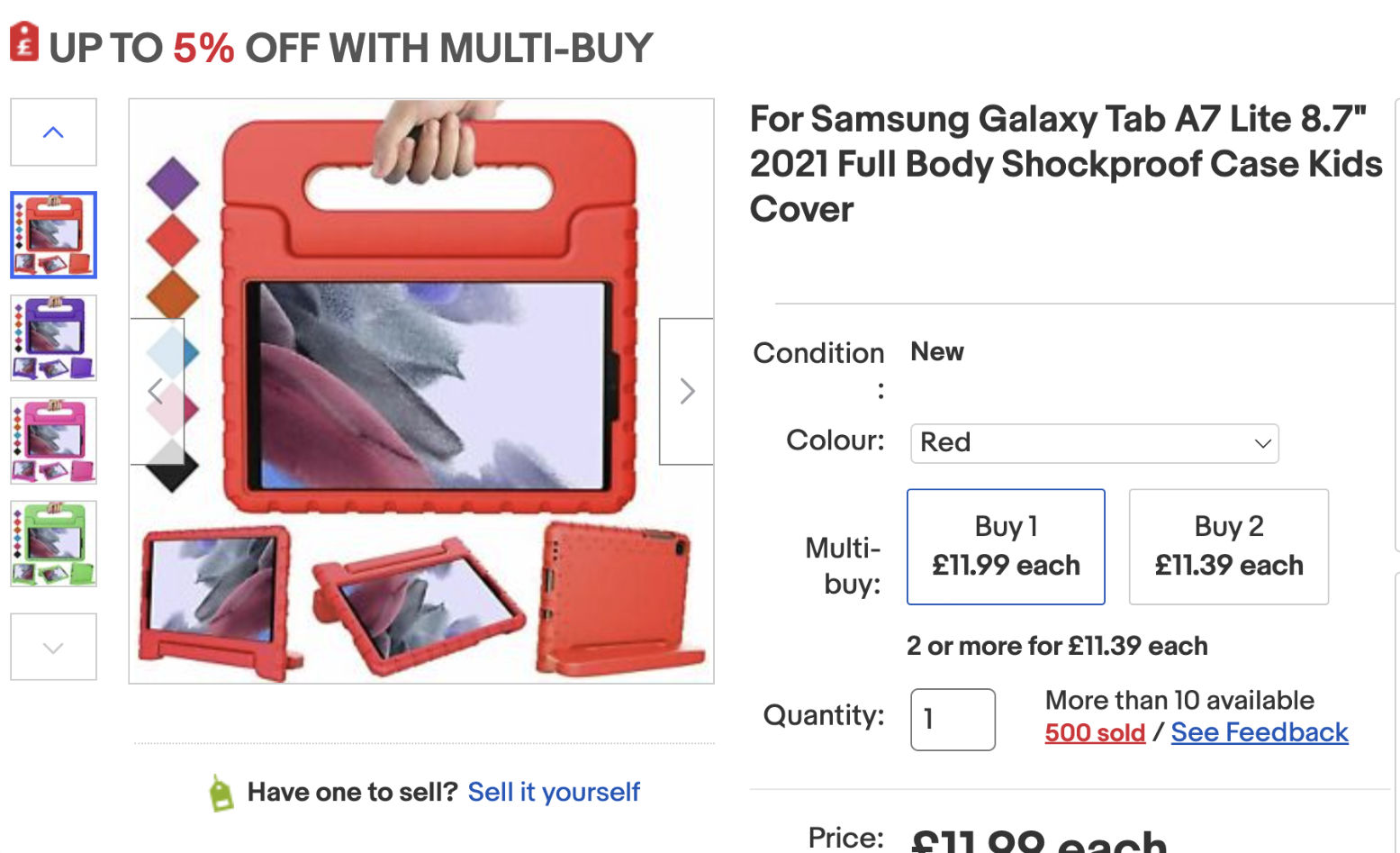
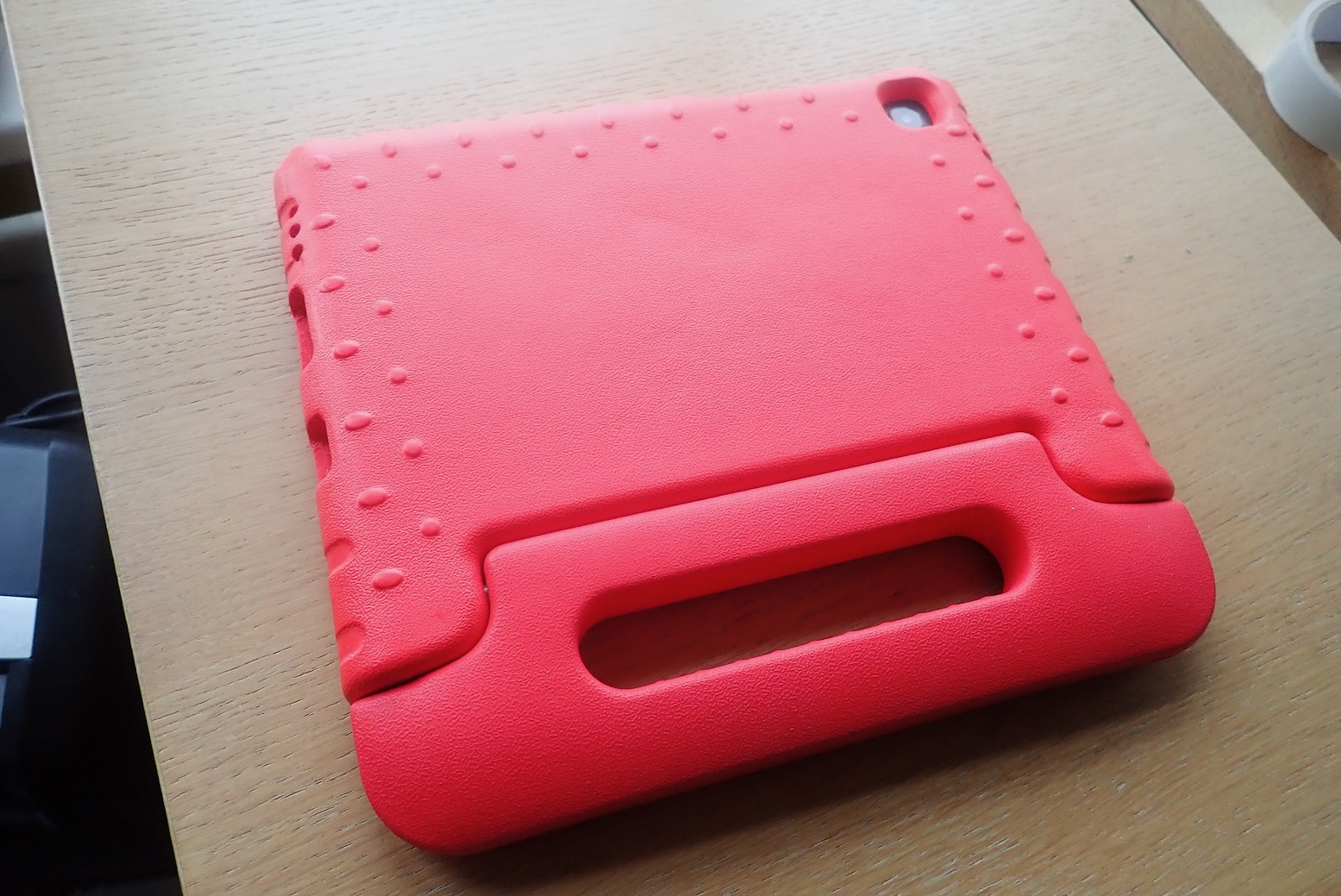
In a car it’s not going to get run over and smashed, like on a bike, and I’m not rallying, so I bought child’s foam case off ebay for £12, complete with vomit-proof standle. I ended up zip tying it to a handle or rear view mirror
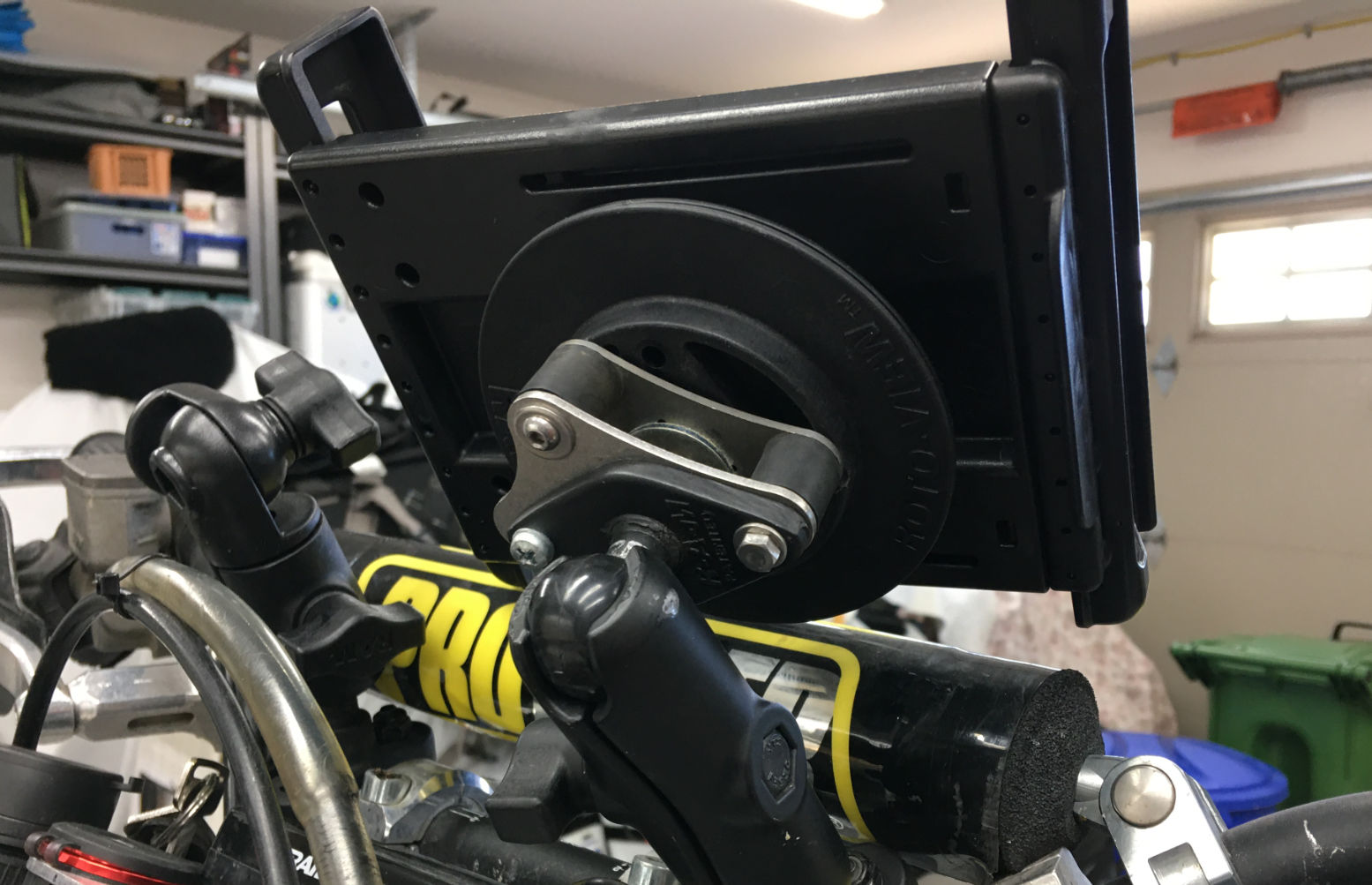
Touratech RAM mount

Adult mounts and other options
One the left, the DR400 of Grant from Horizons, based in BC: another A7 on a RAM Tough Dock mount. Grant says the unit tends to droop on rough terrain, which is why people end up with Rally towers. Waterproof cases like Otters can be hit and miss he says (this is a benefit of Garmin’s Mil-810-spec Montana), though there are ruggedised tablets, like the Carpe Iter. “It runs DMD2 software launcher, which is also  available for any Android device. Their unit is also excellent in sunlight, whereas the standard tablets are crap. I’m running the software now on mine, and it’s good. It launches GaiaGPS which is what I use the most.” says Grant. I do notice it has 128GB but will only take another 128. Still on bikes, Thork Racing (see YT vids) do bike-ready mounts and even roadbook-like thumb controllers to avoid trying to jab the screen with the chequered flag in sight.
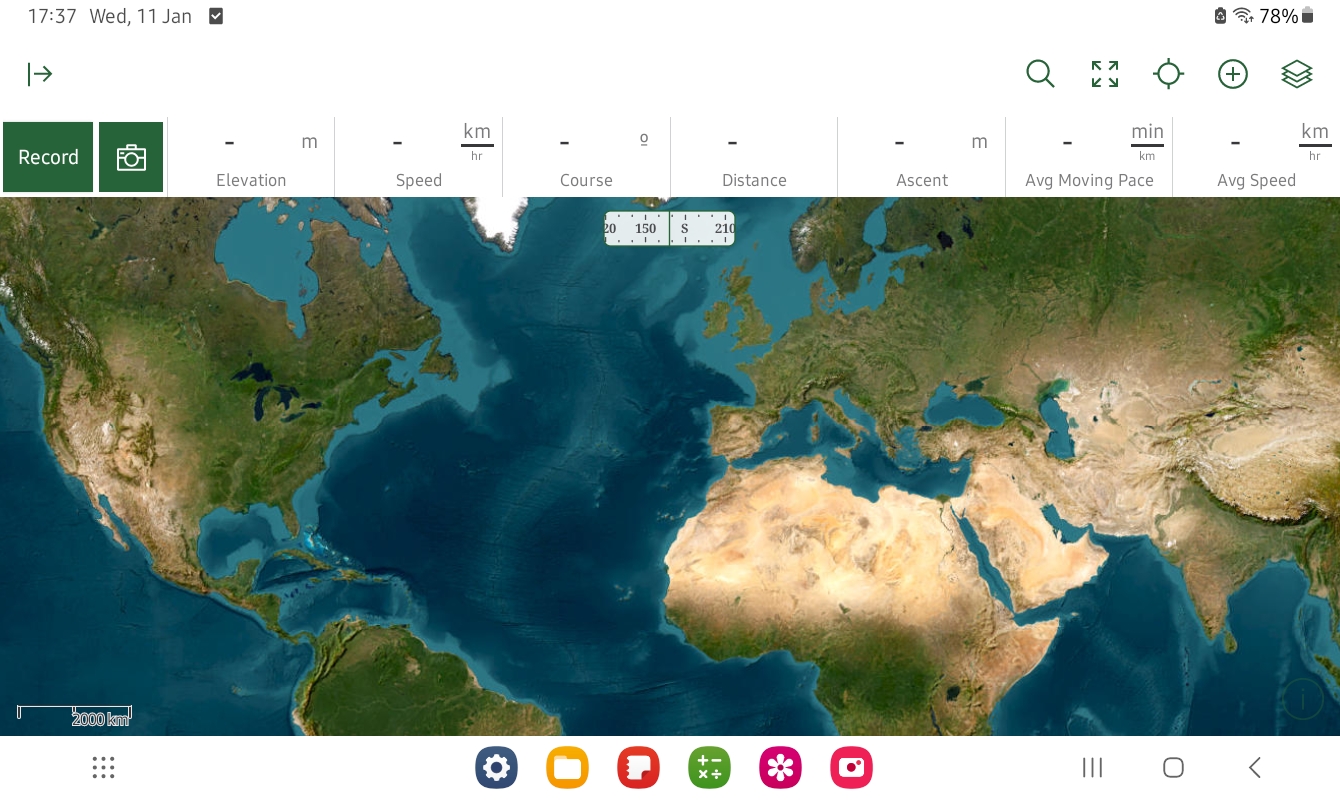
Luscious sat imagery offline – who’d have thought

Using Gaia
Note: it is possible I’ve yet to fully get to grips with Samsung and Gaia. I worked all this out by diving in and flailing around like a beached haddock; a good way to test how intuitive it all is. Pay your Gaia GPS subscription, log in and browse maps by one of four activities from the ‘Layers’ tab top right: Hiking, Overlanding, Pushbiking, Weather & Misc; there are at least a dozen maps for each. The selection is inevitably US-centric: see which best suits you. All you really need for Sahara is one good topo map and a satellite layer.
I chose the promisingly named. OSM-like Gaia Overland (metres) and World Imagery (© ESRI) satellite (find it under the ‘Hiking’ tab. I know ESRI often trounces Google in the desert). The other three sat imagery options looked less good. Sat is the layer you might want to zoom in on because, as mentioned above, the topo maps won’t be WYSIWYG, just an array of tracks added by OSM contribs with an inevitably sketchy hierarchy. The track you want may be in there among the clutter.
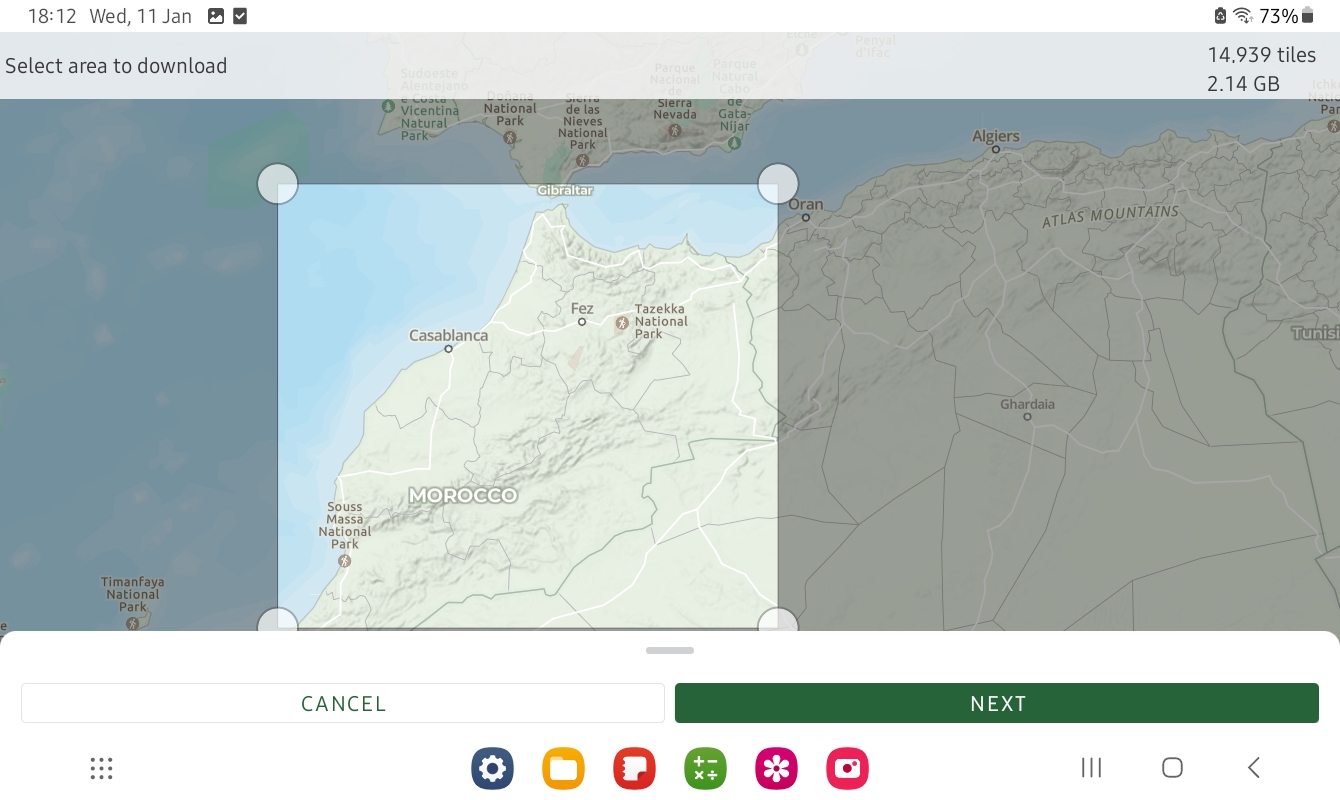
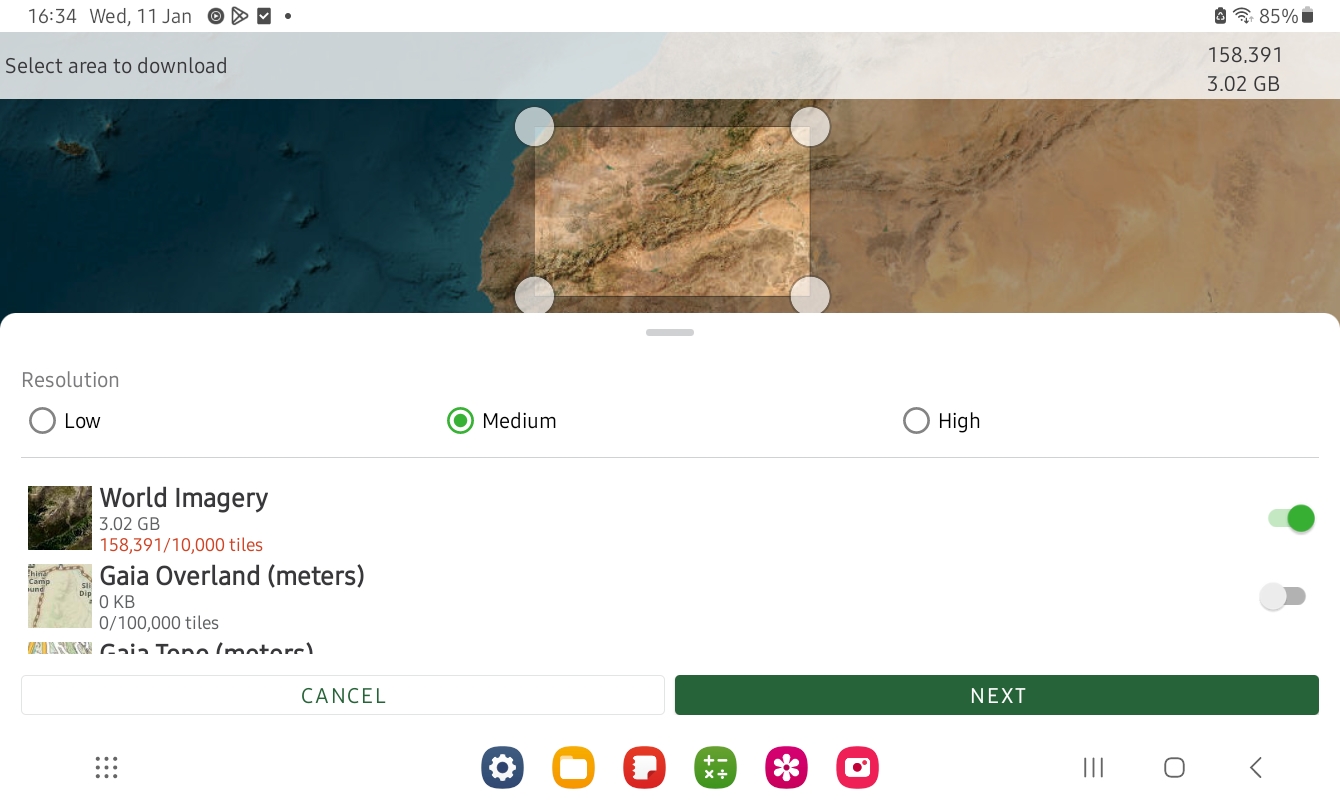
Then choose what maps you want to download so you can use your device offline in the hills. That is they key. Tap the ⊕ icon top right, choose ‘Download Map’, select a rectangular area and import, ideally into a folder if you plan to have loads of maps. As you can see in the examples above, the whole of Morocco in ‘Gaia Overland’ is just over 2GB, while a smaller area of ESRI covering about 15% of the topo map is 3GB. Full res ESRI covering the good bit of Morocco would have been getting on for 1TB. It really couldn’t be easier.
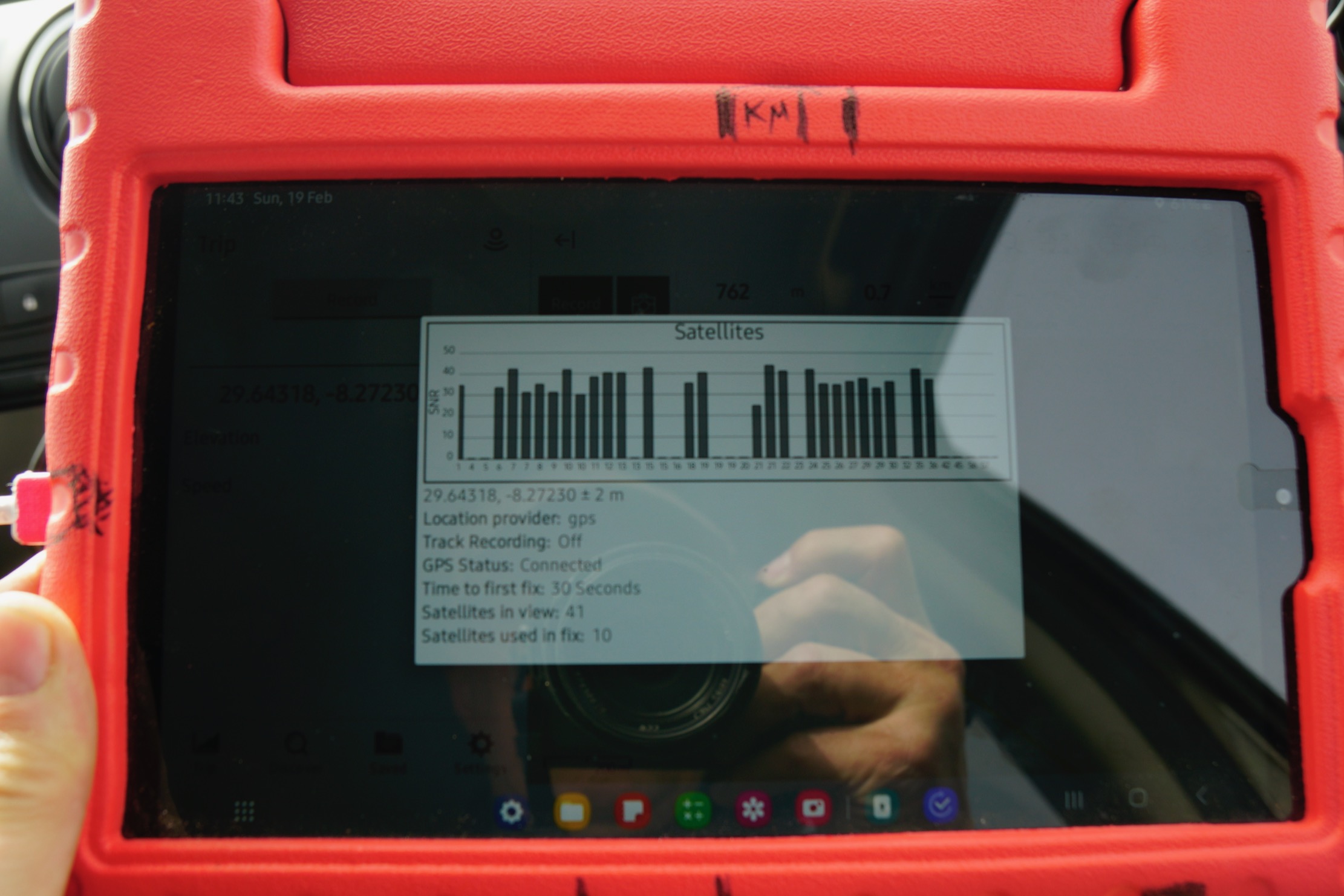
Satellites thicker than bugs on a bumper

Recording and saving a tracklog
I laboriously emailed myself ~50 pre-traced tracklogs to and picked them up off the tablet to import into Gaia. This and especially sorting them out took quite some time.
I was warned getting to grips with Gaia’s folders is the thing; it’s so much easier on a desktop computer. Loading the Garmin with the same was easier, providing all the .gpxs have been index-accessibly named. I know we’re all supposed to be smartphone savvy now, but around this time you realise what a great invention the keyboard and mouse were.
For most travellers that will do: pick up the tracklog you want and follow it; the Gaia Overland map is pretty good in Morocco. I’m a bit different in that I’m over-recording a new, live track plus adding waypoints with distances and take notes.
Recording a track is dead easy on Gaia: hit the prominent ‘Record’ tab. The Garmin’s track recording is another page so is more easily overlooked when you’re trying to get your shit together at the start of a new route. But in the Gaia app saving a waypoint for your exact current location requires pressing and holding the position arrow on the map; hard to do accurately with fat fingers and the car shaking about. On Montana you back up to Home Page, hit Mark Waypoint for where you are that second, then Save (and jot down the number). Map > Home > Mark > Save and back to map in just 4 taps.
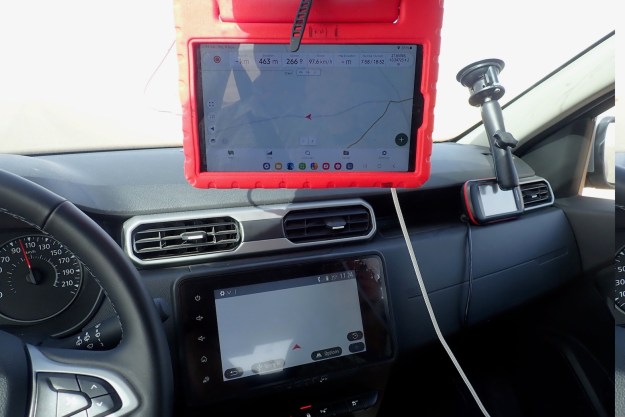
Gaia waypoints are annoyingly recorded as long (but I suppose unique) date and precise time, though I suppose they’ll all display chronologically somewhere. Also, I found a Montana suckered to the windscreen was easier to grab and tap than the propped up Samsung. I know with Duncan at times I had to stop driving so he could save and jot down. This can break the flow but is the age-old problem in doing this in a jolting fourbie. (Yes, I have thought of voice recordings).
Another drag on the Gaia is having to re-centre your location and the full screen map every time you do an input. And I wish the map scale bottom left could be made less opaque, or not opaque at all; same with the zoom buttons, though of course you can spread two fingers to do the same. Occasionally Gaia freezes and needs a restart, but my Montana freezes often and need the battery removing.
Later in 2023 I did two more scouting trips in 4x4s and found the Gaia detailed map on big tablet screen better for following, but Garmin 650 better for easy and reliable recording with minimal tapping faff. I recorded data with my trusty Montana, as I did on several moto trips, when also scouting tracks.
It took me a while to fully get the key differences between these two devices (see red/green comparisons above). One just does nav (plus a crumby camera), the other is an internetable phablet that does everything a smartphone can do, but nearly as easily as a laptop. Feet up, when the navigating is over, a phablet can come into its own. And once you’re back on wifi or 4G your recorded and saved nav data shoots off to you Gaia cloud automatically. Then catch up on the news, other emails, twitter off your photos or watch a movie.
Duncan said initially he took both Montana and Gaia iPad on his nav jobs, now he relies on the iPad. I suppose alone and travelling at my own pace, I could rely just on the tablet too, though on a bike it would need a secure or shake-proof mount somewhere.
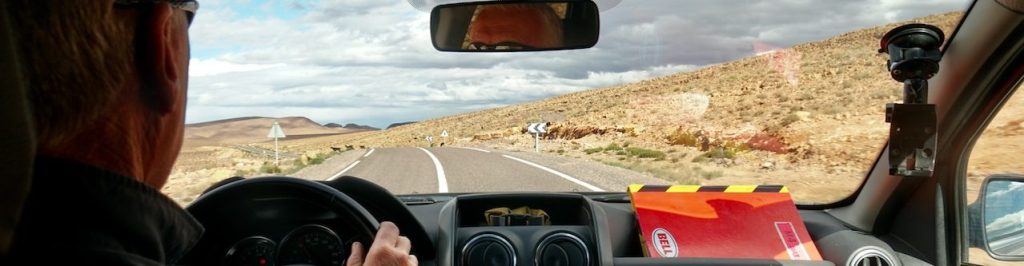
Update Algeria 2025 with Tablet and Gaia
On this trip I was passengering in a car, following roads mostly, but doing some off road and off piste nav to new places.
As always, loading and labelling your data beforehand (below) saves teeth gnashing in the field. I renewed my sub and downloaded huge slabs of Topo (1.25GB) and low-res Sat (250mb) mapping for offline use (below).
I also borrowed an InReach2 to display our position for those back home
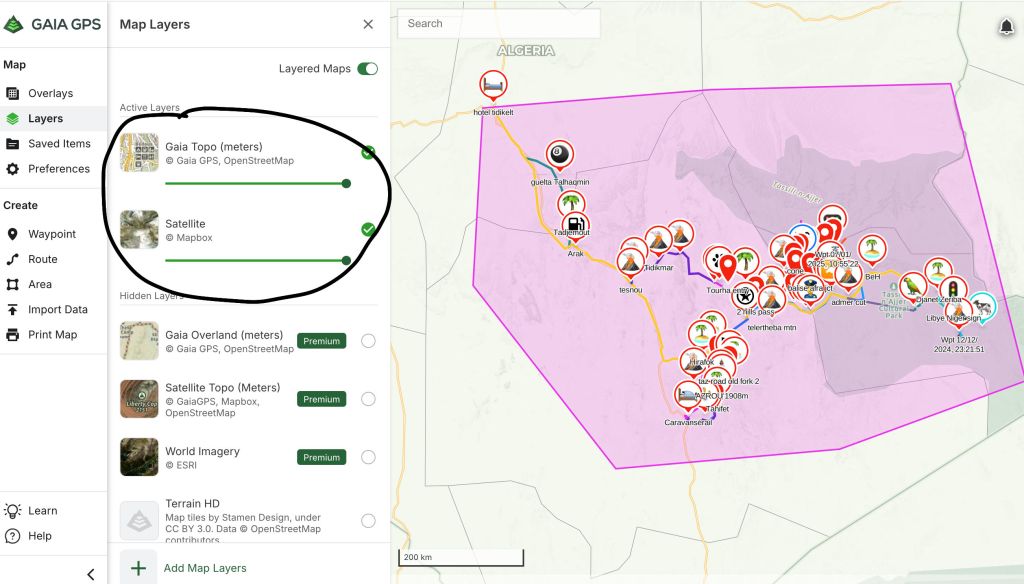
Screenshot

Gaia/tablet conclusions
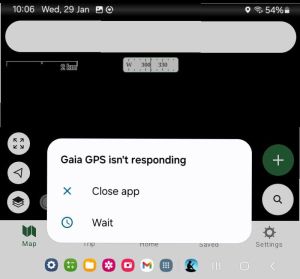
• Can take 20 mins to work properly some mornings (not just getting a fix). A combo of tablet CPU and huge offline maps – or is it just Gaia? I suspect the latter
• Stops track recording out of the blue – could be me but annoying
• Great to use offline sat mapping – and the Topo map layer is pretty good for Algeria
• Imported track gets broken up into several segments. Annoying
• Next time will use a proper windscreen mount
• Would a Garmin 710i be the answer? Sat tracking/messaging included (so InReach not needed), plus a bit bigger and much brighter screen than 650 but still with good battery life? Only £700

For the moment the Montana is a reliable recorder, the Gaia tablet is much nicer to nav off.

Gara Medouar – popular film location in southern Morocco

Updated December 2025

People used to ask: where was the front cover of your Morocco Overland 3 book?
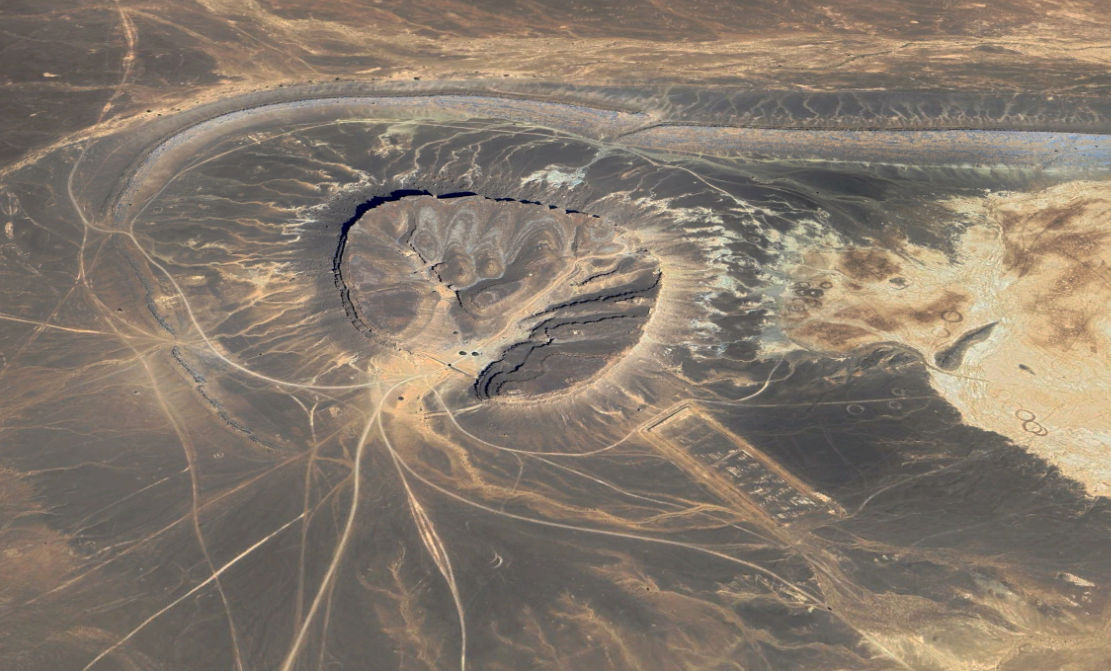
Gara Medoaur, I say, though I’ve yet to actually go there. A distinctive outcrop just north of the N12 near Rissani, the epic cover was shot by desert trucker Marc Heinzelmann with a drone, something that’s increasingly tricky to smuggle in these days.
Despite appearances, Gara is not an ancient volcano – the near-horizontal sedimentary strata give that away. Time and again I hear or read of people attributing the desert’s dramatic formations to volcanism, though you get that too.
But Gara sure looks good and, like so many isolated hills in Morocco, large and small, it was used as a strategic natural fortress and observation post from a millennium ago when nearby Sijilmassa, was a northern terminus of the medieval caravan trade from Timbuktu. Inside Gara’s ‘crater’, shallow ravines were dammed to collect water and there are long eroded remains of dwellings. In later years it’s said it was a Portuguese prison, a similar enclosure for slaves, or just a storehouse.

Though filmed since at least 1988, the outcrop rose to fame with the release of the 1999 film, The Mummy for which a ramp was built up through the ancient wall on the southern side. Thereafter, it grew to become a destination for tourists as well as other films and commercials.
But more than the nearby Todra Gorge, you can see why it’s uniquely compelling. Not only does it resemble an impressive natural ‘volcanic’ fortress – a Bond producer’s dream – but from the rim you get a great view across an arid desert plain as well as a killer viewpoint spot perched on the exposed crag.

Photo from Morocco Overland. Neil Burns

The earliest record I’ve found of Gara Med being used as a film location is as the magical “Speaking Mountain” in a 7-part Italian mini series from 1988 called Secrets of the Sahara. With English speaking actors and a soundtrack by Ennio Morricone, it was also condensed into a film.
But it was 1999’s The Mummy which put Gara on the map, and which may again have featured in The Mummy Returns (2001). Since then Gara Medouar has been seen in several films as well as product promo videos seeking to evoke the arid Saharan wastes without having to go more than a couple of miles off road or too far from five-star civilisation.
Here’s my list with vid clips below. Did I miss a few? Probably.

  • Secrets of the Sahara (1988) Seven-part Italian TV series. Gara is central to the plot
  • Secrets of the Sahara (1988) Short movie version
  • Prince of Persia: The Sands of Time (2010) Disney fantasy movie with magical daggar
  • Spectre (2015) Baddy’s lair in a Bond movie
  • Zero Zero Zero (Sky, 2018) Better than average drug cartel drama series
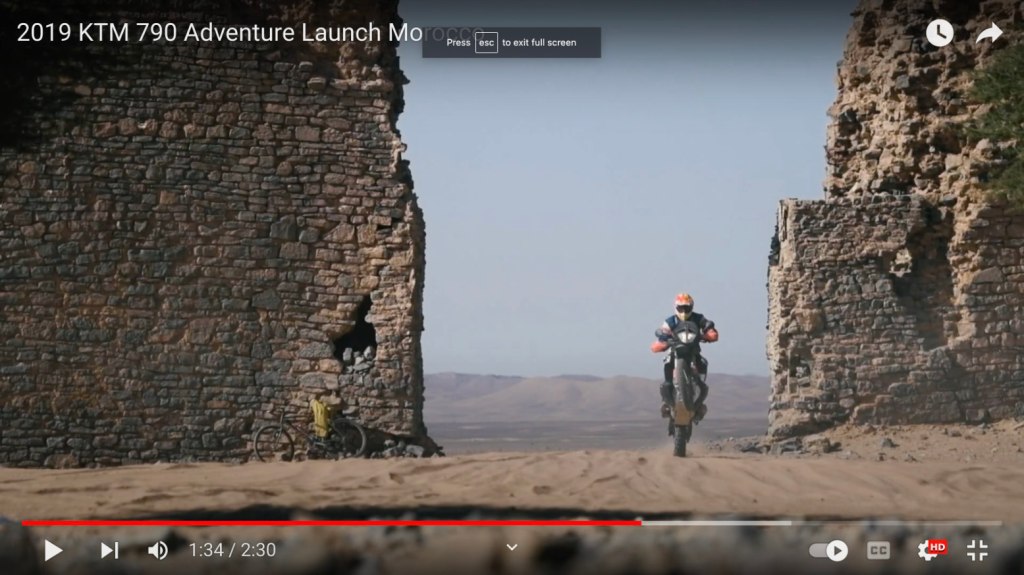
  • KTM 790 Adventure (2019) Launch promo vid,
  • Yamaha XT700 Tenere (2019) Launch promo vid
  • The Forgiven (2022) Dire yuppie nightmare movie set in the desert
  • Rouge Heroes (BBC, 2022) Opening scene for the SAS’s desert origins
  • Land Rover Defender (2022) TV advert
  • Pol Tarres gives his Yamaha T7 what for in 2023
Secrets of the Sahara (TV 1988)
Secrets of the Sahara (movie 1988)
The Mummy 1999
Prince of Persia: The Sands of Time (2010)
Spectre 2015
Zero Zero Zero 2018
KTM 790 Adventure launch 2022 https://www.youtube.com/watch?v=nWBVcNFjaXI
Yamaha XT700 Tenere launch 2022
The Forgiven 2022 – unforgivable bad, imo.
Some fakery with the horizon and the foreground?

Toyota Prado TXL in Morocco 1

See also:
Dacia Duster 4×4 rental
Land Cruiser TXL 2

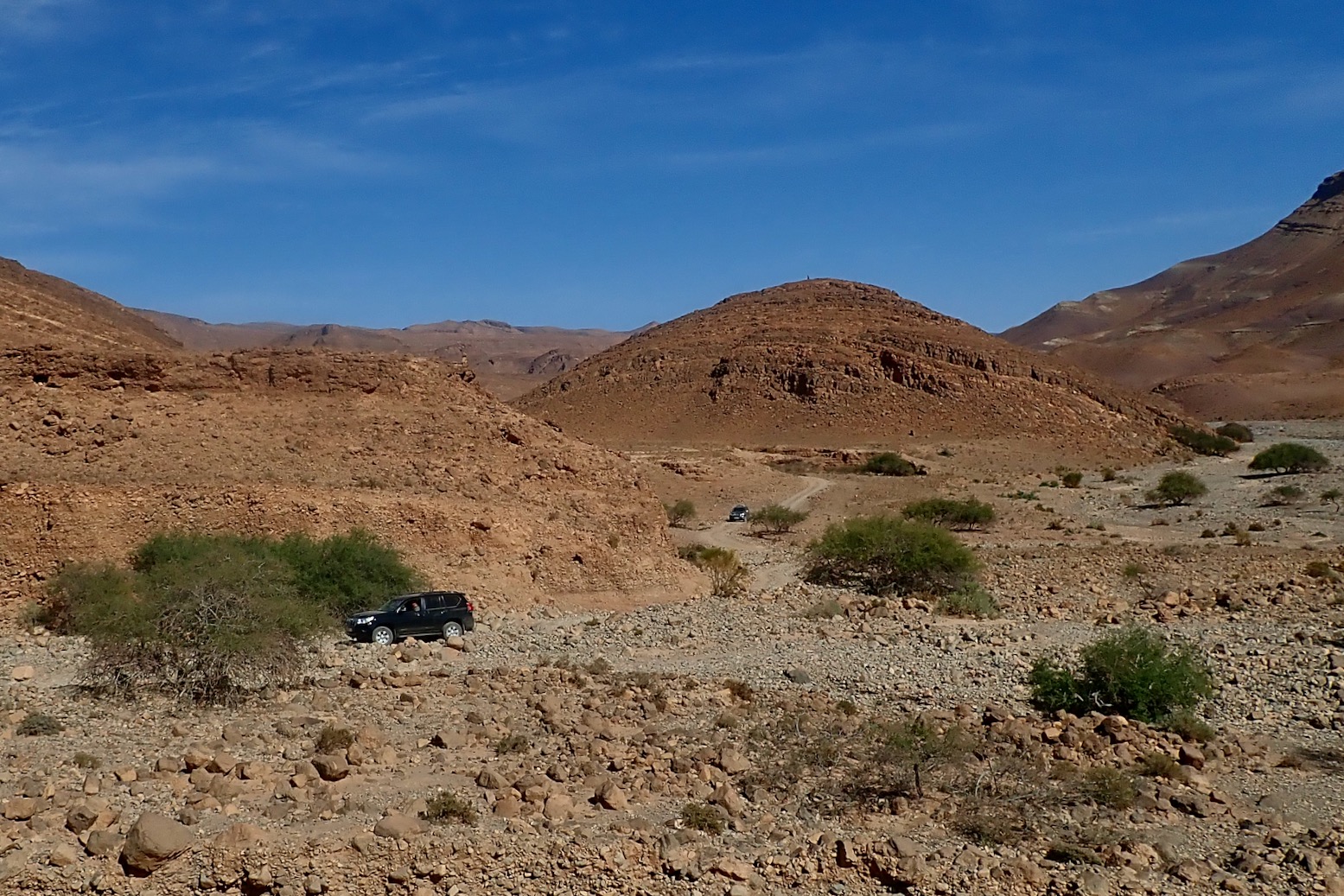
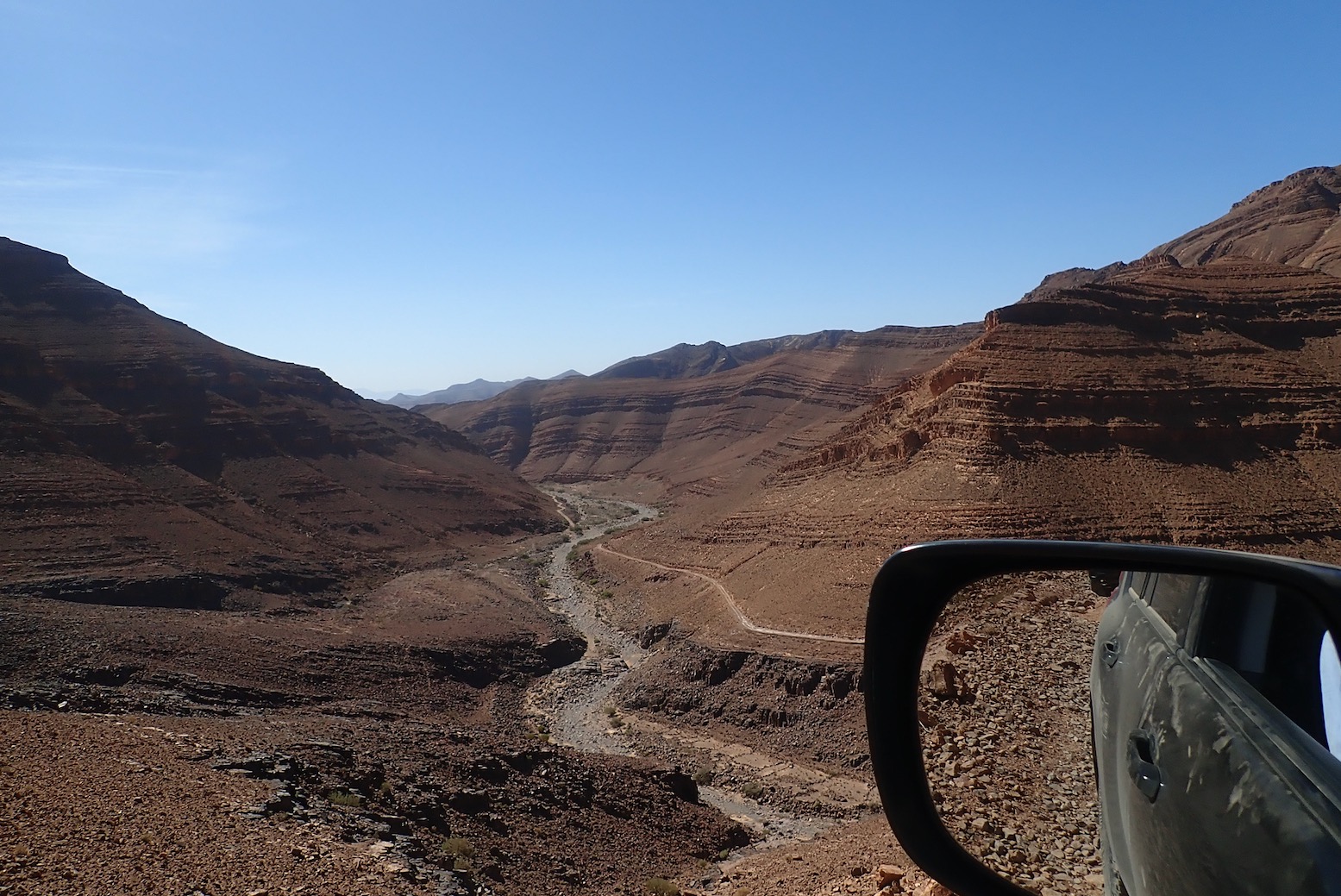
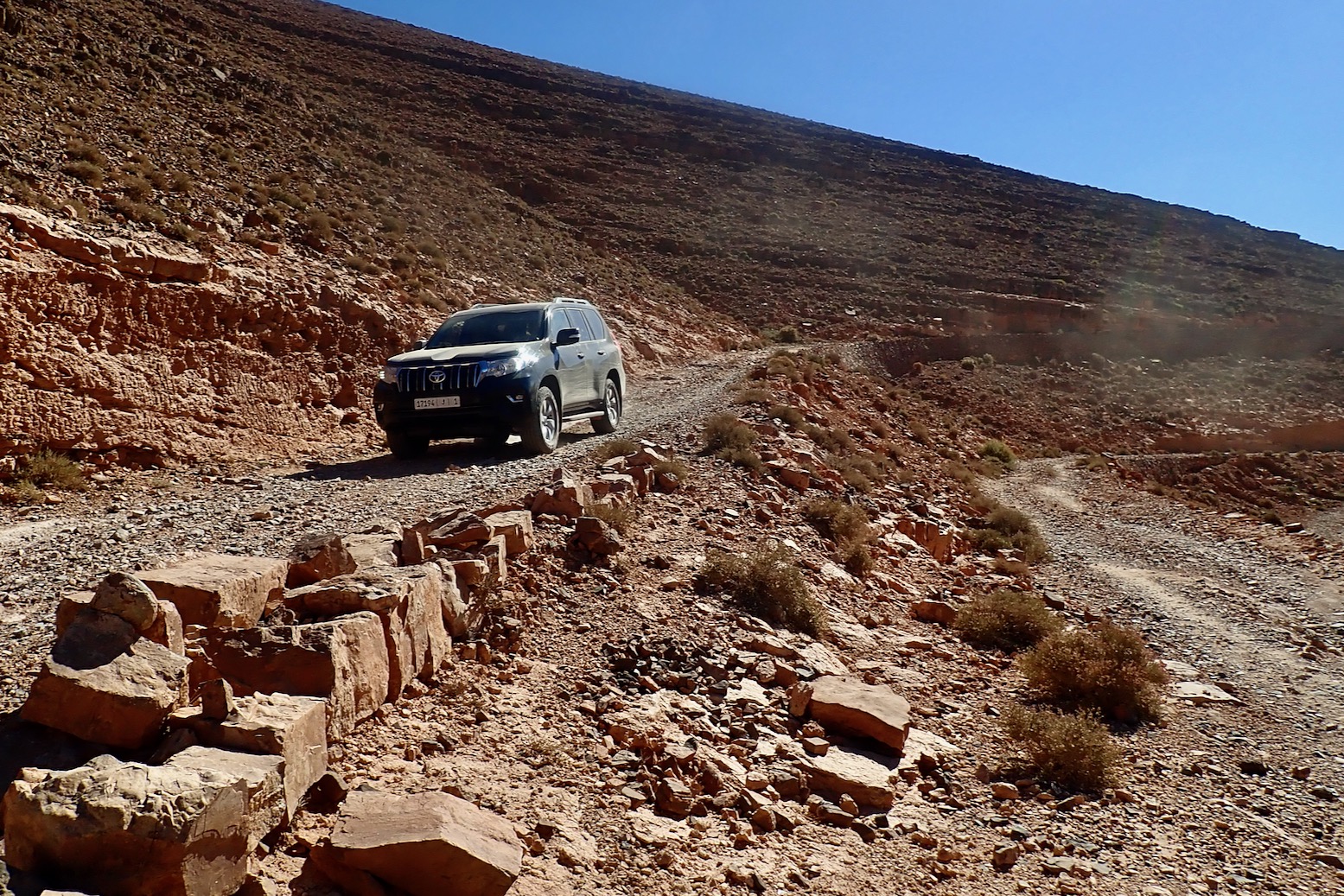
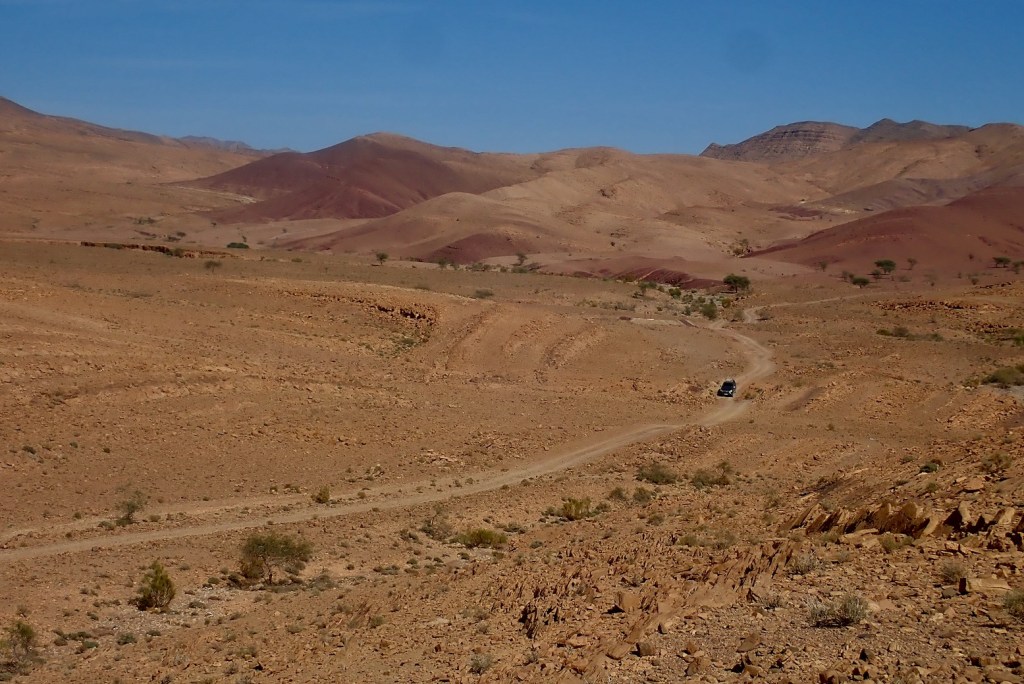
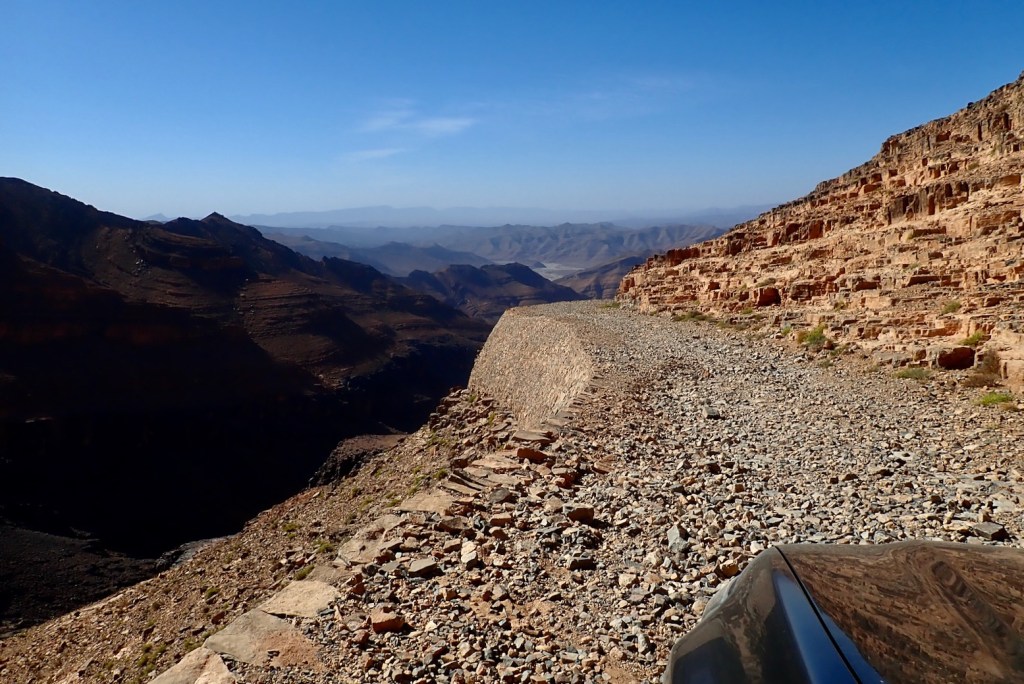
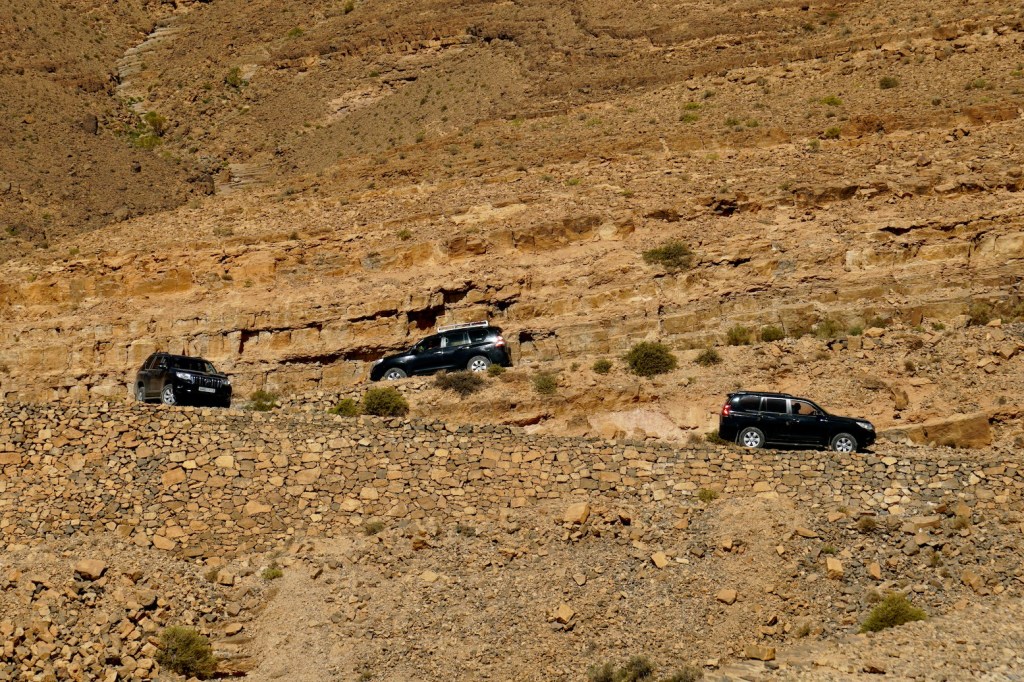
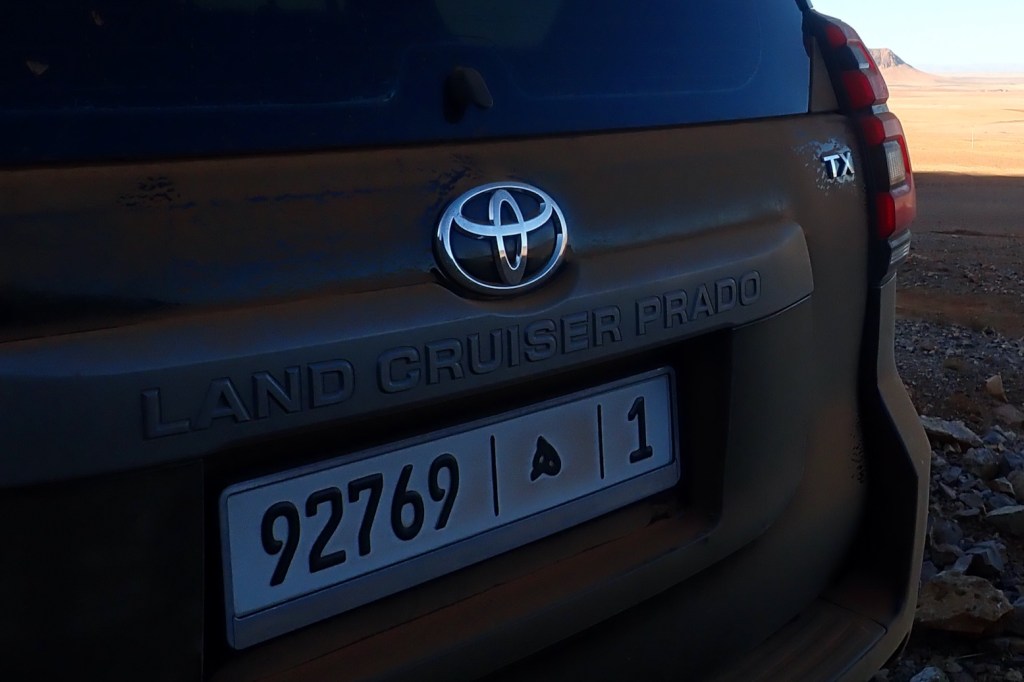
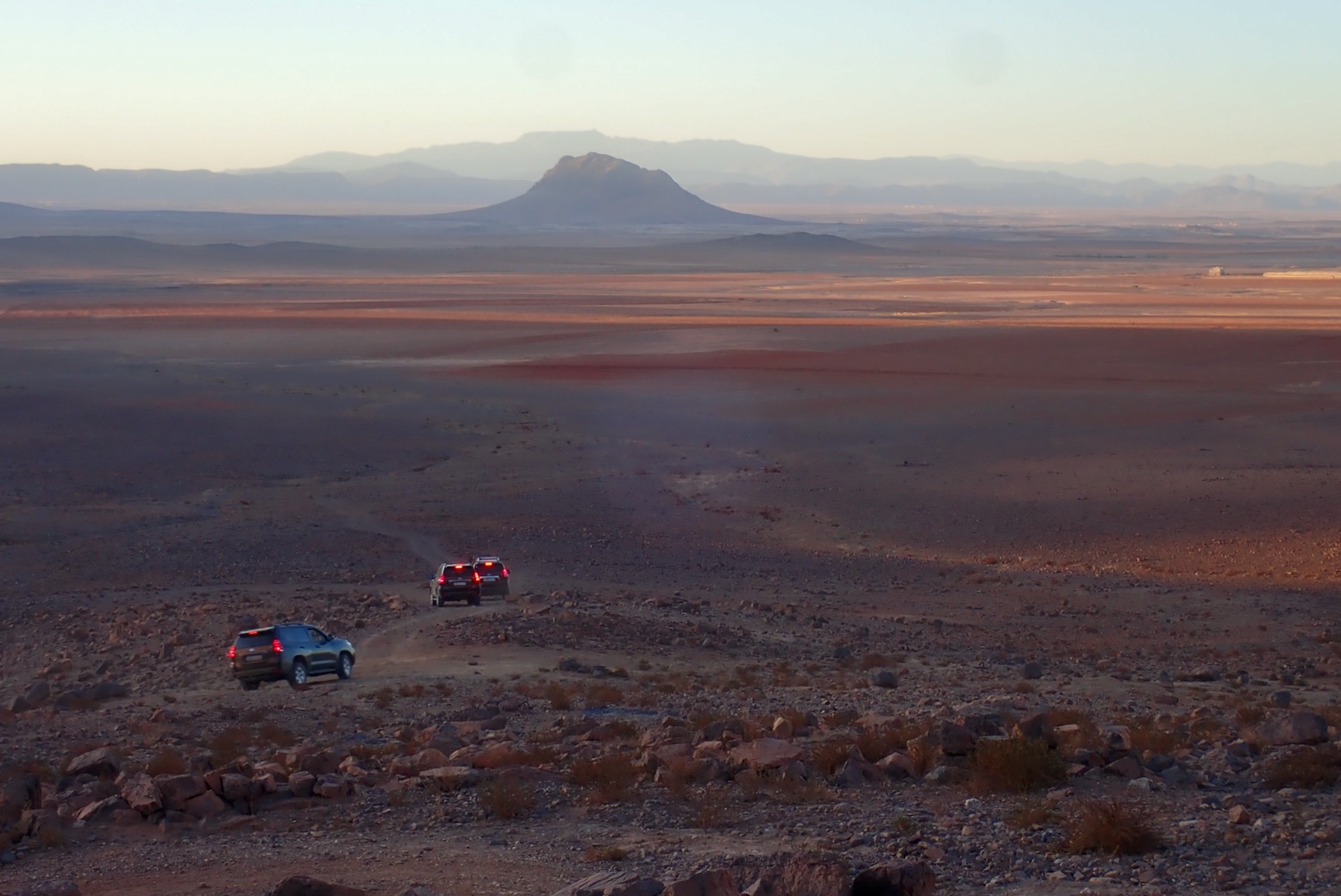
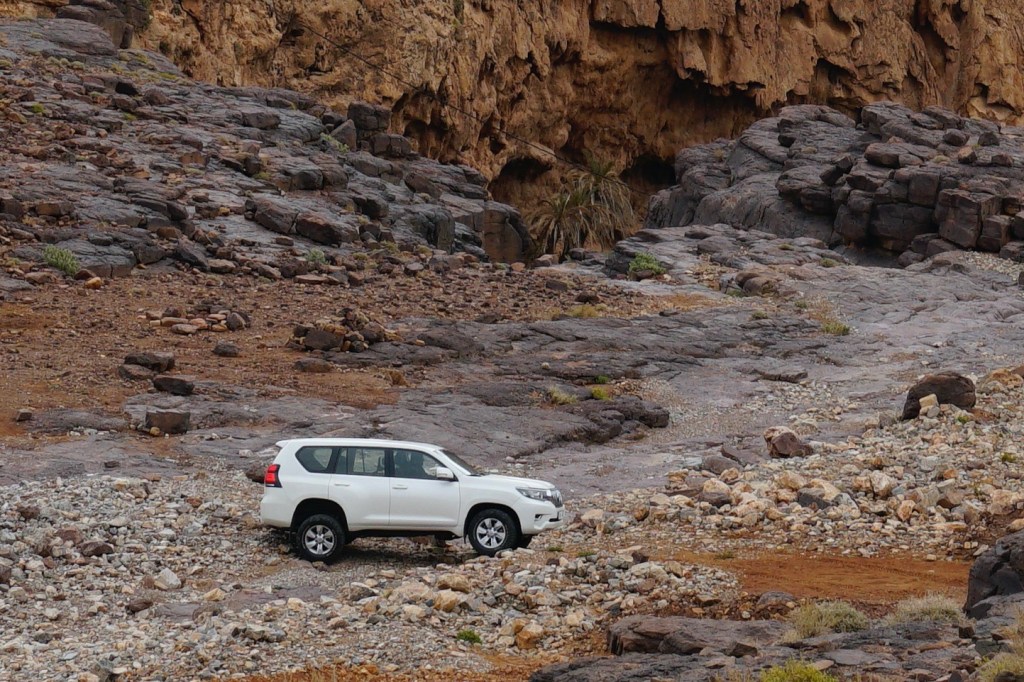
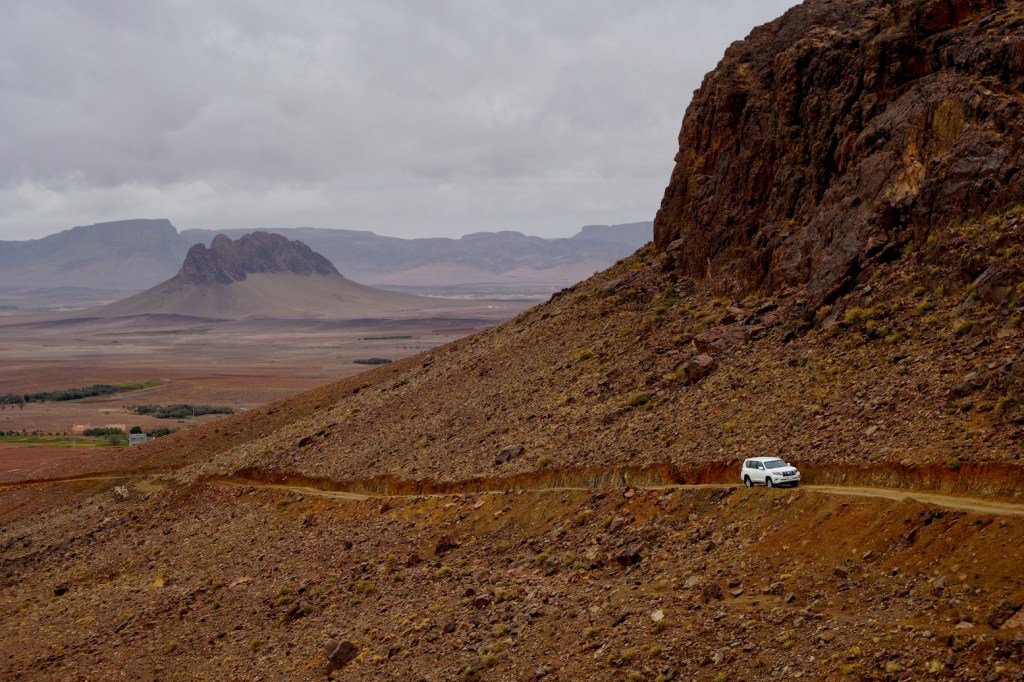
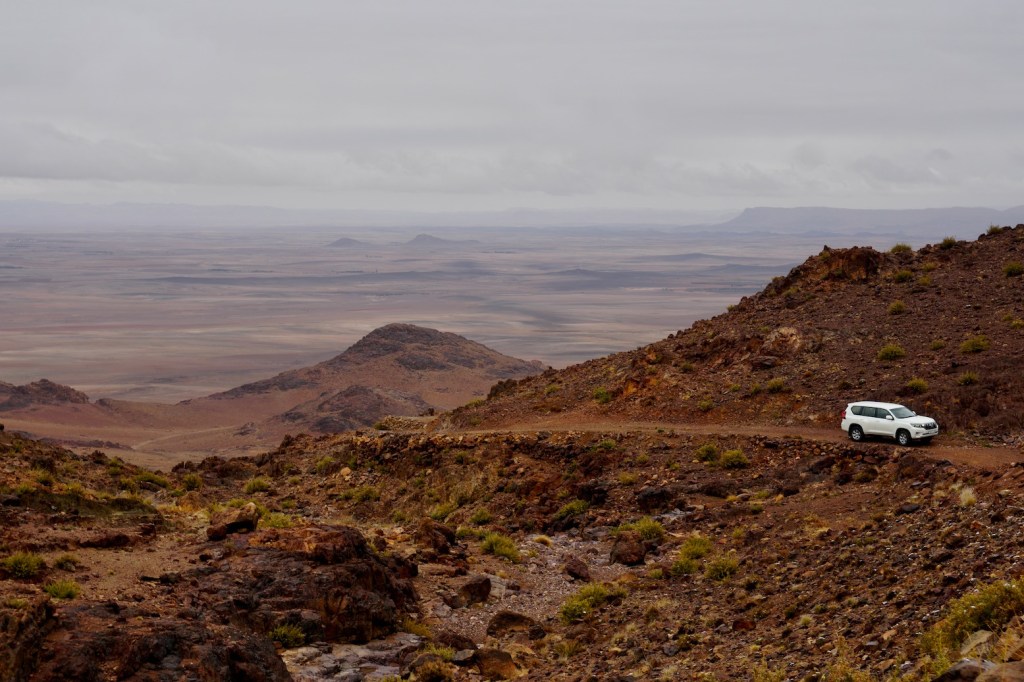
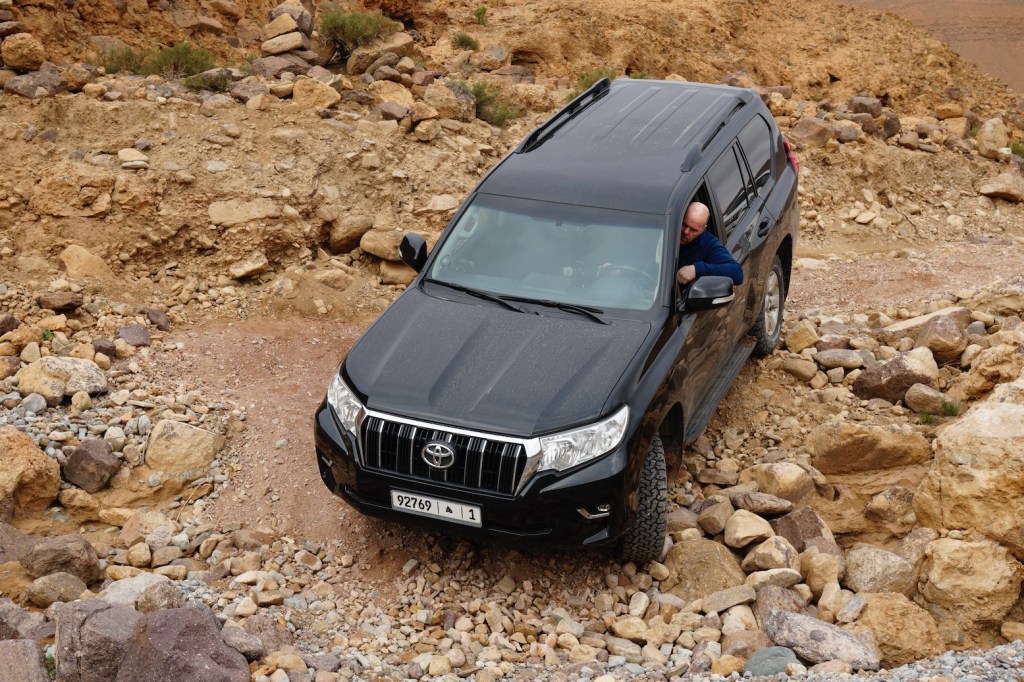
In October I had a recce job in Morocco and ended up driving a Toyota Prado TX. It’s been some time since I’ve driven a 4×4 – 2008 in fact: my Mazda in Algeria. Luckily I had an off-road instructor alongside to remind me what to do. I drove a similar route again twice, in February 2023.

The Prado TX is a commonly rented vehicle in Morocco – a 3-litre diesel €120/day for a manual or €165 for an auto as here. Auto diesels were very rare in my day but make sense as rental vehicles. The cars had around 100,000km on the clocks but looked in good shape. Part of the brief was to find some challenging tracks which I expected would get too much for the heavy, well-used and softly sprung TXs.

An auto fourbie is a new thing for me, but a great idea in that there’s no clutch to fry or gearbox to hammer. The Prado feels heavy and on the road is a bit of a sluggish overtaker, but off-road that ability to concentrate on wheel placement and braking is a better way of doing things.

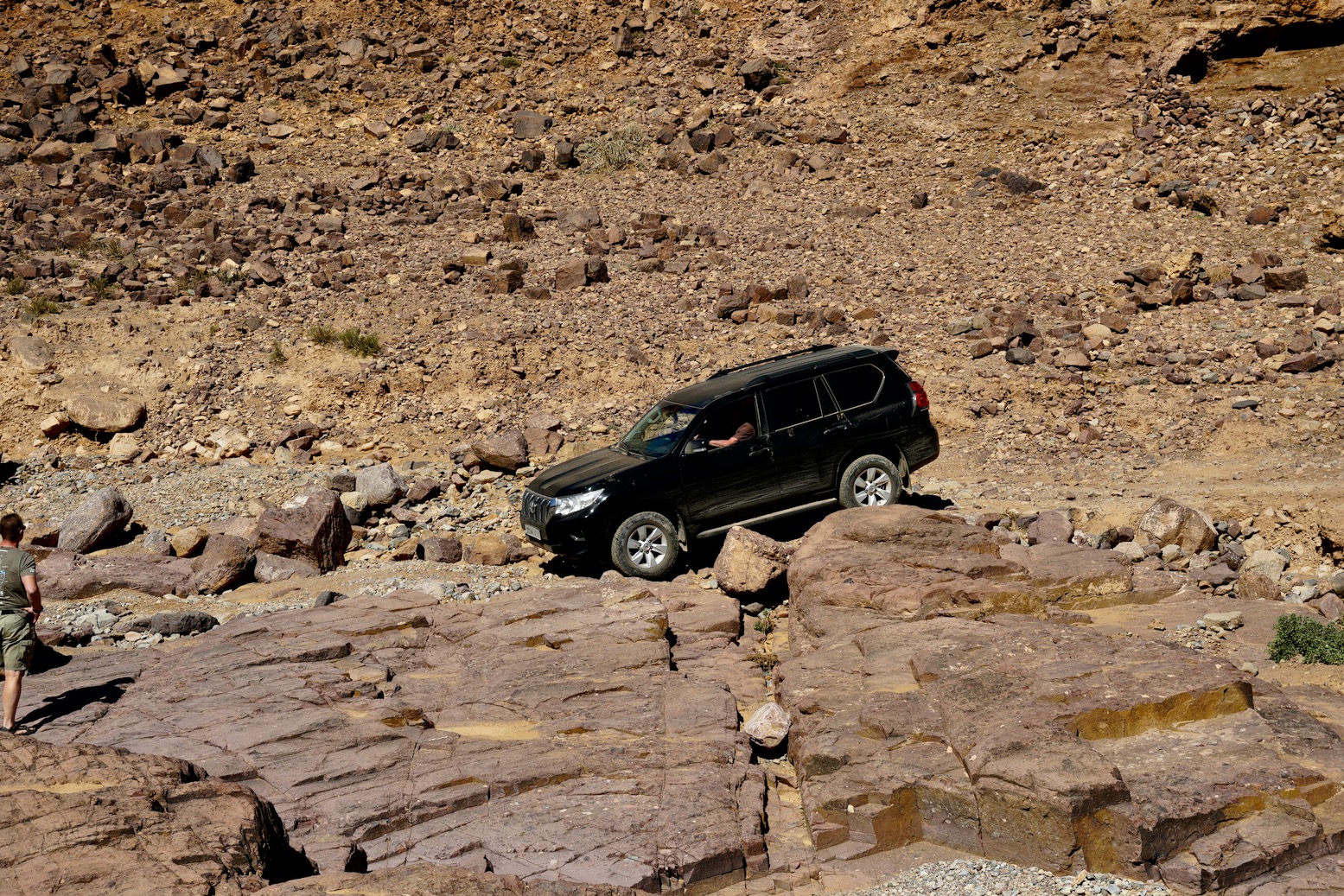
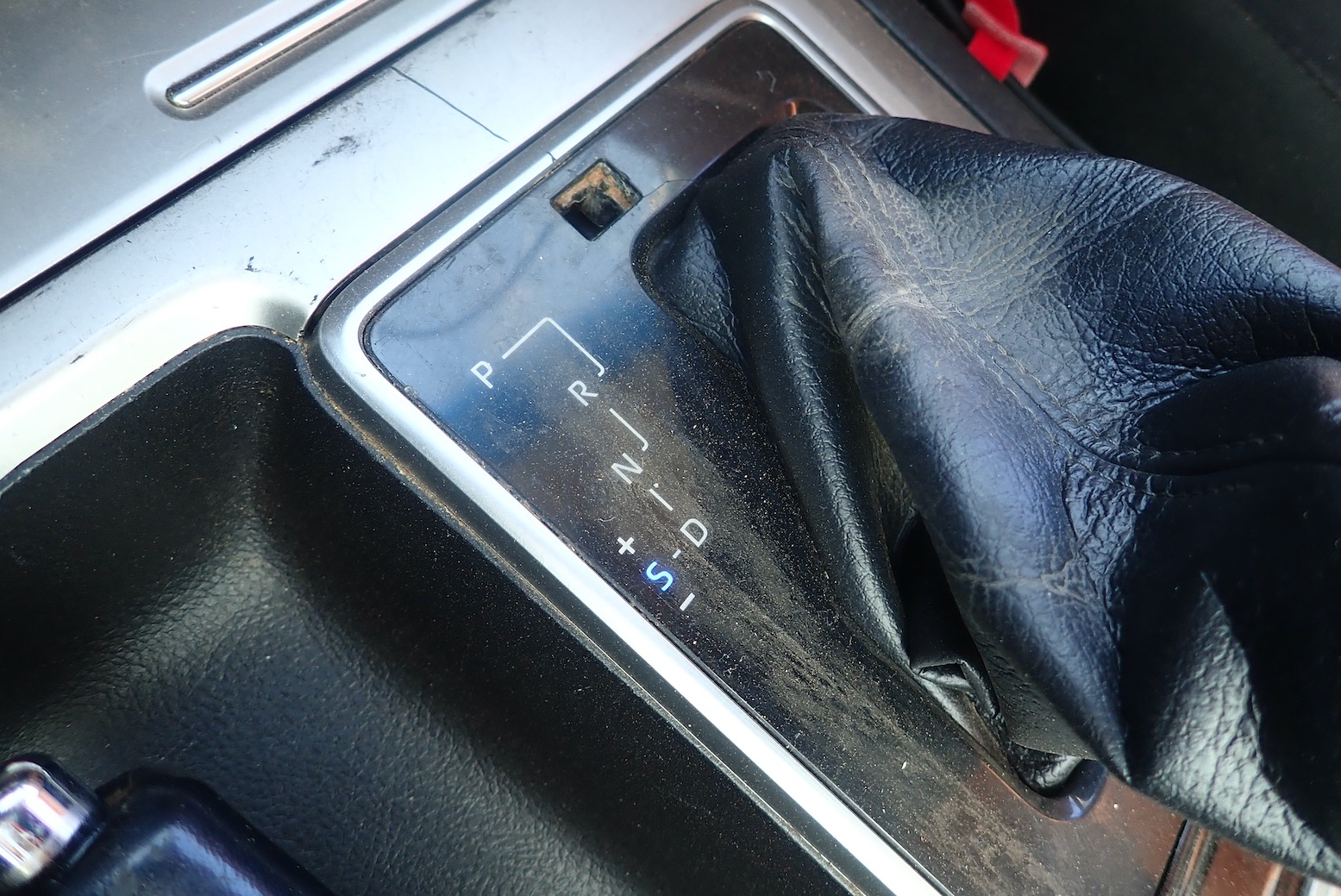
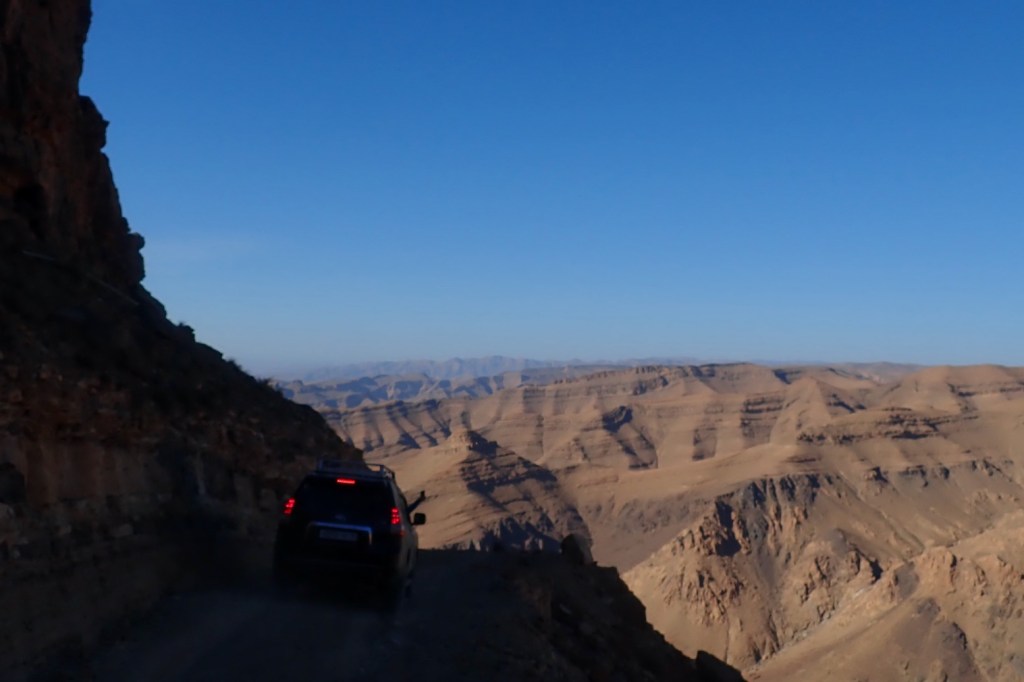
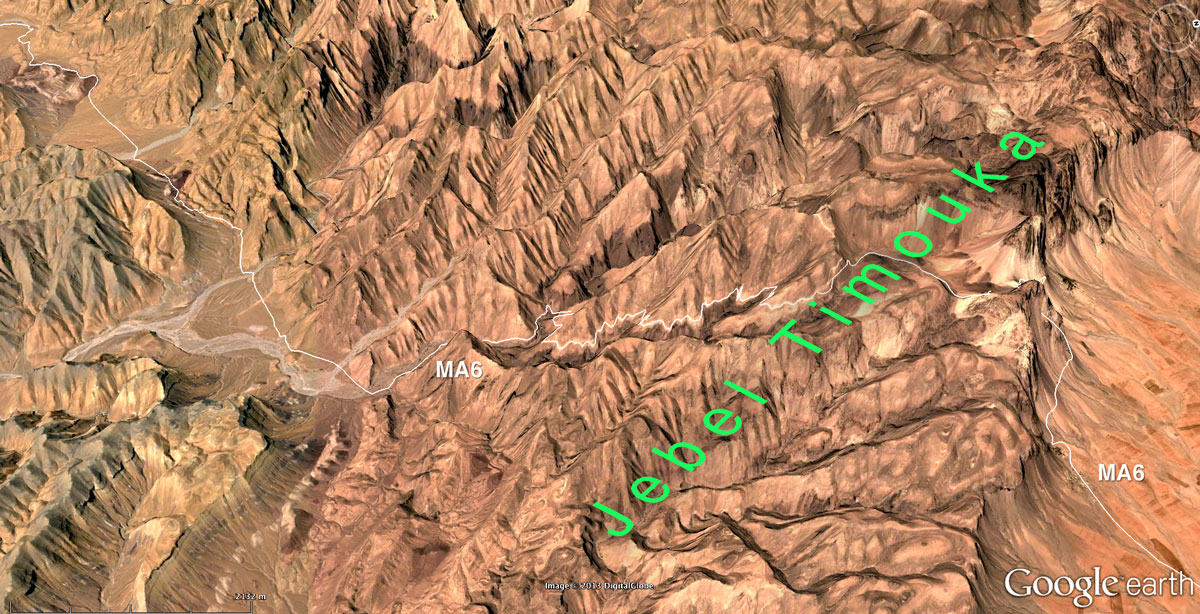
One thing I did find was that Low Range 1st was still too high while coming down Route MA6 on Jebel Timouka. It was over patches of rocky terrain more than the steepness which needed easing over, but I constantly had to dab the brakes. I think I should have tried Hill Descent Control (or some such) to slow the car down, though that may have been excruciatingly slow. The gearbox could also be slotted across into manual – ‘S’ – which also helped with control.

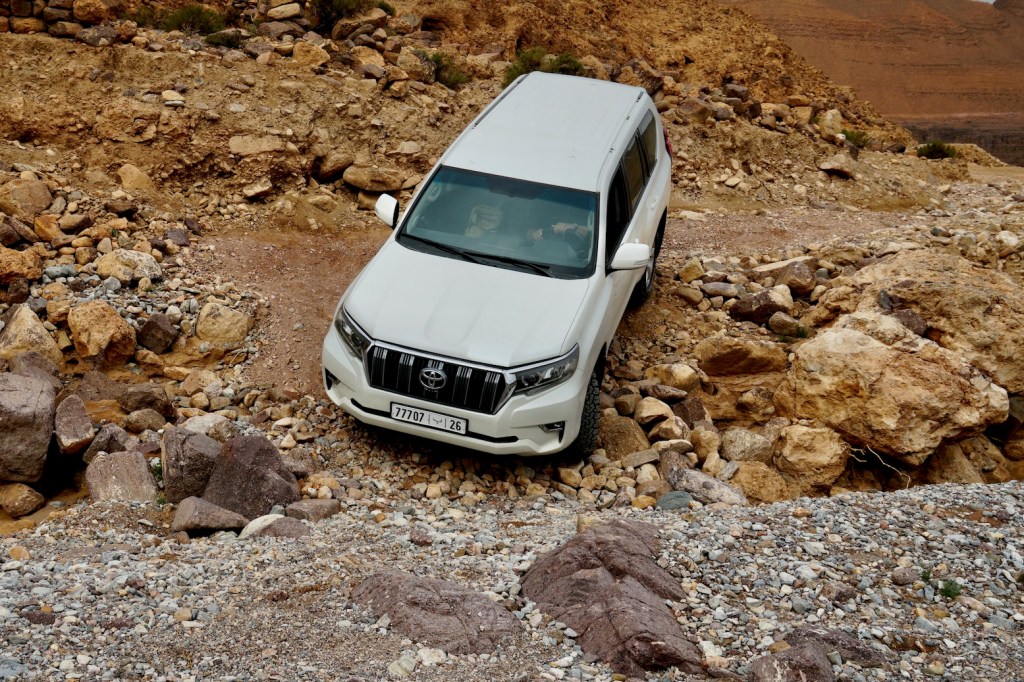
I’ve never scraped or thumped a 4×4’s underside so much as I did coming down MA6 in the TX at 5kph for two hours. They were all non-damaging hits but it’s not a good sound. The dash dial would also not lock the central diff the one or two times we thought we might need it. It was probably a faulty ABS sensor but traction-wise, the car managed fine thanks to the fat tyres on soft springs and dry conditions.

I heard later that a couple of months back an HZJ78 Troopy fell over at the bottom end of this route where a wash-out requires driving steeply up/down the river bank. On a few occasions I had to be marshalled over rocks; following the guide’s hand signals to inch left or right. Not done that for years but it’s a system that works very well. Taking it easy, front and rear bumper clearance were not issues.

At one point I had a ‘Specsavers’ moment when a rock jumped out of nowhere and caught the nearside front wheel while driving out along MS9’s riverbeds towards Anezal. We stumbled across that route from another direction and which I’ve also not done since 2008 on an XT660. I’m pretty sure that thump tweaked the steering wheel 5° to the left, though there seemed no damage to the linkages or subsequent vibration in the steering. We also had the age-old problem of dust playing up with the tailgate release locks.

All up, while it was fun to off-road in the Prado and the auto box make light work of the trails, it’s still a big fat, lumbering 4×4 which I’d have no use for elsewhere. I’d sooner do Morocco in a jacked up Audi estate or maybe a rented Duster.

In February 2023 I was back in a Prado, re-recceing the new version of the route above and then driving one the following week on the actual event. Again, one with over 150K on the clock did not light up the diff lock when selected an on this occasion we needed it. The newer Prado on the recce and the one I drove the following week (<20k on the clock) worked fine.
Notably these two cars appeared to have been lifted a couple of inches which made a huge difference to the scraping experienced in October. If you rent one of these for off roading, consider asking whether it has been lifted and hope that the delivered vehicle matches what was requested.

Z1 – New Jebel Saghro crossing

Z1 (formerly MH23; MZ1, ZR1)
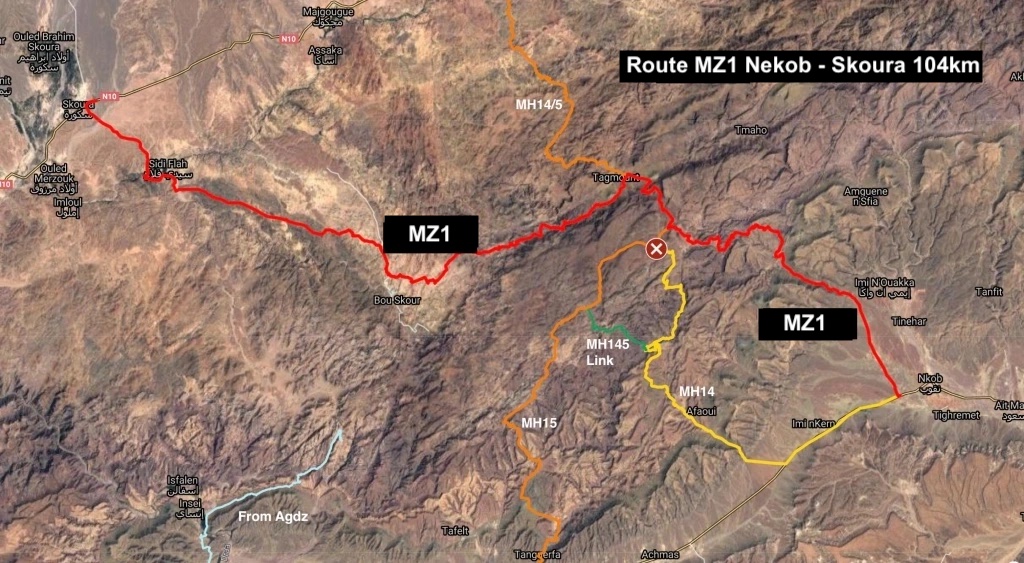
Nekob > Skoura • 104km

Last ridden: January 2024

Description
Now that the once classic MH4 from Nekob to Tinerhir (or Dades) is fully sealed, the southern sections of MH14 and MH15 still offer challenging off road crossings of the western Saghro mountains, with more routes to the east.
This route offers an easy way to access the range, initially following a well-maintained haul route west into the hills and down the other side on an easily followed mountain track.
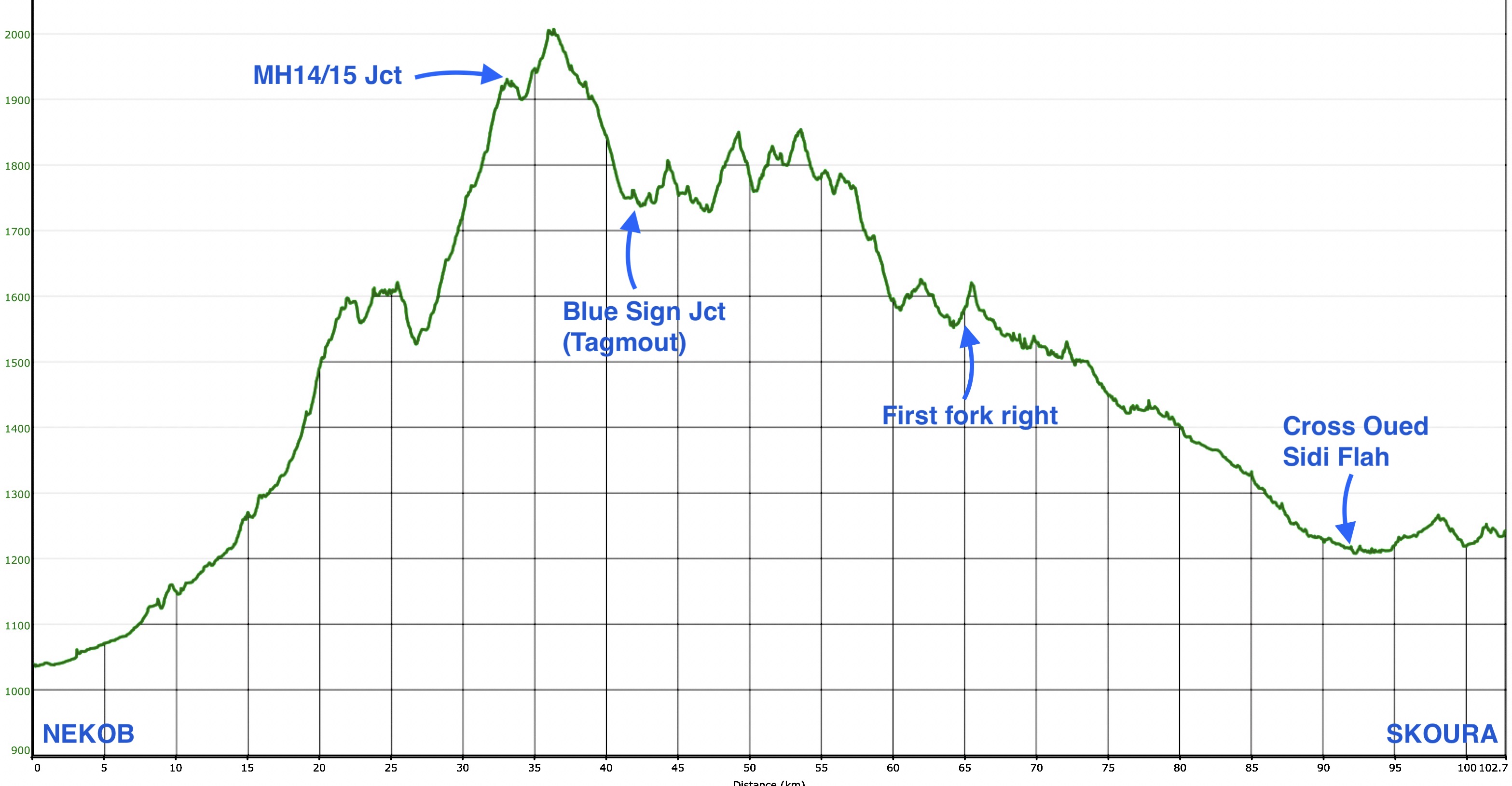
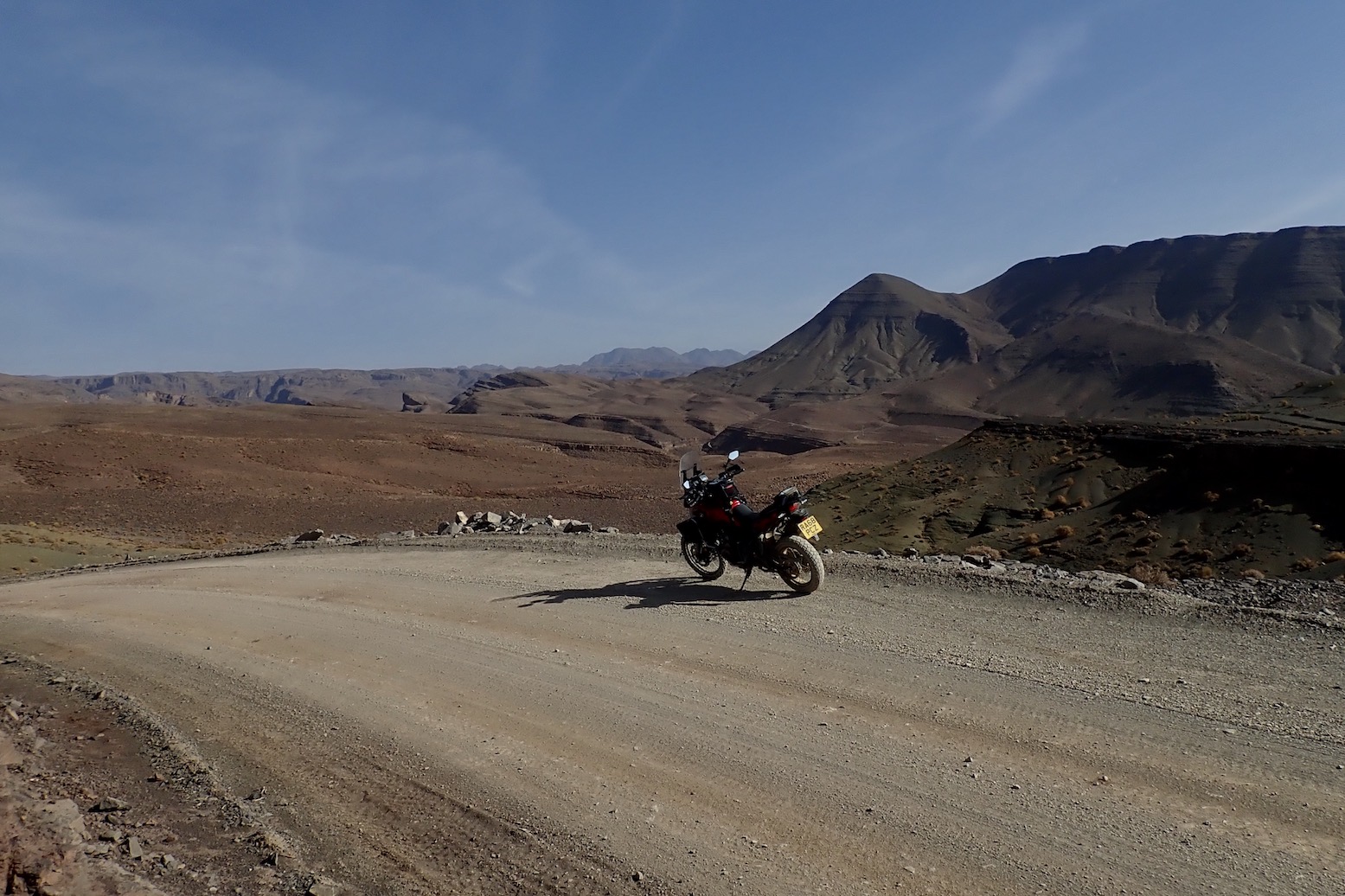
You get all the distinctive drama which make the volcanic ranges of Jebel Saghro but since I first road it, haul truck axles (combined with a lack of rain?) have ground almost all the bends into deep powder. This has now made the route tiresome on a bike; you won’t fall off unless you’re careless, but any flow is disrupted as you slither or paddle your way through the powder, bend after bend after bend. Coming into Tagmout from the west in January 2024, the ride was no fun; heading back north along MH14/15 towards Kella was loads more enjoyable, like MZ1 used to be. Even the col (not even a bend) just west of Tagmout on MZ1 is now thick with powder. In a car it’s not an issur; just expect clouds of dust.
Westbound, the drama subsides around KM70 heading towards Skoura, but in that time, above 1600m you’ll have passed several epic vistas that can make it all worthwhile. Thanks to local geologist Saad B for pointing out this route.

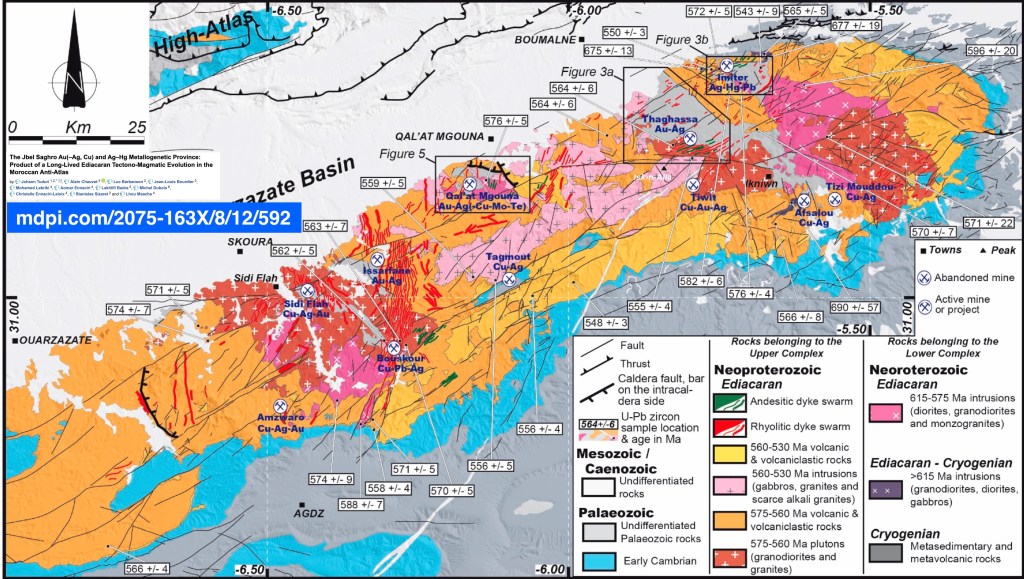
The whole of the Saghro massif is especially rich in high-value minerals and cross-crossed with dead-end prospecting tracks.

Away from either end, the only ‘village’ is Tagmout (KM43), a few smallholdings and a mosque strung out in the basin and overshadowed by the gold/copper excavation just to the north. This mine must be why the eastbound part of the track got carved out of the hills; it’s not like there are a string of others lonesome hamlets up here needing a link to the outside world..

ZR1 I call this piste now

Mapping
There’s nothing on paper of course, unless you print it yourself, but you can track it clearly on Google satellite and Apple Maps, as well as free digital maps like the particularly good GarminOpenTopo. There were only a few scraps of trail showing on my v3 Garmin Topo (v4 is current).

Off-Road
Because the east section is used by mining dump trucks (I saw three just as I left Nekob in 2021; one in 2022), east of Tagmout this track is wide and in great shape and so remains doable with any car or bike. On an Africa Twin in 2021 I did find the countless western switchbacks – ground down to powder by the trucks’ scrubbing tyres – needed to be inched around. A more stable KTM 890 (with a group) made easier work of these in 2022, and a week later 310GSs were easier still to manage but riding in spring 2023, I had the feeling it was getting pretty sandy on the west stage and was pretty awful by January 2024; with the wrong front tyre it will be tiring. A 4×4 will barely break into a sweat or low range.

Route finding
After studying Google satellite I traced a putative kml along what looked like the clearest route, and it all panned out fine with no wrong turns. Westbound, you can’t go wrong up to the blue sign in the Tagmout basin (KM42; Berber women selling trinkets) and beyond here most forks of substance are to the right on the downward section, passing north of Bou Skour village and mine site (which you don’t see) to the big village of Sidi Flah.
I saw no other traffic bar the three dump trucks rolling into Nekob in 2021 and in 2022 we saw a couple of Berber shepherd 125s and a lorry.

Suggested duration
Allow half a day in a car or 4 hours on a bike with scenic stops.

Route Description
0km
 (104) Nekob west Afriquia fuel. On the other side of the main road, 200m to the west, a tarmac side road leads north to villages.

5.5 (98) A track splits left off the tarmac. There was some roadworks here in late 2022; work your wat round towards the pass to the northwest. Soon you cross a oued and enter a small palm gorge at which point the climb begins.

19 (85) Col at 1420m.

KM19

25 (79) Approach the impressive buttes of Jebel Agoulzi to the southwest (below). More noteworthy vistas follow.

KM25 and Jebel Agoulzi

33 (71) Reach a junction with tyres on cairns which is a 3-km link SW to MH14. MH15 comes in about 3km later (KM36) up from the south. You now head north for 9km, on the way passing the 2004-m high point with great views of the snowy High Atlas (below), if the season and conditions are right.

You then work your way down sweeping bends into the Tagmout basin with a mine on its northern flank and where tracks diverge.

Looking over the Tagmout Basin (March 2017)
The Blue Sign at Tagmout

42 (62) Blue sign junction just east of Tagmout ‘village’, such as it is. Turn left for both Kelaa (as signed; MH14/15) and almost immediately left again (no sign) up to the Tachbouft Pass (KM45; 1805m) visible to the southwest for the run west to Bou Skour.
Over the next 20km the track rises and drops over the ranges with several impressive viewpoints (below).

65 (39) Fork right. (Left leads down to Bou Skour village south of the mine). The most dramatic part of the crossing is over as the terrain loses elevation.

69 (35) Fork right again north of Bou Skour mine. In a kilometre keep right again just before some trackside machinery, and soon (around KM70) the main track from the mine (P1514 on Google) joins up from the left (south). You now follow the P1514 heading north then west.

79 (25) Fork. Keep left on the main track.

86 (18) Converge with a minor track coming from your left and where a red sign says ‘Bouskour 18,4km’ (pointing the way you’ve come from).

88 (16) Track joins from your right. All these three side tracks over the last 10km are minor: the main track is clear.

91 (13) Just after a passage alongside a farm wall, you cross a tributary of the nearby Oued Dades and swing north. Soon you pass through the small town of Sidi Flah. In 3km cross a bridge over the Oued Dades.

103 (1) Near a power station, at a lone, unconnected orange pylon keep right to reach the N10 visible up ahead. Once there, turn right for the Inov roadhouse on the eastern outskirts of Skoura. Left is for Skoura and the N10 to Ouarzazate. Straight across leads up to the actual town centre and Amzeria (Amerzi; see update Update 3.0.14 – May 2019)

104 Inov roadhouse. (100km from Nekob on a 310GS odo). Lovely fresh tafernoute bread if you time it right.

Tis the Spiral Tunnel of Tagountsa

Part of the Sahara A to Z series

spirtuna
spirmoha

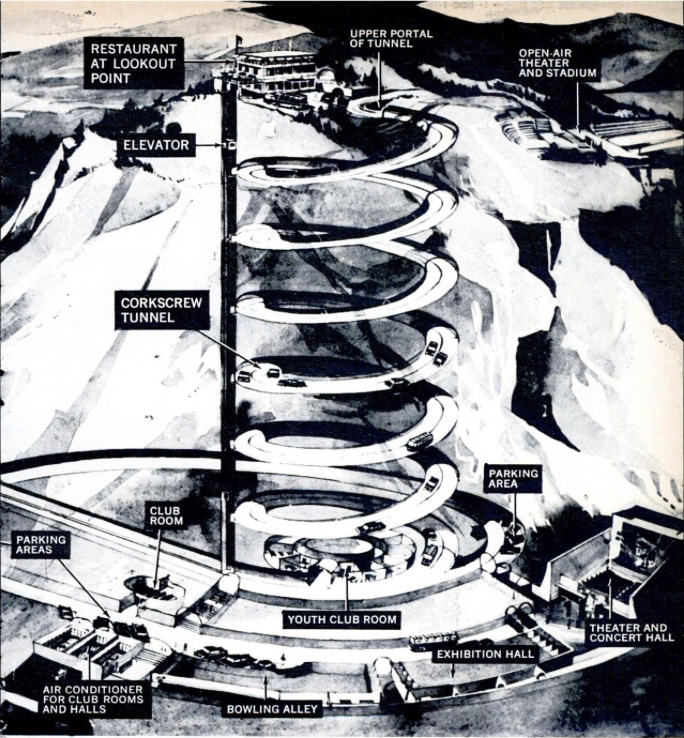
High up on the side of a remote High Atlas valley is an engineering marvel – hewn through the cliff face a spiral tunnel manages to curl down through the rock and emerge underneath itself.
I was told about this curiosity in 2012 by the chap at the cozy Chez Moha auberge (right) in Aït Youb while researching the second edition of Morocco Overland. Riding a BMW F650GS, I followed his directions with the usual route-finding issues and then, beyond the last village, hacked up a stony disused track to the 2250-m (7340′) Tagountsa Pass. From the cliff edge I recall the timeless view stretching east up the Plain d’Amane valley towards Rich, pictured below and on p128 in the current book. A short distance later I spun through the tunnel and rolled down a series of switchbacks back to the valley floor and a tasty tajine back at the auberge.

tang

Spiral tunnels have been a long-established solution to constricted route building challenges across mountains. You could even say that your typical complex freeway intersection where the road winds back under itself to change direction tightly is the same thing in flyover form. But you must admit that hacking out any type of tunnel – let alone one where there’s no room to dig out a regular switchback – is an impressive task.

spirplak
yvrom

Not for the first time on this website, I’m able to benefit from research of Yves Rohmer (right) on his always fascinating collection of old Saharan curiosities at Saharayro, including the Tagountsa tunnel. Viewed on Google Earth, the big picture is more vividly rendered setting View > Historical Imagery back a few years.

spir
spirplan
spirtuna

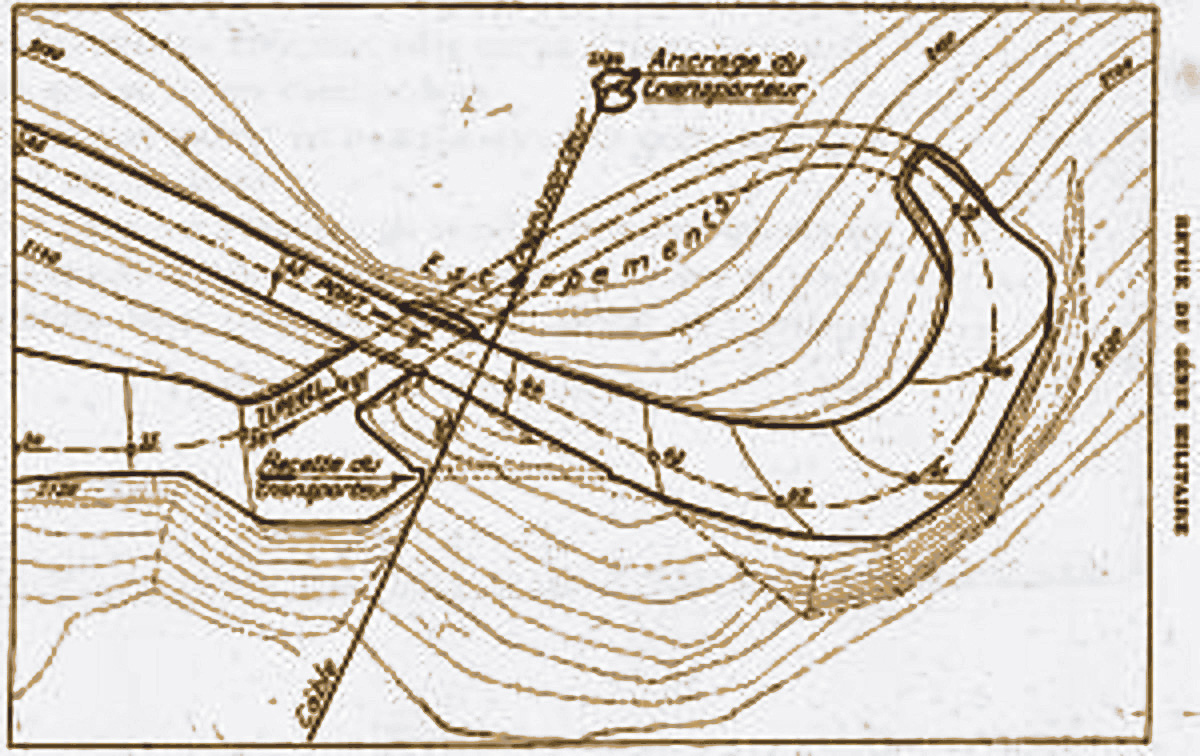
Even then it’s hard to visualise what’s happening until you look at the old plan, right. You can see the anticlockwise descent of the bore and just work out that it starts with a short separate concrete bridge over the lower mouth of the tunnel. The daylight streaming down the gap can be seen in the image repeated on the left (and as a slim shadow in the round inset, above)

spirimit
legion

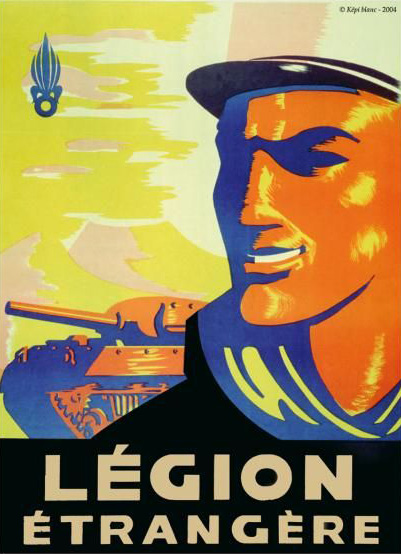
Built in 1933 over a period of just three months by some 3000 labourers from local and French regiments, few realise that at this time the French were still fighting to subdue renegade Berber tribes in the mountains of Morocco.
As you can see on Yves pages, the engineers, sapeurs and legionnaires passed their spare time commemorating their achievement by engraving regimental emblems in and around the structure. I was told the motivation for all this effort was to enable a secure, high transit of the valley, so avoiding protracted Berber ambushes at the narrow Imiter Gorge (left; ~KM70) with it’s Mesa Verde-like dwellings.
The same crew probably built the better known 62-metre Tunnel de Legionnaires five years earlier at Foum Zabel now on the main N13 highway north of Errachidia. A plaque there boldly states:
The mountain barred the way.
Nonetheless the order was given to pass…
The Legion executed it.”

spirtun

The Tagountsa tunnel the Legion helped build is at KM102 on Route MH13 in the book, though if you reverse the route it’s only a 10-km off-road drive off the Rich road just east of Amellago, turning north onto the dirt at KM113. Depending on storm damage, an ordinary car or a big bike should manage it, but note that you’ll be negotiating all those hairpins on the Google image above. From the west side (as Route MH13 describes the loop) it was a rougher and slightly more complicated ride on the BMW up to the pass.

spirdram

Perhaps because trains can’t negotiate hairpins or climb very steep grades, it seems that spiral or helicoidal tunnels have been a much more common feature on mountain railways than roads, particularly in the Rockies.

Norway’s Drammen Spiral (left), some 50km southwest of Oslo is a notable example, dug we’re told, as an alternative to disfiguring effects of open quarrying on the landscape back in the 1950s while at the same time producing a revenue-producing tourist attraction in the process.

Morocco Overland: Route J2, J3

Updated December 2025

Trans Atlas: J2

Talat n Yacoub (Ijoukak) > Ouneine basin > Ouaougdimt valley > Aoulouz • 88km
Last run October 2023 – CRF300L

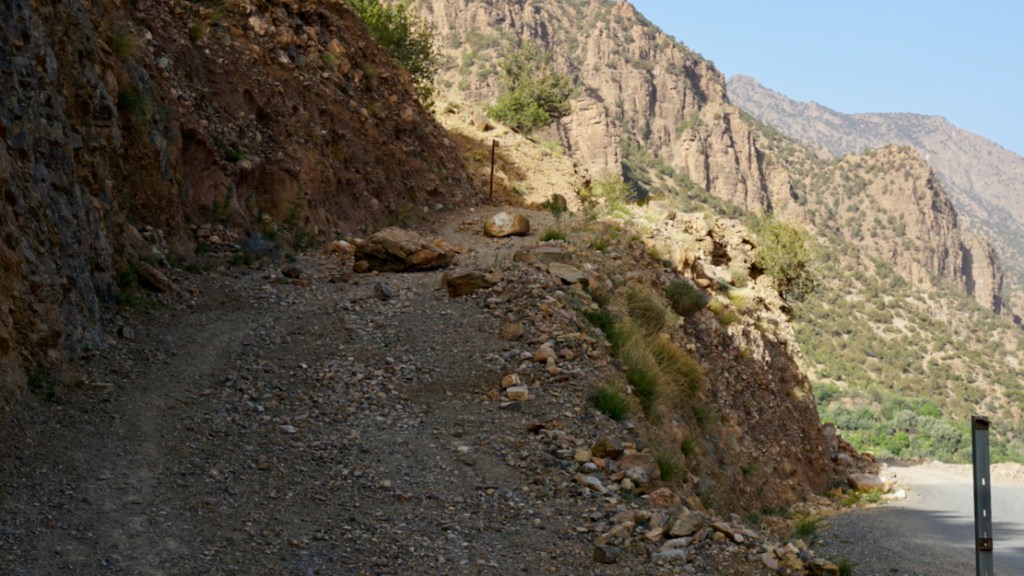
Following the September 2023 earthquake, the steeper north slope of this track is almost immedaitely blocked and remains unused. To get to Ouneine take the bypass and cut back west via the road or the MH212 link route.

a310-7

Description
High Atlas crossing parallel to the nearby Tizi n’ ‘Test which peaks at the 2200-m Tizi n Oulaoune (30.940222, -8.125111), following a steep climb: some 500m in 8km after leaving the road SE of Ijoukak (right).
You may find the looser parts of this climb a struggle in a 2WD or on a heavy, wide bike, but this was not the case on 2022 in a 4×4. It’s probable that local 2WD vans only do it downhill (northbound) to Ijoukak. Track immediately blocked by post-earthquake debris (below; 6 months later) and remains abandoned.

In 2022 the track was rougher as it rolled down to the Ouneine basin and the P1735 whose extension eastwards to Igli on (J3) is now sealed. Keep right at the fork with an illegible sign. At the bottom just before it joins the road you have to detour south around the boundary fence of a new small mine,

Once in the basin carry on SW along the P1735, and at Sidi ali ou Brahim swing sharp left off the road, cross the stream and follow the Ouaougdimt valley 24km SE (not fully shown on most paper maps) to join the road coming down from Aguim on the N9 Marrakech–Ouarzazate road.
Or, if you’re in a rush or heading towards Taroudant, at Sidi ali ou Brahim carry on 23km south on the ever-bendy P1735 to Sidi Ouaziz (fuel) on the N10. Otherwise, it would be a shame to miss out on the scenic Ouaougdimt valley stage, as it rises onto a terrace high above the valley floor.

mhh20

Mapping
Parts of the route are just about legible on paper maps, least badly on the inset ‘High Atlas’ panel on the Michelin. But none show the full Ouaougdimt valley route. It’s all on Google and the OSM/Garmin digitals.

Off-Road
The climb up to the 2200-m Tizi n Oulaoune pass from KM11 starts a steeply but is now blocked. From the pass the gradient eases off with great views doiwn to the basin while you’ll find the Ouaougdimt valley stage no harder than anything you’ve just done. Carefully ridden, a big bike might manage the loose hairpins; so could a 2WD with low first and clearance, though as always, these mountain tracks require concentration. On an MTB it will be a slog if not a push up to the Tizi n Oulaoune, followed by a rough freewheeling reward to the basin and no more huge grades thereafter. Bikes might have more fun following J3 to the high P1735 road, turning left or right.

Route finding
Easy enough. We winged it just by studying Google satellite imagery beforehand, jotting down some distances between junctions. That’s now all listed below. Download the kml file.

Suggested duration
Half a day will do you.

Route Description
0km
 (88) Talat n Yacoub fuel station (village destroyed but still serving) on the N7 Tizi n Test road. Head north to Ijoukak village.

3 (85) Pass through Ijoukak, cross the bridge and turn immediately right up the side road now thronged with relief tents. Soon you’ll pass Houssain’s agreeable mountain lodge (repaired; reopened). Huge boulders have fallen on the road.

11 (77) At the fork before a village turn right, drop down over a bridge and carry on. Soon there’s a sign right: ‘Ouneine? 24km’. The 500m climb to the pass begins. (Ahead, MH21 continues). To reach Ouneine take the J2 bypass and take the road, or link track which comes in to Map Junction below.

19 (69) Tizi n Oulaoune 2200-m high point with views of Toubkal (4167m) 20km to the northeast. The track now eases off as it descends.

mh20km23
KM23 Map Junction
feb20 - 36

23 (65) Fork with sign (photo above: ‘Map Junction’). East at this fork is a rough track (MH212) which in 9km joins J2 to Igli. Keep right (south) to continue descending to the Ouneine basin visible to the west. At a small mine work your way round the fence to the south. to rejoin the track. Eventually, at a junction around KM35 you join the P1735 road which goes E towards Igli/Iguidi over a 2500-m terrace. This is a spectacular high mountain road (J2).
Meanwhile, the P1735 crosses the Ouneine (shops and cafes) basin SW and threads through a small pass back into the hills.

mh20ouaval

54 (34) Sidi ali ou Brahim. The tarmac carries on 23km to Sidi Ouaziz (fuel) on the R110/N10 but you turn sharp left here, drop down to the stream and up the other side. The track is initially a bit eroded and loose as it climbs to the first village, but that’s why they invented suspension. It then eases off as it rises above the valley on a terrace (right) with great views down to the villages below. You could be in the Cevennes or the Pyrenees, but you’re in the High Atlas. It could be worse.

78 (10) Join the tarmac (J4) by the reservoir. Turn right (west).

83 (5) Roundabout on the R110/N10.

88 Aoulouz fuel stations.

mh20desc

Trans Atlas: J3

Ijoukak > Igli/Iguidi > Askaoun > Taliouine • 170km
Last run: October 2023: CRF300L

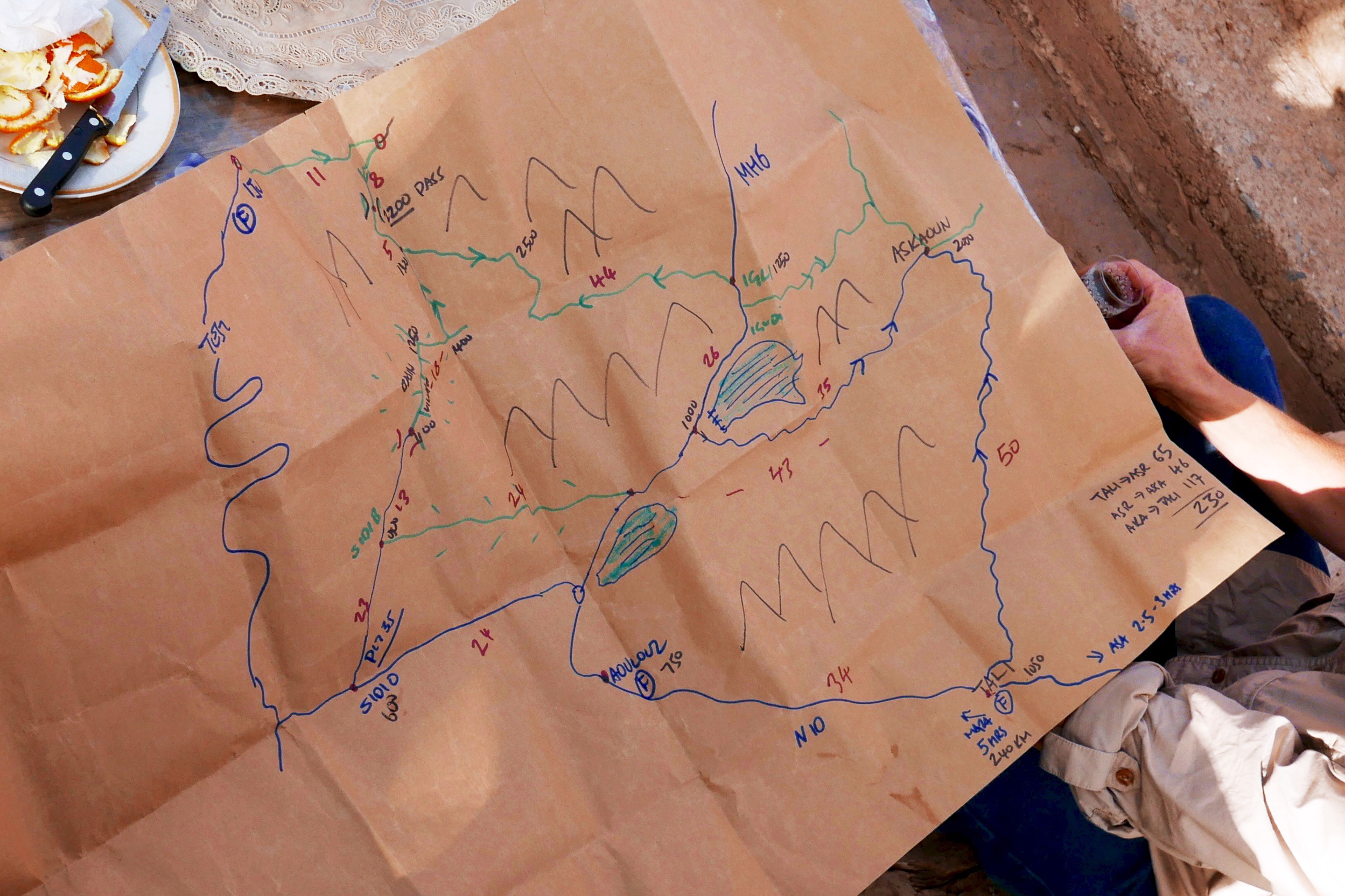
At the ‘Ouneine’ turn-off for the blocked track up to Tizi n Oulaoune, carry on southeast on tarmac for a few km until it ends at a village (green mark on map above). Keep going along an easy piste rising up the valley and past a couple more villages all surrounded by relief tents in 2023. Just before one village keep right (downwards); sharp back left leads up to who knows where. Your route climbs to meet the end of the J2 link track close to the Ouneine-Igli tarmac.
Turn left then at the tarmac nearby it’s left up to over 2550m then a long wind down to Igli/Iguidi (hotel/cafe) on the Aquim-Aoulouz road J4.
From here carry on south then west down the valley and turn left at a sign to cross below the dam wall (long term roadworks) and wind your way up to up to Askaoun (KM120) then 45km down to Taliouine.
Total 170KM, fuel to fuel.
I did versions of this route three times in November 2022 with a lunch in Igli. A great ride with a dizzying number of bends in one day.

A few photos   A few more

Looking down on the new bypass from the high route

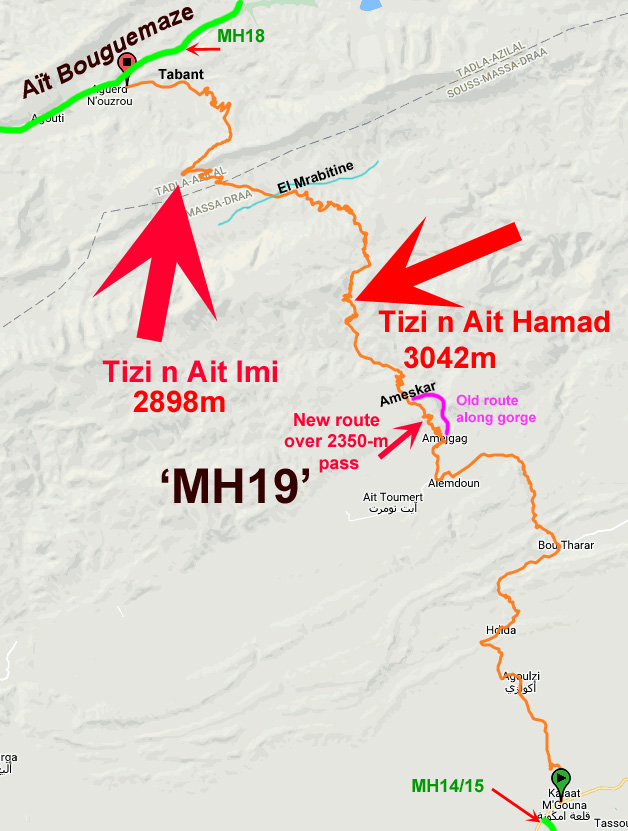
MH19 (HA6, HA7, HA9) a new High Atlas crossing

Updated January 2024
Now only 2 + 10km of piste remains, but plenty of gravel and broken tar

demdem
kelaa-aitbou1

In 2017 Moroccan road builders completed a new High Atlas crossing. I heard about it too late to describe fully in the 2017 edition, although it is mapped on page 110.

I got to ride the route on a 250 just as the book was published in October 2017, and again about a month later southbound in a 4×4. Now it’s a straightforward drive once you find the start points, doable without much of a description or GPS.
Northbound, all you need to know is:
1. Pass through Alemdoun village and stay on the tarmac and first right over the first pass. Southbound, just east of Tabant turn right (south) over the ford for the easy 17-km climb to the Ait Imi pass.

Fuel
Aït Bouguemaze end, the nearest fuel is either Azilal, 79km to the north via MH17 – a fabulous drop from the pine forests. Or stay on MH18 west to Demnate; 83km – about 90 mins of near-constant bends. Also ‘Ouaoui‘ further north via the Cathedral cliff. You can also buy fuel by the litre from shops in Alemdoun and Tabant and other small towns.
mh199
mh19gg

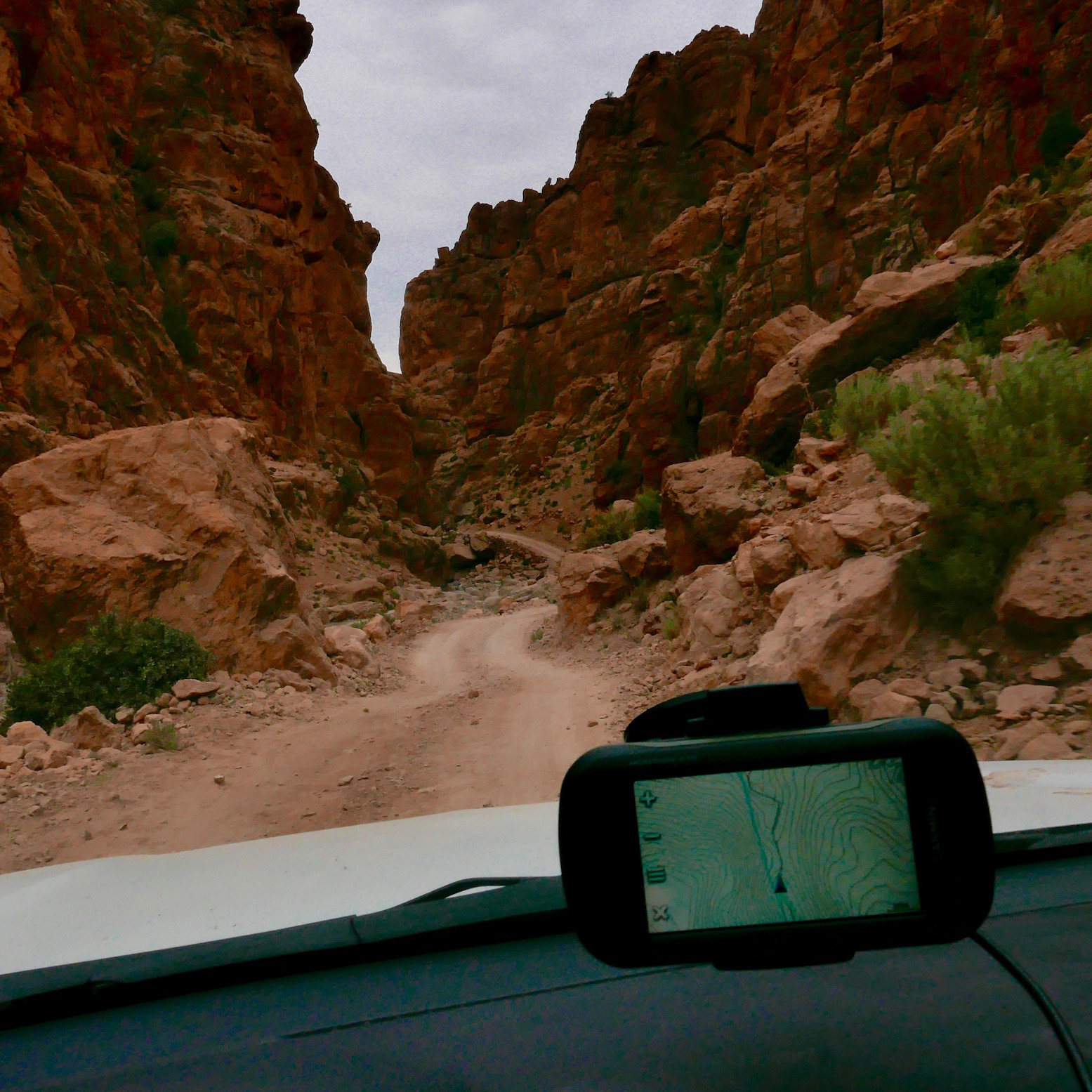
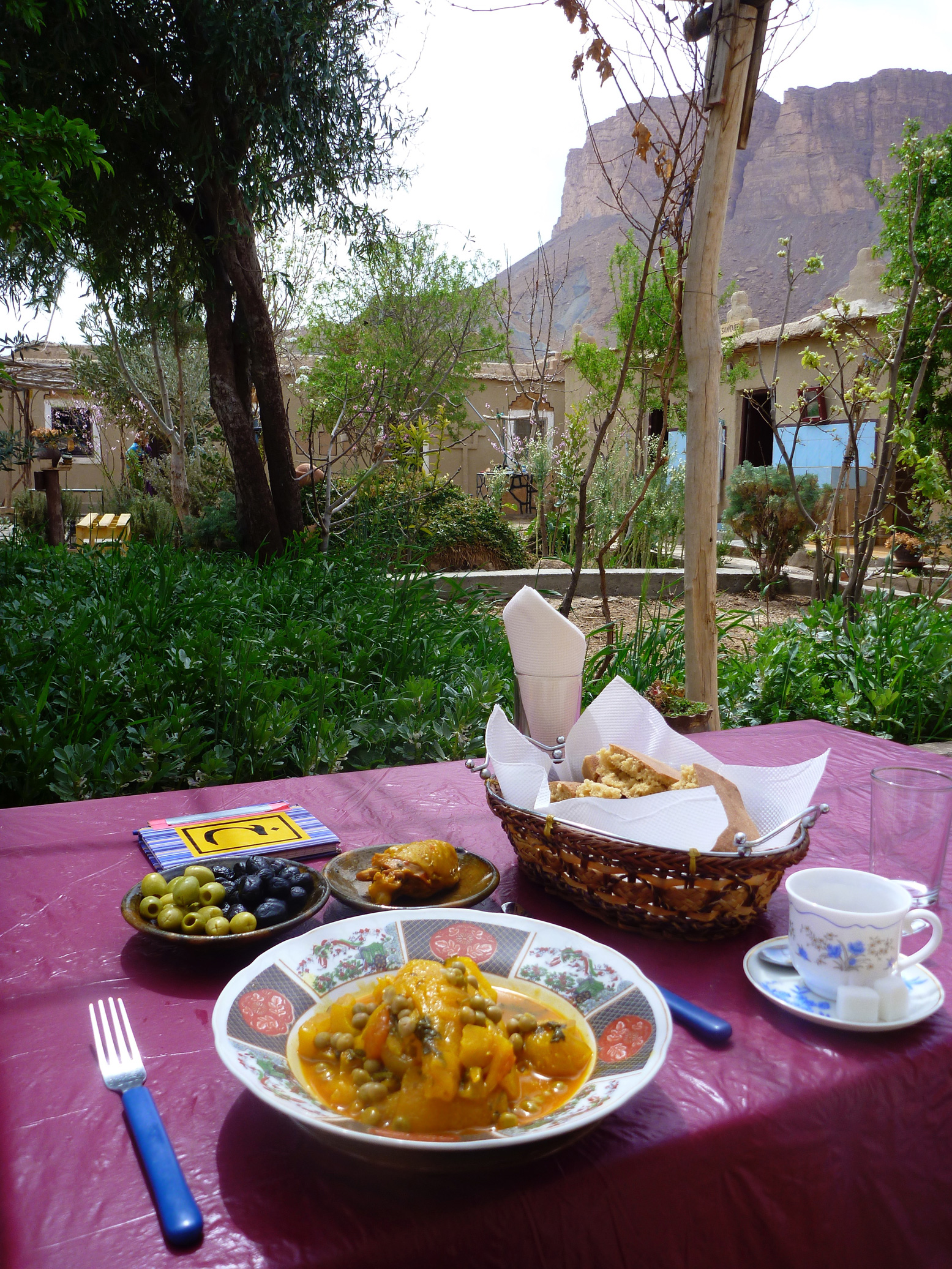
One time at Amelgag we chose the gorge route (right) instead of the climb over the pass to Allemdoun, a great diversion (and the original route) which is still used by local Merc taxivans. Coming north, turn off right at the bend as you enter Amejgag village and wind your way north through the village to the gorge.

mh19tizihamad

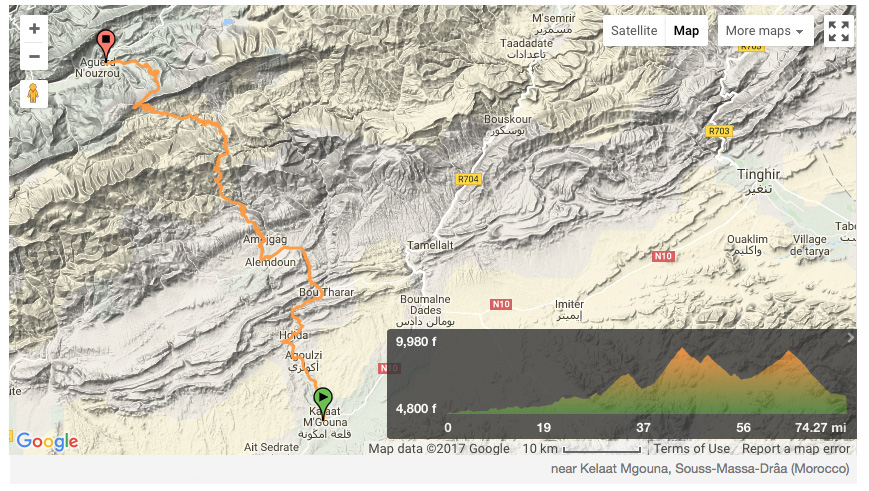
The sealed route takes you up over a 2350-m ‘Amejgag Pass‘ (KM50) before dropping down to Ameskar and joining the gorge route (KM56). Now the steep climb begins to the 3042-metre Tizi n’Ait Hamad (~KM65). From the top of this pass (left; telecom tower; bloke in a hut) Jebel Mgoun summit (4071m; second only to Toubkal) is a 16km walk to the west.

mh193 - 1

You descend from the Ait Hamad (above), climb an intermediate pass then descend into the valley of the Mgoun river, bypassing some remote villages around El Mrabitine.  Cross the Mgoun stream (KM83) and climb less steeply on dirt for 10km to the Tizi n’Aït Imi (2898m; ~KM98). At the top Aït Bouguemaze valley lies 20km below.
Busy Tabant village (KM117) has shops and basic bap cafes before you join MH18 (if heading west). As the whole area is popular with trekkers, there are several auberges hereabouts.

Morocco Maps

Morocco Overland Maps has moved

Getting routed: As the track was clearly visible, I traced the route I’m logging above (MW7) off Google Earth the previous evening (internet required), saved and exported the kml then imported it (as a gpx) into my Montana via BaseCamp. This was pushing the outer limits of my tech ability with this sort of stuff.
GPS digital maps not really needed as I had the largely accurate self-drawn tracklog on the screen to follow, while recording my own live tracklog. Years later I used this same system (pre-trace route off Google Earth) again while logging MH23. The great thing with satellite is WYS is usually WYG, whereas with maps (paper or digi) WYS can be nothing at all.

Ten Days in Morocco ~ Husky • Sertao • XR ~ 2/3

Continuing our short ride through southern Morocco. Part 1 was here. Part 3 right here.


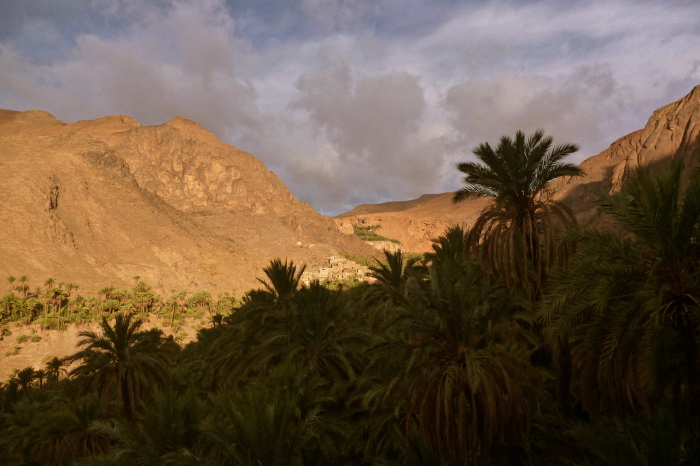
Sunrise at the oasis.


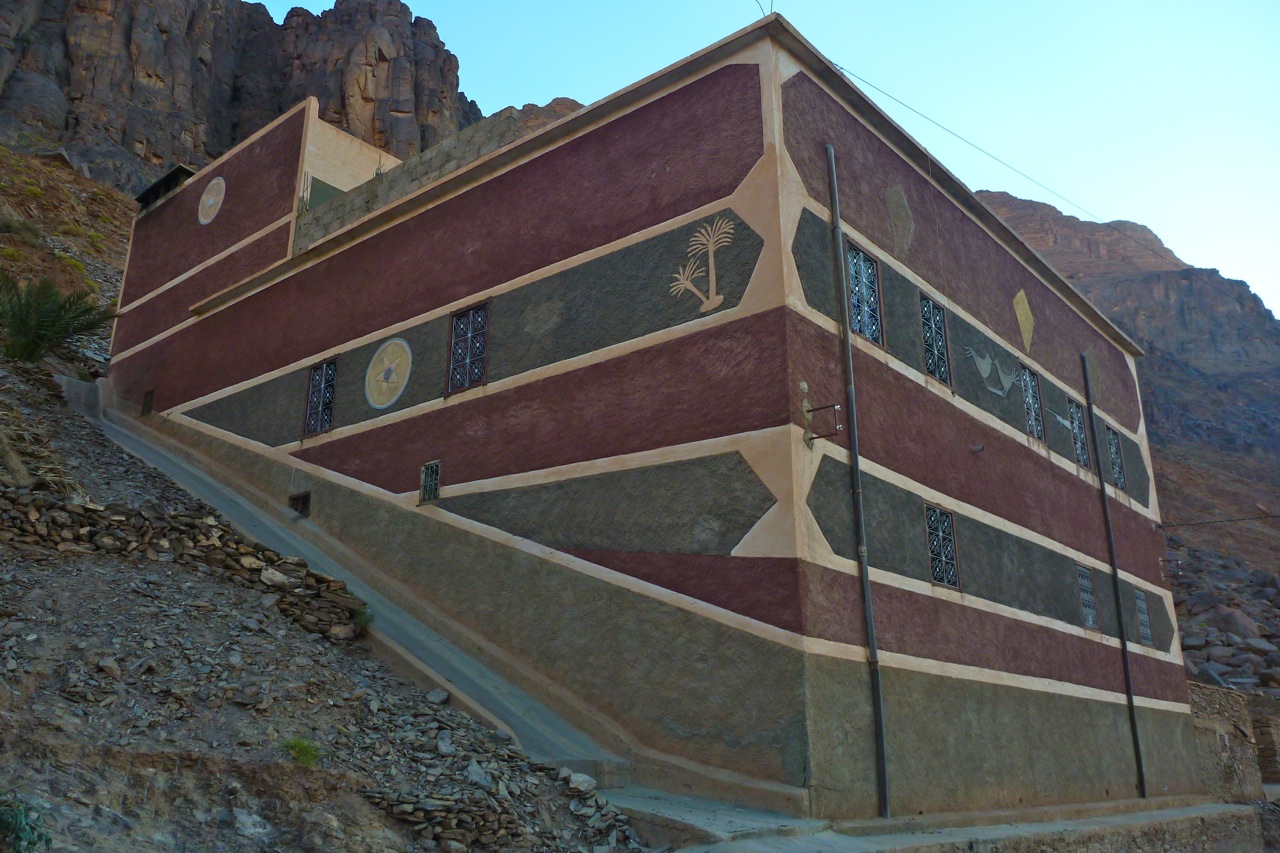
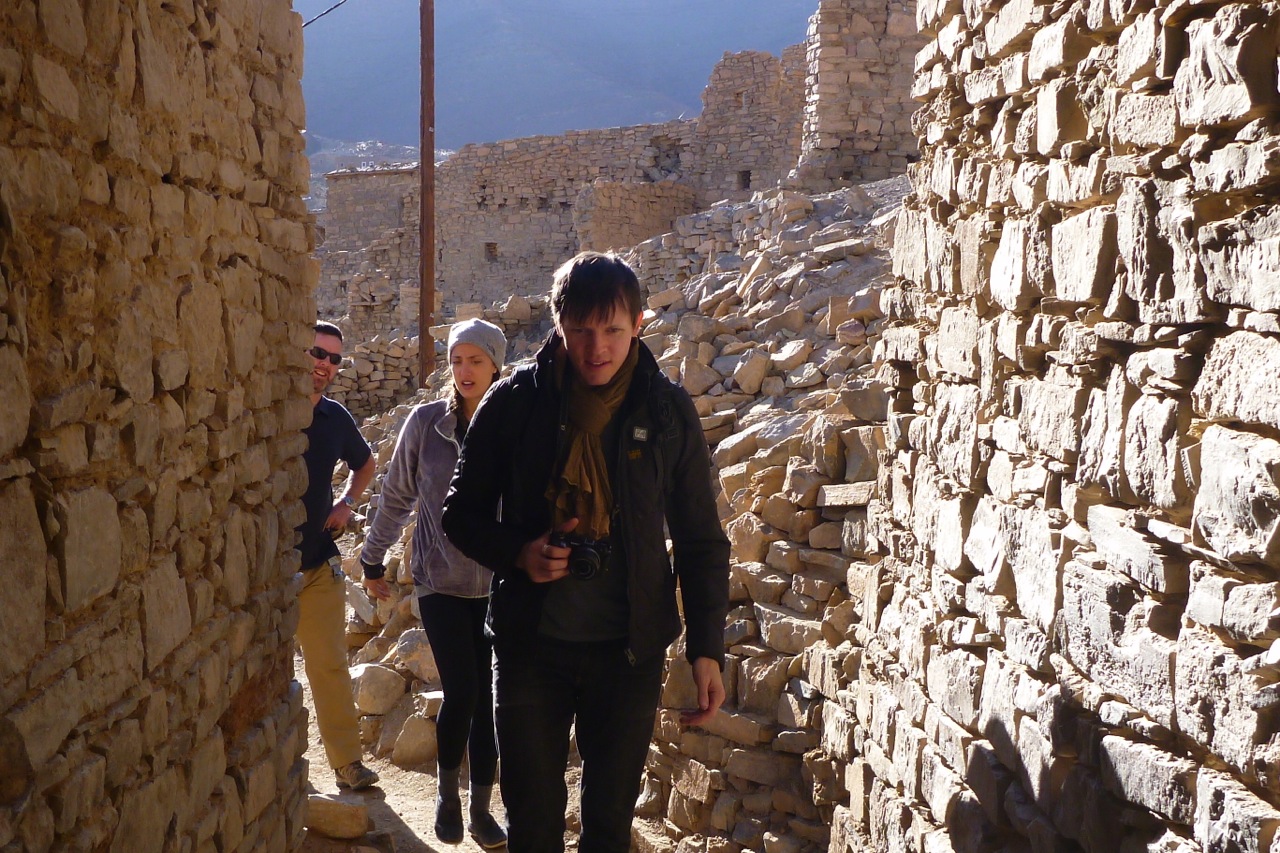
I go for a walk, passing unusual dwellings designed to slide downhill in the event of an earthquake.


Not a place to stagger back to late one night, fumbling for your keys.


We go for a ride back up the cliff

.


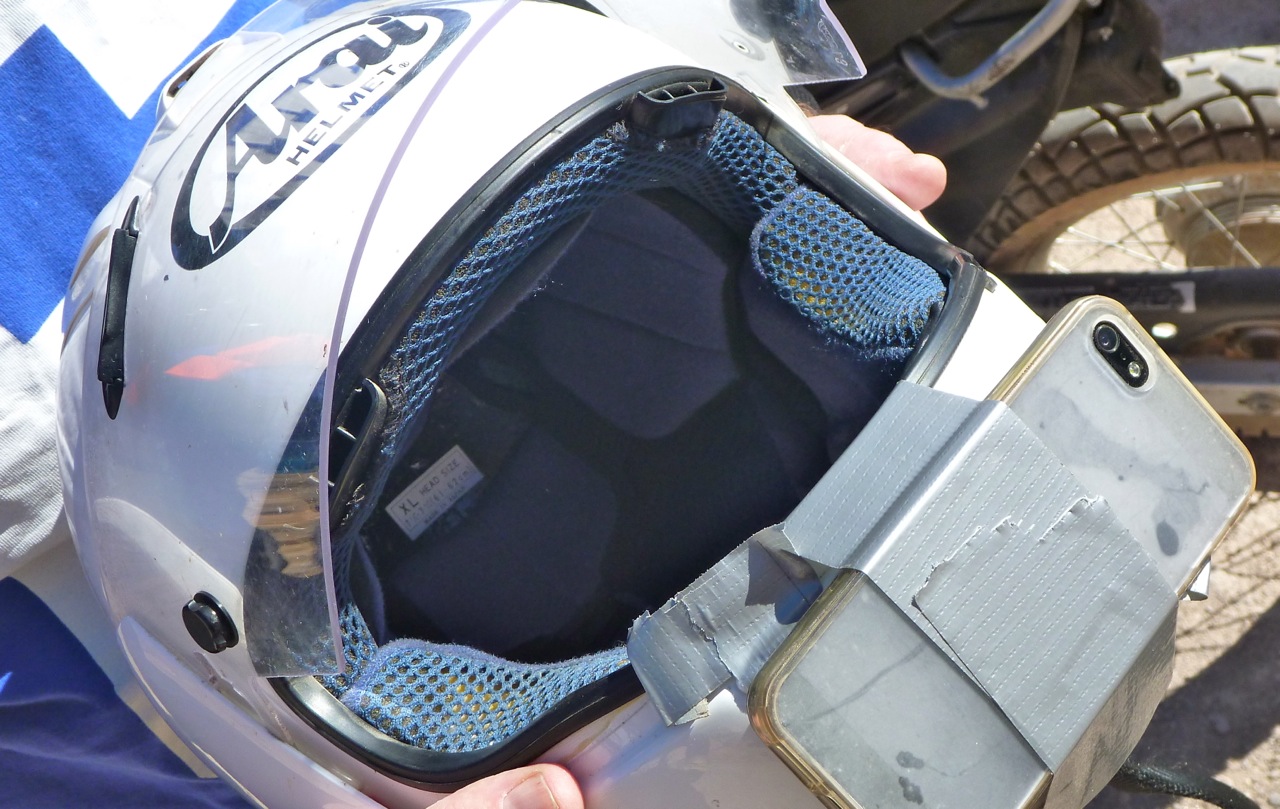
Rob tries out his new Touratech Arai-iPhone adapter mount, called a Digital Utility Camera Transom. You’d think they could come up with a snappier name.


Down below, a carefully tended mosaic of gardens lap up the autumn sun.


We take a walk over to the kasbah (fortified dwelling) at Assaragh


Then ride back down…


… to the auberge for lunch. It was built by a local who did well abroad, and chose to return something to his community. A common practise in Morocco.


After a siesta we head out to a curious ruined tsar (similar to a kasbah but more castle-like) which I passed last year.


We wind out way up into a maze of crumbling walls and collapsed palm-trunk beams.


But at the doorway it looks a bit dodgy to go further without a hardhat and full body armour.


Next day we’re back on the piste.


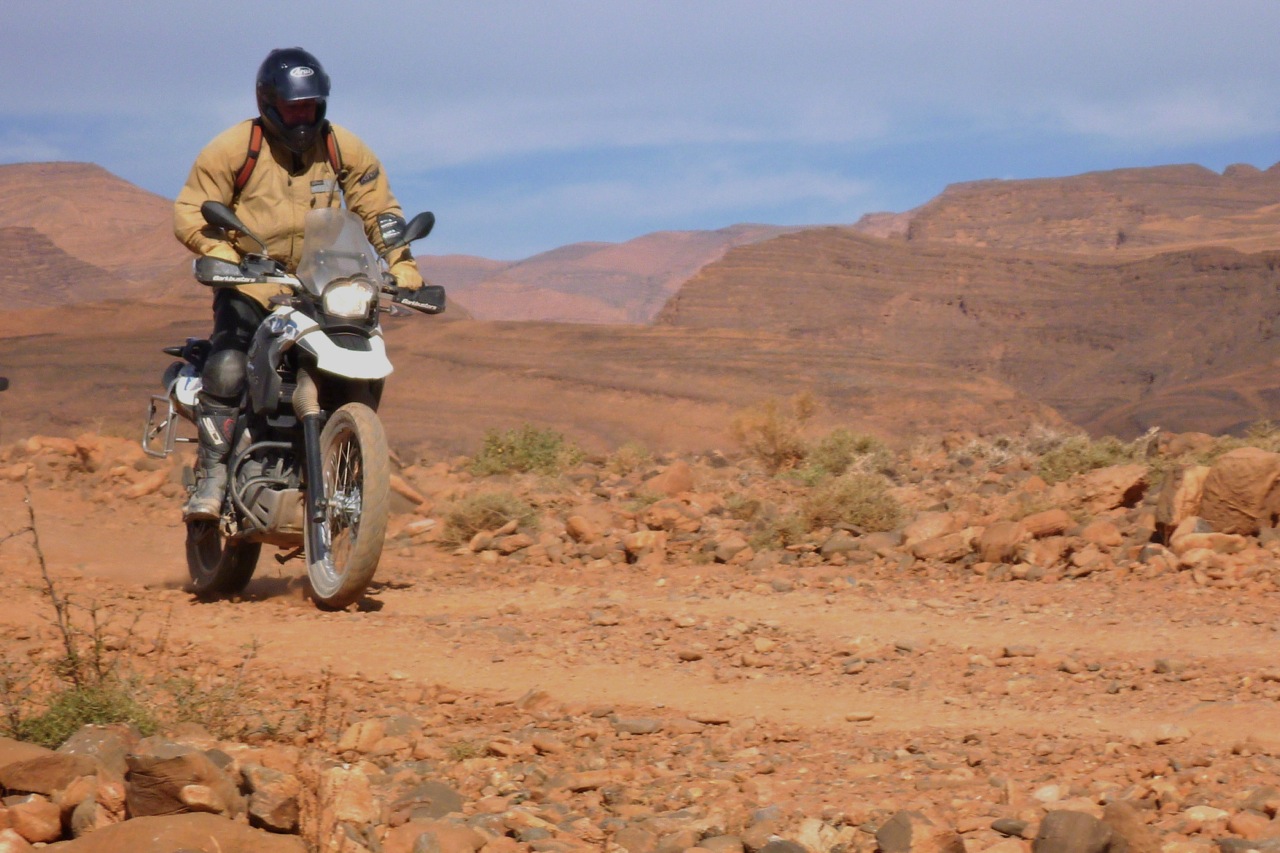
Heading up over Jebel Timouka, Route MA6 in my book.


Into the ranges.


Some oueds (creeks) are hard work on the heavy 650s. So we stop to cool off and let Elisa and Mustapha catch up.


The climb begins.

Deeper

Steeper

Higher

I don’t know about the others, but the occasional landslide repairs with football-sized rocks are barely rideable on the Terra. The suspension shoves the weight back at you in all directions nd you can tell that point is coming where it’s easier to fall than fight it. When I came this way in 2008 I broke a spring on my pickup. I’m up ahead and eventually pull over weak-kneed, strip off and empty my 3-pint bottle. The others catch up and Elisa hands out power bars. Andy’s Sertao is even more of a dog than the Husky and Patrick got pinned negotiating a gnarly hairpin, but is nevertheless amazed at the beating the XR can take. Rob finds his XR a breeze up here.


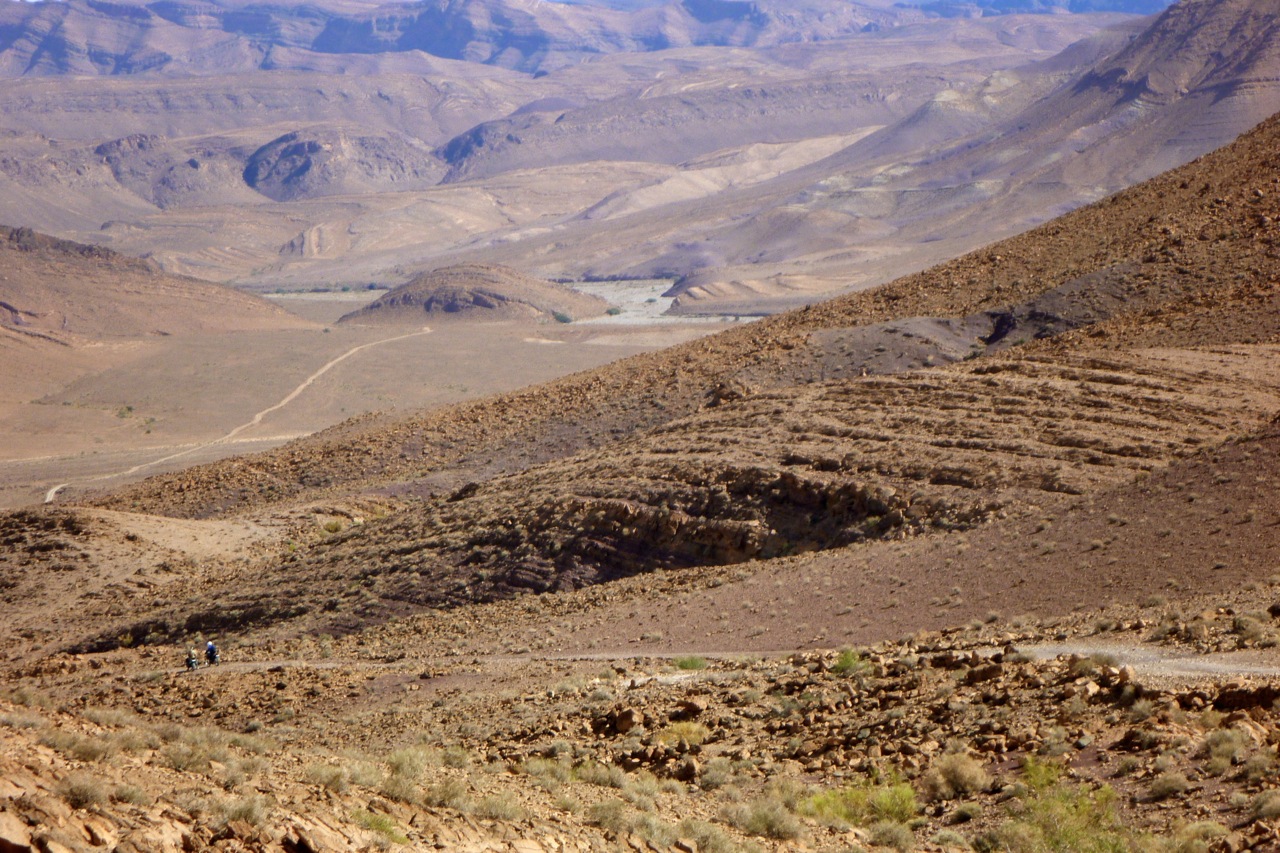
We carry on to an amazing view back south towards Jebel Bani, now only 80 miles away


Thankfully the track eases up and we reach the equally amazing Timouka Pass overlooking the Issil plain.
In the many tiny Berber villages below (the green clumps) women dye wool and work ancient looms to
produce the fine carpets you’ll find in the souks of Marrakech and Tangier


We drop off the pass, race across the plain to the highway and ride into Tazenacht for a late lunch, babbling about our awesome morning’s ride. Freshly-chopped Moroccan salad (a bit like Mexican salsa), omelette, chips and bread + tea. That’ll be $3 Down the road, plenty of room at the Hotel Sahara.


Night falls over Tazenacht.


While inside the infidels, some in fancy dress, gathered for the feast and then retire to their chilly suites.

Final part right here

Ten Days in Morocco ~ Husky • Sertao • XR ~ 1/3

mk13101

Husky TR650 review here
Next fly-in tour here
2upmk

This is us: Rob UK, Patrick NYC, Andy (ex Desert Rider), Elisa NYC and me, having some sort of ministroke.
Rob and Patrick were part of a group that trekked with me in Algeria last year. With another planned moto tour having fallen through, off-road newb Patrick asked me to put together a run through Morocco. OK I said if you can find some people to cover my costs.
This he did and here we were.

mk13102

We rent bikes from Loc2Roues Marrakech (more details here).

mk13103

Andy gets a well-used Sertao with about 45,000km.

tr

I pick a sexy Terra. My review here.

mk13105

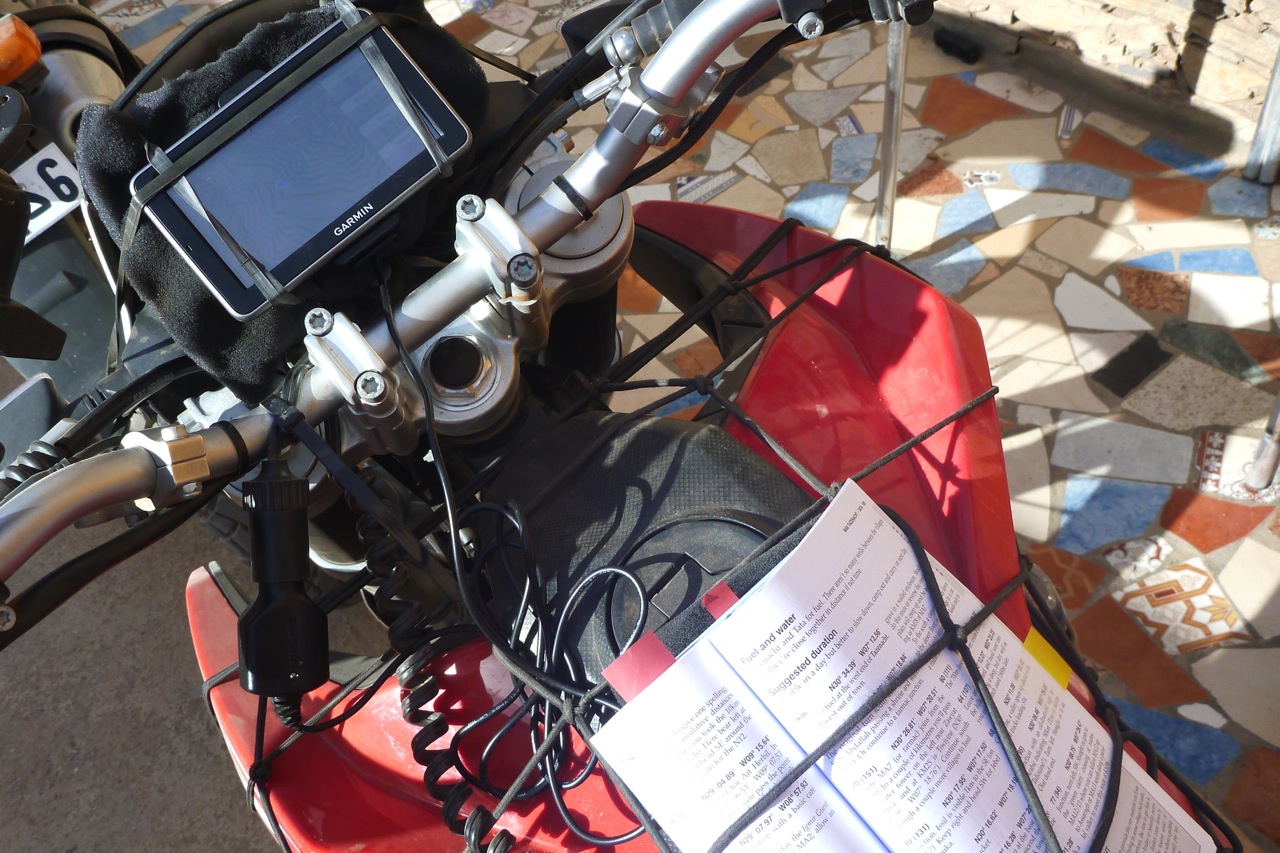
I strap a satnav over the dash, a water bottle holder to the crash bar and tuck my book under the tanknet.

mk13106

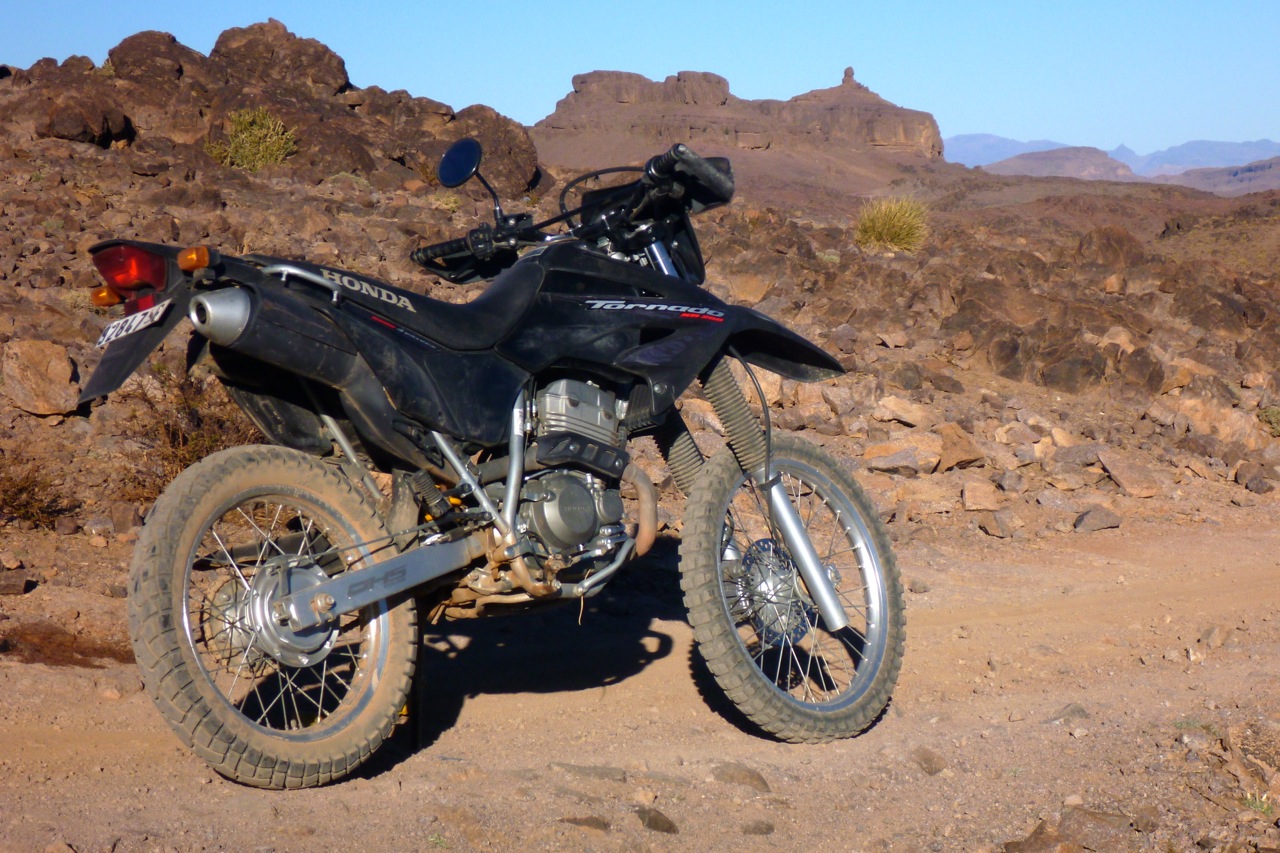
Other than Andy, I wasn’t sure of the others’ ability so recommend XR250 Tornados.

mk13107

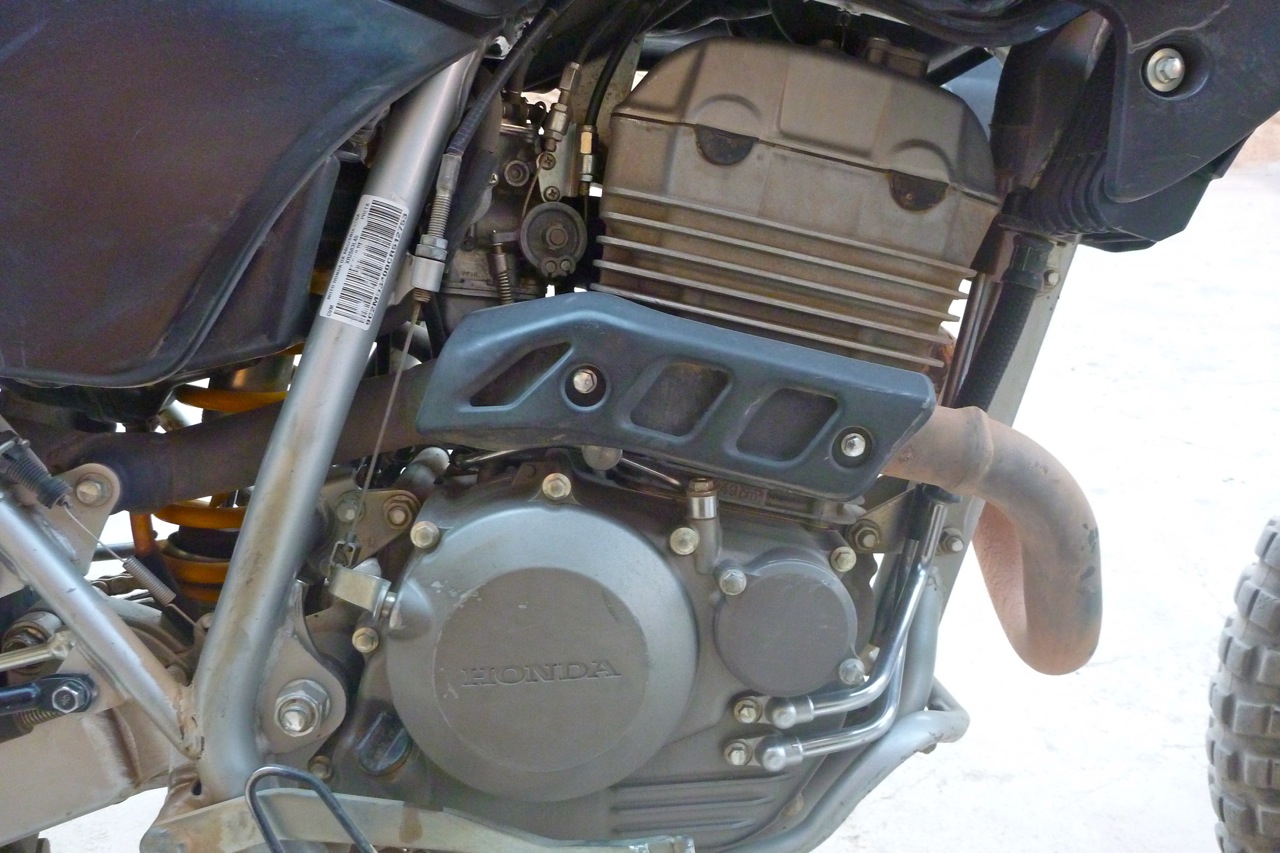
This is a great little machine: an air-cooled, four-valve, big oil cooler, 5 speed, electric start, carb-fed, drum rear dirt bike. It stacks up very well alongside the CRF250L I ran around the Southwest USA earlier this year; as economical, as good suspension, as pokey and it felt lighter, though there’s only some 6kg in it according to online stats.

mk13108

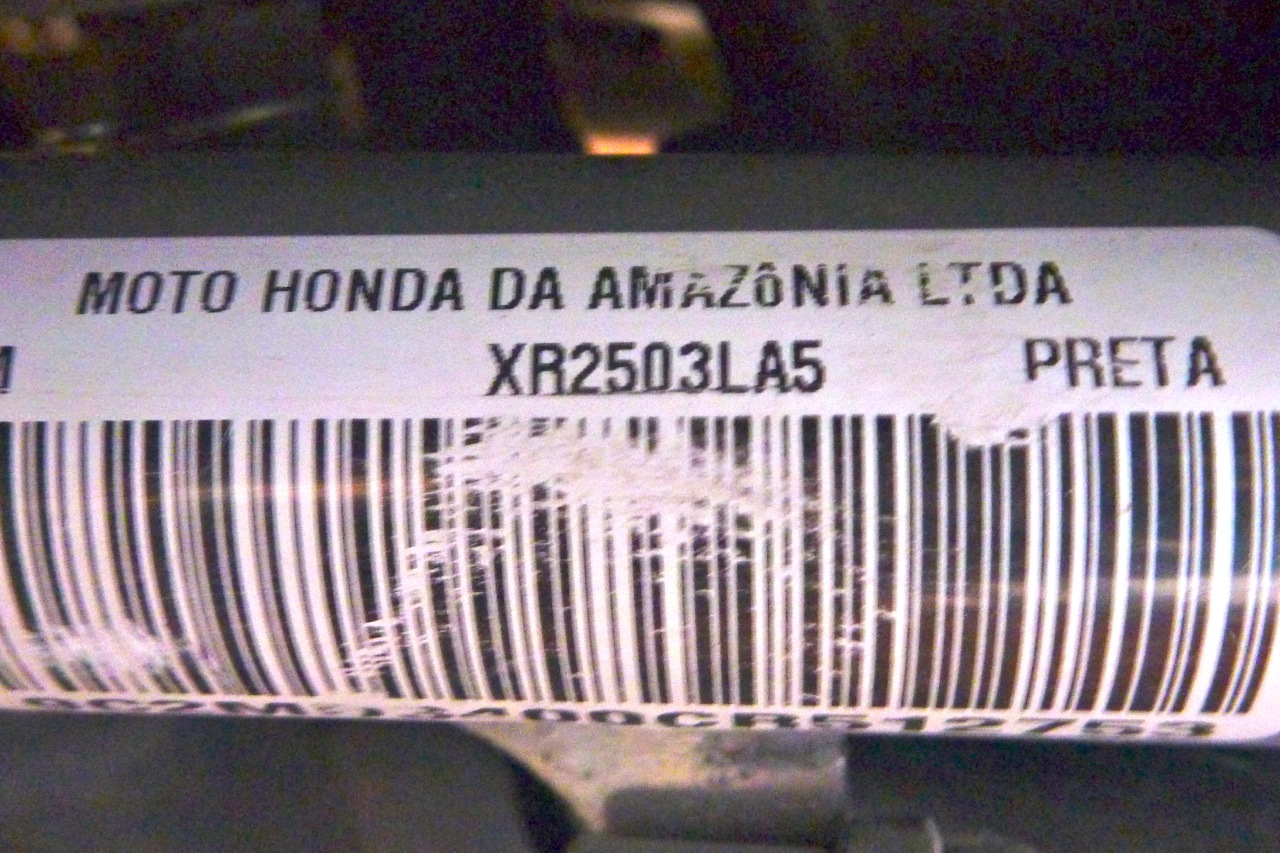
Trouble is, it’s made in Brazil (and sold in Argentina) and AFAIK is only available in countries with I presume have slack emissions regs.
None have ridden off road but Rob once ran a 996 so he’ll catch up and Patrick learned fast. Only Elisa found the learning curve of Morocco + piste a bit steep so switched to a jeep which actually served us all well as a baggage carrier.

mk13109

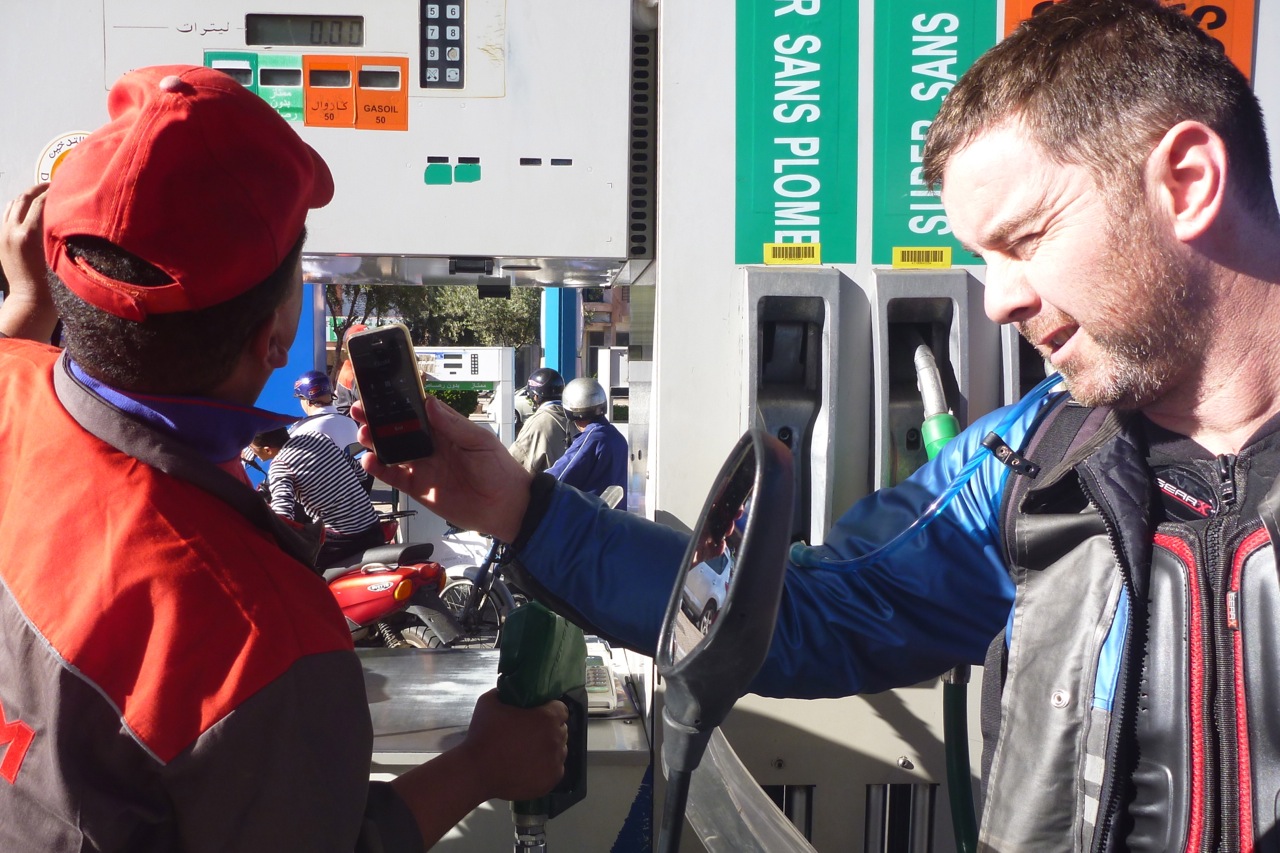
Before we even leave the agency, Mustapha the driver dashes off with Elisa. His silver SUV soon disappears in a sea of silver SUVs. Rob gets the guy at the servo to bring him back.

mk13110

The first day was scheduled as easy as we expected faffing around at the rental place. Just 100 clicks down the road to a lodge up in the High Atlas.

mk13111

Notice the sagging front tyre on the Husky; a slow puncture which led to overheating and a faster puncture on the rough road into the Atlas. Next morning it’s flat as, and no tools under the seat. The Sertao’s wheel wrench fits but one Torx fitting is mashed and none of mine fit.

mk13112

I nip down the road to chisel it off while the village vulcaniser irons on bits of rubber with blue goo, literally with an old electric clothes iron and a screw press. It looked impressive but also kind of crap. May work OK on a local moped but on the 650 the repair lasted 20 mins on the first piste a couple of days later.

mk13113

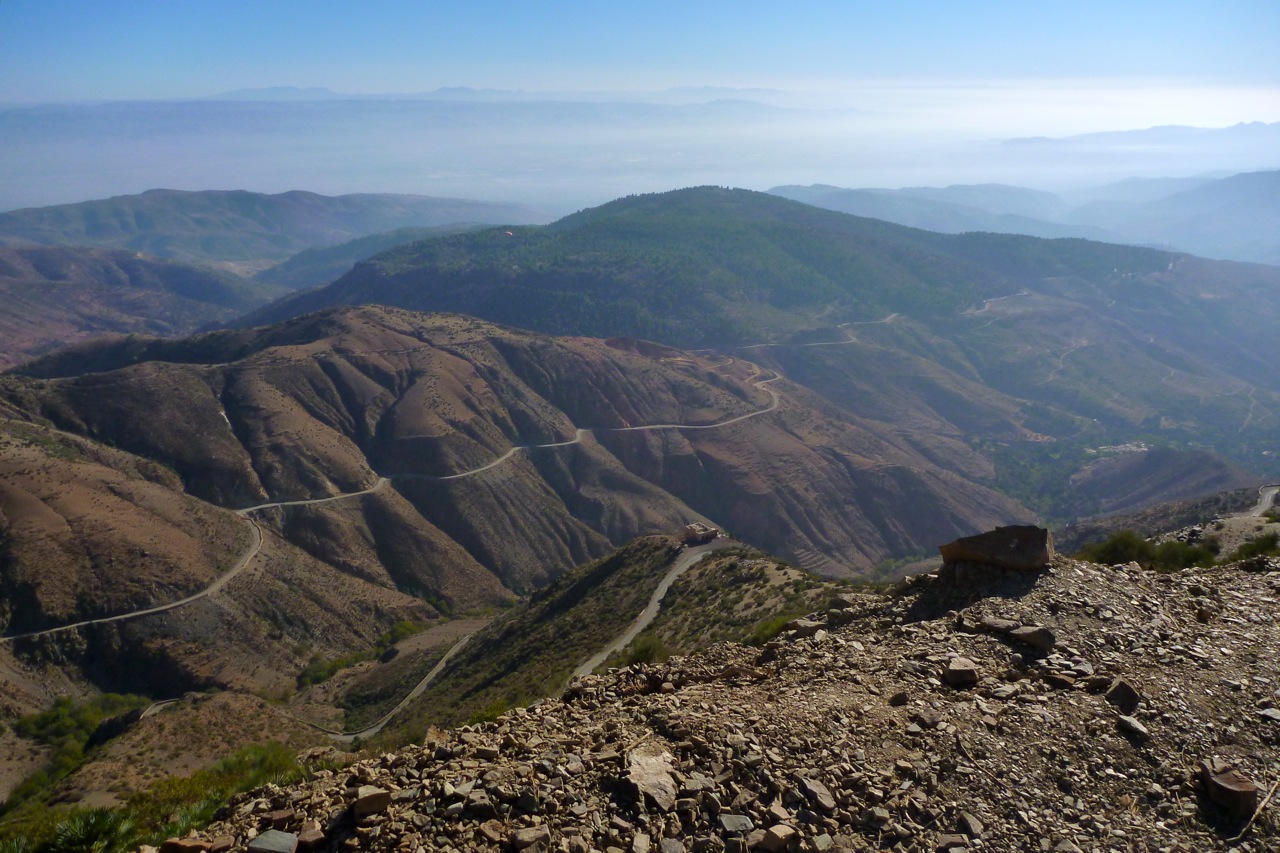
Anyway, on the crest of the High Atlas at Tizi n Test pass (6860’) we stop for lunch then enjoy a great ride down into the sunny southlands. Notice the ridge on the far horizon: that’s Jebel Bani about 130 miles away; the last of the Atlas mountain ranges. Beyond that, unbroken Sahara for a 1000 miles all the way to Timbuktu.

mk13114

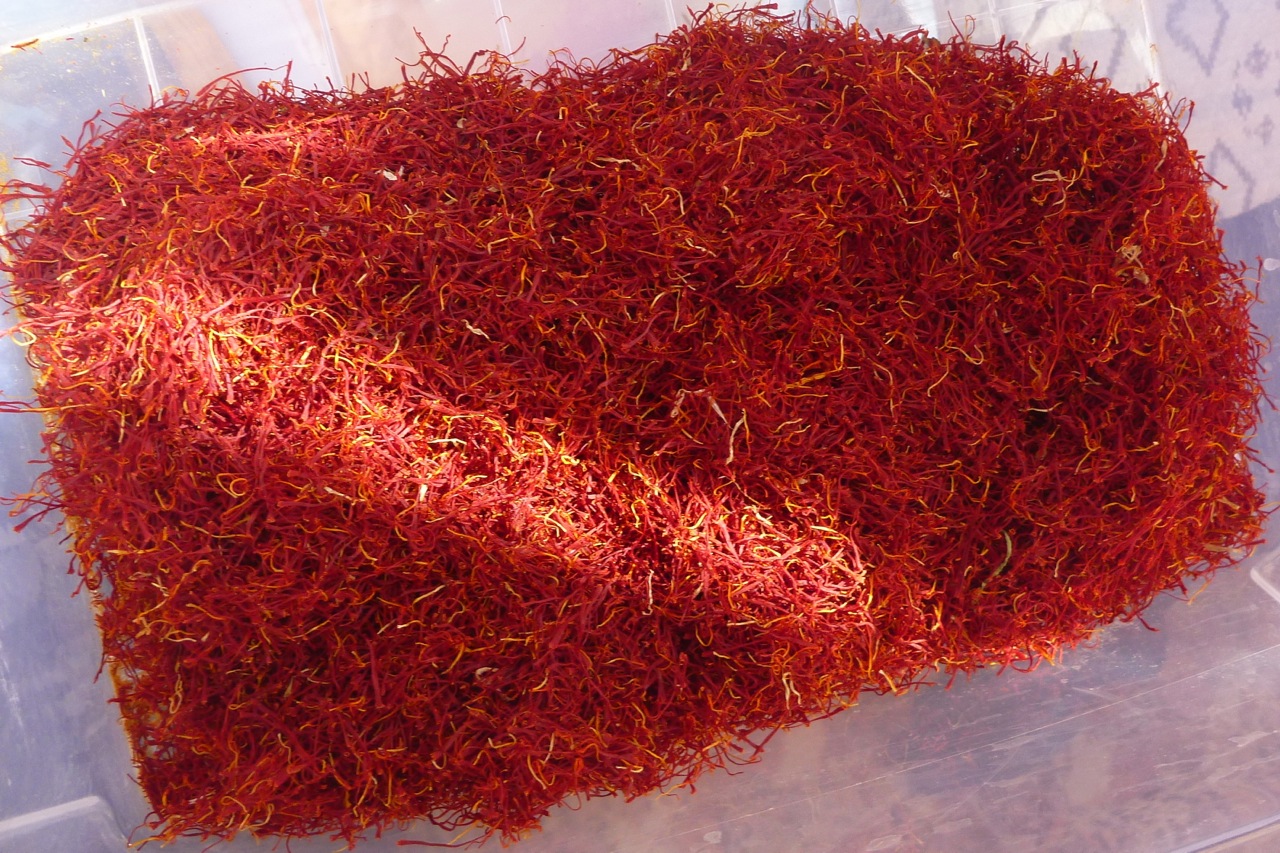
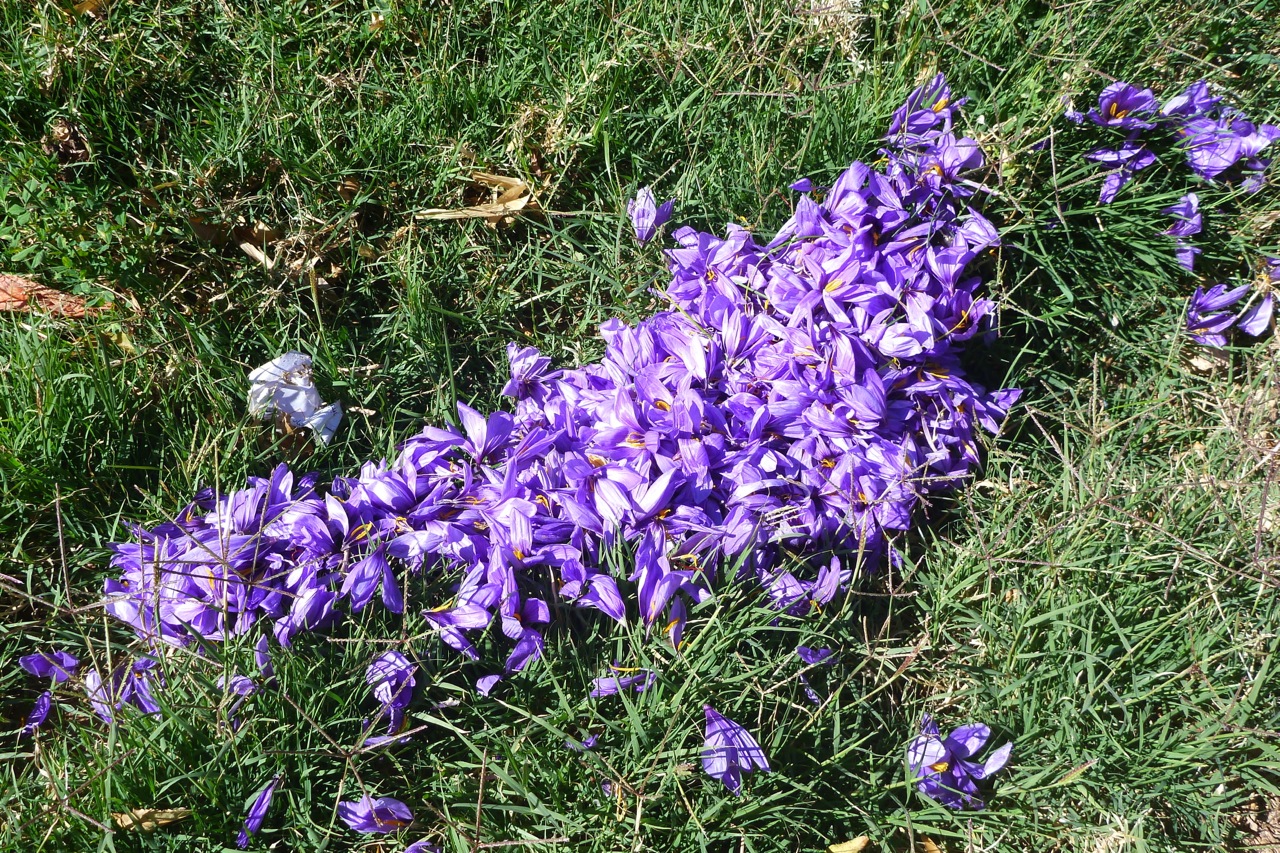
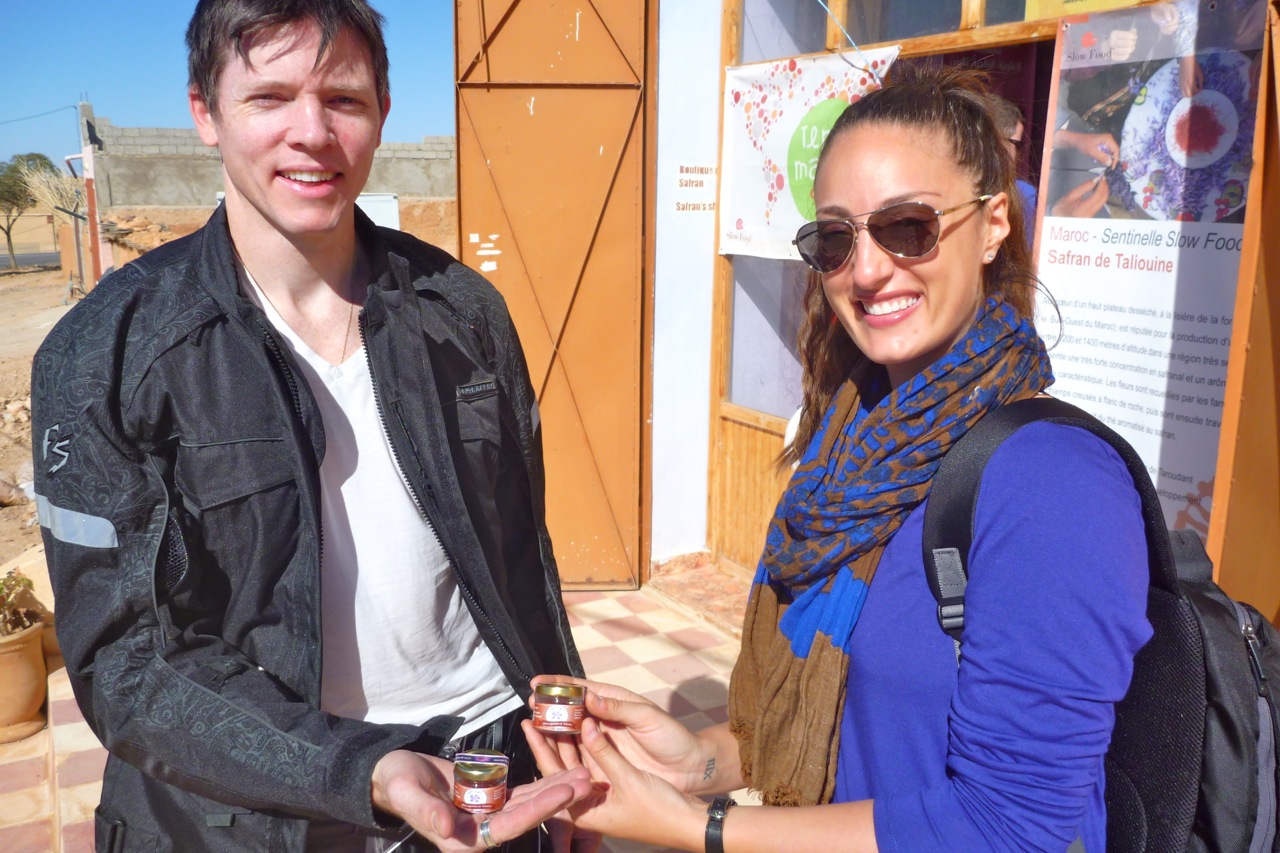
With half a day lost chiselling nuts and ironing rubber, we make an unplanned stop over in Taliouine, famous for its saffron which we’re assured is the best in the world and cures all maladies. I sprinkle some on my front tyre, also my front brake and efi which are playing up.

mk13115

As expected, the Husky is the thirstiest bike by 20%, but also the most powerful and with the best soundtrack which = a whole lot of fun in the twisty blacktop canyons of the Anti Atlas. Let me tell you, all this ‘ad-venture motorcycling’ is a lost cause, carting your junk around like a mule and camping out bush like some vagrant. Hire a jeep, check into roadside lodges at half board and enjoy Bourgeois Motorcycling!

mk13116

Patrick tries the Sertao and declares it’s the best motorcycle ever made. It’s certainly more comfy than the others, has a mellower engine than the TR and some days even used less fuel than the XRs. But when the dirt gets gnarly it’s a dog.

mk13117

That’s several thousand dirhams worth of saffron right there.

mk13118

Carefully picked from these crocuses, or is it crocii?

mk13119

Patrick and Elisa pose with some $10 jars.

mk13120

Two hundred clicks out of Marrakech we take to the piste into the Anti Atlas, the arid range south of the High Atlas which for me adds up to the best riding in Morocco. Soon the Husky front tube pops its corks so I slot our only new 21” in and hope for the best.

mk13121

Dirtnewb Patrick is getting into the swing but next time I’m going to levy a surcharge for all black outfits.

mk13122

Desert Rider Andy runs an 1190 + his old trans-Africa 640 back home so for him it’s all in a day’s work. That’s his 11-year old Darien Light that Aero made for us, still as good as new.

mk13123

Into the valley.

mk13125

Past hilltop Berber villages.

mk13126

Up ahead a dramatic descent down a tufa waterfall. Andy sets off on the Husky and we follow.

mk13127
mk13131
mk13133
mk13132

mk13136

We ride through the palmerie and arrive at our lodge where we’ll spend two nights.

mk13137Night falls across the tranquil oasis. ‘Allaaaaahu Ak-bar’ rings from the minarets.

mk13138

While inside the three infidels sit transfixed as the guy pours a shot of whisky.

mk1ruta Our route so far.

Part Two of Three