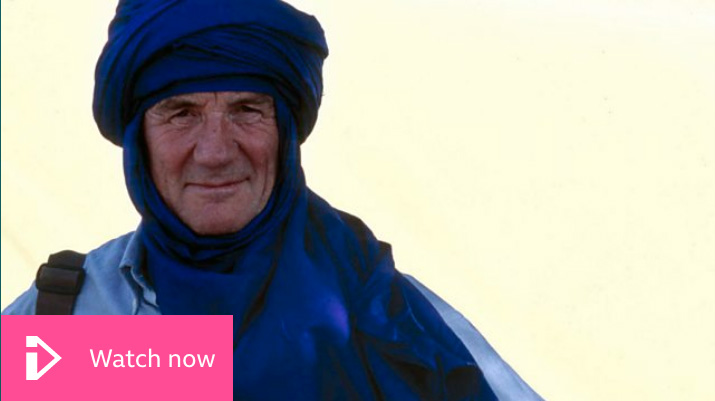
I recently watched Michael Palin looking back on his Sahara TV series of 2002. I think it was the last of his big travel shows for the BBC.
I remember thinking there was more ‘Sahara’ in the show’s title than the actual programmes, and watching what they chose to use in the recap, it looks again like he – along with most people – was more at home in cities like Fez, St Louis and Algiers, or places like Gibraltar than in the desert.
I must admit I never fell for the Palin ‘nicest-man-on-TV’ schtick, though I haven’t watched his other travel series. Palin was born in 1943 so it could be a generational thing with me: many encounters felt set-up and shallow. Perfect Sunday Night telly, then and now. I remember him bristling a bit when this necessary fakery came up as an audience question at a talk he gave in London to promote the Sahara show. Similar TV travel presenters like Bruce Parry (what happened to him?) and even Simon Reeves were among some fawning luvvies wheeled on to shower accolades. Both of them come across as equally genial and far more intrepid, immersive and engaged in their similar TV travels. But all this is a bit like complaining about the Long Way… Ewan & Charlie motorbiking shows relying heavily on back-up vehicles. It’s a mainstream TV show, not Storyville. Get over it!
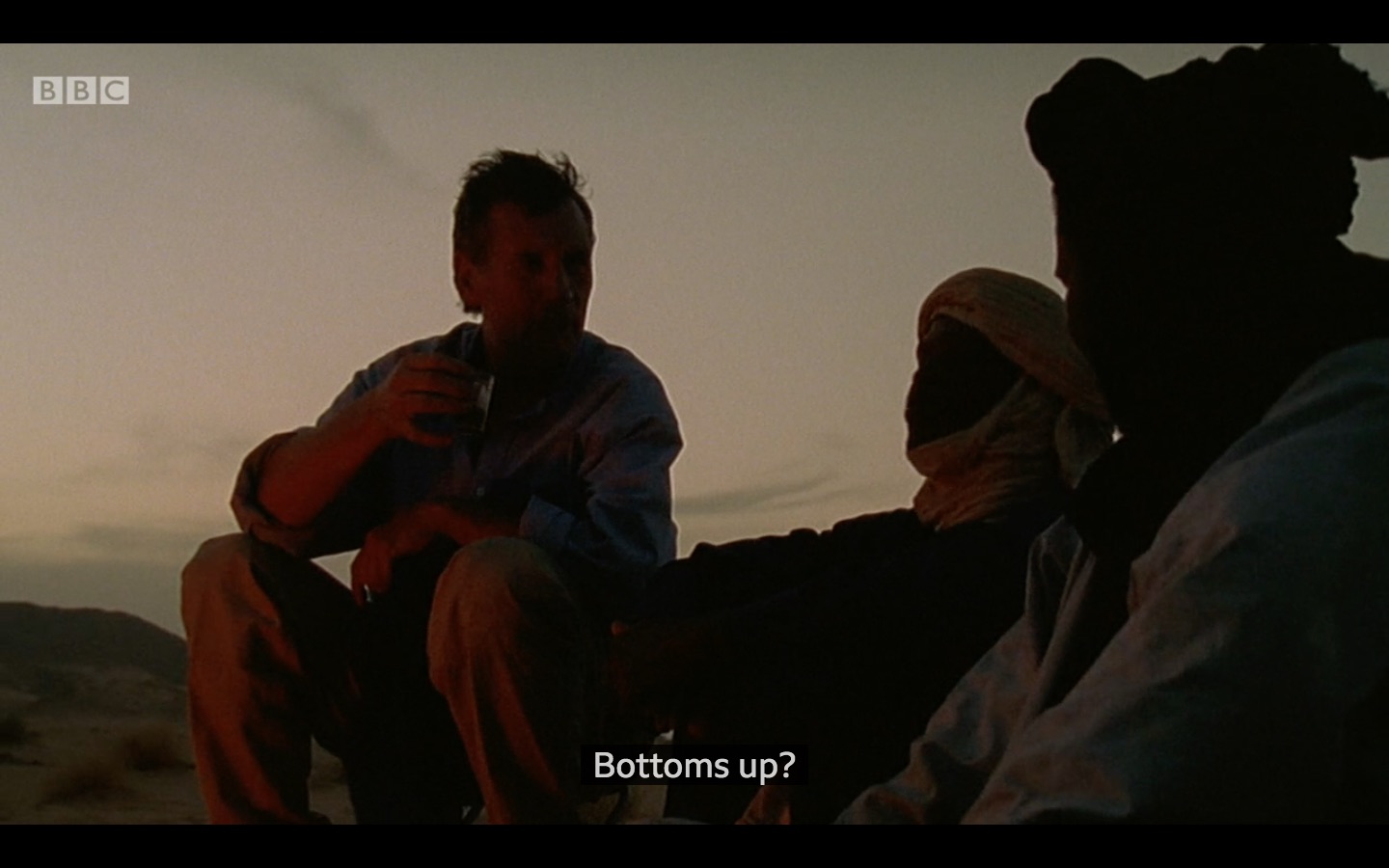
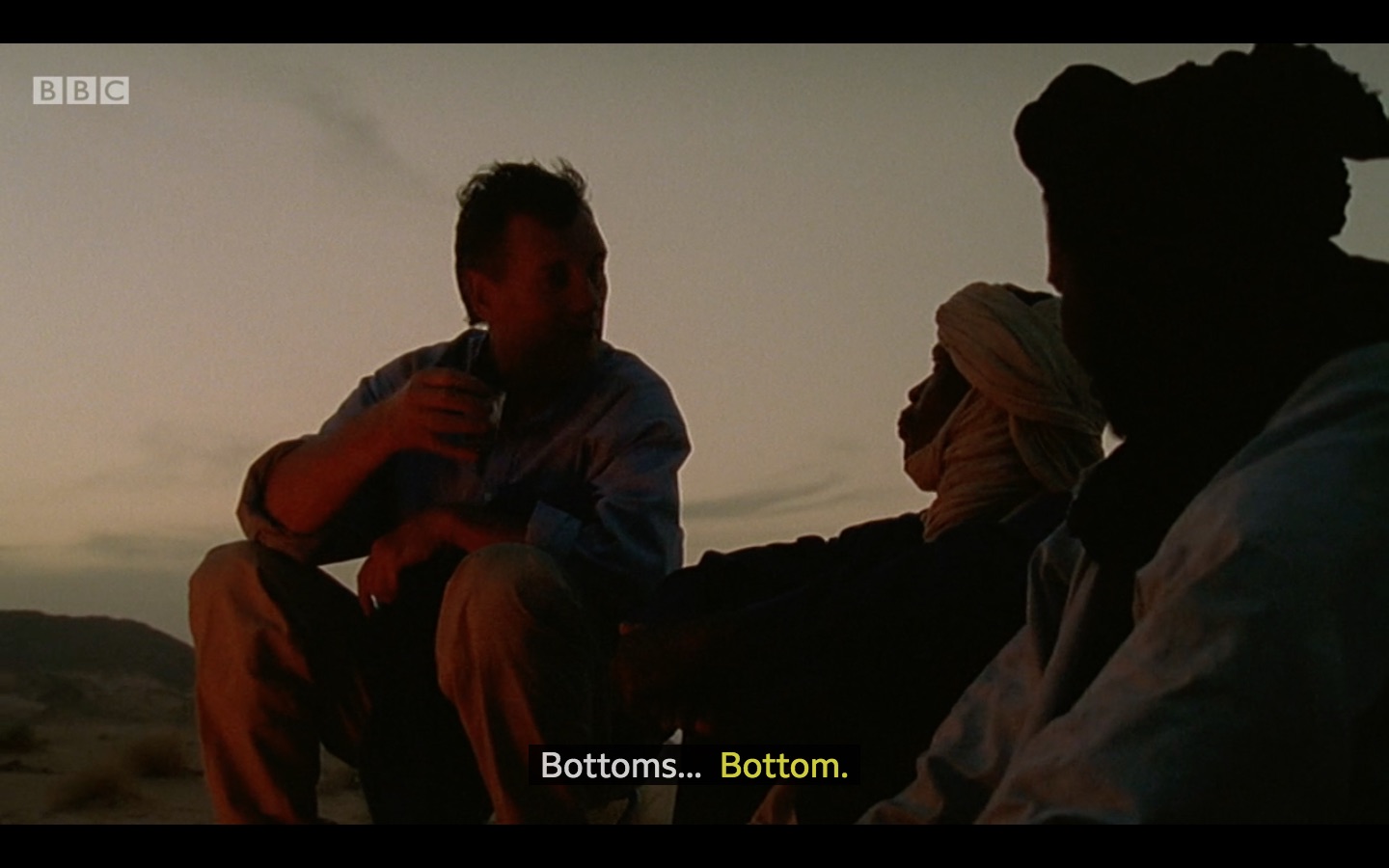
As for Sahara, I can’t help thinking he didn’t like the actual desert. Fair enough; not everyone does. During the Niger episode (as deep into the Sahara as he got, afaik: a night or two in the Tenere (and just after 9/11) he sits on a stool and sleeps in a tent rather than getting down with the Tuareg. Disingenuously or not, over a snack he assumes they’re mocking him while teaching him local words. I’ve commonly experienced this ribbing and take it as no more than that. He gets his own back later by getting them to repeat ‘bottom’ – as in ‘Bottoms Up’ which all Brits say several times a day when having a cuppa.
‘Such a lovely scene…’ chirps Parry. ‘That’s what you get when you put the time in.’ Do me a favour, Bruce!
He observes that the locals in Agadez seemed barely moved by 9/11 (or were less exposed to saturation the news we had) and he resented this insensitivity. You get the feeling that like so many with a travel icons list to tick off, he was attracted by the romance of the Sahara: its mysterious veiled nomads and shimmering front-of-a-date-packet oases. Then he got there and found it hot and dusty, poor and dirty, with tiresomely chauvinistic guides, begging children, toilets from hell and altogether gradually exhausting when you have a film to shoot. To his credit, the online diary certainly doesn’t hold back as the book did (as I recall) and the TV show had to do, of course.
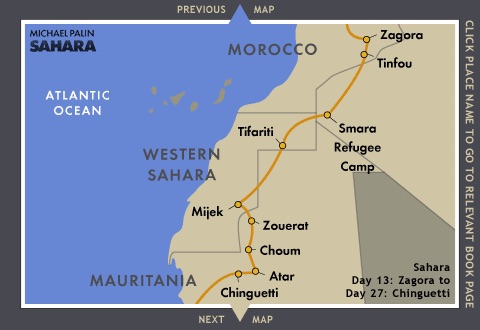
Oddly skipped in the show and the book is the fact that he travelled with Polisario escorts 1000-km overland from Tindouf down to Zouerat, partly along a route which has now re-opened. It was perhaps played down to appease the Moroccans, but also our man had a bad set of the runs which, as we all know, makes life miserable. Then he took the train to Choum and carried on to West Africa. Even with regular breaks back in the UK, by the time he got to Niger (‘in temperatures of up to 55°C…’ – a world record it would seem), he must have had enough.
‘It’s a bare, dispiriting place.‘
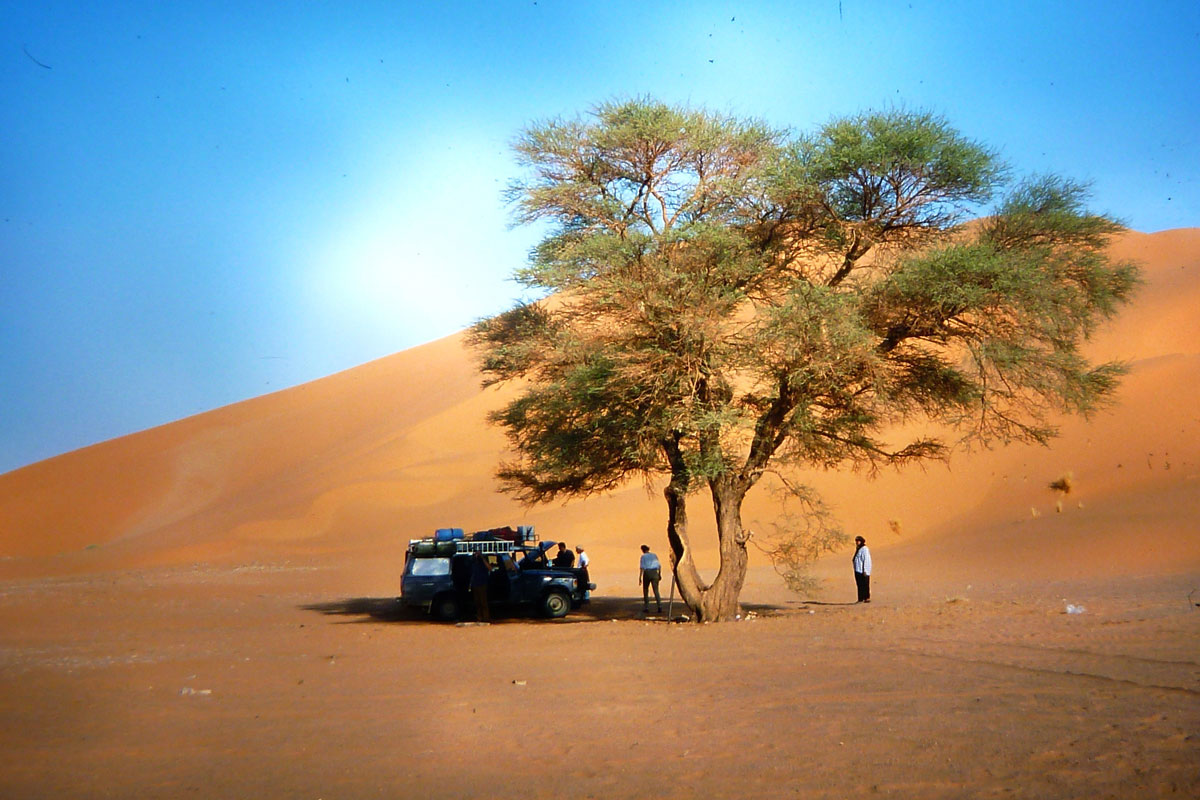
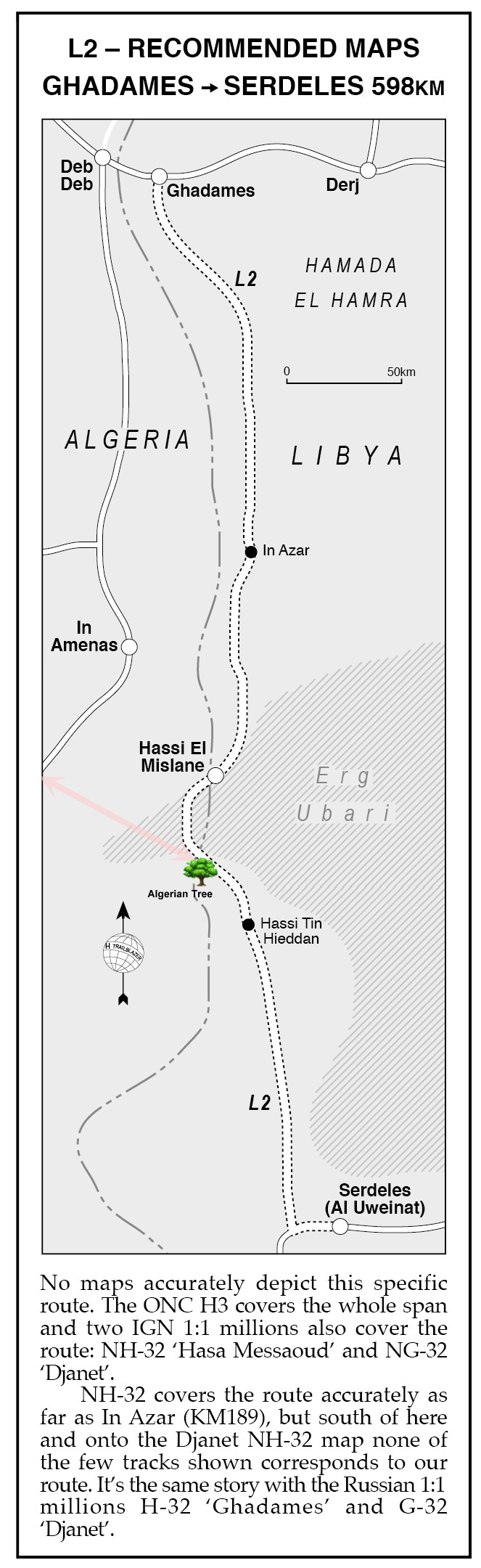
So it can be if you’re there in the wrong season with a busy agenda of encounters to record. As mentioned elsewhere, I was struck that the Algerian Tree on Route L2 from my old book (visible on Google sat and pictured above in 1998) epitomised the essence of the desert for Michael Palin. He proclaimed:
‘… this spare, uncluttered, beautiful spot was one of my favourite places in the Sahara‘.
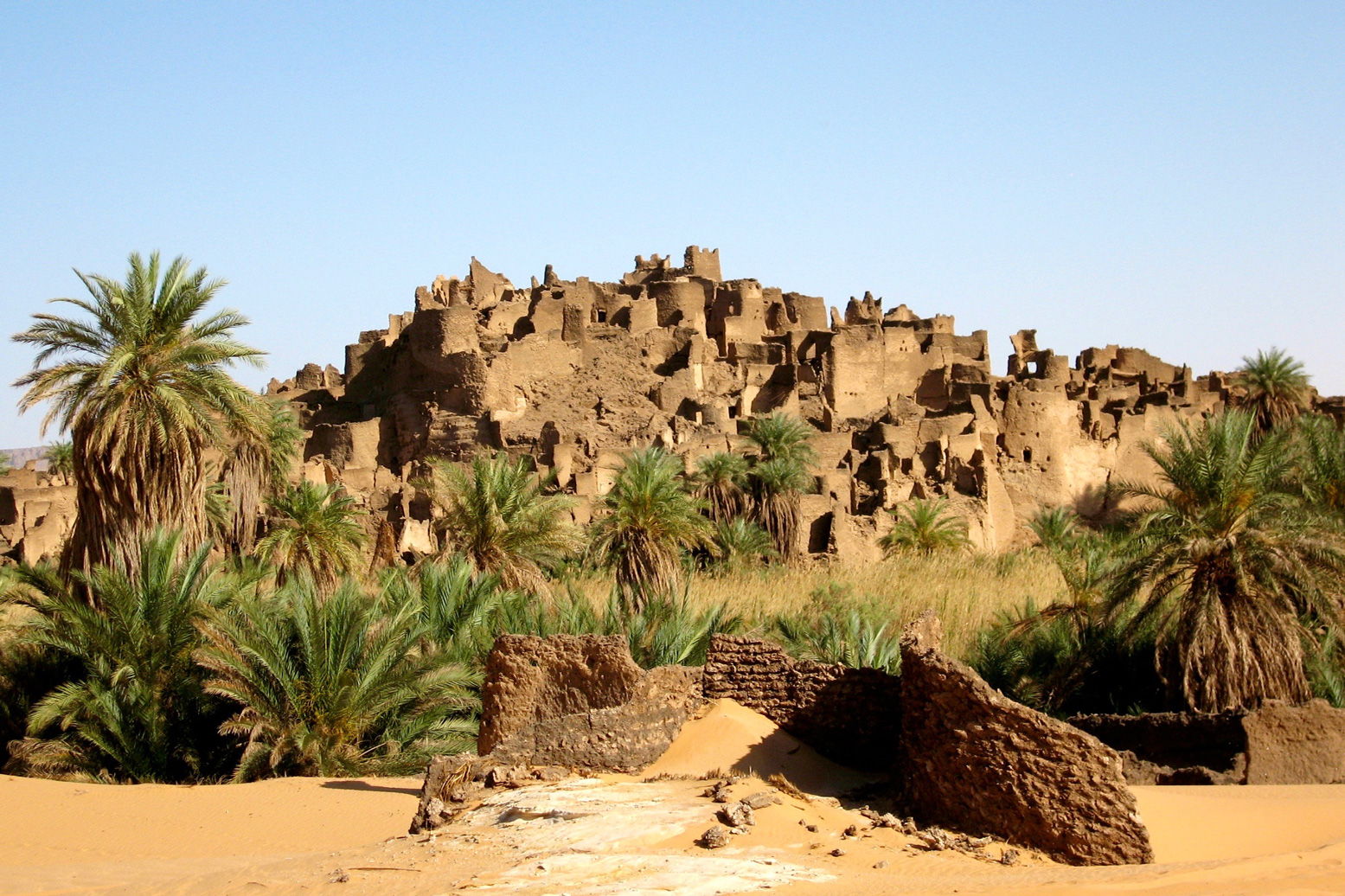
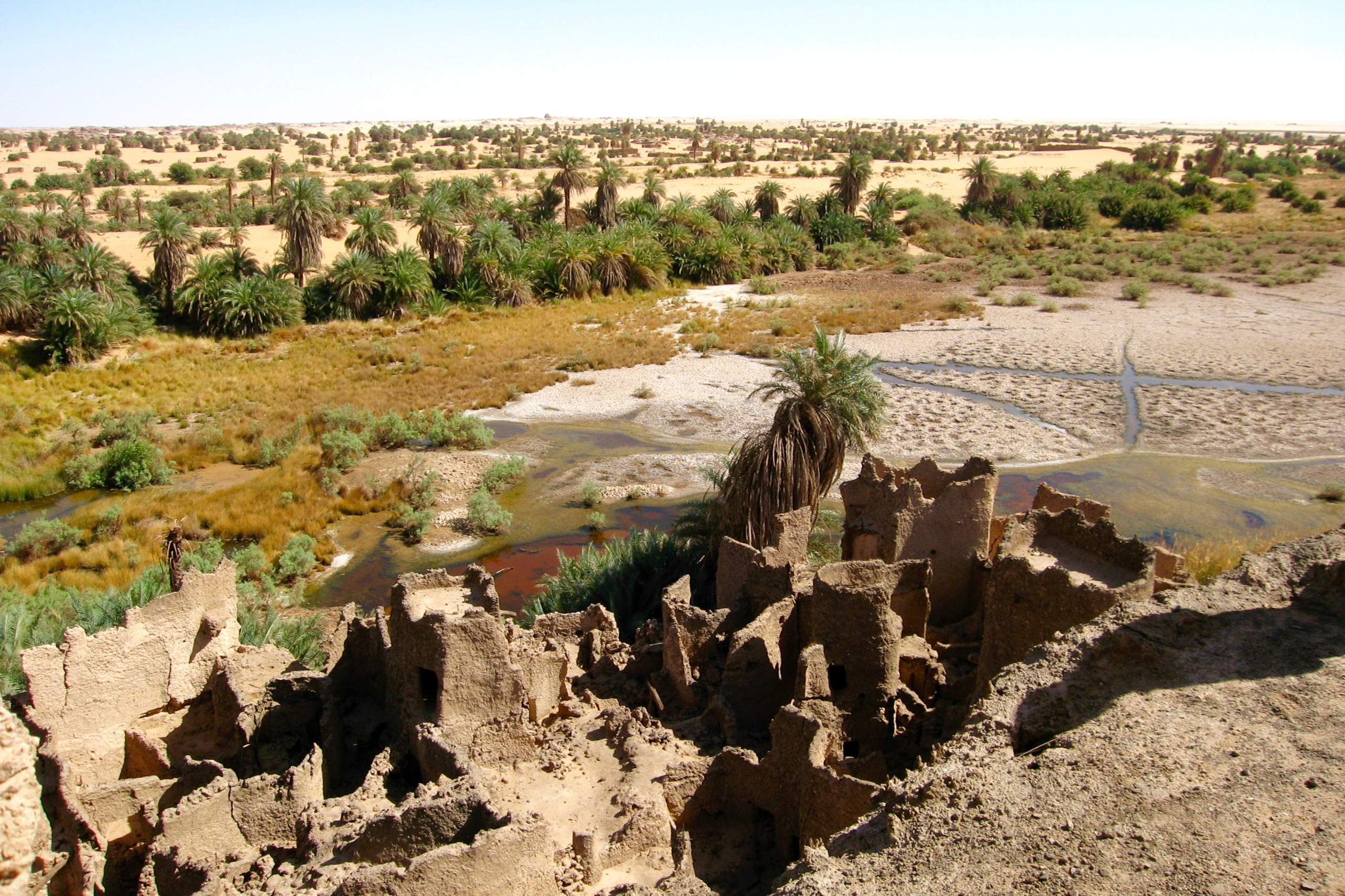
‘Le ksar de Djado. Mont Saint Michele du Tenere‘ (see vid below)
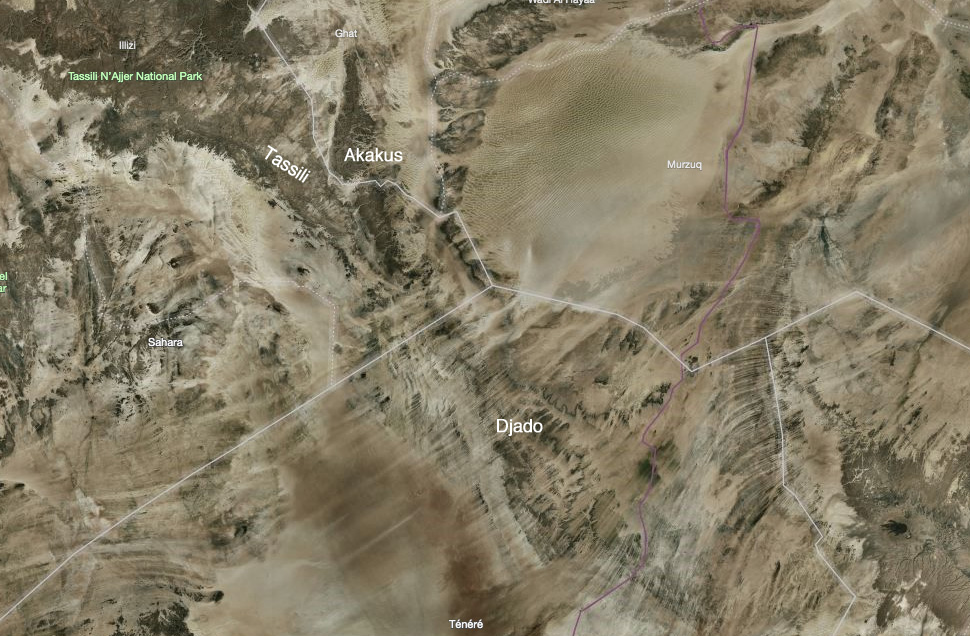
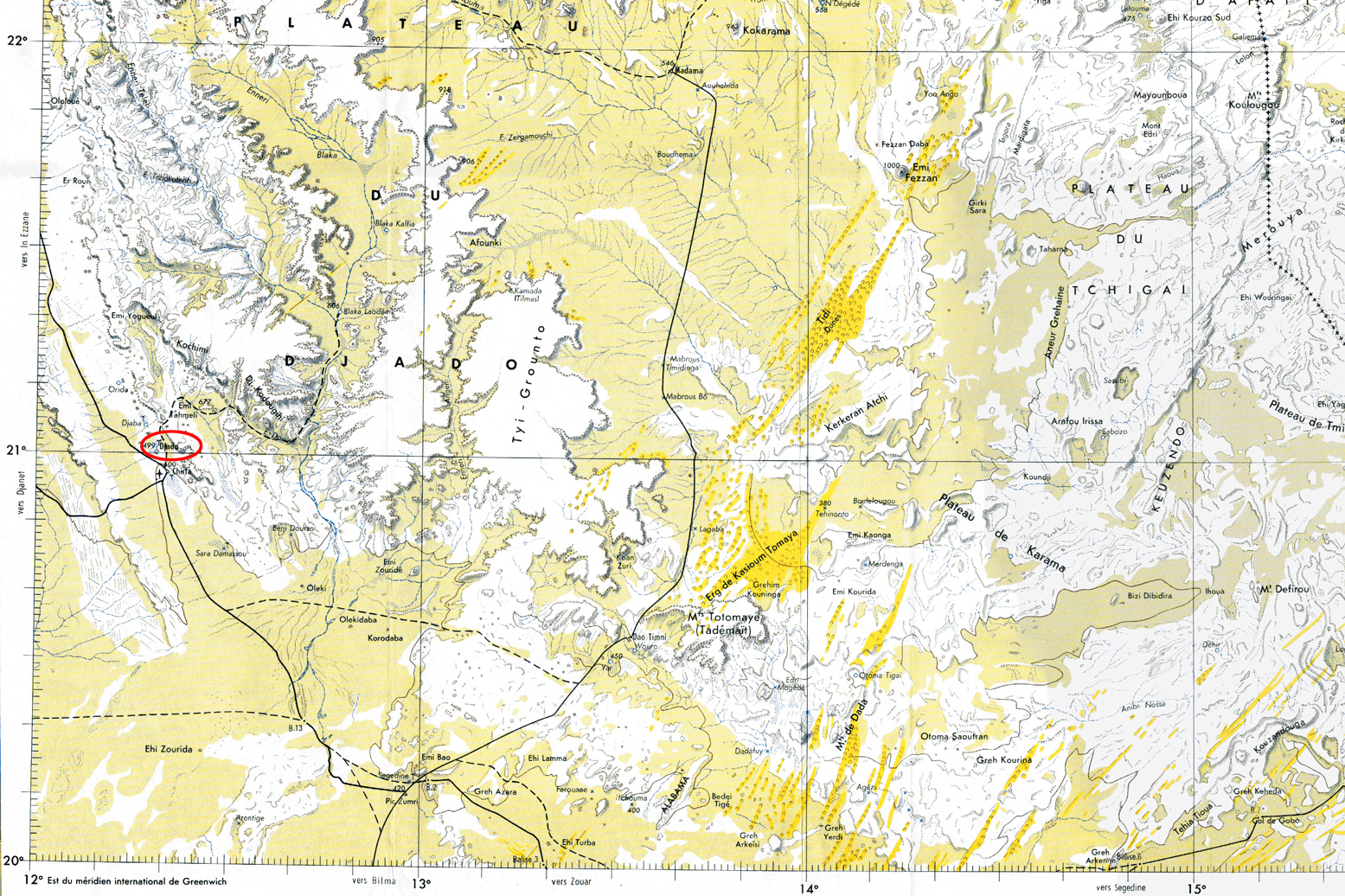
On the far side of Niger’s Tenere Desert lies the Djado Plateau, a frayed maze of low escarpments, sand-choked canyons and wind-carved outcrops, geologically contiguous with Algeria’s Tassili N’Ajjer and Libya’s Akakus (right).
Approaching Orida from the Col des Chadeliers.
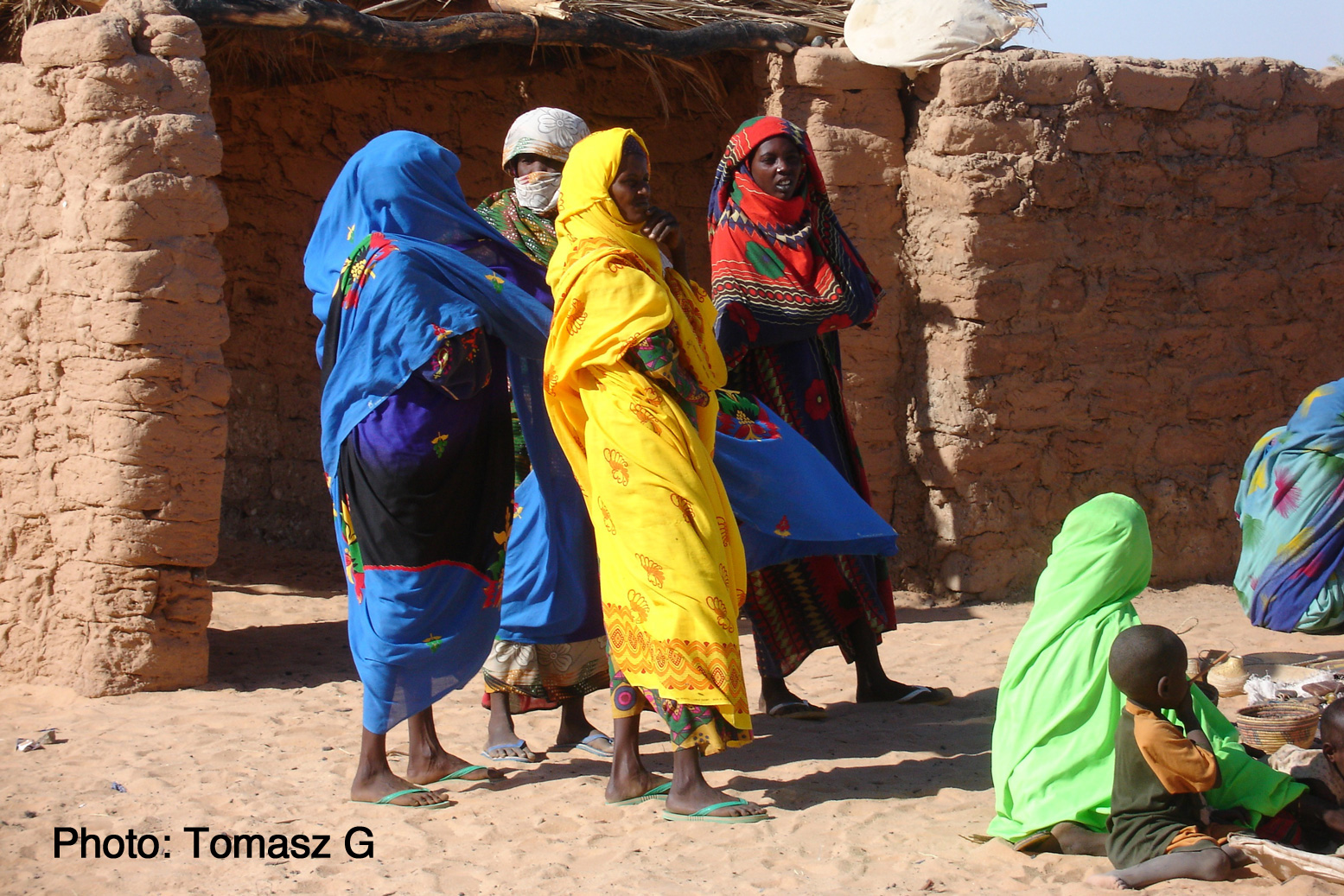
This is Tubu and Kanuri country. The latter are an ethnically related group originating from Kanem or Kano in northeastern Nigeria. Tubu nomads are best known in northern Chad and, unlike the arriviste Tuareg, are the Sahara’s original inhabitants. When I first visited this area the Tubu of far-eastern Niger where in revolt and a ‘checkpoint’ at Orida took tribute from passing tour groups, all led by Tuareg from Agadez. East of here was a no-go area and was mined, by either the rebels or the Niger army. On old IGN maps the topographic names are derived from the Tuburi language: a peak or hill is ‘Emi’ rather than the Tuareg ‘Adrar’ or Arabic ‘Jebel’, and ‘Enneri’ is a valley, like a ‘oued’ or ‘wadi’.
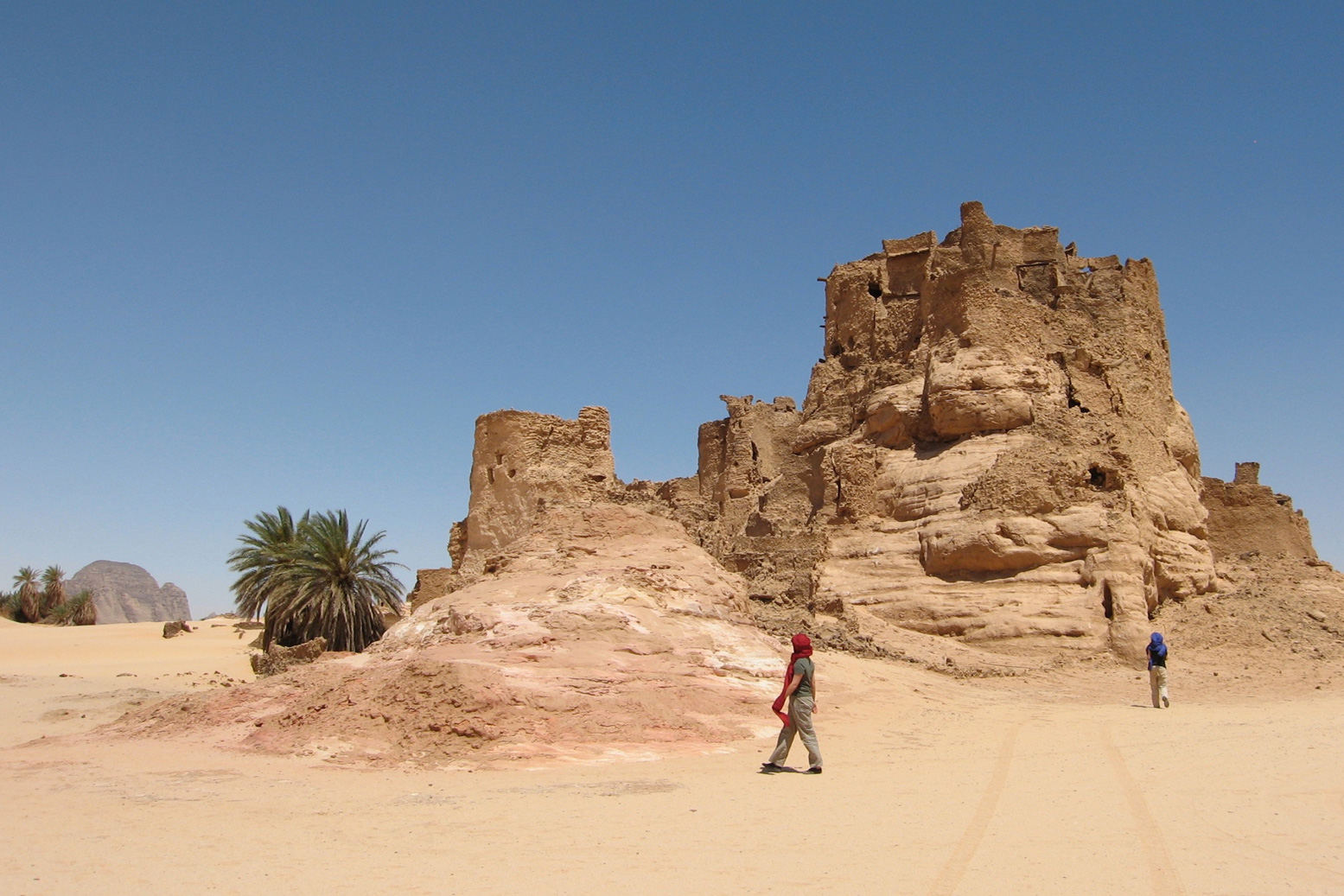
Perched on an outlying outcrop at the plateau’s edge, like something out of a Tolkein novel is the ruined citadel of Djado (21.016 12.308), a mudbrick warren of passages and collapsed chambers worn ragged by the weathering of passing centuries. Below the fortress, a shallow seasonal pool of brackish water is ringed by reeds and palms.
Such fortified ksars are not unusual in many old Sahara towns like Djanet, Ghat, Dakhla in Egypt and Ouadane in Mauritania. But all are adjacent to a modern town which has since grown up around them. That such a large citadel should located hundreds of miles from the nearest town appears an enigma. Djado personifies the Sahara’s romantic mystique, a Lost City crumbling into the sands. Who lived here, what did they do and where did they all go?
It’s origin may well date back to the late Kanem-Bornu Empire as a station on the trans-Sahara trade route which evolved between Lake Chad and Tripoli. Any place in the Sahara where the groundwater reaches the surface becomes important. By the 17th century, Tripoli – the capital of Ottoman Tripolitania – became the Mediterranean’s busiest slave market. From Lake Chad a line of wells and oases run north via Agadem to the salt mines of Bilma, Aney and on to the smaller salines of Seguedine. Here the route split: the busier arm led northeast to Tumu and the famed slave trading post of Murzuk. The other branched northwest towards Ghat. All of these places would have had a fortified ksar similar to Djado, though not so dramatically isolated.
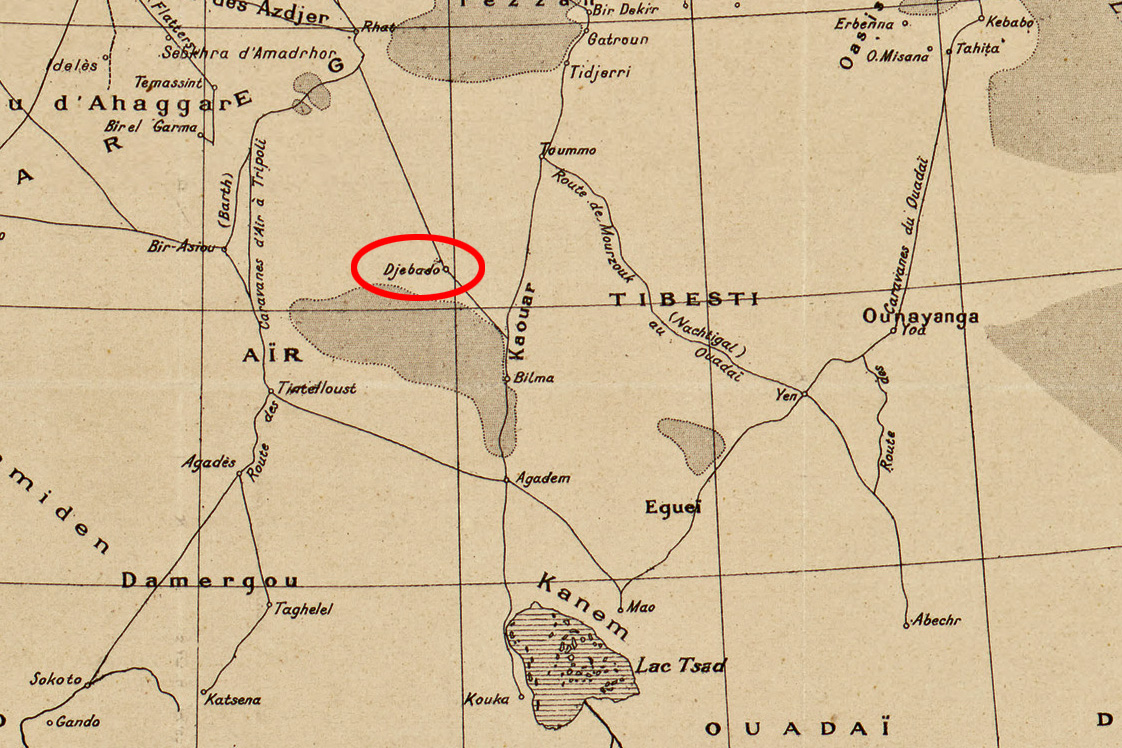
Around the 18th century it’s probable the inhabitants of ‘Djebado’ (as it’s called on the 1888 map, above) either gradually lost out to the dominant Murzuk trade route, were harassed by Tuareg or Tubu raiding parties, or just succumbed to the growing infestations of malarial mosquitoes which still inhabit the reedy lake today.
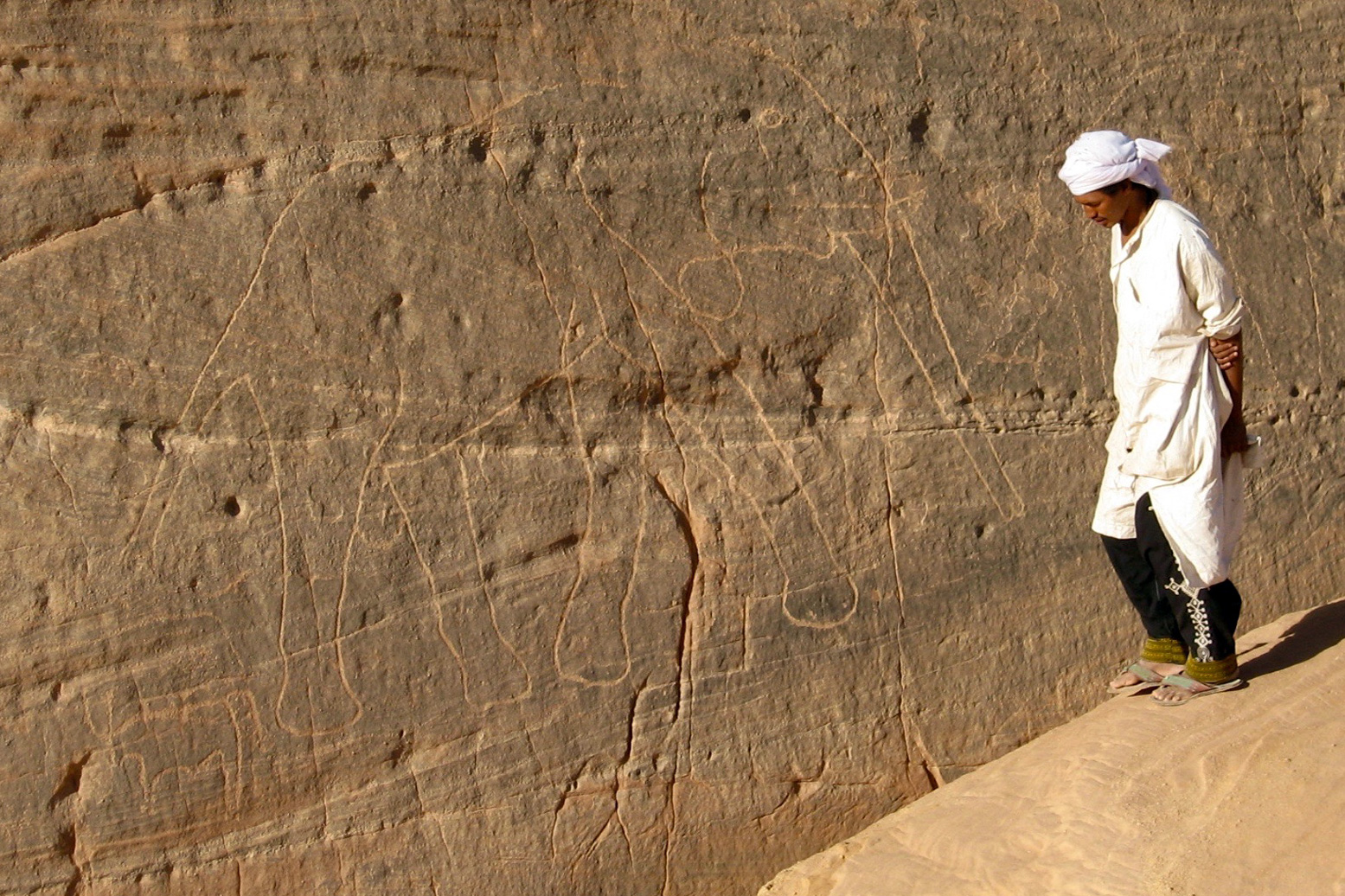
The Djado plateau, and more especially the Aïr mountains on the far side of the Tenere, are rich with ancient petroglyphs (left) and other rock art, some 6-8000 years old. At this time the Sahara was a savannah widely populated by the last of the nomadic hunters or early pastoralists. Many show animals long since extinct in the desert: bovids, crocodiles, giraffes or elephants (left). But it is a mistake to conflate the medieval ruins of Djado with the relics of the prehistoric era. The ksar is no more than a 1000 years old and much more likely, half that. To the north is a smaller are more intact ruins of Djaba (below) and beyond that, the well at Orida, 500km from Ghat.
Today the Kanuri whose ancestors were said to have inhabited Djado, live out on the desert plain in the nearby village of Chirfa, though annually they return to harvest the dates which grow alongside the ruins.
Below: an excerpt from the film of the 1960 Berliet Tenere Expedition. An accompanying helicopter surveys ‘Le Mont Saint Michele du Tenere’.
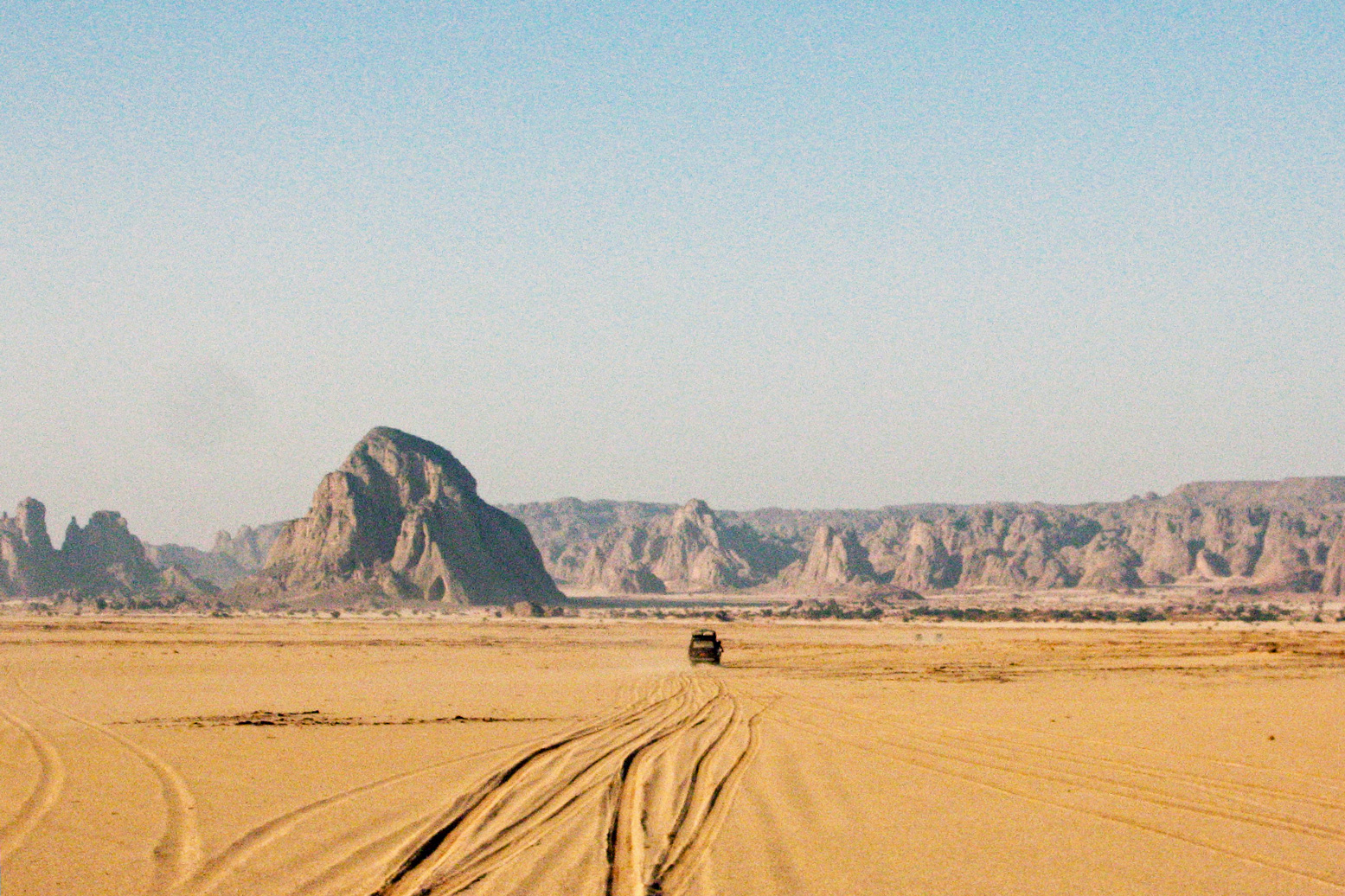
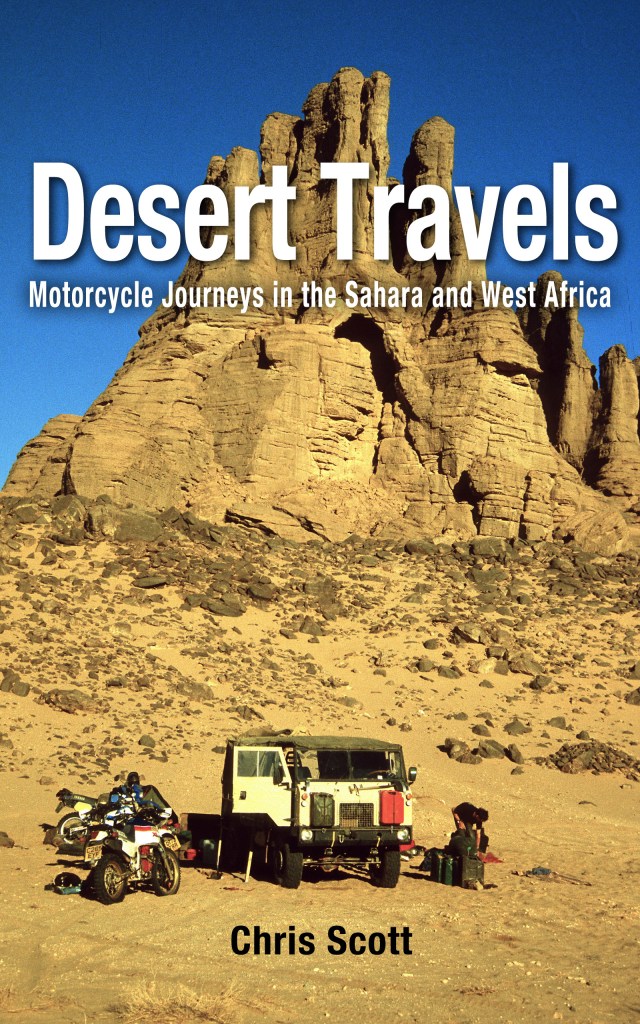
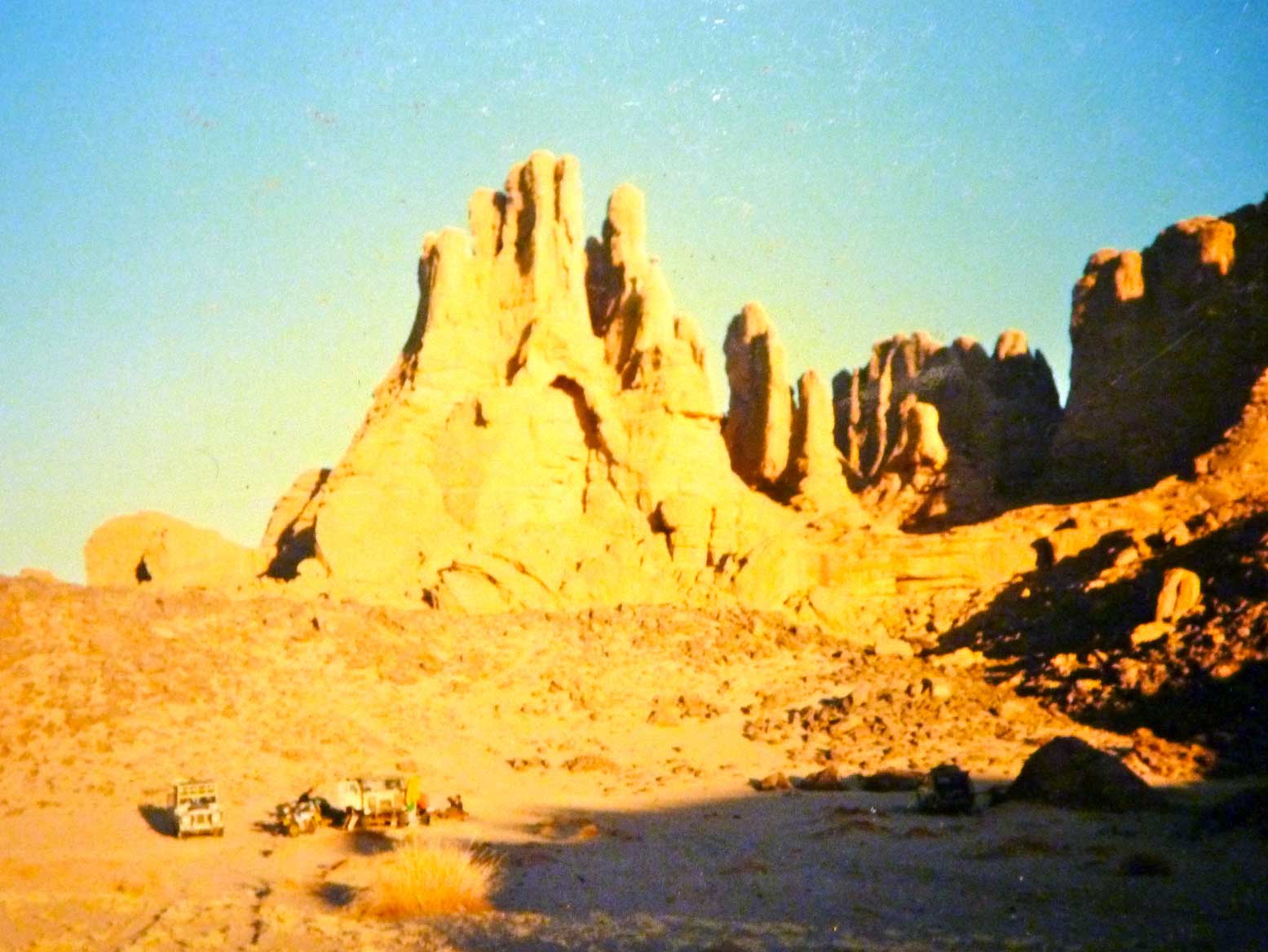
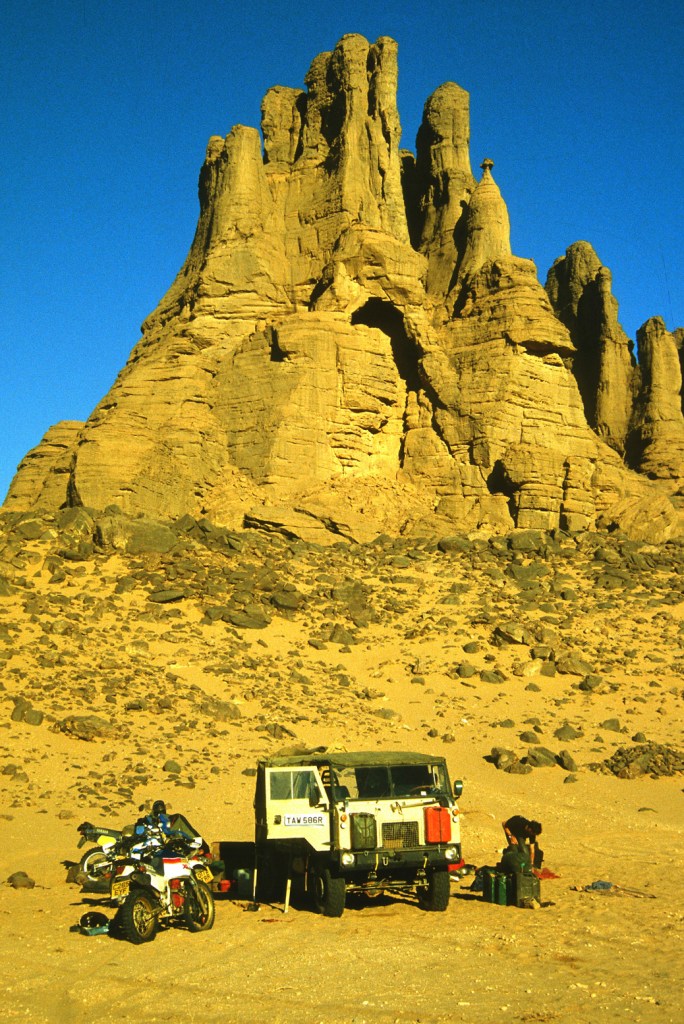
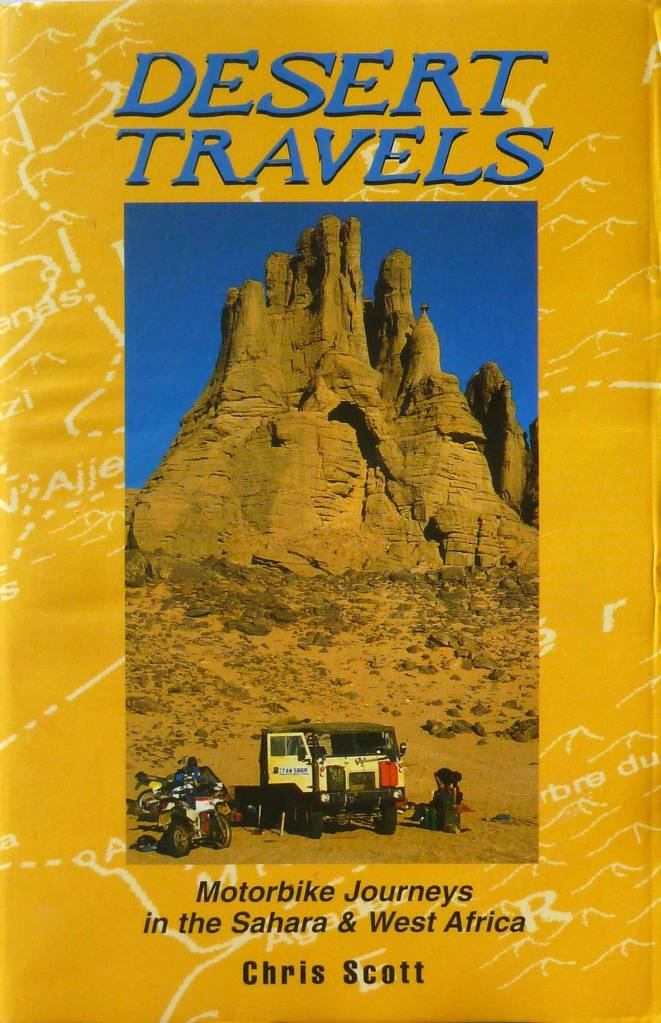
The original 1996 paperback edition of Desert Travels (and an earlier version of the ebook, left) featured us camped below a striking cathedral-like formation. I’d always wondered where that place was. The relevant chapter in the book is called The Cathedral, referring to the spires and church-like ‘portal’ of the pinnacle-capped outcrop. It was shot by Mike Spencer who had a proper camera and slide film.
This was before GPS and at the time I was too preoccupied keeping track of the bikes and my Landrover’s numerous issues to attempt to follow our progress on a map with dead reckoning. Our guide, Chadli, knew his stuff but was rather reticent – they teach them that in guide school. I knew the vague location within 50 square miles – the photo credit in the book says ‘near Tin Tarabine’ which is true enough, but that area, if not the whole Tassili-Hoggar southeast of Tam, is famed for unusual rock formations.
I had a rough idea the cathedral (above, with my crumby camera) was somewhere after Tadant canyon well and before Tin Tarabine oued. Then in 2006, coming towards the end of our epic traverse from Mauritania across Mali and Algeria towards the Libyan border (see: Sahara: The Empty Quarter) we passed through that area. I’d not been there since 1988, but coming at it from a different direction, it was all new to me.
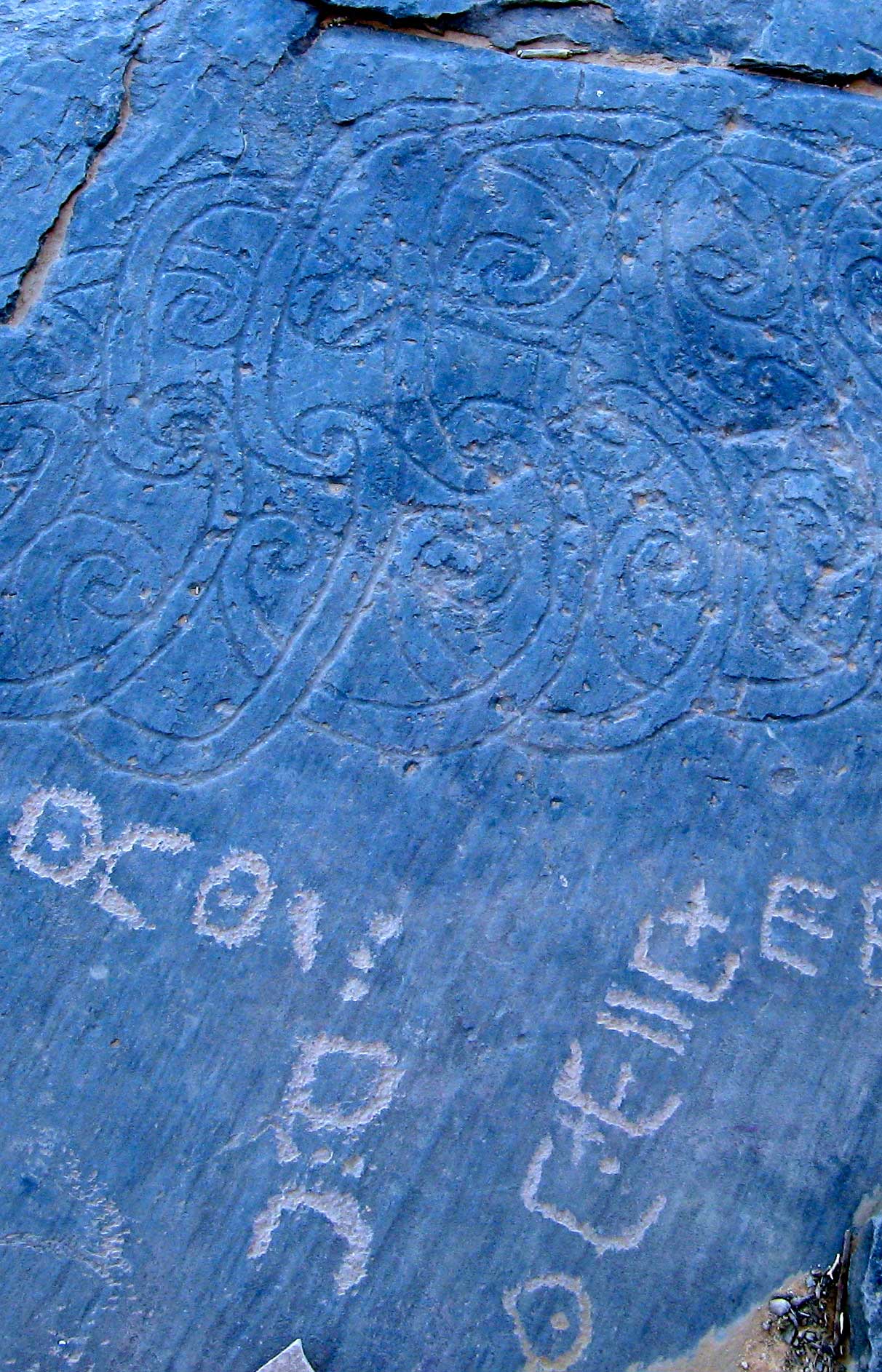
As we’d crawled steeply out of Tin Tarabine oued and away from the famous Youf Ehakit – an amazing area of eroded rocks and bizarre, neo-Celtic engravings (left) – our escort’s car needed the clutch repaired yet again.
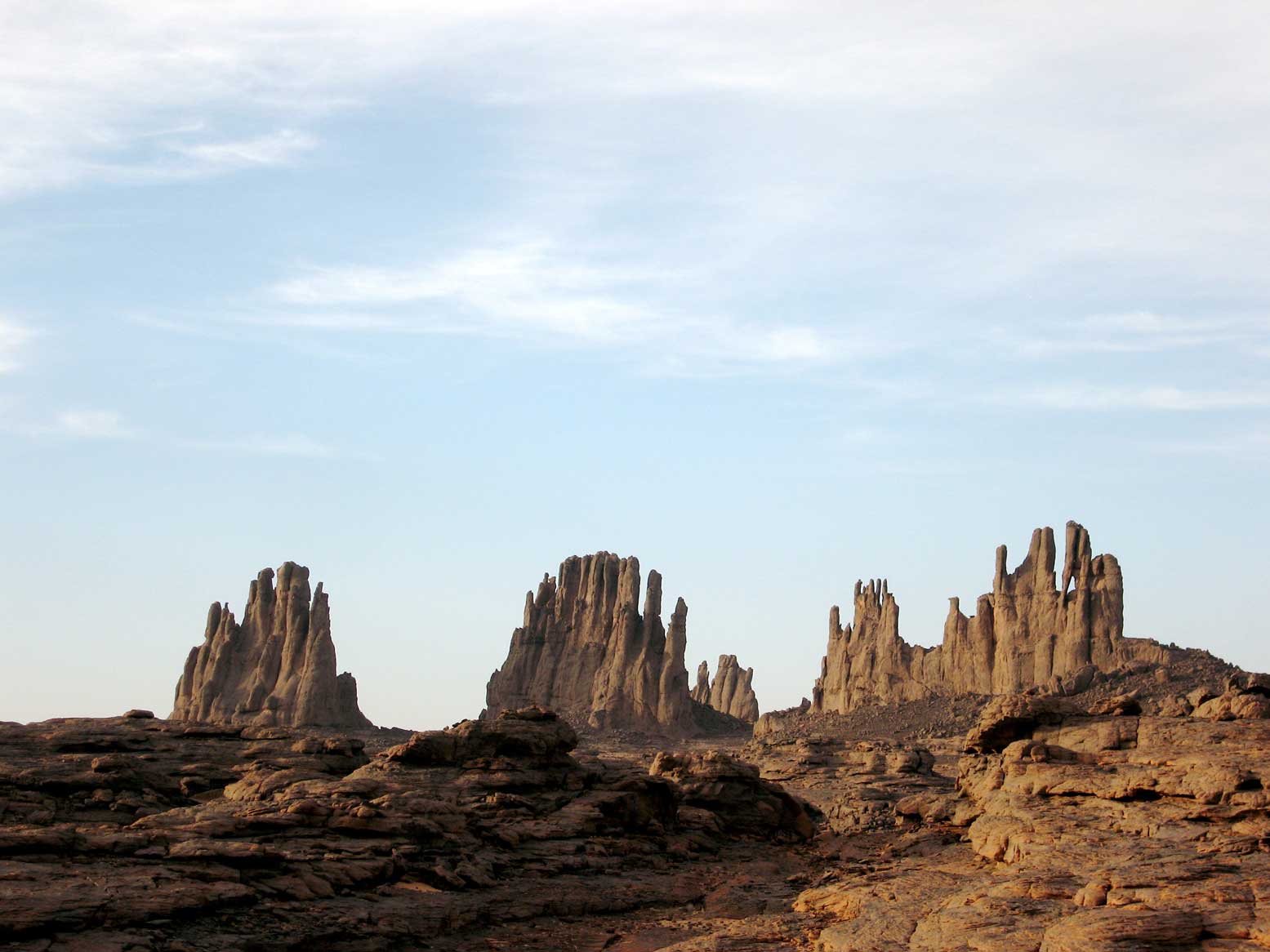
They pulled up onto a flat rock shelf to to a proper job this time, while I and the others dispersed for a wander. Climbing the outcrop up above the cars, I spotted some intriguing spire-like formations across a plateau a few kilometres to the north. Could I have stumbled on the location of the original DT cathedral cover after all these years?
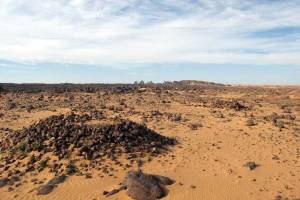
I grabbed a water and the GPS and set off cross-country, passing pre-Islamic tombs (left), then dodging down into little canyons and over outcrops as the terrain became rougher. I didn’t have a copy of DT with me, but the huge, hand-like pinnacles in the far distance looked very familiar.
After about an hour and a half I was running out of daylight to get back, but got close enough to the weathered spires. I took a few hurried shots (above) and the following waypoint which I see now is actually just a kilometre from the formations. But when I got home and looked at the book’s cover closely, I realised they were similar but were not the Cathedral, even if I was looking at them from behind.
I forgot all about it for a few years then began to wonder again if the Cathedral could be tracked down now that we have masses of imagery of everything everywhere and any time. I scanned people’s Panoramio and Flicker albums as well as the embedded photos on Google Earth (often irritatingly misplaced, as we all know…). There were plenty of amazing rock formations in the Tassili-Hoggar vicinity, but no distinctive Cathedral.
In the end I knew the best people to ask were the Germans – der uber-Saharans. I may know the Sahara well, but in Germany there are hundreds more experienced and better travelled Saharans than me. In the good years they explored every corner of the desert, but most didn’t feel the need to write guidebooks about it afterwards.
I posted my question with a picture on Wuestenschiff, one of the main German Sahara forums. Within a couple of days I had a name for my location: the Cathedrals of Tin Eggoleh and the waypoint: N22°21’6.75″ E007°5’12.20″. About 50km to the northeast of the ‘false-sprires’ of 2006.
Mystery solved and somewhere good to aim for next time…
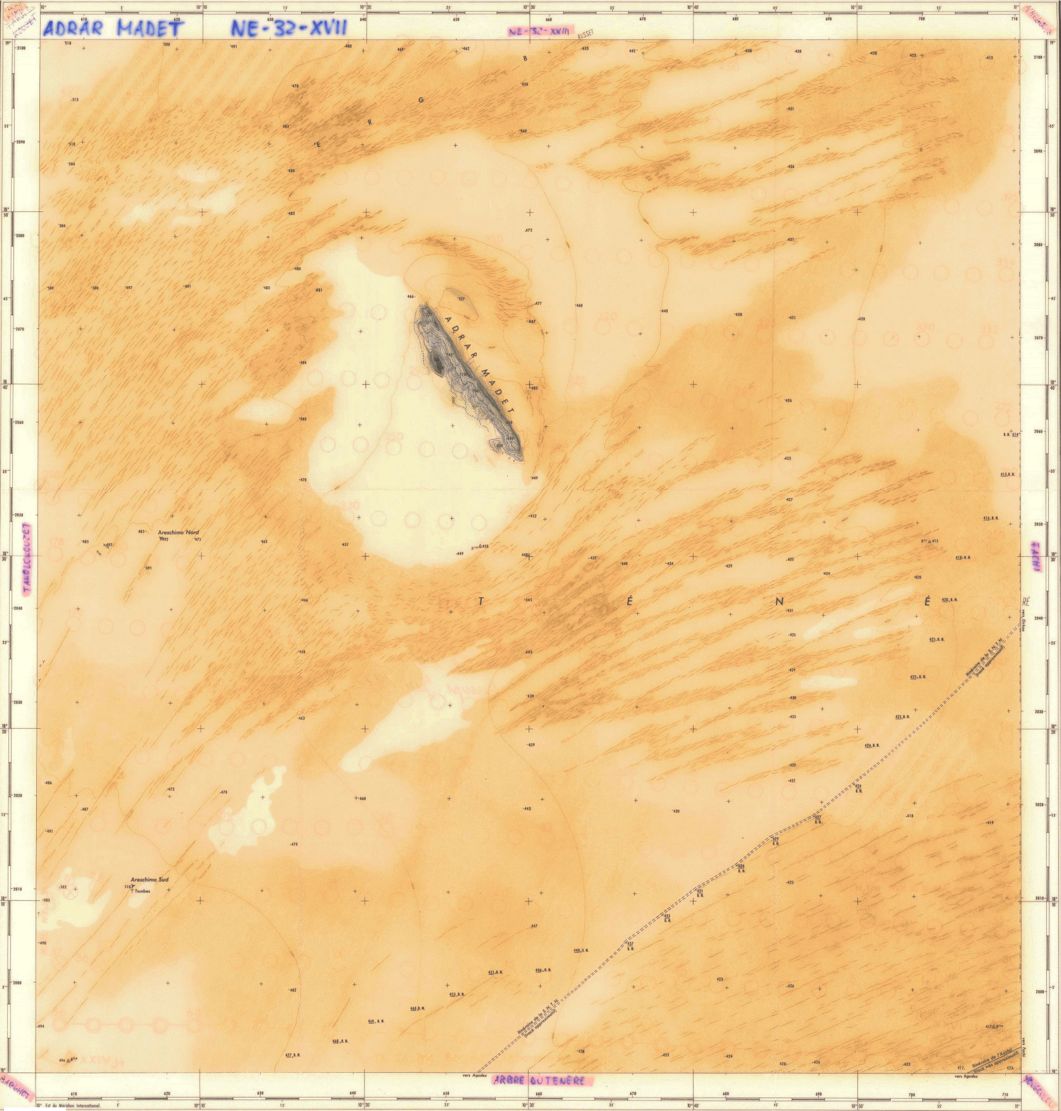
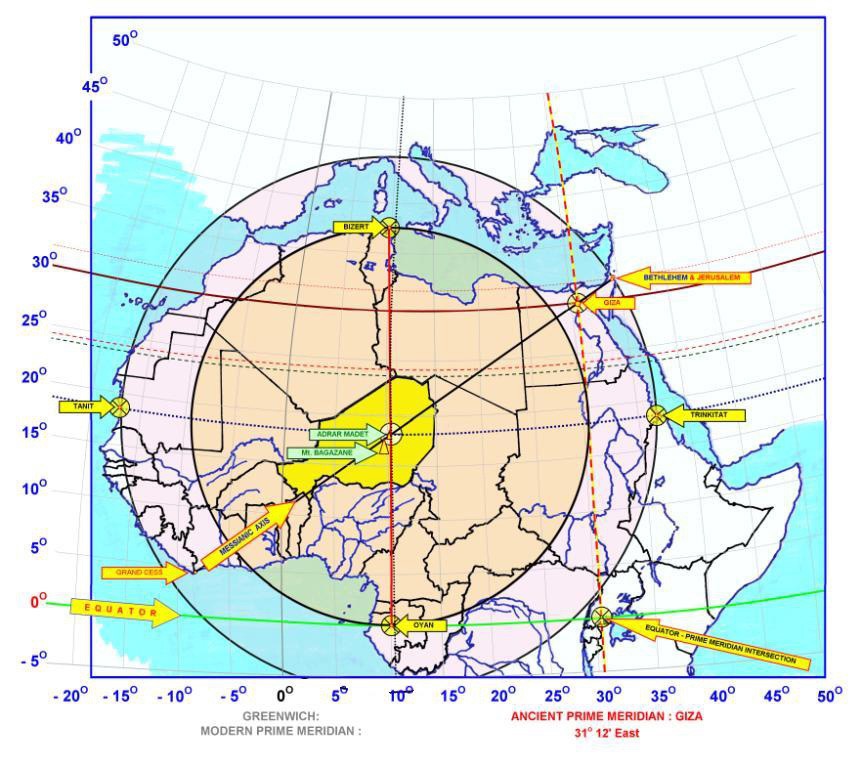
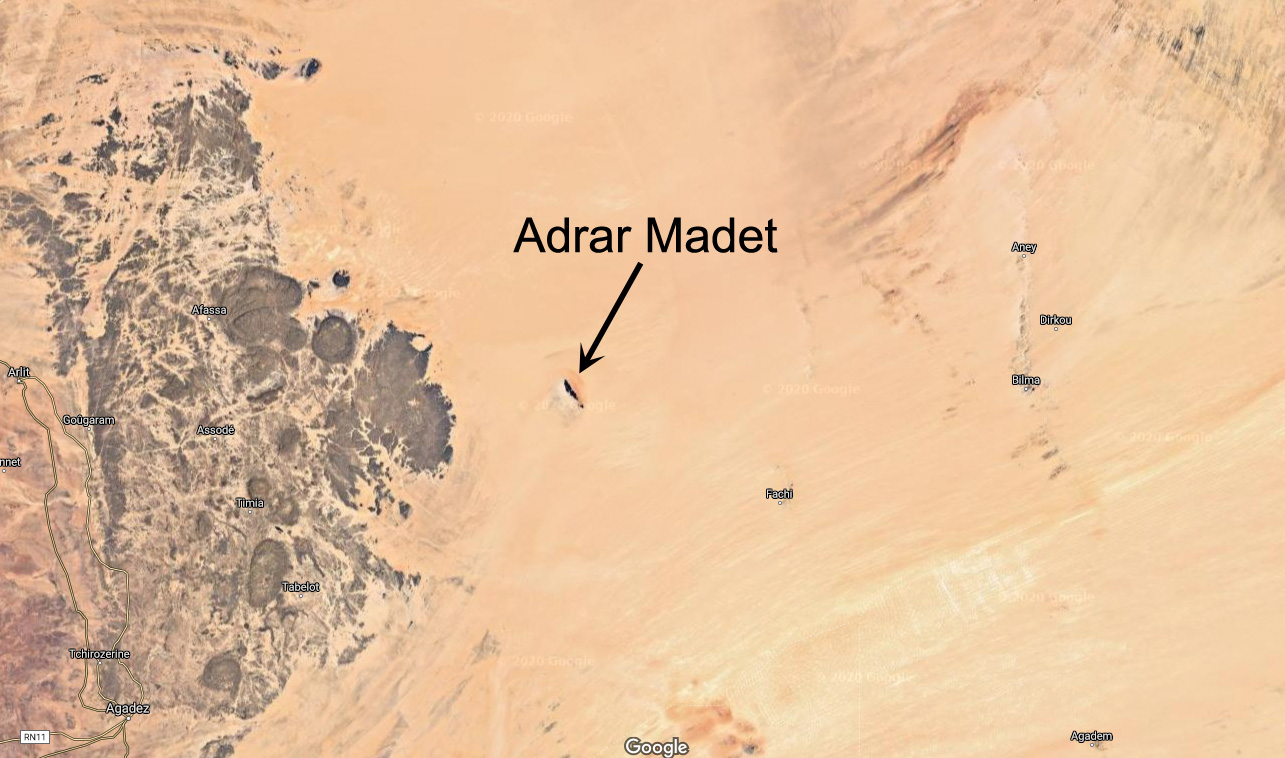
Out in Niger’s Tenere desert, east of the Aïr mountains lies the isolated massif of Adrar Madet (see map below). About 2.5 kilometres directly west of the 20-km long massif’s northern tip, a perfect stone circle lies in the sand. The circle is about 20m in diametre and some 600m from the circle and more or less at each cardinal point is a small arrow. You can see all five points here on Bing. You won’t see them on Google last time I looked.
The lone ridge of Adrar Madet (and it’s northeasterly wind shadow), north of the Arbre du Tenere
I’ve not been there but have known about it for years. Some speculate that it could a sacred pre-historic marker associated with prime meridians and ancient Egyptian knowledge, marking the ‘middle of North Africa’ (left). It is a huge coincidence that the circle is – within a few kilometres – exactly halfway between the equator and Ras Angela near Bizerte in Tunisia, the northernmost point of Africa. And it’s nearly directly south (178.4°) of Ras Angela, too. (Fwiw, it’s 64km west to the actual point directly south of Ras Angela, just south of Arakao on the edge of the Aïr.)
I err more towards the theory of a much less ancient aviation landmark from the French colonial era, one of many located in the Sahara and still being found, including less ambiguous examples where names of nearby outposts are stencilled inside the circles. Fellow Saharaholic, Yves Rohmer confirms this fact. Rubbish from that era: tin cans, bottles of Pastis, berets, garlic and so on, littered the Madet site. A similar circle exists in nearby Fachi, with that name stencilled in it and close to an old airstrip. Another plausible explanation made in the discussion linked above was a drop zone for parachute or dummy bomb training.
Not so mysterious after all then, but you do wonder, with the distinctive and isolated 20-km-long Madet ridge angled NW/SE and the Aïr massif to the west, what value the tiny 20-m stone compass actually added to aerial navigation? And why put an airstrip there if anywhere flat in this part of the Sahara can be an ’emergency airstrip’. And would they have spent days building a parachute or bomb drop zone circle when a ring of smoking oil drums would have sufficed? Trop mystérieuse…
Another possibility I like to entertain is of a playful or geographically inclined Colonel stationed in the Sahara. He’d spent his lovelorn honeymoon in Bizerte near Cap Angela and, looking at his Michelin map one hot day, noticed Adrar Madet’s central position. He decided it would be a good morale-building (or time-killing) exercise to have the circle and cardinal points marked in the desert for posterity. But as Adrar Madet is far from any route or useful resource, the purpose and meaning of his enigmatic earth sculpture has been lost in the sands of time.
That’s as may be, but what about the other similar but smaller cobbled stone circles I’ve seen in the mountains of southern Algeria (below)? Neither could be described as aviation markers. Rock art hunter, Andras Zboray, found another in 2023 by the Oued Torset in the central Tassili, northwest of Dider. ‘Tombs’ said the guides, but they’re not like the usual pre-Islamic tombs one sees in the desert.
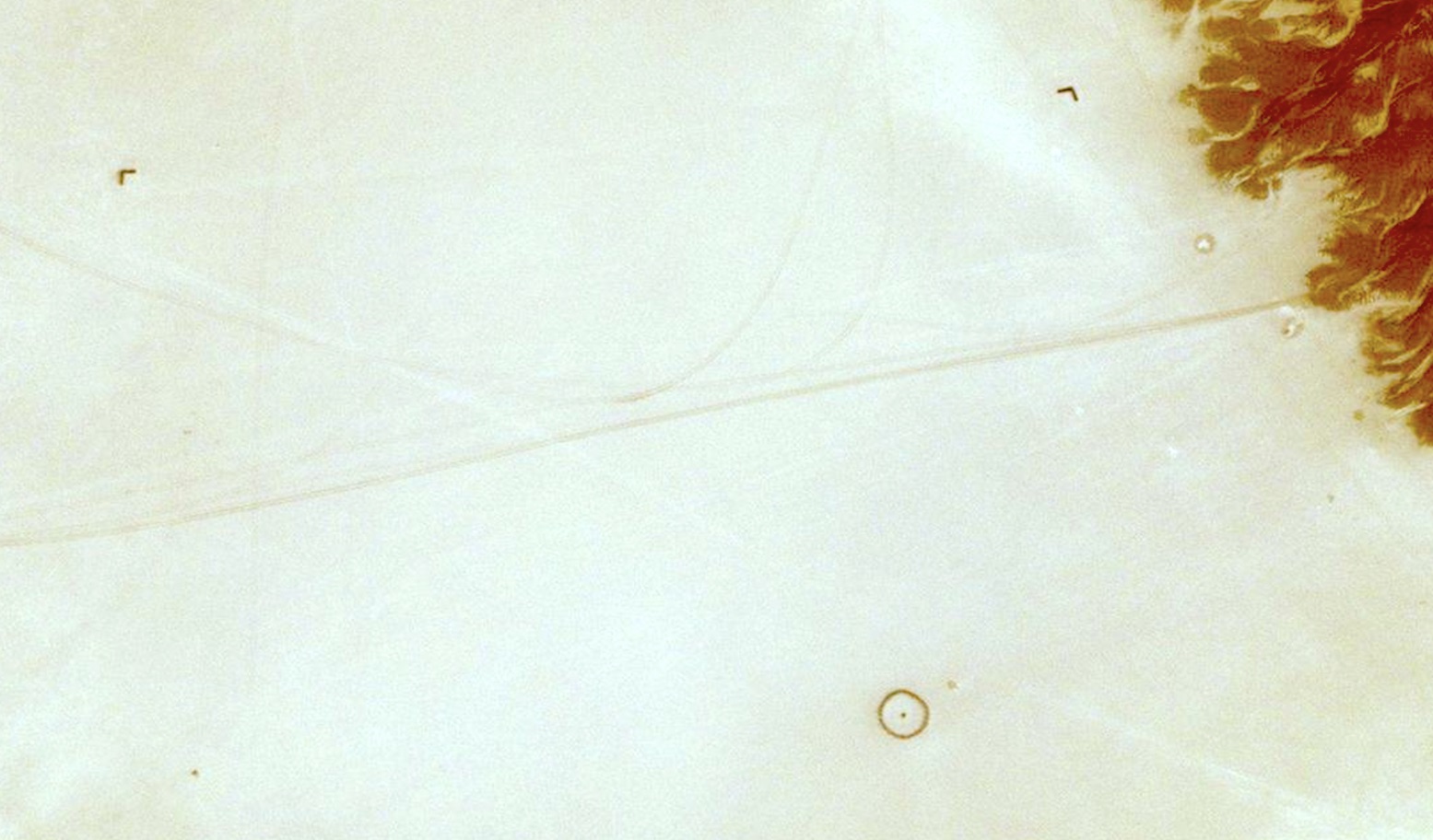
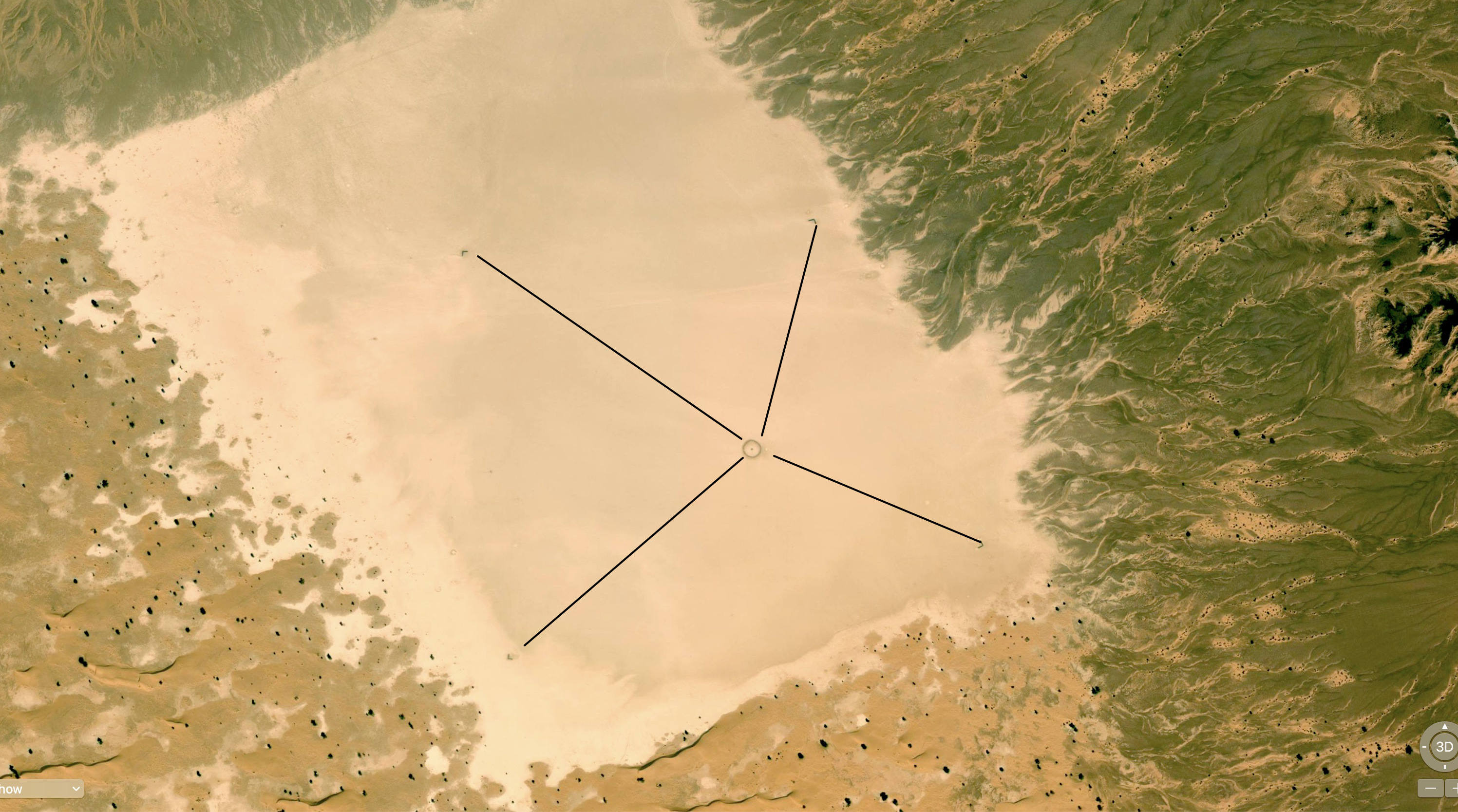
Here’s another curious circle, spotted by a mate in the remote wastes of Timetrine, northern Mali, coincidentally one place where AQIM kept European hostages up to a few years ago.
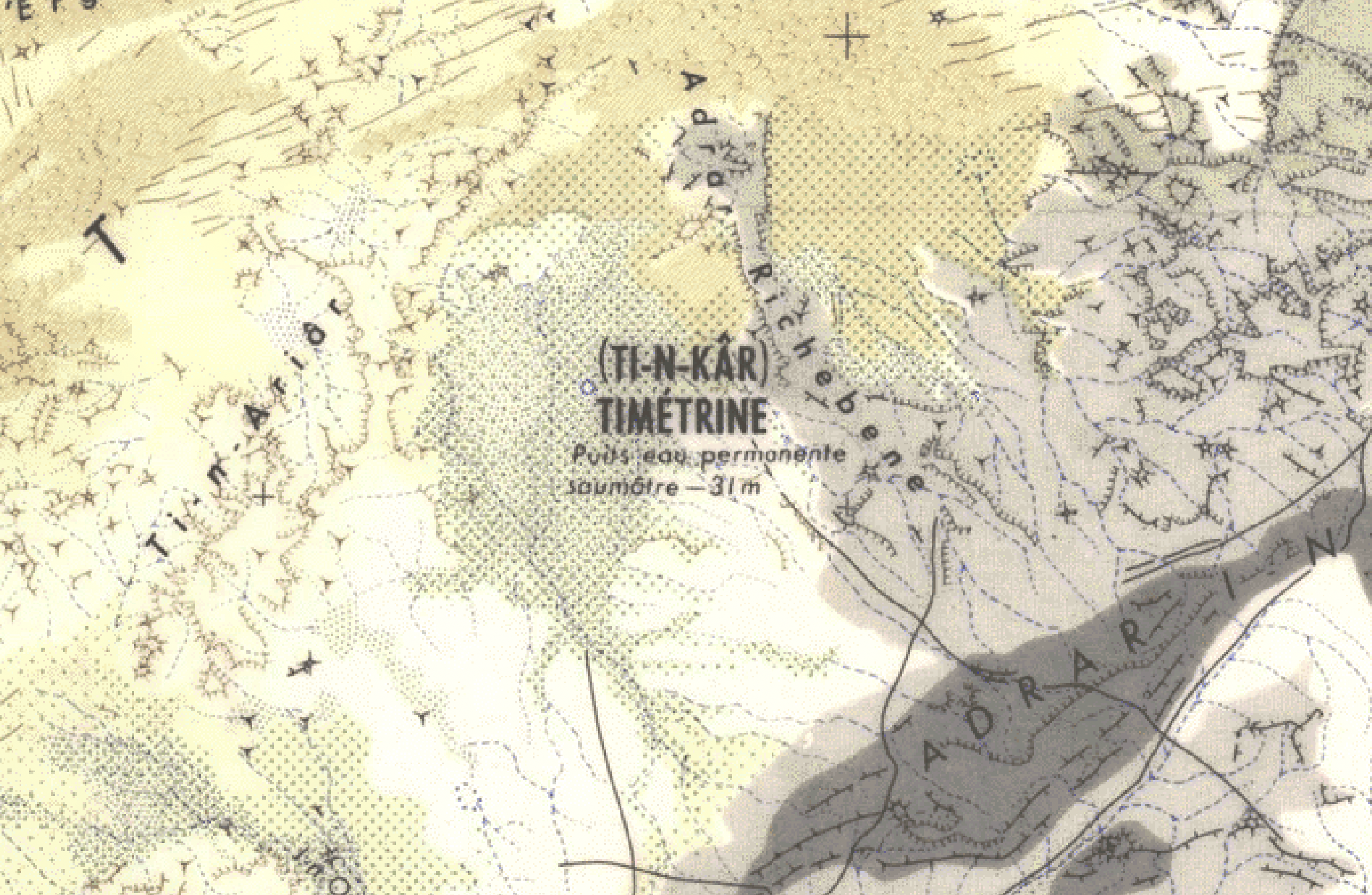
19.455065, -0.422889; It’s a lot clearer on Bing Maps than Google (LTIL). According to the old 200k IGN map, this is actually the brackish (saumâtre) well of T-in Kar (wrongly positioned on Bing), so marking it for pilots may make sense for emergencies.
You will see four points a couple of hundred metres from the circle set in the middle of a distinctively rectangular clay pan covering about half a square kilometre. But they seem so vaguely positioned as to be pointless. Some have speculated the four points may mark the fringes of a smooth landing strip.
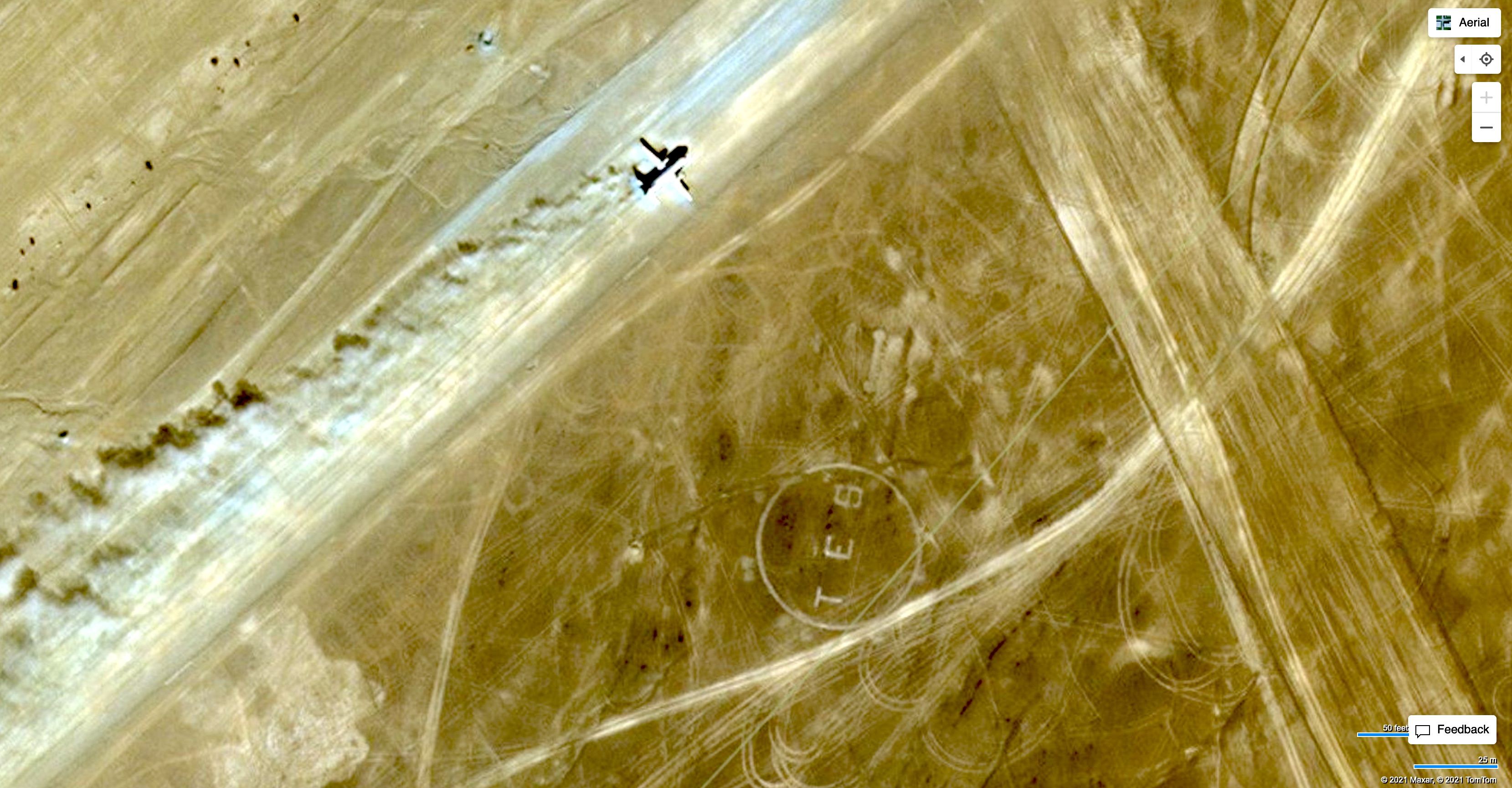
The clay pan is on a more-or-less direct line between Timbuktu and Tessalit where there is also a ‘TES’ marker by the current airfield (left). In those days (pre-War) they would have navigated as much by landmarks as a bearing. Since around 2013 this whole area has been a war zone between French force having it out with AQIM, ISGS and the like. This intervention has proved as successful as similar operations in Iraq and Afghanistan. By 2023 they’d left and Russian state mercenaries took over.
In 2000 I joined a two-week tour visiting the Egyptian part of the Libyan Desert, or the ‘Western Desert’. The trip was organised by Andras Zboray and his new FJ Expeditions. He’s since become an expert on this fascinating region and back then contributed the ‘Egypt’ section to my Sahara Overland book. Even though I’d only just come back from Libya researching the book, part of the appeal of Egypt was that this was then a very rarely visited corner of the Sahara. FJ had problems with permits to visit this ‘military’ or more correctly border area, but once there, we saw no one, let alone a well or a regular piste for the entire two weeks.
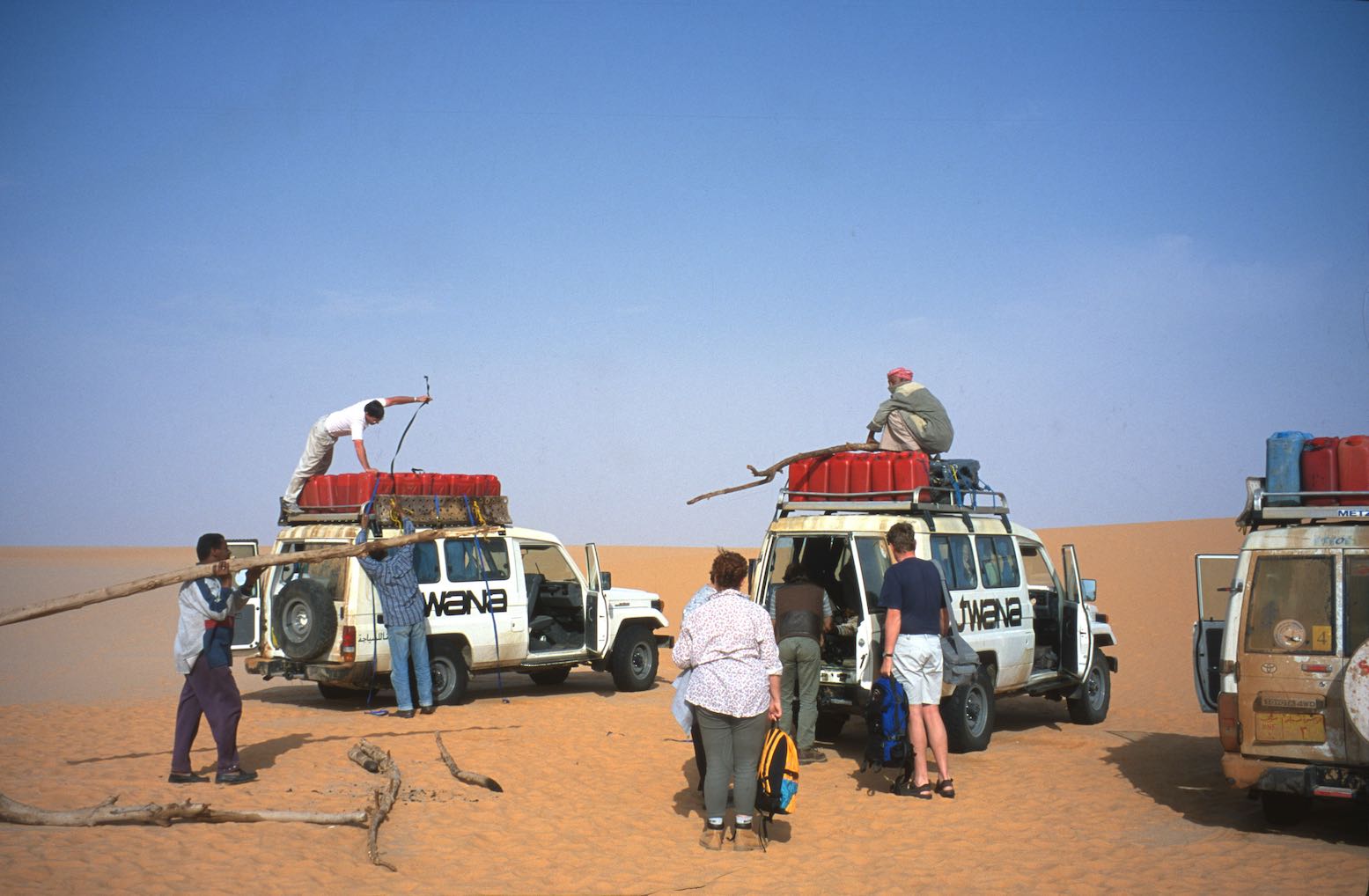
Our three locally hired Toyota Troop Carriers left Cairo sharing a ton of water and half a ton of food, along with fourteen (mostly German) passengers and three Egyptian drivers. Two days later we left Dakhla with another half-ton of fuel on each car’s roof. Amazingly the Toyota 75s handled this mind-bending payload without a whimper.
Shell tin
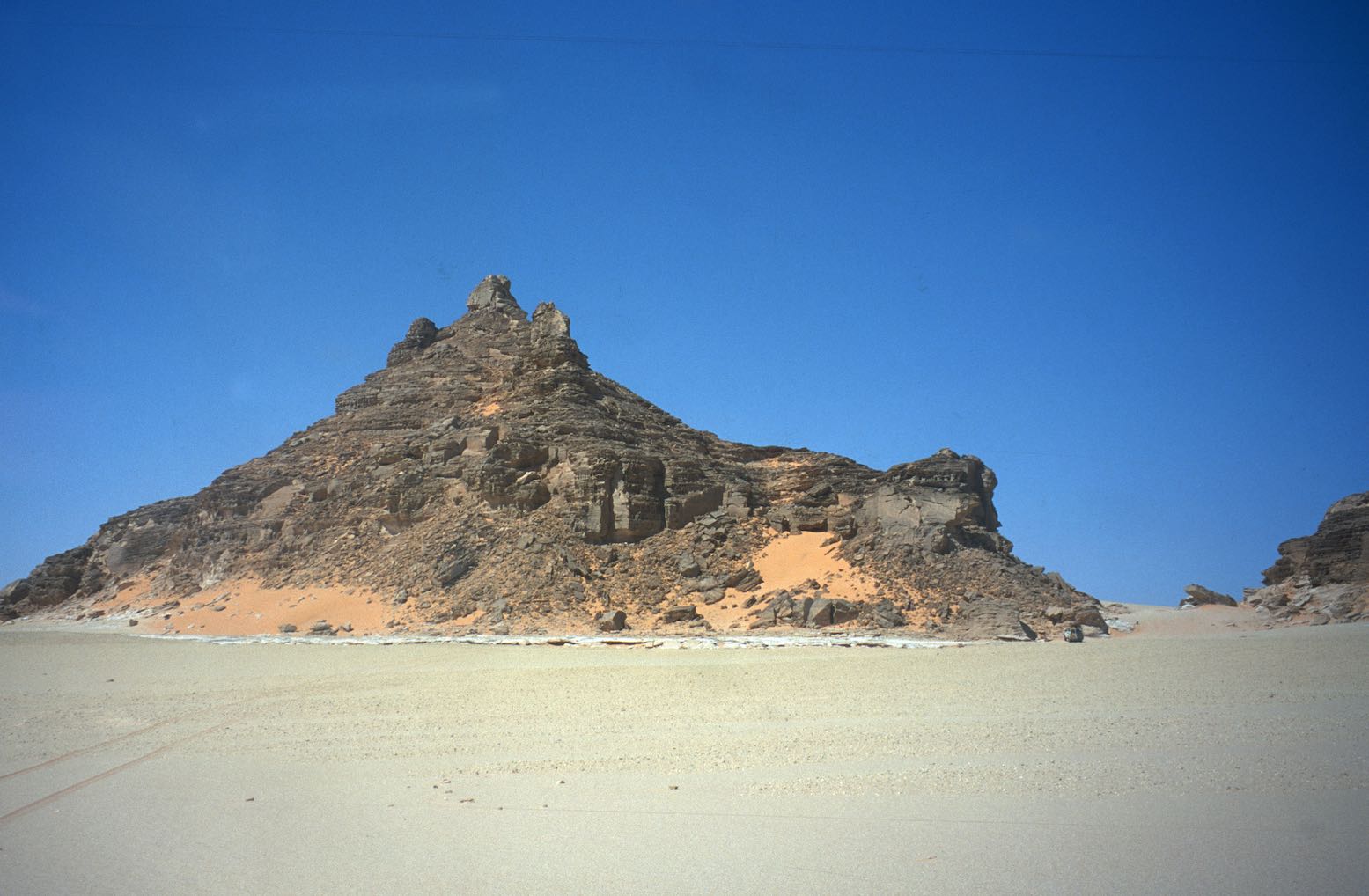
On reaching Bir Terfawi we left the tarmac and set off west across the Selima Sand Sheet, arriving at the isolated landmark of Jebel Kamil after a day and a half. This cone-shaped hill was a wartime fuel dump from the Sudan Defence Force convoys supplying Kufra from the Nile, and is still littered with Shell petrol tins. I was invited to drive one of the 75s, Andras having had not such good experiences with local drivers off road. I was told under no circumstances to use the air-con; there being some urban myth about revs rising dramatically as the pump kicks in. But the risk of an overburdened, 130-hp 70-series lurching uncontrollably off a dune lip seemed far fetched.
Shaw’s Cave
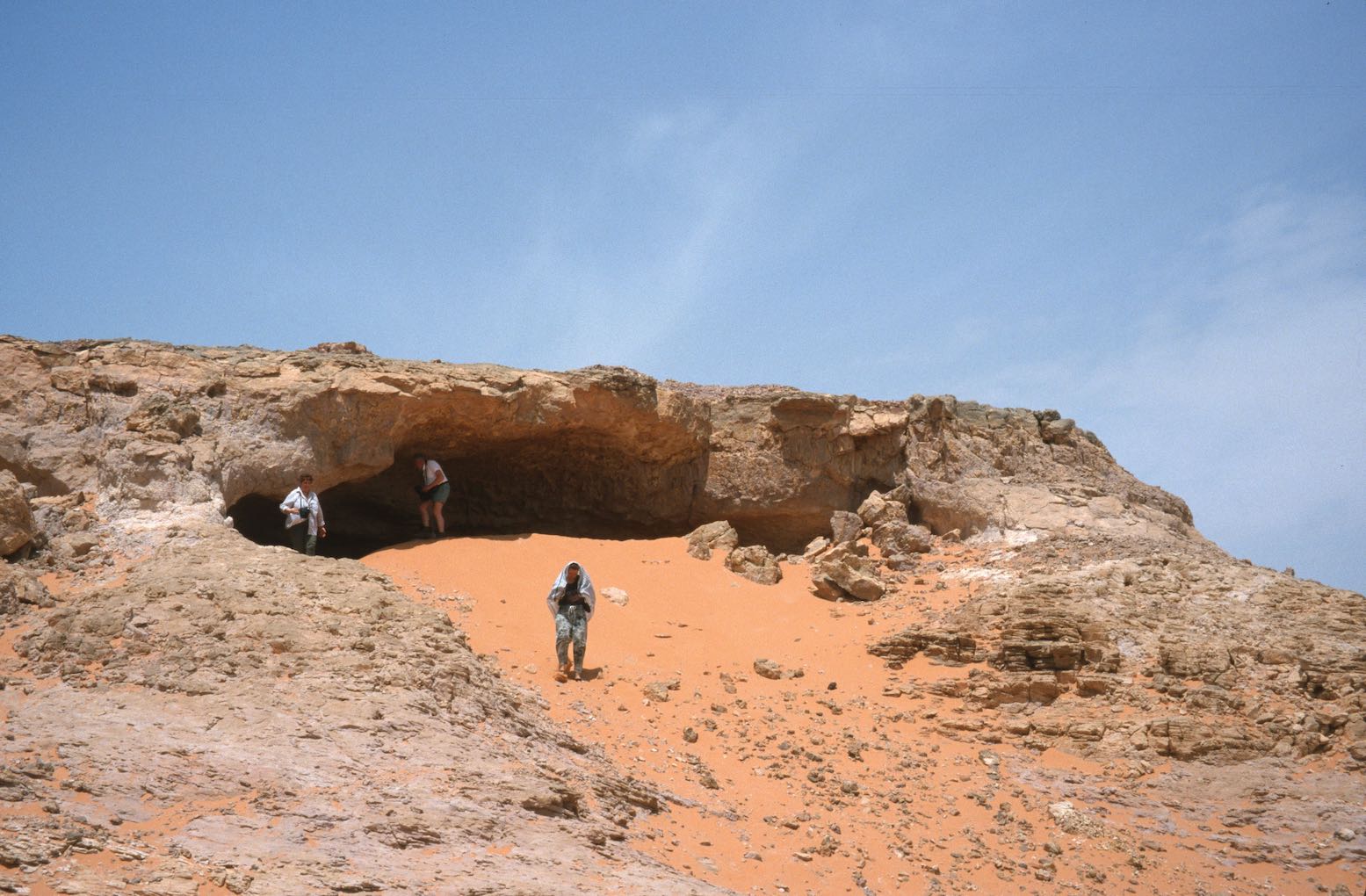
From Jebel Kamil we headed northwest on a GPS bearing to Eight Bells on the eastern edge of the Gilf Kebir from where Andras had a written description to a cave of paintings discovered by Shaw in the 1930s. We drove over a pass into the stunning Wadi Wassa and followed it west, crested another pass with little difficulty.
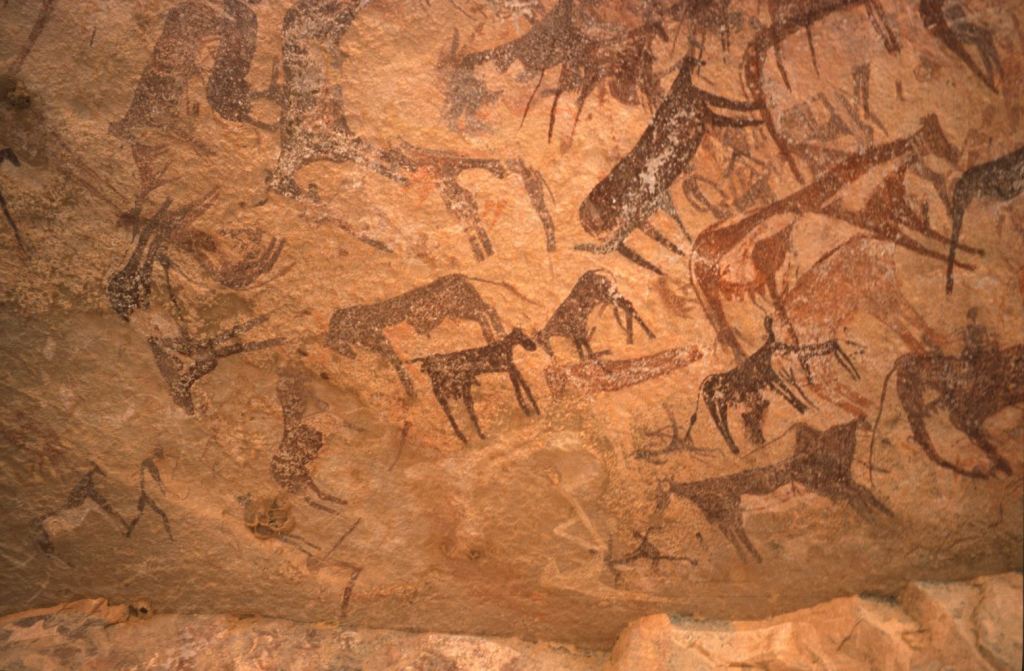
After locating the cave, we continued cross-country into a hot south wind over broken country to Karkur Talh, a clearly mined wadi which cuts into the 1934-metre-high massif of Jebel Uweinat. That evening, on a tip from Bagnold, Andras located some beautifully preserved Cattle Period paintings on the west side of the well-known cove. The quality was the best I’ve encountered (which isn’t much!) and showed similarities to the ‘Cave of the Swimmers’ or Wadi Sora style, we were to see a few days later.
The next day we continued further down Karkur Talh on foot, over the Sudanese border (passing a spoof CCTV camera, left) and, with the aid of Rhotert’s ‘The Rock Art of the Jebel Uweinat’ (Graz, 1978), soon found an rich trove of engravings and paintings spread along the walls of the wadis first discovered by Ahmed Hassanein in the 1920s and fully recorded by a Belgian expedition in the 1960s. It’s unlikely many other tourists have got this far since that time, and for all of us this wonderful day of discovery was the highlight of the trip.
Cows
Giraffes
Grinder
Waddan
We enjoyed it so much we came back into Sudan next day to find more rock art, including an amazing tableaux dubbed ‘Red Cow Cave’. We also spotted an amusing engraving possibly showing man’s failed attempt in giraffe domestication as mentioned in the Lutz’s book on the Libyan Messaks, as well as the foundations of Tubu dwellings who lived here up until the 1930s. A few very old waddan (mouflon, or Barbary sheep) horns were spotted, as well as a perfectly preserved cadaver tucked under an overhang. Tools were very rare, but right on top of our campsite back in Egypt, I found a milling stone, grinder and pottery.
Left Google (years later)’ right, in real life
From Karkur Talh we headed back north, overnighting at Clayton’s Craters where an afternoon was spent climbing or circumnavigating the barren craters. Out of the big wadis the Libyan Desert really is utterly bereft of vegetation to an extent you rarely see in the Sahara further west. I spotted more Stone Age tools, another milling stone and just as I’d hoped, a very worn biface or hand axe, the original multi-tool which may be tens of thousands of years old.
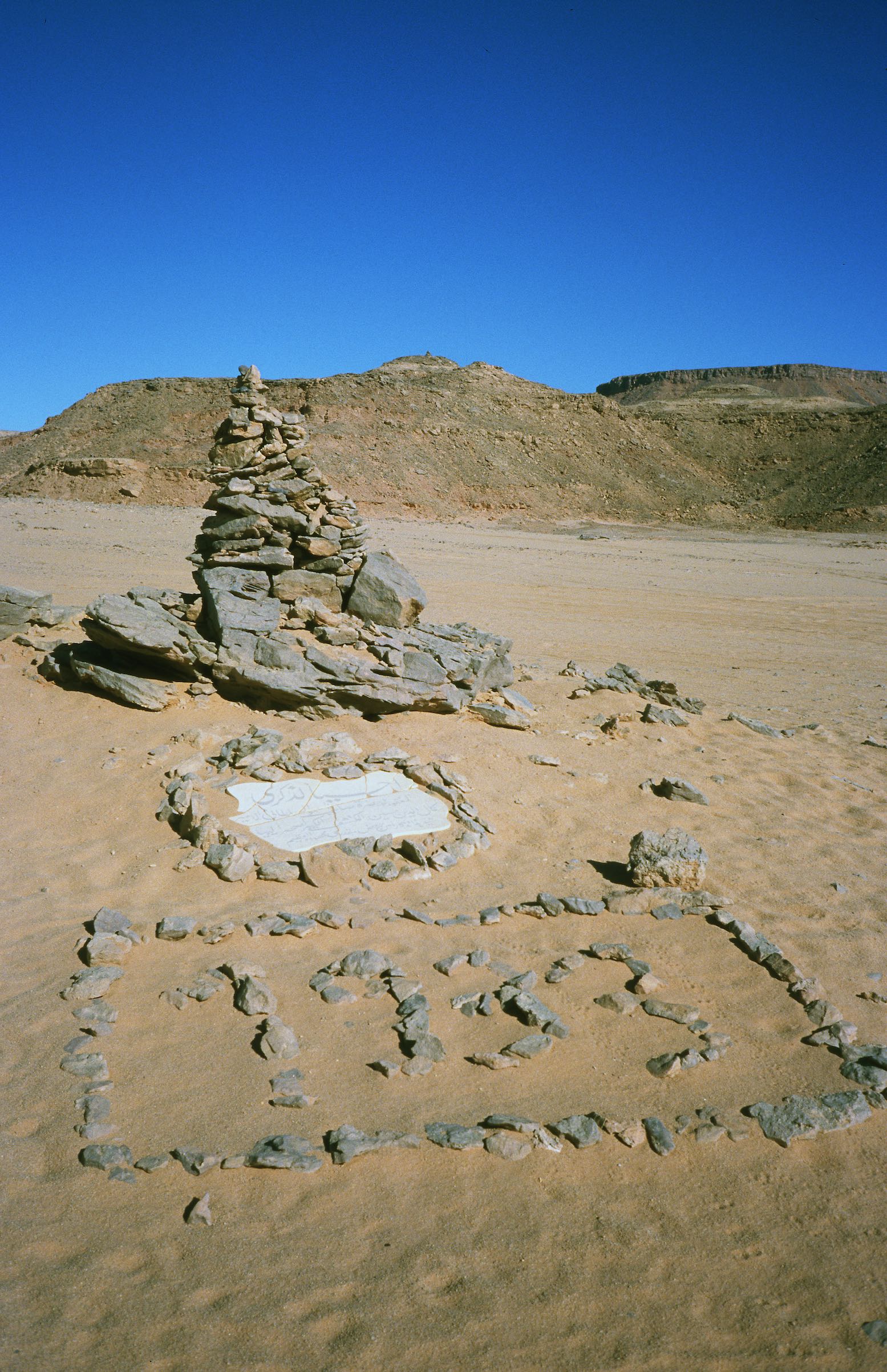
We moved north again, making the obligatory pilgrimage to the Kamal El Din monument (left) built by Almasy on the southern tip of the Gilf. Messages are still left in a bottle by passing travellers; a custom started by Rohlfs at the cairn of Regenfeld, further north. We now followed the southern edge of the Gilf to the northwest, past an old American SDF truck from the war and more Shell tins. We stopped at the Three Castles landmark where one of the group found one of Almasy’s water tins as accurately described in his ‘Unknown Sahara’ book. In case you don’t know Laszlo Almasy was the basis of the ‘English Patient’ character in that very fictional book and movie, and a contemporary of Bagnold, Shaw and Clayton. For me the famous Wadi Sora discovered by Almasy and romanticised in the movie was nothing special; the ‘cave’ has flaked badly but the swimming figures are still very distinctive.
Cave of
the Swimmers
We headed back east to the dreaded Aqaba Pass, an unmined five kilometre sand ramp providing access into the central rift of the Gilf. Foot on the floor in Low 2nd and rocking hard on the steering wheel, I just scraped through to the summit, much to my surprise. Werner, driving the other heavy car got himself mired near the top and we all made a meal of getting the ‘fuel mule’ to the summit. Along with the other-worldly panoramas surrounding Clayton’s Craters, the central Gilf north of the Pass was one of the most beautiful landscapes we encountered – we’d obviously hit it at the right time of day.
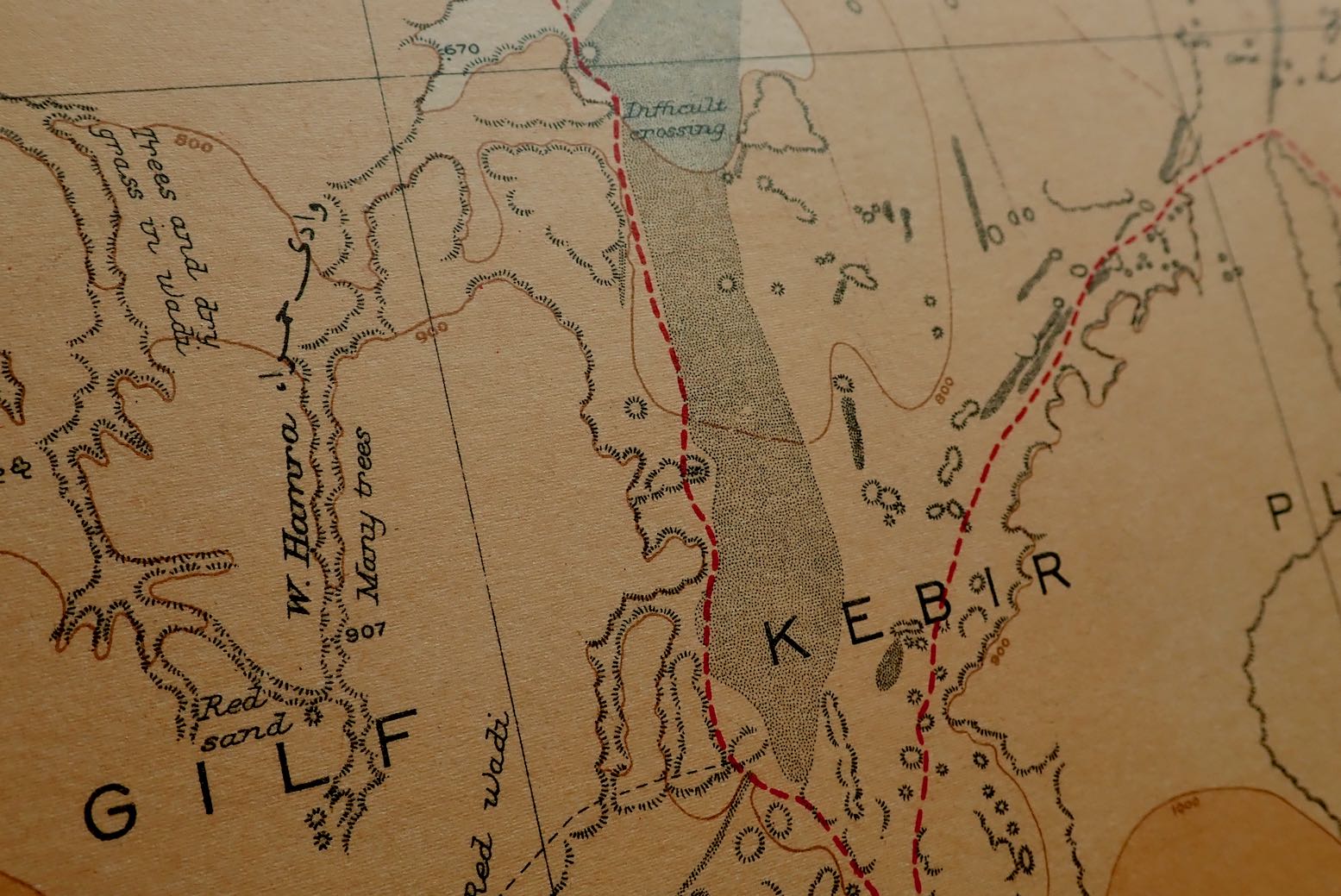
We camped in a valley bizarrely dammed by a perfectly dune of sand 200 feet high and now clearly visible online. We rose early next day to attempt to cross the cordon of dunes blocking access to the northwestern Gilf valleys, dryly annotated as ‘Difficult Crossing’ on the 1942 British Survey map, still one of the best for the area. They were first crossed in 1935 by WB Kennedy Shaw and his group using Model A Ford.
Using from NASA satellite imagery [this was all pre-Google Earth] and the British Survey map, Andras led us through the erg’s seven-kilometre width in six hours, notwithstanding a freak out by one of the Egyptians who, along with a wheel brace, grabbed the keys from two cars and yelled “We’re all going to die if we go there”. Discussing this with Reinhart Mazur on my return, he observed that most Egyptians are river dwellers very much not ‘of the desert born’, unlike the Tubu, Tuareg or Moors further west. Ahmed was eventually calmed but later, navigating the Sand Sea, this was to be a recurring problem. Exhausted after the digging and pushing of the crossing, we headed south deep into Wadi Hamra, then spent another very enjoyable day walking over the tool-scattered plateau to the adjacent Wadi Abdel Malik, spotted by Almasy and others from a biplane in the early 1930s and named after the last Tubu grazer who lived there. Almazy also believed this to be a most likely location of the ‘lost oasis’ of Zerzura, used by Tubu raiders who set off to attack Dakhla oasis.
The Lost Oasis of Zerzura?
Our next destination was the Silica Glass Field located in a 100km circle around N25° 18′ E25° 32′, among the parallel dune lines of the Great Sand Sea. We all spent a satisfying few hours picking out pieces of this clear green glass, ranging from the size of a penny to a grapefruit. I also found some Palaeolithic nick-nacks and on a dune crest one of the others found several pencil-thin tubes of fulgarite: sand grains vitrified by lightening.
For me, our fossiking was overshadowed by the long dune lines running north-south alongside the pebbly flats. An inspection on foot confirmed that these were not simple ‘up and down’ barchans but a complex, weaving band of crests and troughs a few hundred metres wide and clearly beyond the ability of the still heavy Land Cruisers. The original plan to drive up to Siwa had been abandoned, but a no less ambitious decision was taken to try and cross the dunes to the northeast up to Ammonite Hill and on to the well at Ain Dalla, near Farafra, just as Bagnold, Shaw and there chums used to do in the 1930s with stripped-down 2WD Fords.
In Werner’s and my opinion, such a task is best left to lighter vehicles and, lacking a decent compressor, proper tyre deflation was not allowed, leading to inevitable boggings. I‘d let mine down at Shaw’s Difficult Crossing a few days earlier, but even then, every eastbound cordon was hard won, with the aid of hand held radios, foot recces and passengers strung out as markers to guide the white-knuckle driving around the soft spots. After an exhausting day, more arguments and attempted sabotage of the tyre valves by the nervous Egyptians, the idea was dropped and we headed back south towards the northern banks of the Gilf to pick up the track to Abu Ballas. All of us were very relived to be out of the dunes.
Abu Ballas
‘Pottery Hill’
Apart from the food, for me the trip was a great experience. It was the first time I’d driven entirely off piste which I found surprising easy. I was merely following a lead car of course, but the almost complete lack of wadis in the hyper arid Libyan Desert makes cross country travel using GPS and maps or satellite imagery straightforward. Day walks away from the car where also a novelty to me. Near pistes I’d always been nervous about leaving the ‘mother ship’, be it car or bike. But here there was no one for hundreds of kilometres in any direction and there’s no doubt that the desert is best appreciated at walking pace. Interestingly Werner and I both recognised that even though we were as a far out as we’d ever been in the Sahara (certainly for me), we didn’t feel the remoteness. The fact that the organisation was Andras’ responsibility reduced the impression of deep wilderness experienced when you do it independently, at of course, some cost to your nerves. In this instance we were both happy that someone else – and better still, someone else’s car – where carrying that heavy loads.
In just about the geographical centre of the Sahara lie the Hoggar mountains. Compared to the tawny sandstone of the Tassili N’Ajjer further east or the granite domes of the Tefedest and Tesnou, it’s a bleak, harsh landscape of basalt buttes erupting vertically from the barren landscape.
In the heart of the Hoggar massif is a dramatic cluster of eroded volcanic cores overlooked by the 9000-foot high Assekrem Pass, part of the Ahaggar National Park. Some maps call it the Atakor.
There are three ways to get to Assekrem: the regular 85-km eastern route up from Tam via Iharen peak. A gnarlier and slightly shorter western route which starts near the airport, then passes Terhenanet, though is usually taken as the descent from Assekrem to make a loop back to Tam as it’s easier to manage going down. Another route comes in from the north from Hirafok over the Tin Teratimt Pass (above).
Or you can follow a network of camel tracks (above). It takes a week or more, depending where your start.
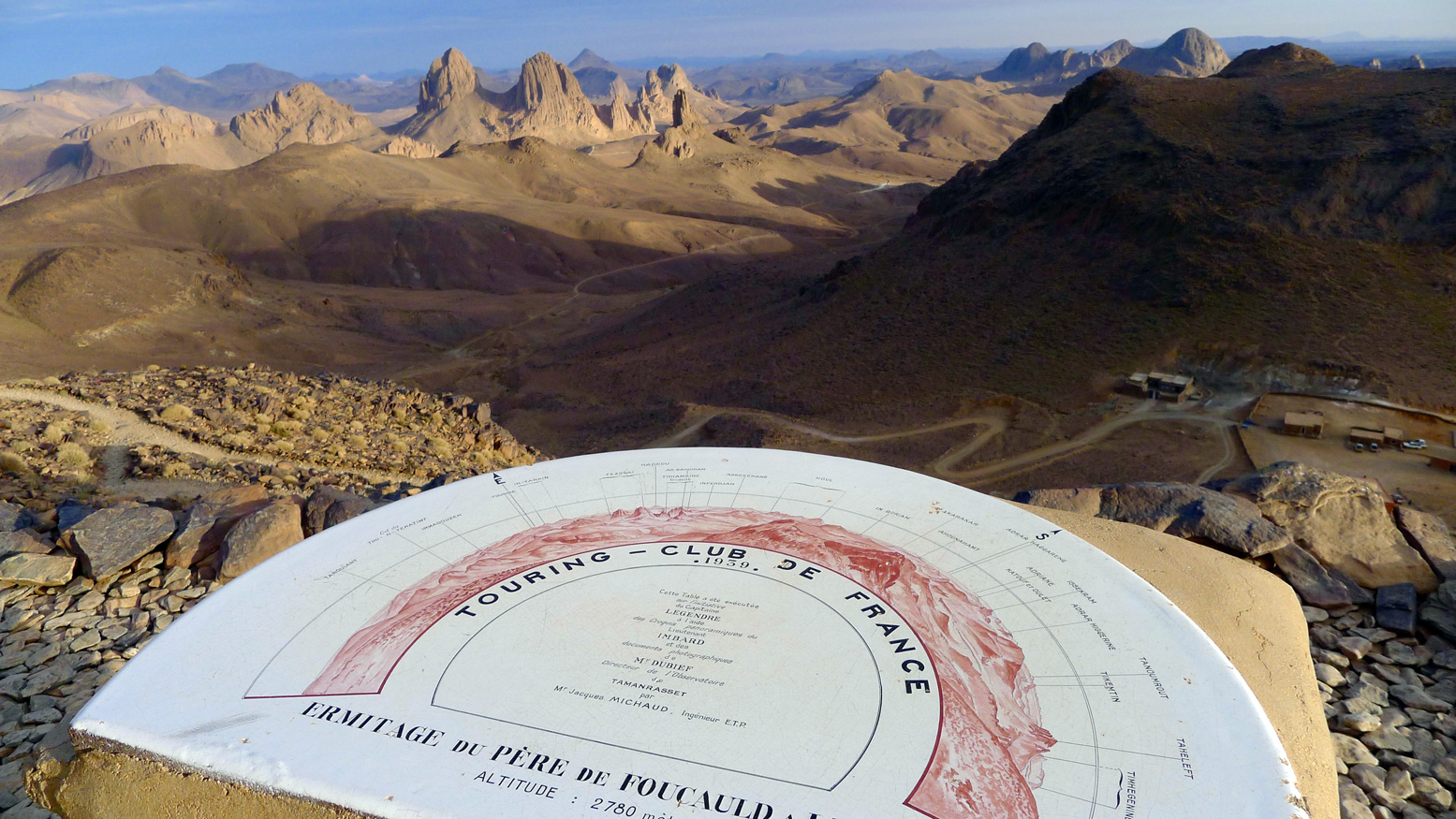
Assekrem is the best known of the many wonders of southern Algeria. A lodge sits on the saddle of the pass (above) where tourists spend the night to enjoy the stunning sunset and sunrise across the brooding volcanic monoliths from the plateau above the Pass.
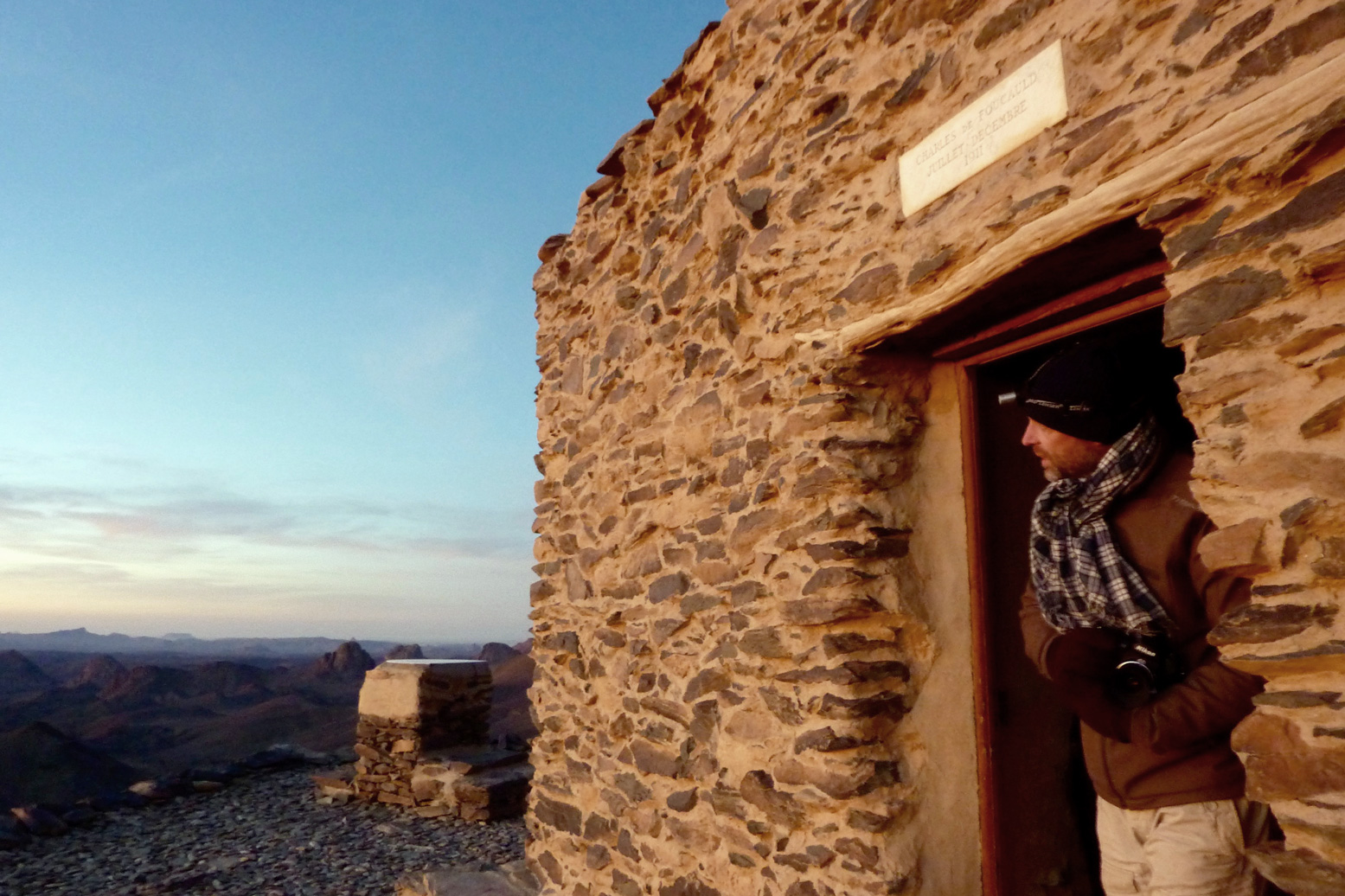
Though he spent most of his time in Tam, early in the early 20th century Charles de Foucauld, a French bon viveur and soldier turned missionary, built a crude stone hermitage on this plateau (above).
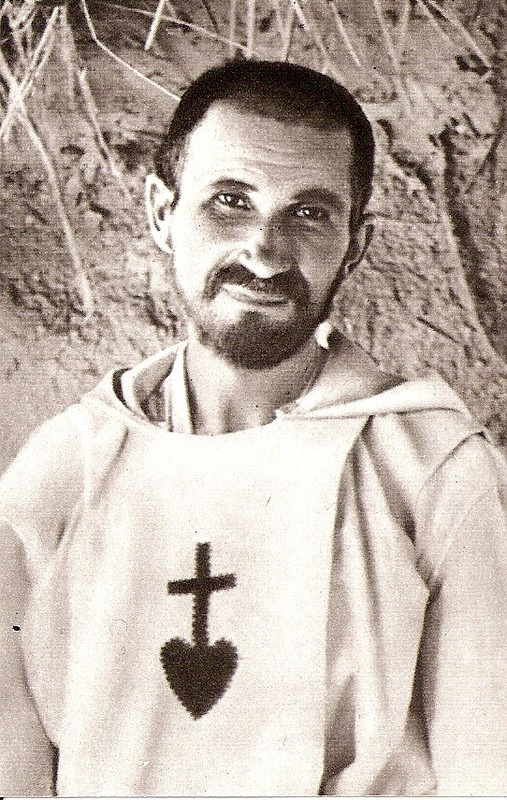
Among other things, Foucauld was responsible for the first Tamachek-French dictionary, and his house still stands in Tam. It was here in 1916 that Foucauld was assassinated as a suspected French spy, during the Senussi uprisings in Libya and Egypt. He was beatified in 2005 and the hermitage is still tended today by a couple of aged members of the order of Les Petites Frères de Jésus, who were inspired by Foucauld’s life.
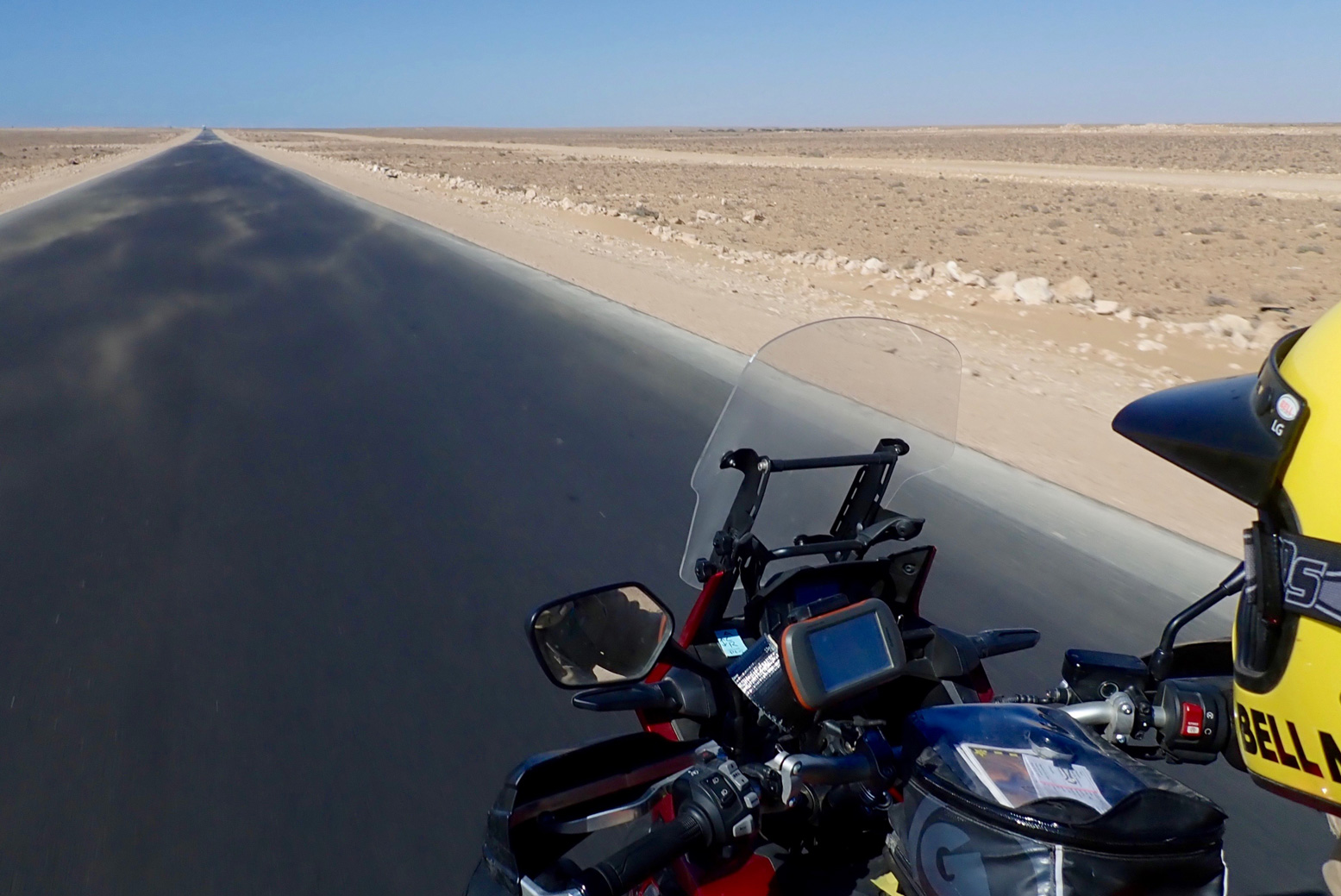
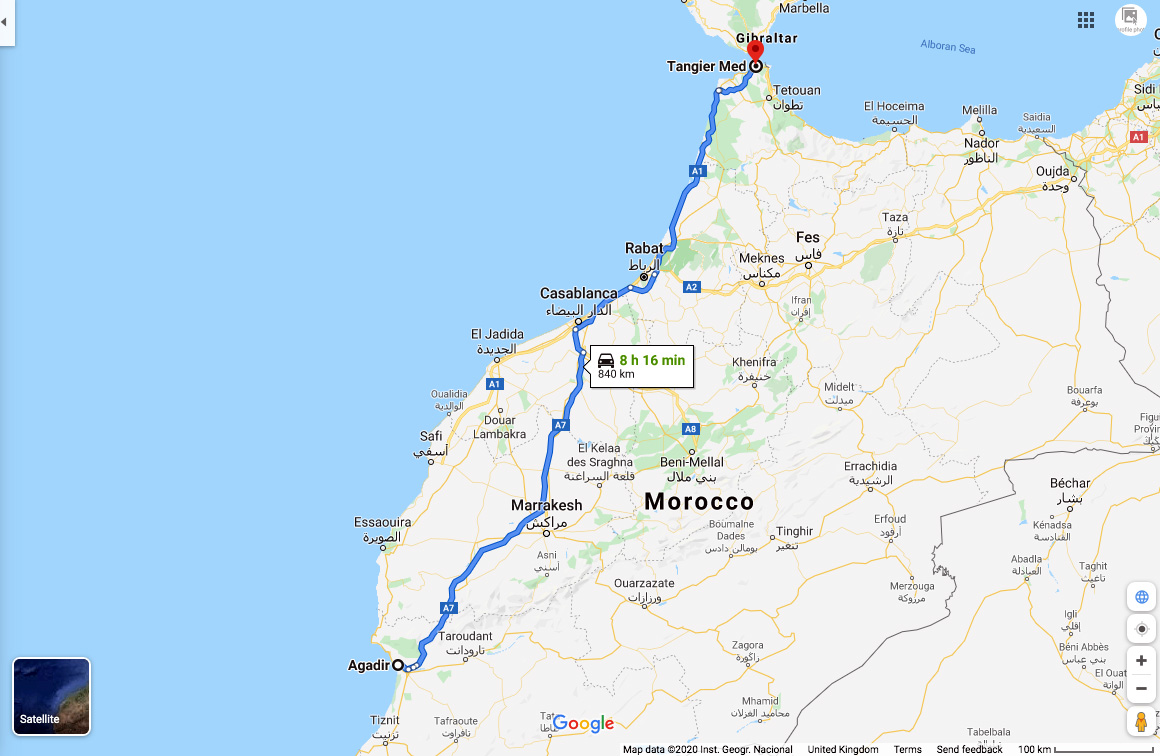
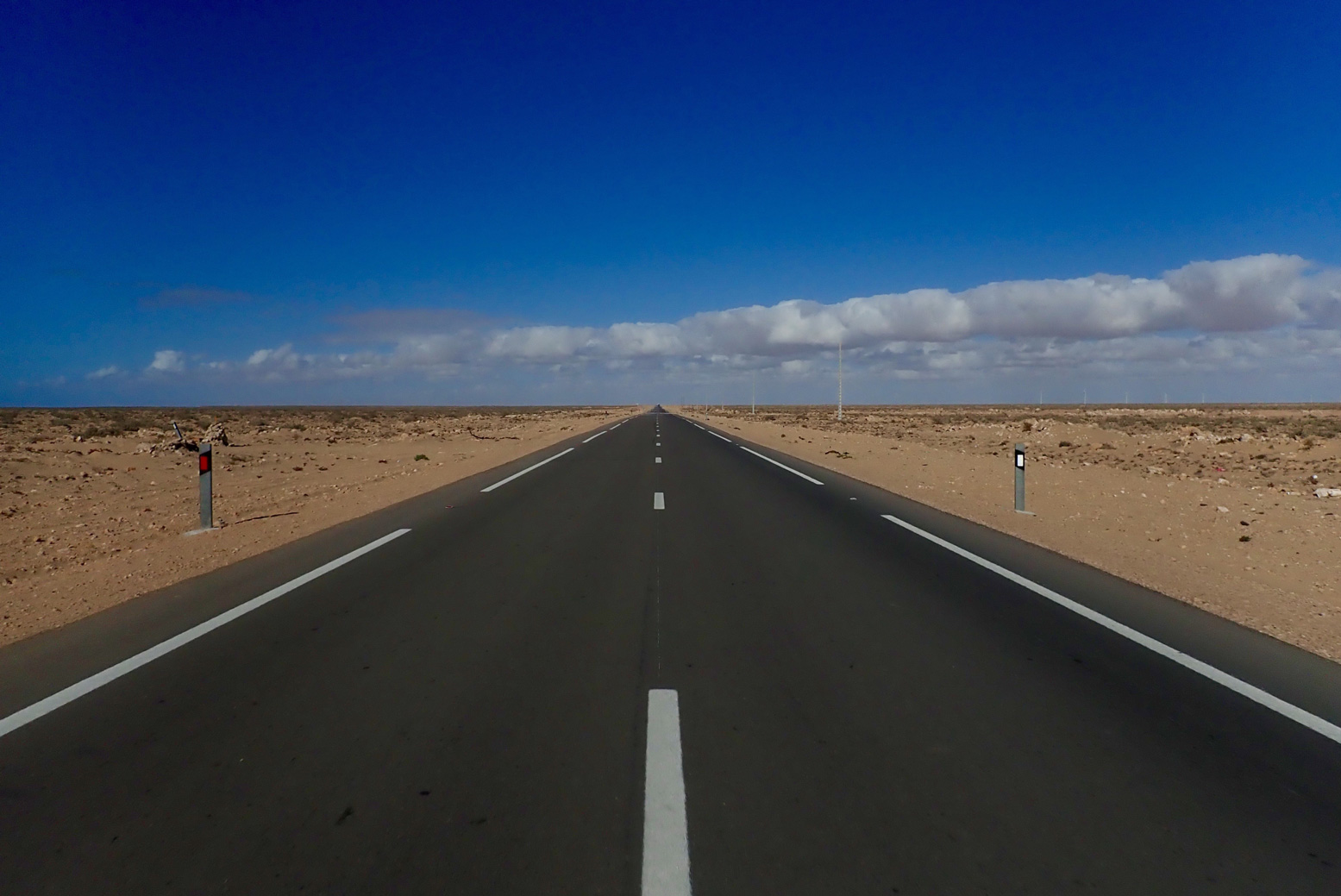
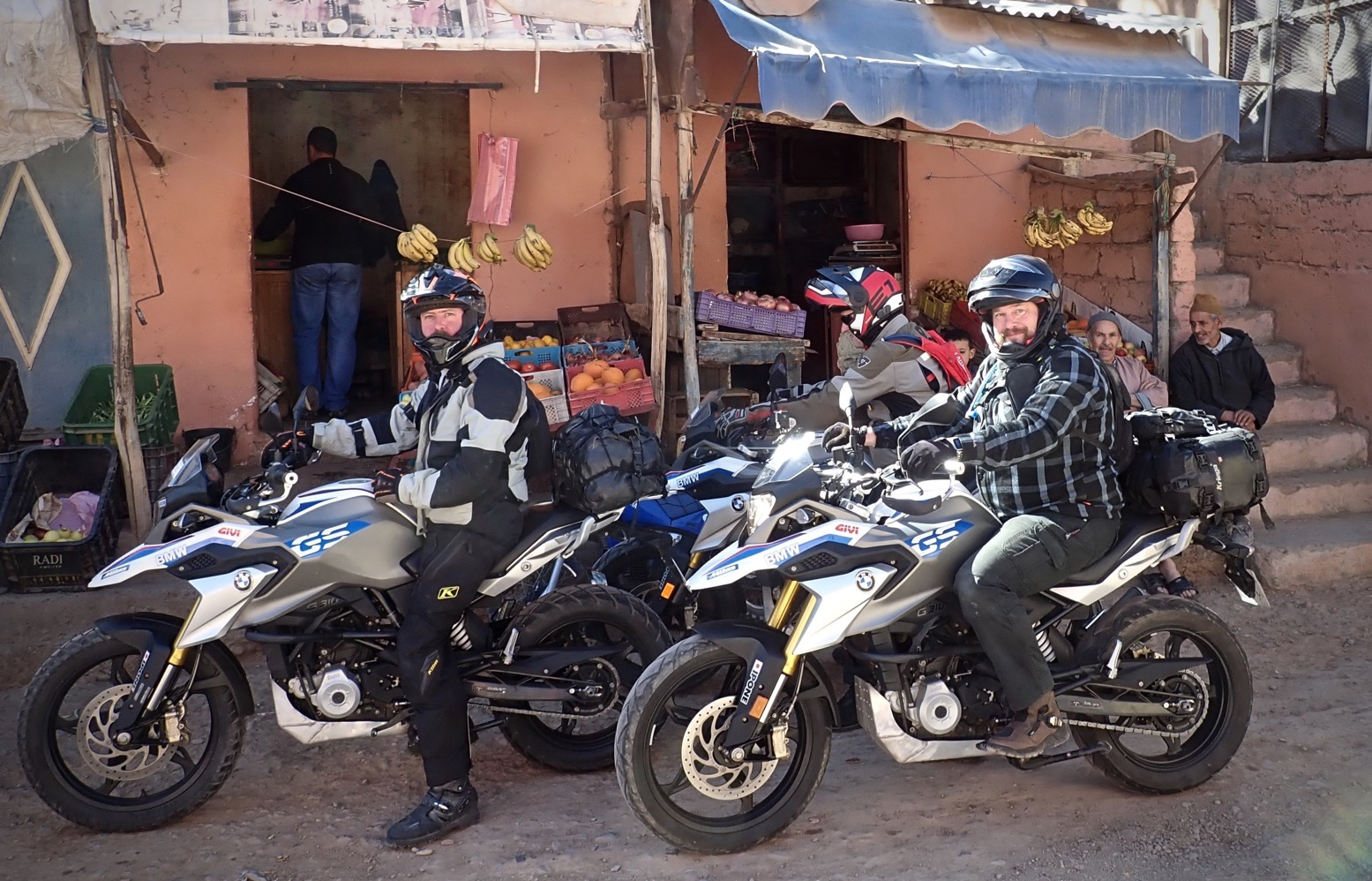
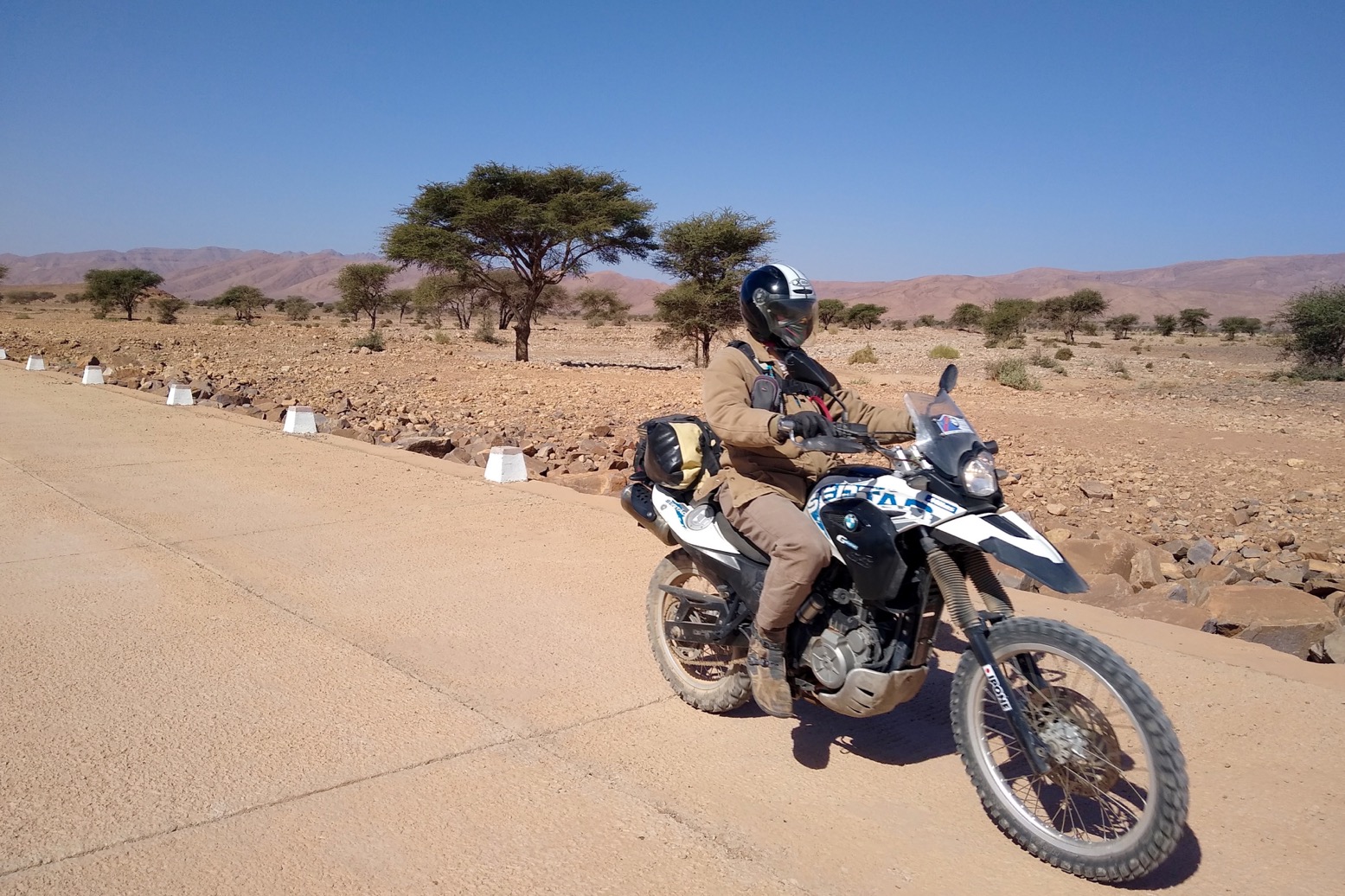
In March 2020 I rode Morocco’s 2300-kilometre Atlantic Highway nearly all the way to the southern border and nearly all the way back. I last came this way in 2019 (as far as Gueltat Zemmour) but have not done the whole crossing into RIM since 2006 heading for our Empty Quarter transit. I knew it then, I know it now: scenically, mile for mile, the Atlantic Highway is pretty dull by Saharan standards – a drab limestone plain where, encounters aside, sea-cliff viewpoints and a few barchan dunes are as good as it gets. If you’re on a mission to get to Mauritania – as I was on this occasion – here’s what I found.
Up north, use the autoroutes to dodge the N1 and speed traps It’s a long way so coming from the northern ports, I recommend sitting on the deserted A1 and A7 motorways all the way to Agadir where the A7 ends, even though you pay tolls (about £30 for a moto/car). South of here traffic thins right out. The alternative coastal N1 trunk road is slower, less safe (in a driving sense) and is commonly staked out by cops with radar guns, especially around Essaouira and Agadir. Otherwise, there are any number of great ways of exploring inland Morocco, across the Atlas mountains all the way south to the Desert Highway along the Algerian border.
Stick to the autoroutes up north
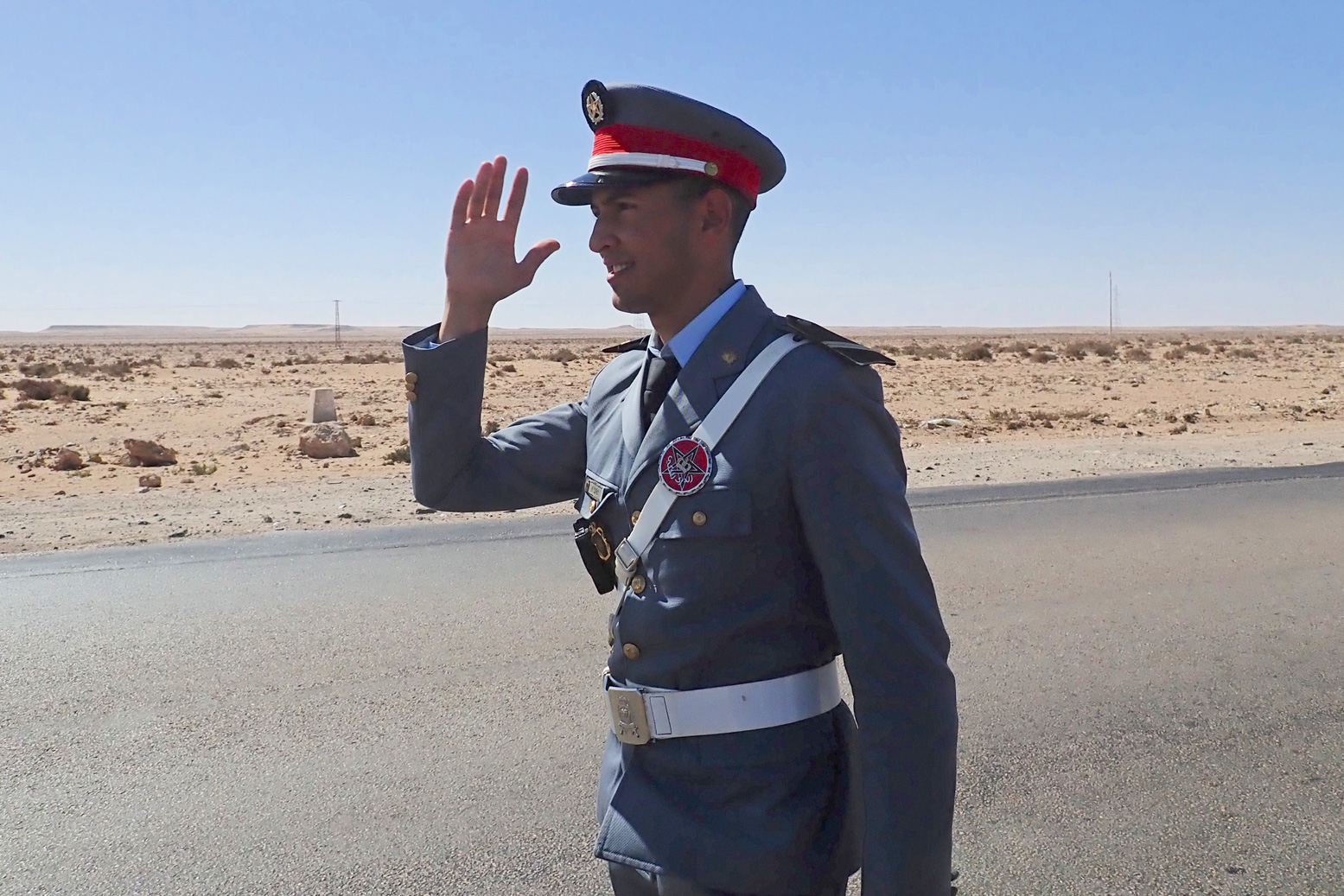
The speed cops are creeping south Even though I was hyper-aware of radar cops, I still got caught leaving Tan Tan doing 80 in a 60. That would have been 300d, but deploying the usual techniques – basically: humility in the face of the obvious – he let me off. All the way to Layounne and Dakhla, be wary of lurking speed cops, especially as you approach or leave settlements but even out in the desert too. Crossing solid white lines is another favourite trap; easily done when stuck behind a soot-spewing lorry crawling up an incline,
At your service
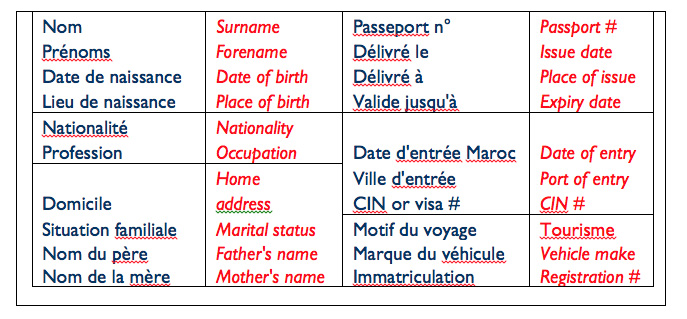
Western Sahara checkpoints and fiches As ‘Western Sahara‘ is a Moroccan military zone, checkpoints increase south of Tan Tan, and unlike up north, they don’t just wave foreigners through but want your passport details. Handing over a pre-printed ‘fiche‘ (French for ‘form’; below) helps speed up the process. Hand one over and they can log you into the ledger once you’ve gone. It seems fiches are less needed these days; I got through only about six on the way down – the last one at Dakhla Junction. Some checkpoints will insist on seeing your passport anyway; others just want a chat.
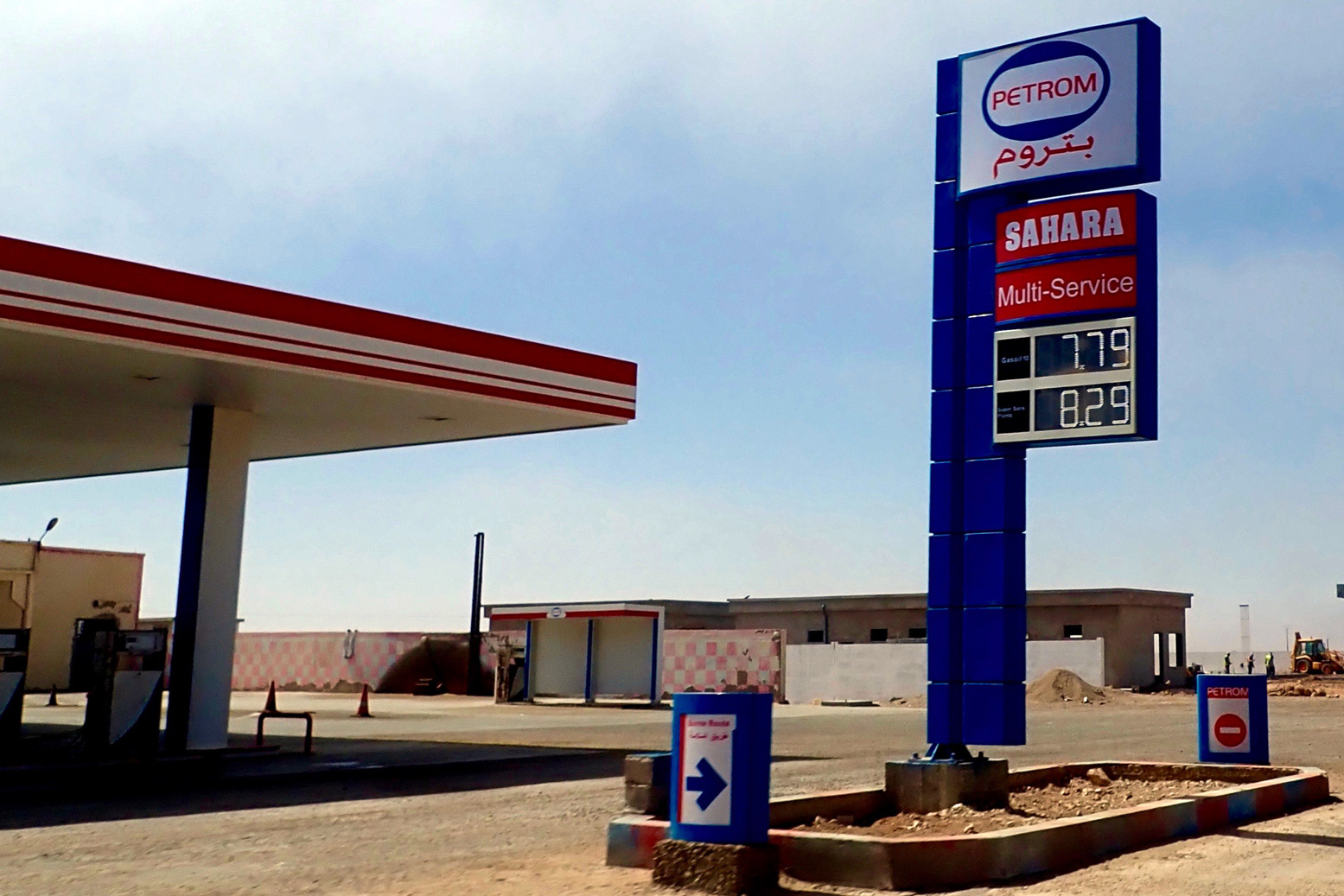
On the N1, subsidised fuel begins 92km south of Tan Tan Along with a few other key commodities, fuel is subsidised by about 30% in Moroccan Western Sahara. The first discounted fuel station is just after you cross a causeway and climb out of a sea inlet, right by a checkpoint.
First subsidised fuel south of Tan Tan
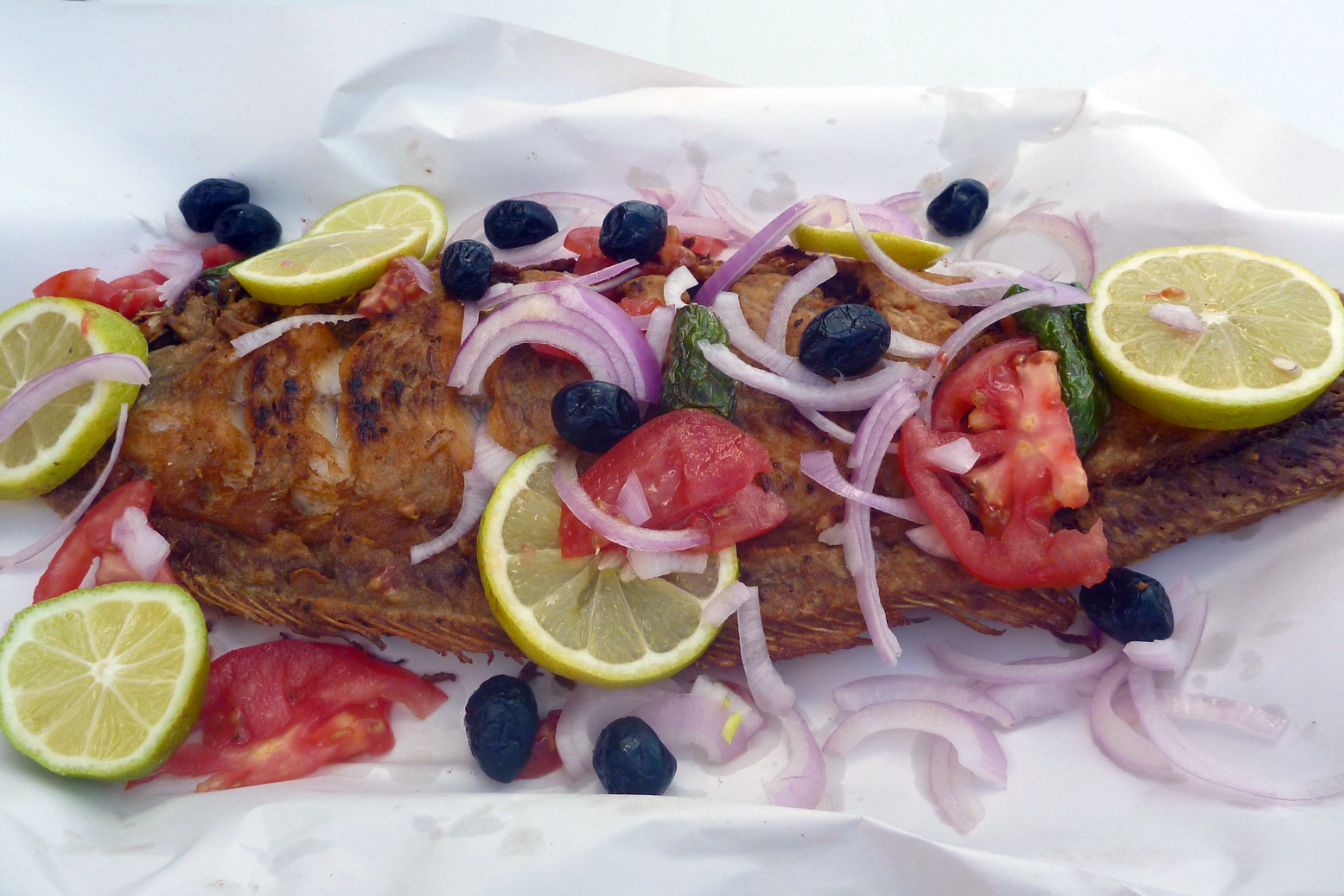
Fish & Chips at Afknenir Make sure you pull in for a poisson-frites in Afkhenir, 20 kms from the checkpoint above. For some reason streetside fish restos here are like casinos on the California-Nevada border. You may think there’ll be loads more down the coastal highway, but there aren’t. You can thank the upwelling of nutrients from the cold Canary Current which gets funnelled by the Canaries themselves onto this near-north-facing section of coast before Cape Juby. Or maybe local demand supports the informal shore-casting fishing economy. You’ll see loads of scooterists with rods as well as the crude clifftop shelters where they live.
Fresh fish in Afkenir – not to be missed
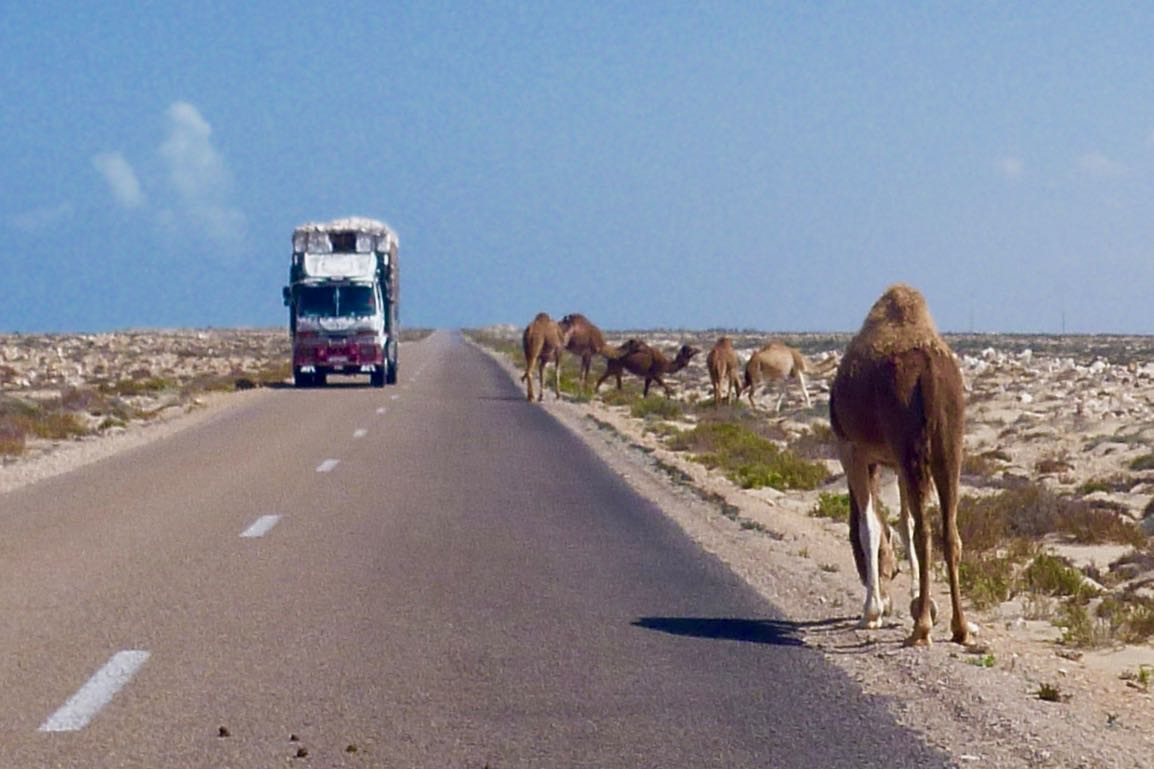
They’re rebuilding the N1 South of Guelmim a new, wider road is being built in stages, sometimes alongside the old one – certainly as far as Layounne. Around the dunes of the windy Khnifiss lagoon past Tan Tan, when I was there roadwork embankments see sand get blown across the two-lane road – not a good place to meet an oncoming truck while checking your likes.
New road north of Laayoune
Fog
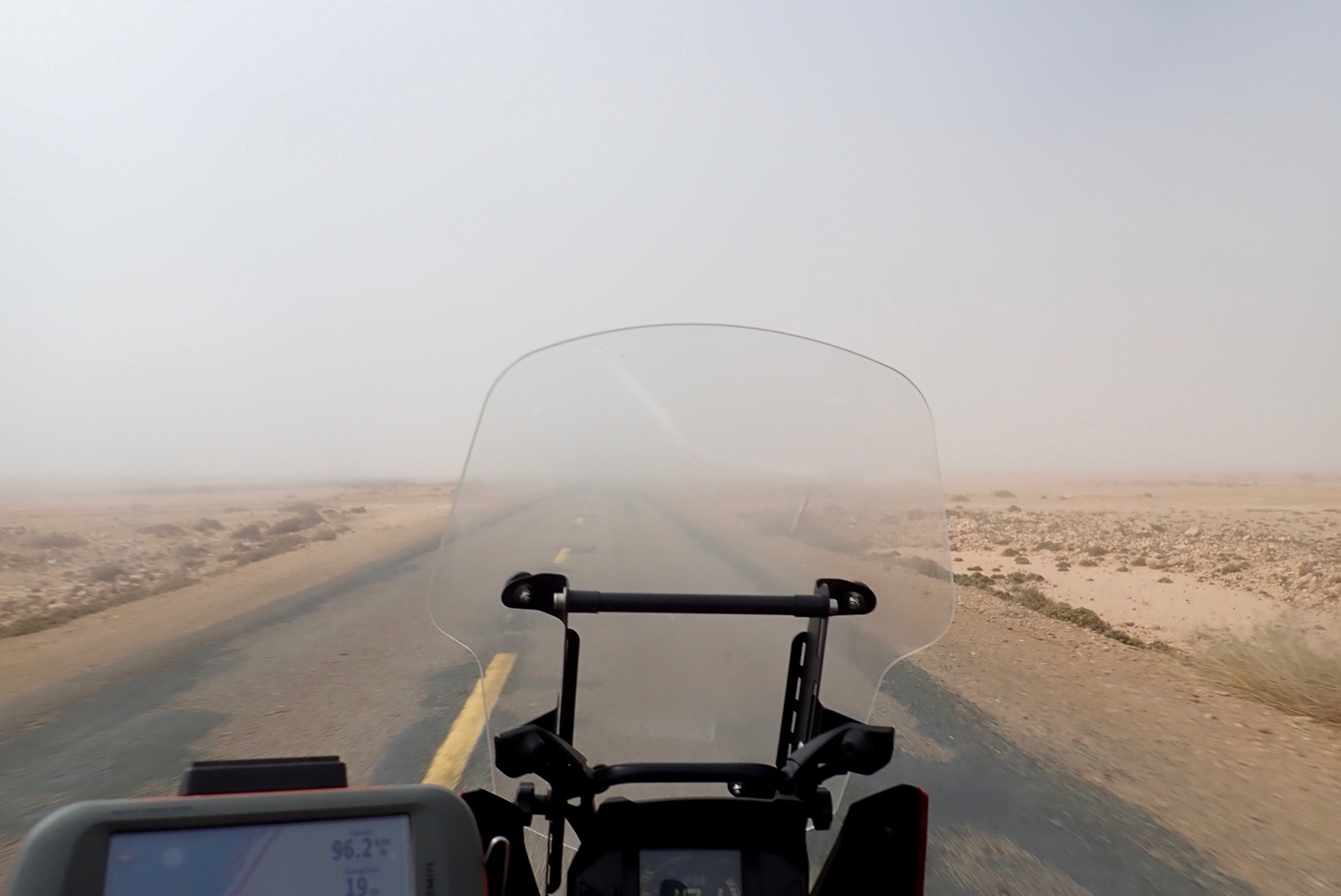
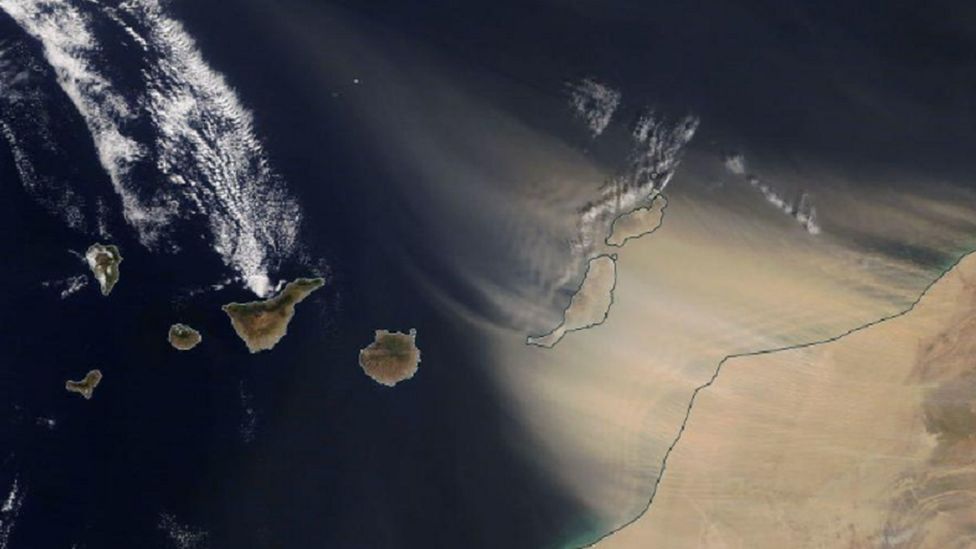
It’s very windy – day and night They say March is especially bad, but south of Guelmim where the desert sets in, it’s windy day and night. Normally in the Saharan interior the wind stops at dusk. In late February 2020 a huge Saharan sandstorm (below) made the news when holidaymakers on the Canaries were stranded. Close to the coast the cold current produces fog (right), certainly between Guelmim and Tarfaya. Within a kilometre of the coast a northerly sea breeze can also blow up to 10°C cooler than an easterly from the dry interior – which might be just a mile or two inland. But generally, the wind is behind you; on a pushbike (I saw a few), that’s important.
The flat landscape of Western Sahara can’t help, but when you realise the whole 3000-mile width of the Sahara has been steadily heated by the rising sun before it reaches the Atlantic coast, the wind has had plenty of time to get a good run up. On the move it’s not so bad, but outside of a car, camping can be pretty miserable. Even the trees are bent southwards.
Sandstorm February 2020
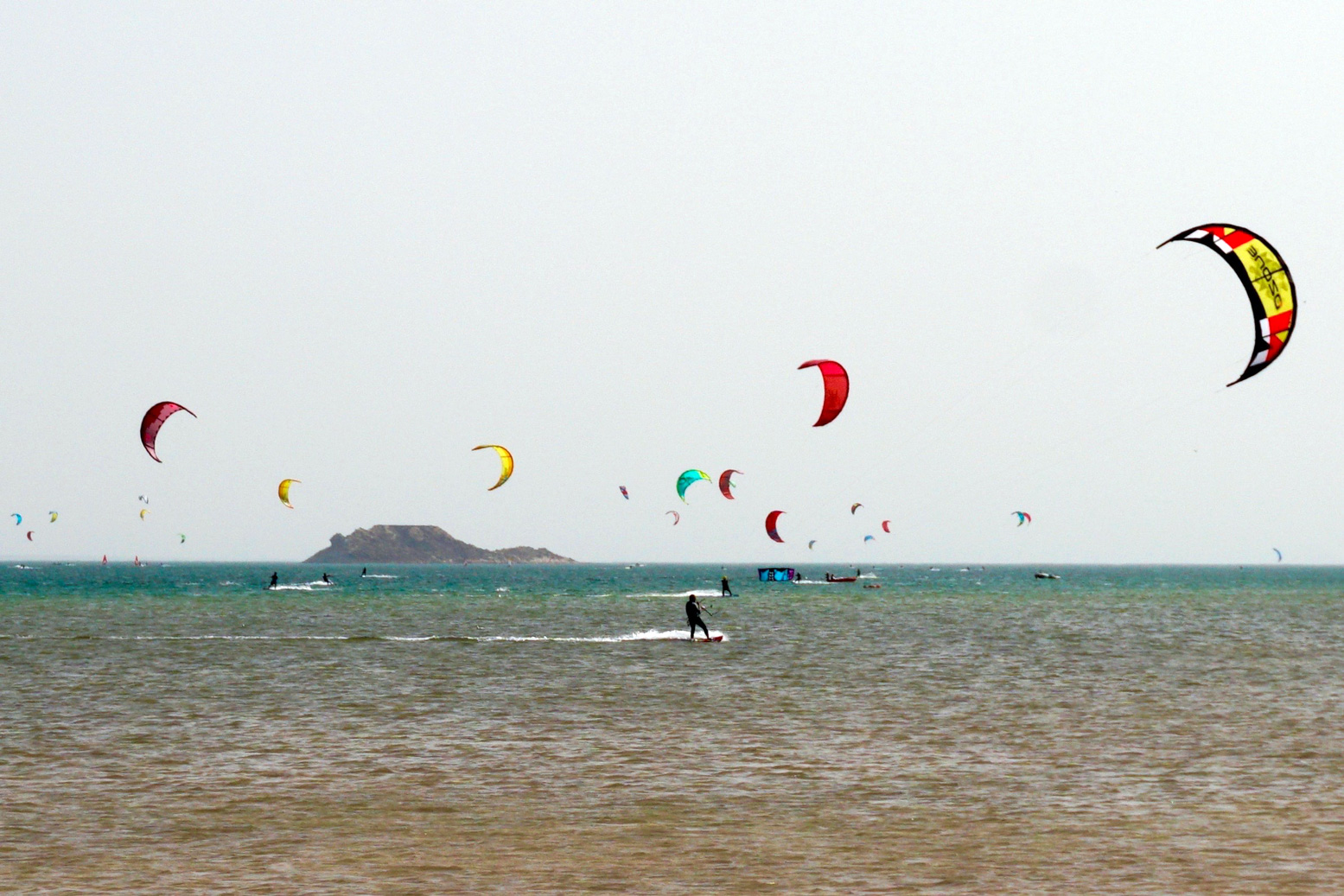
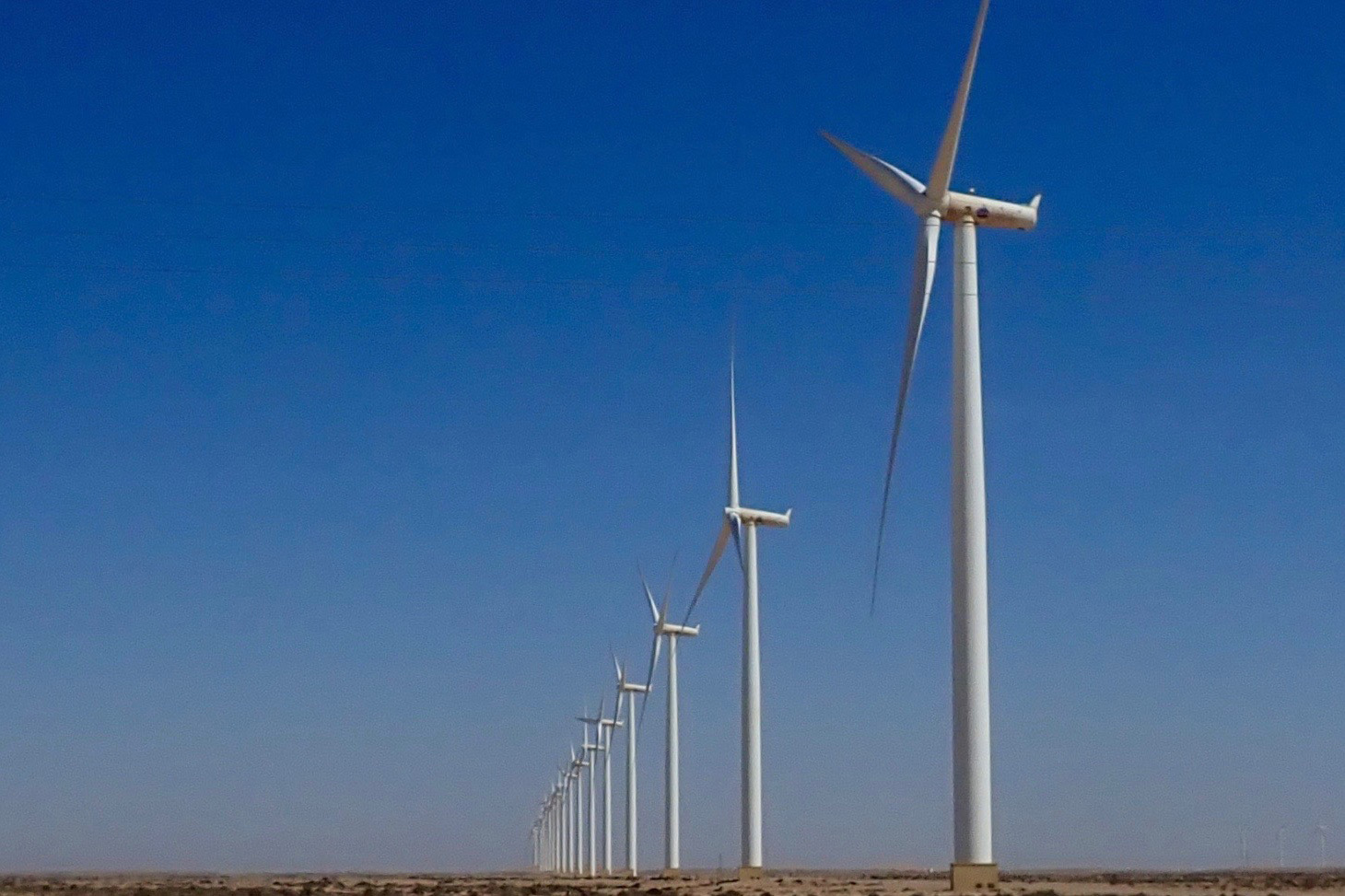
All this wind is good for the economy: Dakhla has long been a kiters’ resort (below) and there’s a huge installation of wind turbines south of Tarfaya, helping keep the lights on in Laayoune. Soon they say that array of turbines (or one like it) will feed electricity to the UK via an undersea cable.
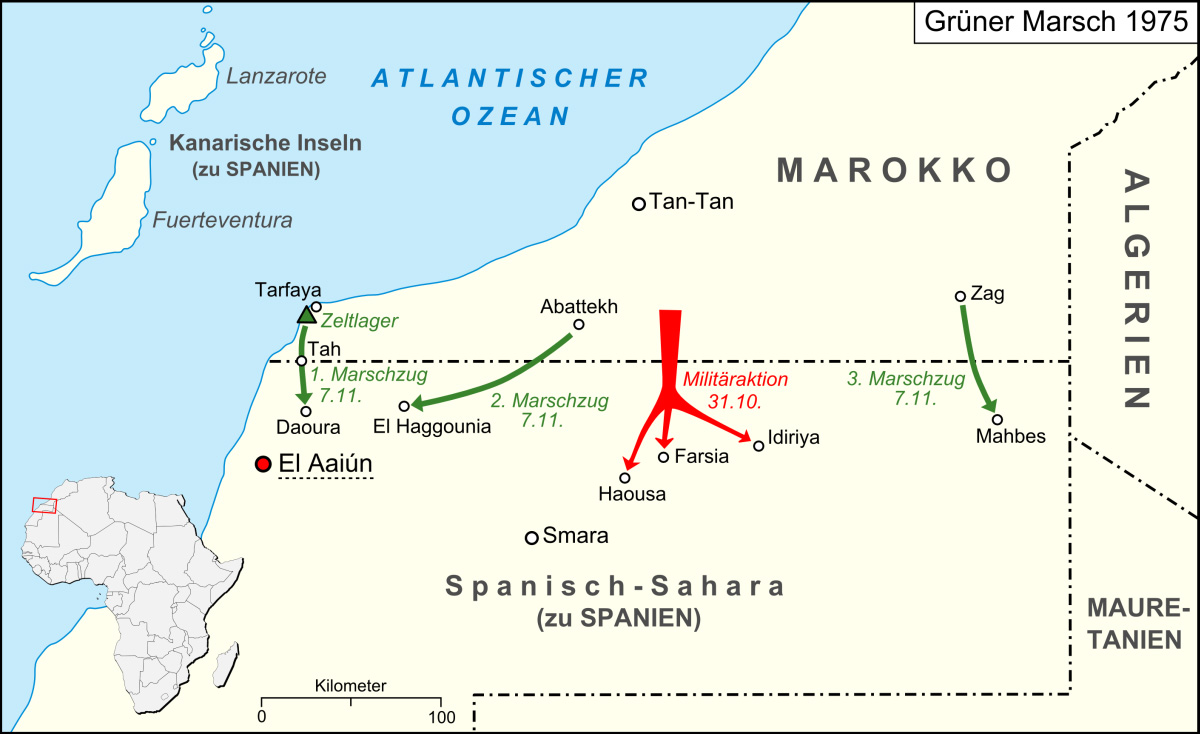
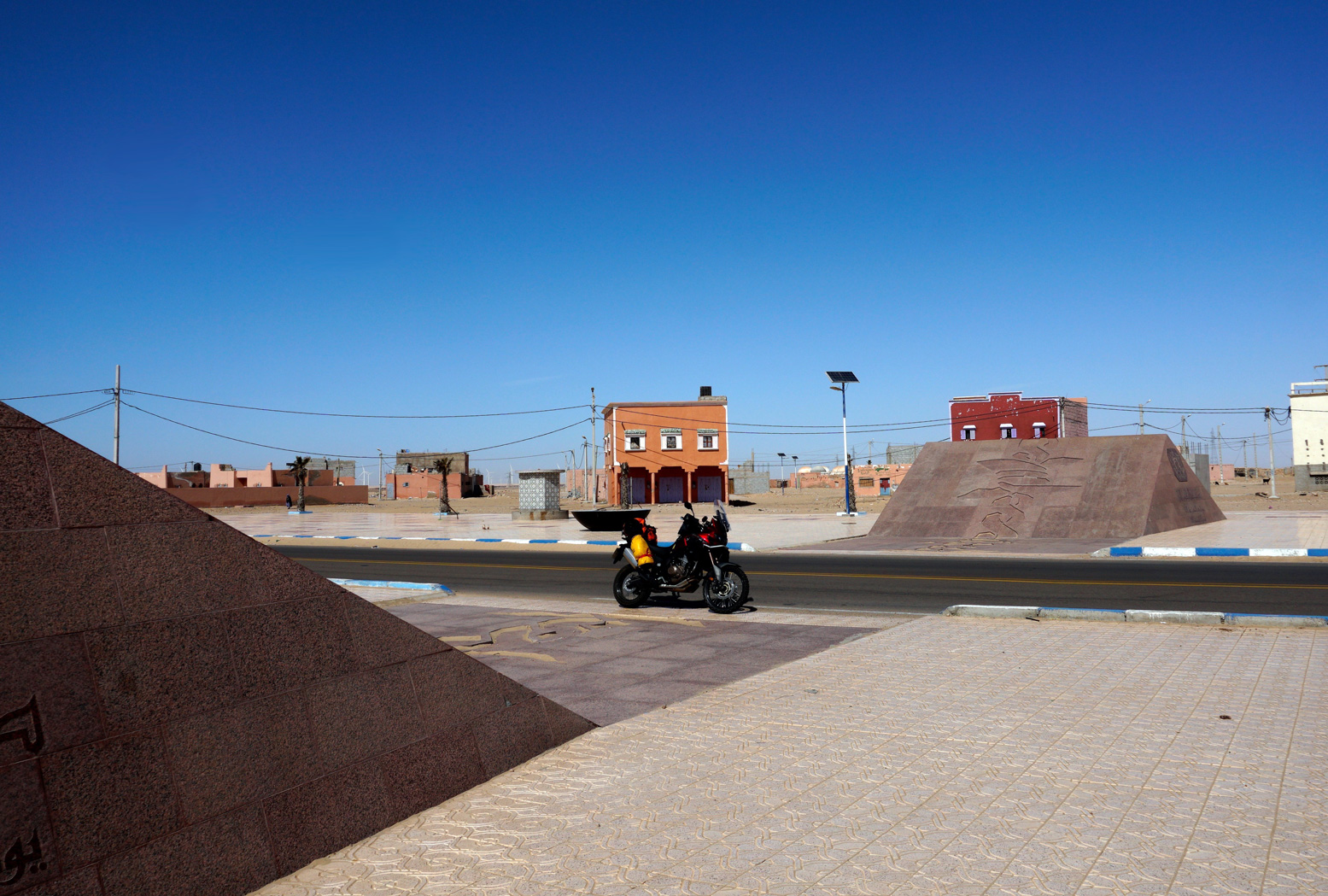
The monument at Tah On the N1 for Laayoune you’ll pass through nondescript Tah with no fuel and barely a cafe and shop to rub together. In the middle of town is a granite monument covered in Arabic inscriptions. It marks the spot where in November 1975, some 350,000 Moroccan civilians symbolically marched over the then border into Spanish Sahara.
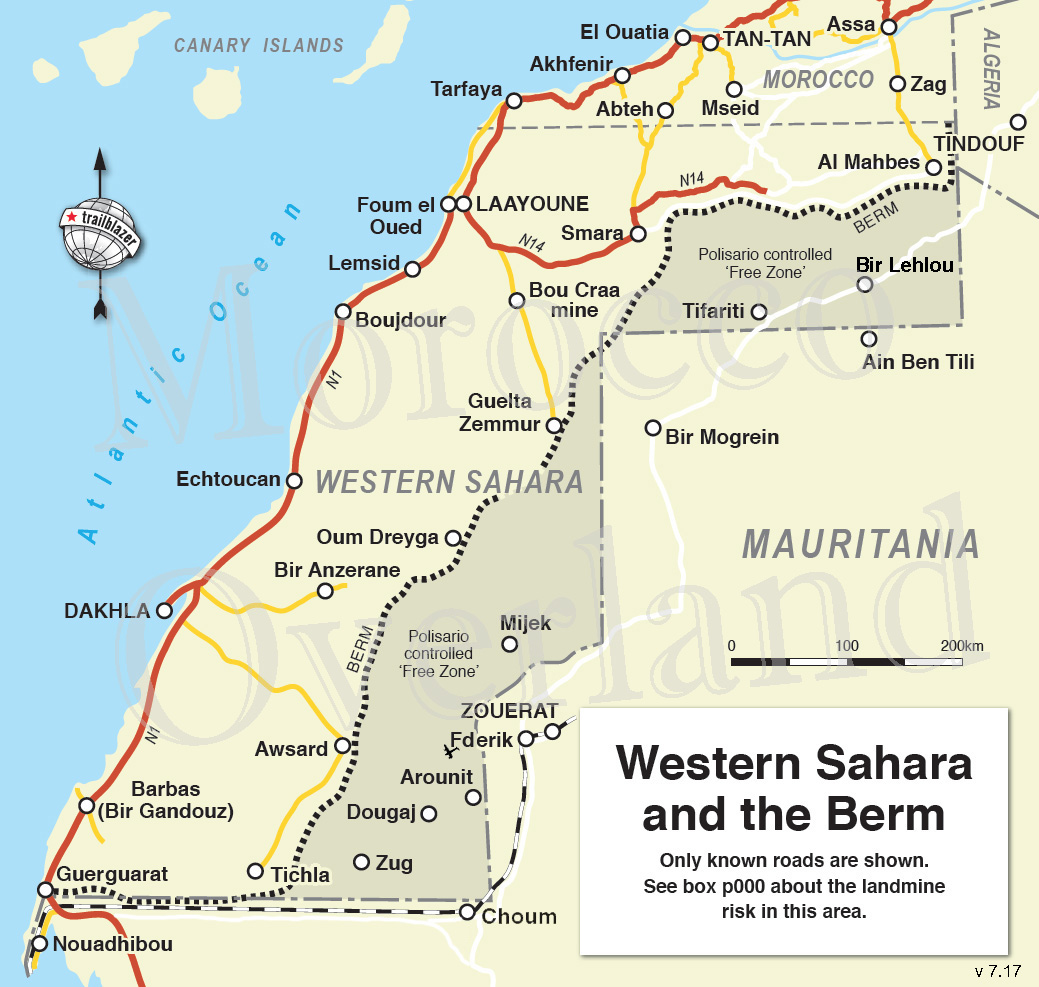
This was the Green March (map left): three co-ordinated and tactical mass demos mobilised by the wily King Hassan in response to rumours of Spain considering handing over its marginal colony to the indigenous Saharawi and Polisario Front. The marches were followed by the 16-year Western Sahara War which Morocco effectively won by annexing most of the territory (see map,above). It’s why the UN still hang out in Western Sahara and why unmapped landmines are still a menace. Otherwise, not much appears to have happened in Tah since that glorious November day.
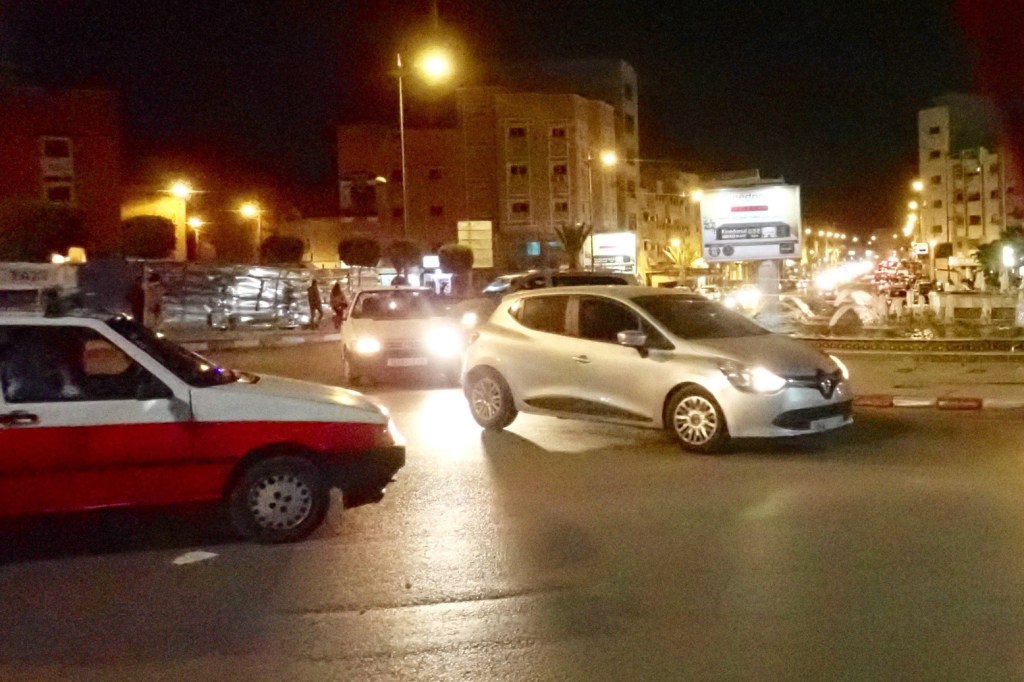
Laayoune Laayoune is the provincial capital and biggest settlement in WS by far, with a prosperous frontier-town vibe to it. At least from what I perceived; life in the Saharawi shantytowns may not be so rosy and civil disturbances are not uncommon. Riot police lurk on standby in the town centre (below). The UN’s MINURSO mission is based here, monitoring the Polisario ceasefire. Passing through the city, the transit is not an obvious single main road. Without a satnav, follow signs for the airport, or back right up and take the Laayoune bypass (see below).
Downtown Layounne
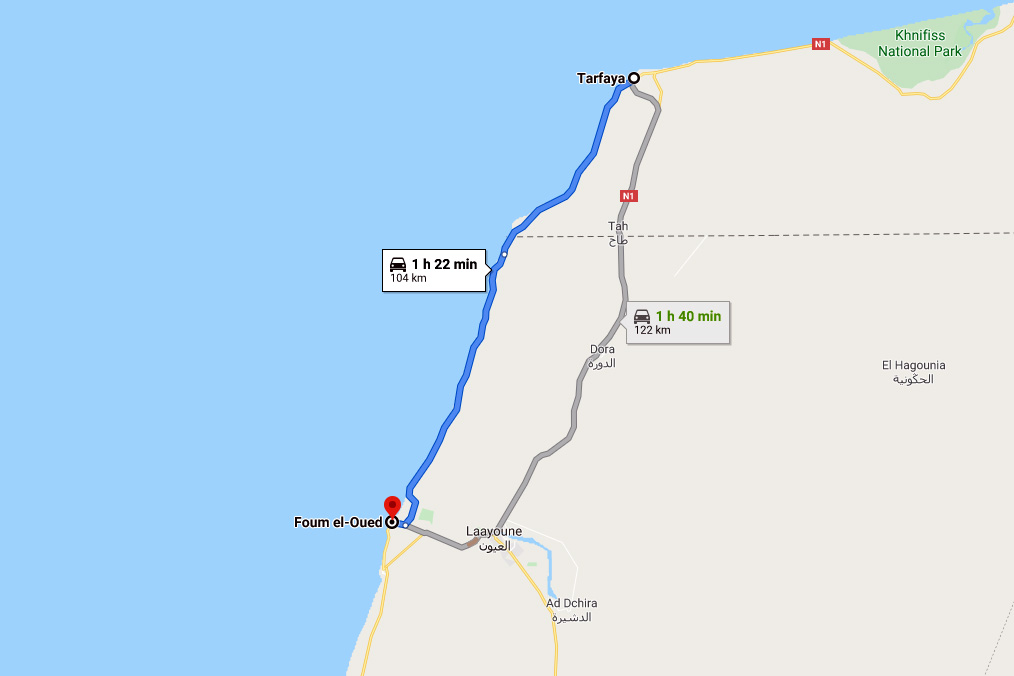
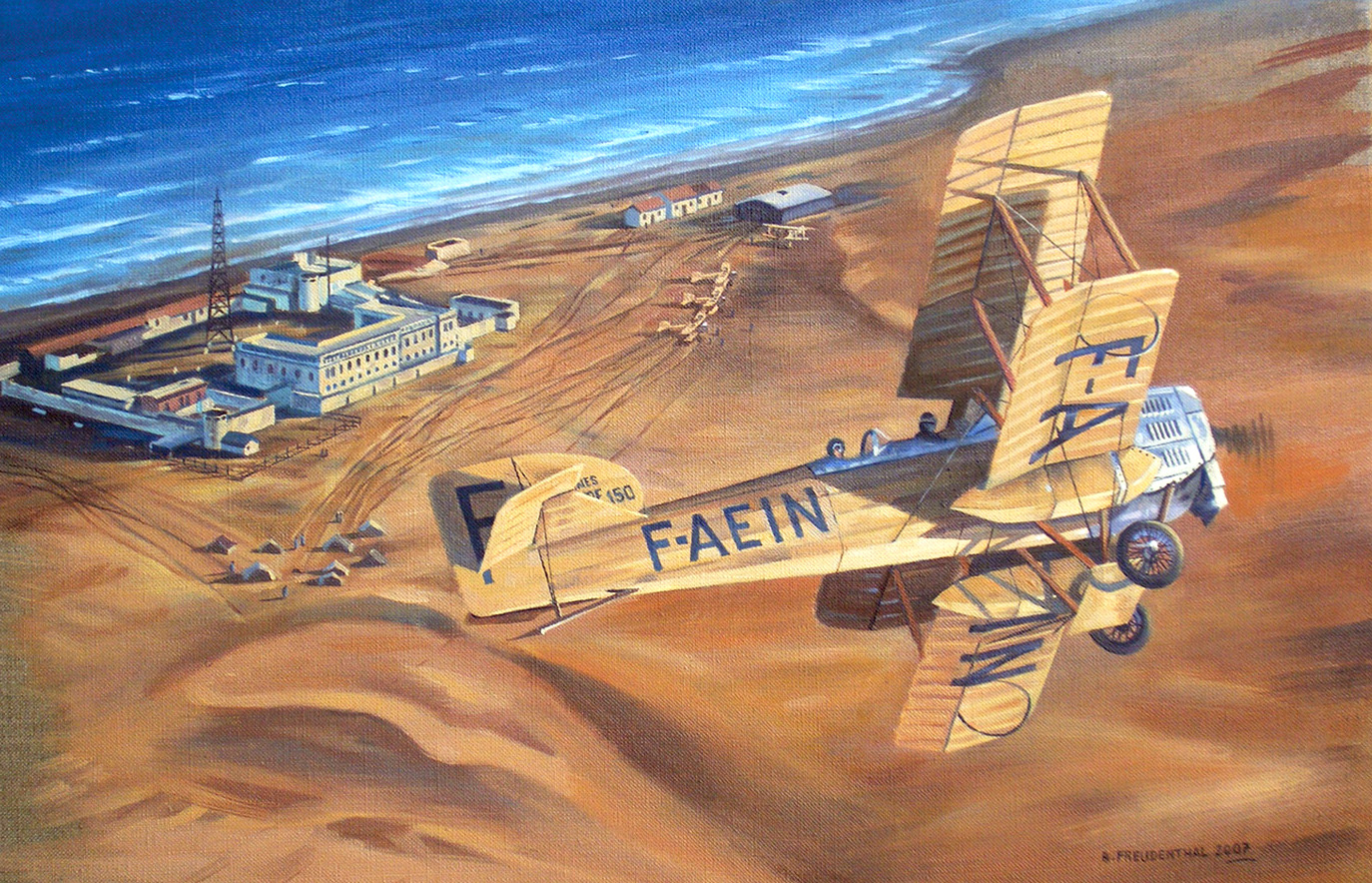
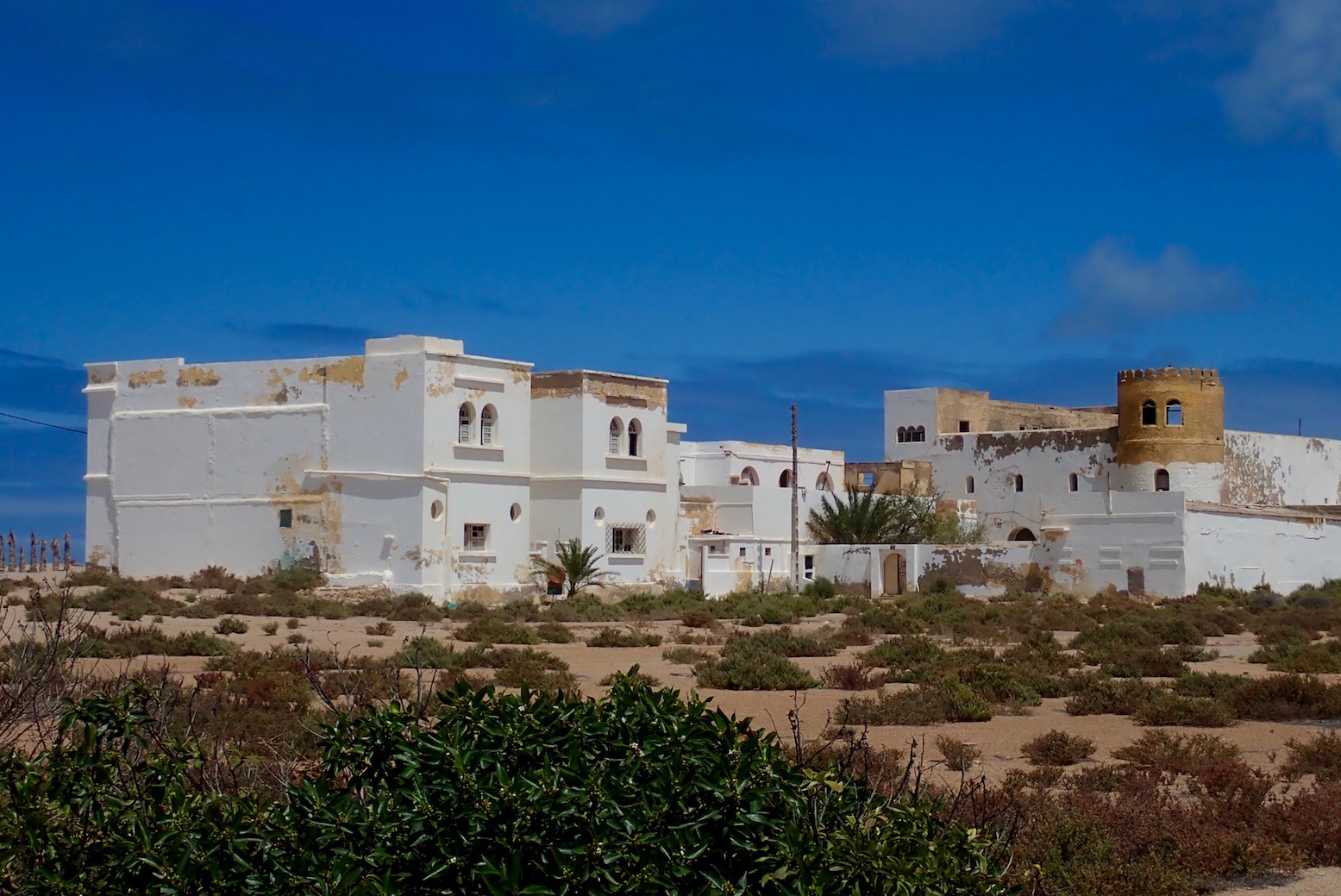
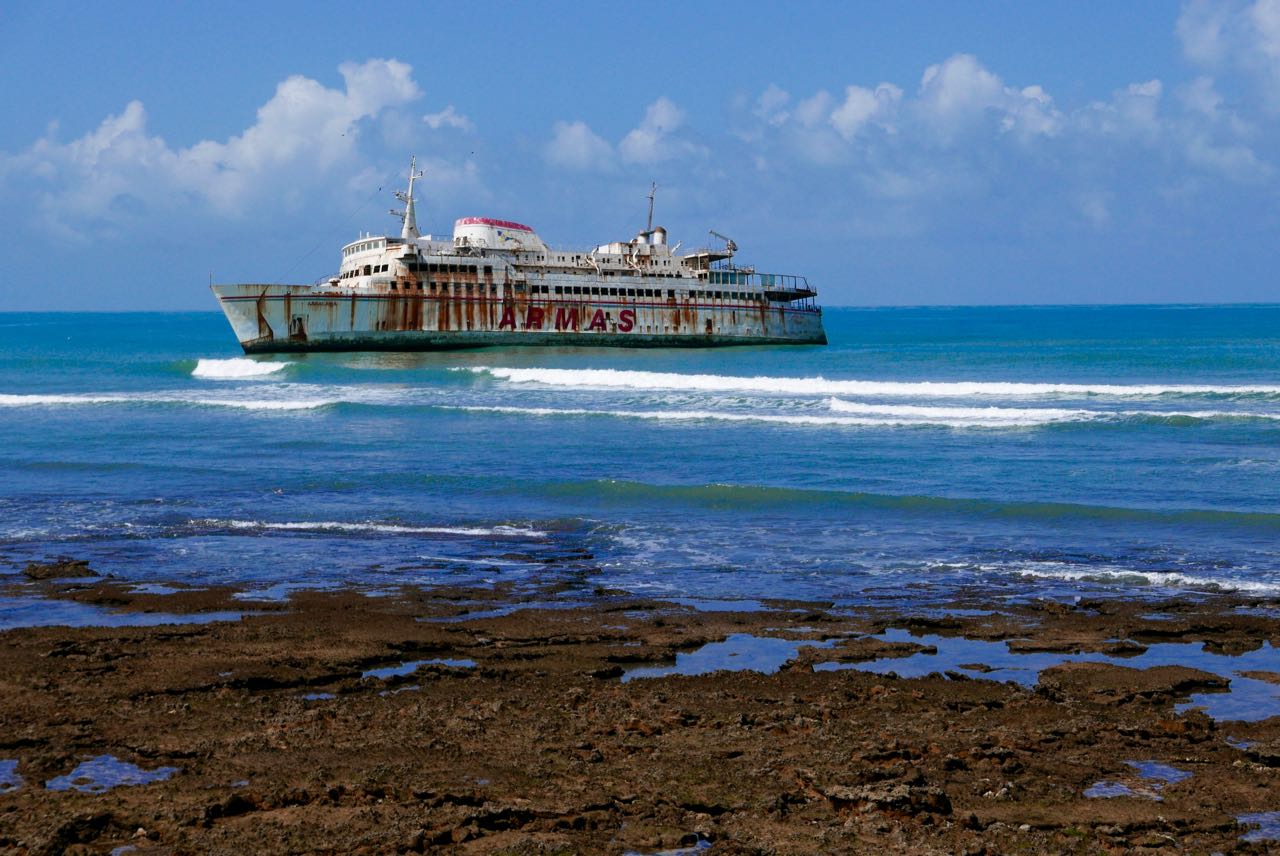
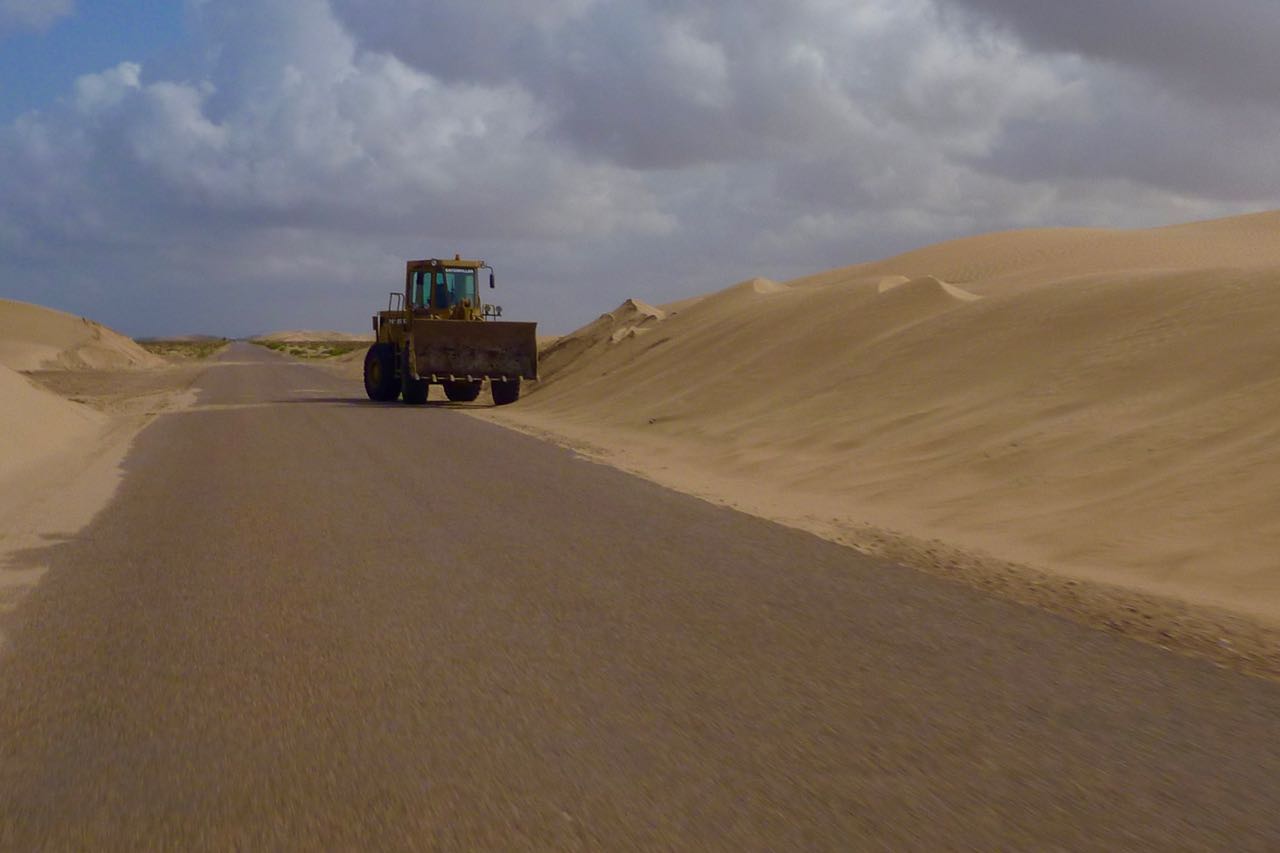
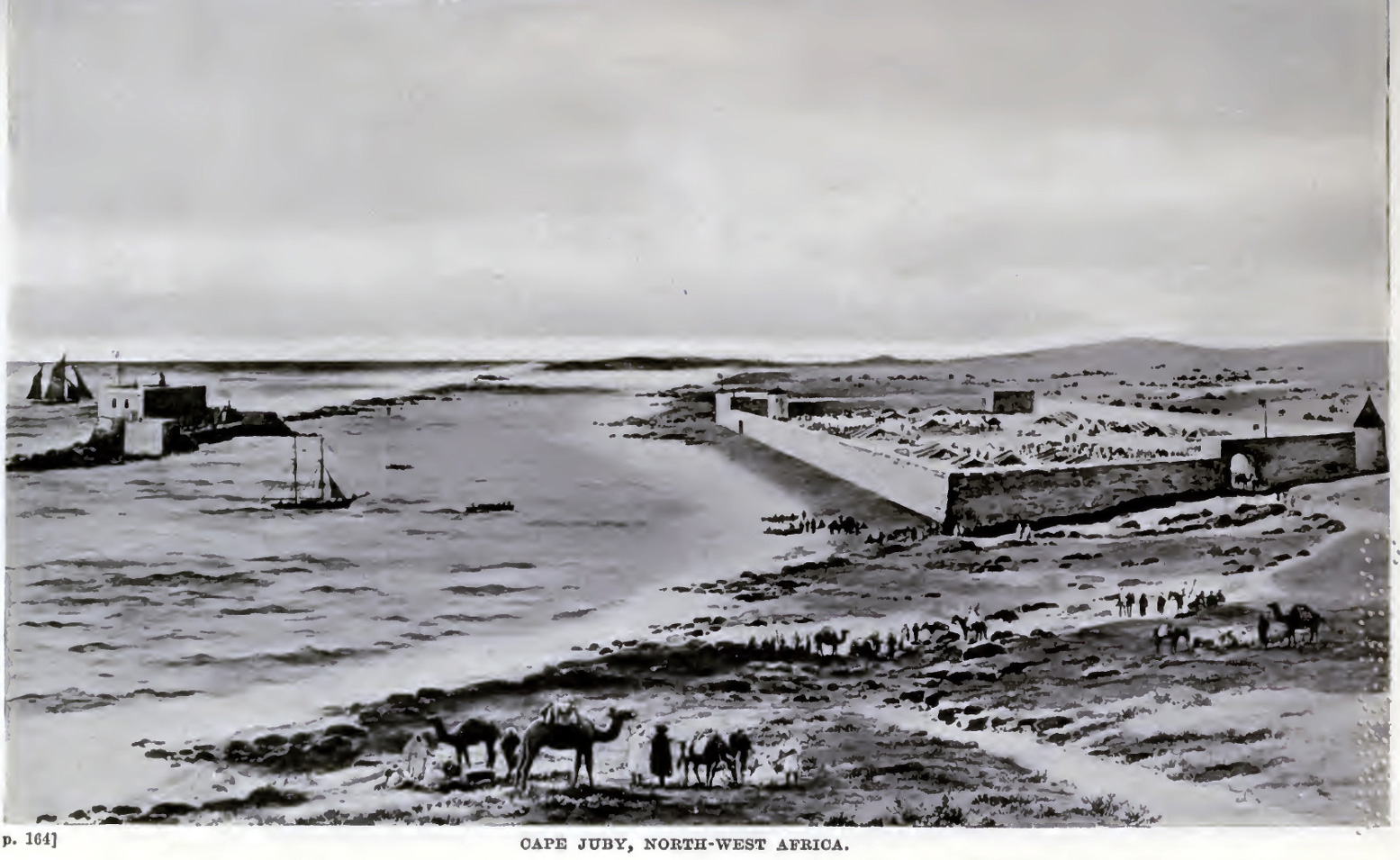
The Laayoune bypass At Tarfaya (former Cap Juby) you can turn into the town, head for the shore past the St Exupery museum, his monument, and the 19th-C curiosity of Mackenzie’s Factory). Following the coastal road 90km to Foum El Oued (‘river mouth’) brings you back to the N1 just south of Laayoune city. It would be nice to report this is a quiet byway passing idyllic beaches, but the wind is ever-present and trucks use this narrow road to avoid Laayoune. Dunes also get bulldozed off the road, especially south where the road gets narrower. I suppose it might be cooler than the inland route and the beached Armas ferry is a site to behold. There’s more here.
Laayoune coastal bypassAeropostaleCap Juby Armas ferryDunes on the roadMackenzie’s Factory
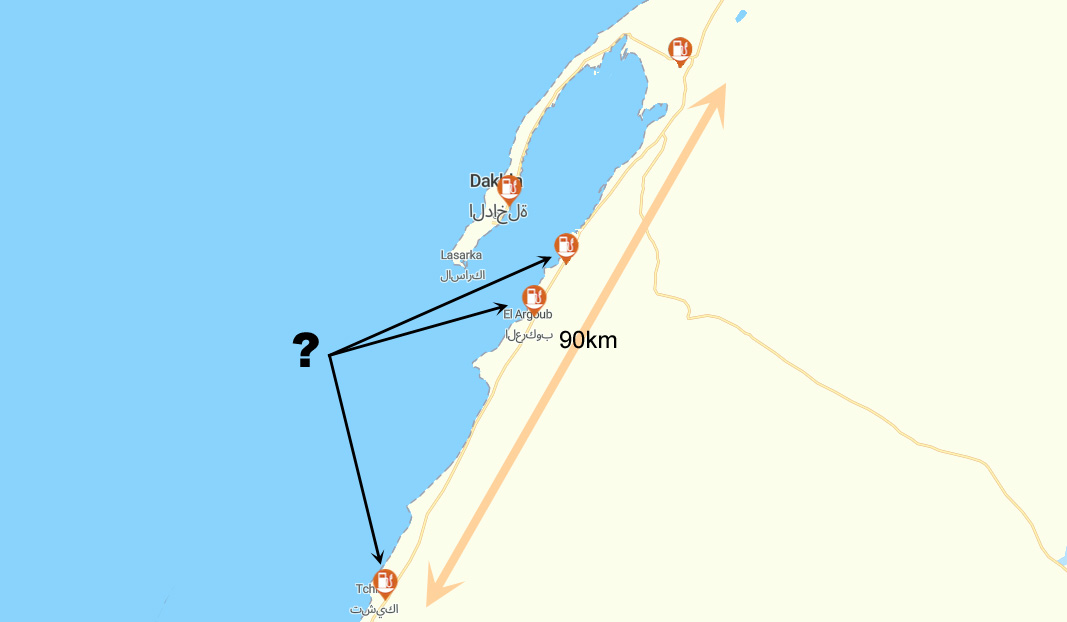
The longest fuel range is 162km but may be 250km This is between Tchika (Imlili) near some big white barchans on the north edge of the Gulf of Cintra, and Bir Gandouz, the last town, 80km from the border. There is nothing at all along this section except the howling wind. However, the Tchika station and the two similarly old and grubby Atlas Sahara stations to the north near El Agroub (see map right) may be empty. Stations may get upgraded, but for the moment this means from Dakhla Junction roundabout (two fuel stations) to Bir Gandouz is 252km (via the Tropic of Cancer). I covered that distance northbound into the wind and go in with a pint in the tank.
Is Dakhla worth the 90-km round trip? No so sure, but then I took the cheap hotel thing a bit far in the old town. Next time it might be more fun to check out the kiters’ resorts at the head of the lagoon. On the other hand, up north, Boujdour was a fun stop for an evening wander.
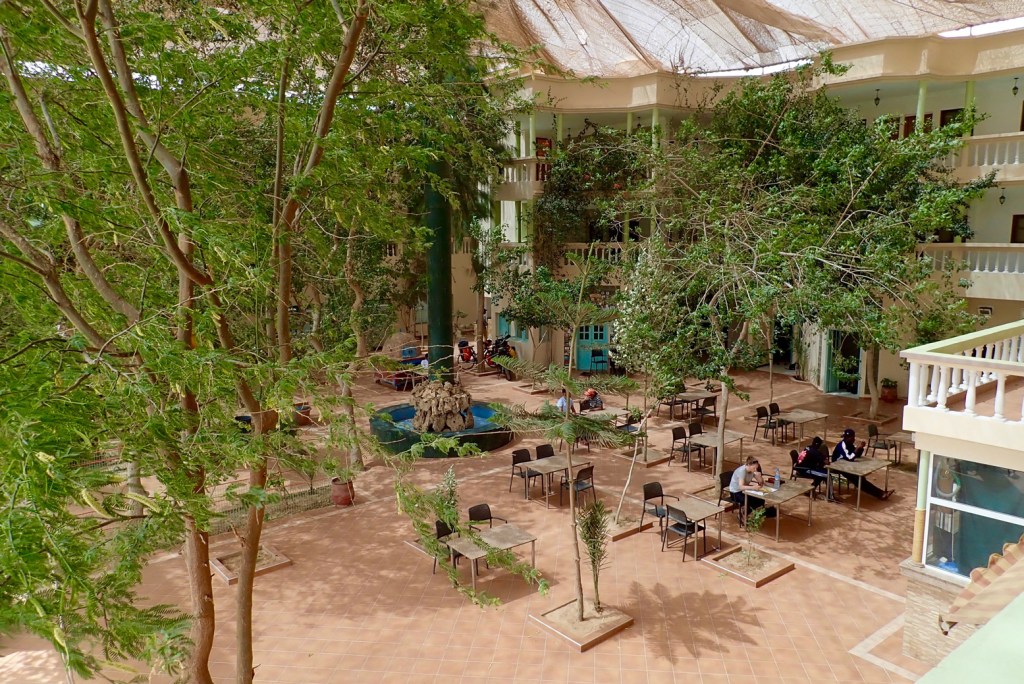
Plan a break at the Hotel Barbas in Bir Gandouz Maybe it was just me on the day, but the Hotel Barbas was an oasis in a duststorm. And once inside shimmered into a veritable mirage. We stayed here in 1997 but the place has been transformed to the point of incongruity. They built a two–storey U-shaped bank of rooms around a planted courtyard but then, ingeniously, draped the entire thing in a huge shade-net. Result: a large, cool space where courteous waistcoated waiters flit about at your service. Rooms are good, prices are normal, food is good too and so is the wi-fi. Tourist, traveller, refugee or trader, some of the characters that roll through add to the place’s edgy ambience. The south end of Morocco, not the Mediterranean coast, marks the true border with Africa. Bir Gandouz is an easy day from Boujdour which itself is an easy day from Tan Tan. With an early start and an hour to the border, you’ll easily get to Nouadhibou or on the road to Nouakchott.
Barbas hotel: an outpost in the wilderness
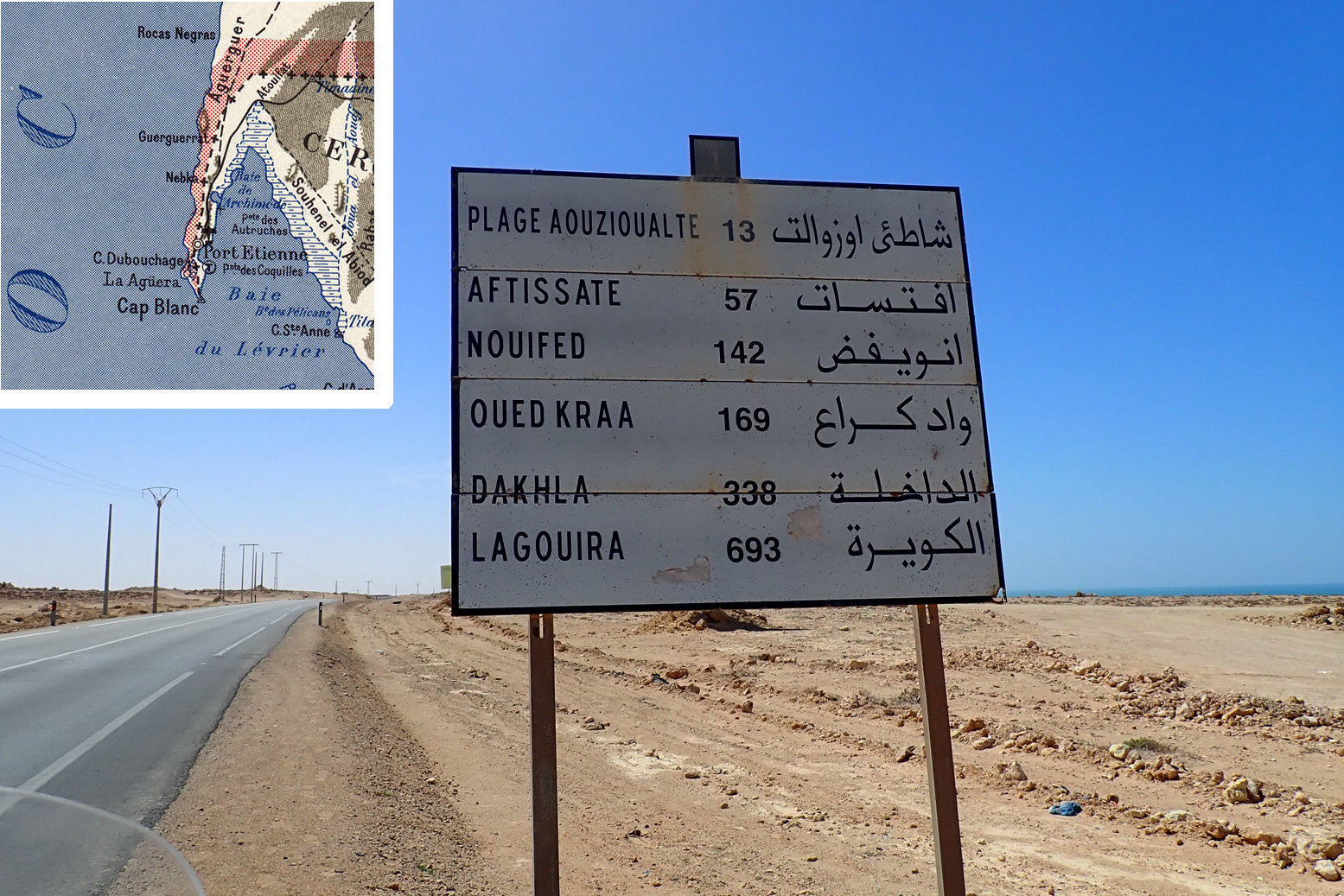
What is ‘La Gouira’ you see on the road signs? The ‘Lagouira’ you’ll see listed on some old Atlantic Highway road signs indicates the short-lived Spanish base at La Agüera on the Ras Nouadhibou peninsula opposite today’s Nouadhibou. See map inset below. Effectively it indicates the distance to Nouadhibou which is not always listed. Abandoned at the turn of the century, today it’s a collection of ruins which are actually in the Polisario Free Zone, commonly mistaken for No-Man’s-Land which separates Morocco from Mauritania. Some have managed, but the Mauritanians won’t allow casual visits from the Nouadhibou side.
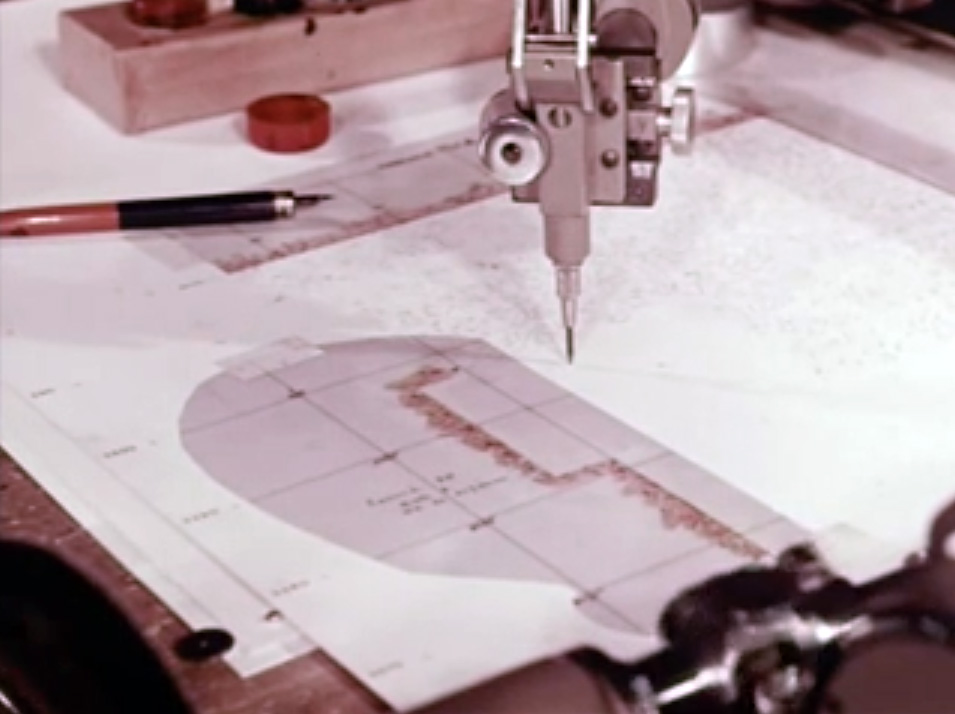
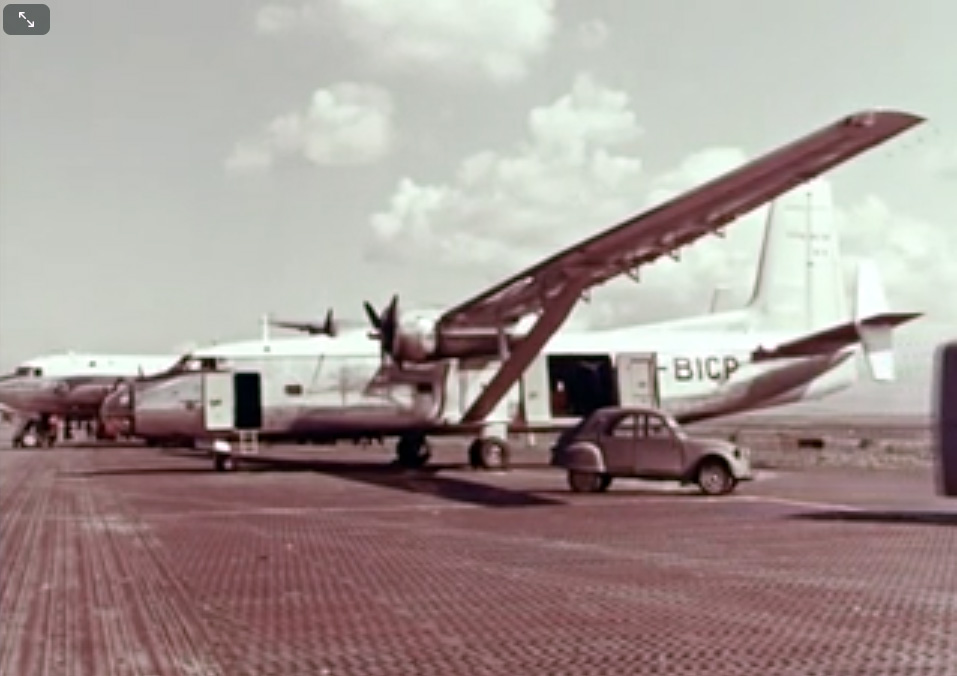
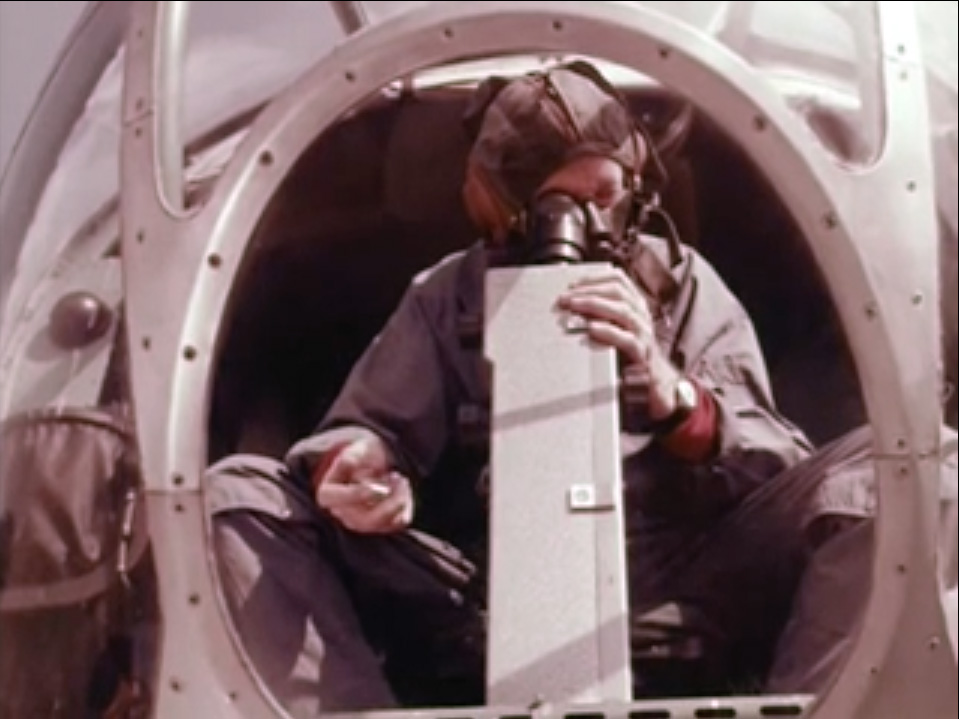
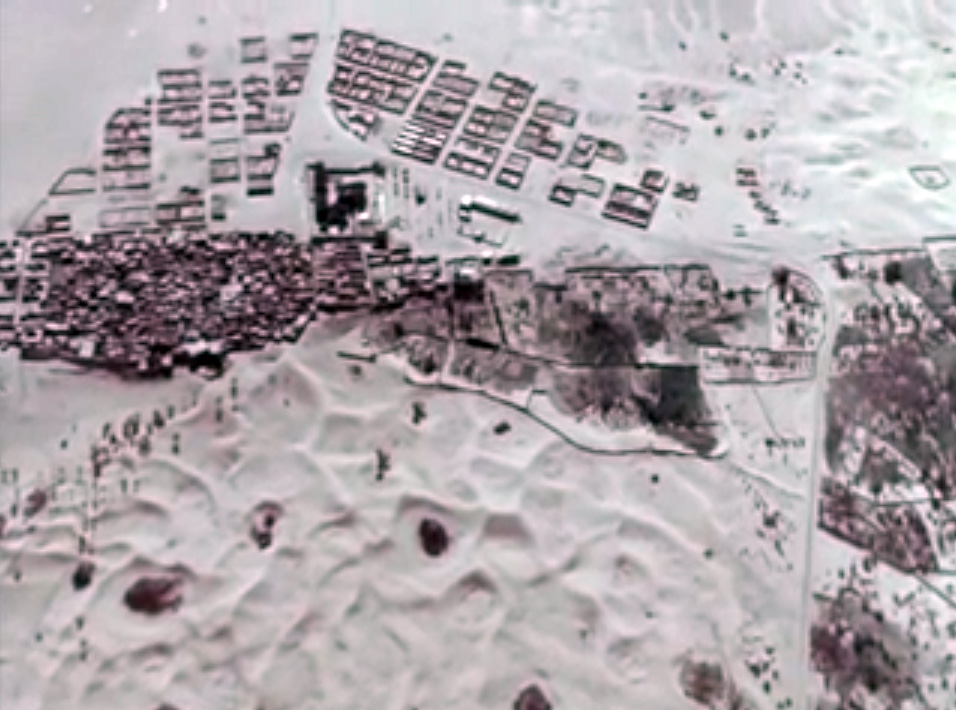
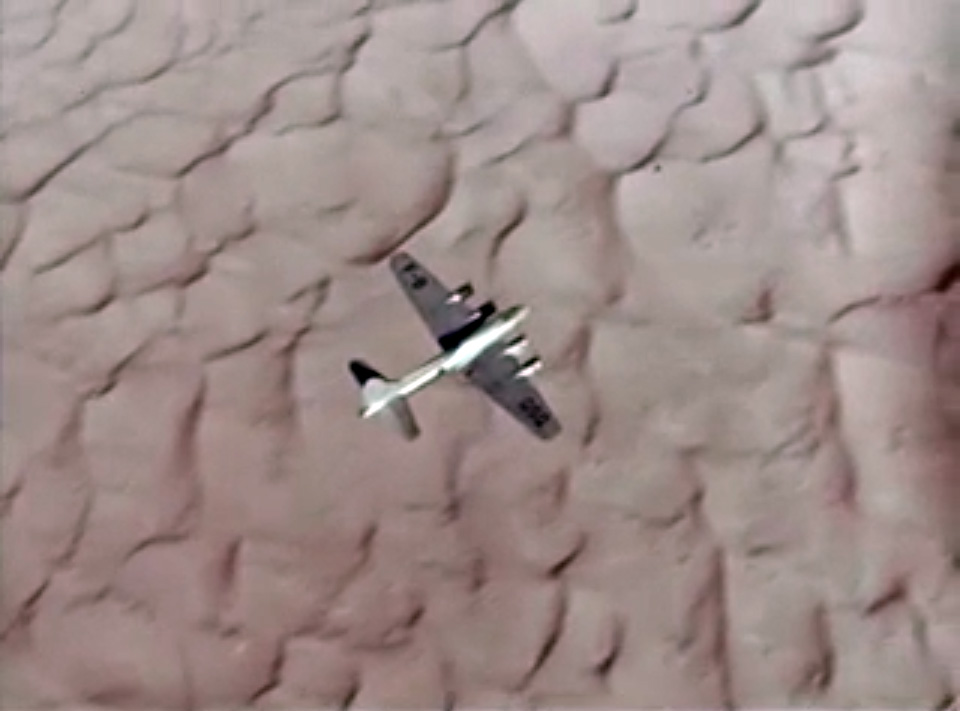
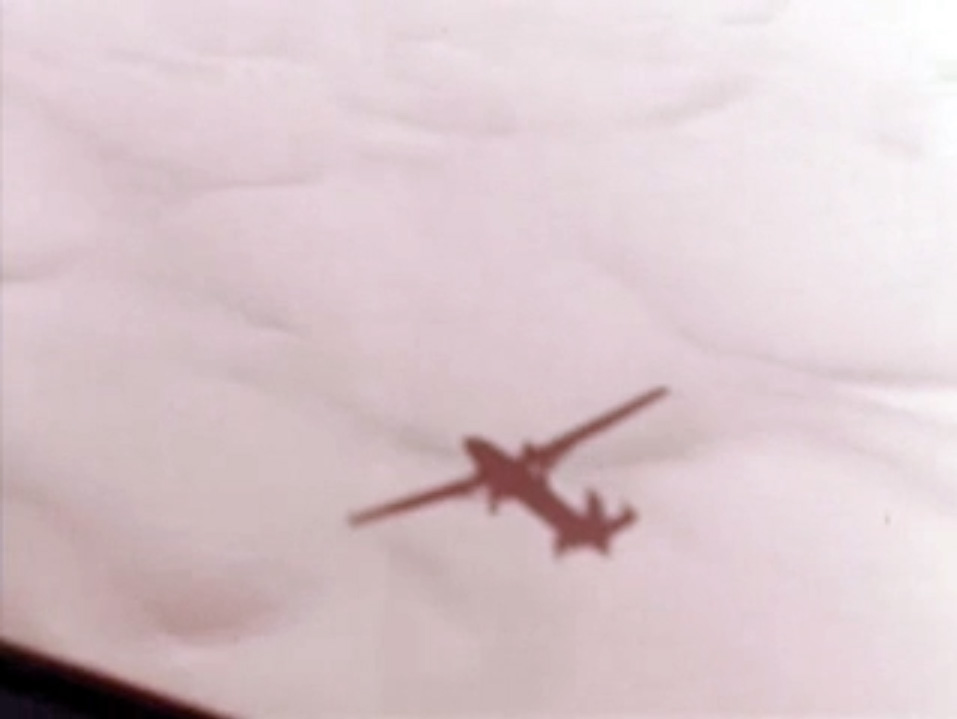
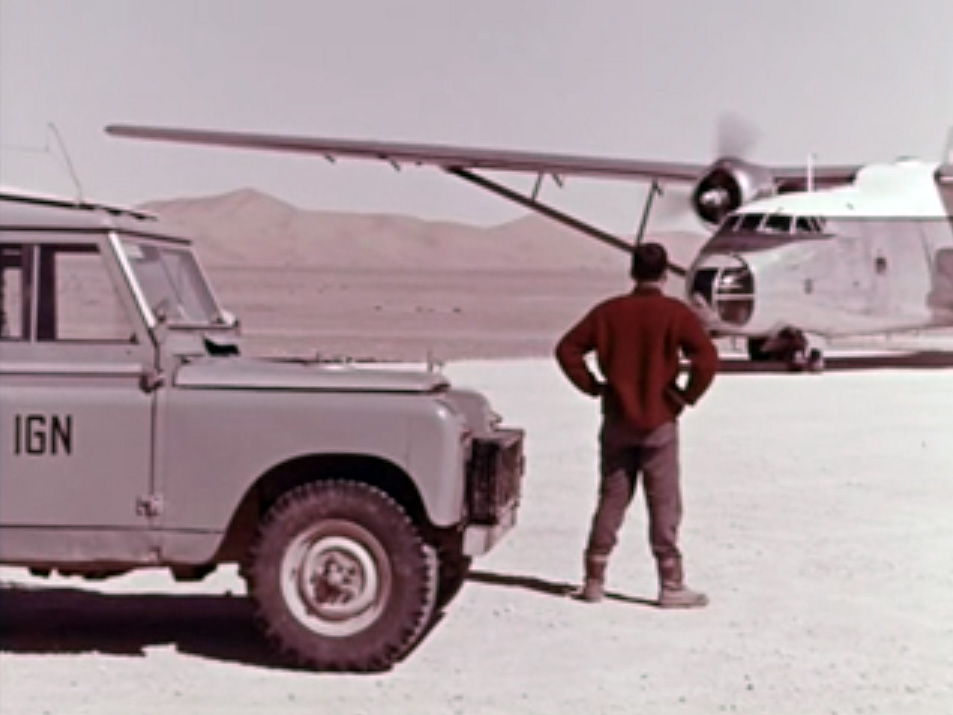
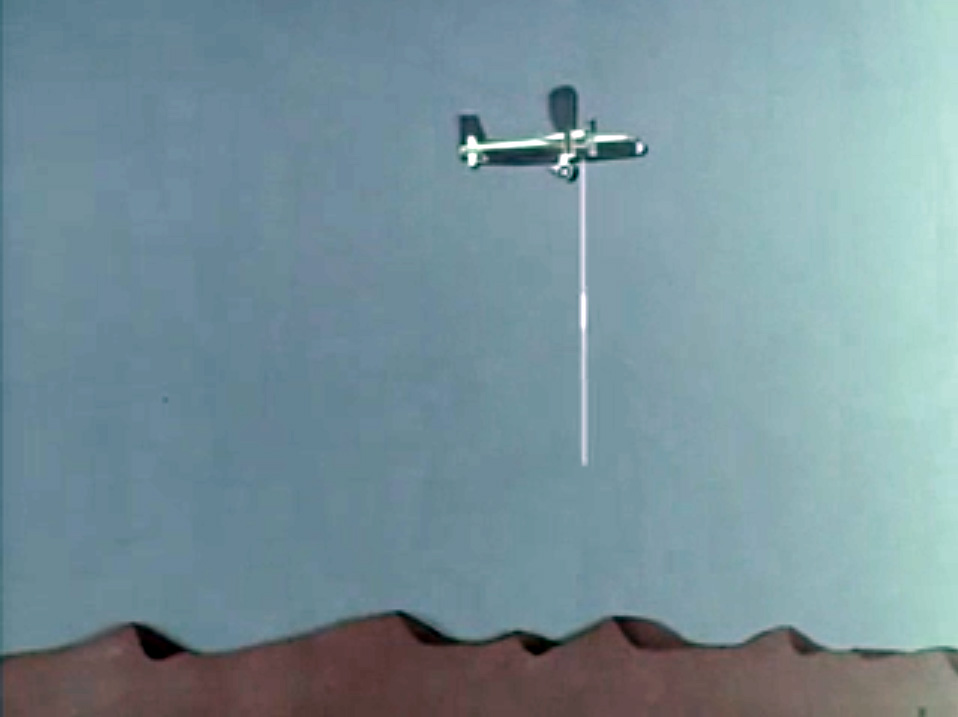
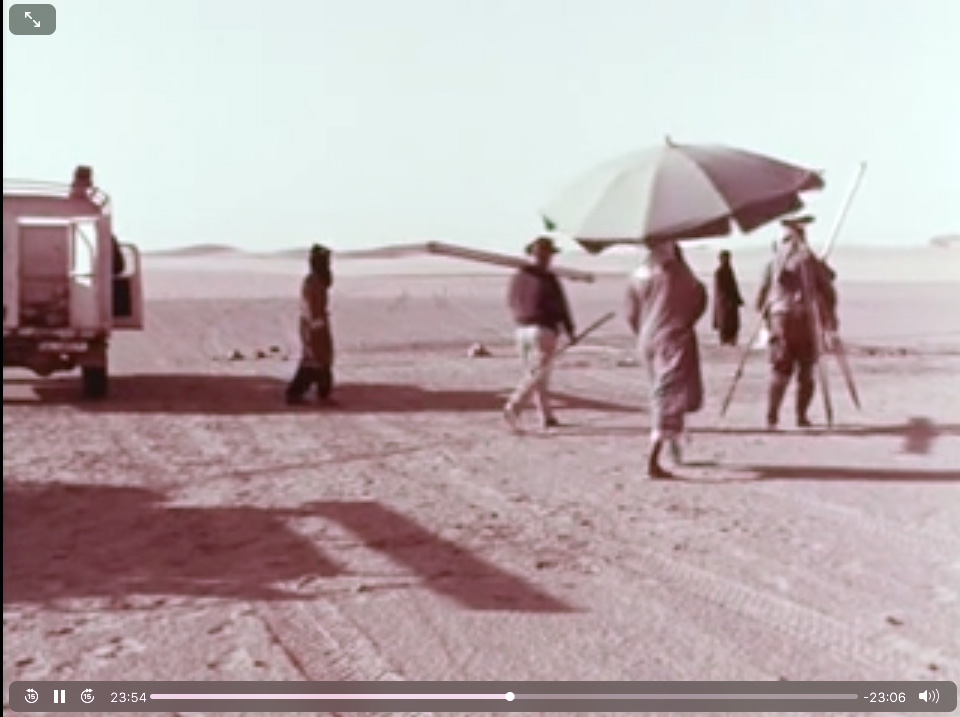
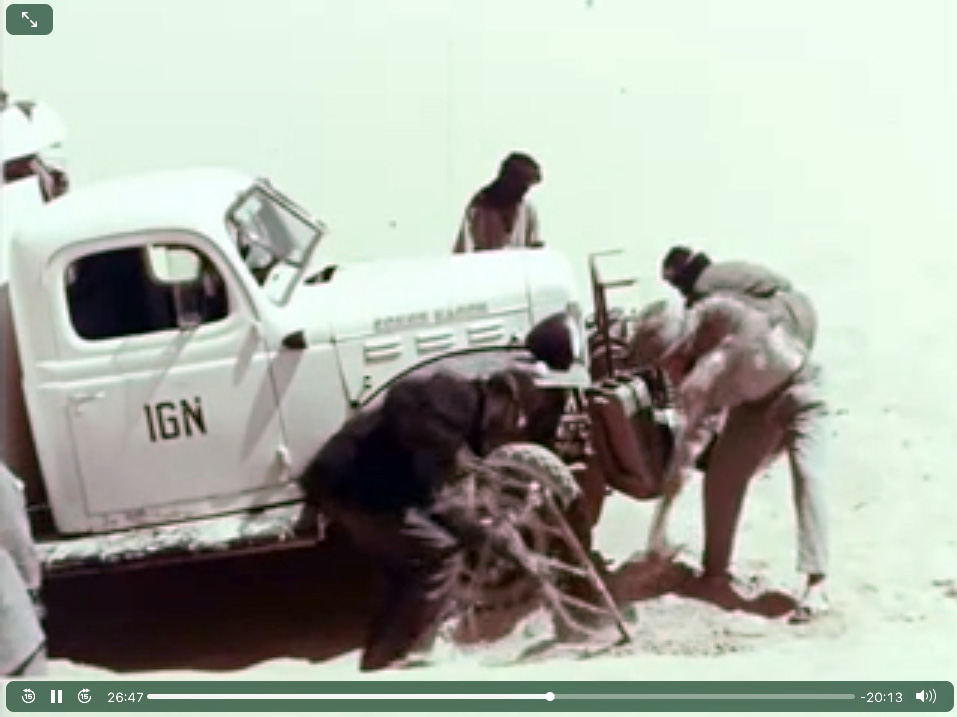
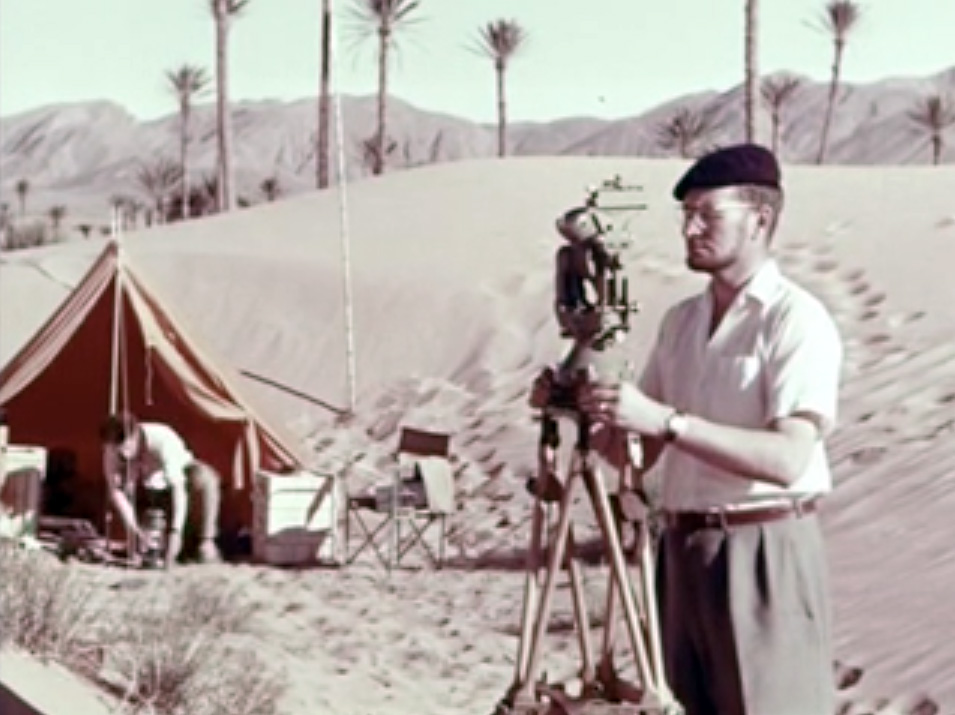
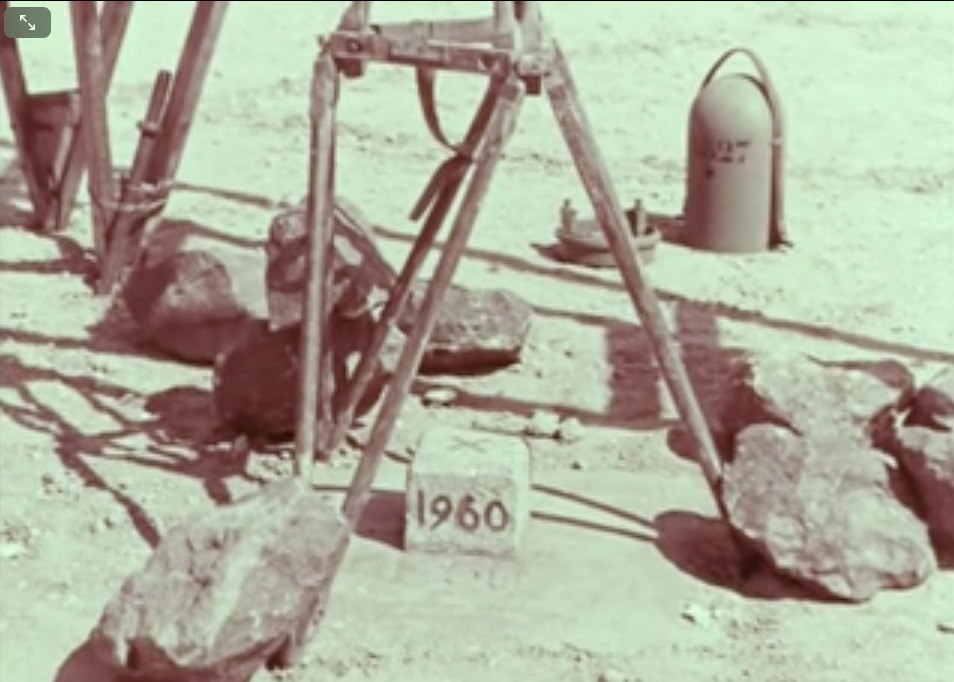
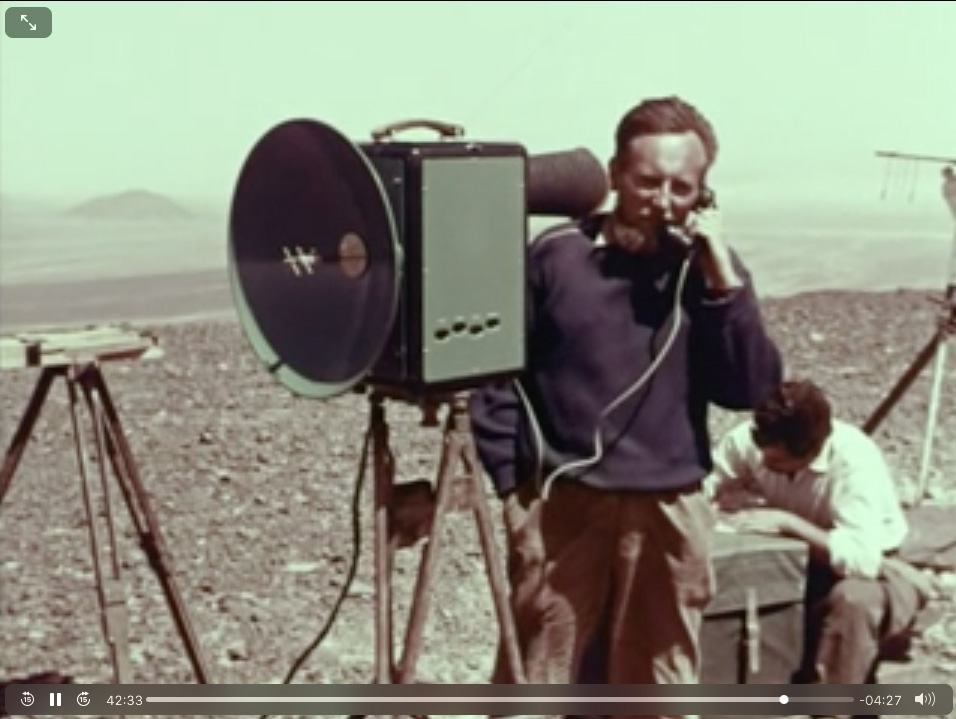
Here a fascinating 1960s vintage film (45 mins; French) on the work it took IGN to produce their brilliant 1:200,000 scale Sahara maps from thousands of aerial photos, sonar readings and laborious ground surveys. Direct link to video.
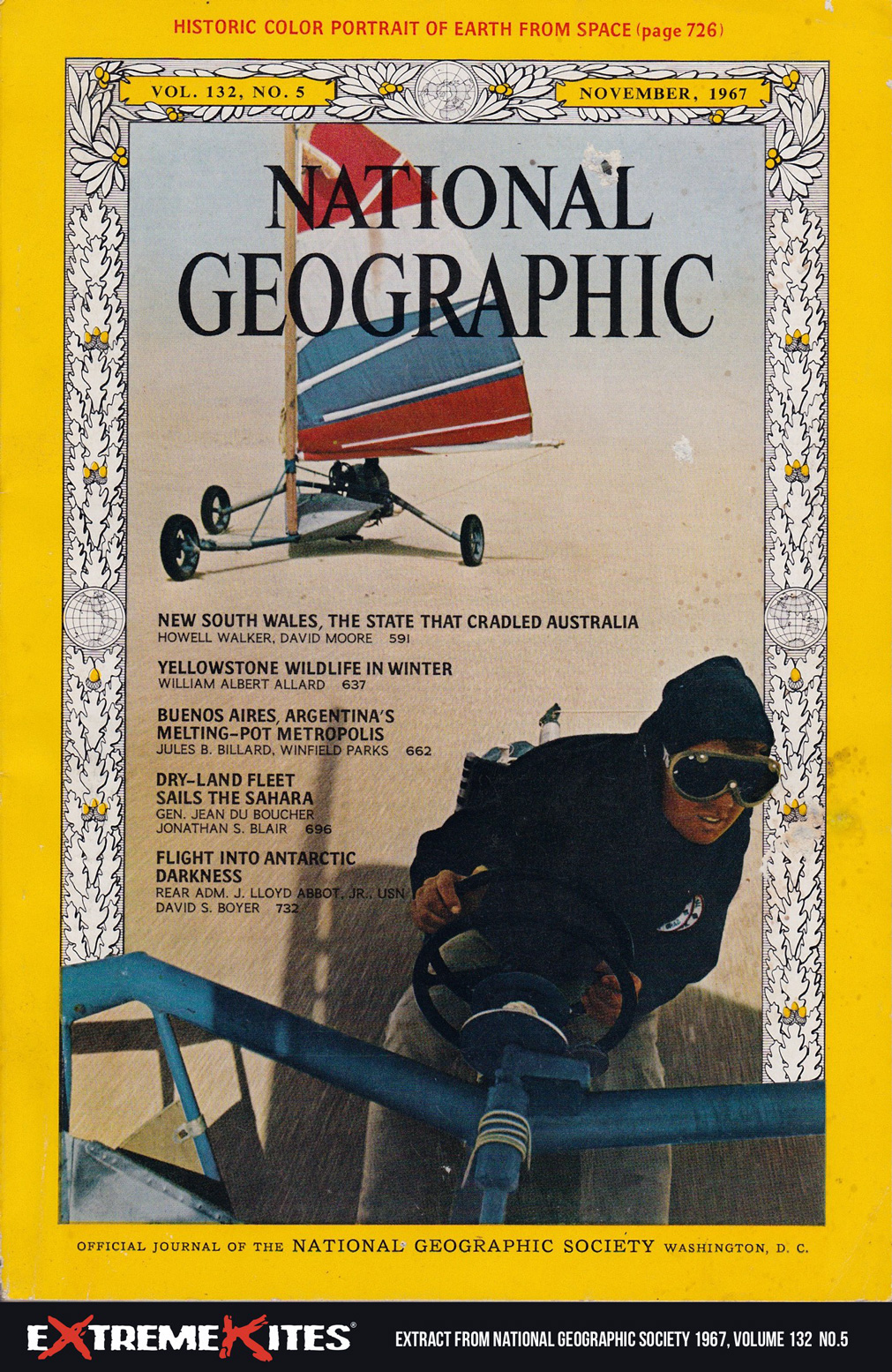
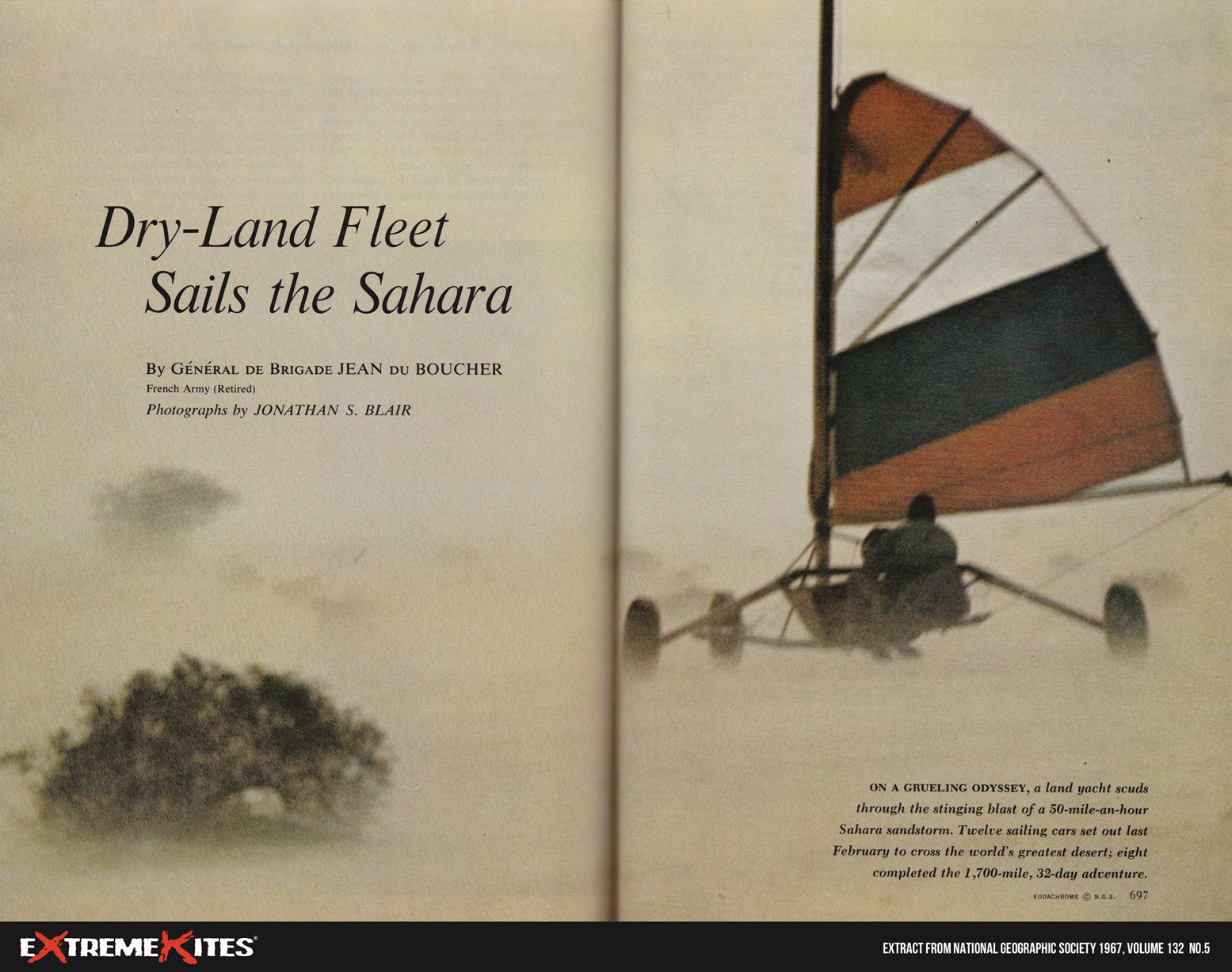
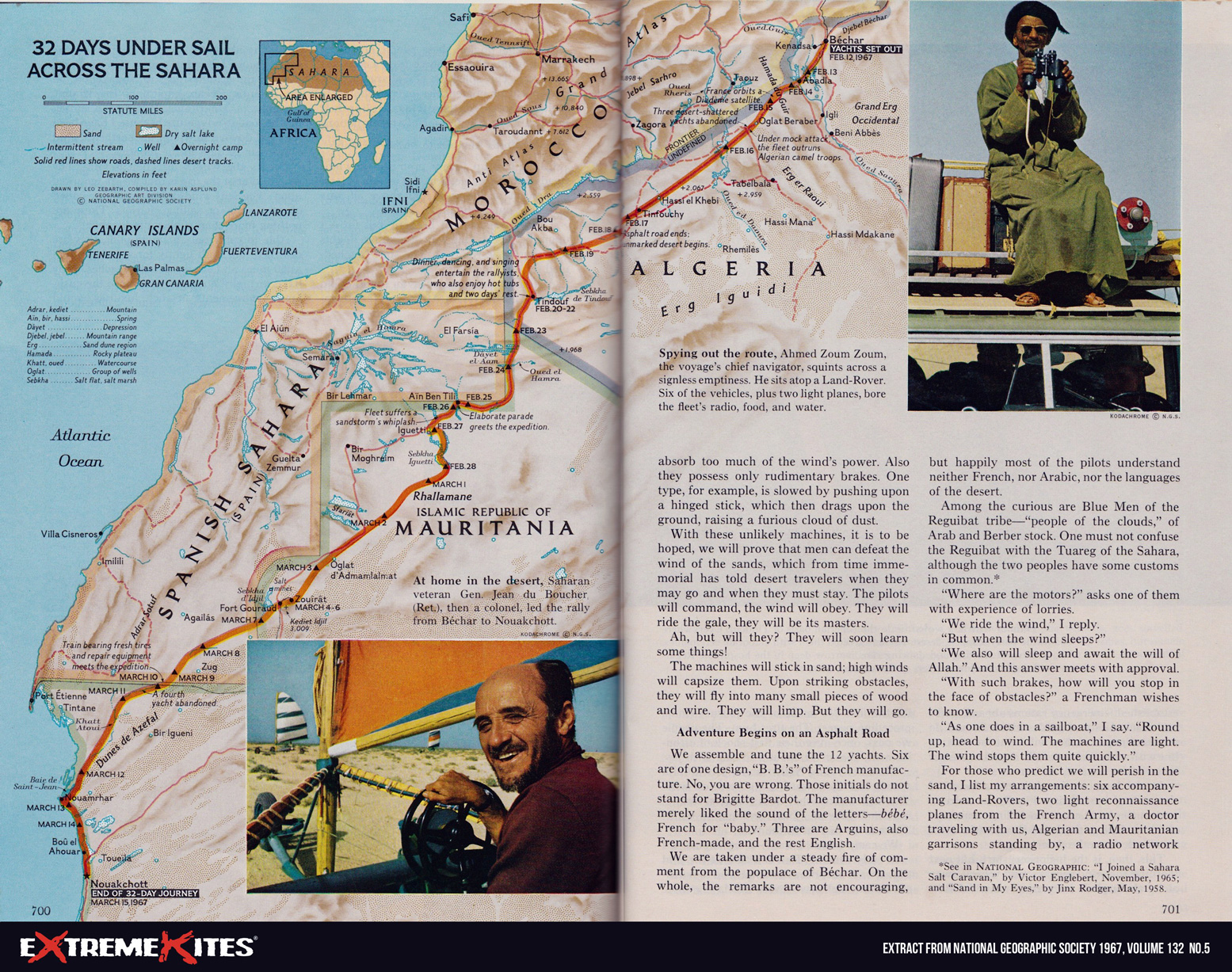
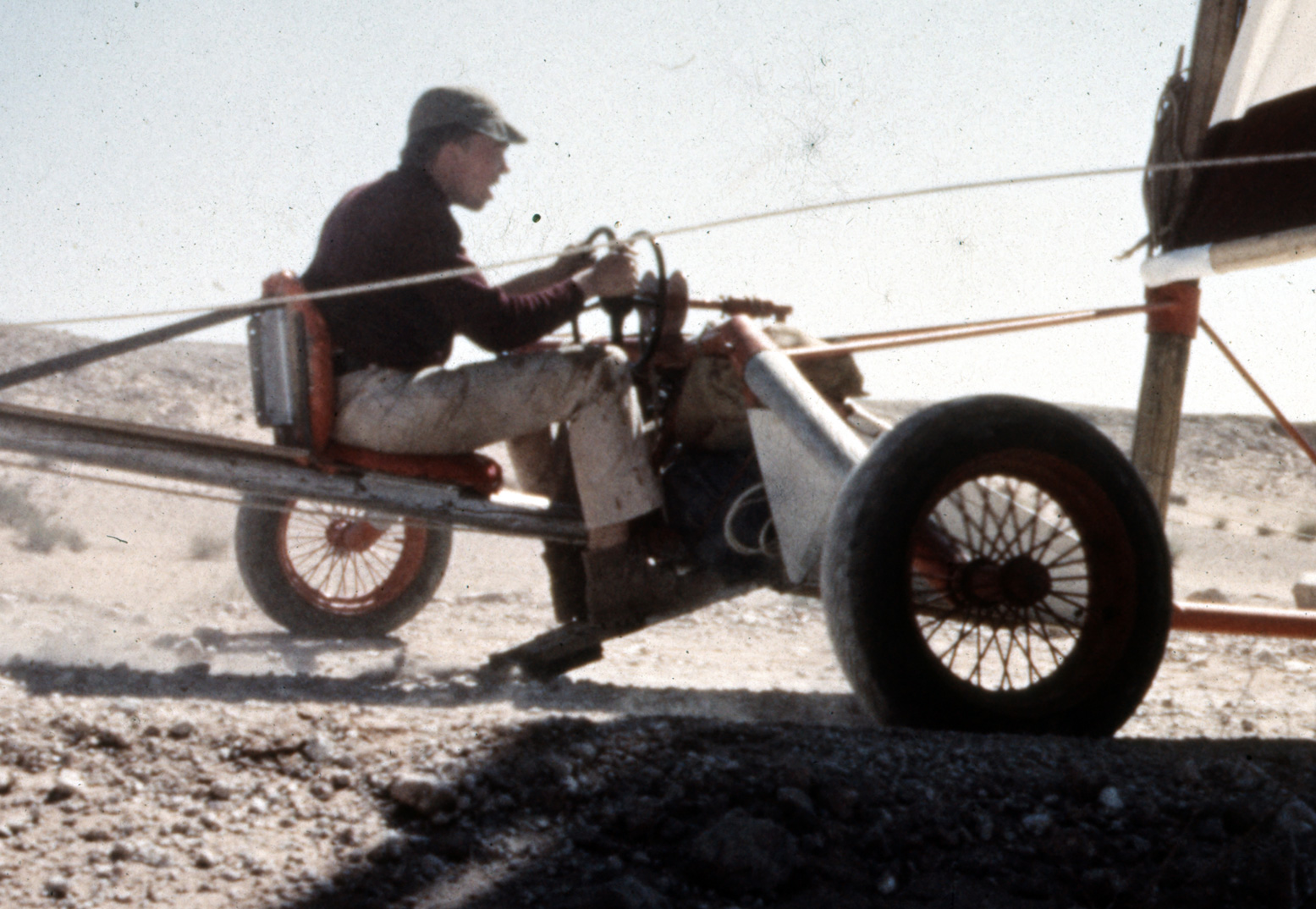
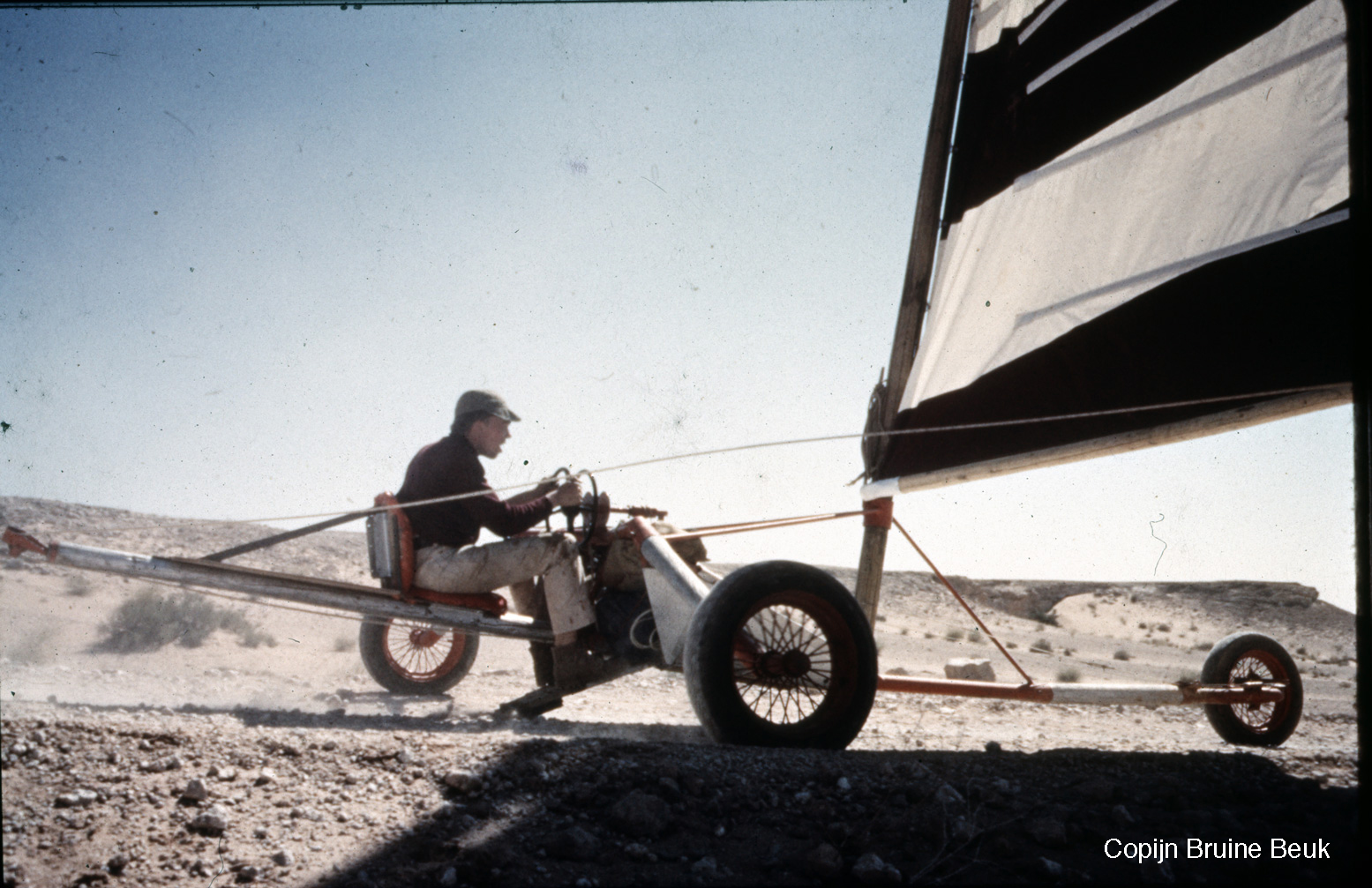
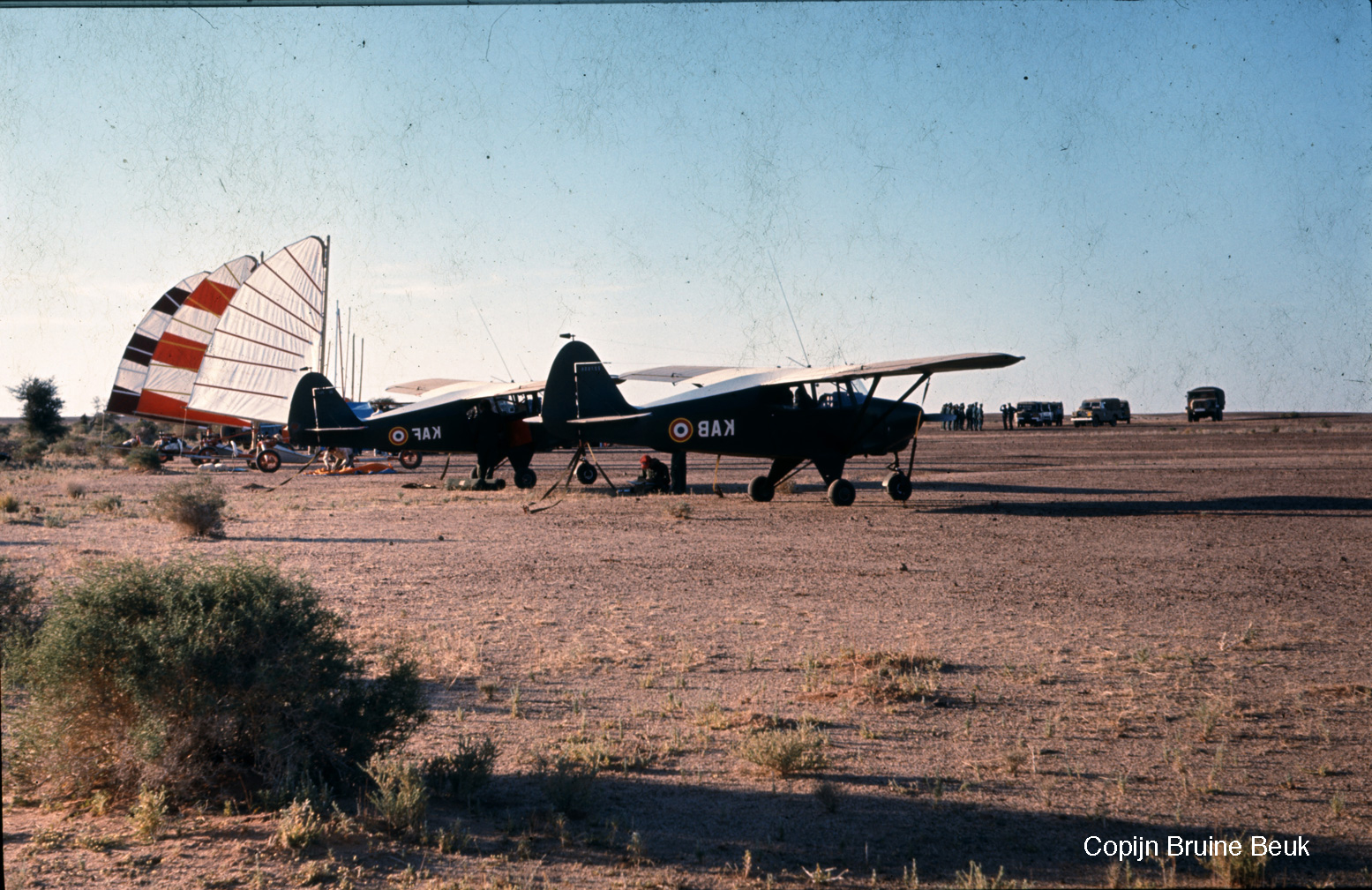
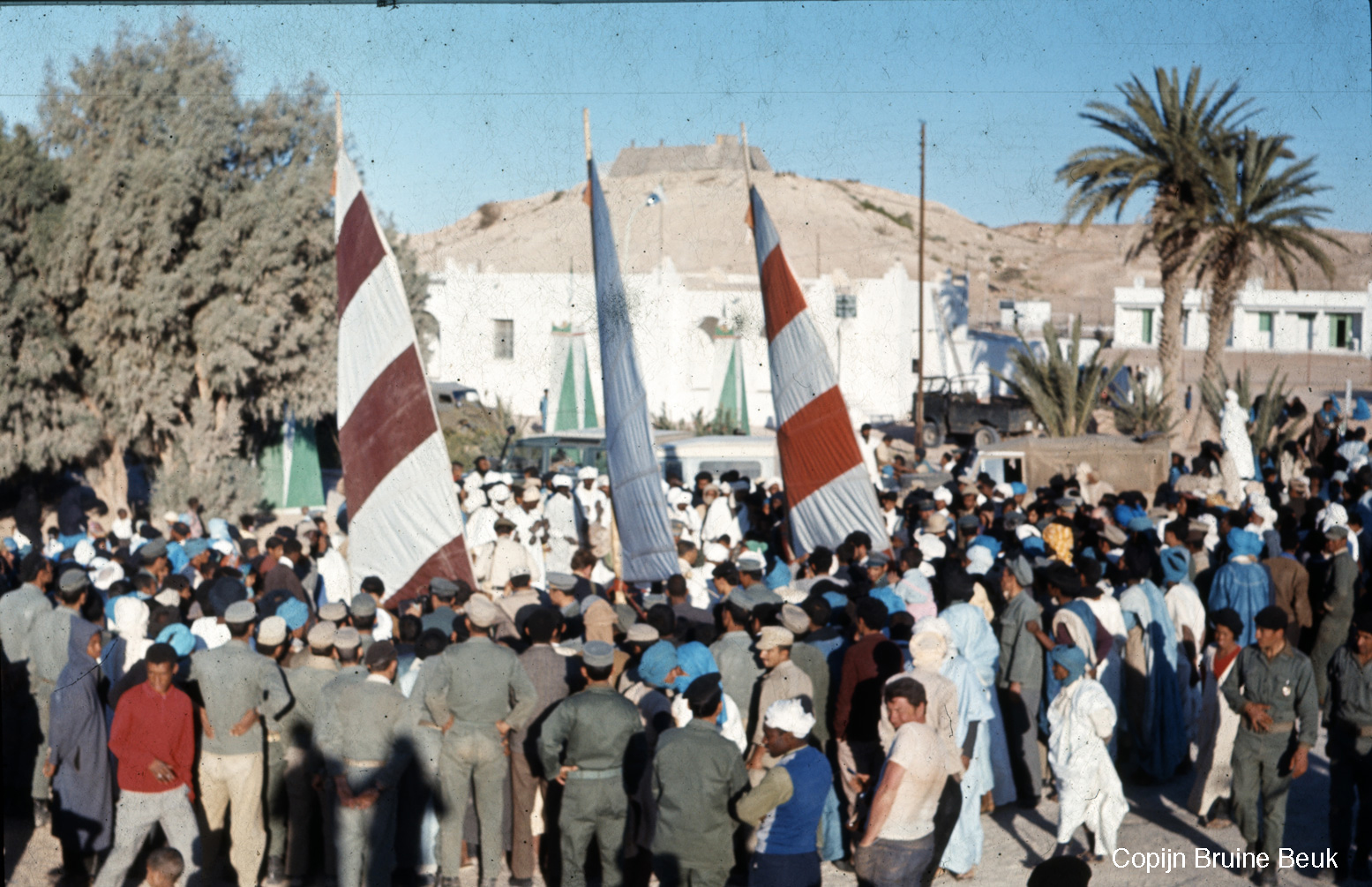
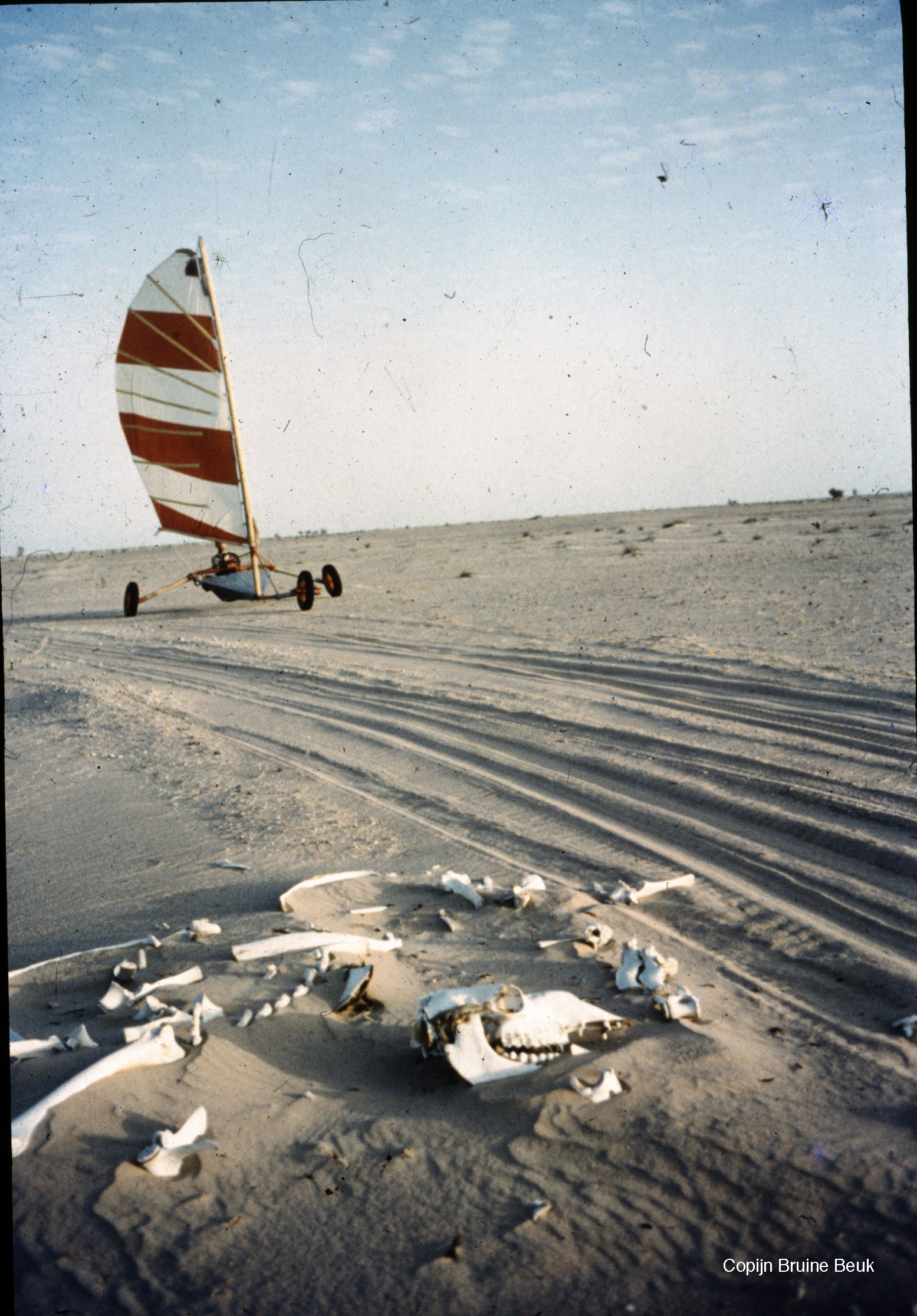
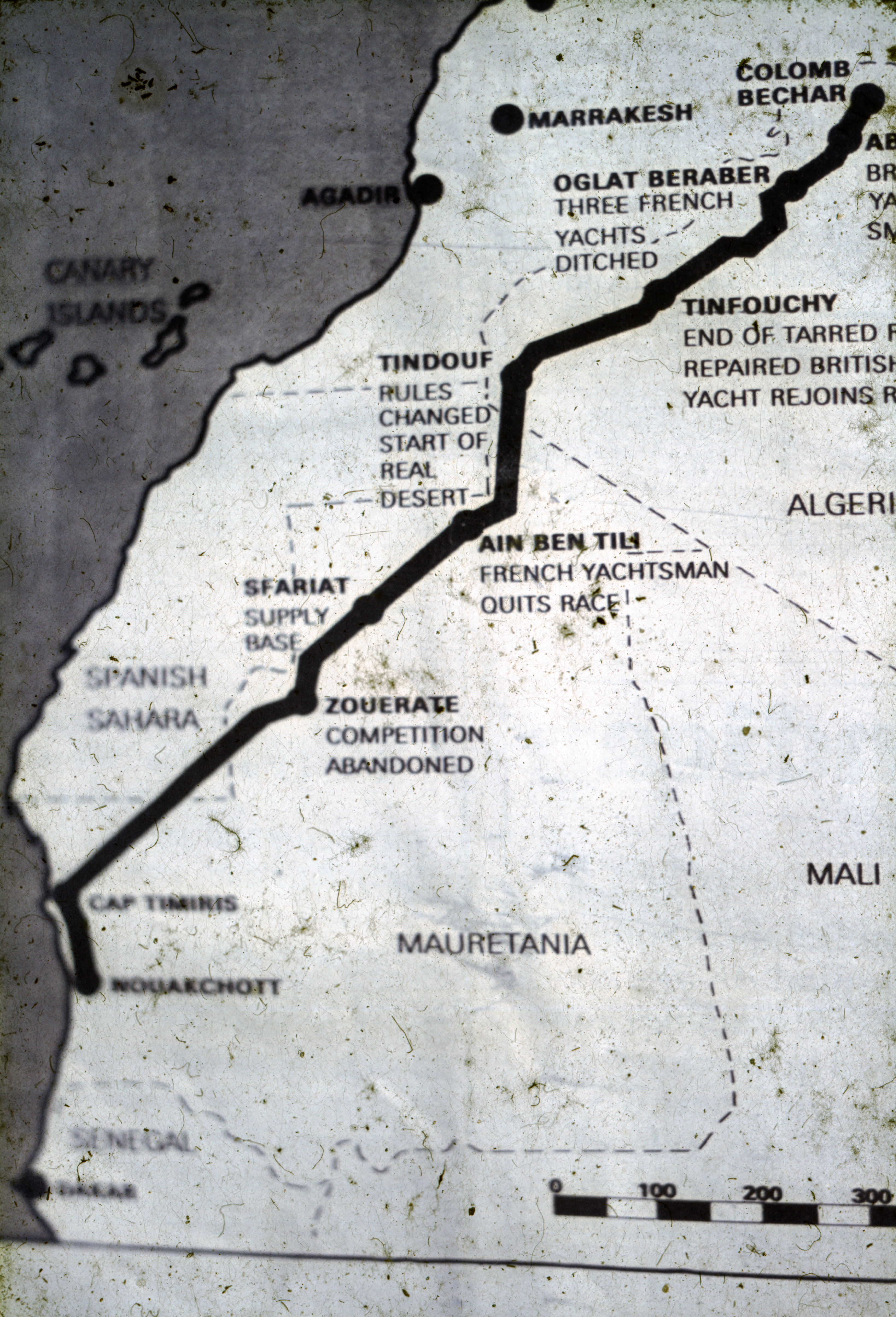
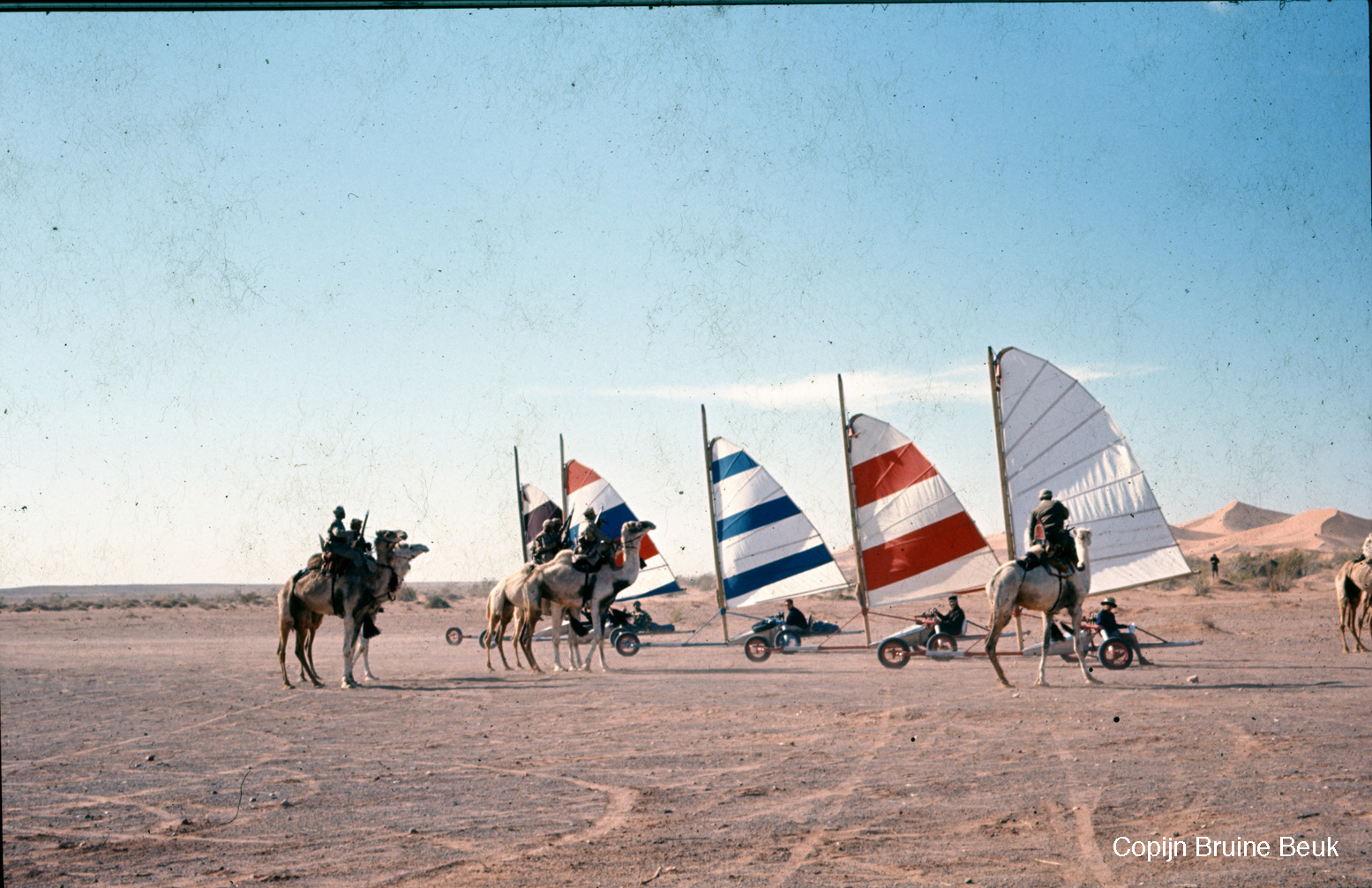
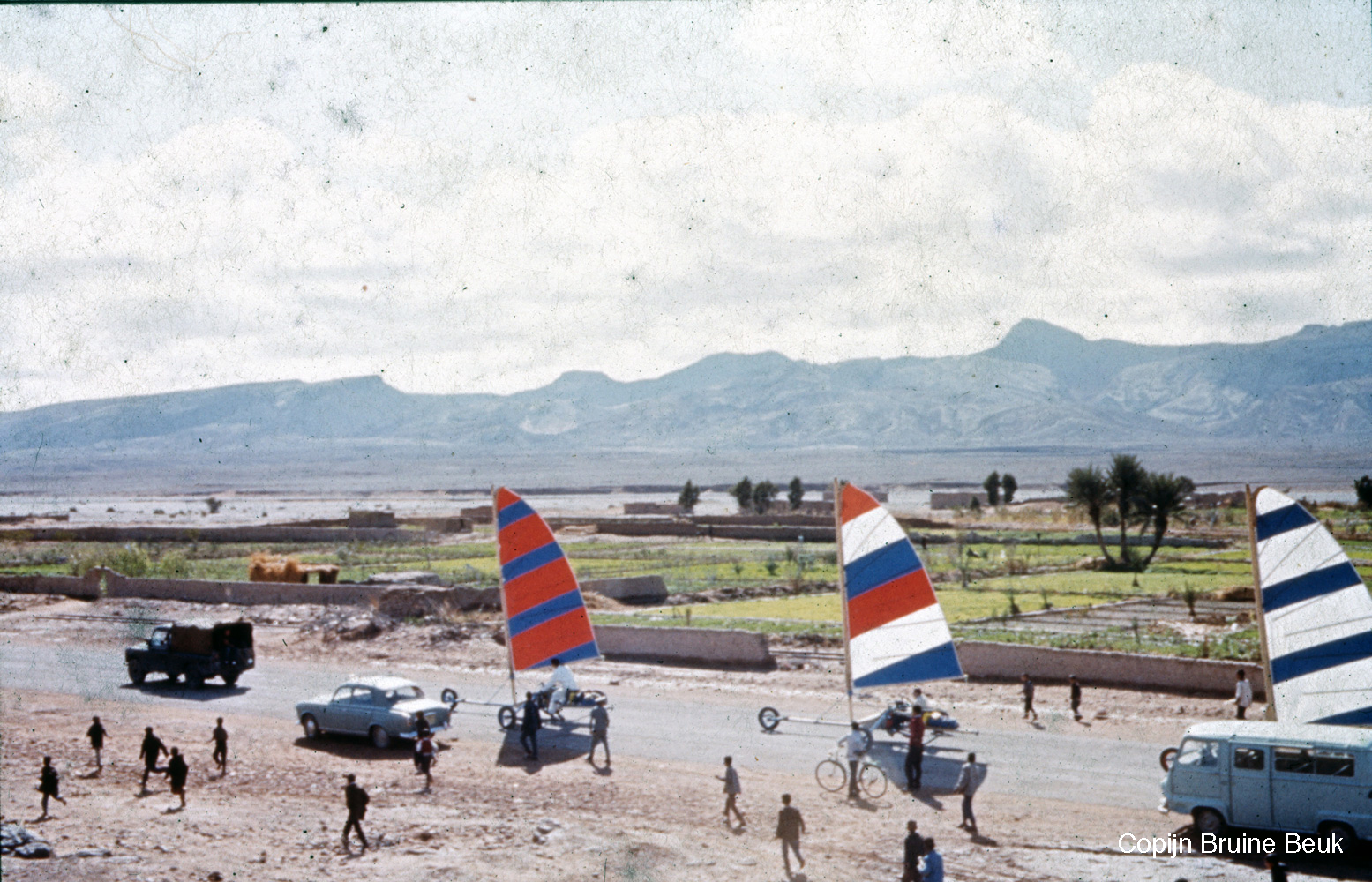
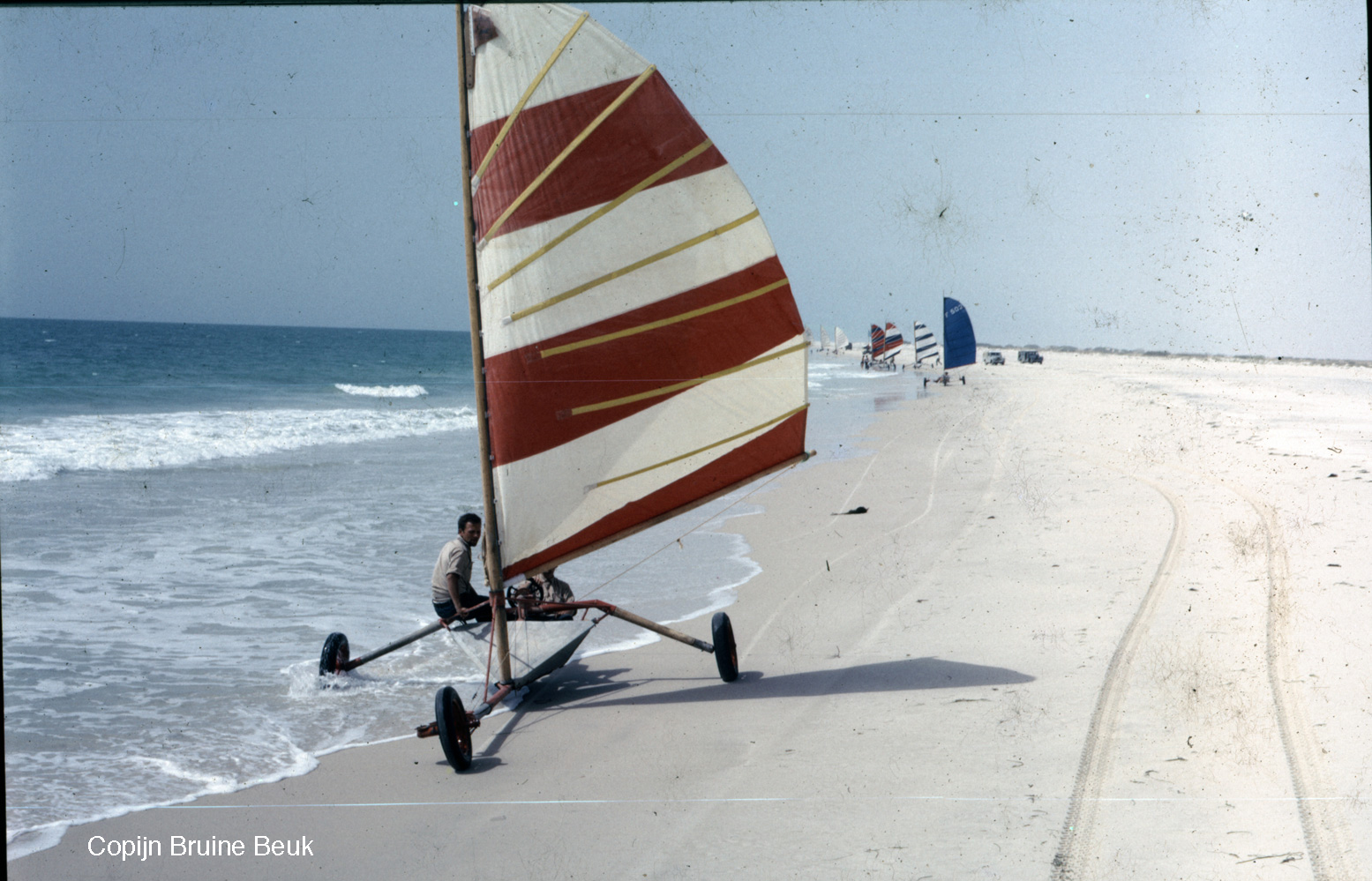
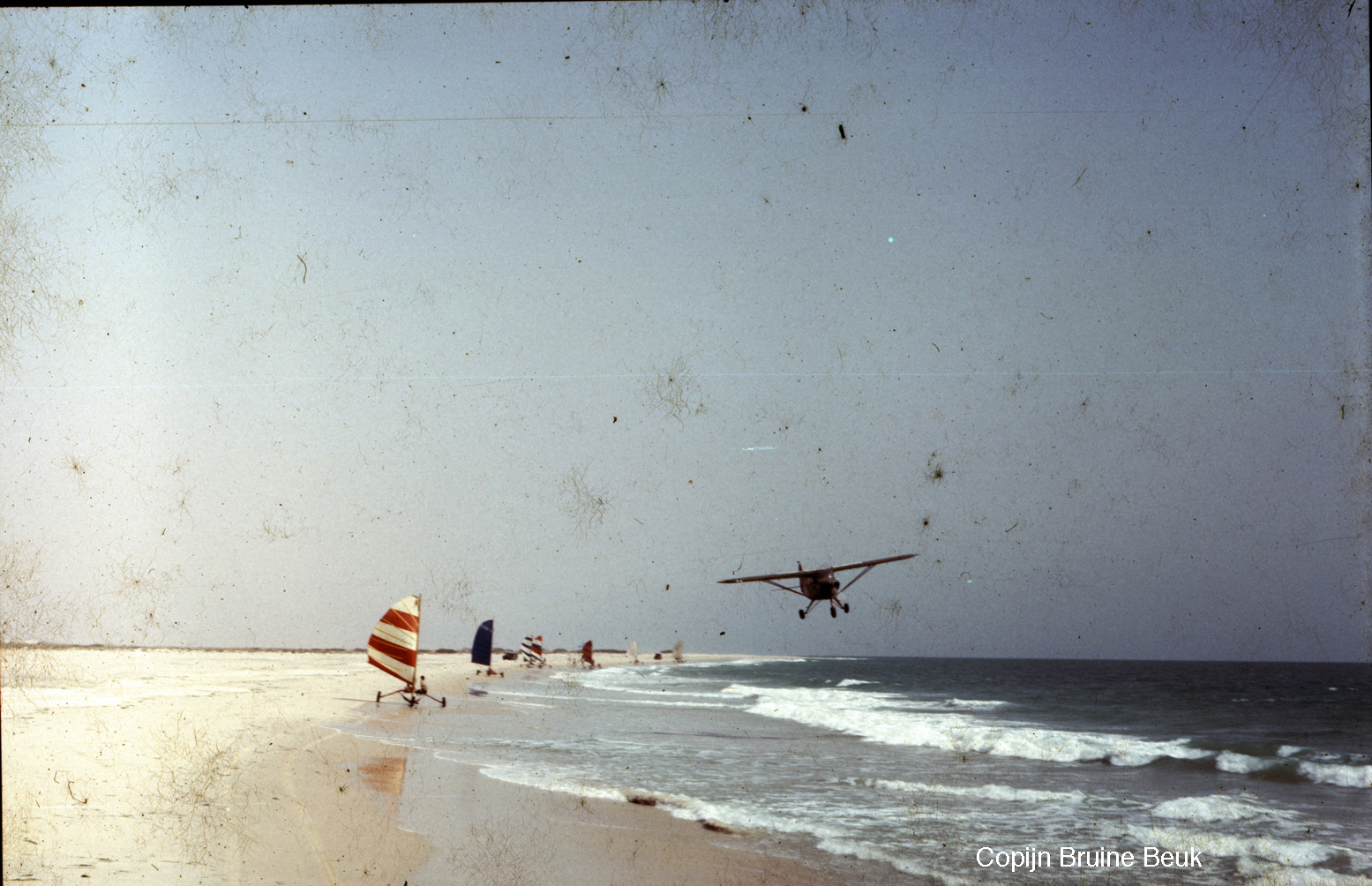
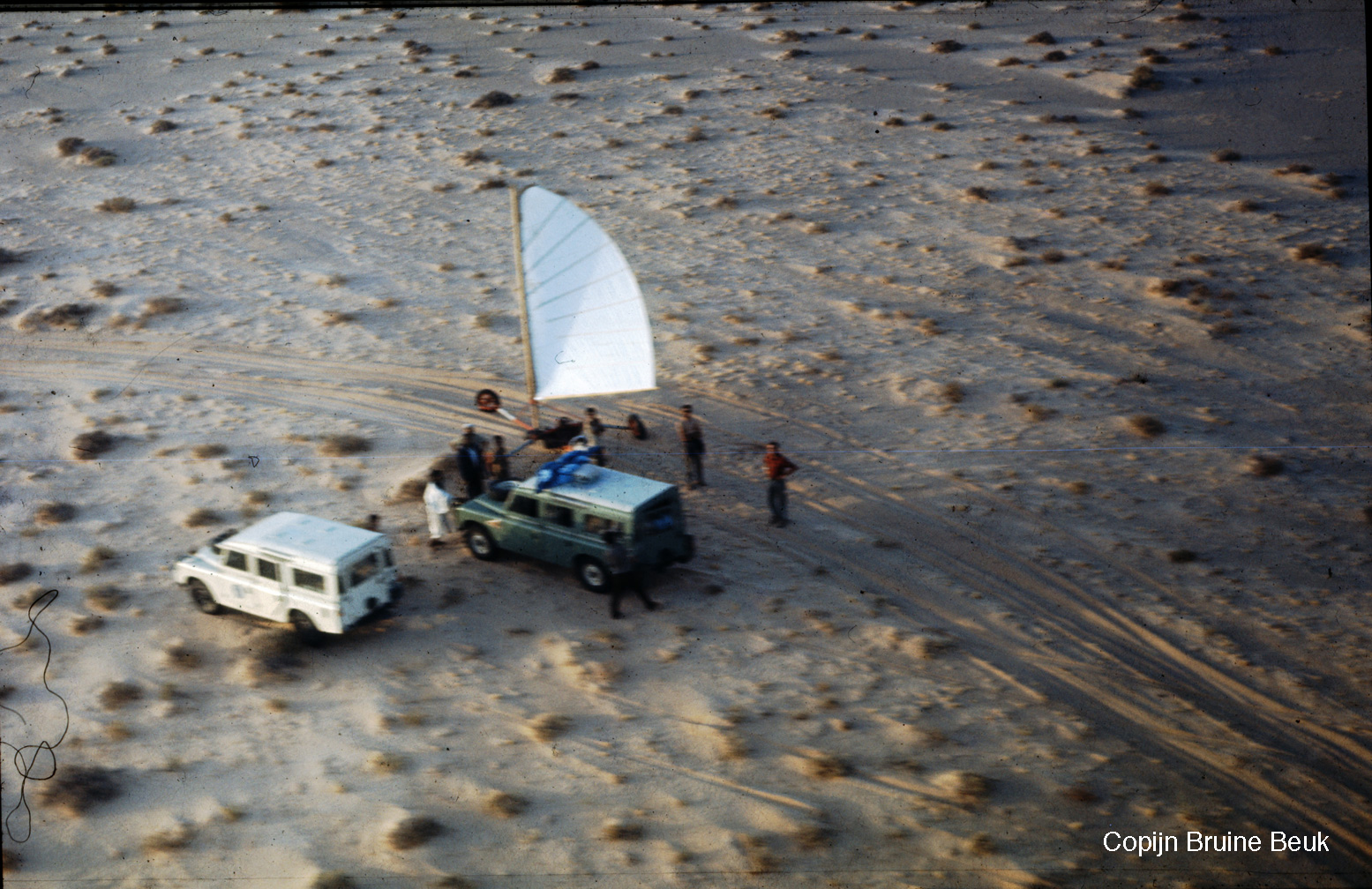
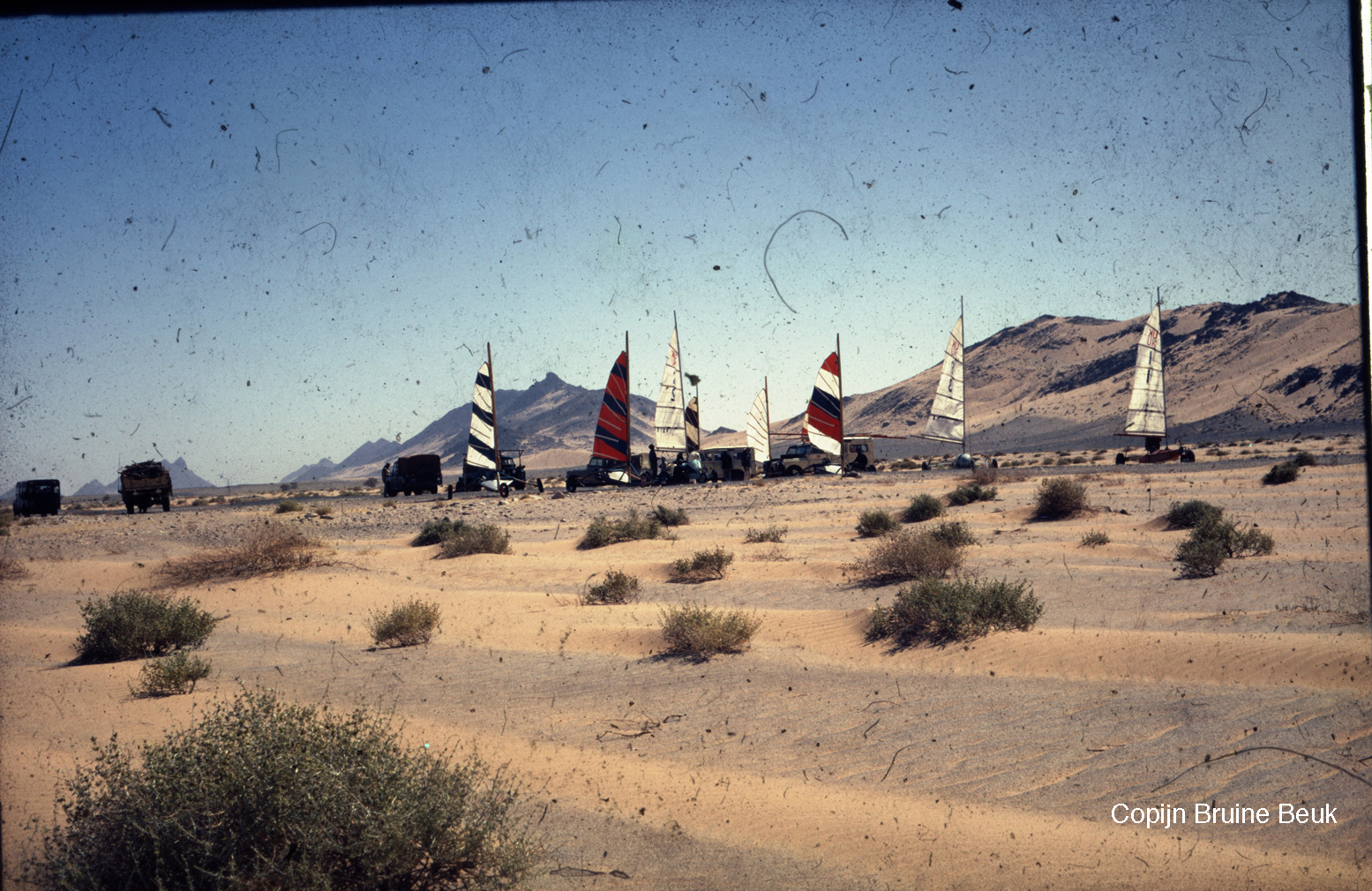
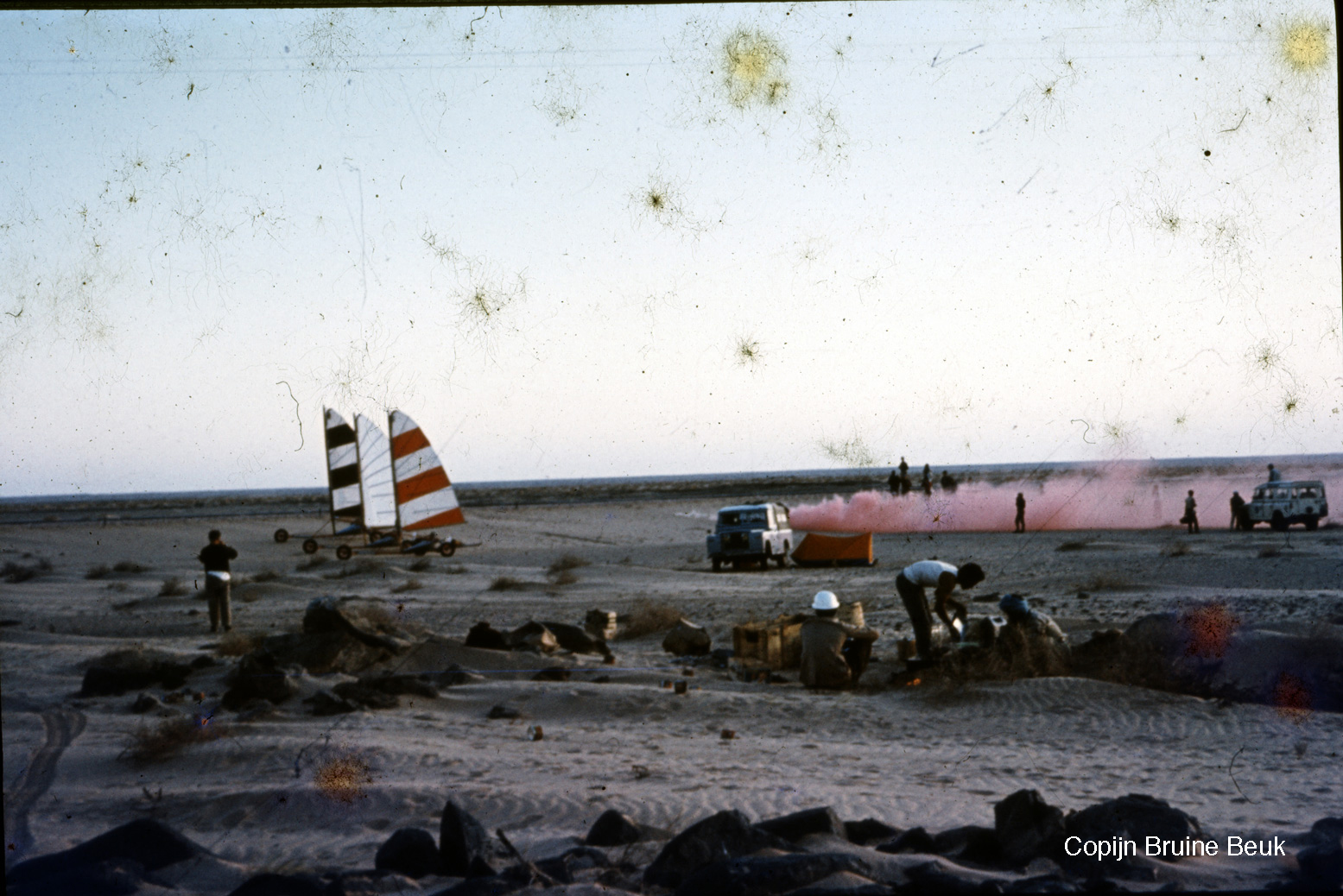
Organised by French ex-army Saharienne, Jean de Boucher, in February 1967 twelve land yachts with pilots from half-a-dozen countries set off on a 2500-km rally from Colomb Bechar (then linked by rail from Oujda on the Mediterranean) to Nouakchott on the Atlantic coast, at times following today’s recently reopened Tindouf Route via Algeria. It seems the race element of the rally was abandoned after some 2000km in Zouerat following several DNFs, but some carried on down the coast, cutting across what was then Spanish Sahara (‘PFZ’), on to the beach at Nouamghar and down the beach to Nouakchott. At this time most of Mauritania’s population still lived in the desert as nomads. The rally was supported by a couple Land-Rovers, small planes and surviving French military garrisons with which General de Boucher presumably had good connections.
The adventure featured in the November 1967 issue of National Geographic magazine (left, right, below). A couple of images are used here; read the full 30-page article scanned on the Extreme Kites website. There are more reminiscences here by American competitor, Larry P featured on the magazine’s cover.
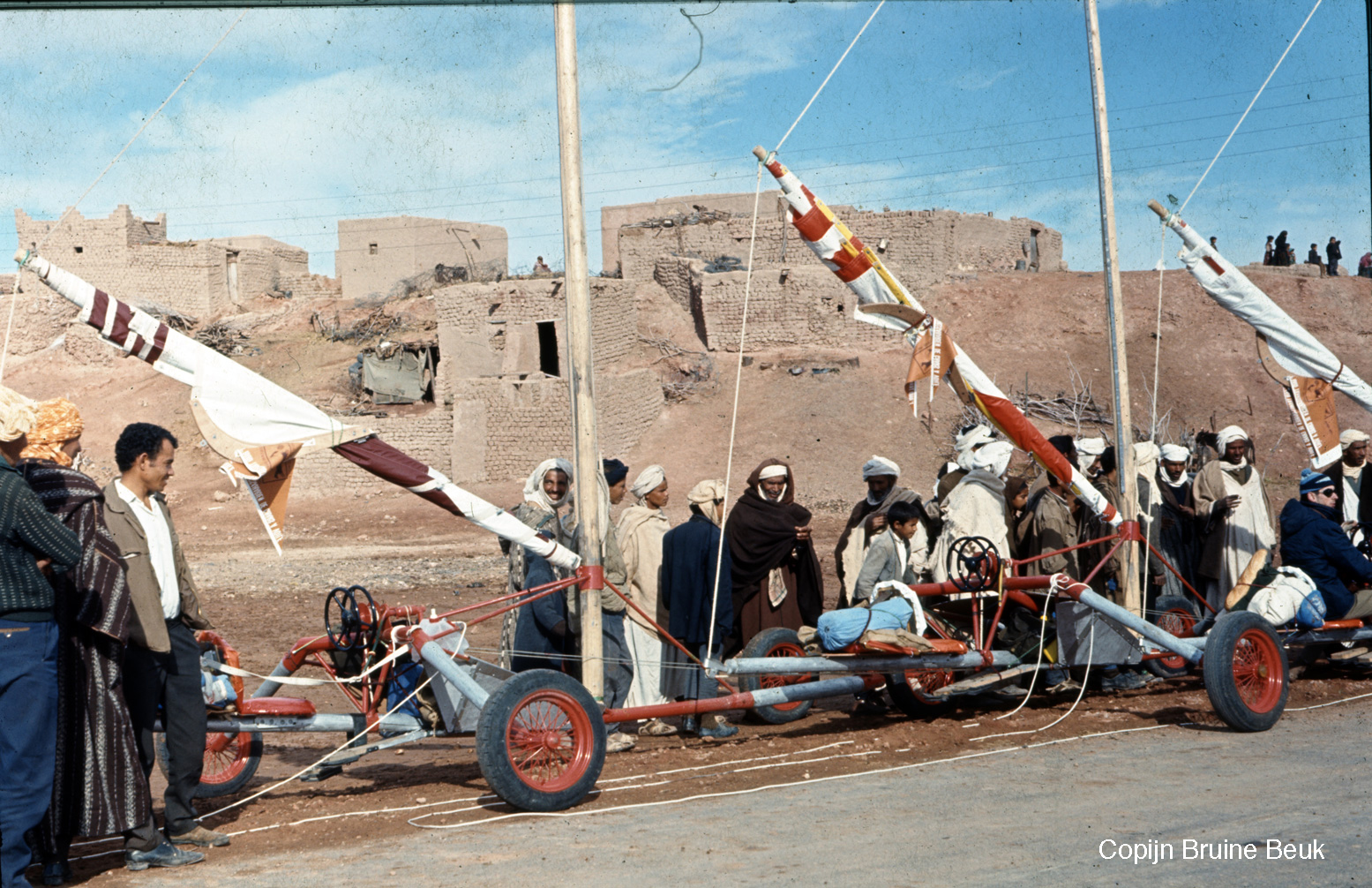
Thanks to Dutch participant, Copijn Bruine Beuk for turning me on to this little-known story and sharing his own pictures of the event (below). Besides hundreds of punctures, as the article recalls, early on Copijn had a close shave with an overhead electricity wire – luckily it wasn’t live. The same happened to a few others who ended up with snapped masts. Once it gets going, a land yacht can hit 60mph or more, but back then brakes added up to little more than a hinged footboard you pressed into the dirt (left), like pressing your feet on the ground to slow an out-of-control pushbike. So you can see why half the field DNF’d. Other hazards included side gusts blowing a land yacht over – February-March were chosen as the time of the strongest northeasterlies. Note also the twin steering wheels: one to steer the front wheel and the other to adjust the sail’s trim: pressing on the footbrake for all your worth, that’s quite a lot to think about when hurtling towards a steep oued bank or into a small dune field. Makes desert biking look positively benign!


















 Sahara Overland