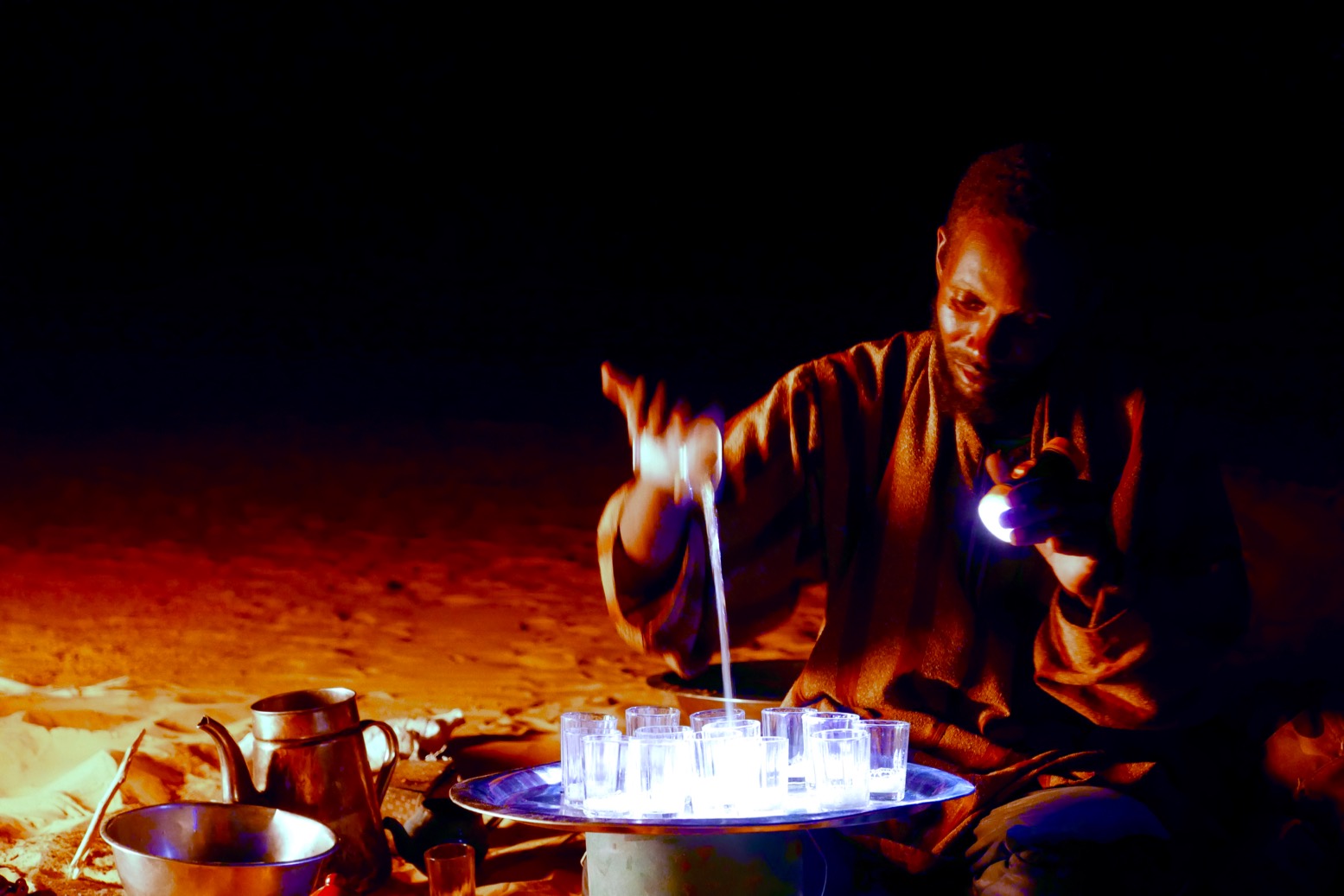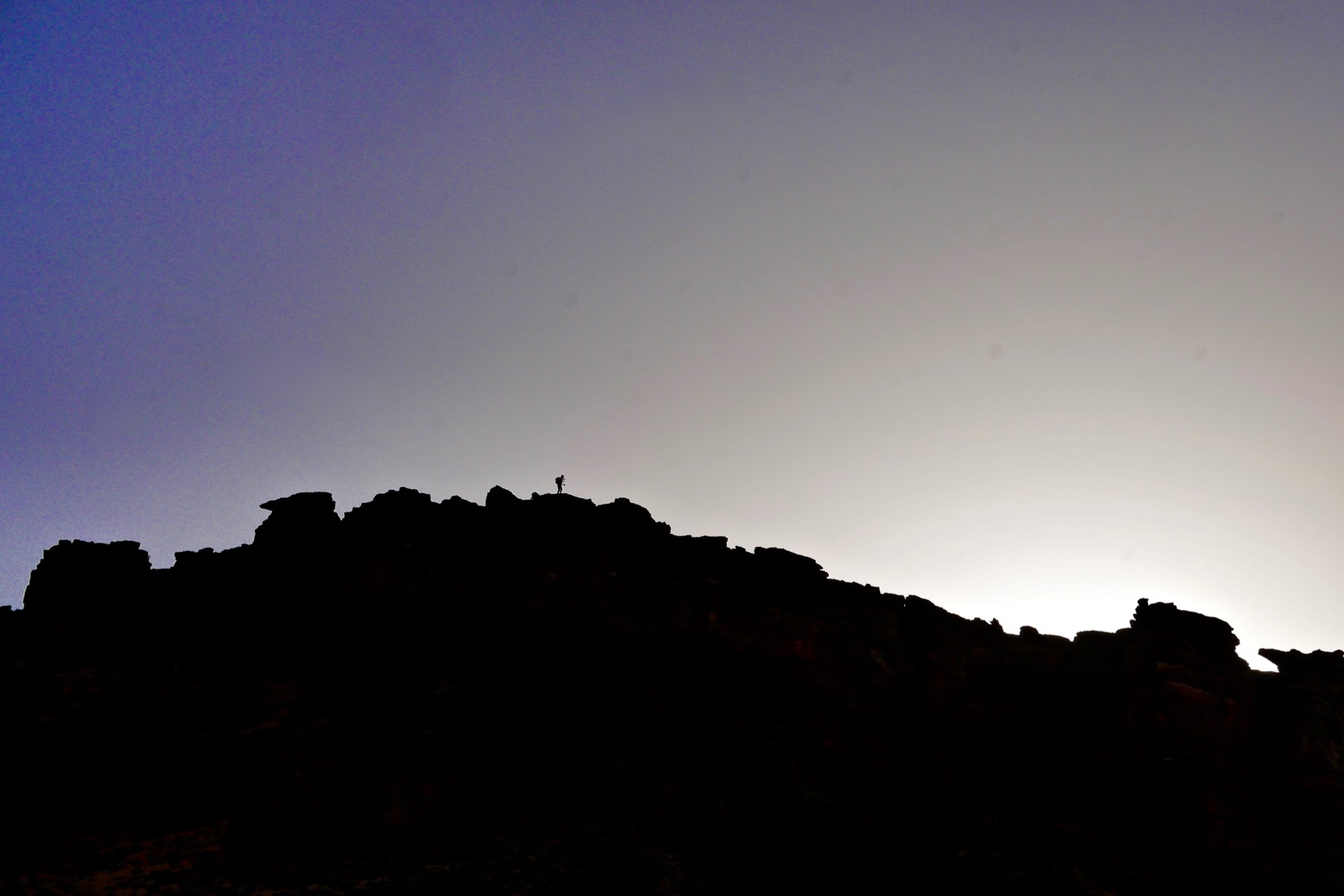
Fortnight’s camel trek in Mauritania

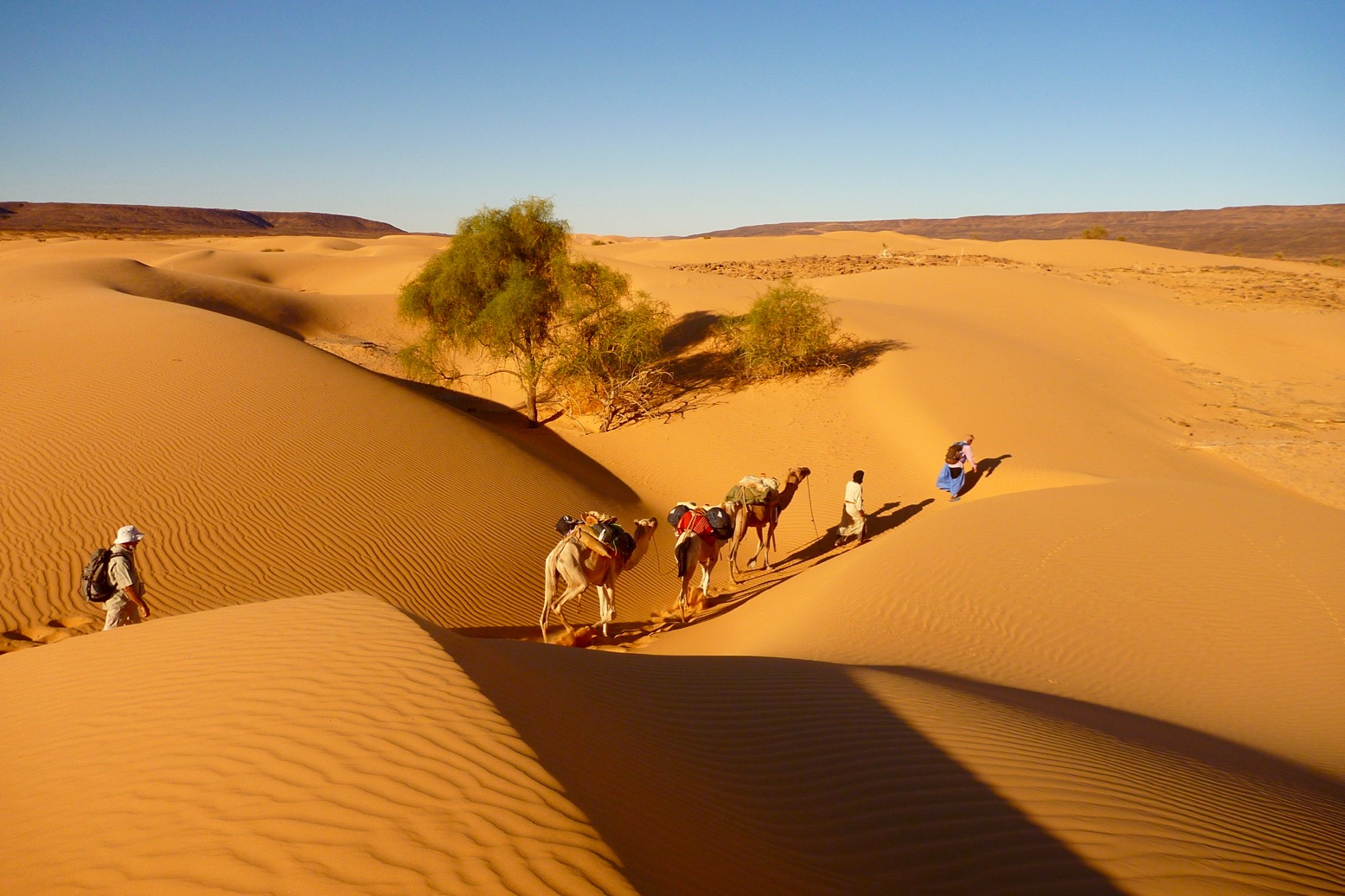
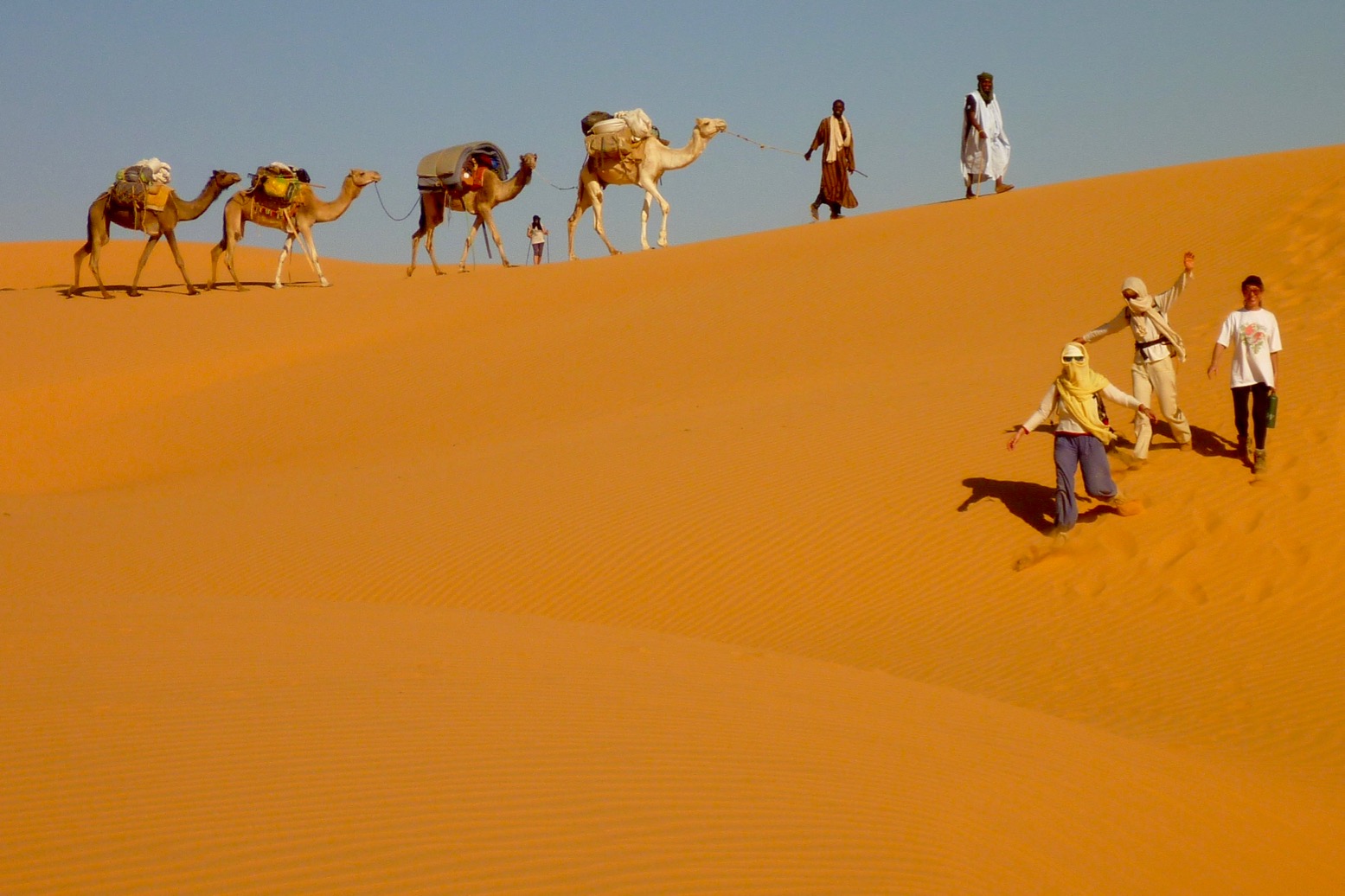
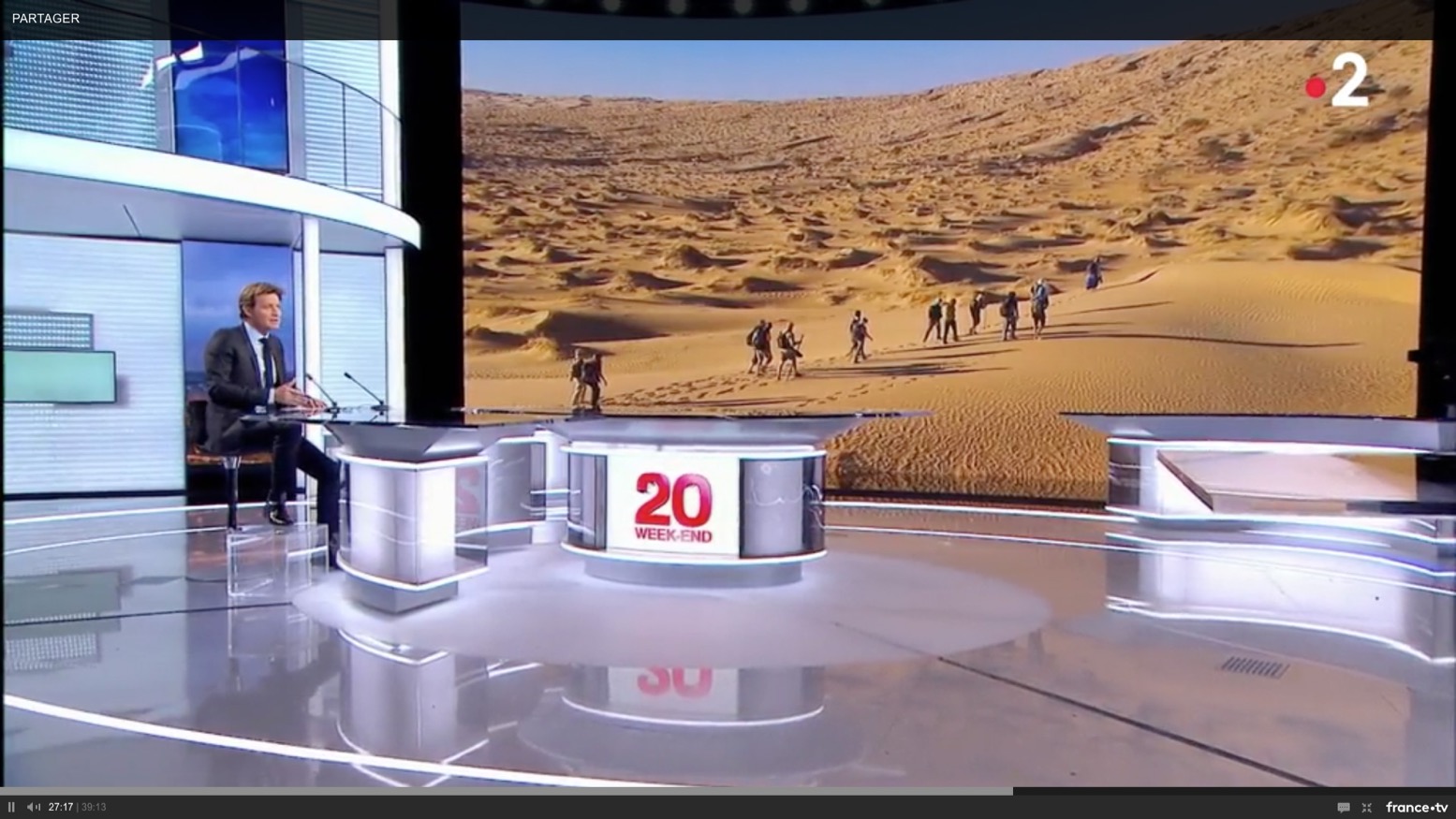
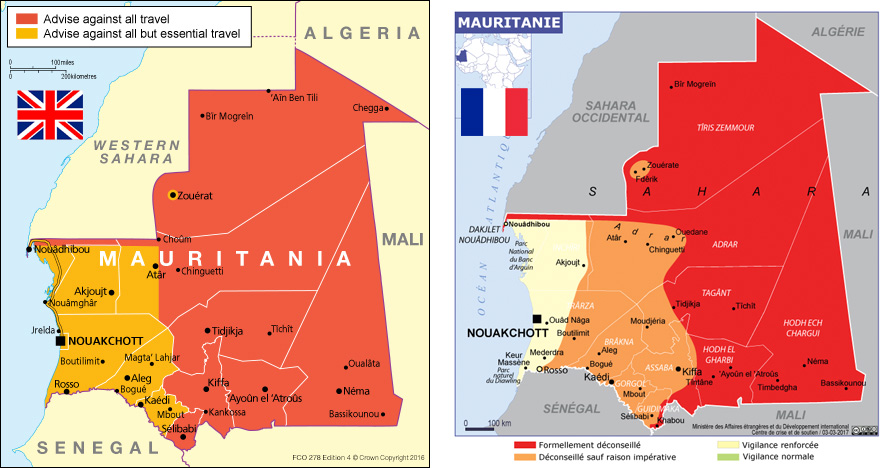
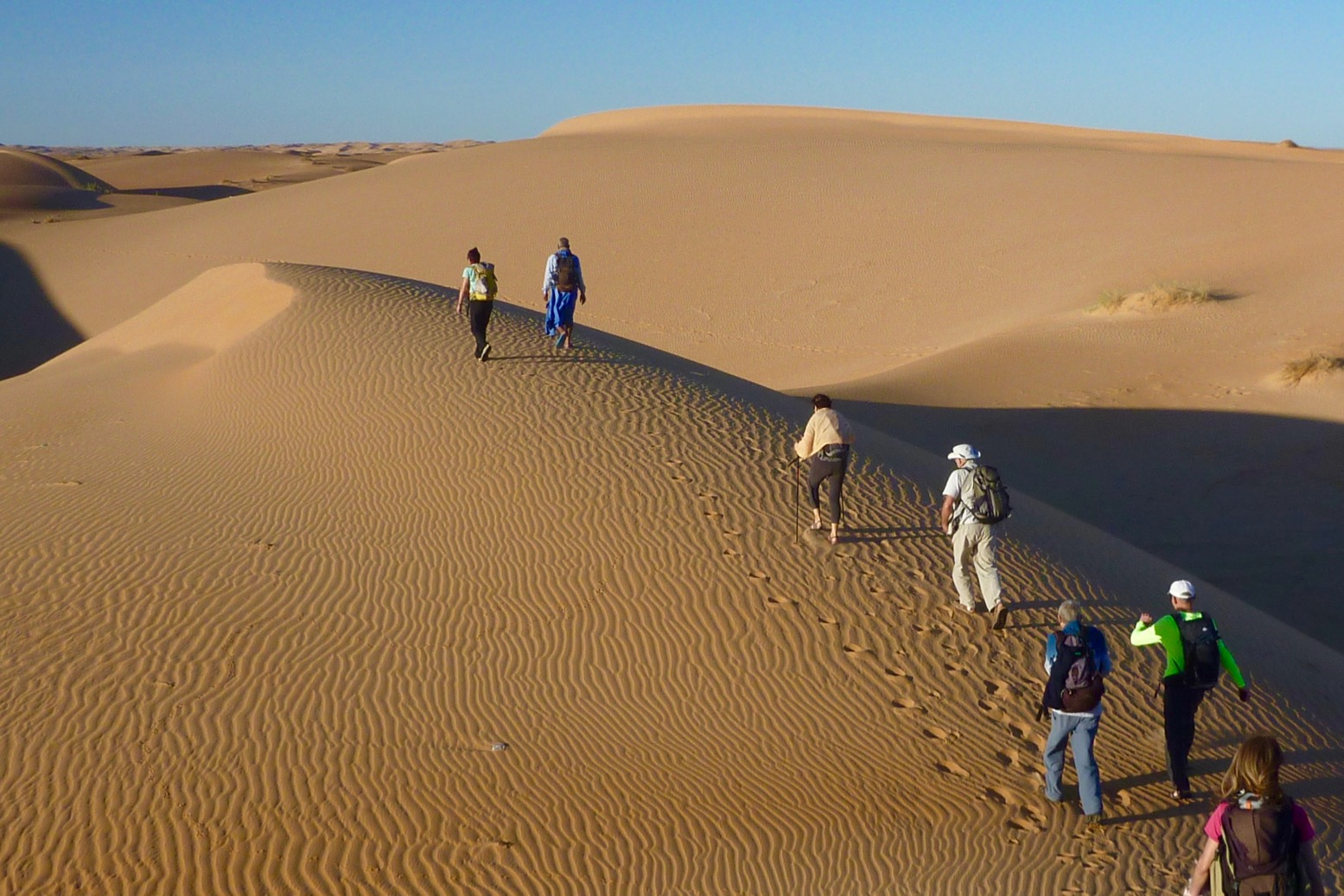
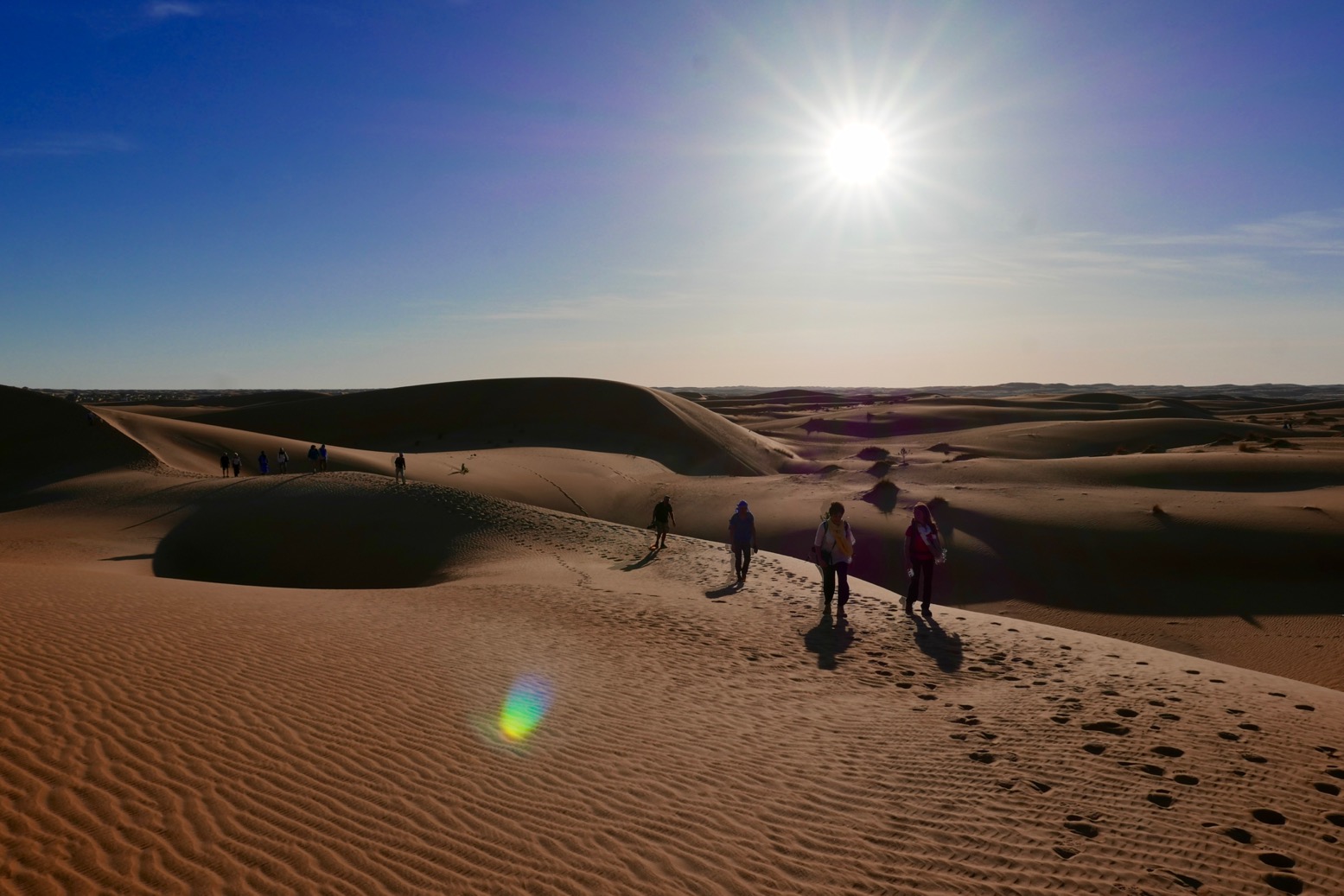
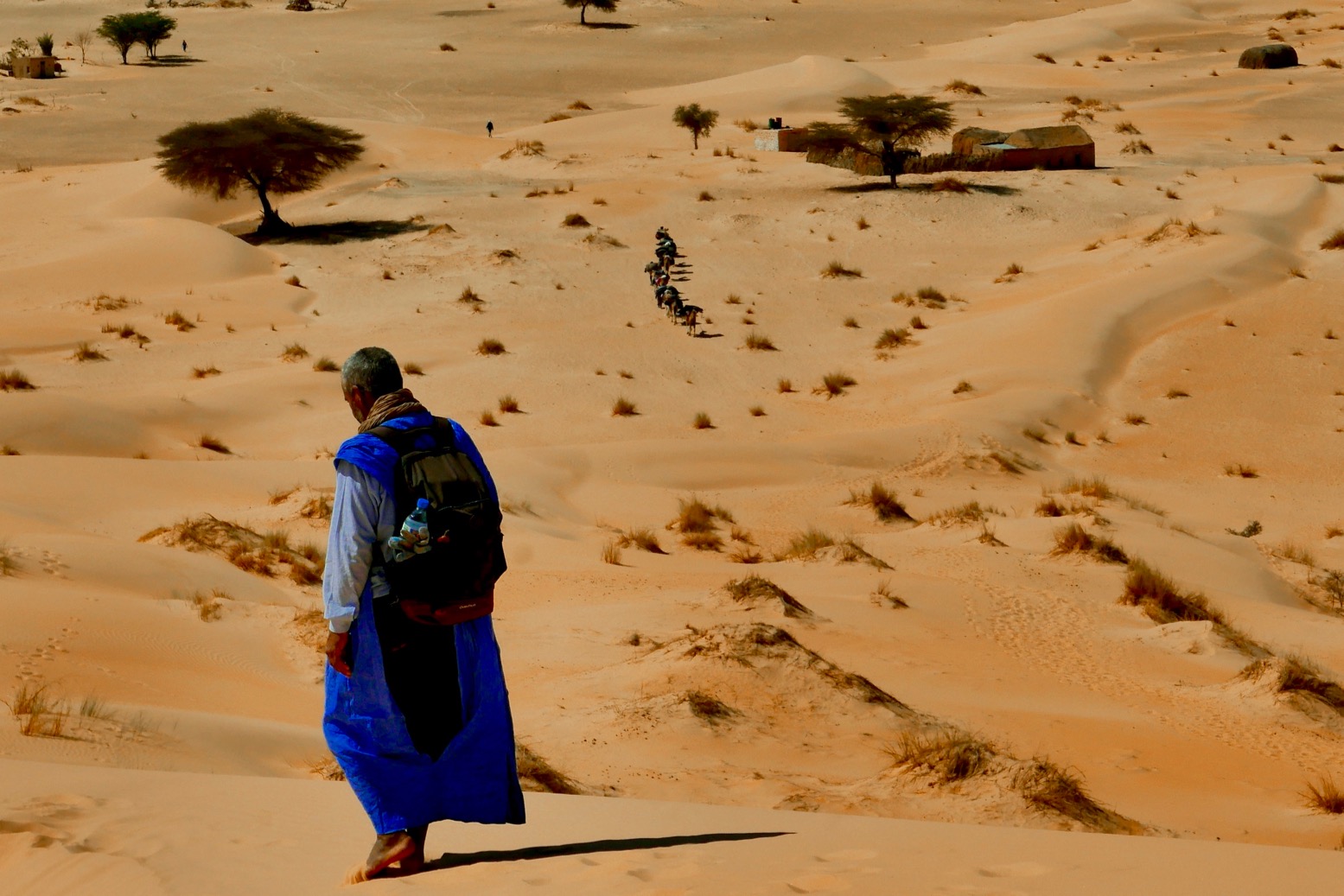
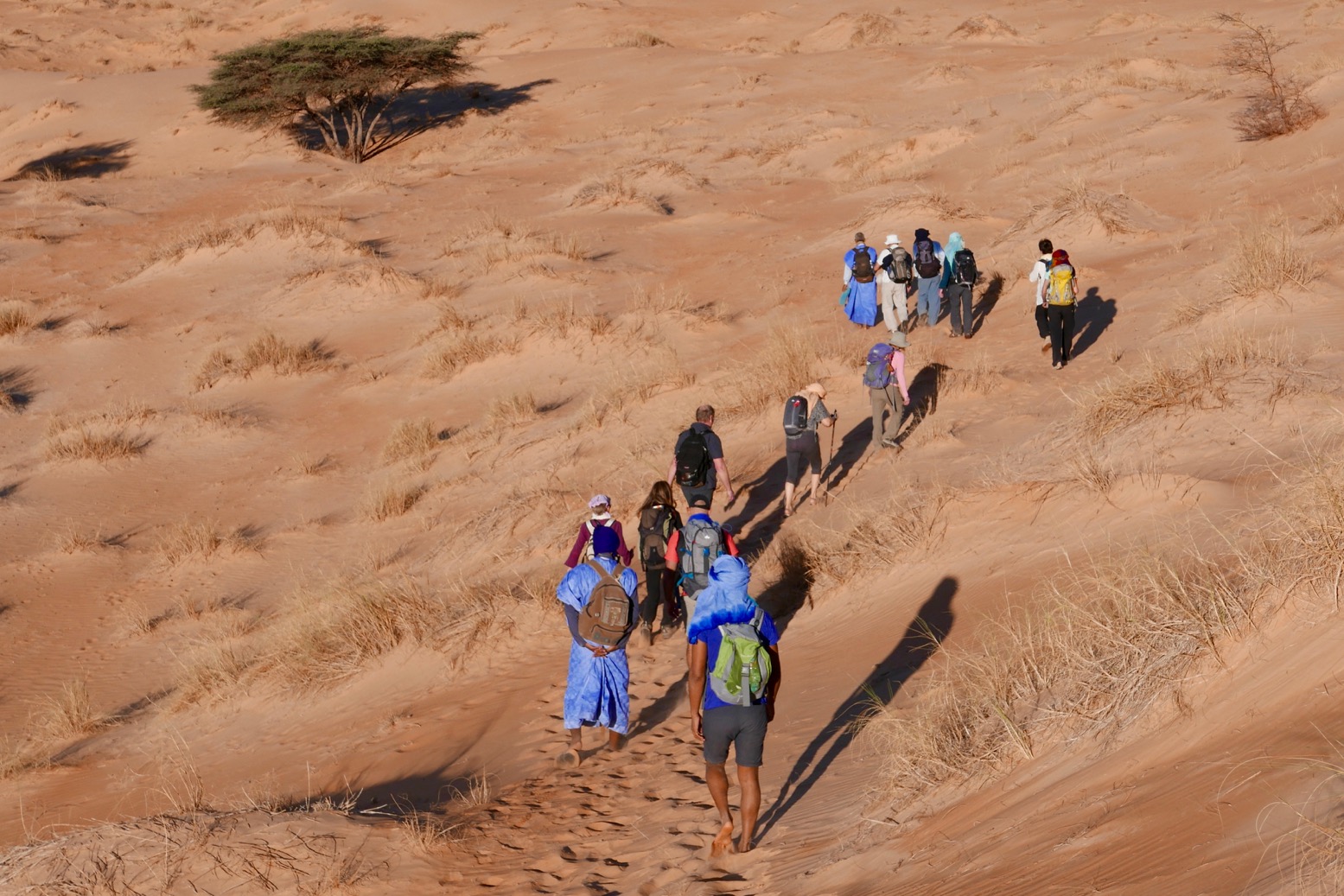
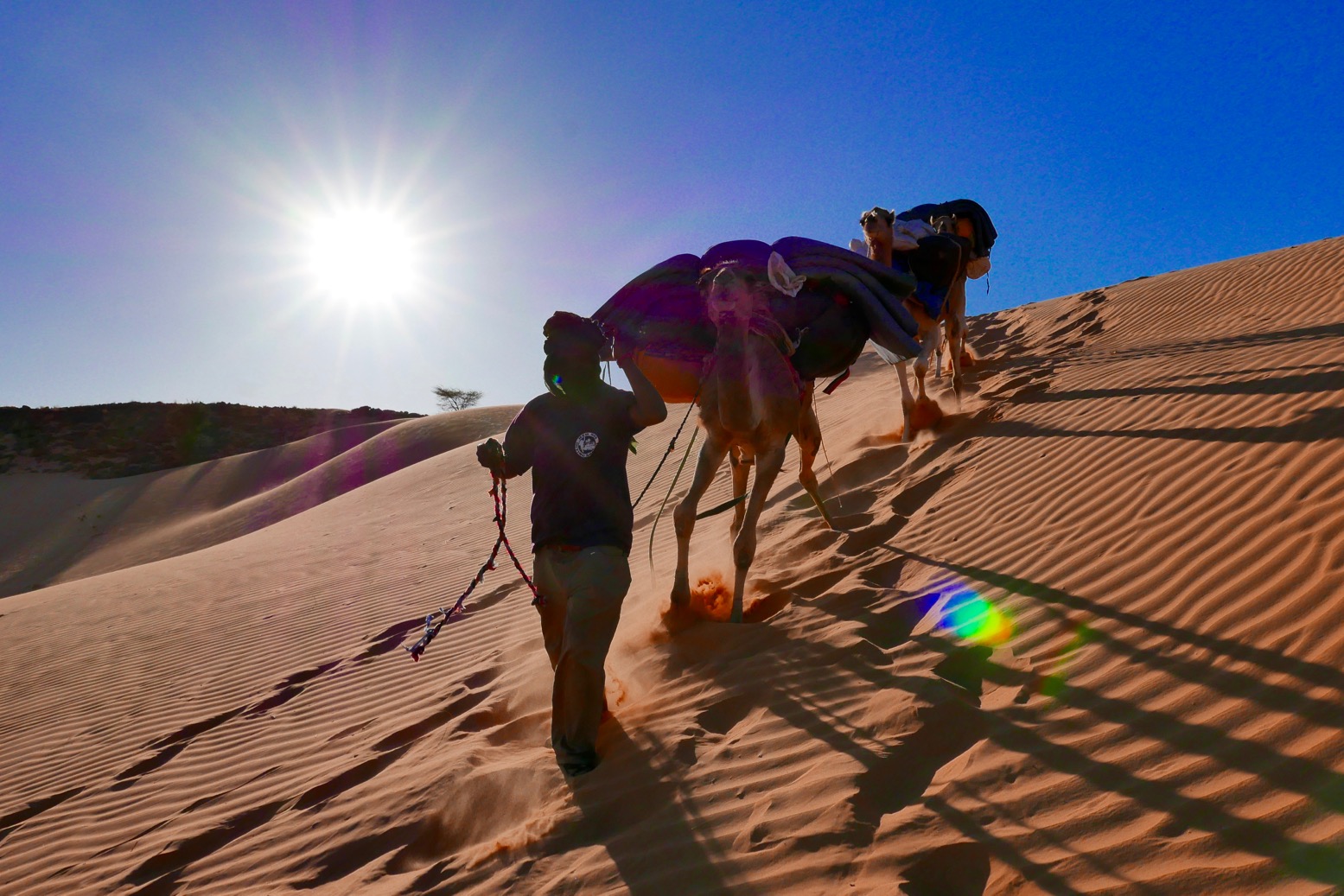
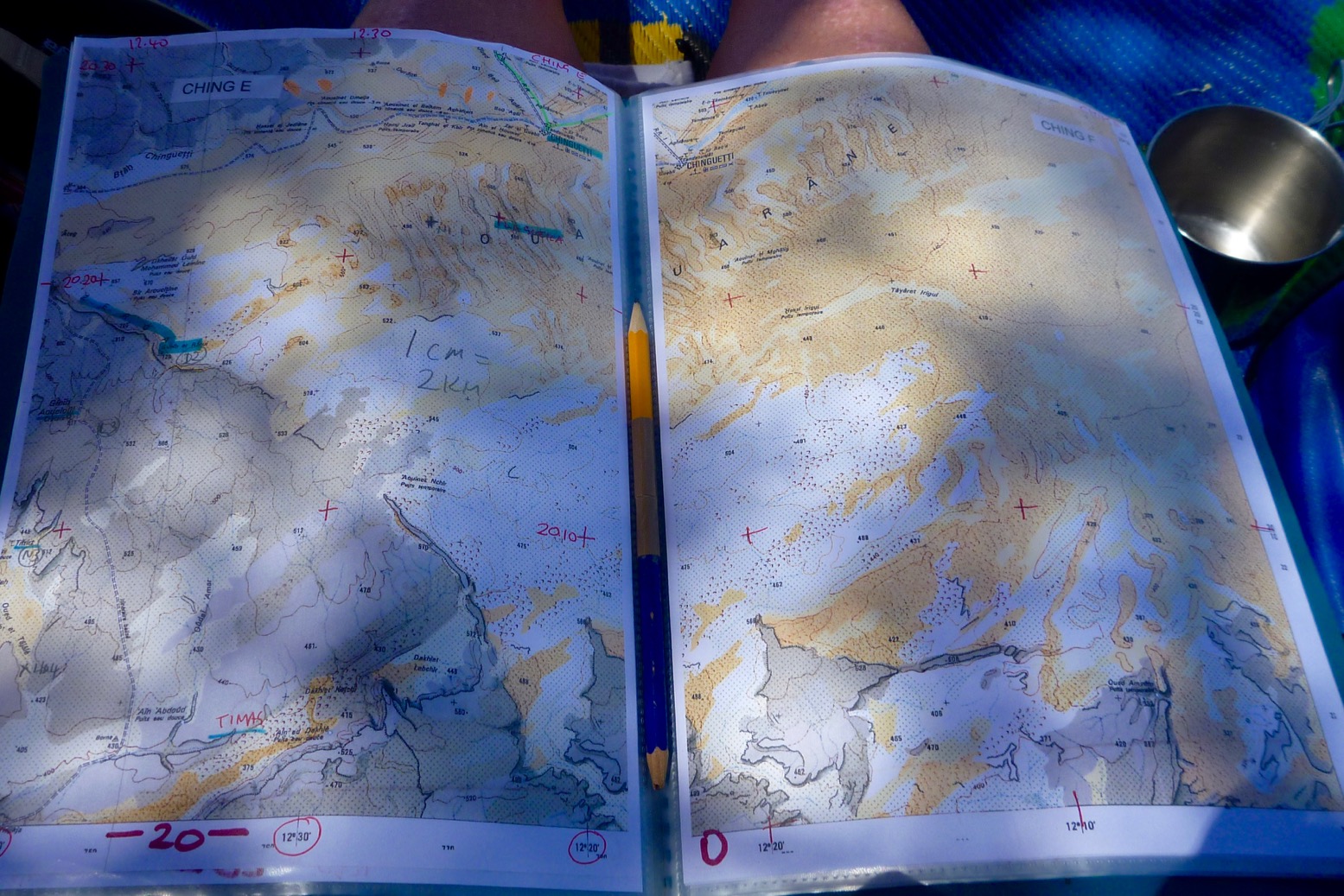
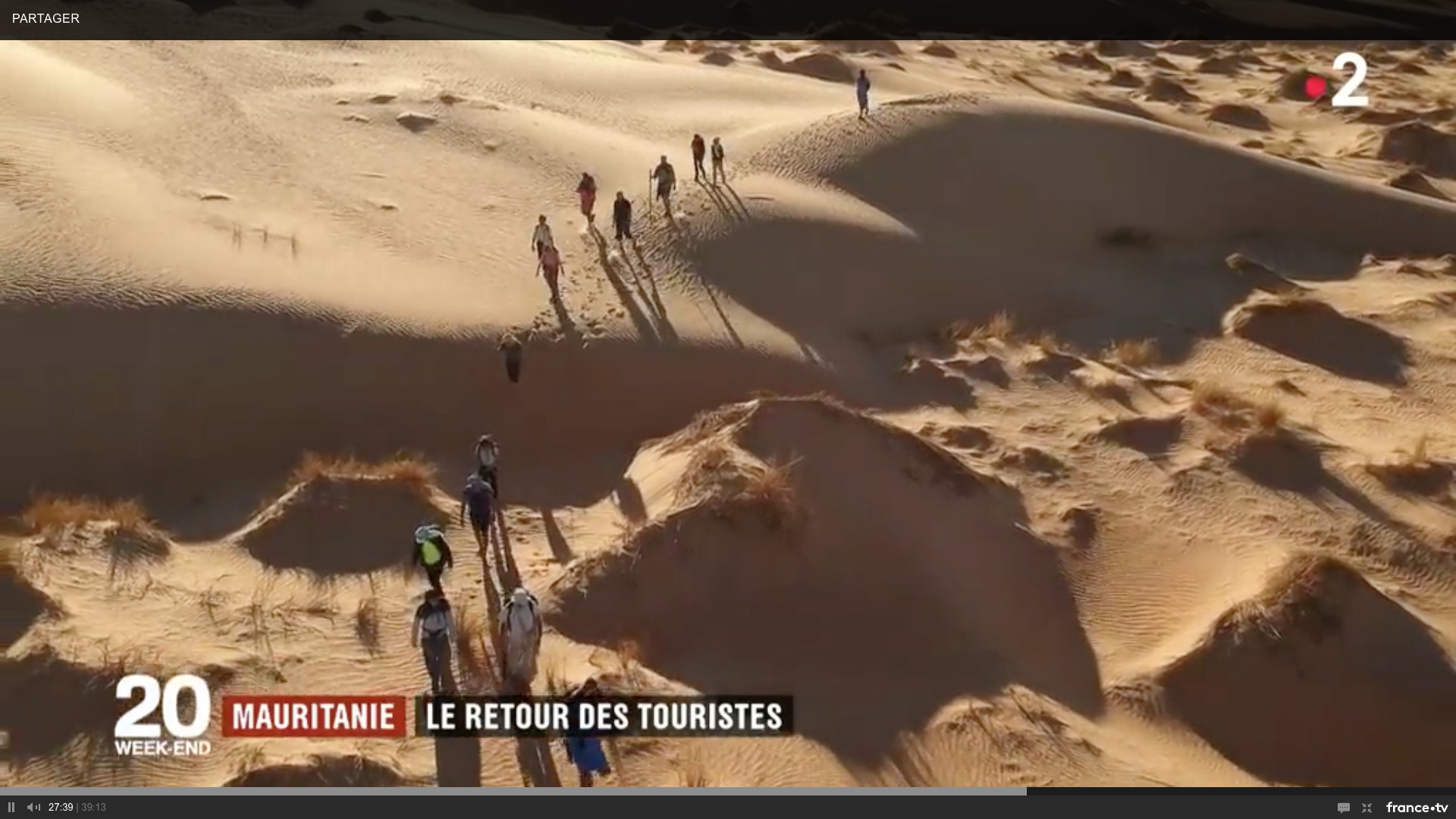
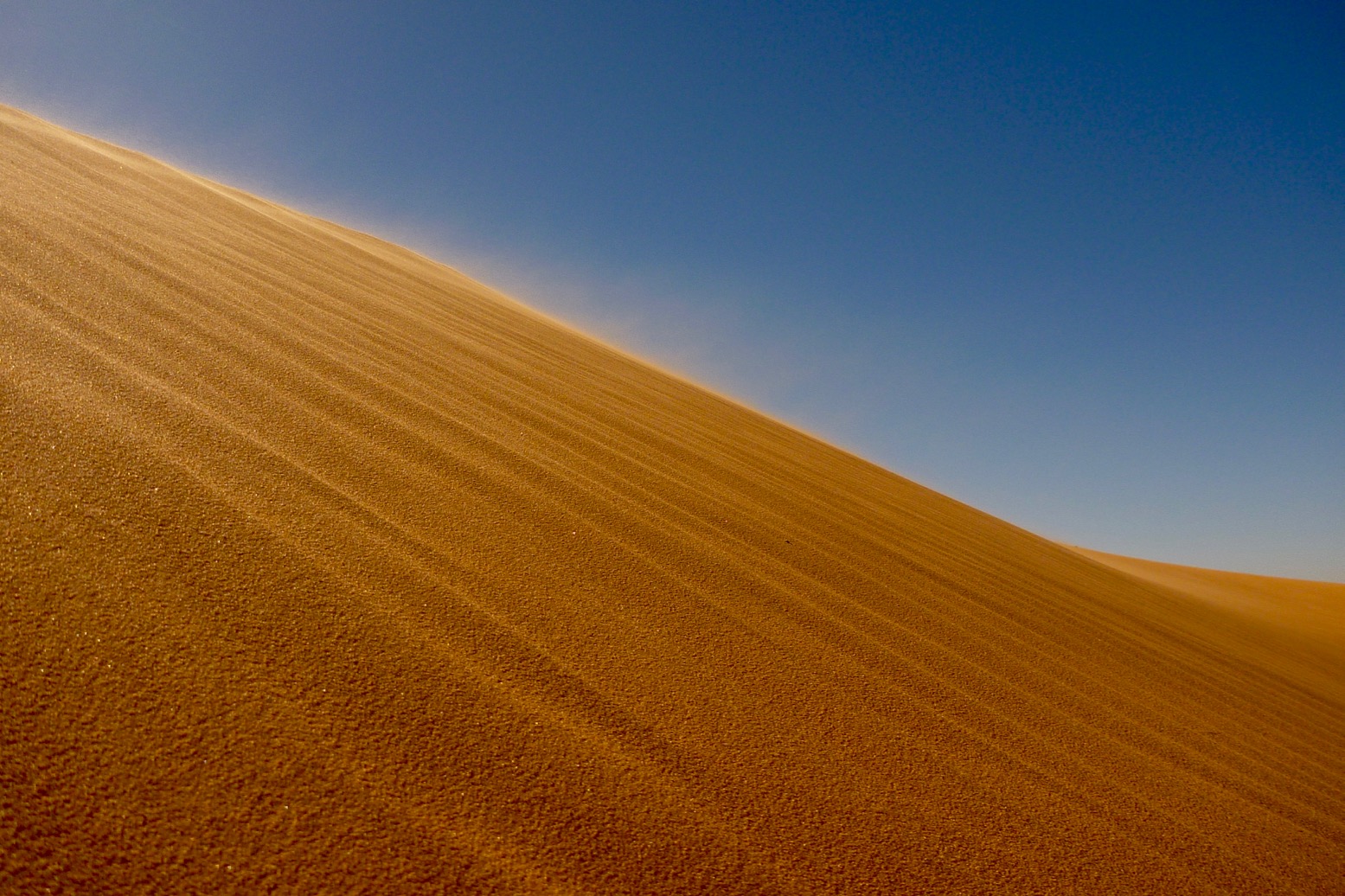
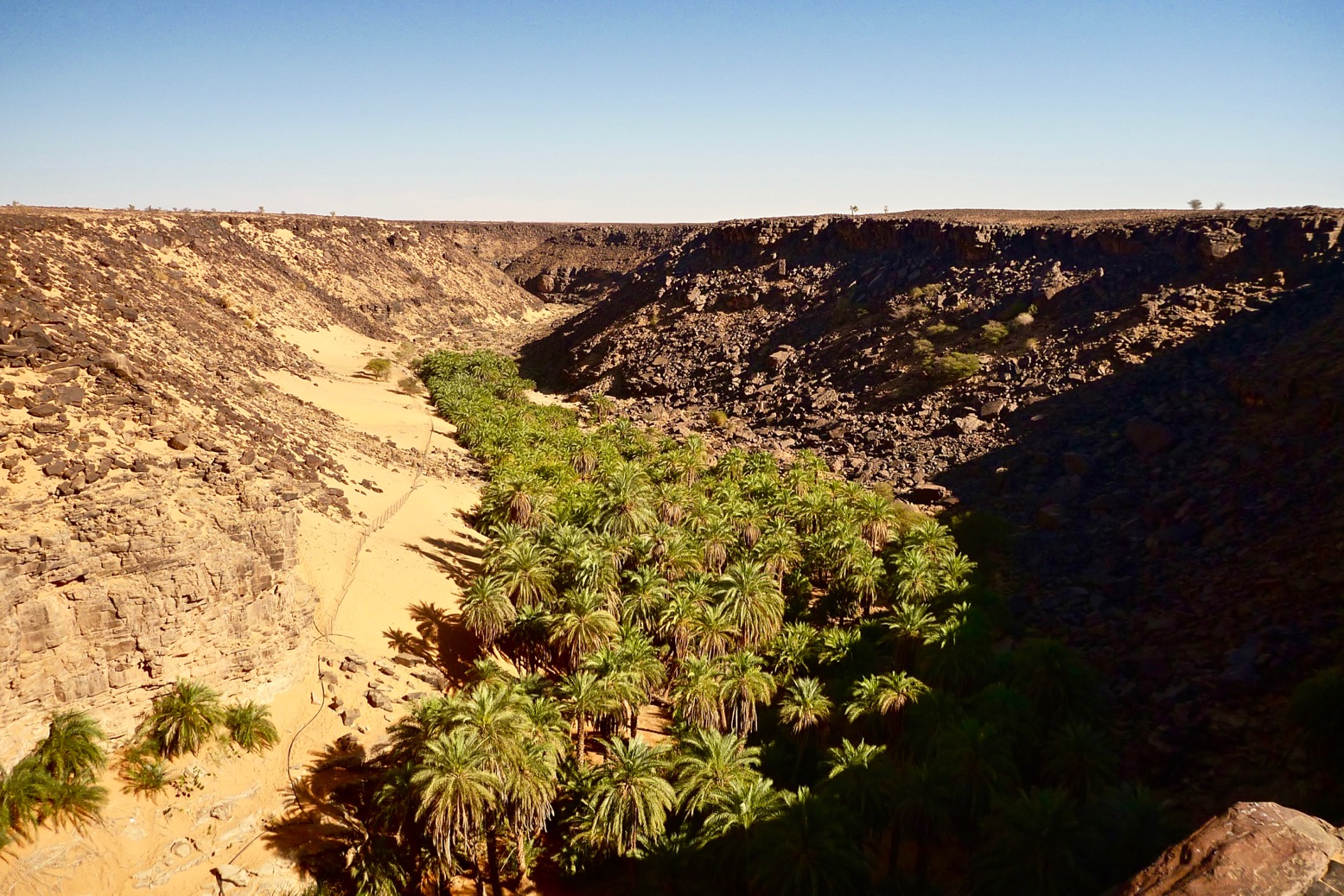
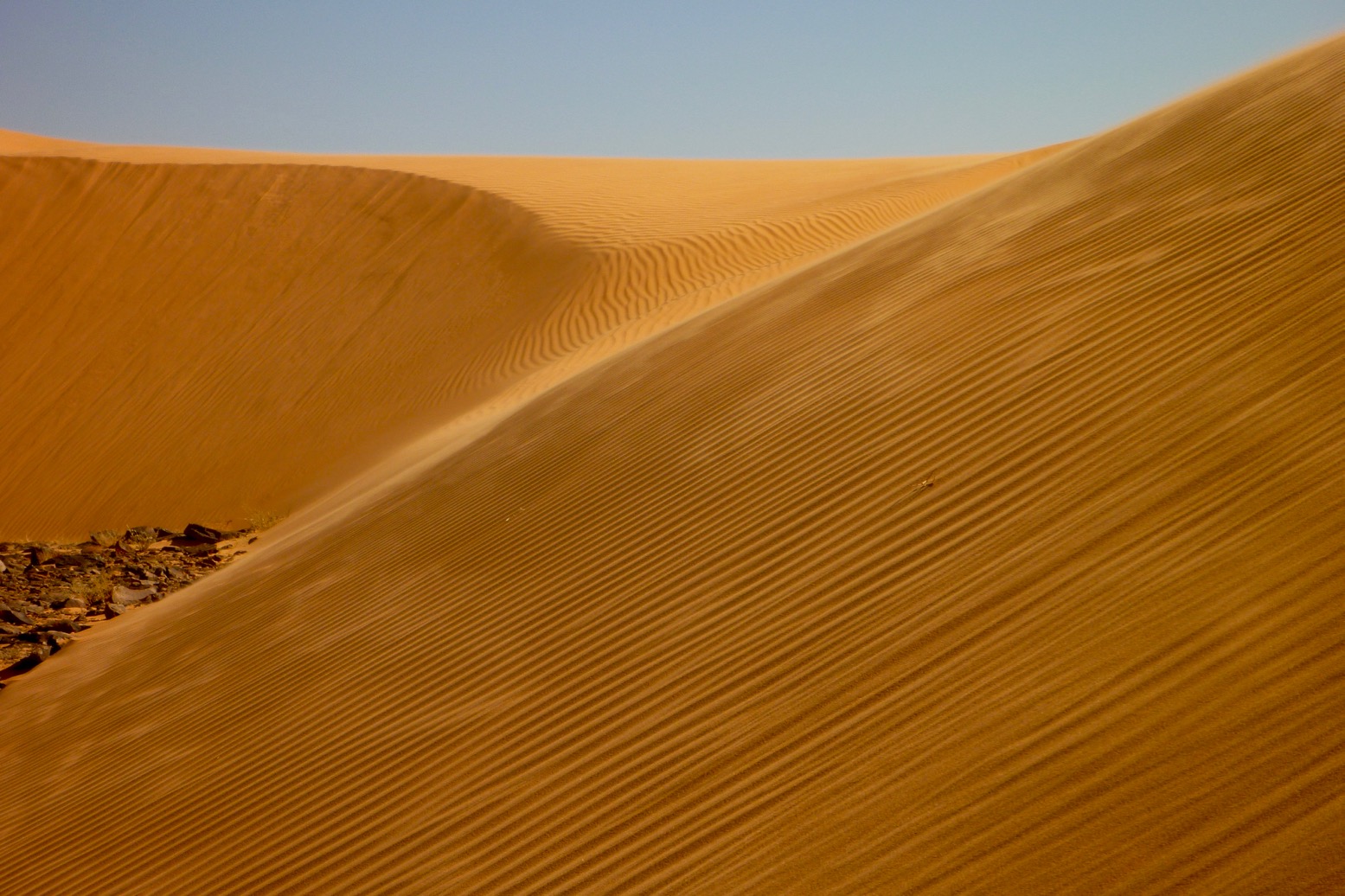
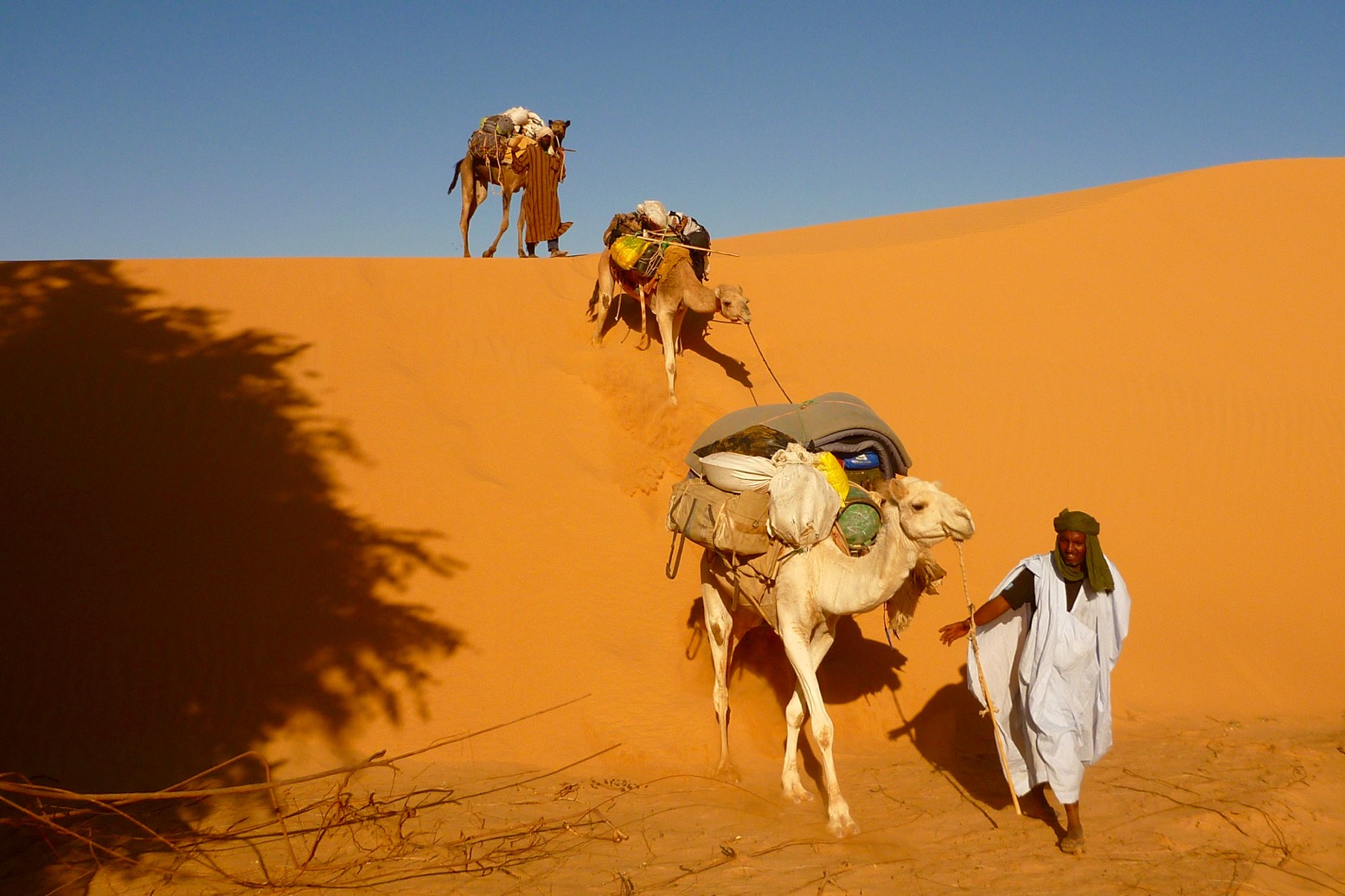
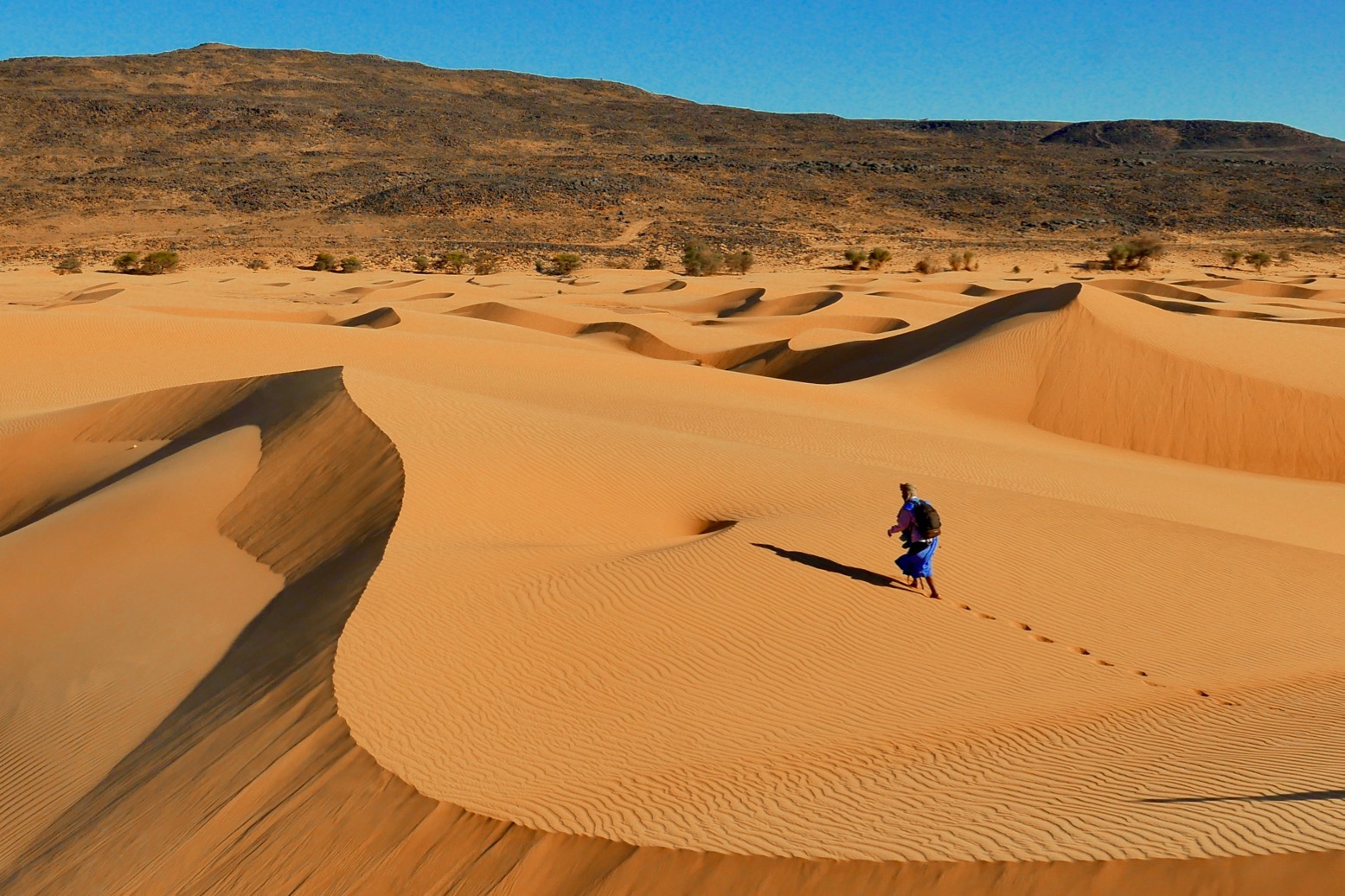
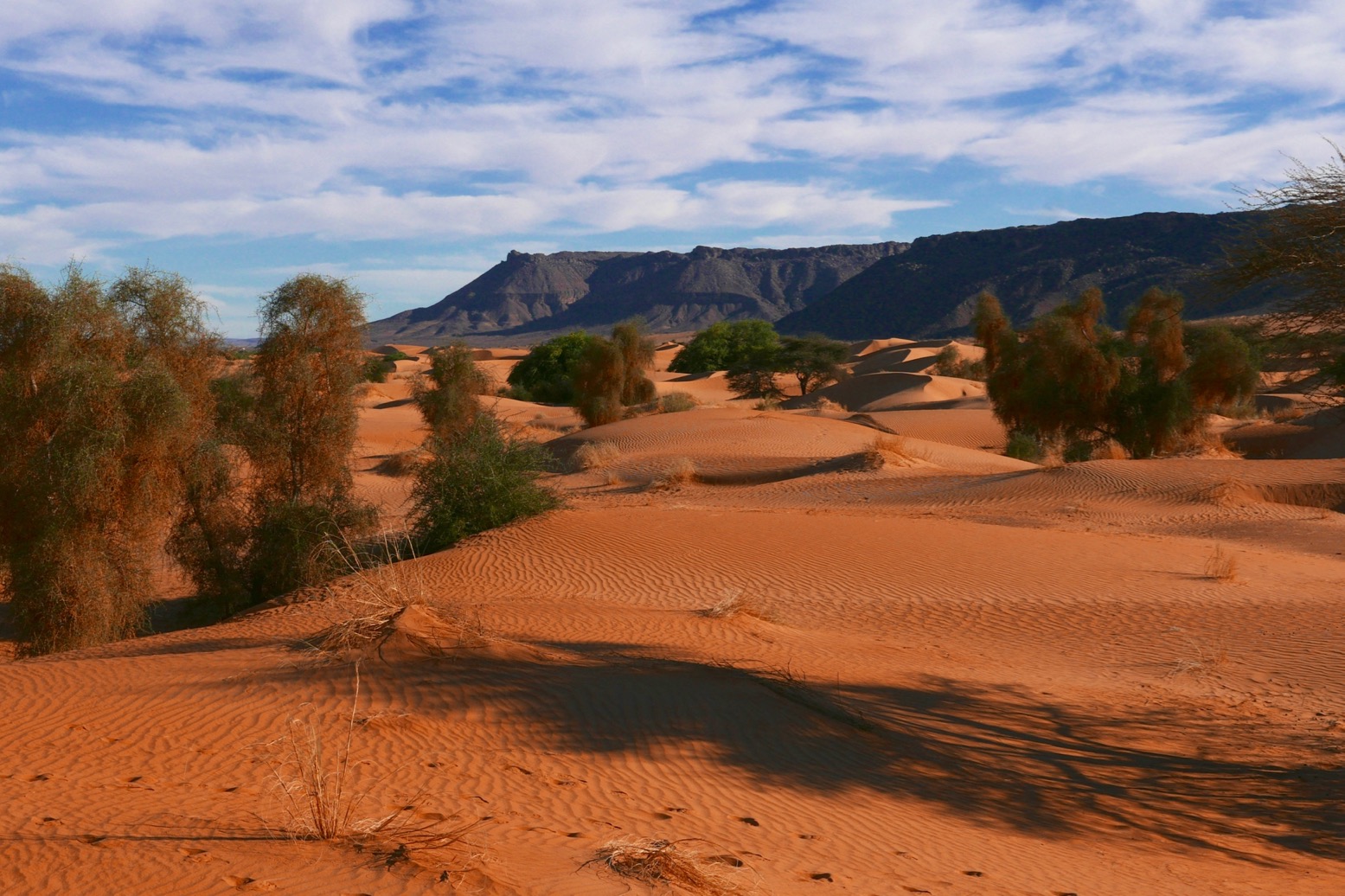
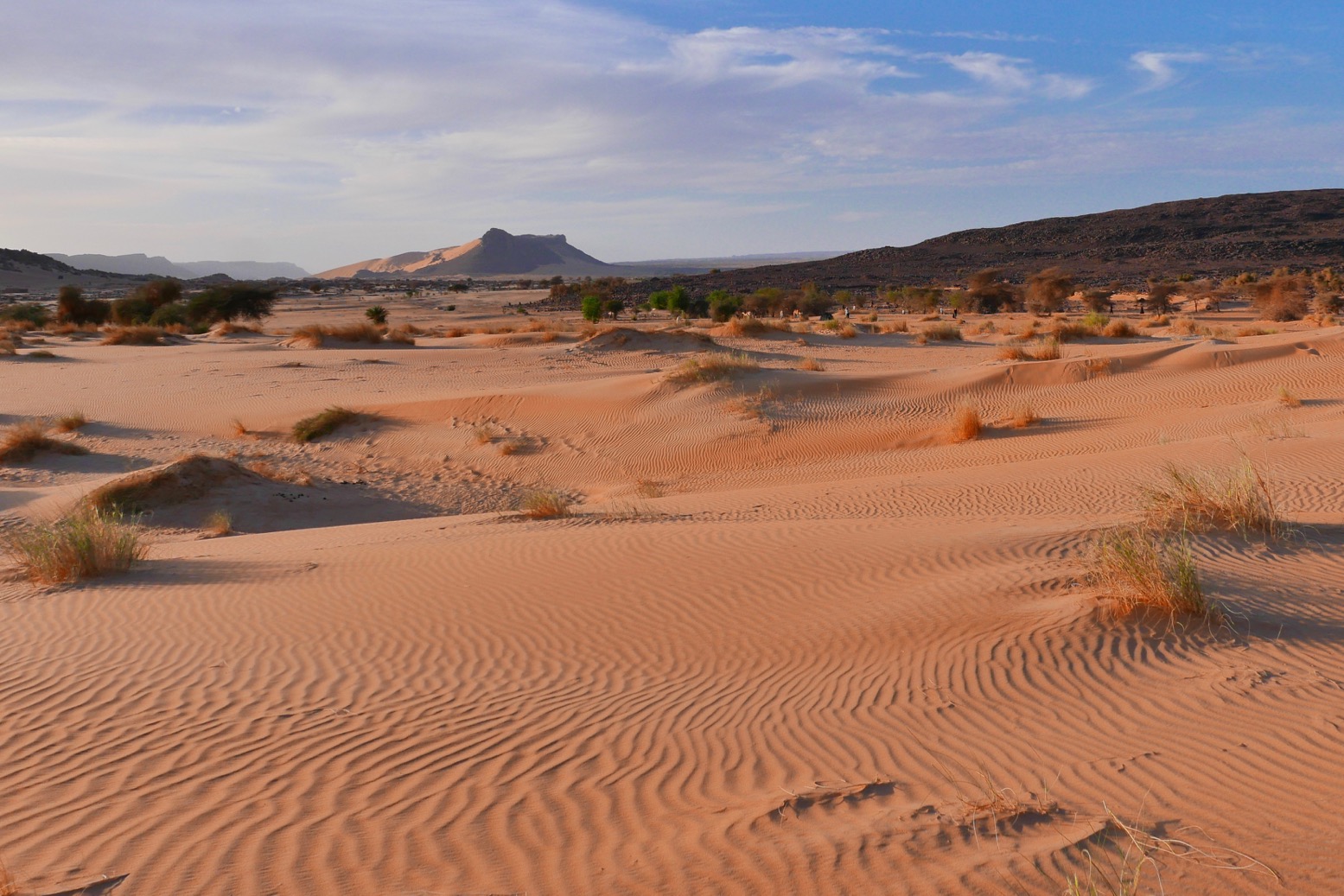
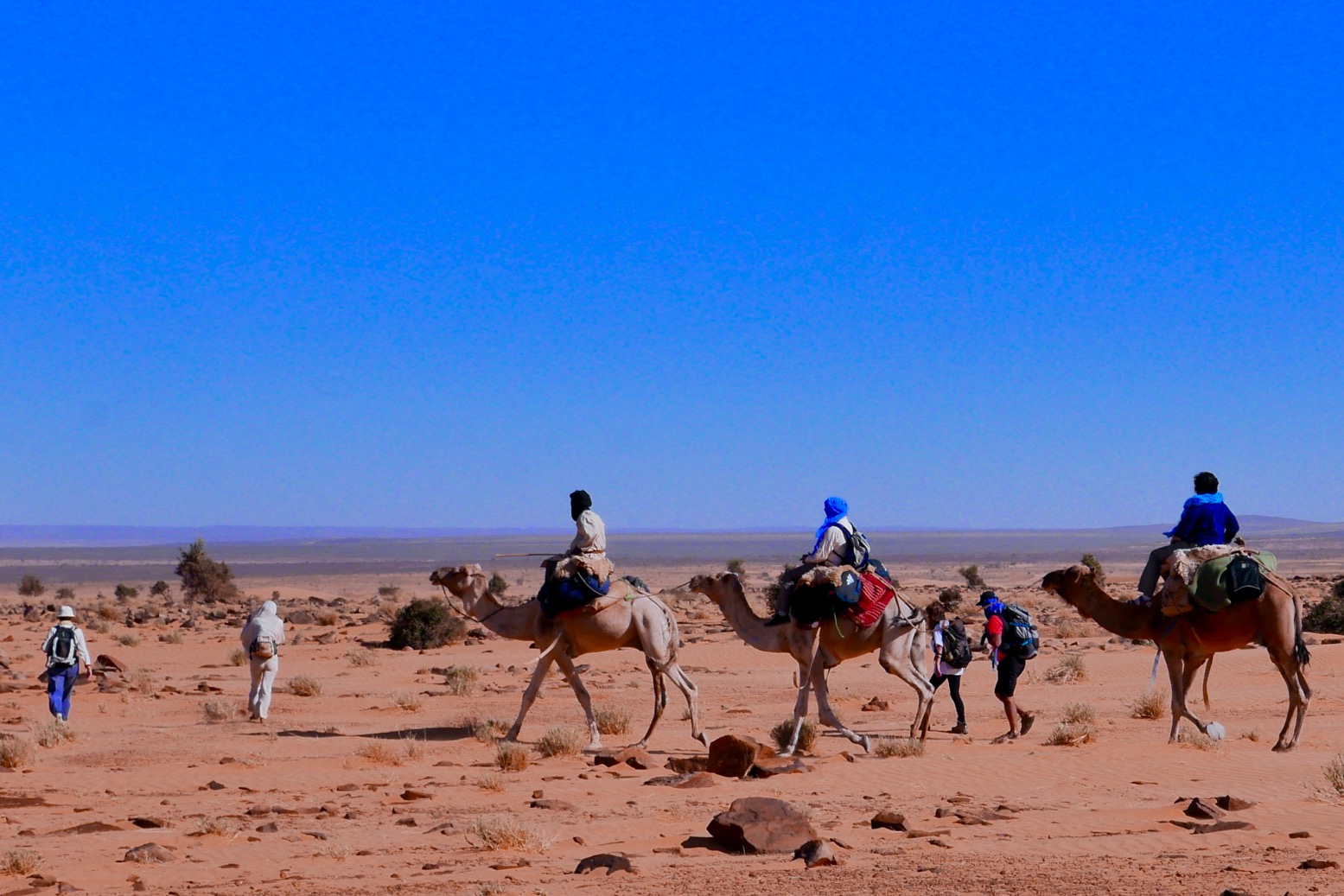
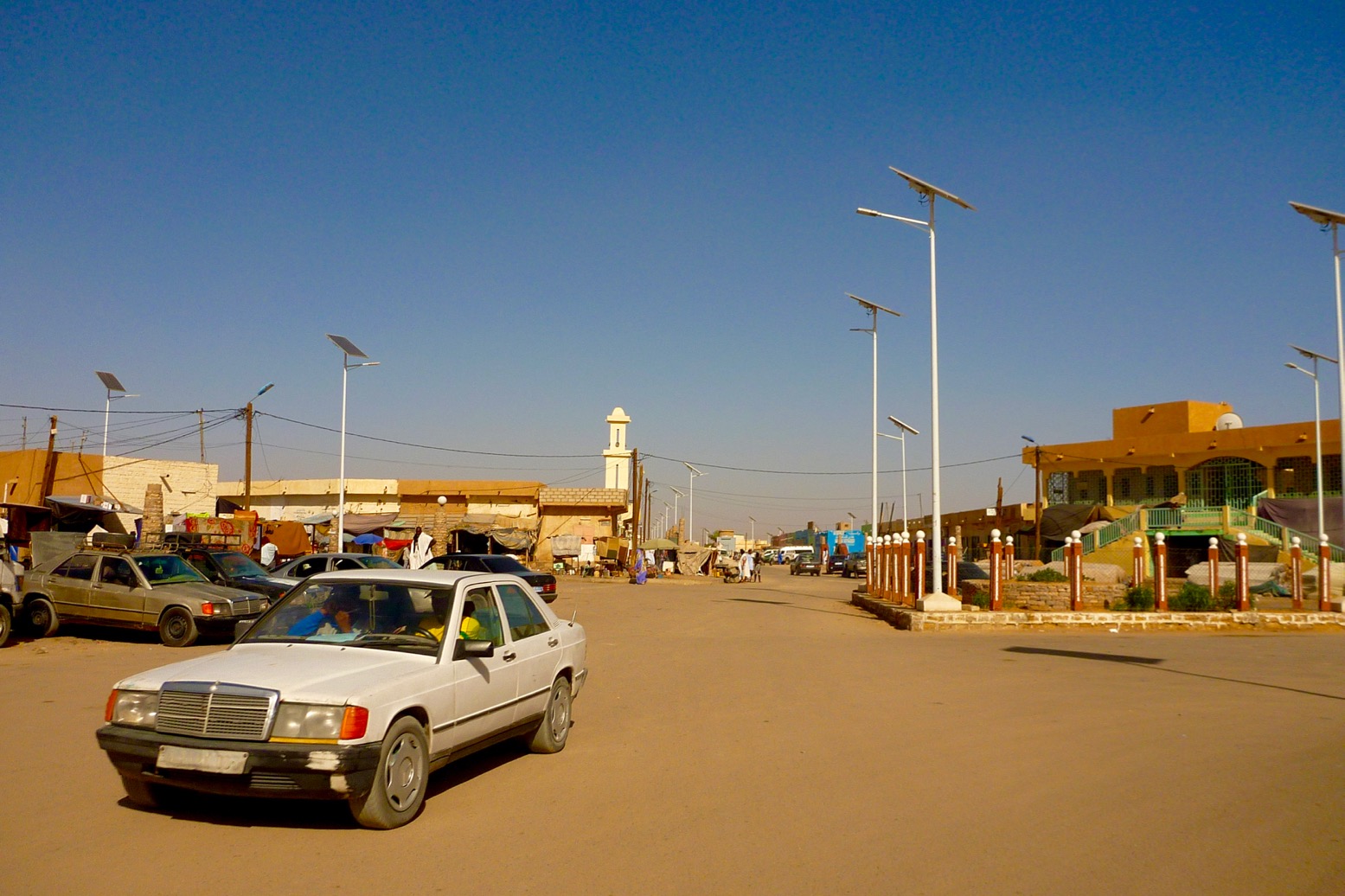
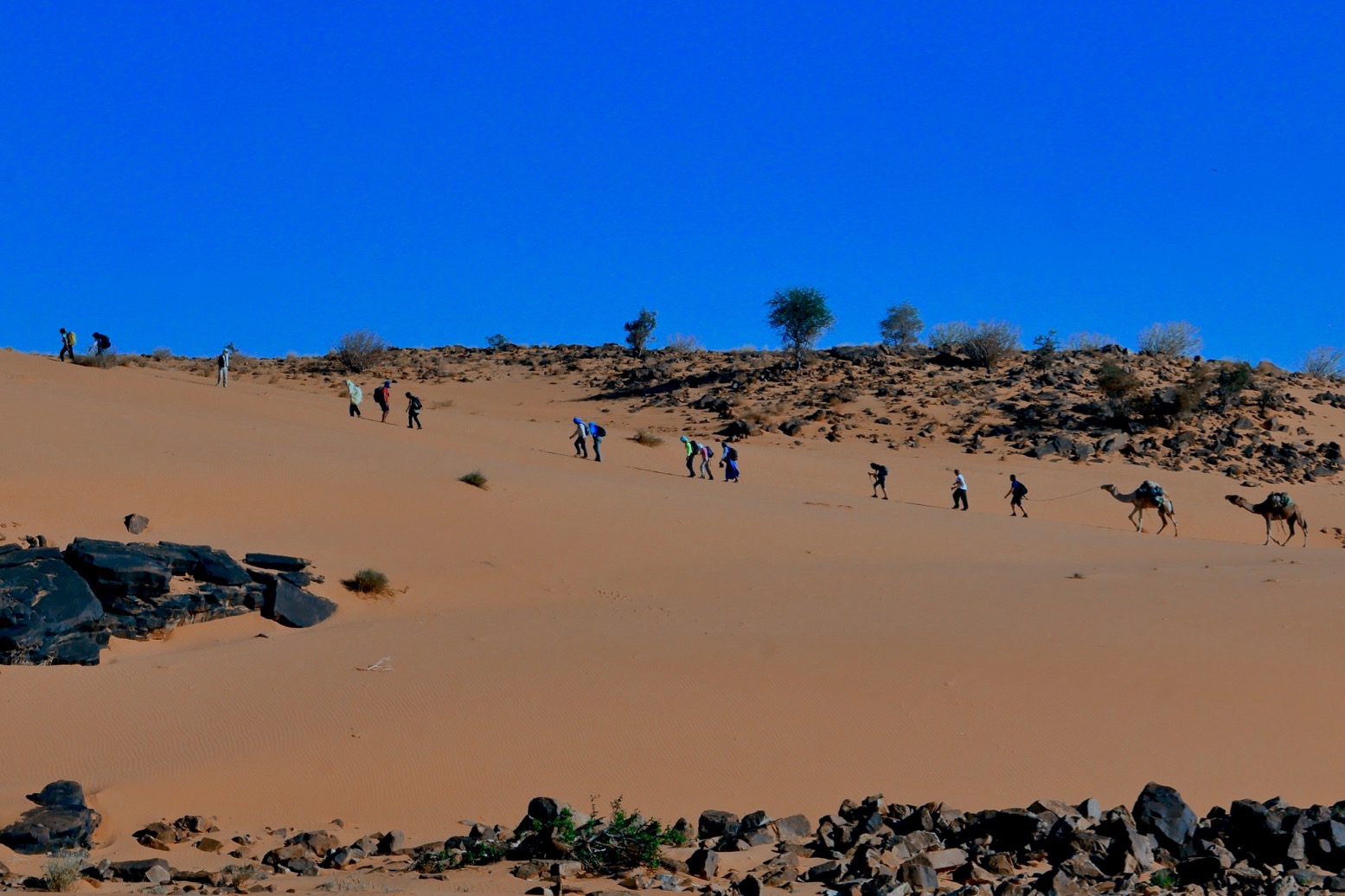
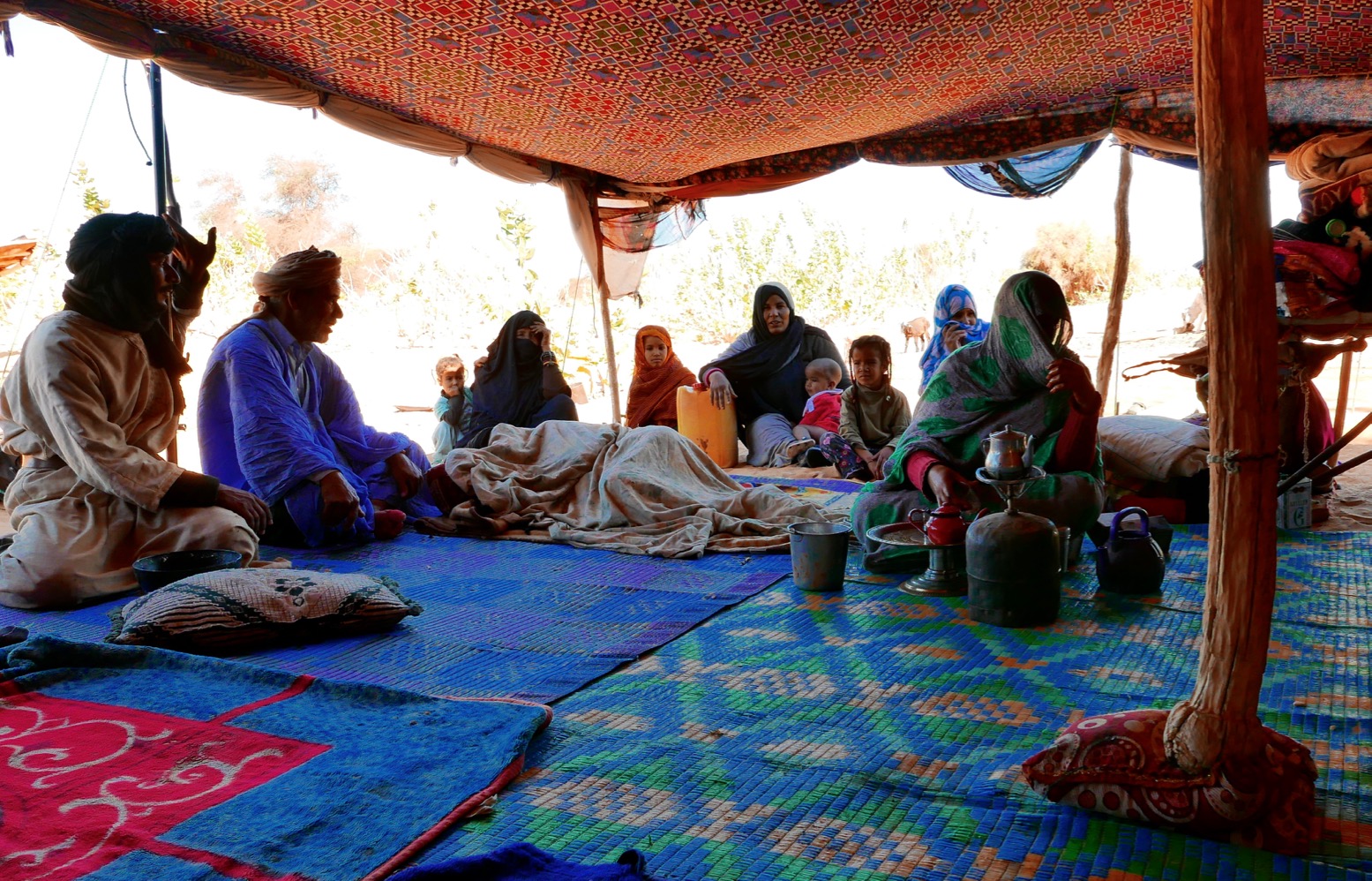
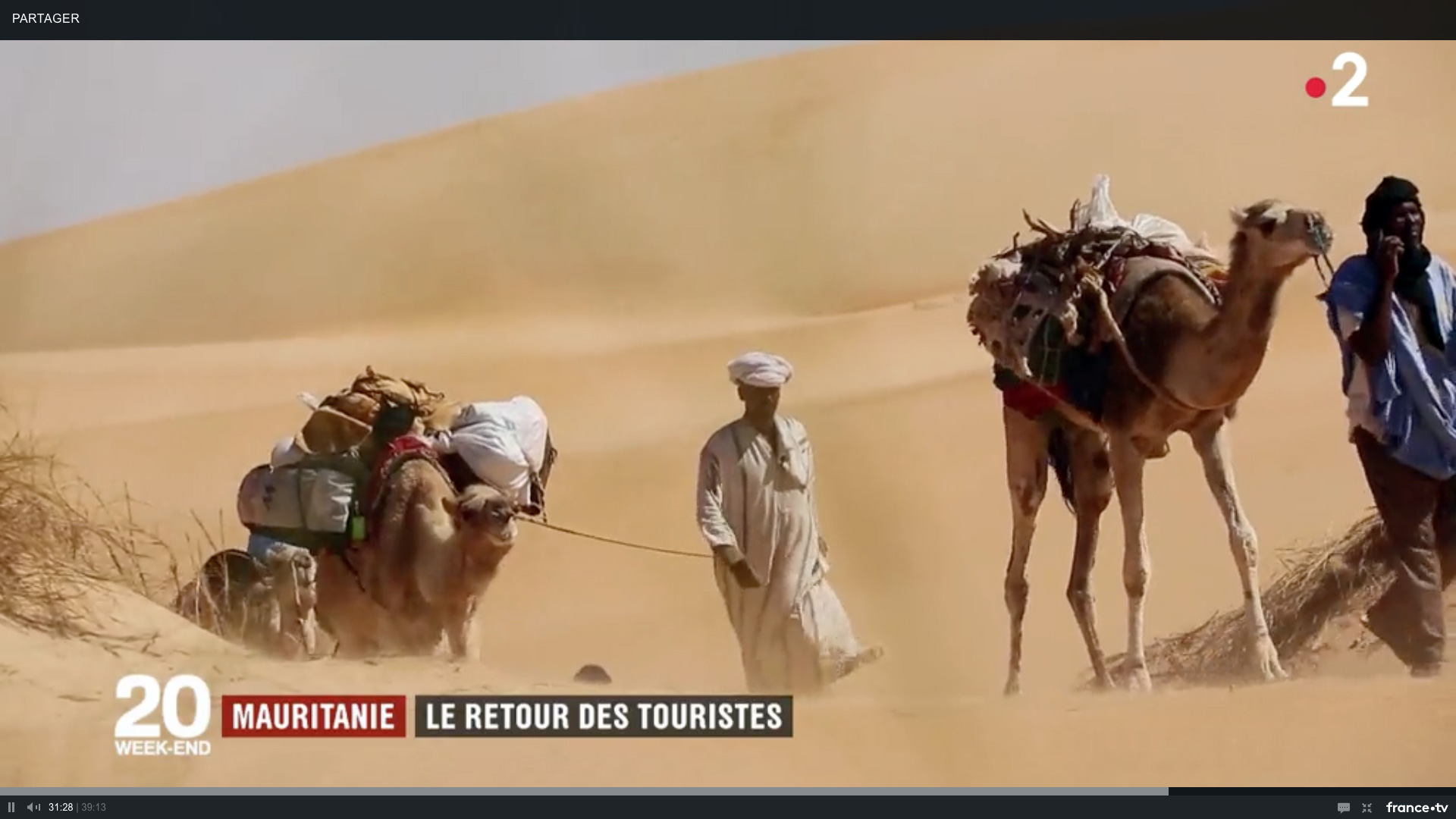
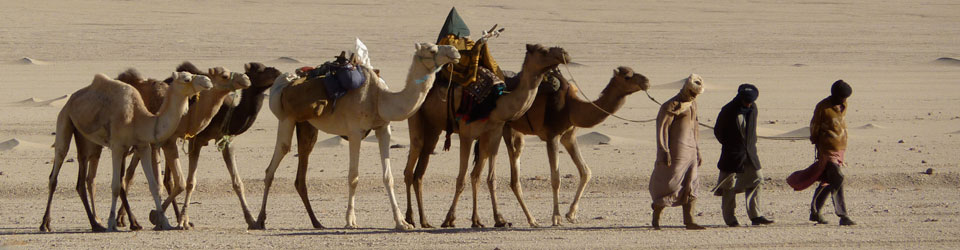
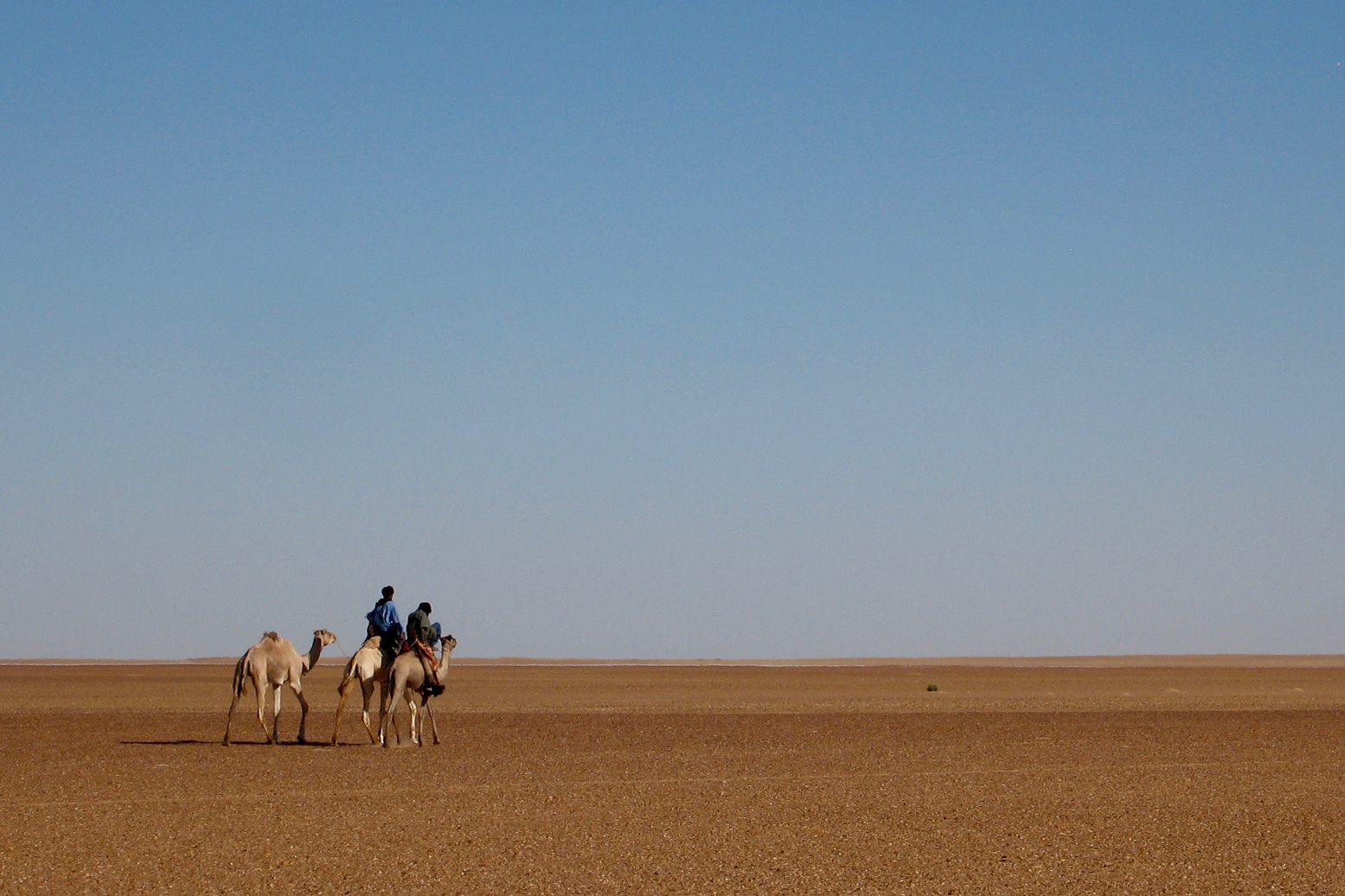
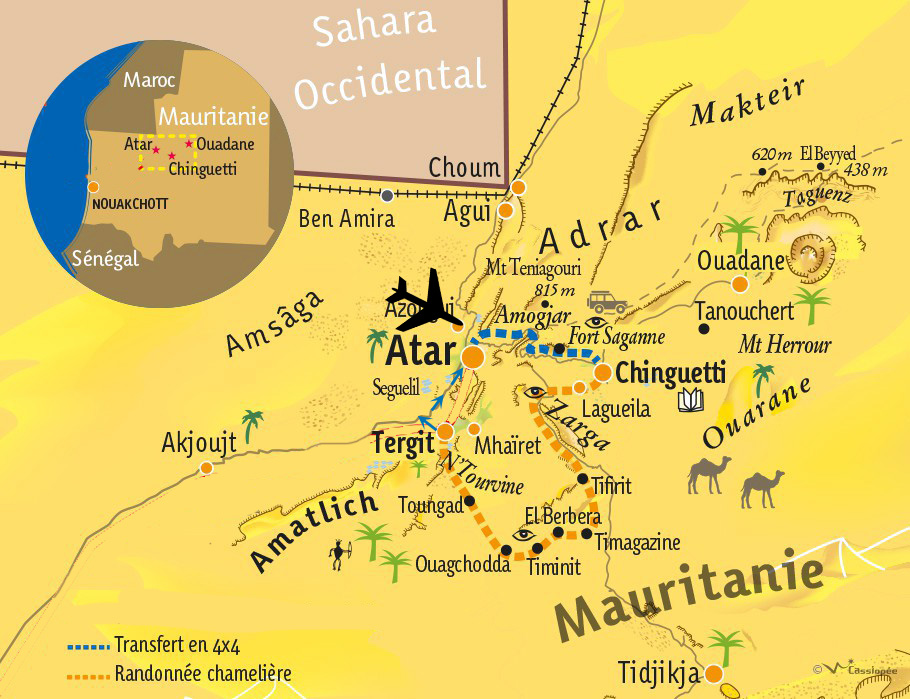
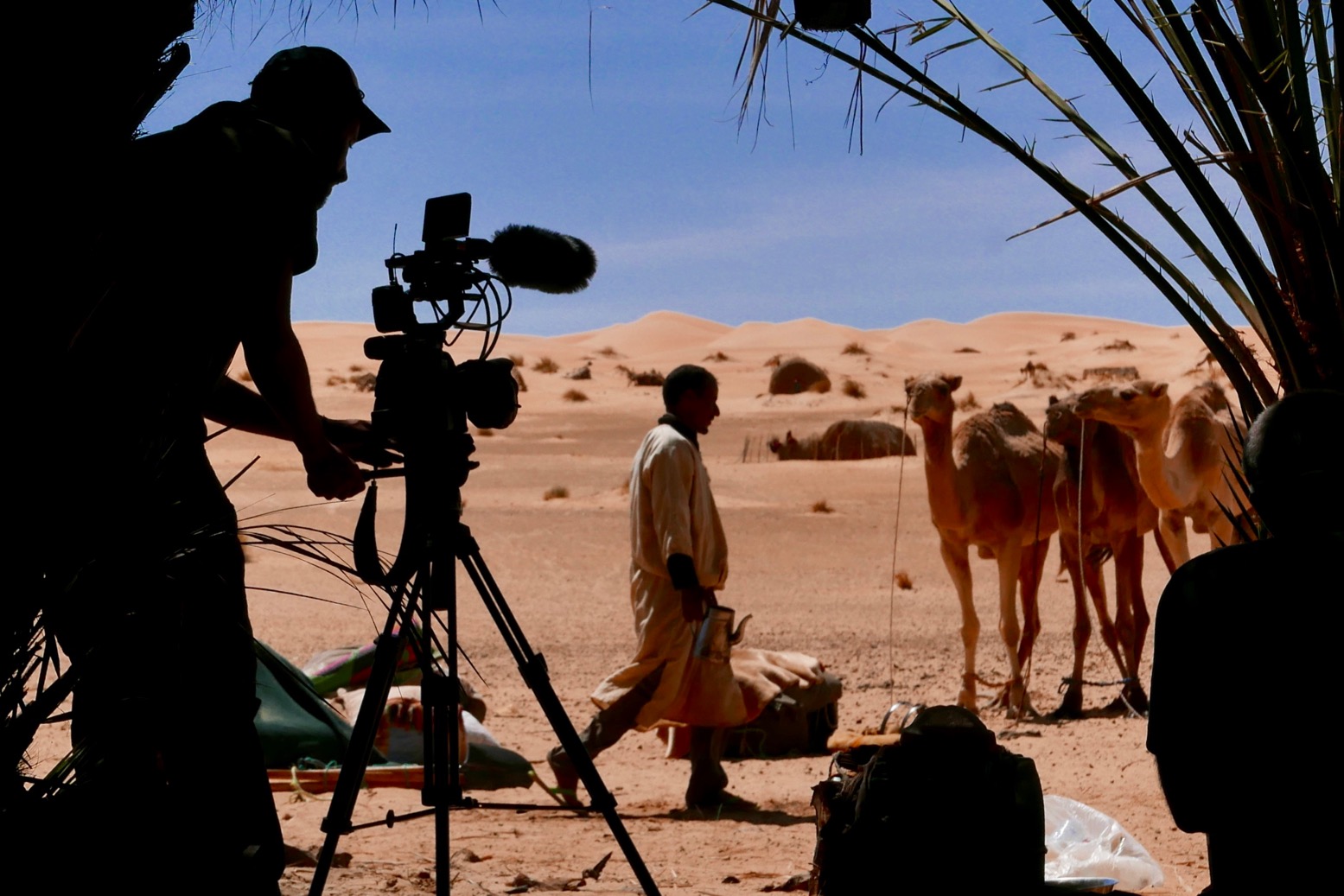
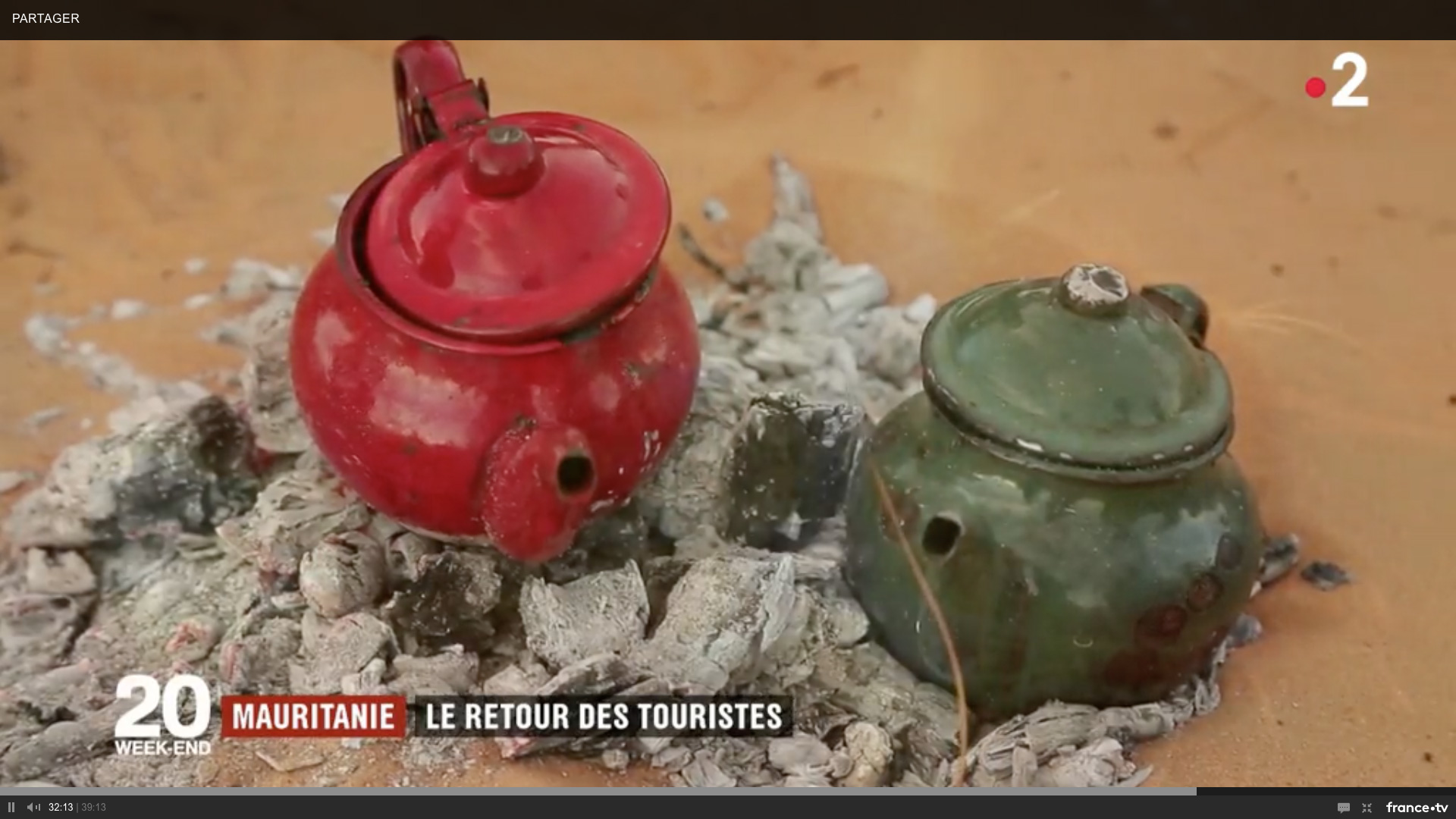
Just back from a two-week camel trek in Mauritania, walking with a mostly French group of 14 from Chinguetti (‘la Sorbonne du desert’) to Terjit (map, left), about 150km. For the first two days over the dunes we were accompanied by a crew filming a report for a French TV station on the return of tourism to Mauritania (see below).
Of course tourism never really stopped for independent travellers (compared to Algeria)  and despite the killings and kidnap
pings of a few years ago (including an entire French family in 2007, right). But the recent resumption of charter flights bringing much bigger groups from Paris directly to Atar (not via Nouakchott) was something for local tour operators to celebrate. It is probably the result of revised travel advice issued by the French Ministry of Foreign Affairs (left). You’ll see they critically (and imo, correctly) extend the ‘travel if you must’ orange zone further east compared to the British FCO. It makes all the difference for local tourism because in that orange zone most of what most people want to see in Mauritania is easily accessible. Our weekly plane chartered by Le Point (with seats sold on to other operators) was packed out.
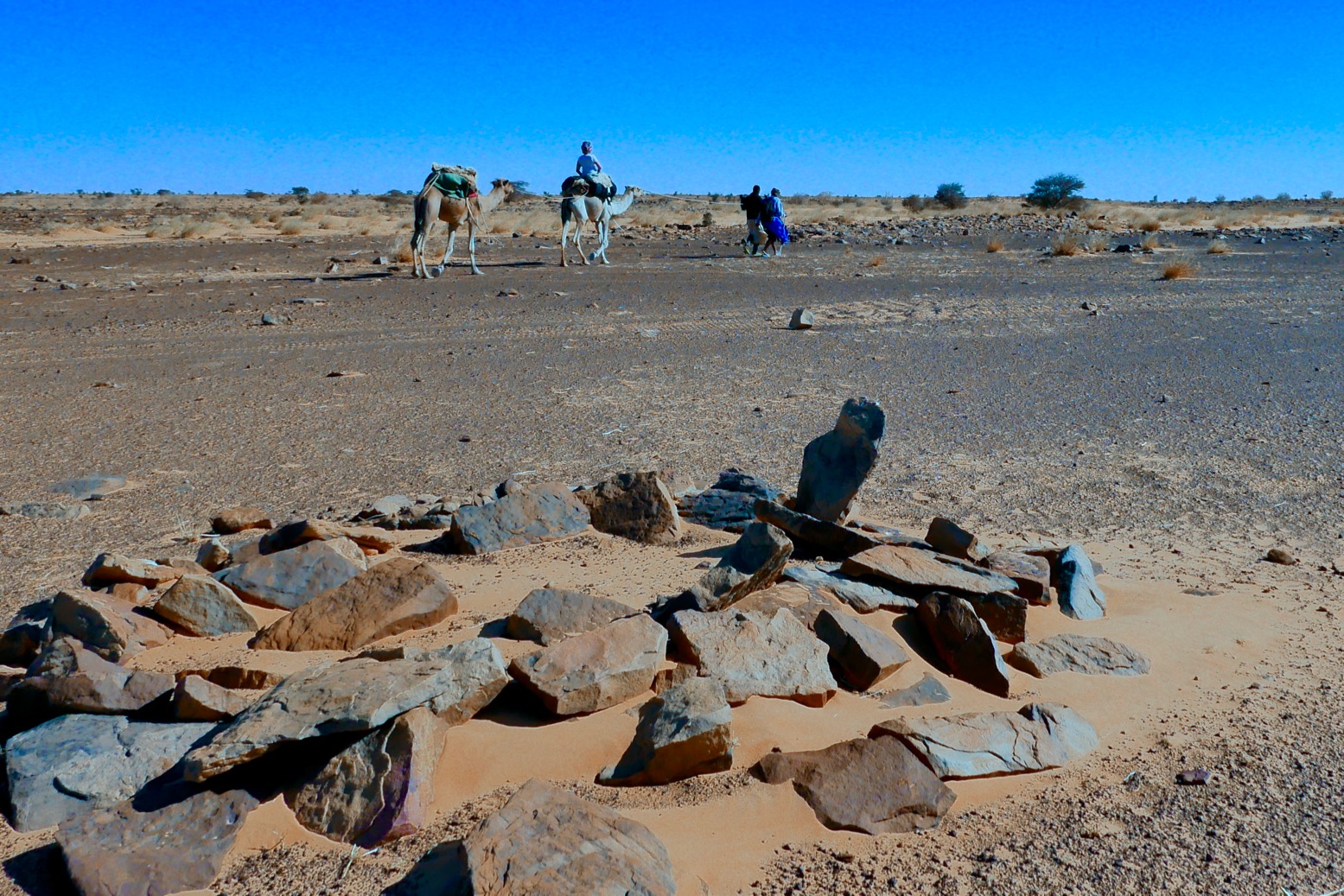
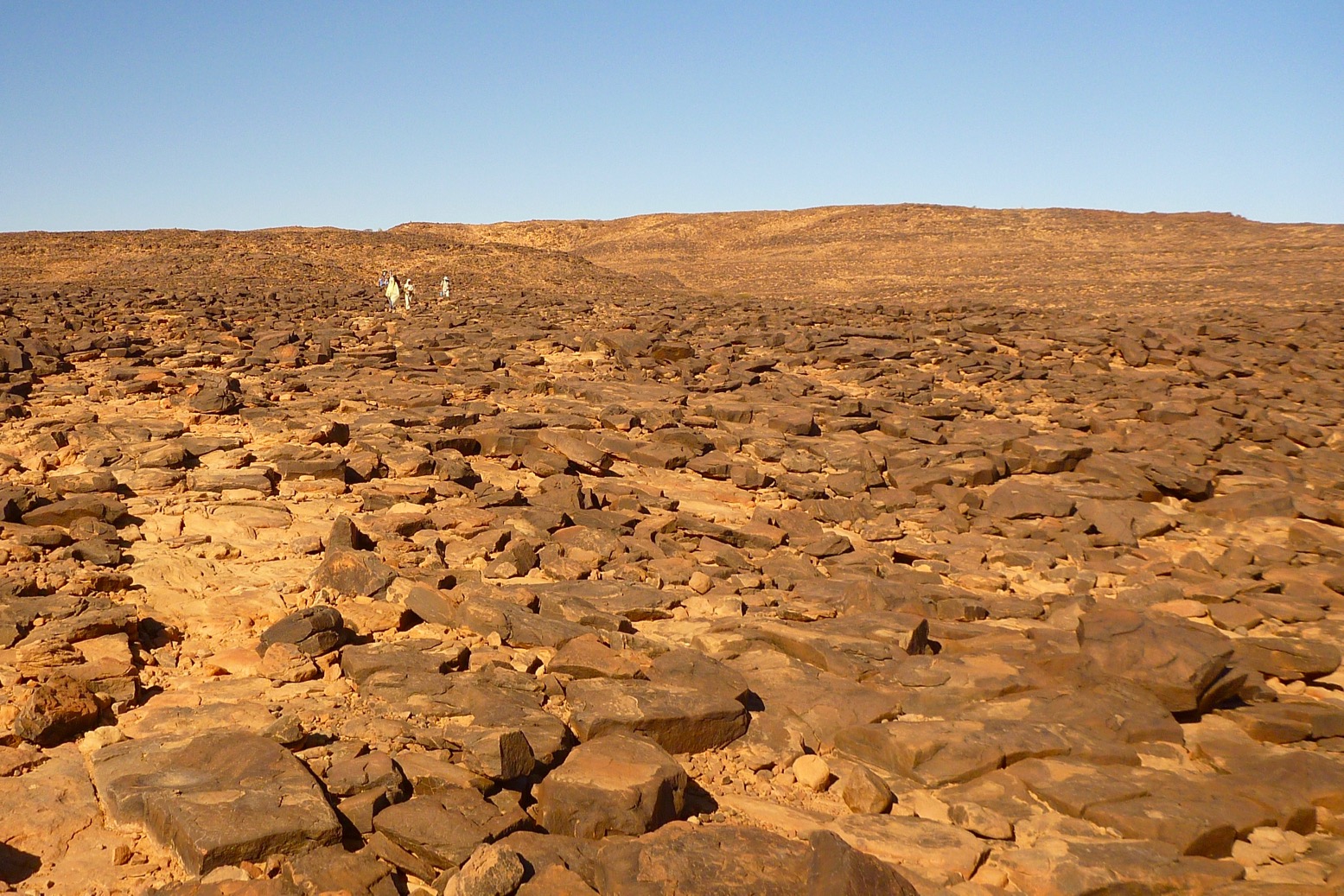
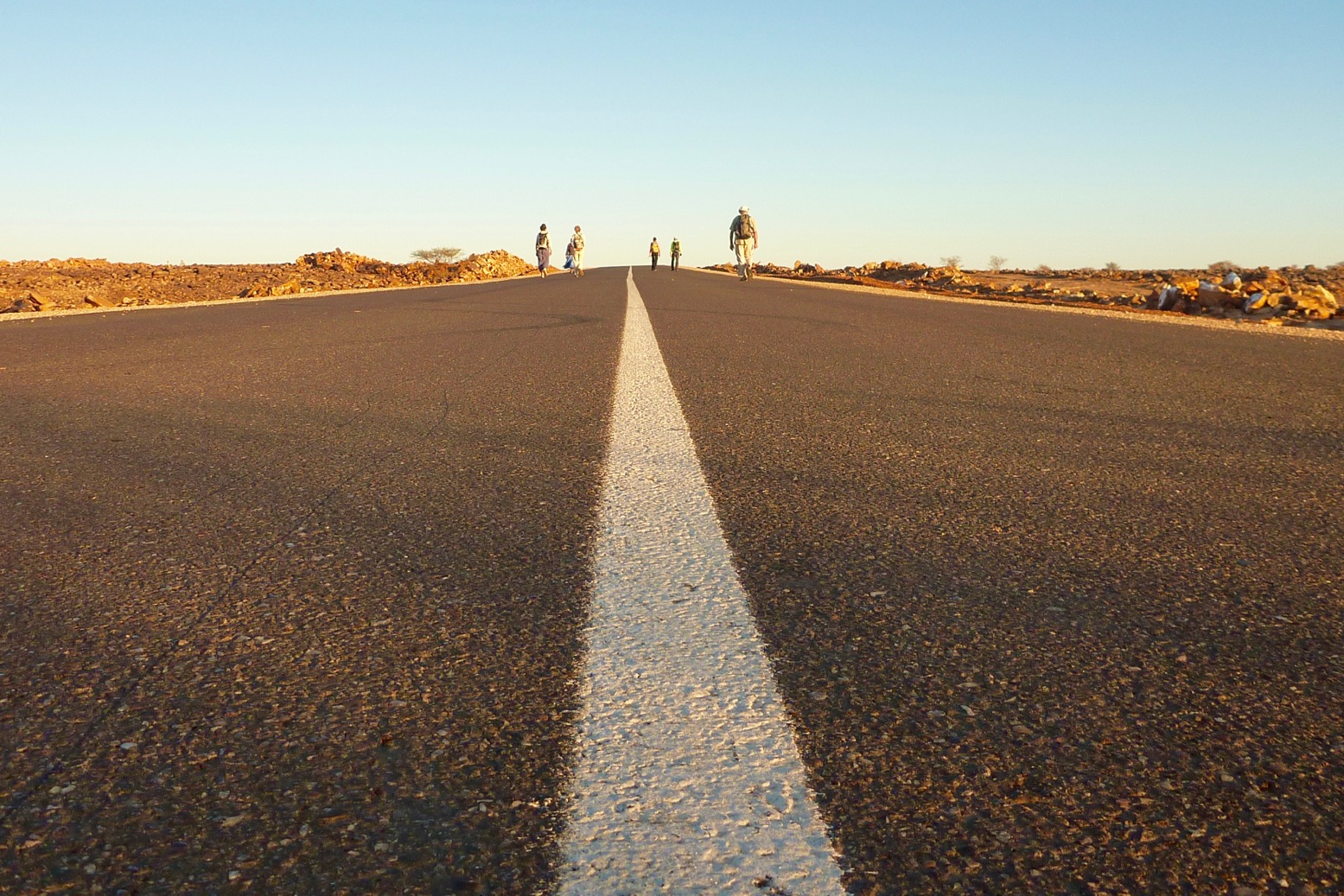
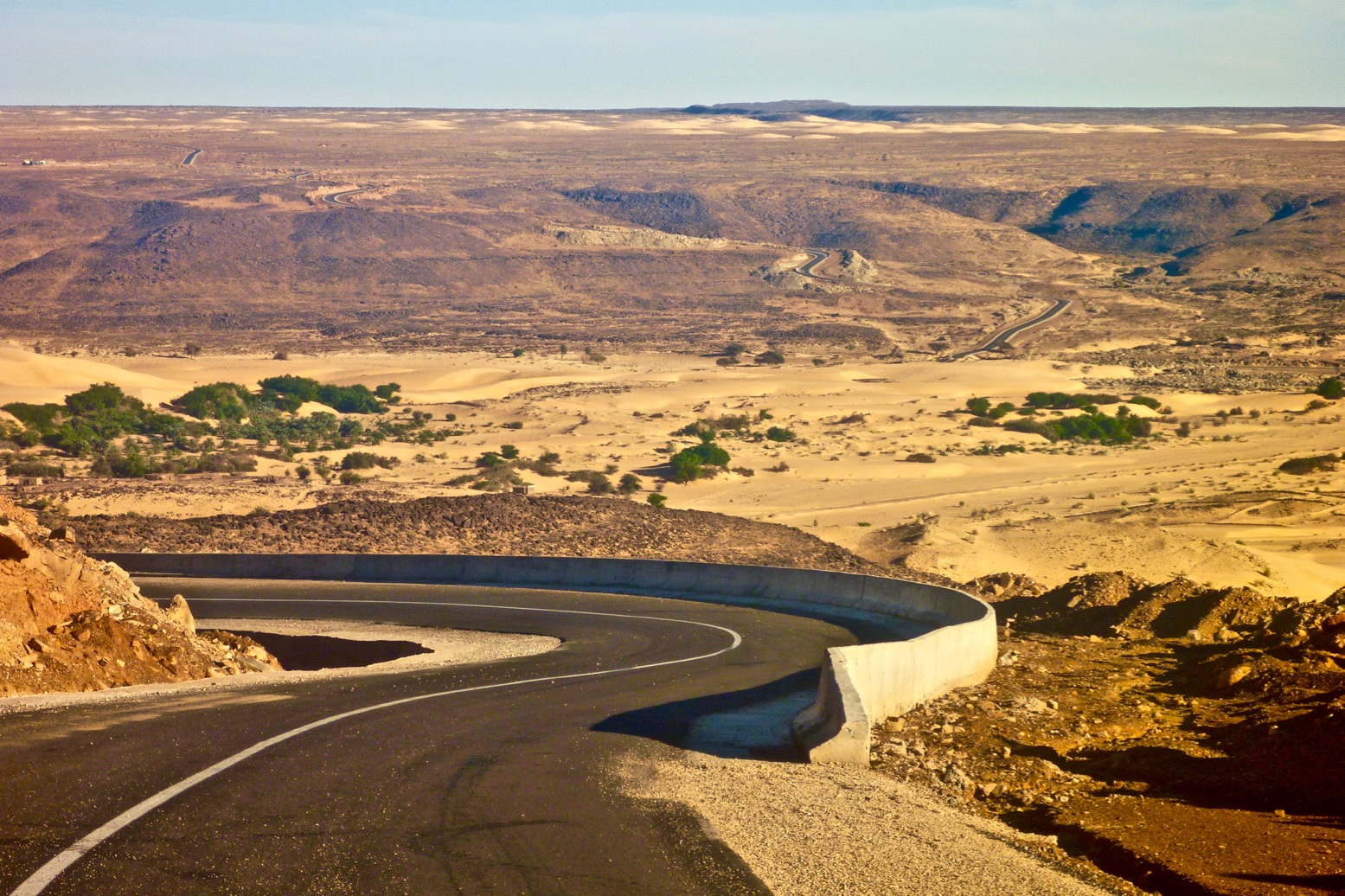
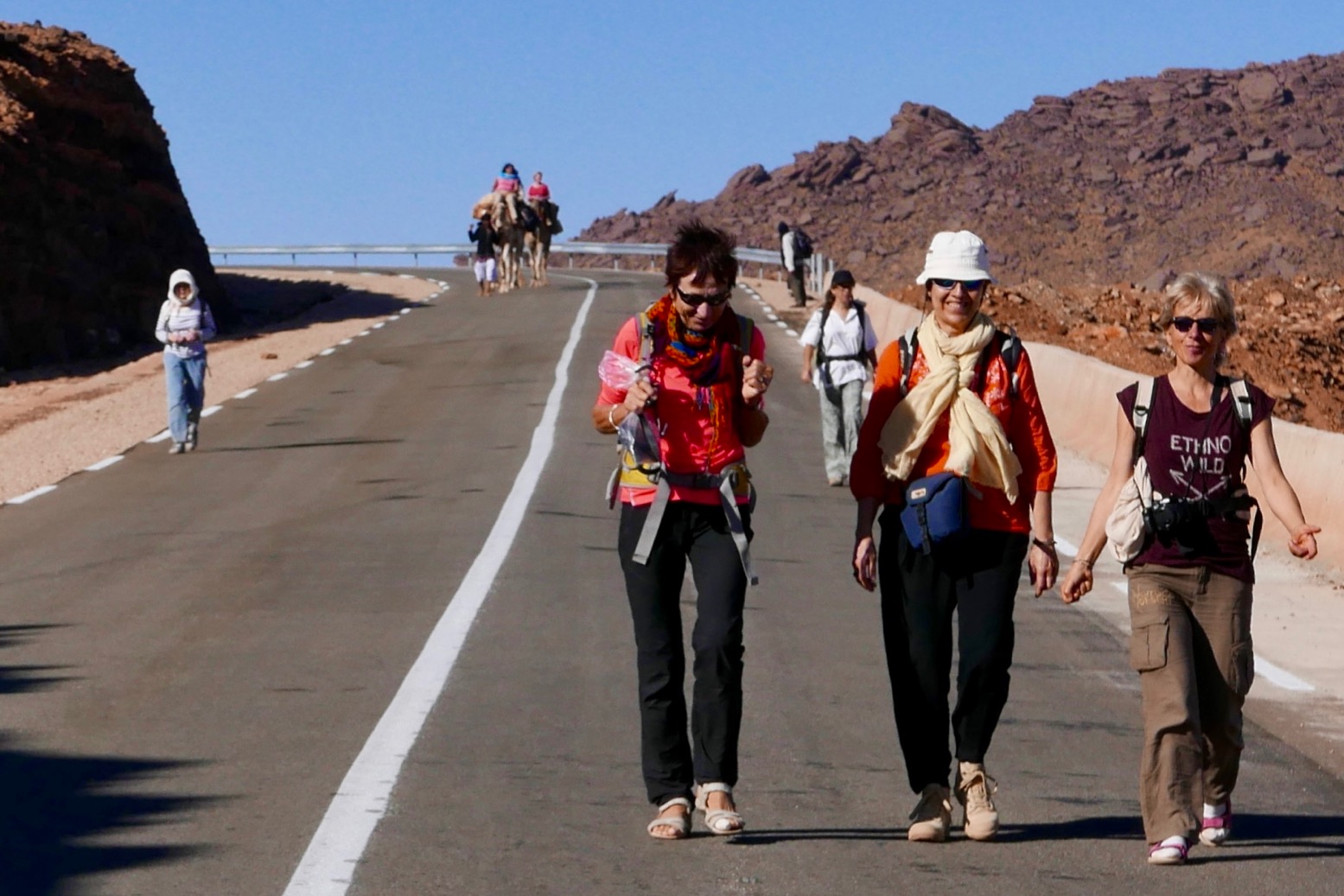
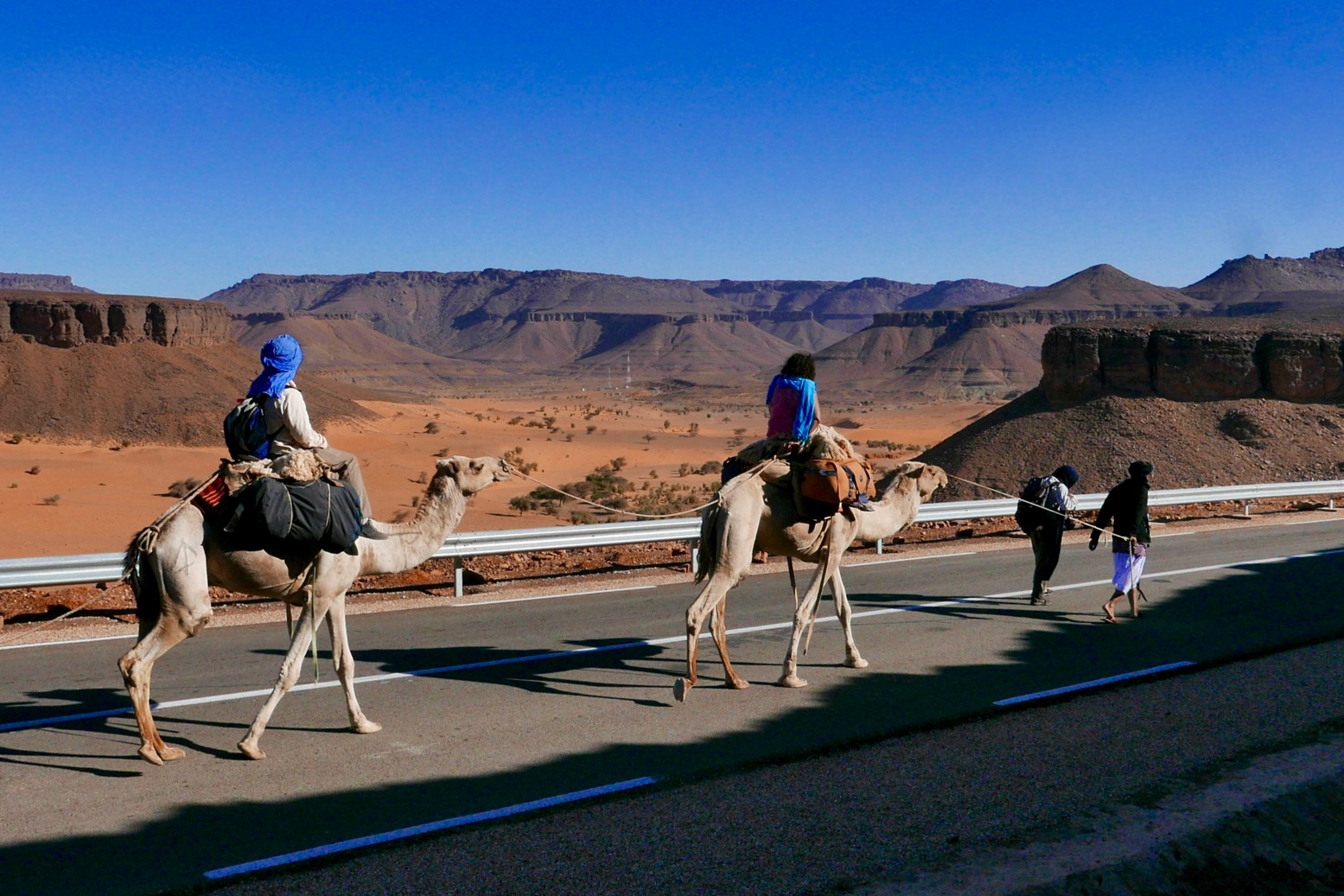
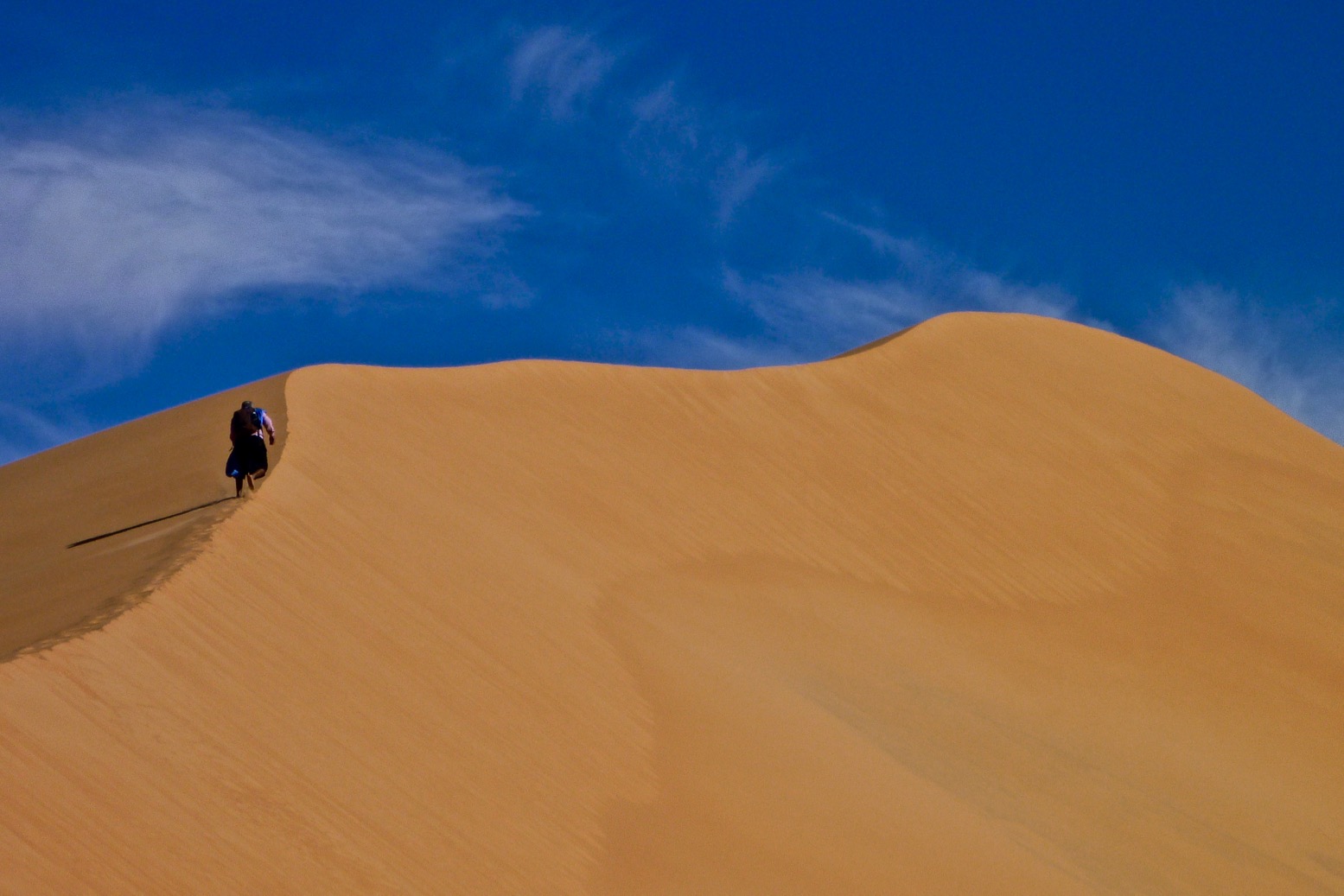
The Vallee Blanche is the longest trek Le Point offer, but in terms of landscape and pace, maybe not their best depending on your previous experience. Horror des horreurs, we even walked along a road for a bit. Our guide recommended the 8-day Amatlich Erg walk – fewer interminable rocky plateaux he said, but then that’s all part of the deal in the desert. Wherever you go, it’s a variety of sand, rock and passing landforms that’s the key to a satisfying experience. I got the feeling that by day 8 or 9 most were counting the days, partly because the 25km/day pace had dropped by over 50% (as planned) by which time the 6-hour lunch breaks were exceeding walking times.
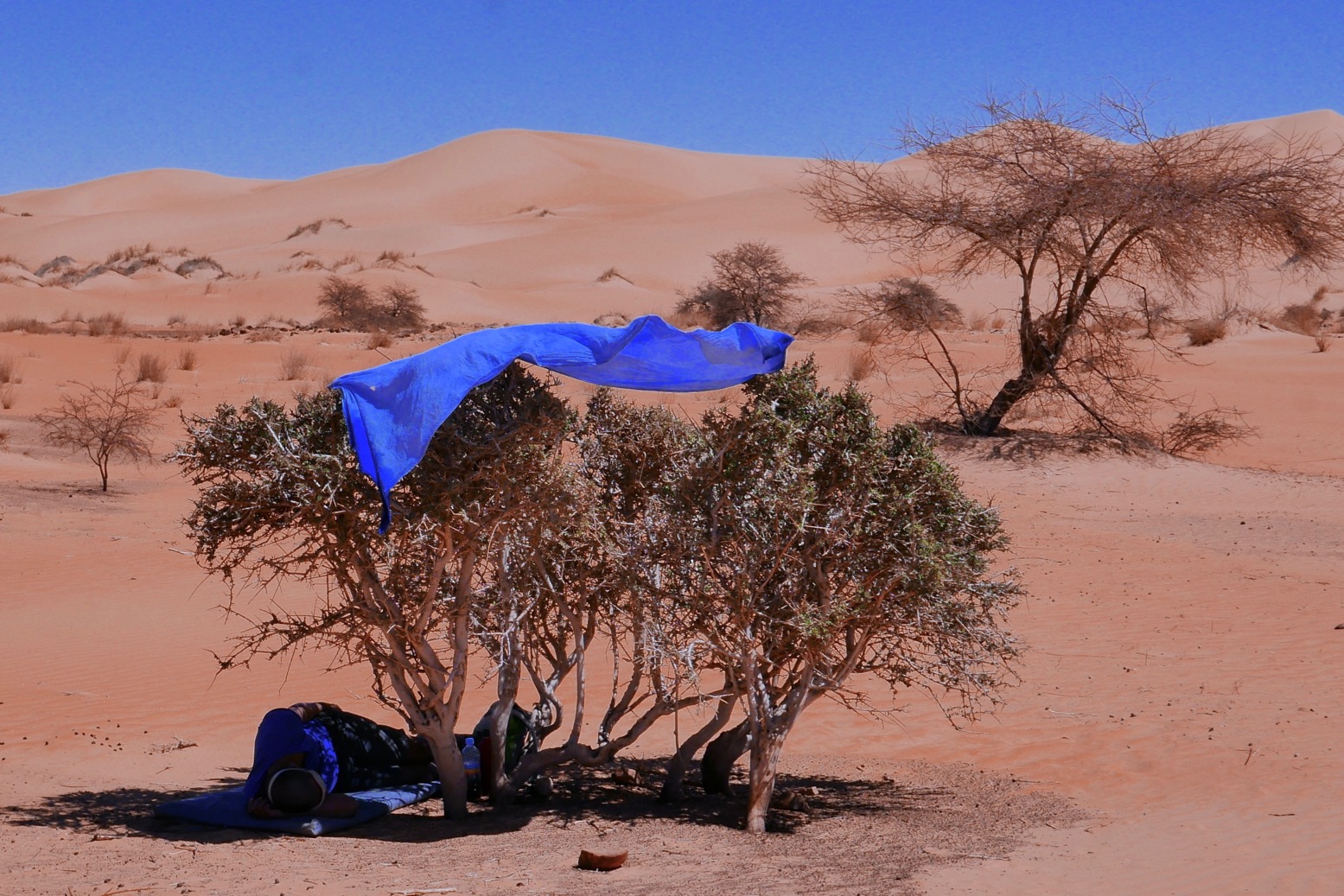
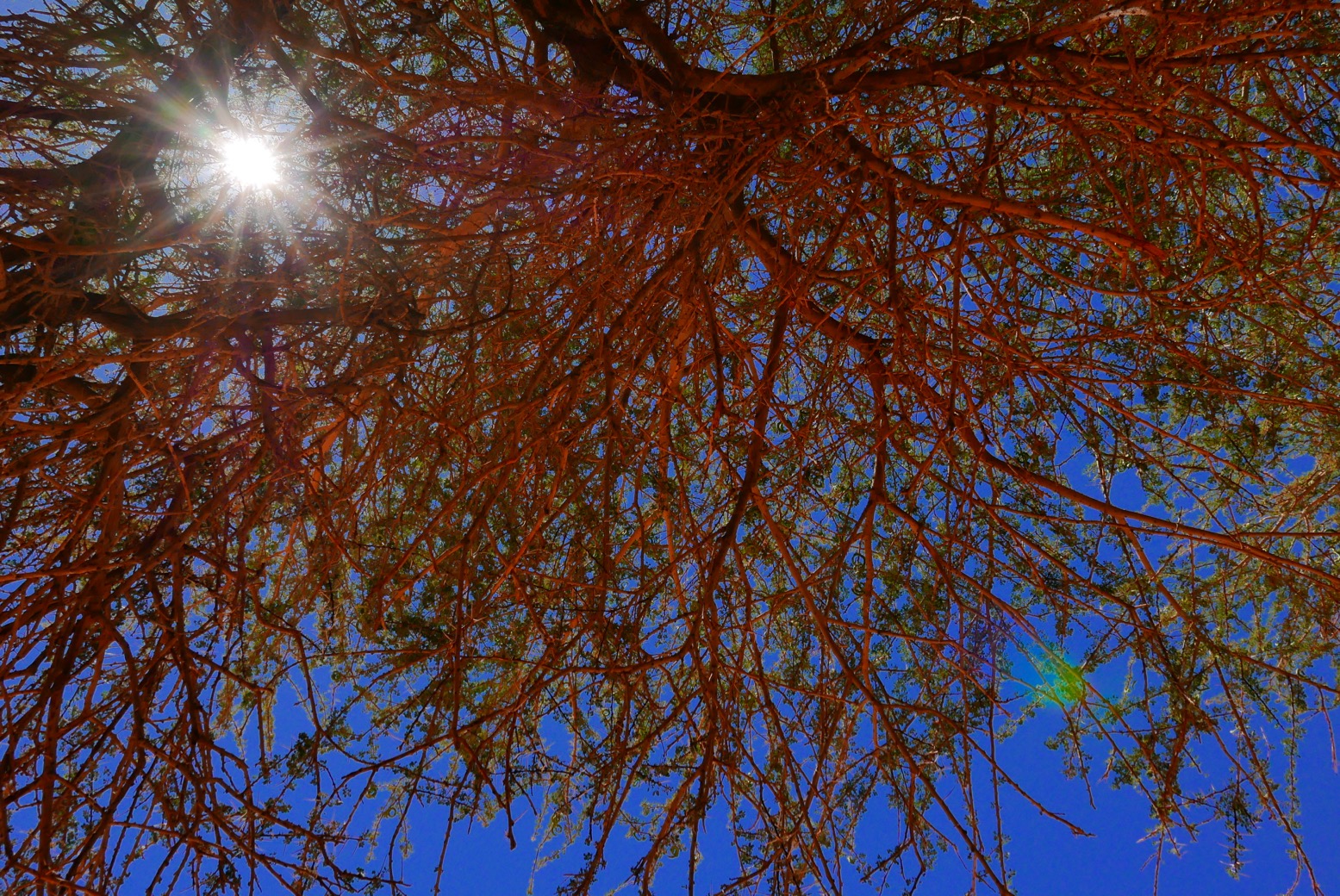
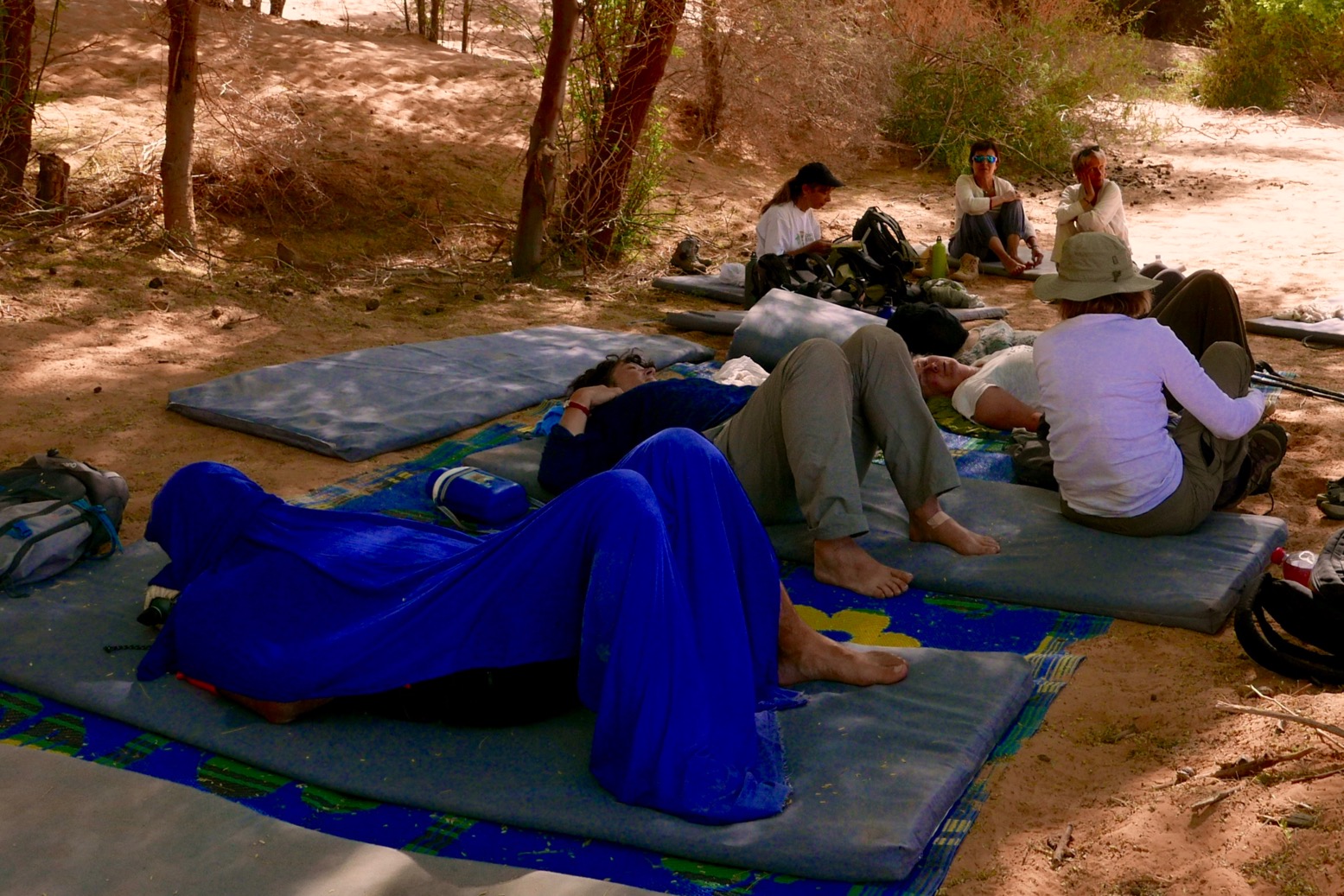
The fact it was unseasonably hot, with temperatures of over 40°C in the shade, may have tempered enthusiasm, but actually the morale and ambience of our group was very good; most had done previous tours with Le Point, including Chad which can be a tougher call. The Adrar at this time is usually in the low 30s – as it was on our very last day to Terjit, but most days it really was too hard to move or even stay awake for long, while lying under an acacia between noon and 3pm.
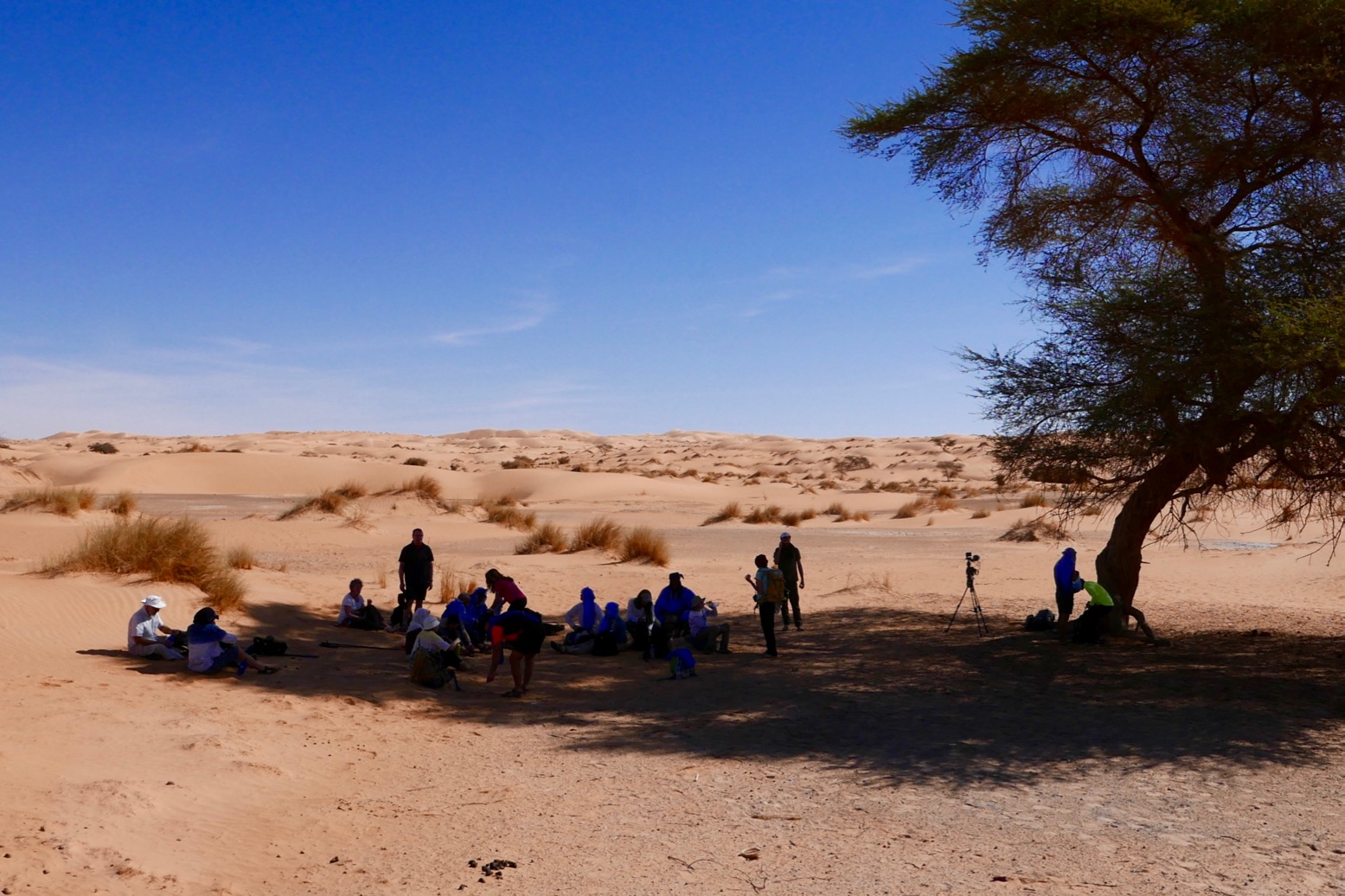
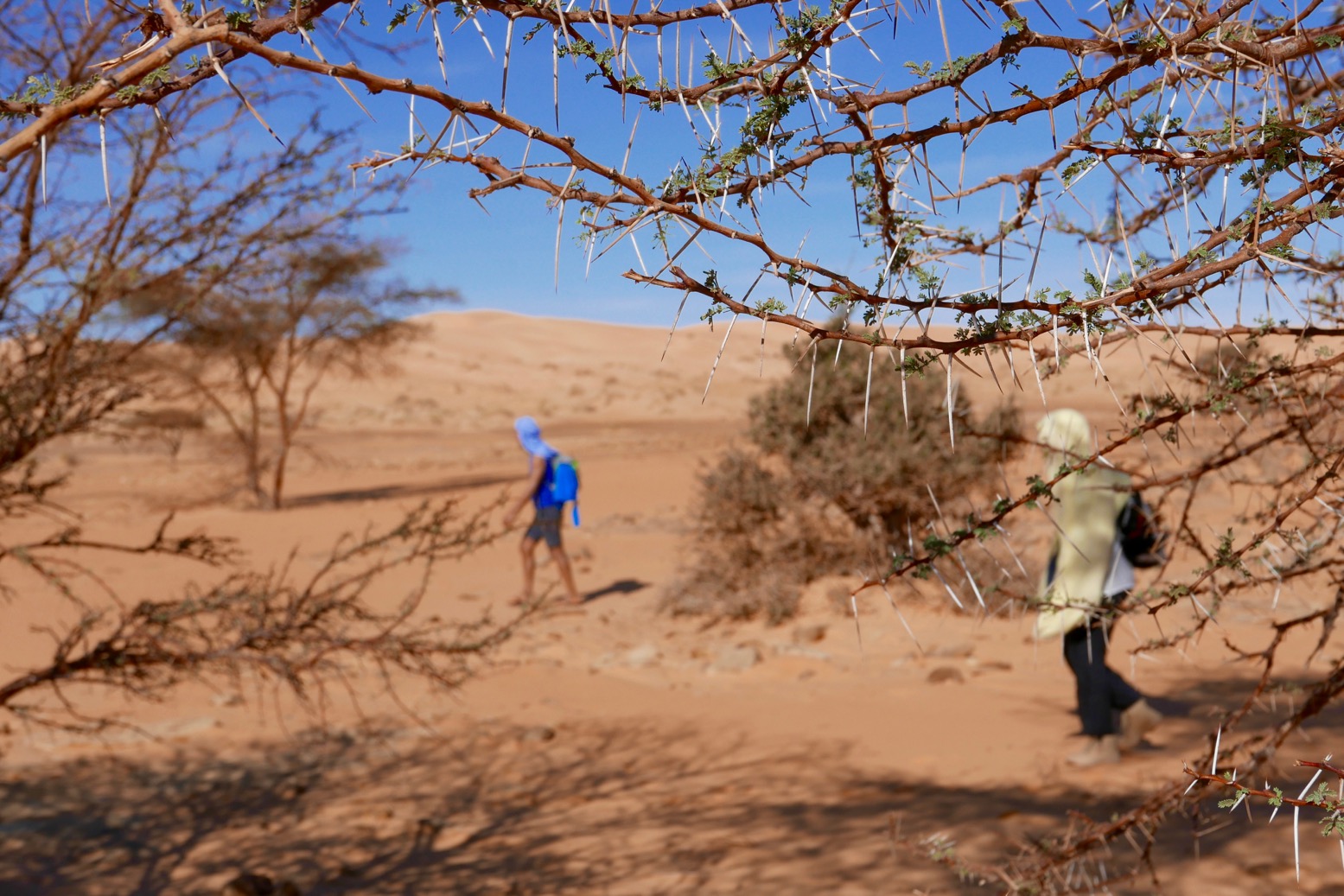
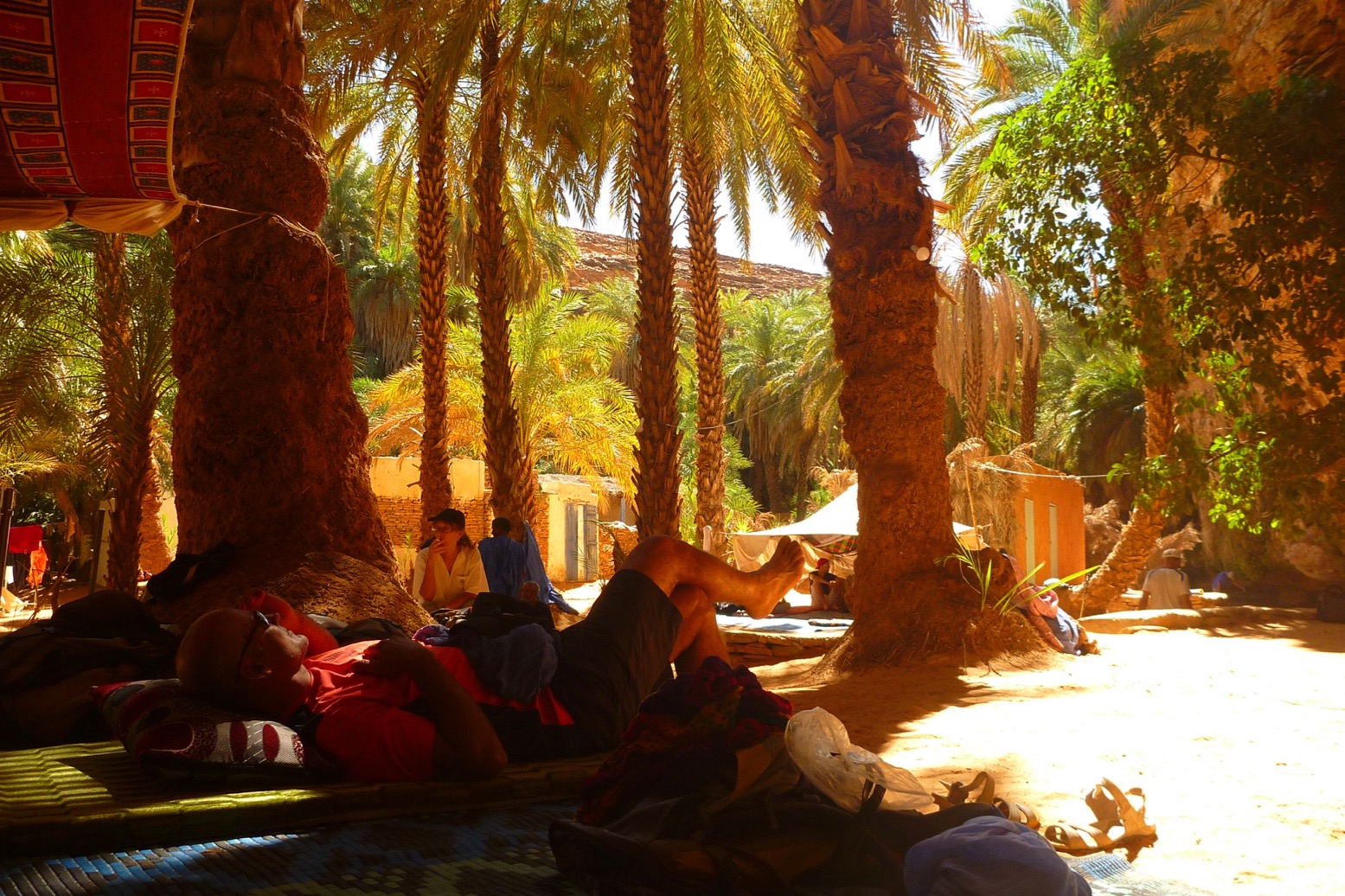
The plus side was that being on the trail before dawn was great fun, although I’m not sure what shape I’d have been in had we walked 25km/day for the full two weeks. So in fact the long siestas were the right thing to do. We’re not all huddled round that meagre shade tree on the left just because someone has cracked open their stash of Haribo Yellow Belly Jelly Snakes. We’re gagging to cool down a bit. Much depends on the terrain of course – is dodging trackless rubble worse than sinking into ankle-deep sand? They’re about the same once you add your daily endowment of aches, pains and cumulative fatigue.
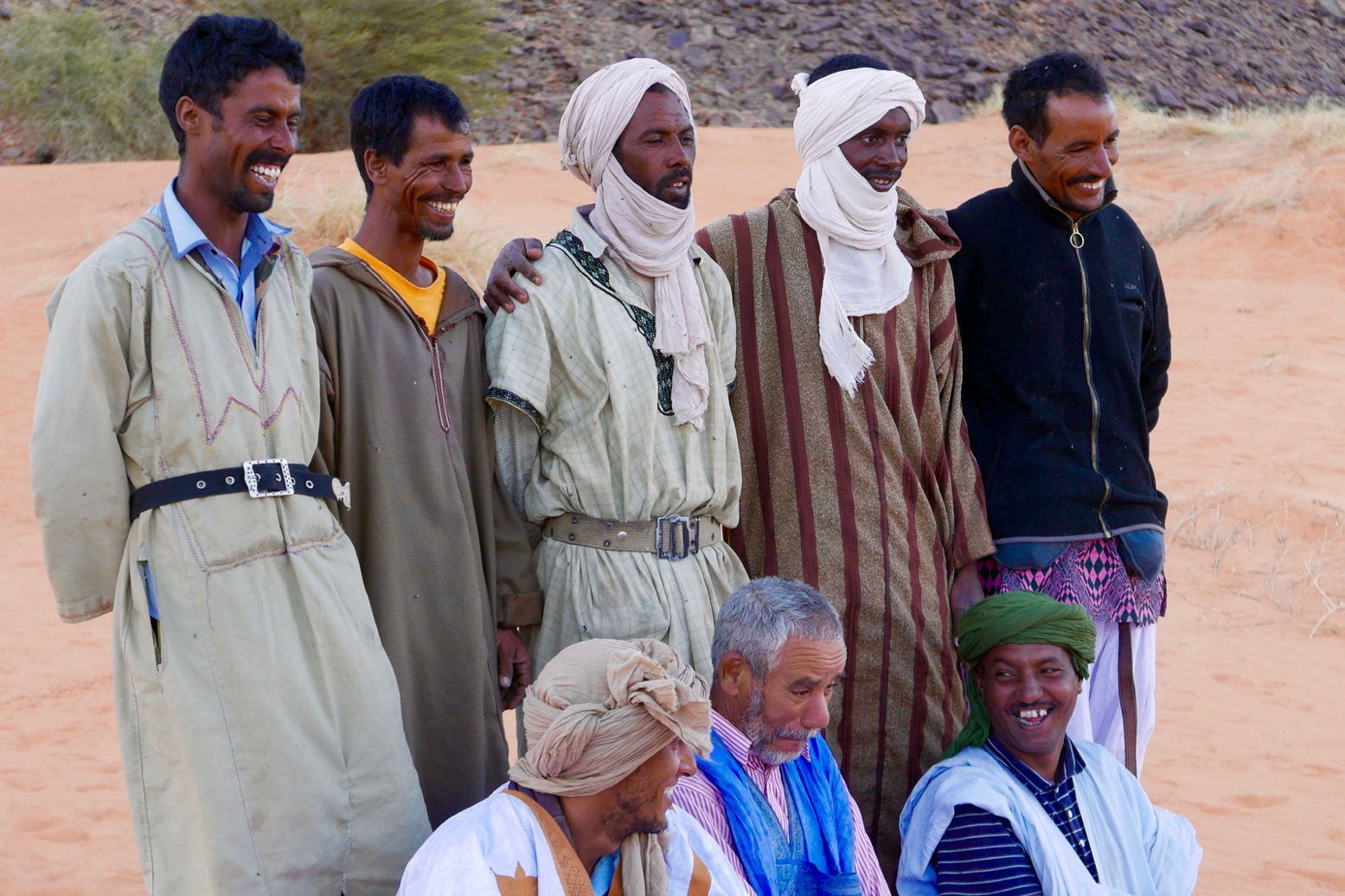
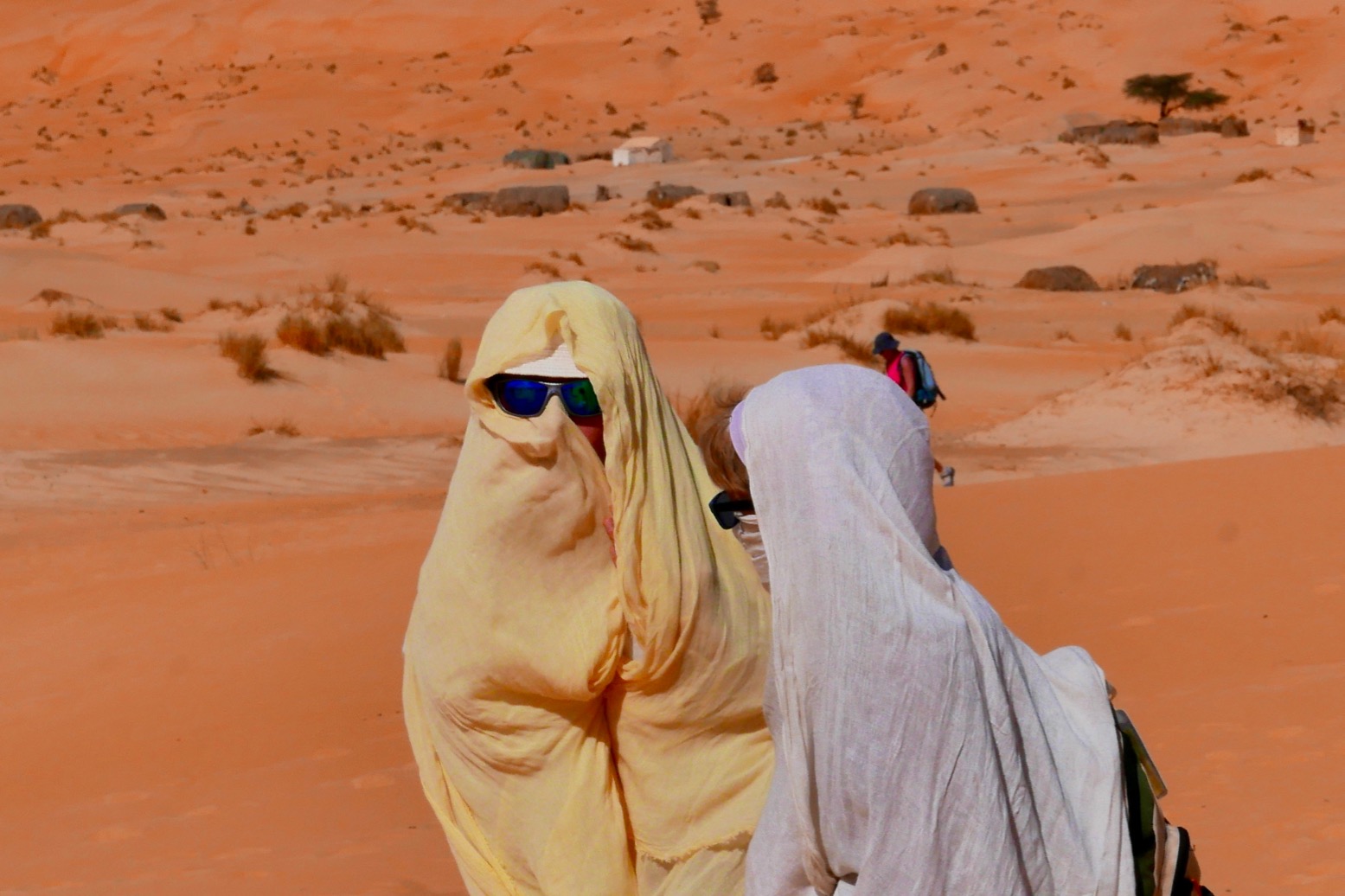
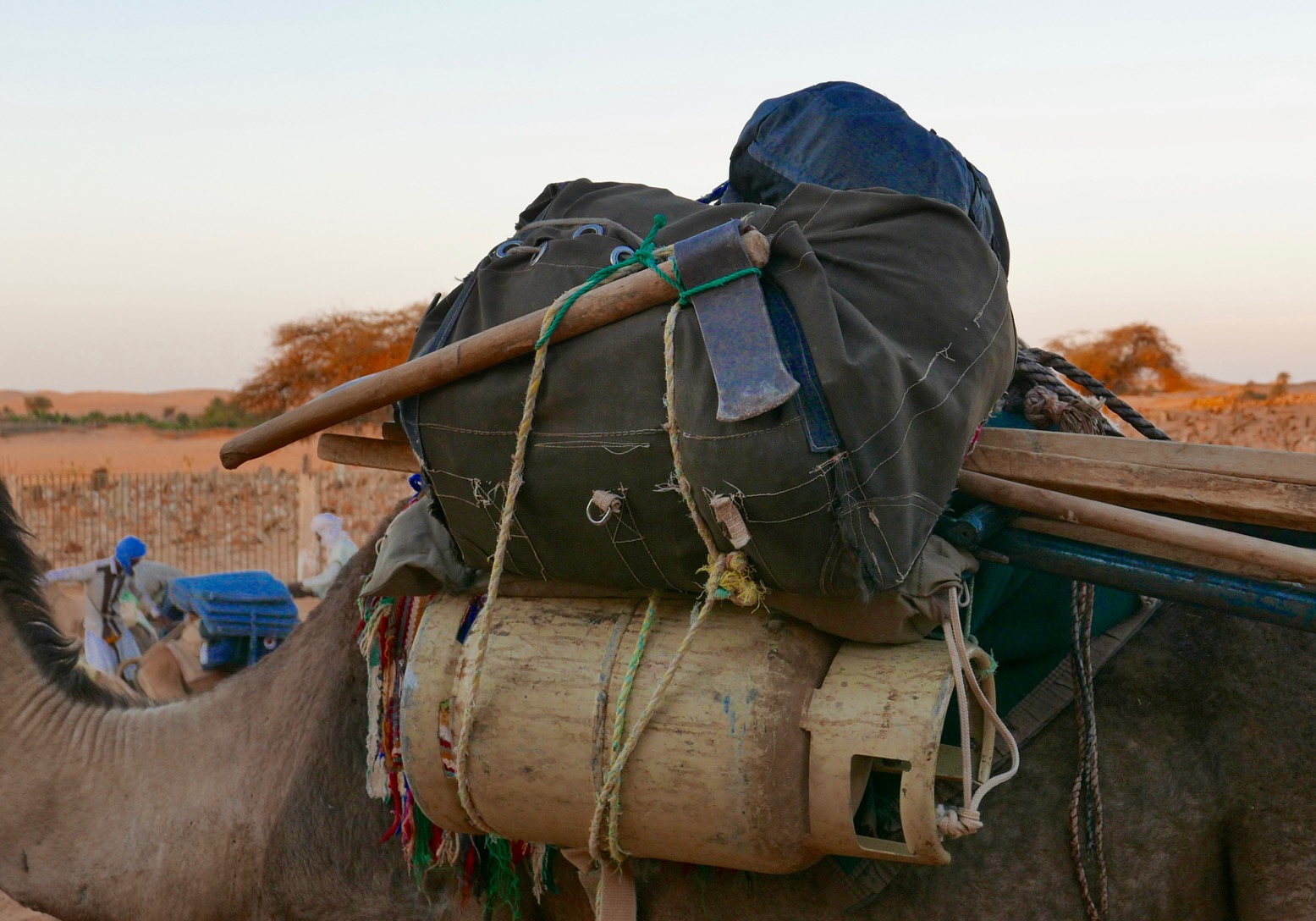
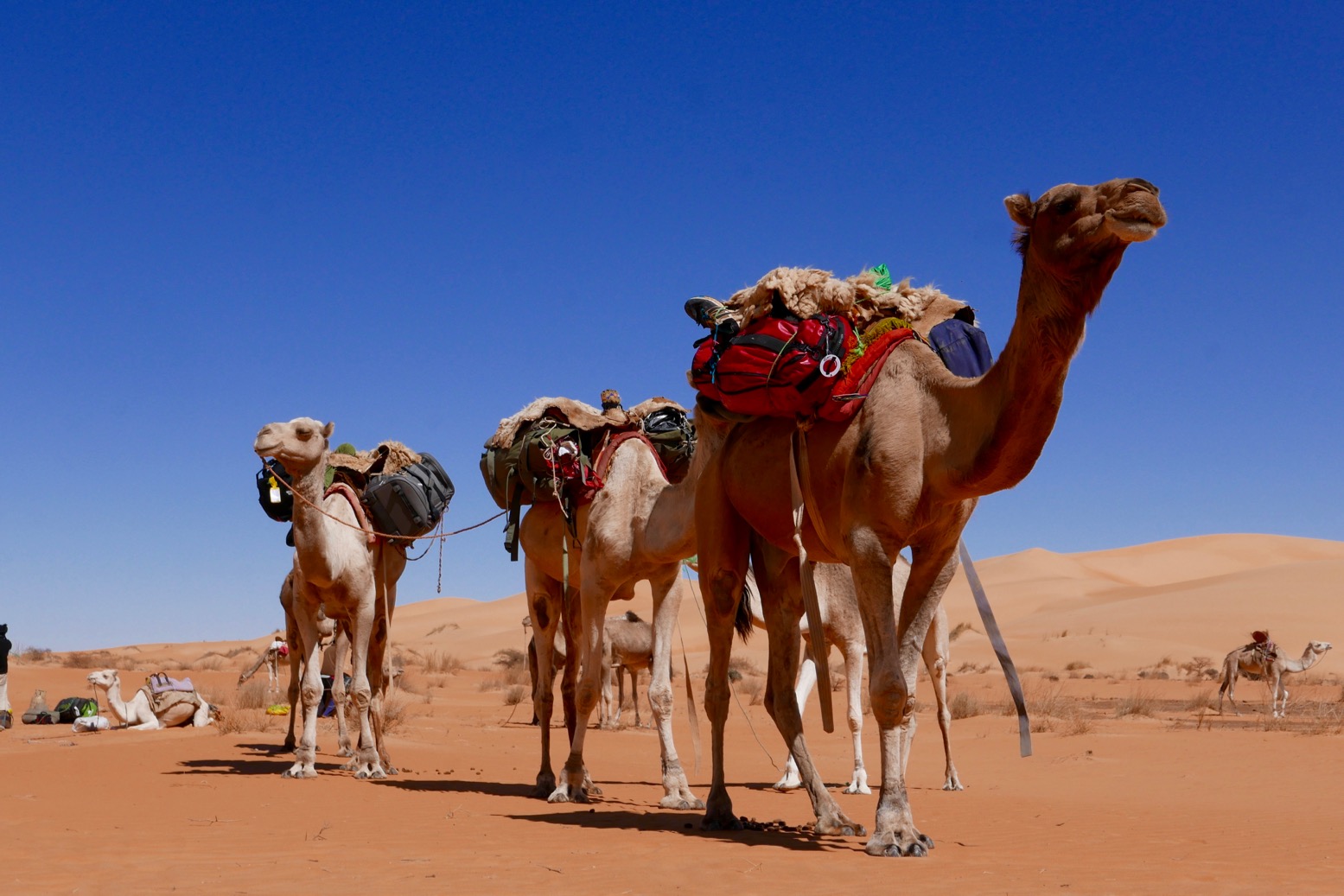
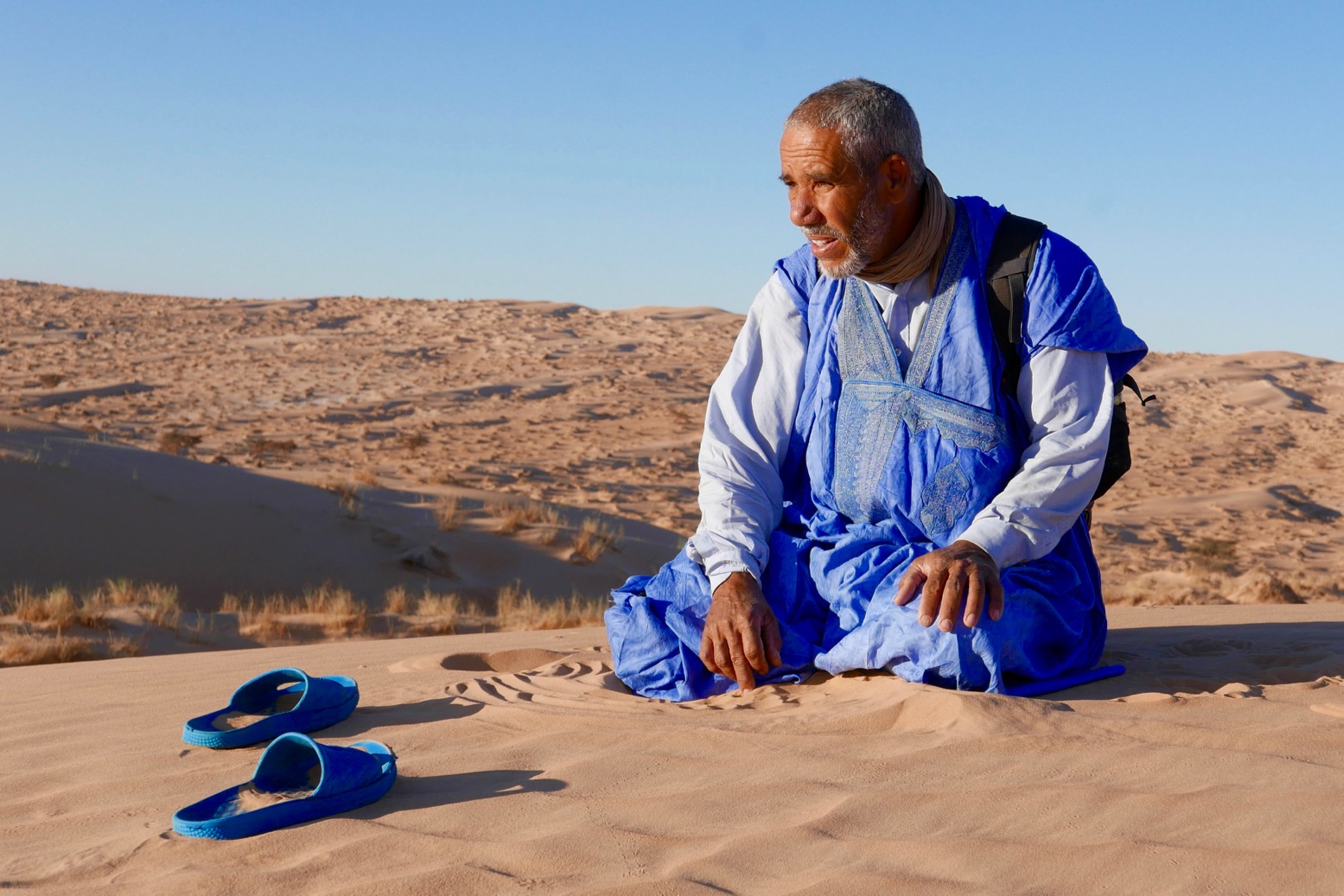
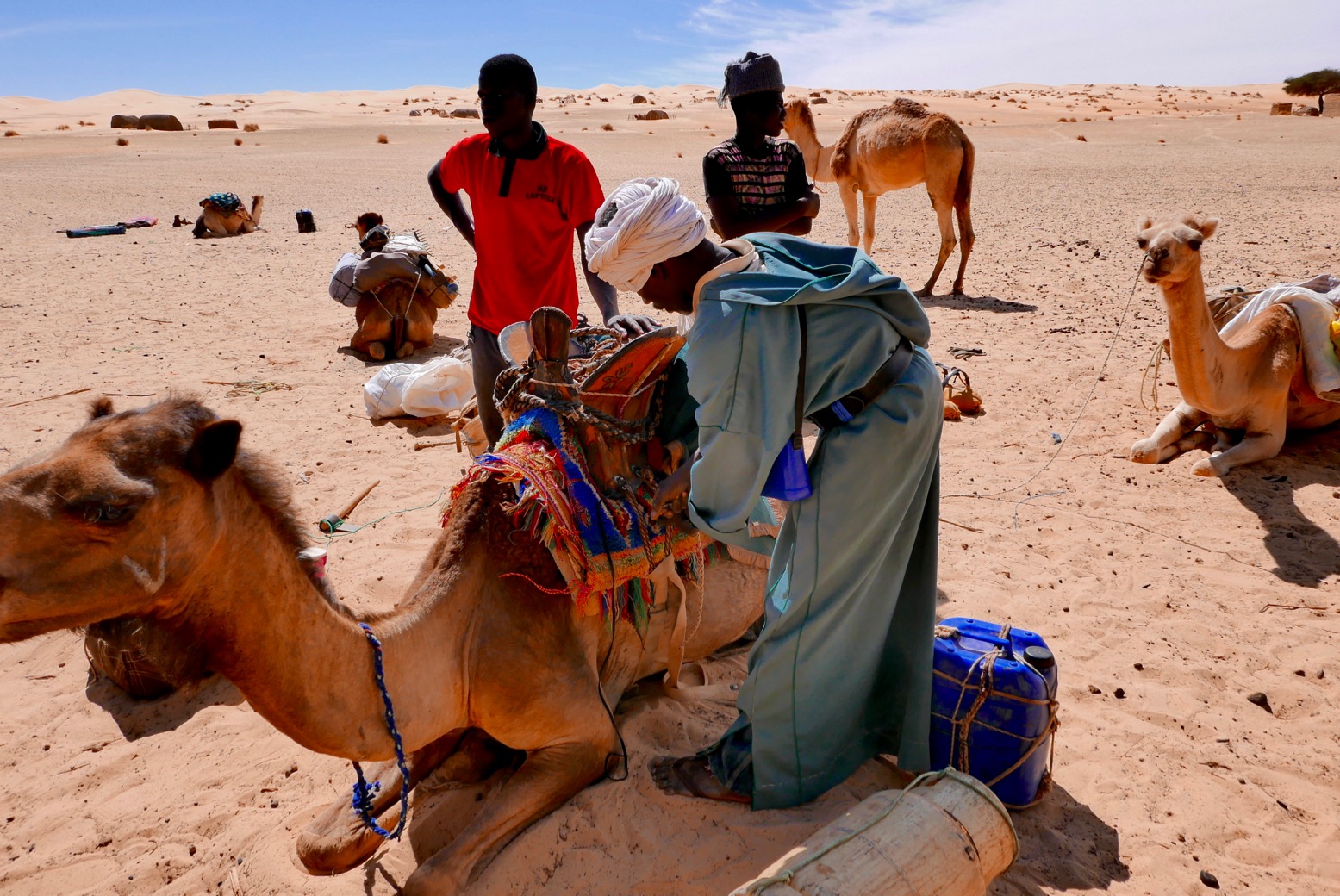
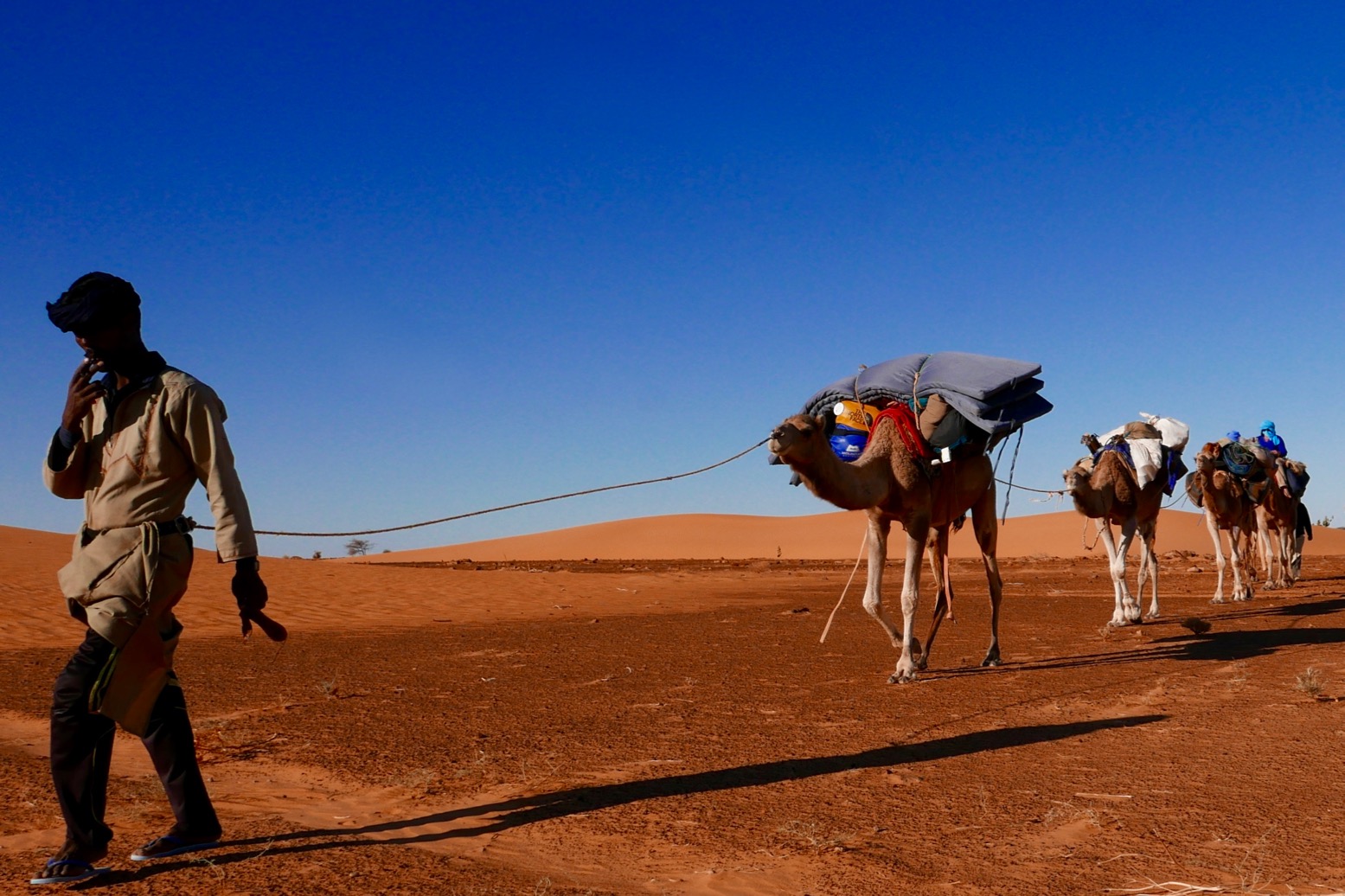
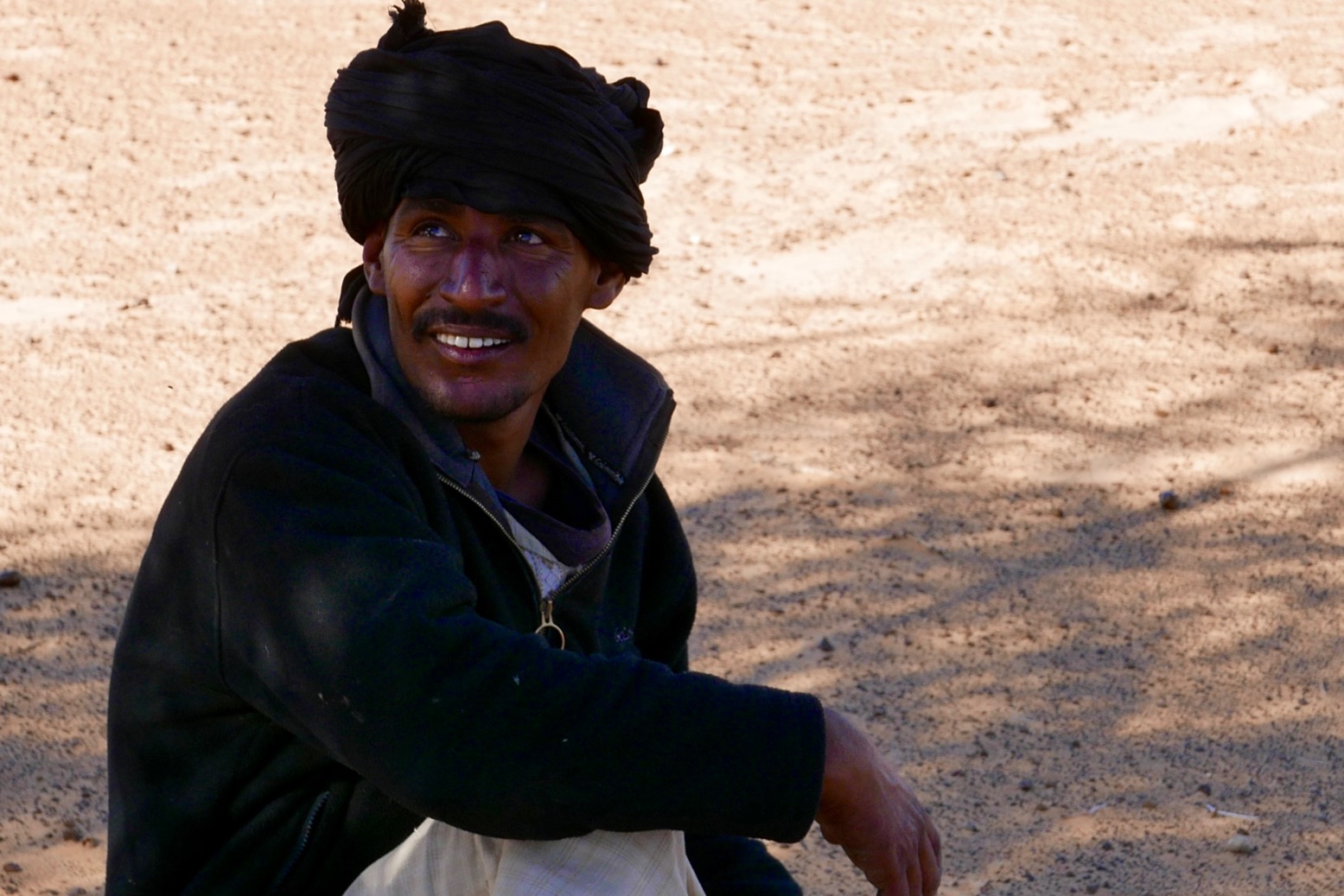
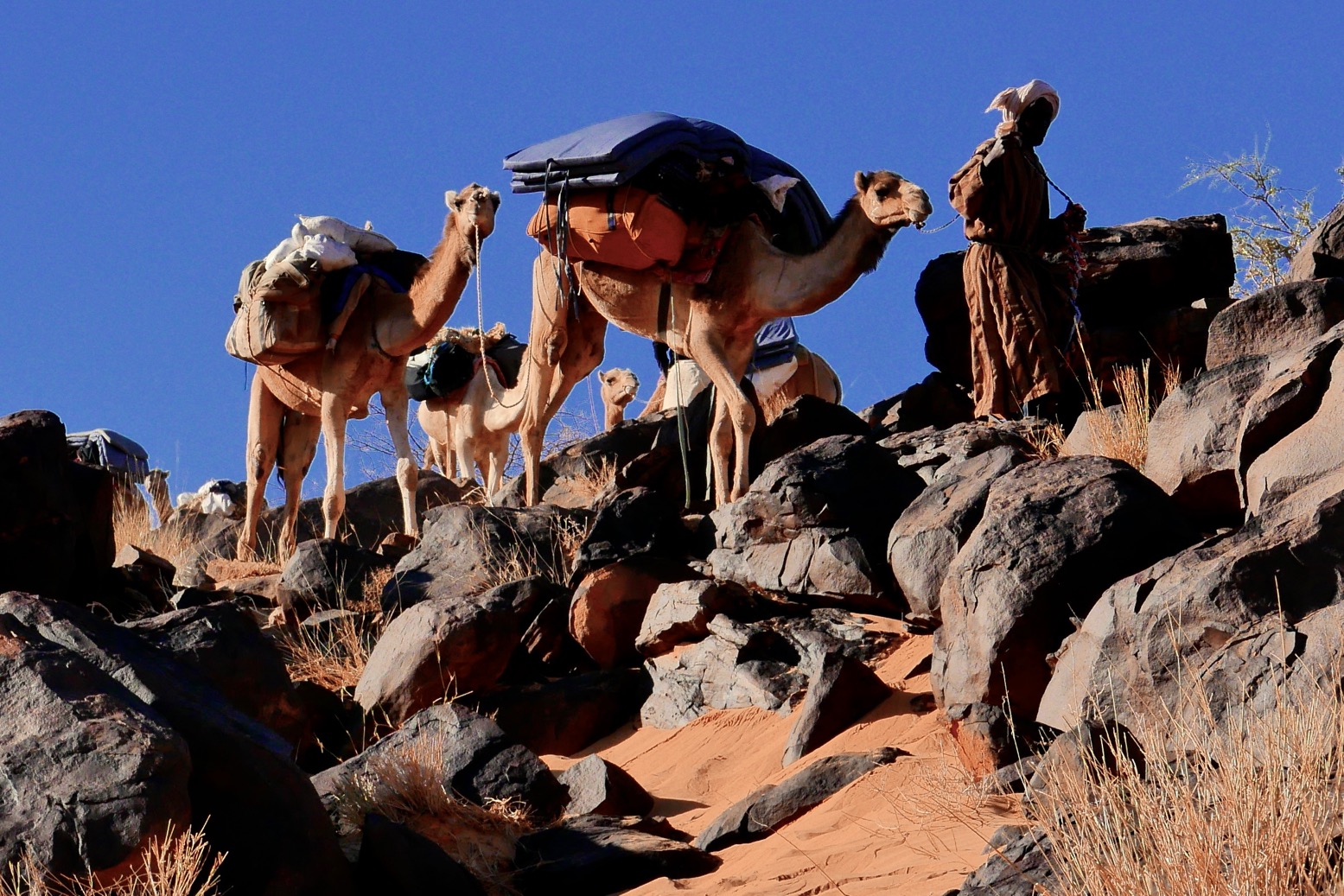
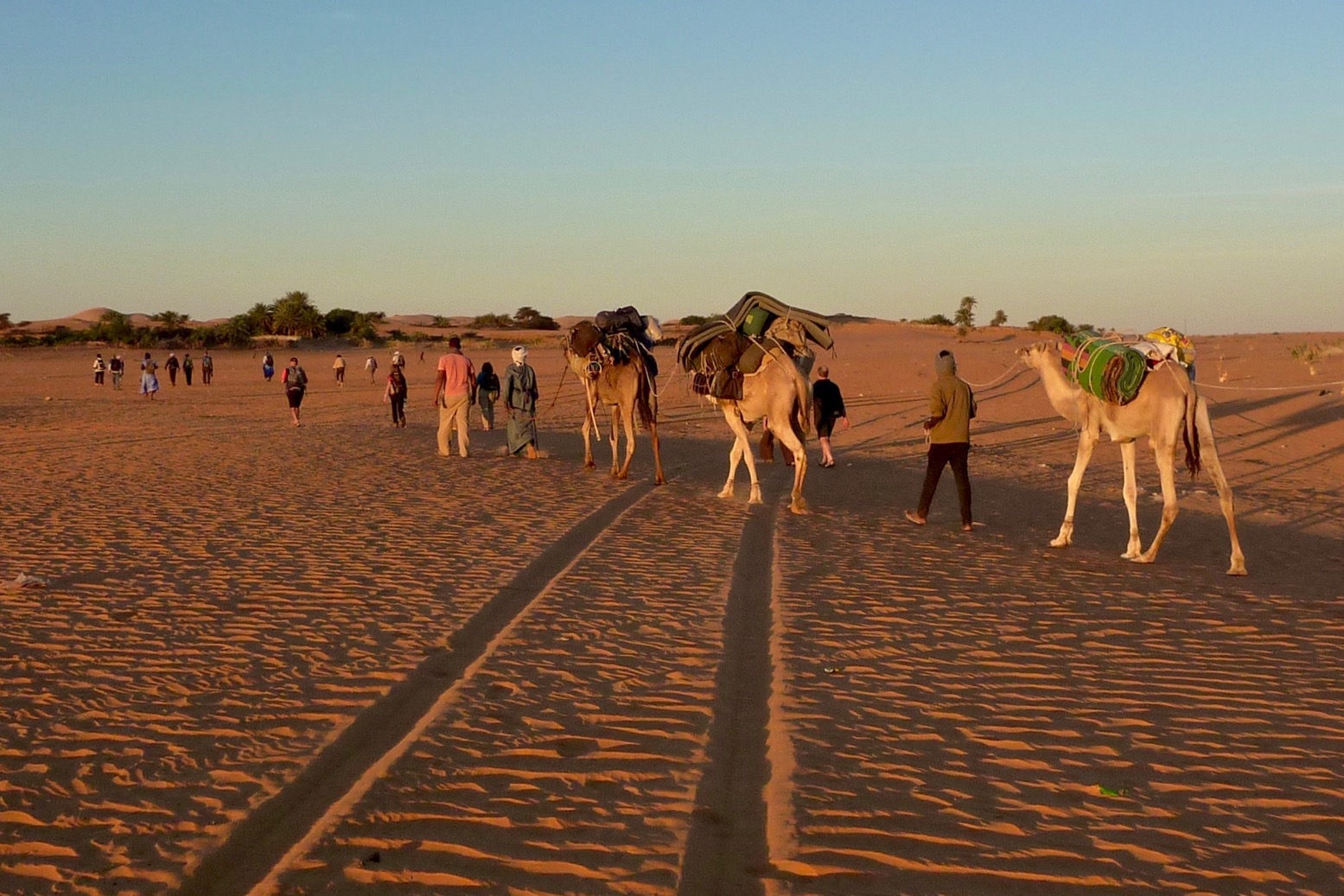
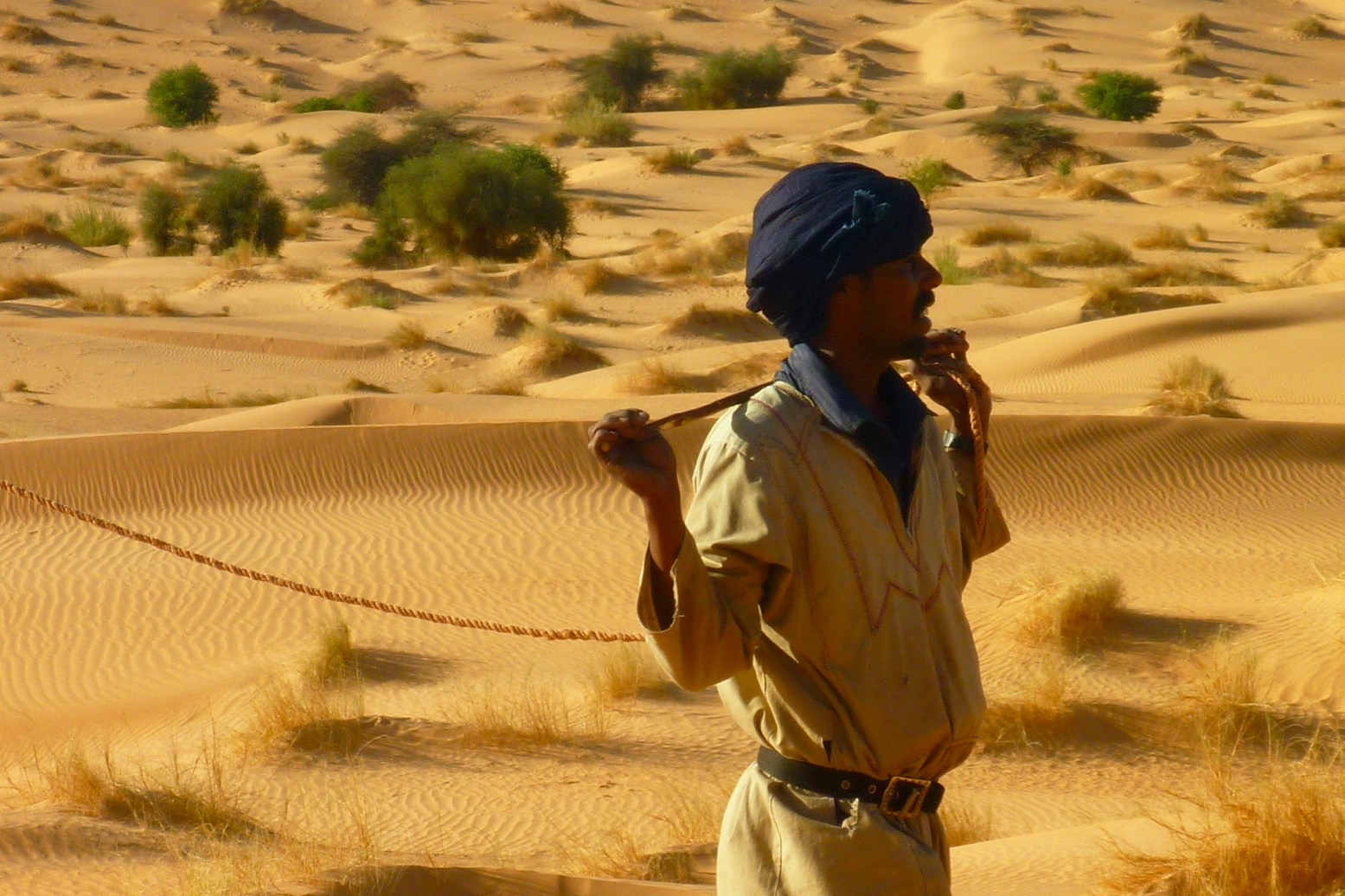
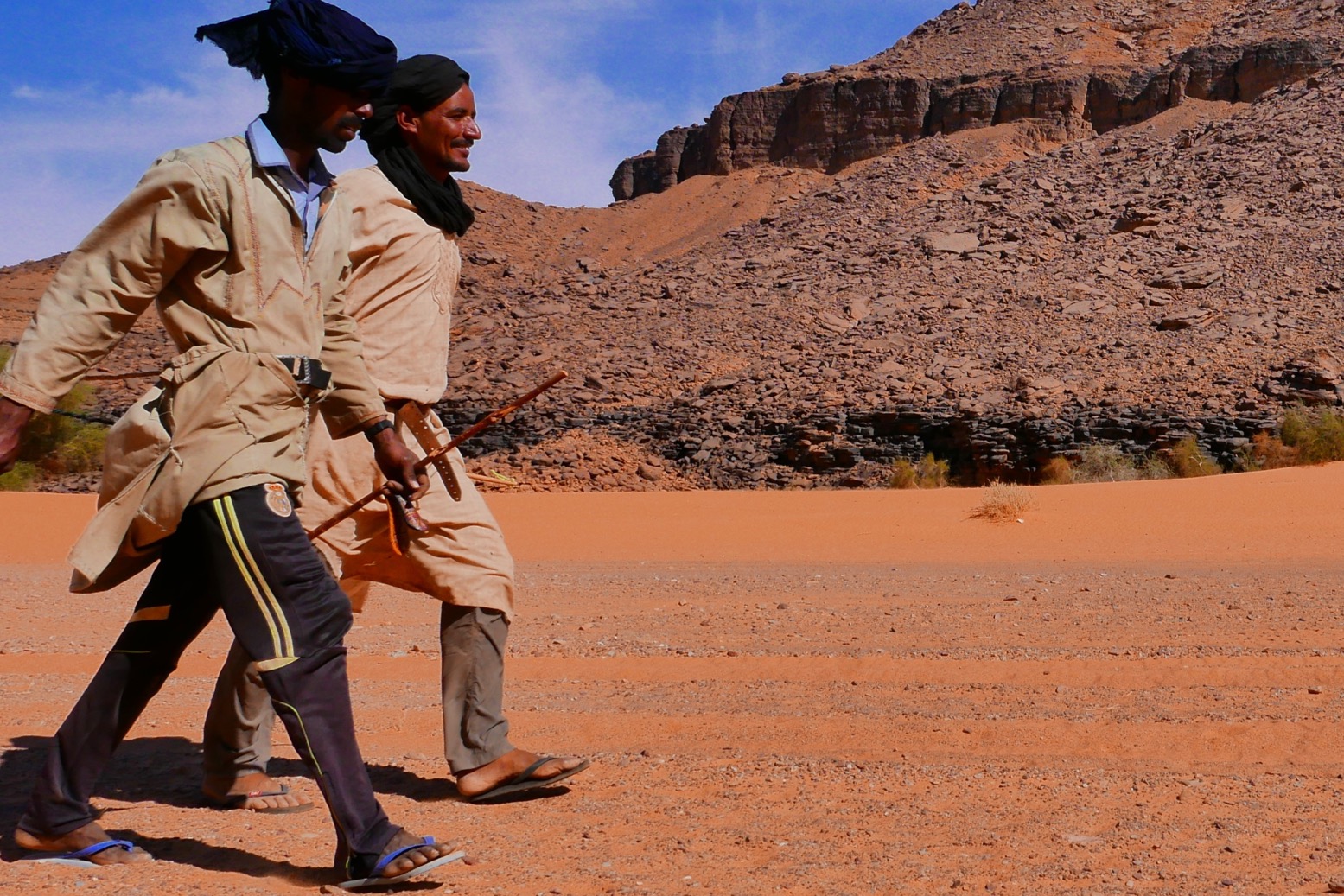
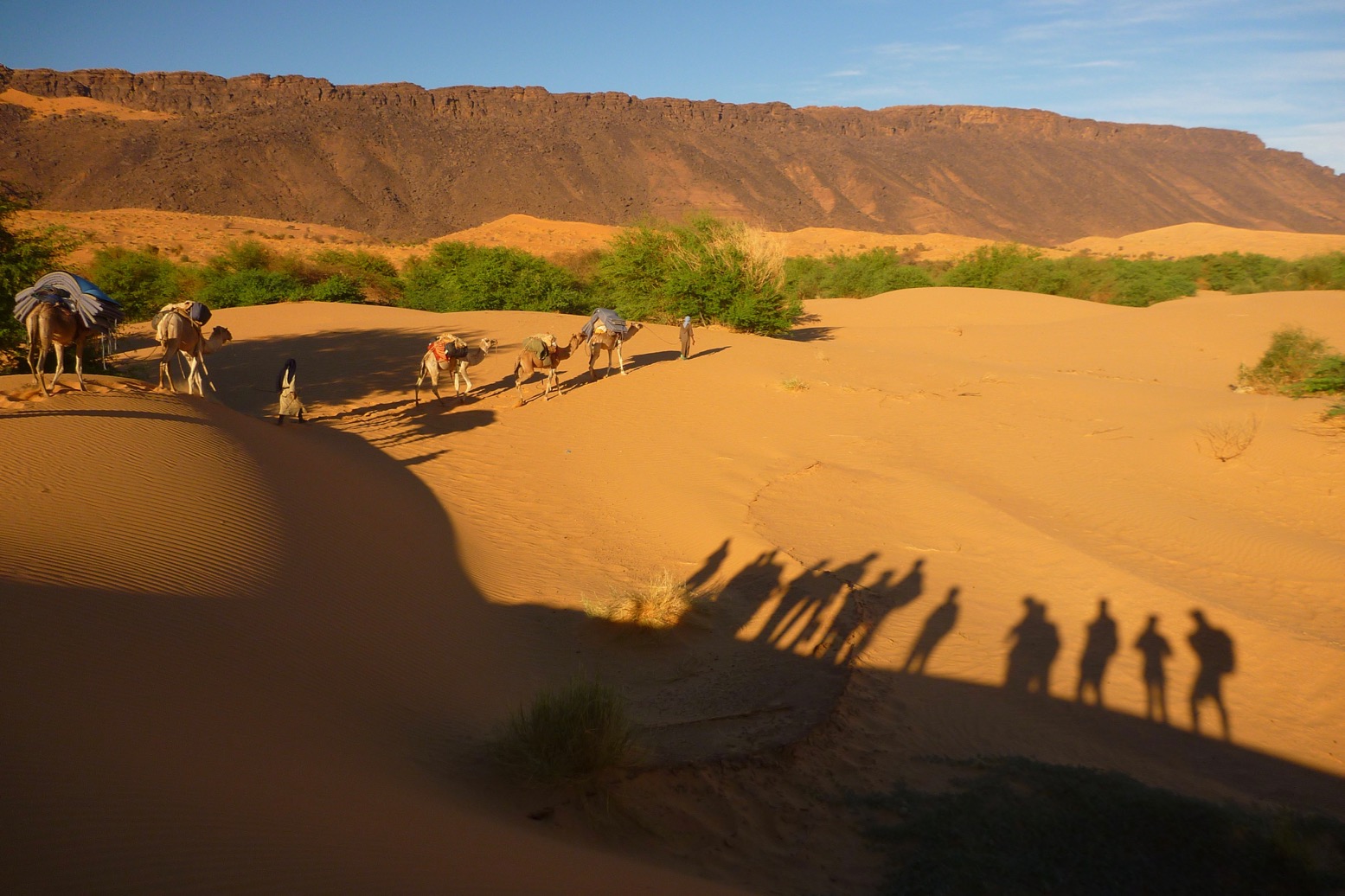
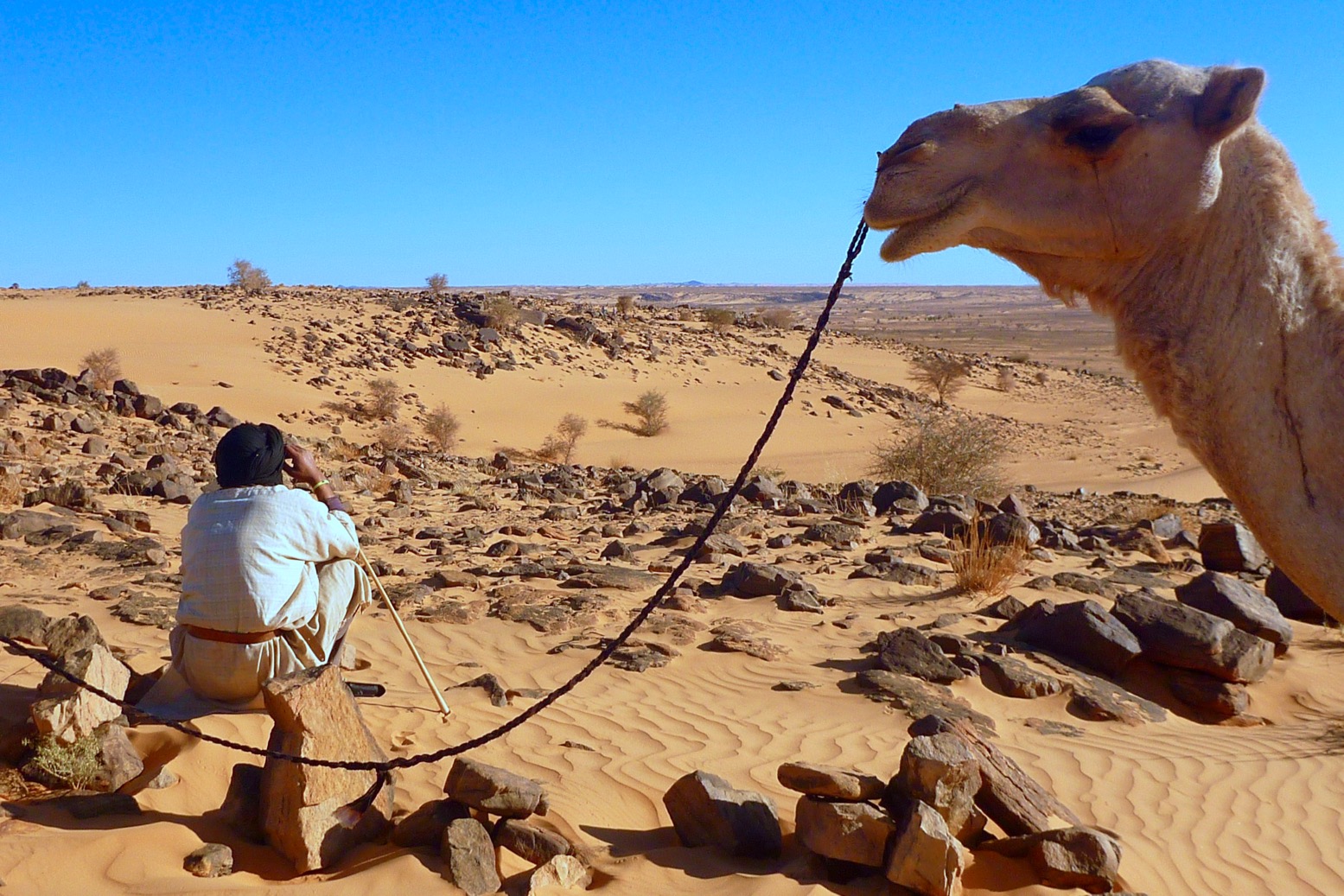
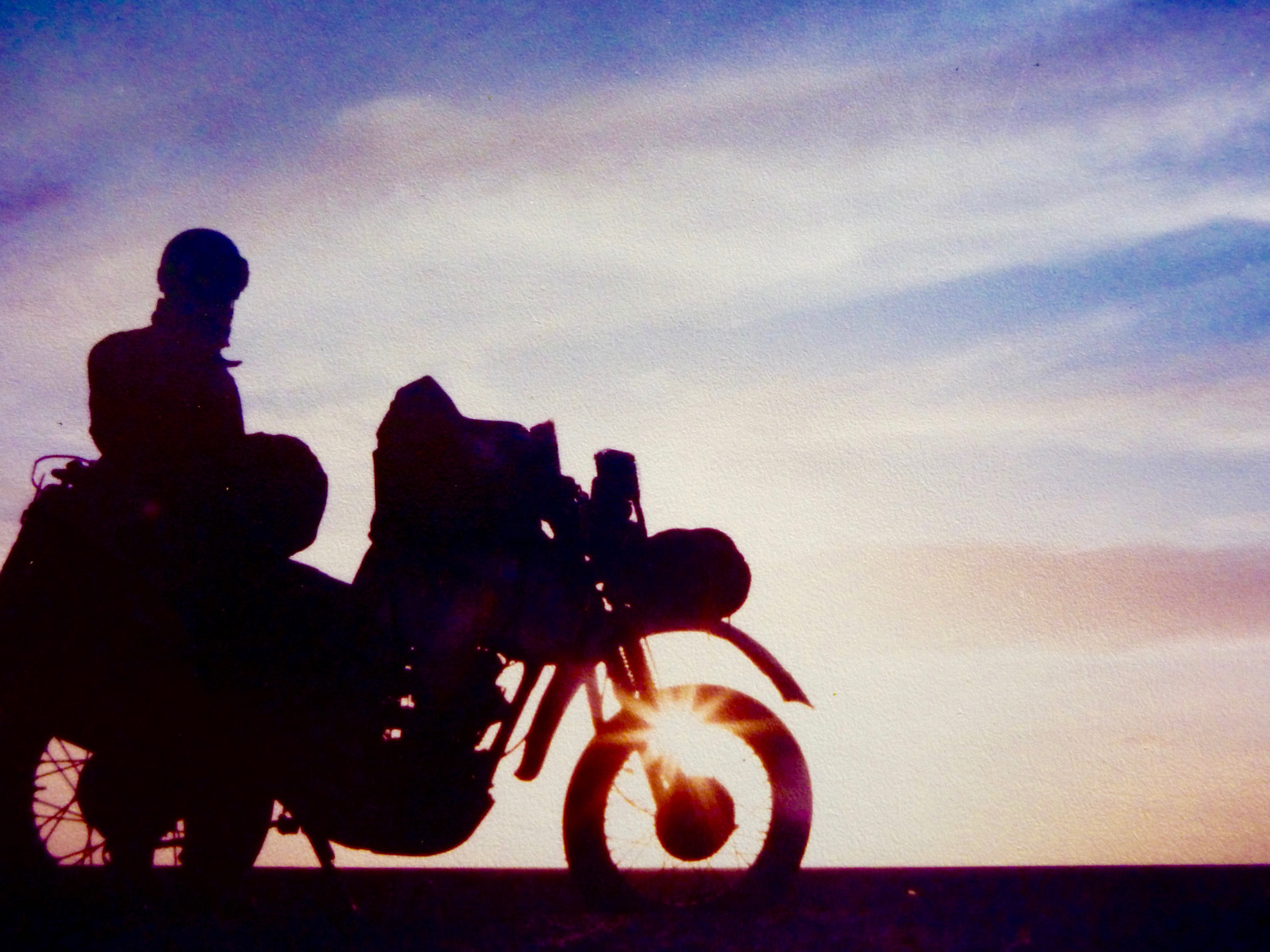
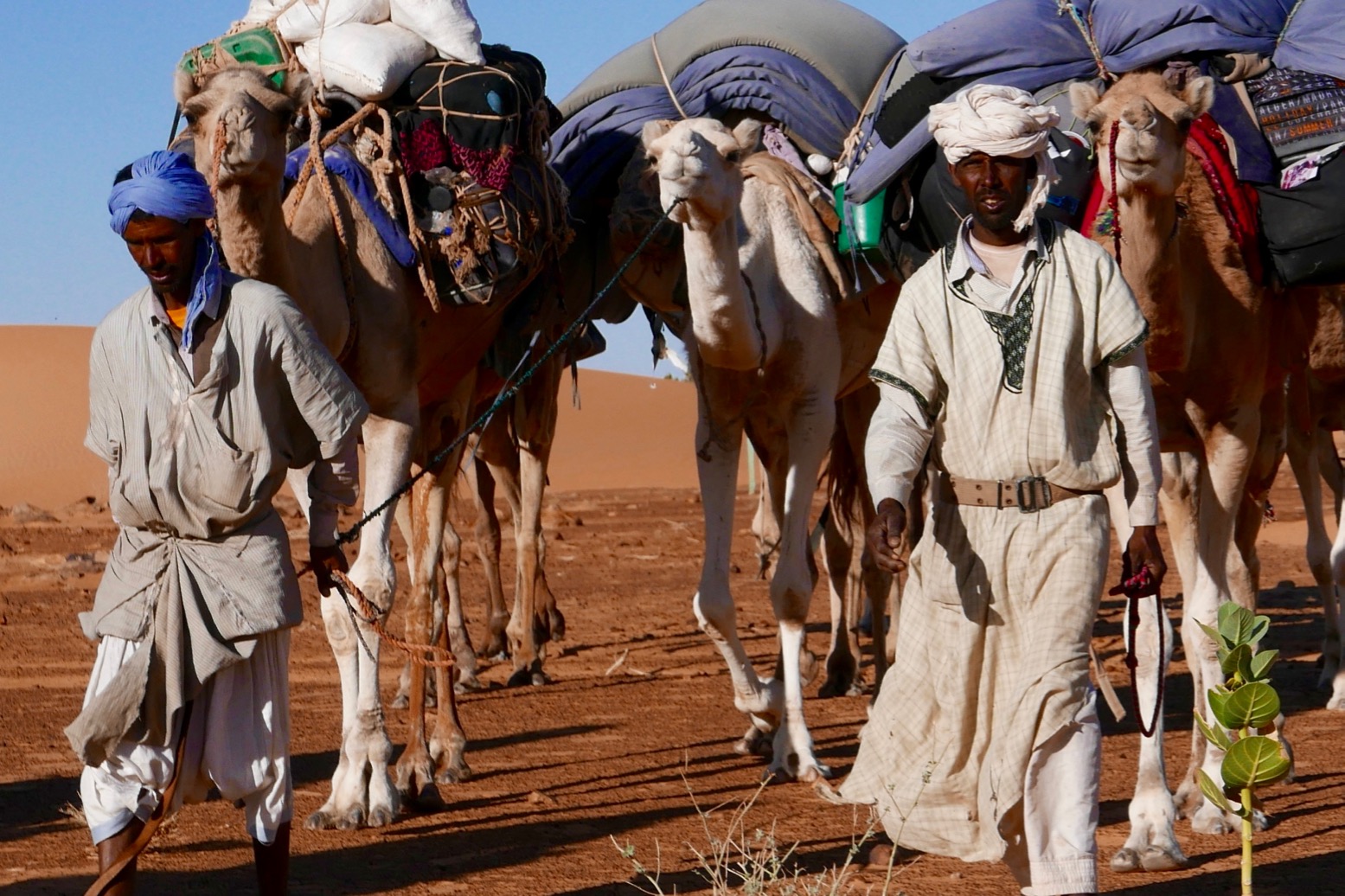
All this was eased by a hard-working crew (left) plus our guide Mohamed who, it must be said, was feeling the strain after a busy season tramping around the desert with us nasranis. (There was no French-domiciled accompagnateur, not a need for one; with a Brit group it might need to be different.) I was just relieved I had a fully charged Kindle to help pass the long hours inching along with the shade from 11am till 4 or 5pm. By then it wasn’t going to get hotter, or the remainder of the day’s walk was short enough to not matter so much. One night it felt like it didn’t drop below 30°C and after a week of this everything, even your toothpaste buried in your bag, is hot and stays hot. I’ve not been in such heat for so long since an early-80s moto trip to Algeria, mistakenly taken in September when it was hotter still. Oh, and Libya in April 1998 (right); also very hot. Both were quite shock and yet watching our Mauritanian camel crew stride along in their flip-flops from camp-to-camp without rests and after spending over an hour locating and laboriously loading over a dozen camels makes you wonder what you’re whining about. You got to take your cheche off to these guys.
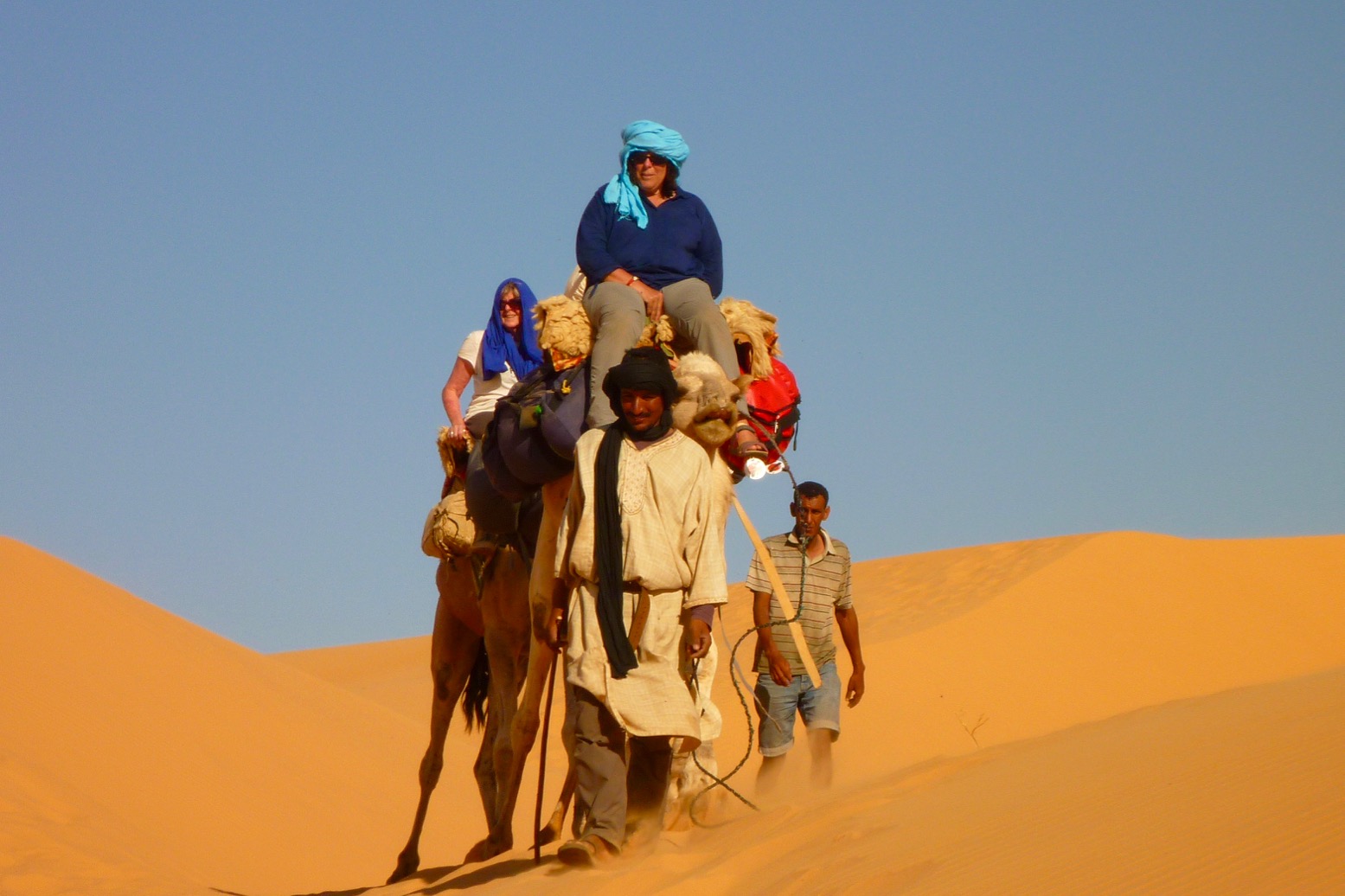
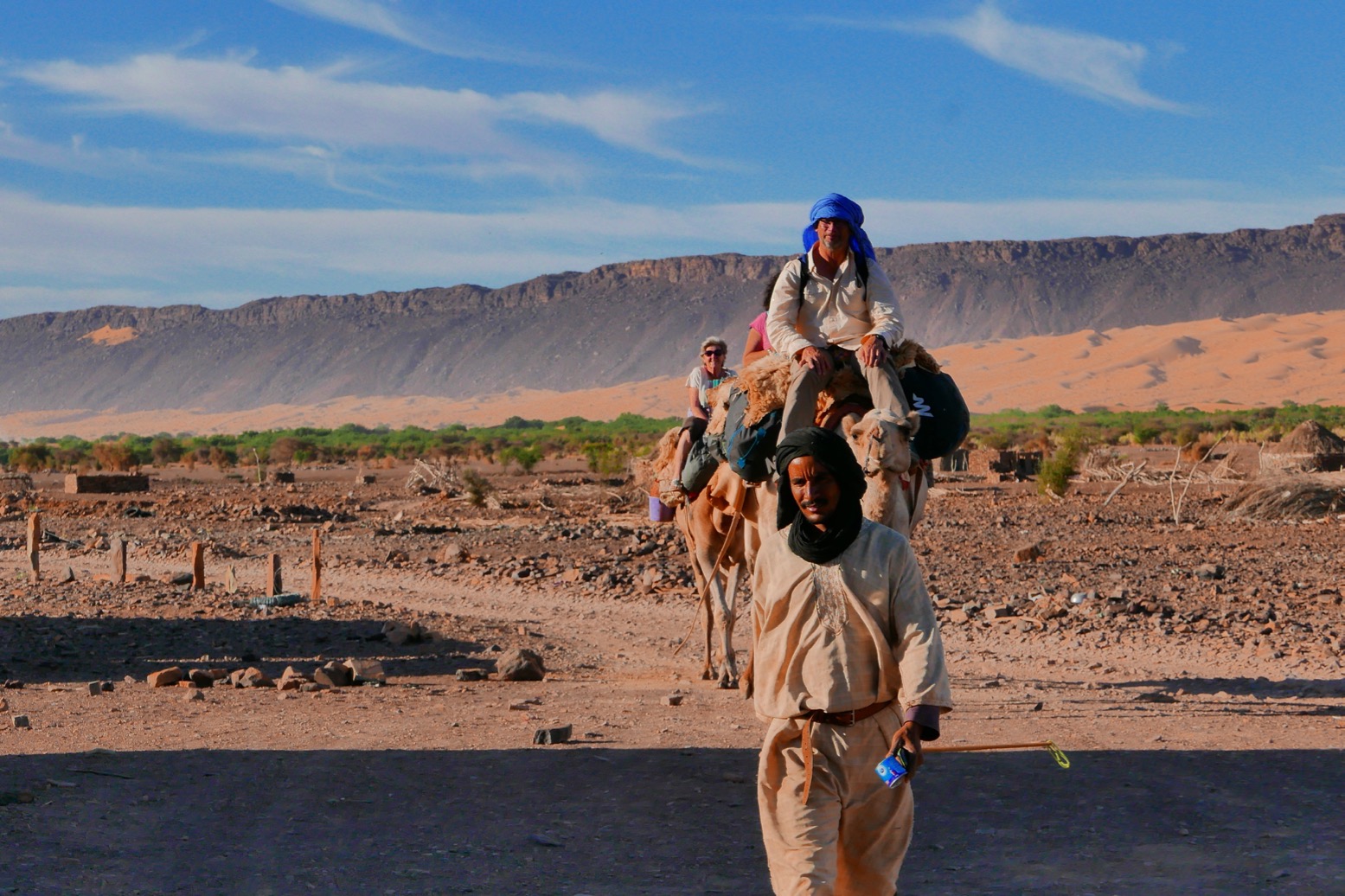
As it was, a couple in the group chose to ride when weary, and another couple had reserved camels to ride whenever possible. If you take this option, good saddle padding is essential, especially on the backbone. Me, I like to walk – some days more than others.
Sleeping out, I was a bit concerned that le chaleur might bring out the spiders and snakes everyone talks about in the desert. I heard later that the guides had indeed spotted a snake on night one, and again at Berbera guelta, but I never even saw any tracks. I suppose the good thing is that, besides being too big to eat, at night a reposing human is not much warmer than the surrounding desert and so not that alluring.
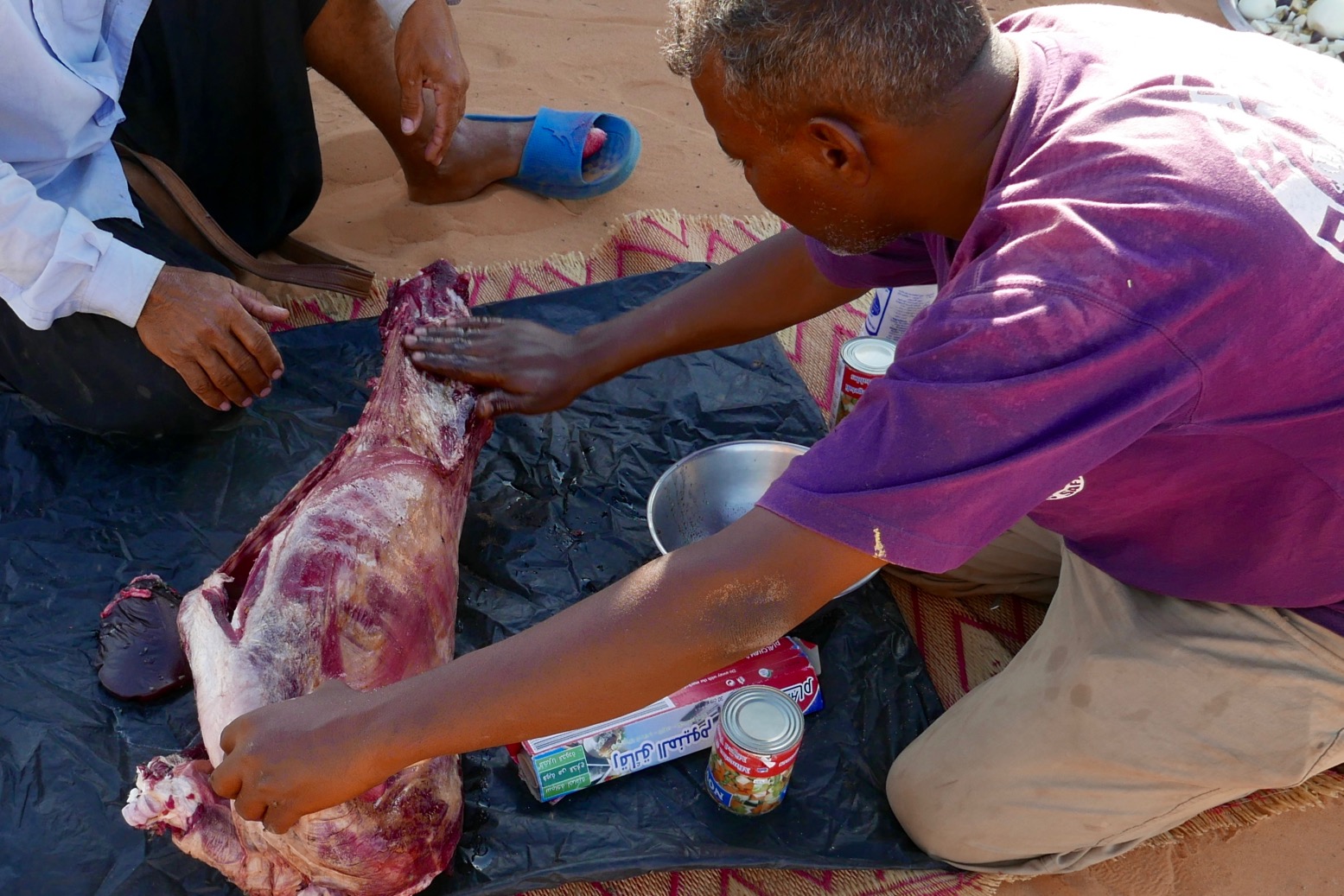
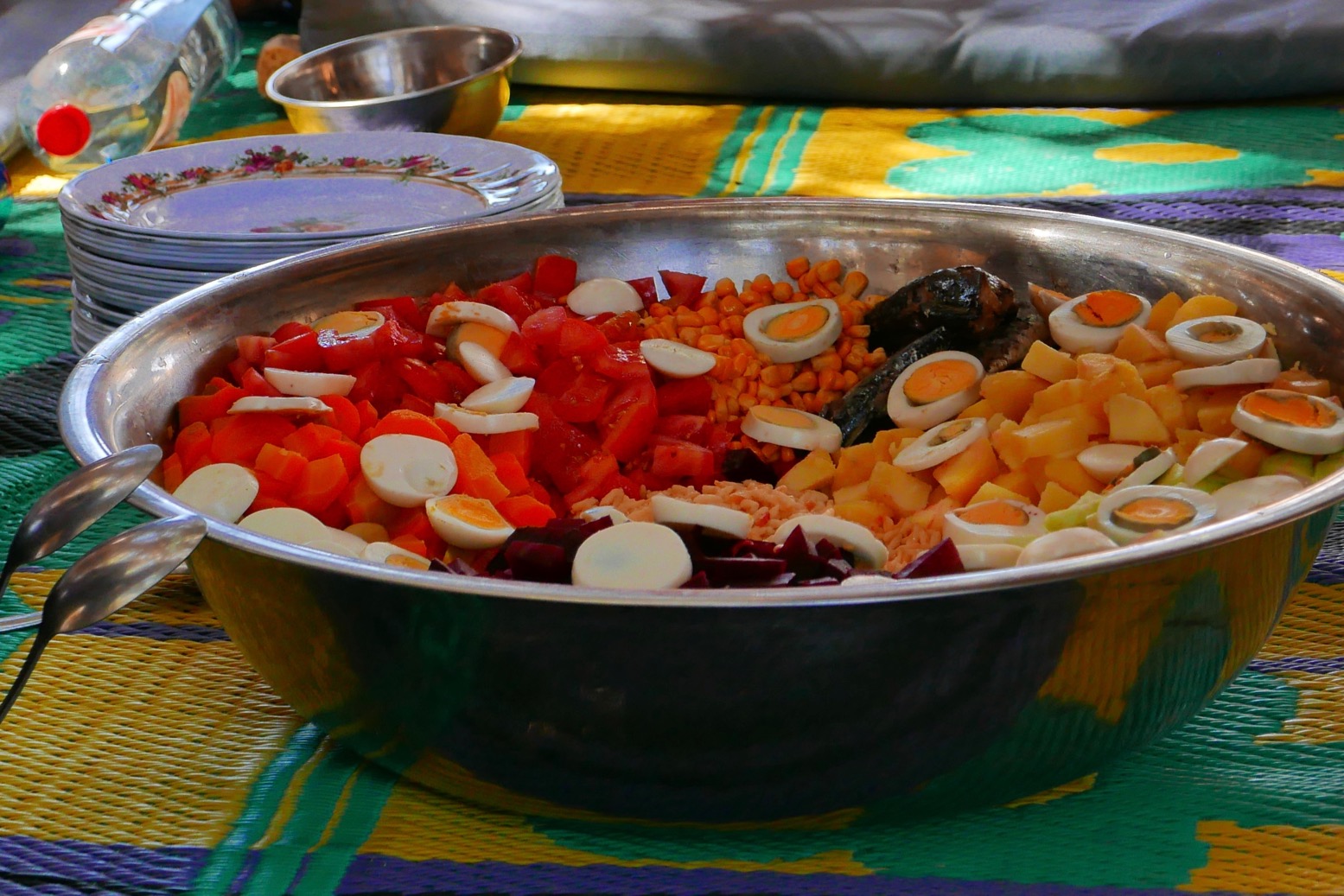
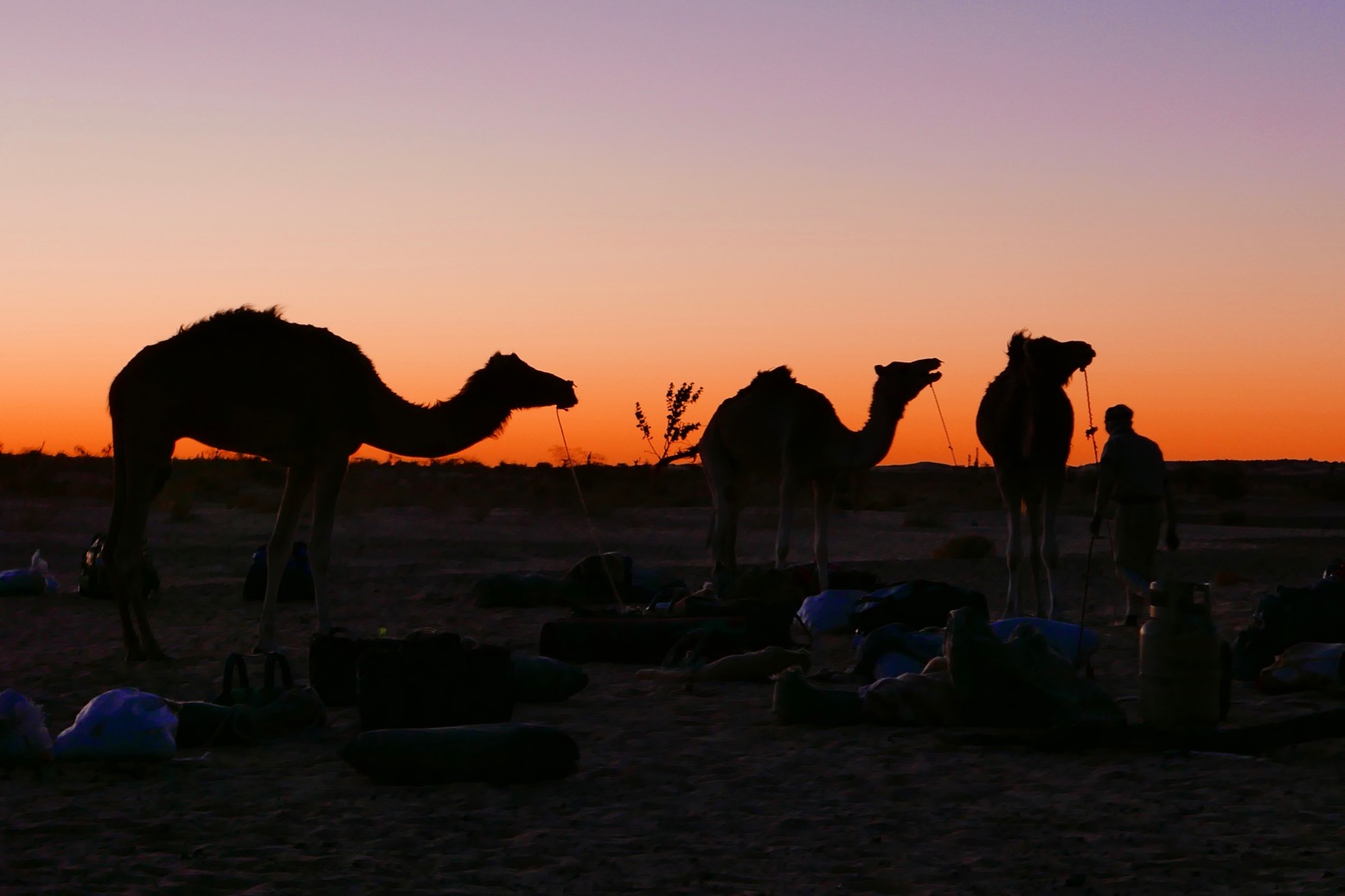
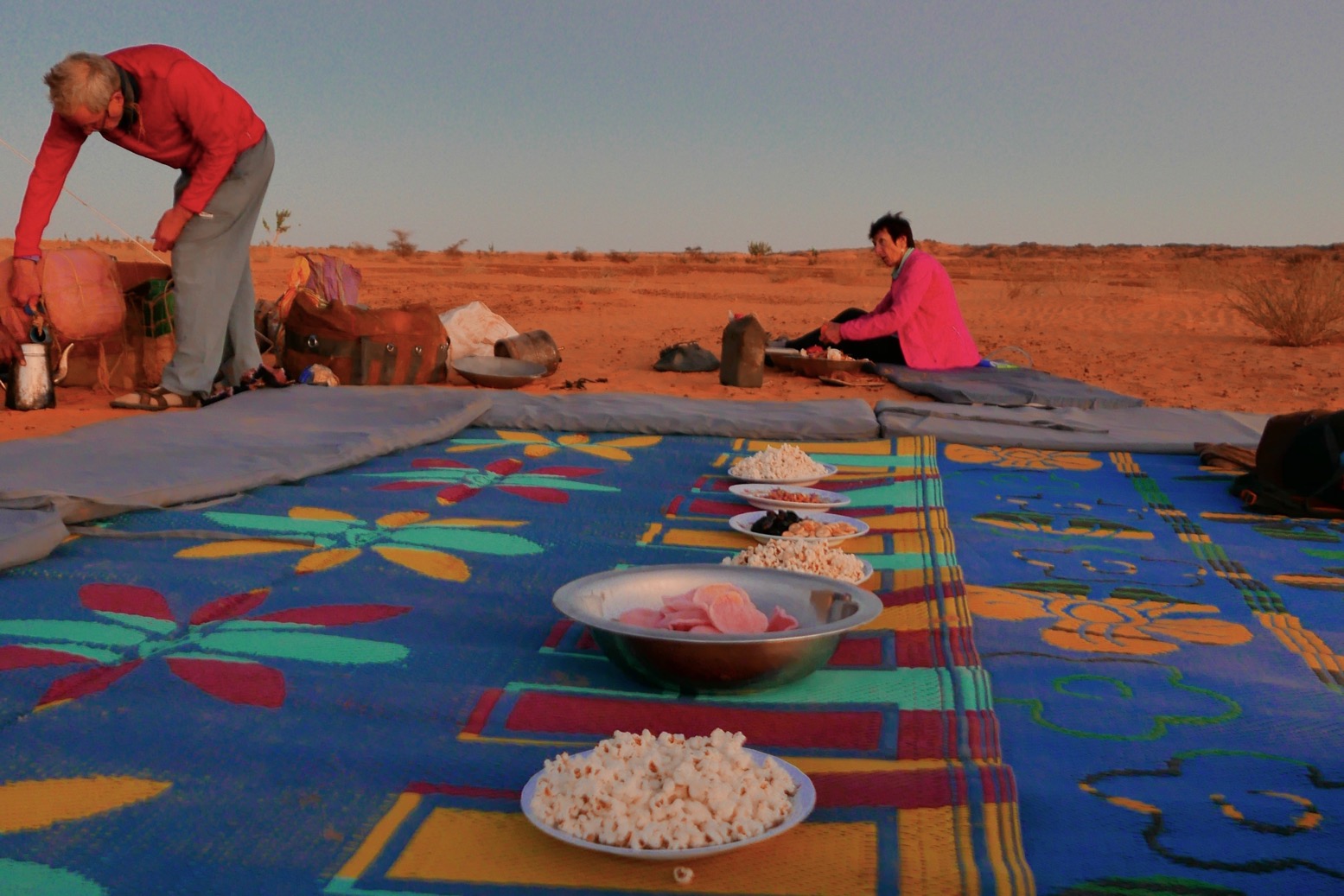
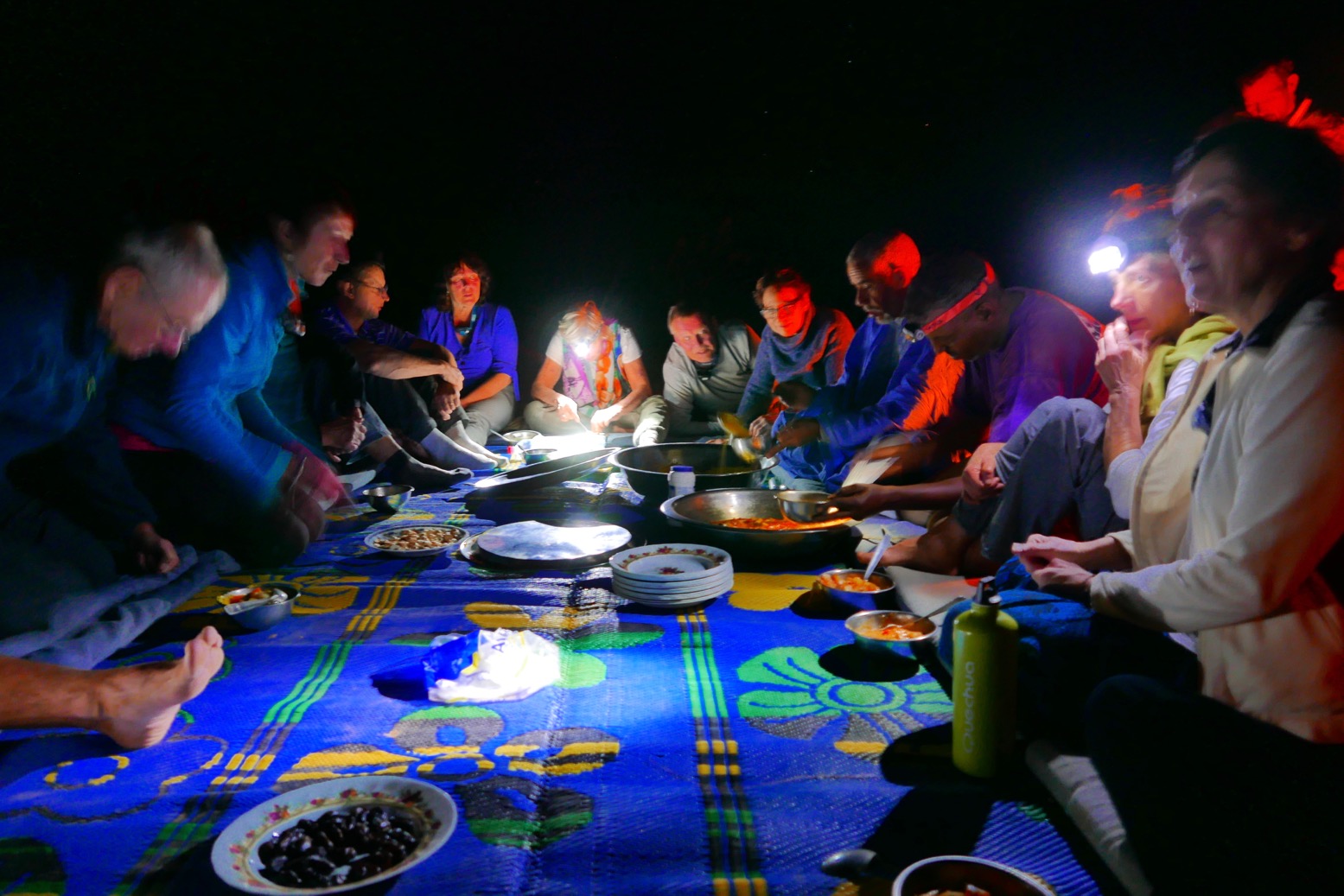
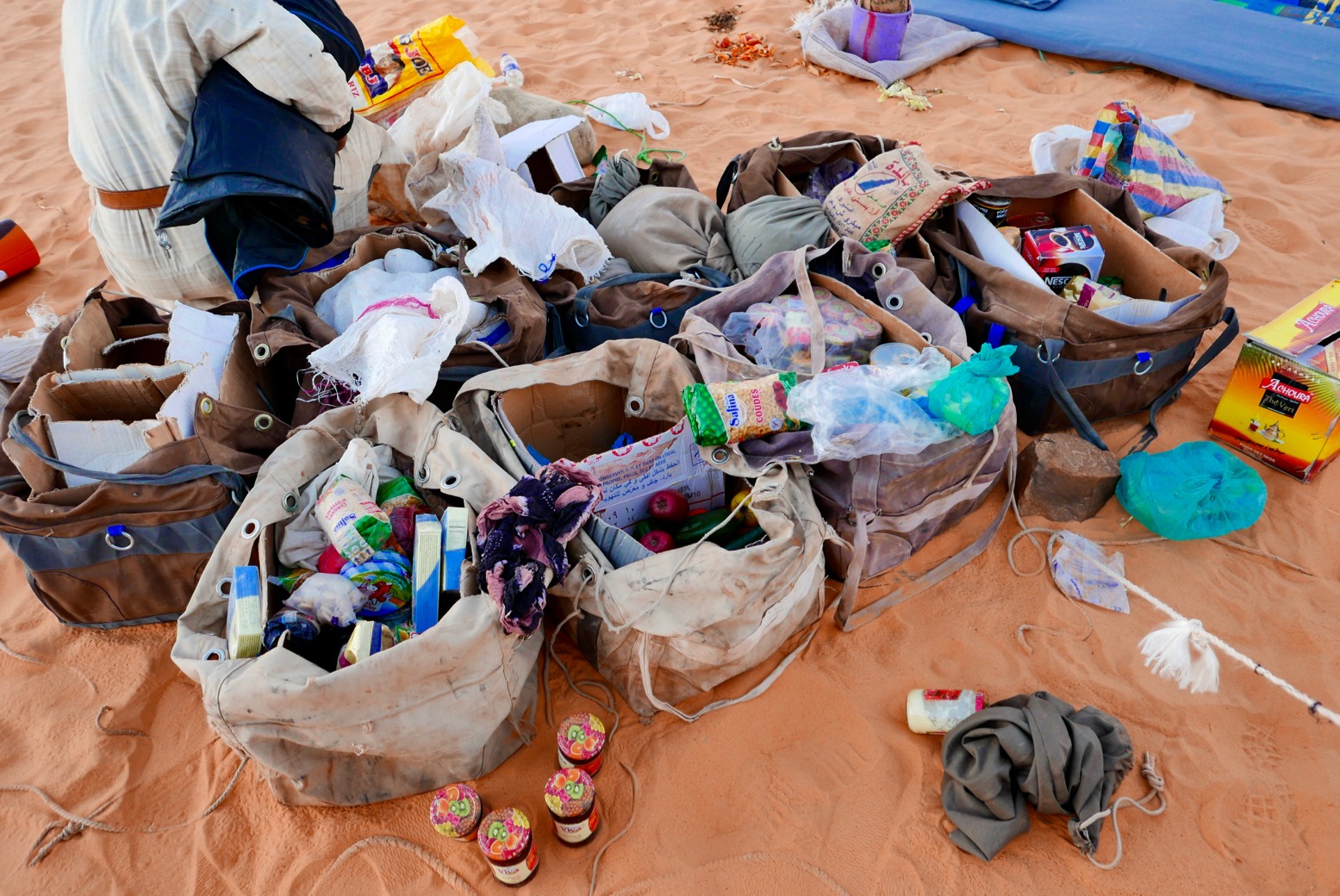
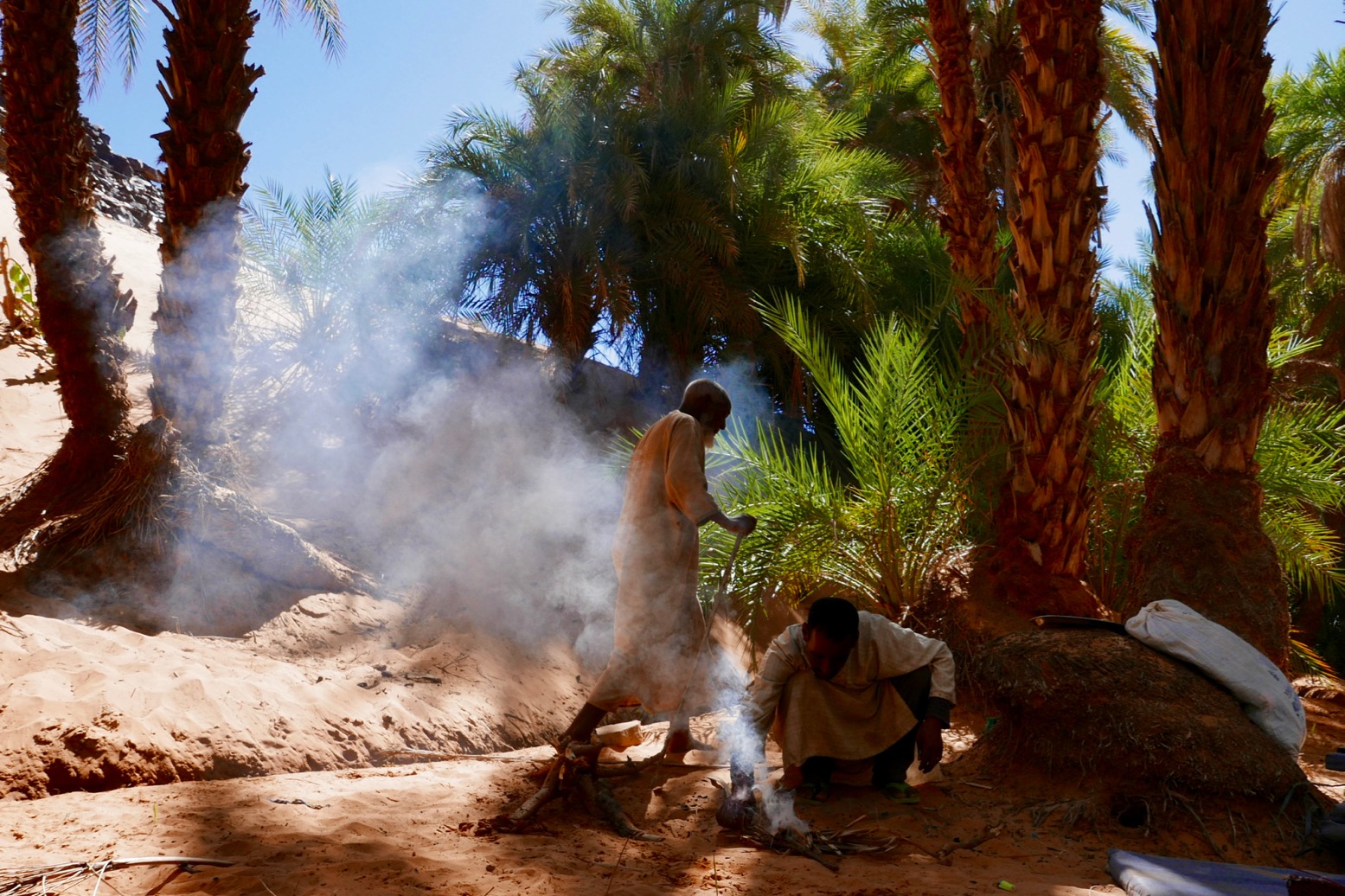
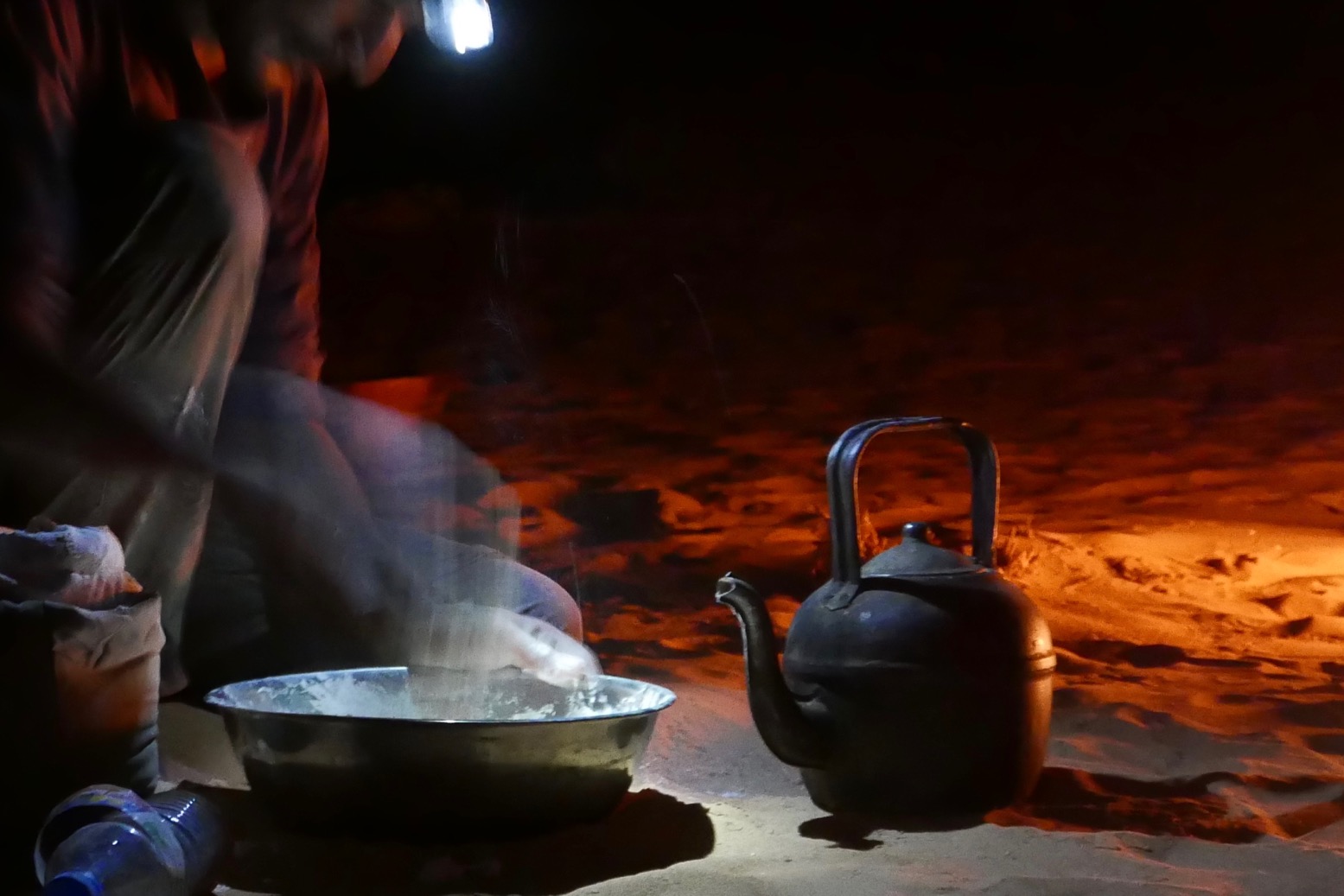
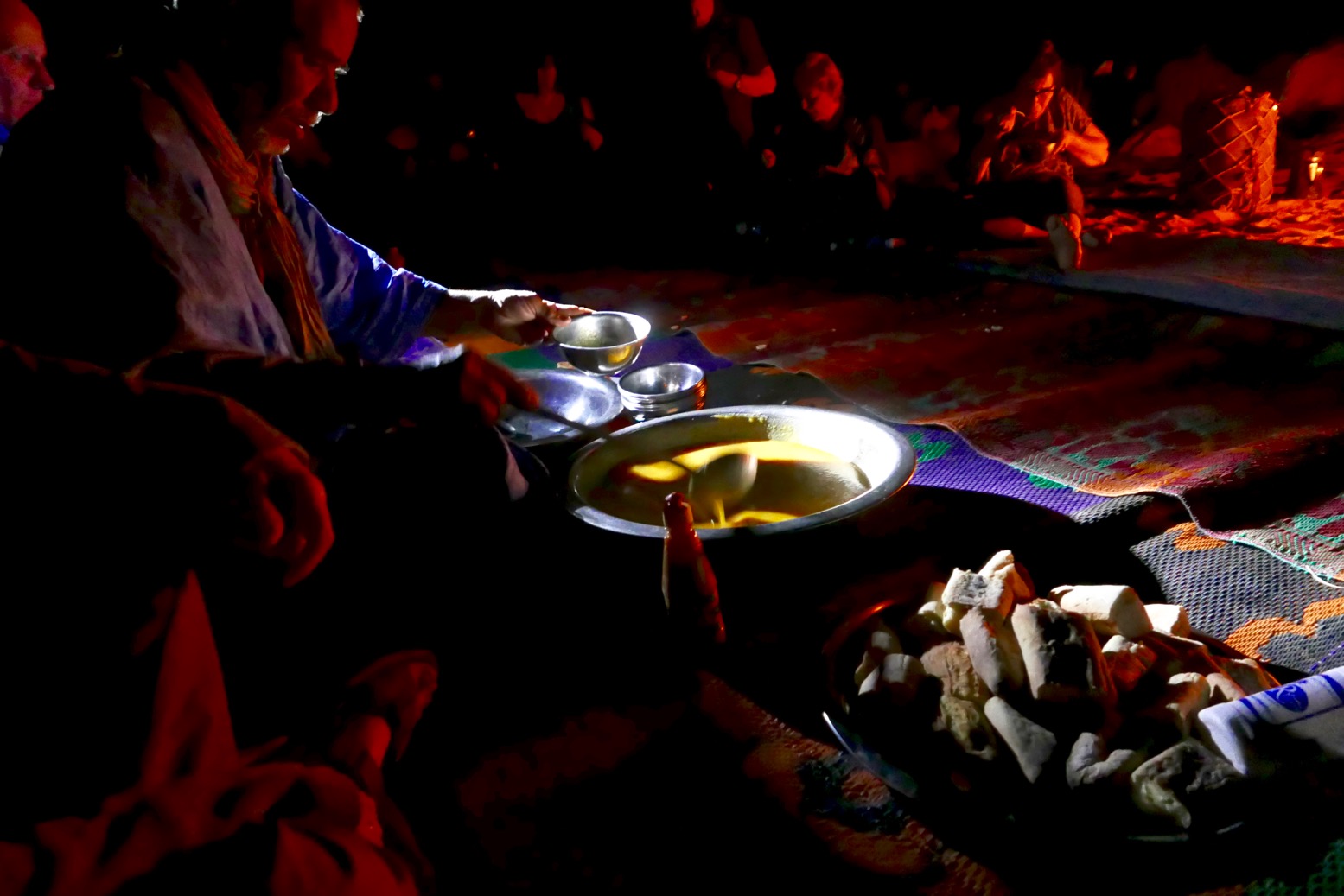
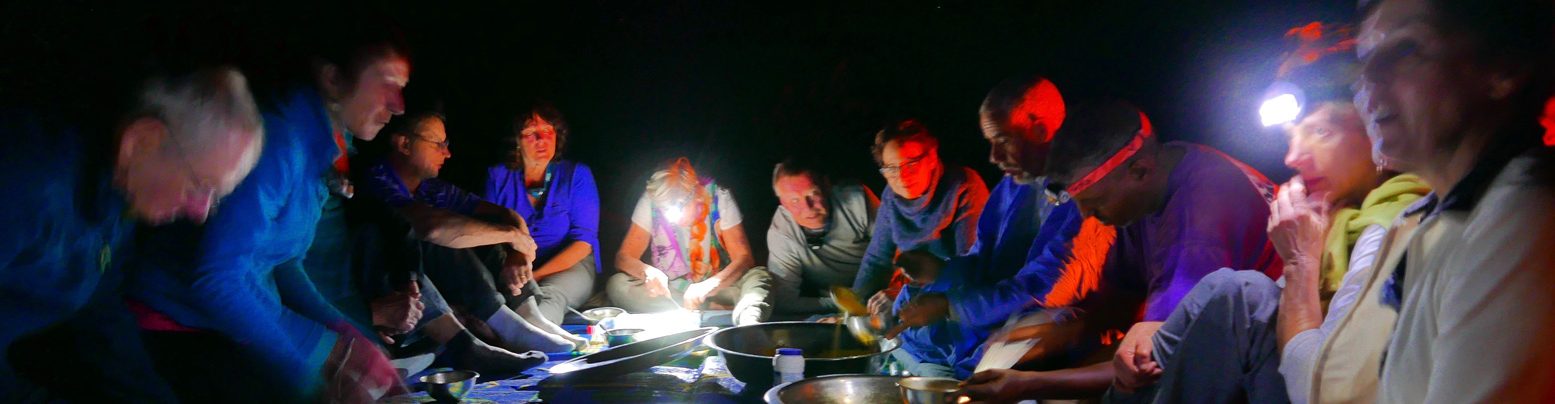
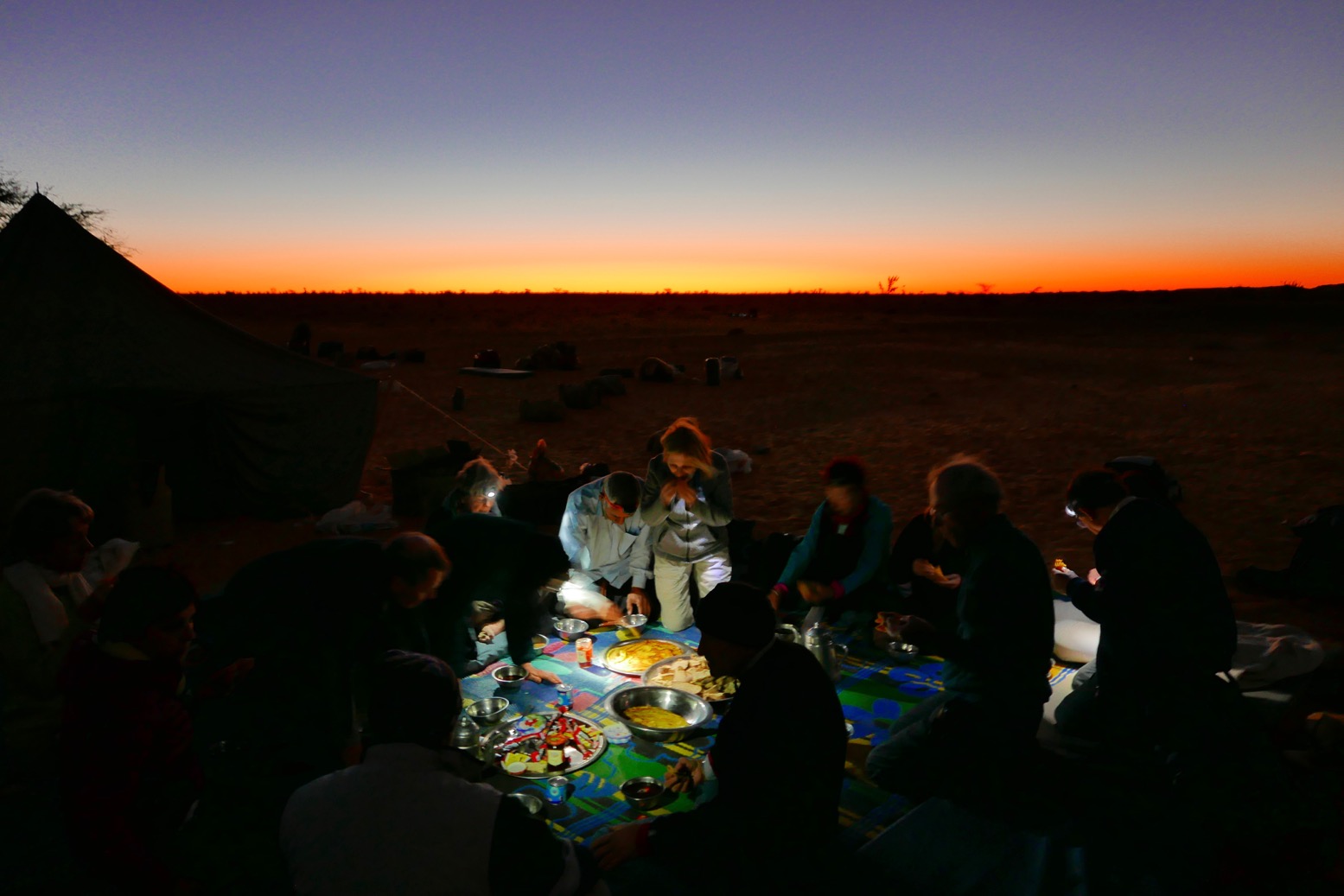
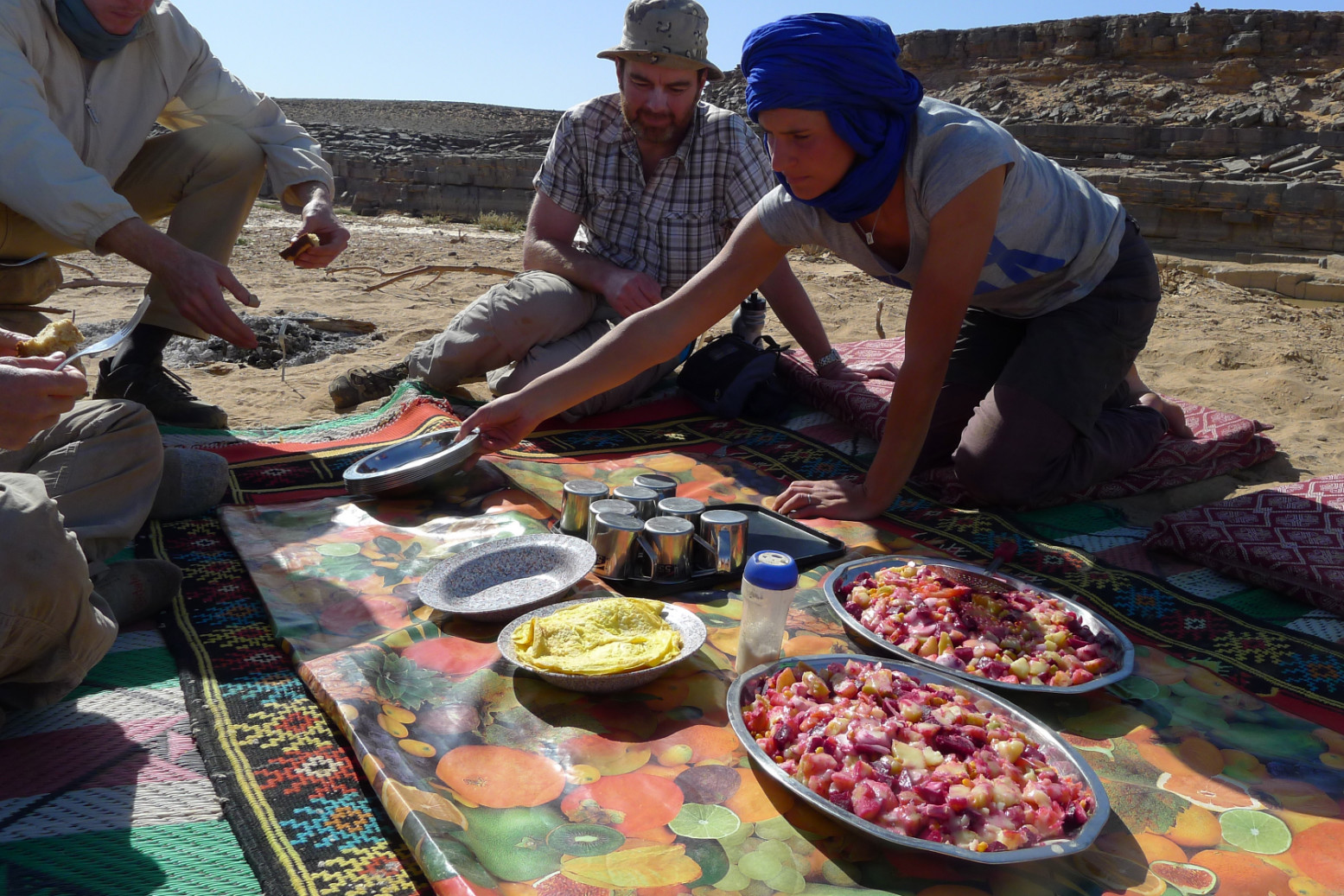
Compared to my Algeria camel trips (here and here) I have to say the service was as good if not better; it’s only a shame the fresh lunchtime salad couldn’t last beyond day one out of Chinguetti. After that it was cous cous/rice/pasta with tinned fish and hard veg at lunch, and the same but with veg stew in the evenings, plus soup and tinned fruit for afters. That said, we got two goats (right) which we didn’t have to buy, sandbread baked every night and pancakes every morning. And there was never a shortage of water, even for washing. After a while you do crave fresh fruit and veg as well as cool, clear water, but despite what you might call a ‘high-carb’ diet I managed to lose 4kg which I happened to have going spare. Heat kills the appetite which is why I’m currently dressed in three ski suits while doing Hot Yoga next to the radiator.
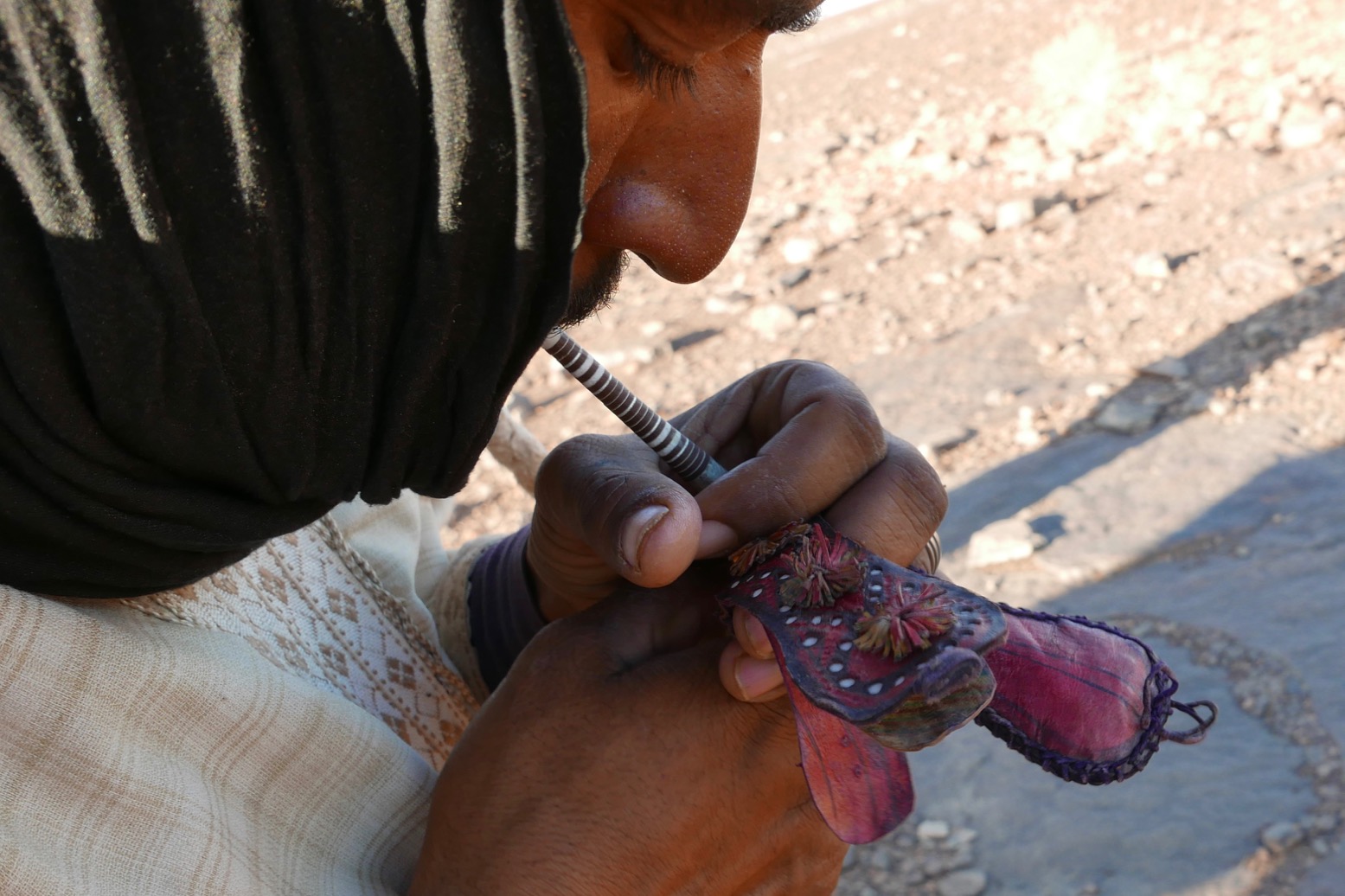
One thing that spoils the Mauritanian desert vibe for me is the endless ‘gift shops’ unrolled at many desert stops and every nomad camp. In this way Algeria feels more sauvage; on the Immidir treks we might come across a family  of feral goat nomads in 11 days and never ever see car tracks. But as I recall from the late-90s, wayside trinket markets were always the way in the Adrar, as it was in the Aïr of Niger. And anyway, not everyone may have as replete a collection of cheches, stone tools, teapots and other desert souvenirs like me. At one place I noticed a women selling an unusual fulgarite necklace among her collection of silver jewellery.
The large group size didn’t really bother me, perhaps because much of the chat went over my head, but probably because it was a good group and anyway – resting or on the move there is plenty of space, it’s not like being stuck in a bus. Plus you imagine people who choose to take a two-week walk in the desert in March aren’t going to be complainers. Having said that, you do wonder if Homo Sapiens’ mysterious Great Leap Forward; the so-called advent of behavioural modernity 40,000 years ago is attributable to the invention of the comfy chair. Or maybe that’s where it all went wrong.
cropped-cam2dins.jpgIt’s interesting to observe how the Frenchies (and the few Belges) are much more casual about desert walking than some Brits brought up on the exploits of tormented ex-public school masochists like Thesiger, Lawrence and maybe Michael Asher. Le Sahara to them is just a holiday destination like Vanuatu, not necessarily a place to pit yourself against the elements to within an inch of your life.
rim18 - 26

tik
Straight out of Atar into the desert.
Great value at €1200 + €55 airport visa
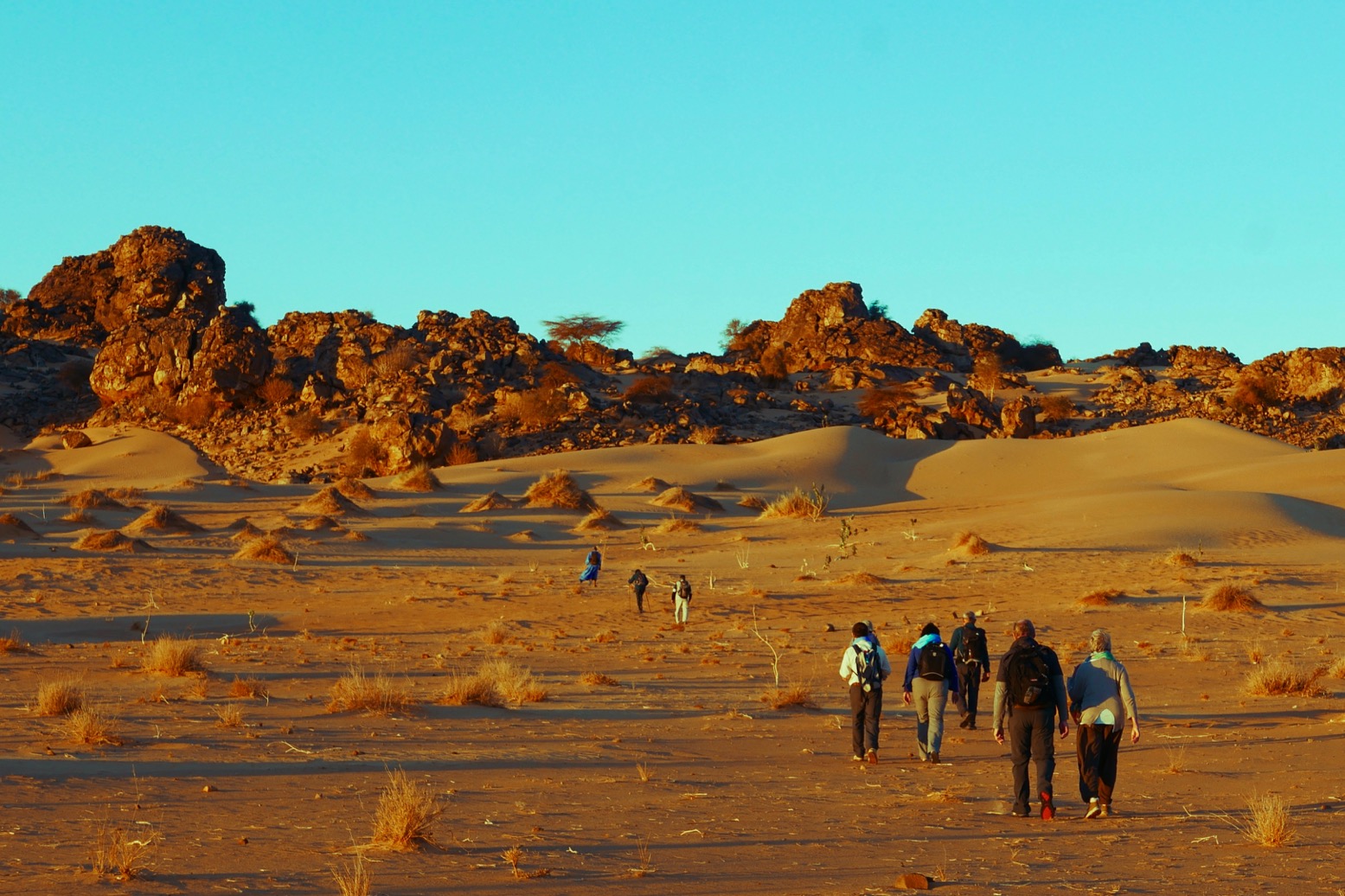
Pre-dawn starts. Feels like a proper desert trip
Sand-baked goat x 2, merci beaucoup
A shady acacia just when you need it
Great crew from Mauritanie Voyages
Wheat flour sandbread, not heavy tagela
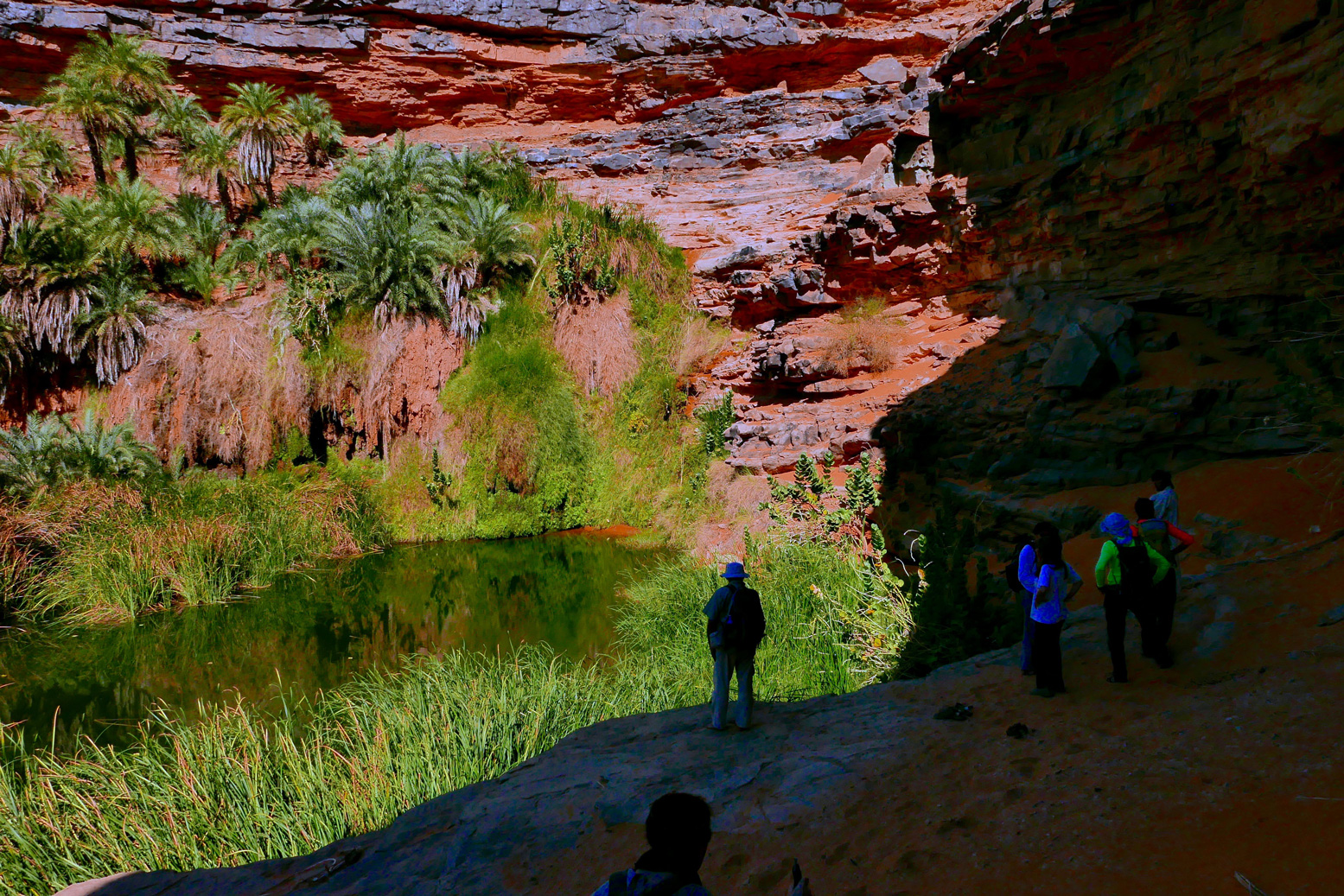
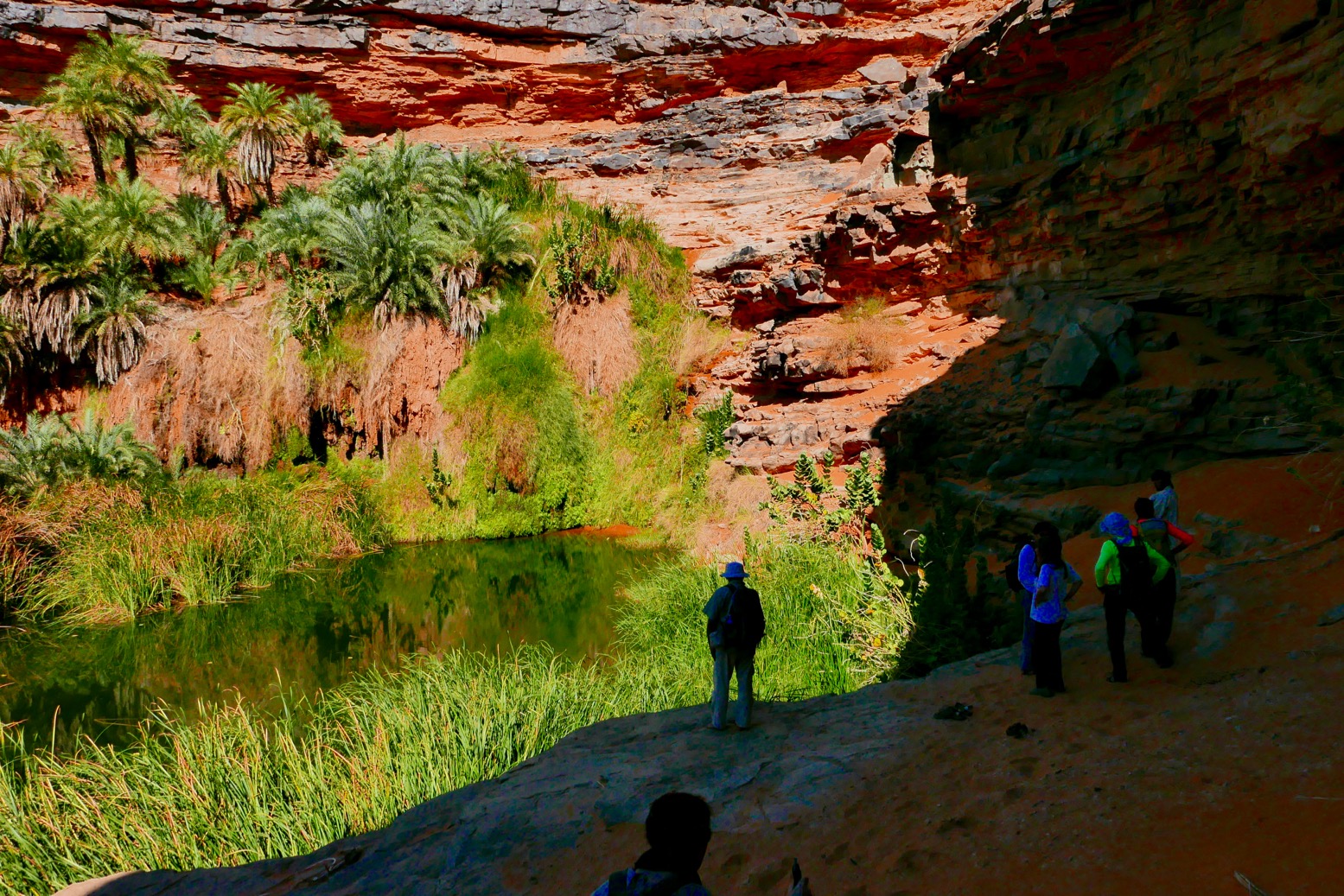
Afternoon at Berbera oasis
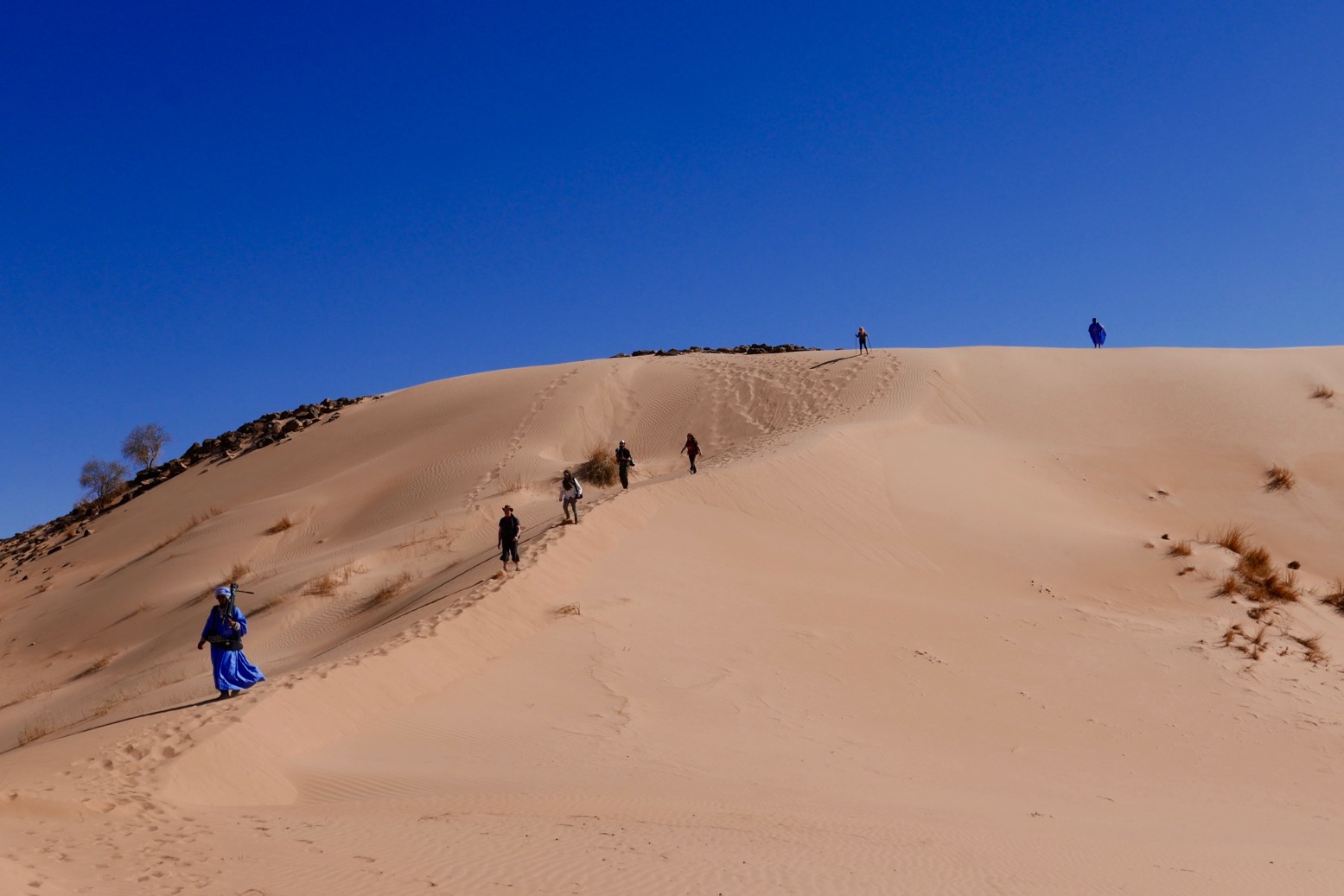
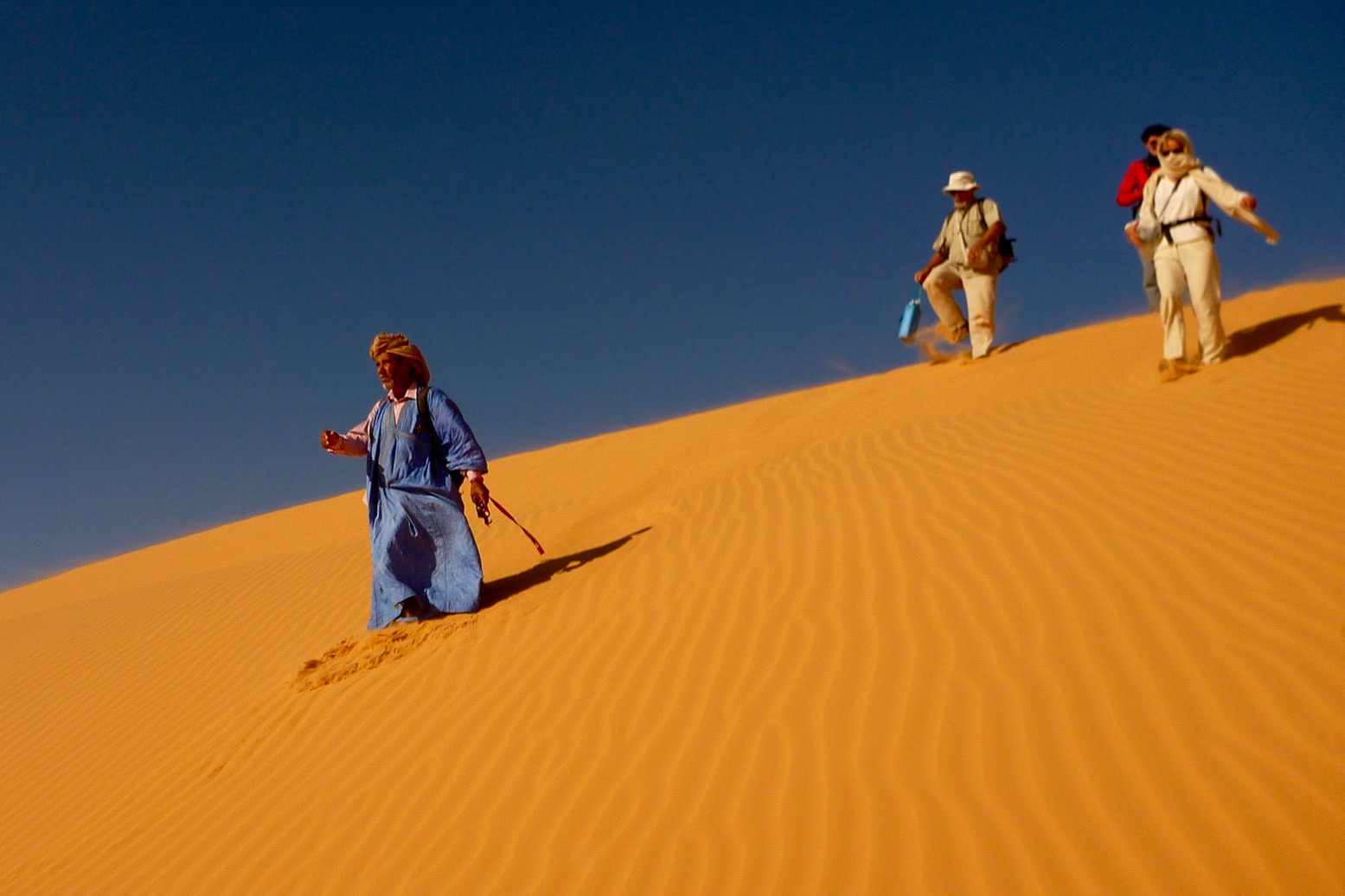
You’ll get plenty of dune walking in
luncharn

cros
Lack of prolonged remoteness (to be expected in the Adrar)
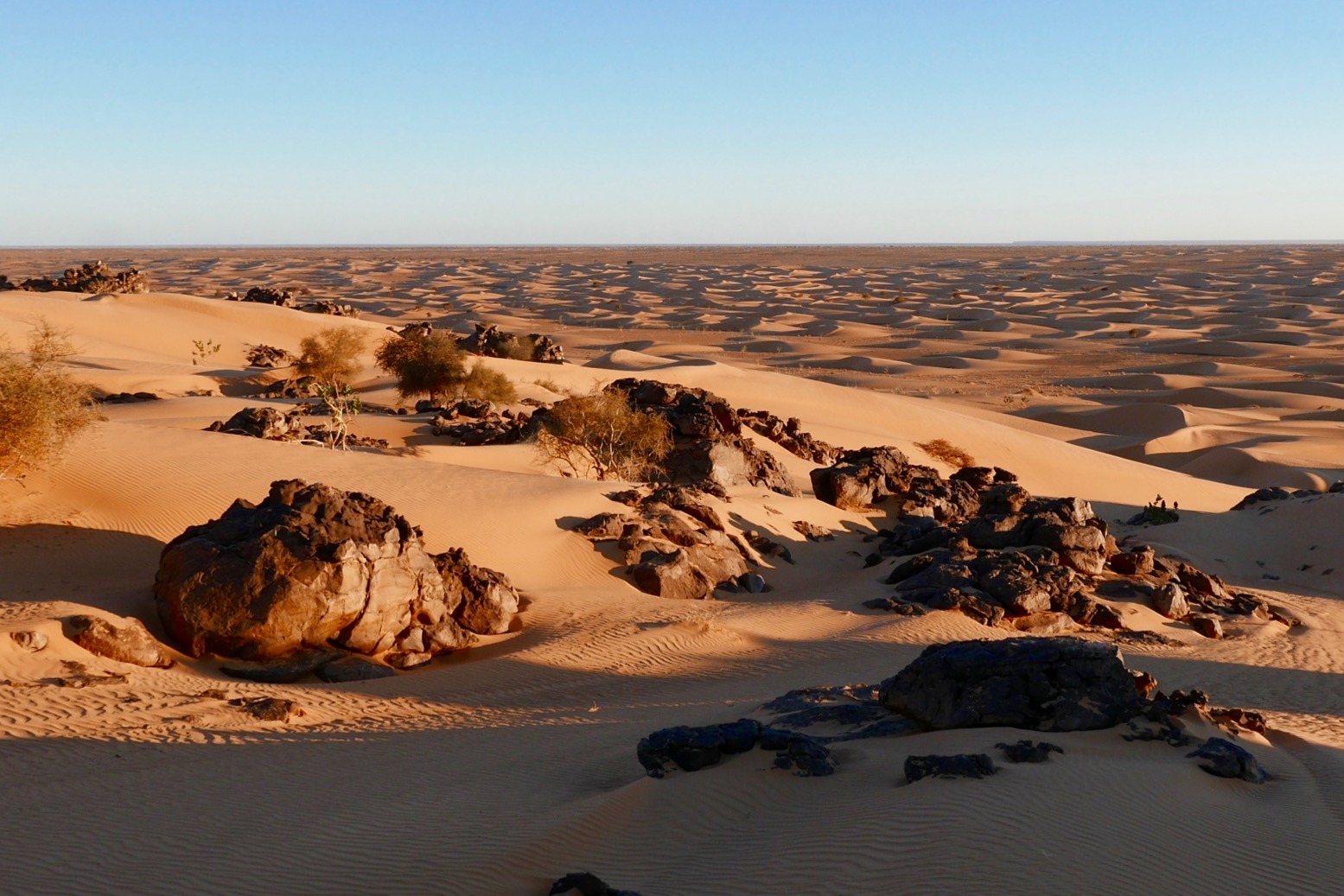
Flatish landscape out east
Trinket stalls every day
Pace slowed too much (but just as well)
Nescafe – in the end, undrinkable whatever you try
Missed fresh lunch salads and fruit, too
Oued Abiod; the better places were off it
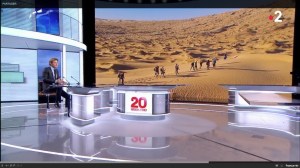
You can watch the 4-minute French TV report here. We didn’t encounter the army patrols featured in the film – they were up north shot later (so to speak). But it reminds me how brilliant drones are for desert filming. Makes me want to do more walking in the Sahara, but maybe not in a springtime heatwave.
T is for Trans-Saharan Trade Routes Map

Part of the Sahara A to Z series

See also:
‘V’ is for Vintage Sahara Maps
Sahara – Blanks on the Map
Maps of the Sahara
I is for IGN and their Sahara Maps

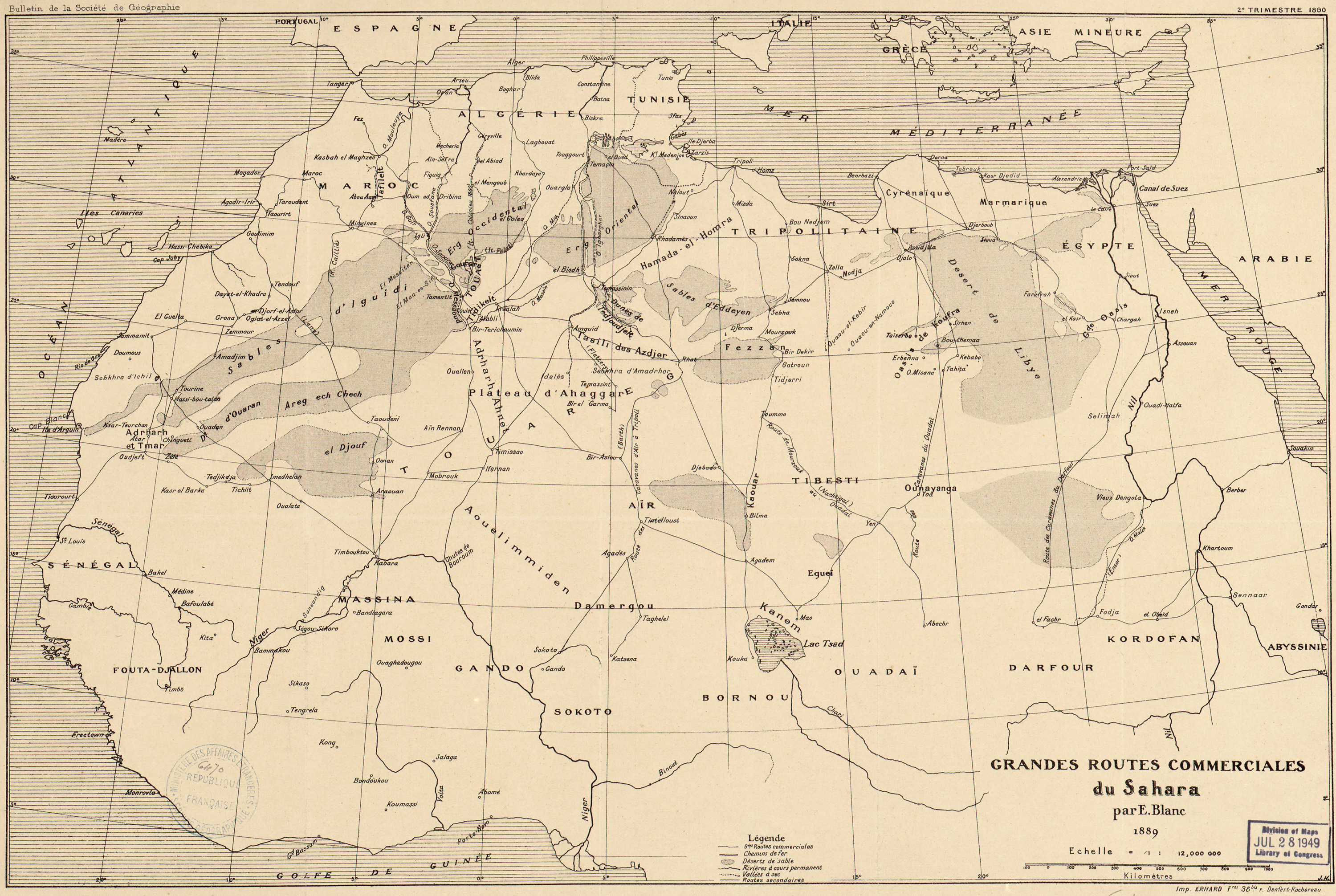
I came across this old French map of the Saharan trade routes from 1889 [full-size source]. As always, it’s interesting to see where was prominent then and what has come since. Old spellings and some names differ.

Not a lot of people know that an earlier name for Marrakech was ‘Maroc’ or Morocco. Once this area was all known as ‘Mauretania’ – the Land of the Moors (Blacks) from which all these names derive. Mogador is today’s Essaouira.
Other well-known Moroccan towns are present, as well as the 52-days road to Timbuktu from Zagora or Sijilmassa (Rissani), all depicted with other names.
By this time most camel trade took the western route to Goulimim (Wadi Noun), which explains the vestiges of the tourist camel market there today. The original site is actually here.
flocapjuby1880

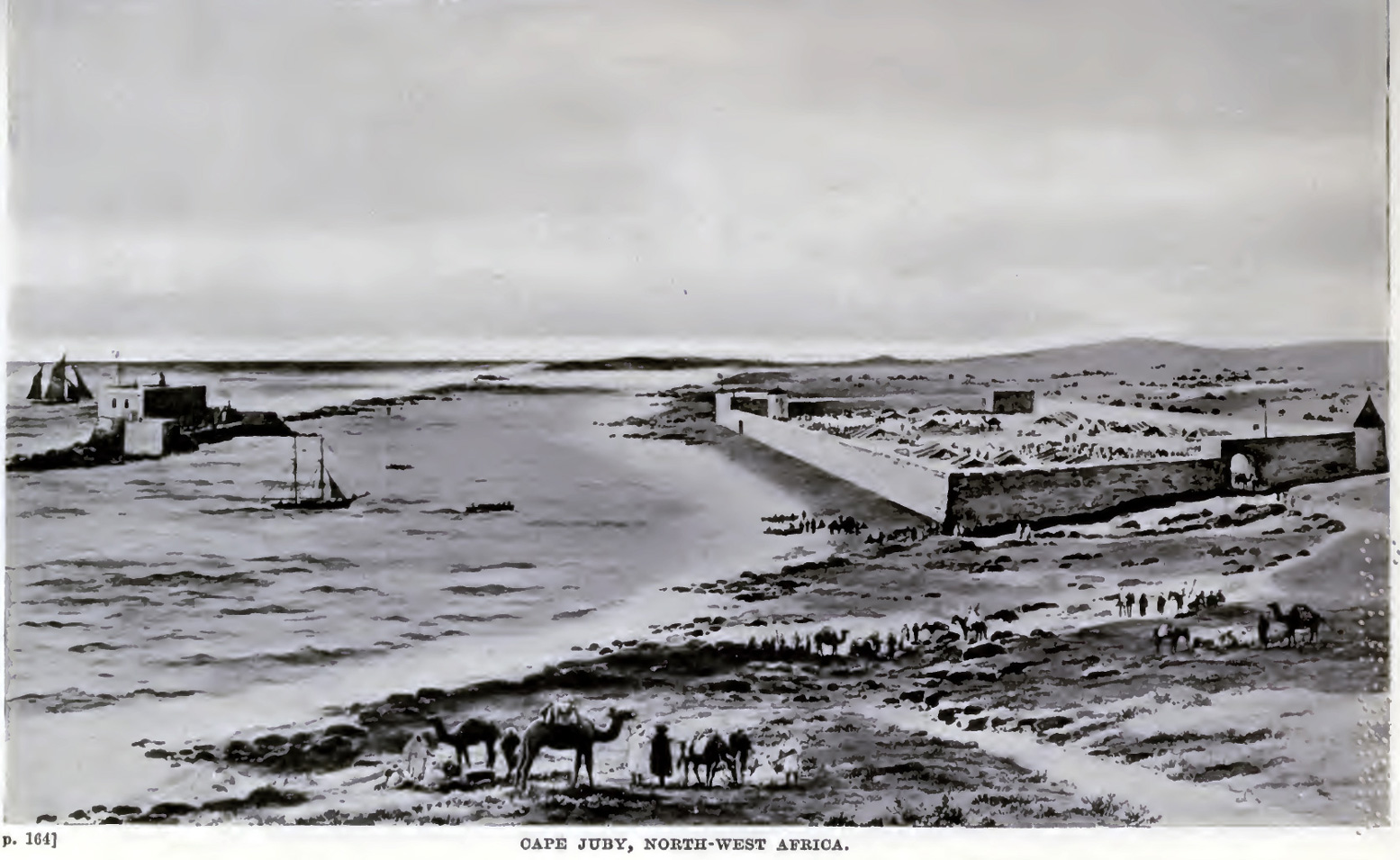
Cap Juby (today’s Tarfaya) we’ll be hearing more about shortly, but inland from here a tough route from Tindouf led to Taoudeni and also Timbuktu.
Southwest from Tindouf another track leads to Mauritania, the old colonial overland route to Dakar mid-last century, as driven by this nutter.

ouadane

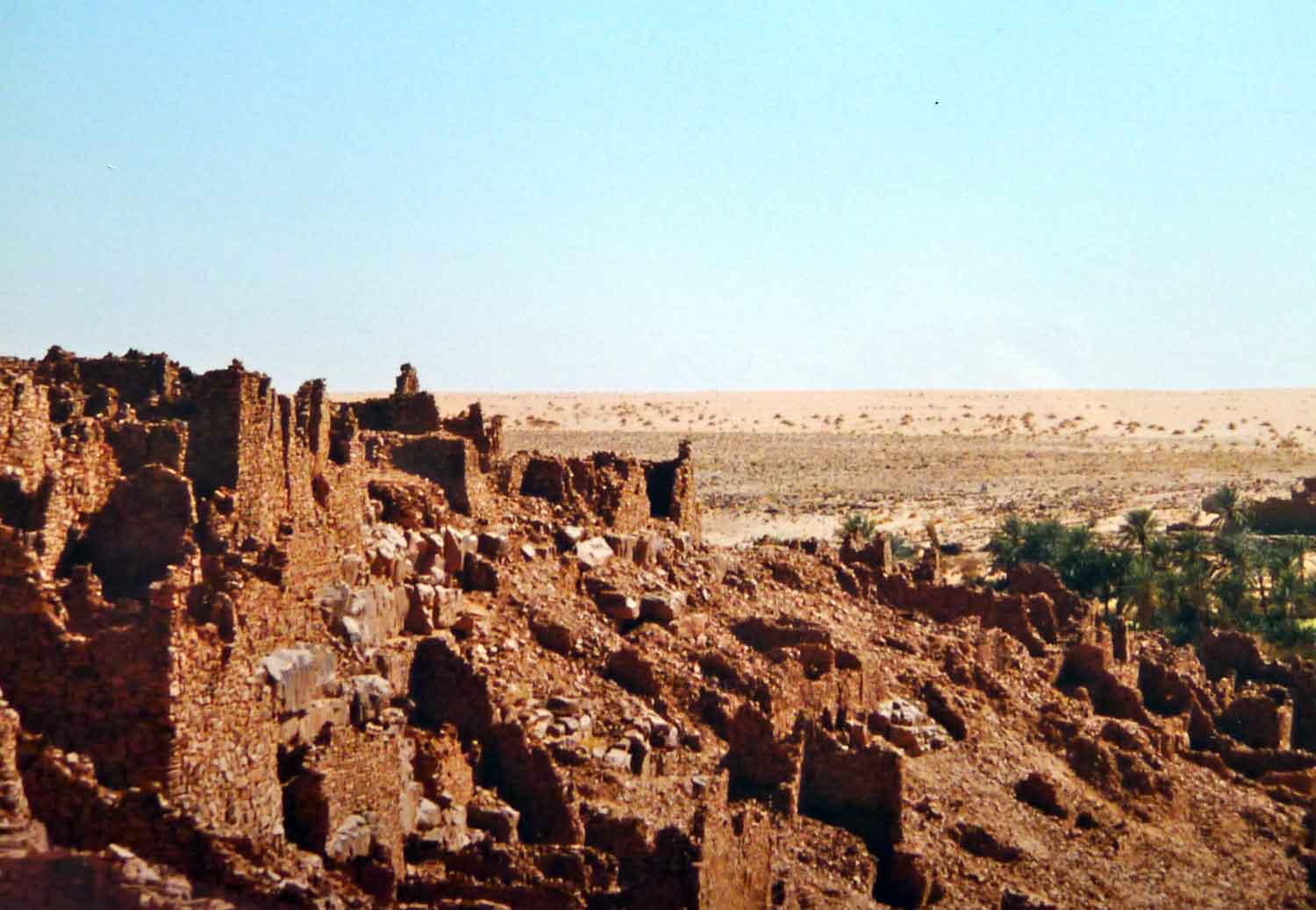
Mauritania has many familiar places like Atar, Chinguetti (right), Ouadane (left, where we coninued east across the Majabat for Algeria in 2006) as well as Oujeft leading to the ruins of Ksar el Barka, Tidjikja, Tichit, and Oualata for Timbuktu. But no Nouadhibou (Cap Blanc) or Nouadhibou (Tiourourt) yet, far less Zouerat. And no Dakar back then; St Louis was the colonial capital of French West Africa.

101
tim-missao

In Mali Timbuktu is central, with trade routes leading north via Araouane, or Tim Missao well (left) in Algeria where we stopped in 2006 and 1989 (right). No Tamanrasset or Djanet – the two biggest towns in southern Algeria today, but In Salah, Amguid and Temassinin (Bordj Omar Driss) are present.

bilma2006
gilf-55

In Libya little seems to have changed: Ghat and Ghadames are there, as well as Germa (Ubari)  and Murzuk on the route for Lake Chad via Bilma (left). To the east the oases making up Kufra lead down to the Ounianga lakes in northern Chad. And east of there is the Darb al Arbain (Road of Forty Days) from El Fasher in Sudan, via Selima across the sand sheet (right) towards Kharga and Asyut on the Nile.
B is for Bagnold: Rare 1930s film in the Libyan Desert

Part of the Sahara A to Z series

See also; Libyan Desert Master Map

bagcar

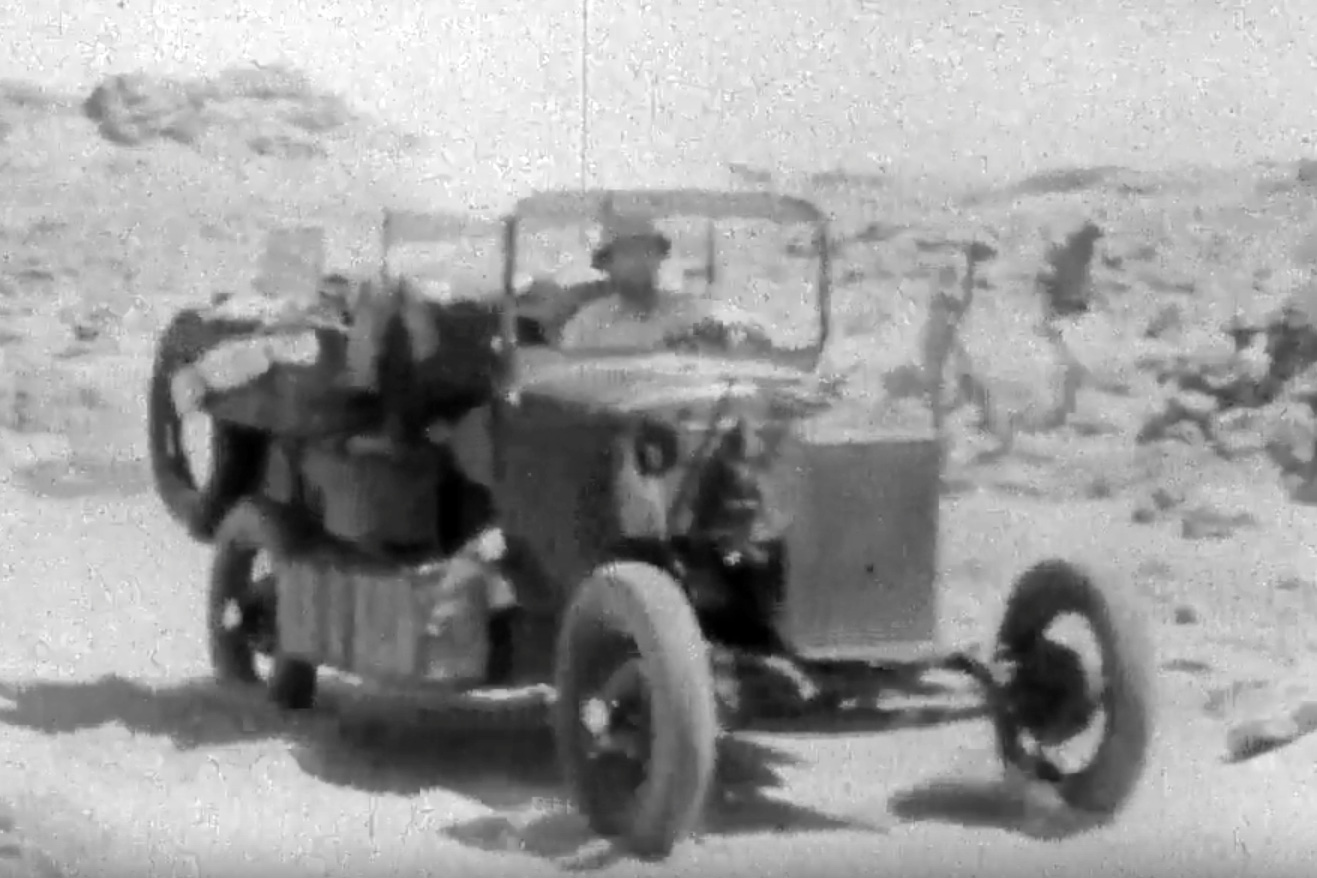
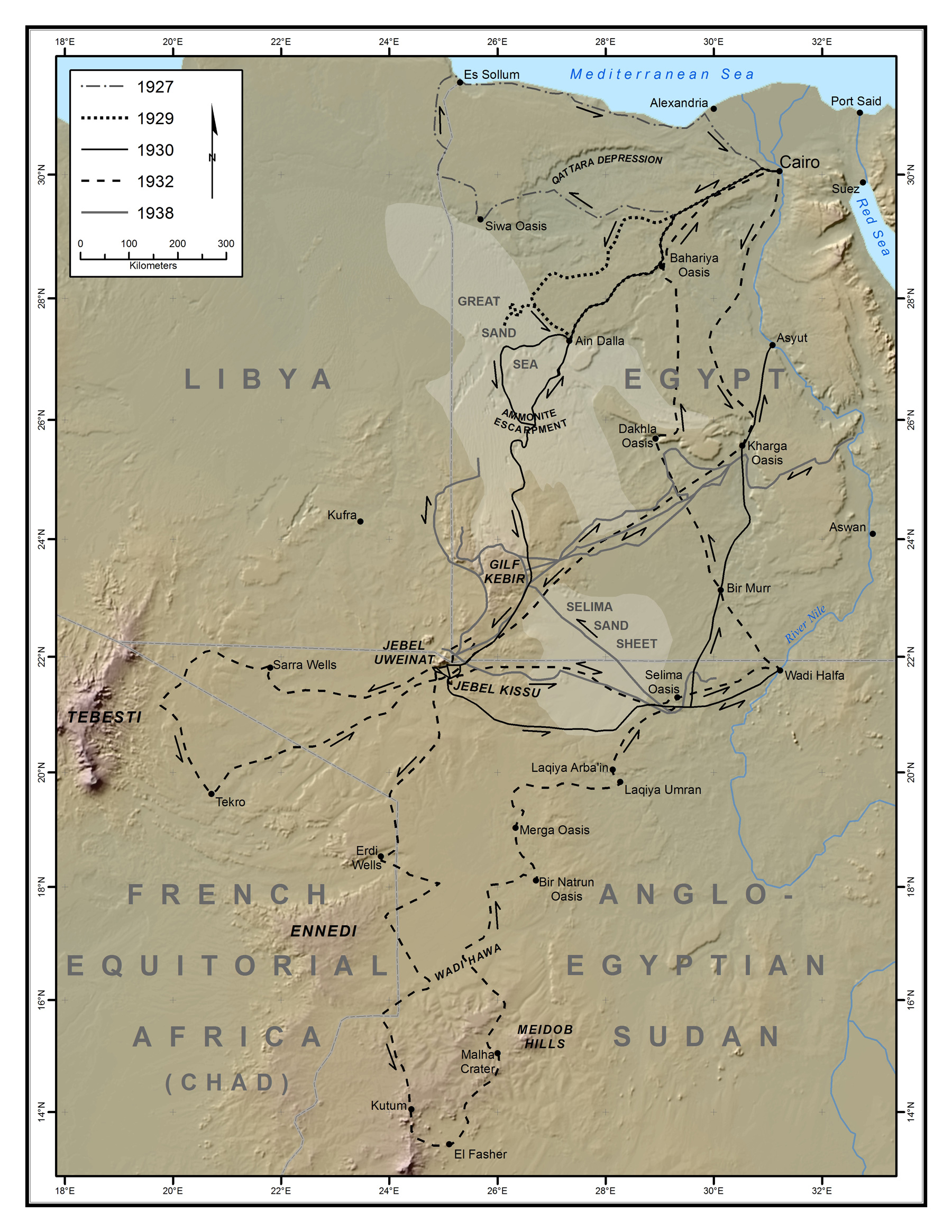
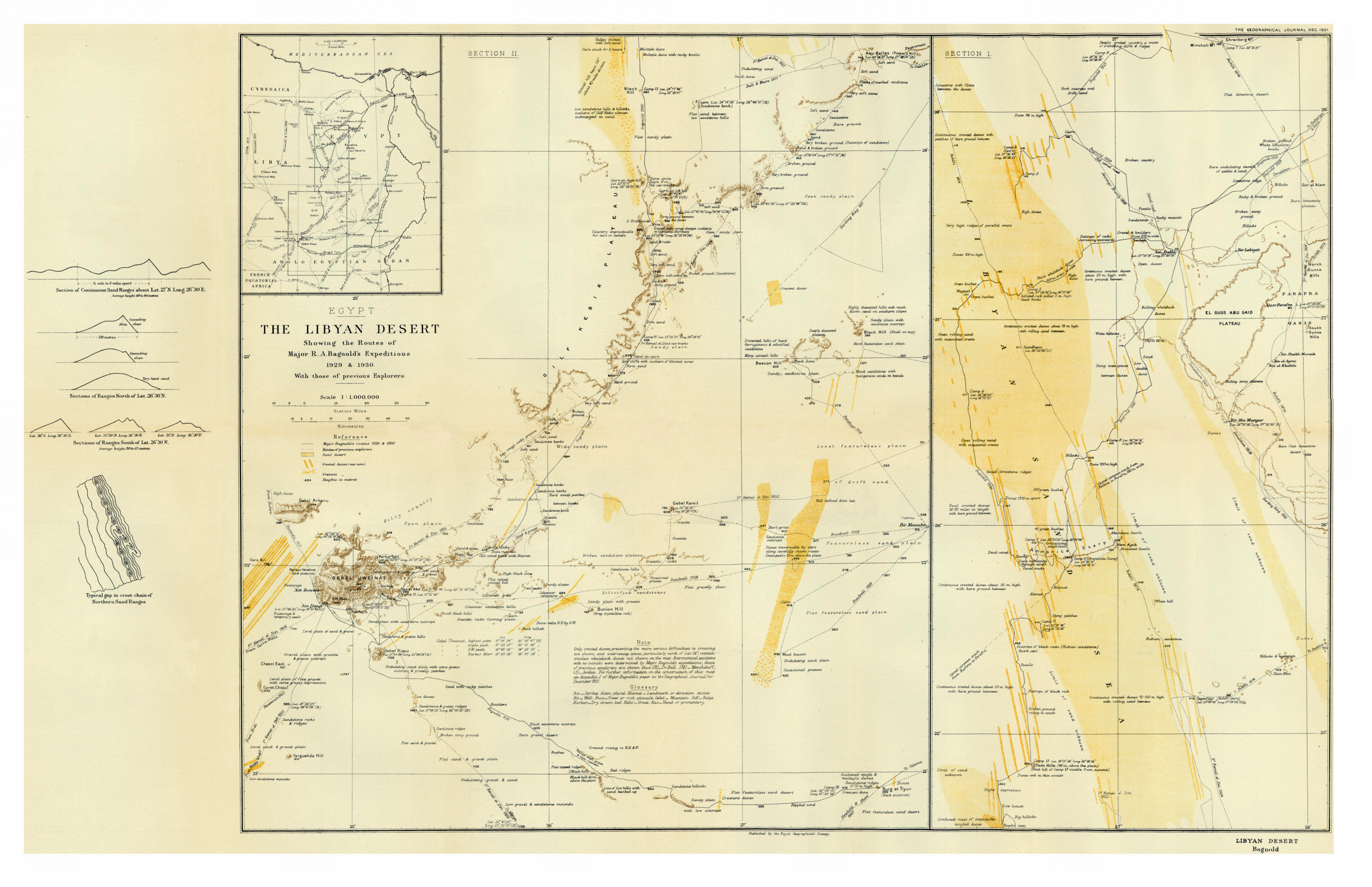
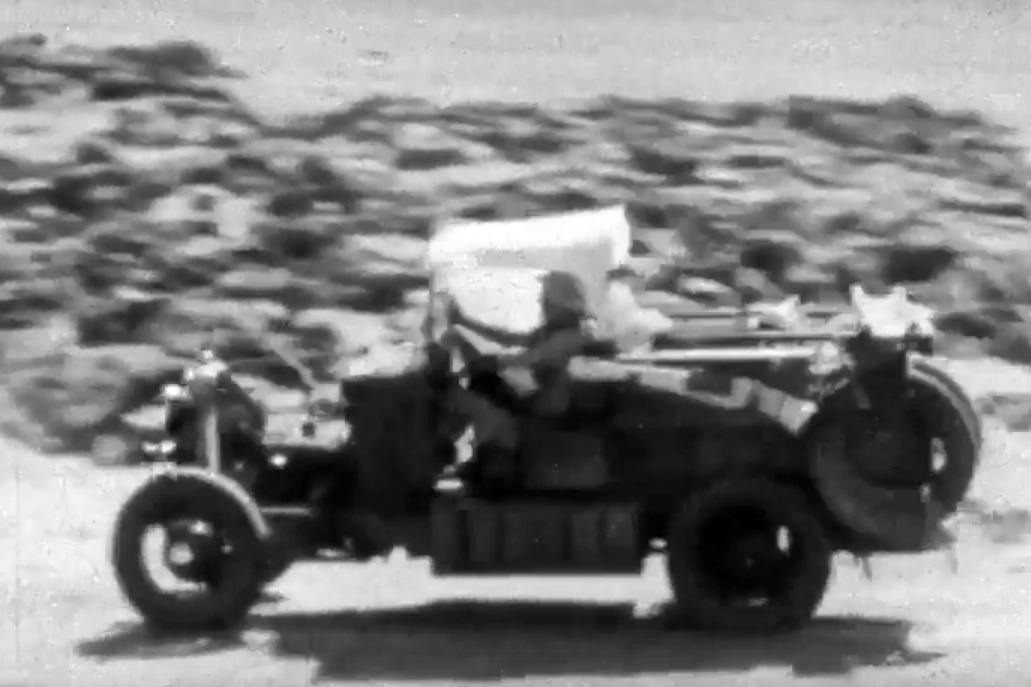
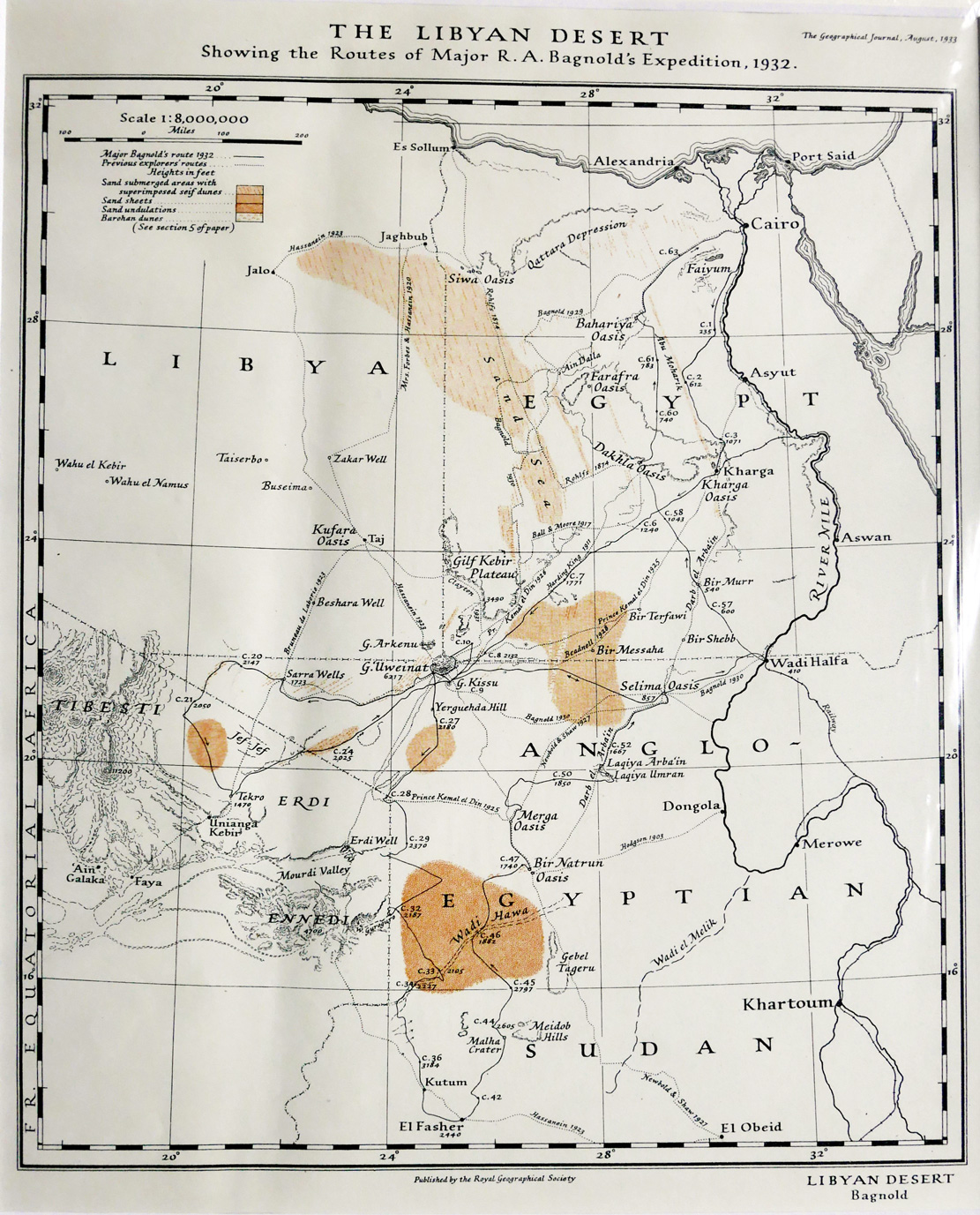
A few months ago the British Film Institute released an archive film of the early motor expeditions of Ralph Bagnold and his crew, exploring deep into the Libyan Desert. (Click BFI if youtube below gets deleted). The map below shows all his expeditions in the 1930s, and there are more, original maps further down.
bagnolds-expeditions

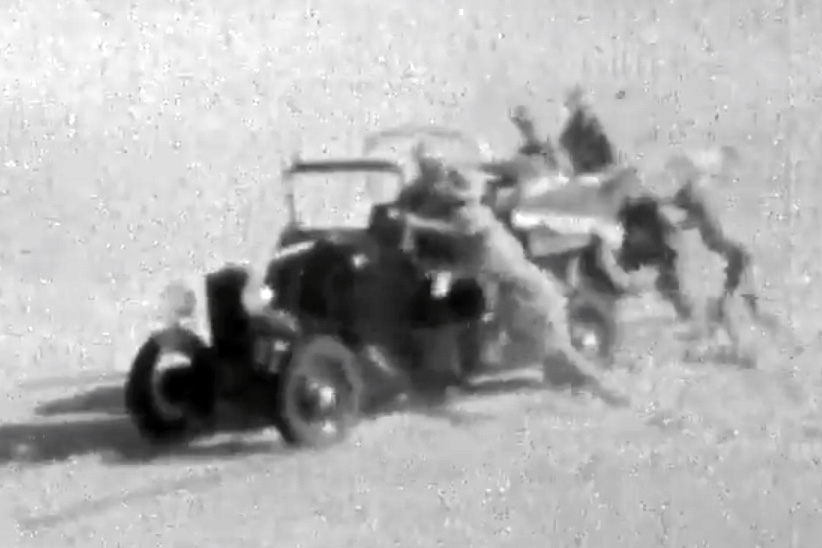
The 49-minute-long film describes the original recce in 1929 into the Great Sand Sea of the Western Desert via Ain Dalla spring. It was here that Bagnold’s group found lowering tyre pressures, as well as using sand plates and rope ladders, enabled heavy vehicles to traverse soft dunes.

baggpush
bagcarr

A year later they set off towards Jebel Uweinat, a massif located by Ahmed Hassanein less than a decade earlier during a camel trek along Libya’s eastern borders. At Ain Dalla camels brought in extra fuel, and the cars continued to Jebel Kissu in today’s Sudan and south of Uweinat, then east for the Nile via Selima oasis.

In 1932 they based themselves again at Jebel Kissu where they refuelled from Selima, then explored the Sarra Triangle (now in Libya) as well as northeastern Chad.

Heading south to El Fasher, they passed herds of ostrich and oryx, since shot out by rifle hunters, before heading north for Merga, back to Selima and home via Wadi Halfa for a tot of rum.

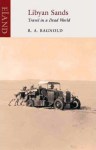
The maps on the left and below show the routes of all these trips and Bagnold’s book, Libyan Sands (right) covering all these expeditions and more and is well worth reading. Reviewed here.
Short bio of Ralph Bagnold.

X marks the spot; the highest peaks in Mauritania

Part of an occasional Sahara A to Z series.
Hang around long enough and you’ll get the full set.

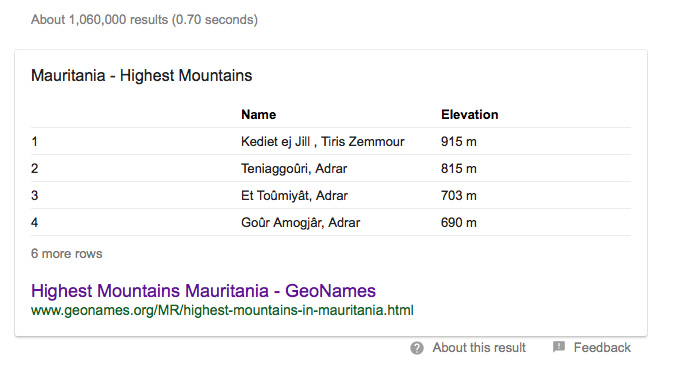
Search Google for the highest peaks in Mauritania, and the list on the left from Geonames pops up – and the same data gets propagated ad-internetum.

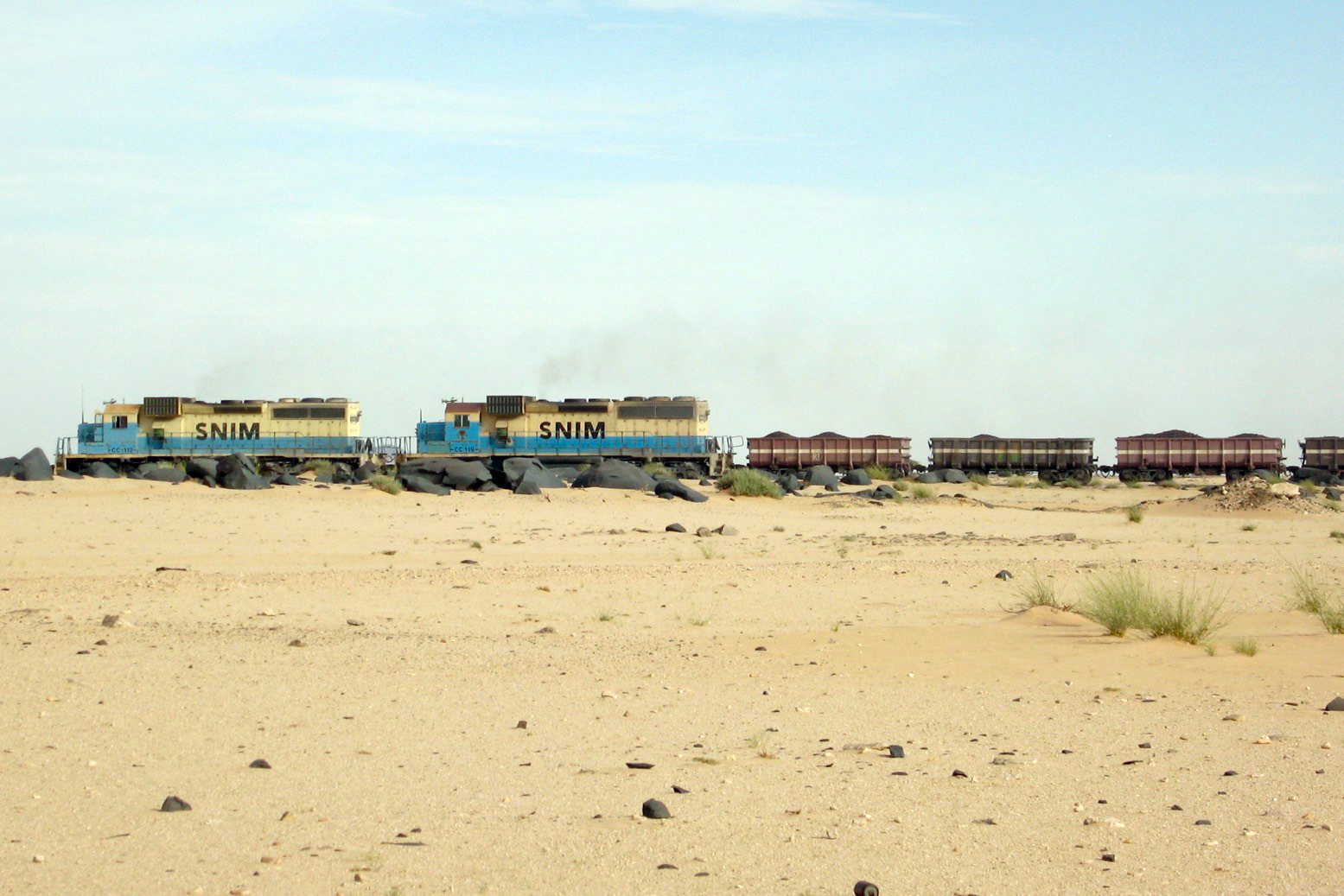
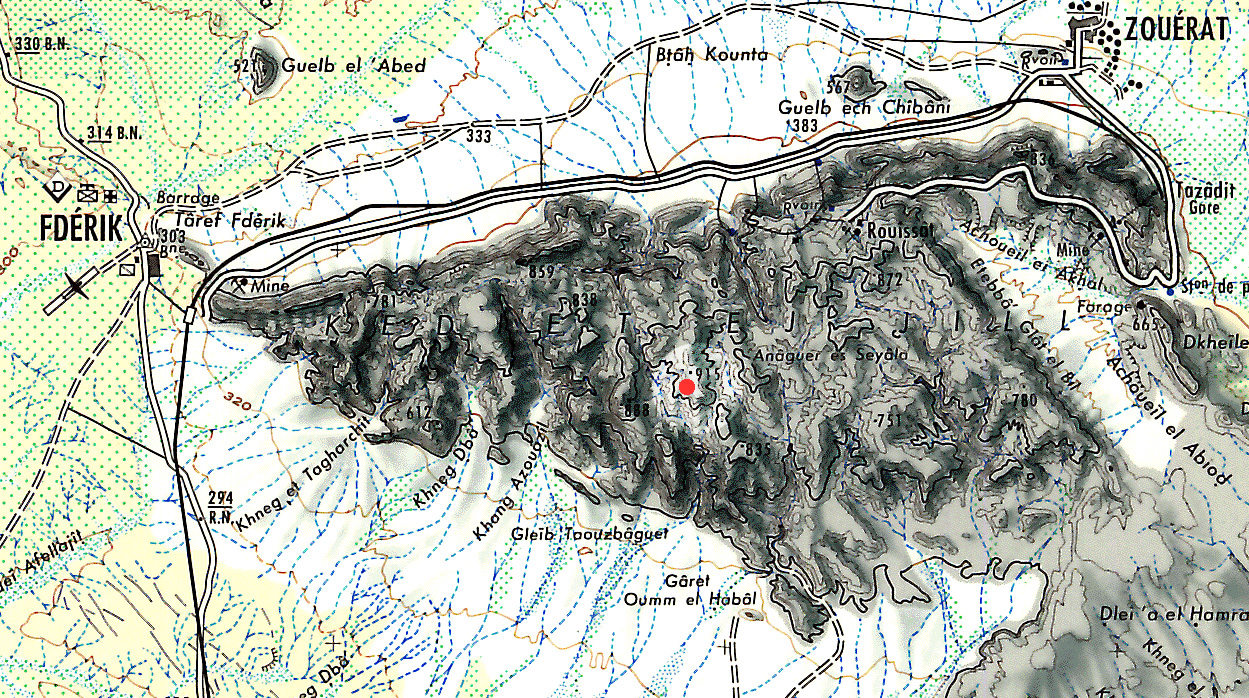
The tallest point is on the massif of Kediet ej Jill, rising above Zouerat mine site; a metal mountain that’s slowly having its iron-rich core eviscerated and railed across the desert (right) to the port of Nouadhibou. The actual high point is often erroneously pinpointed online.
Not here it isn’t! It’s quite hard to find on the old 200k IGN map, below.

RIM-Jill

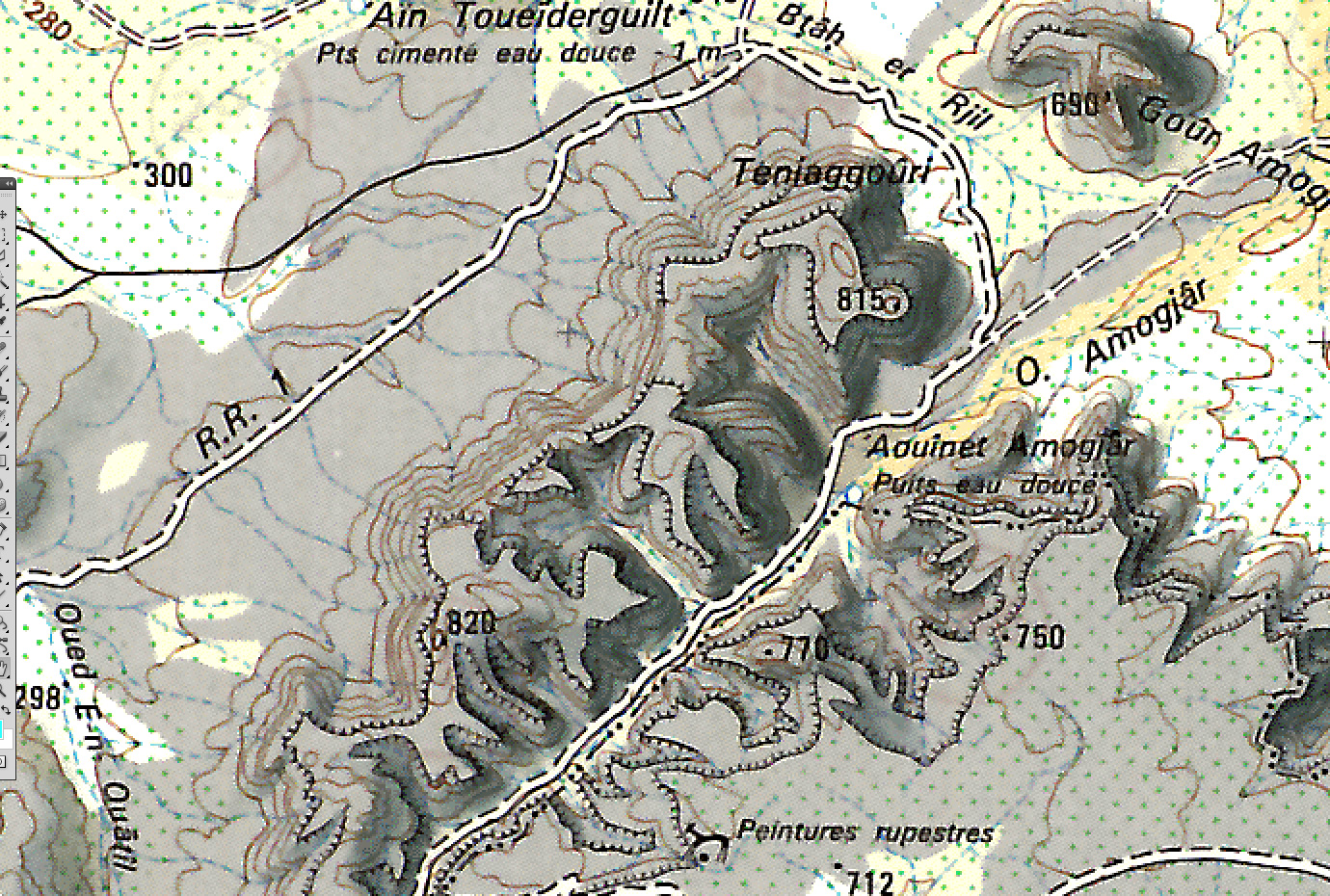
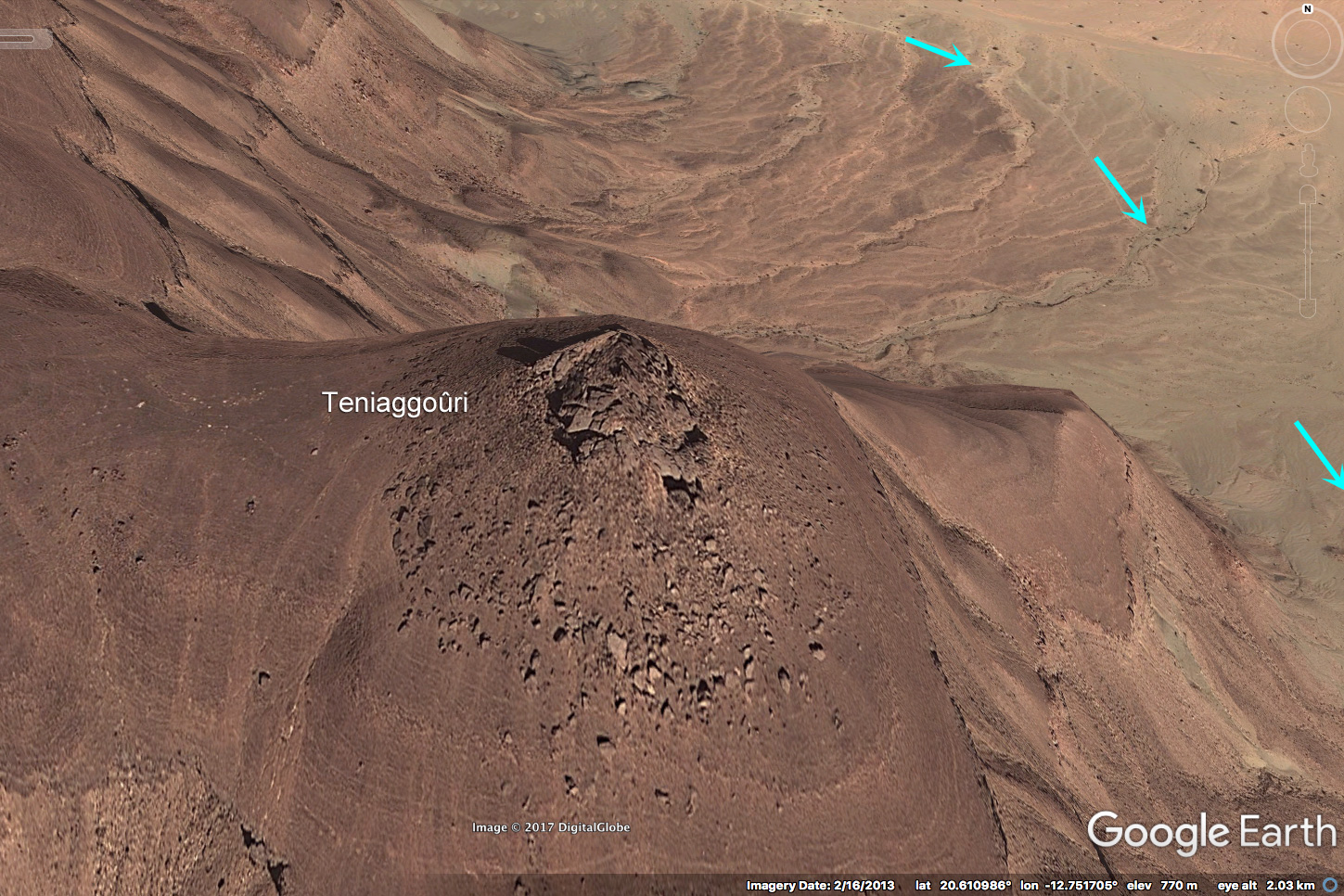
The second highest peak is listed as Teniaggoûri at 815m. That’s 815m as probably copied from the French IGN 200k map surveyed in the 1960s (right and below). This time IGN got it a little wrong.

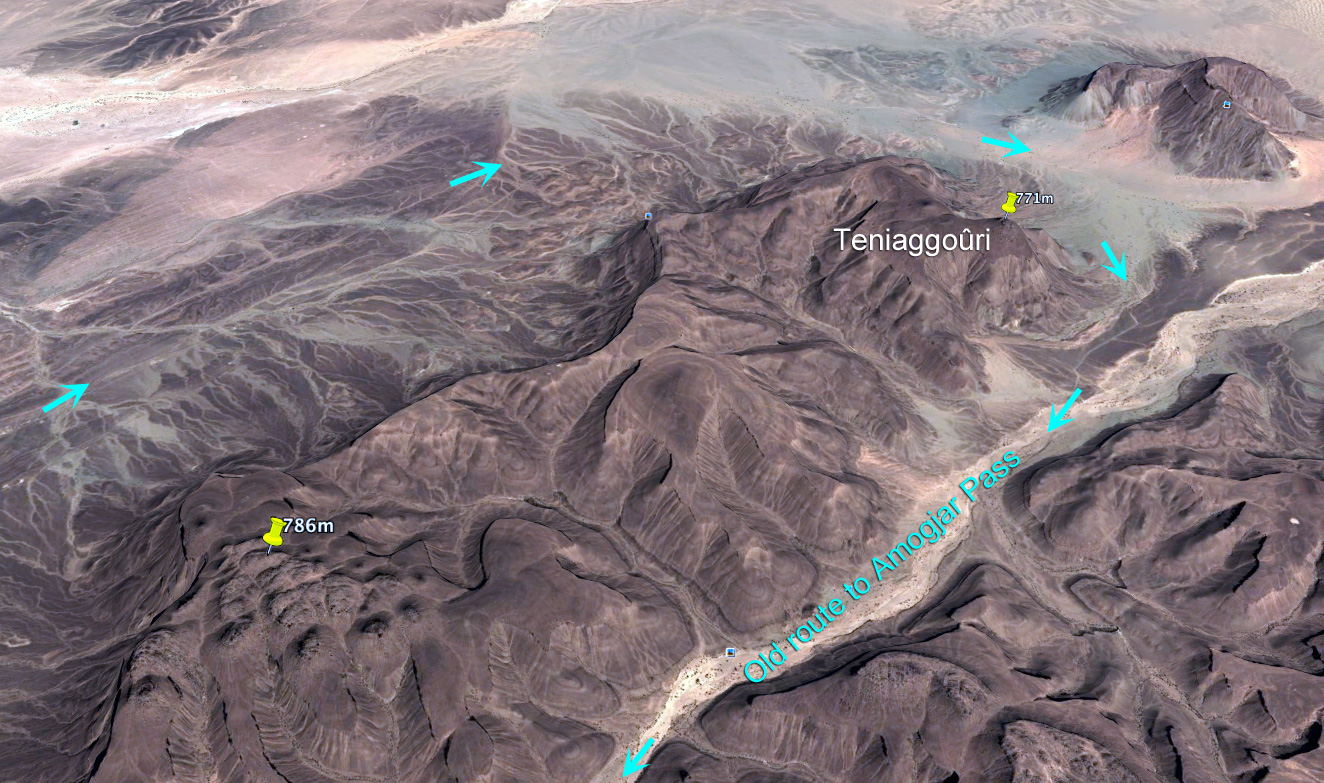
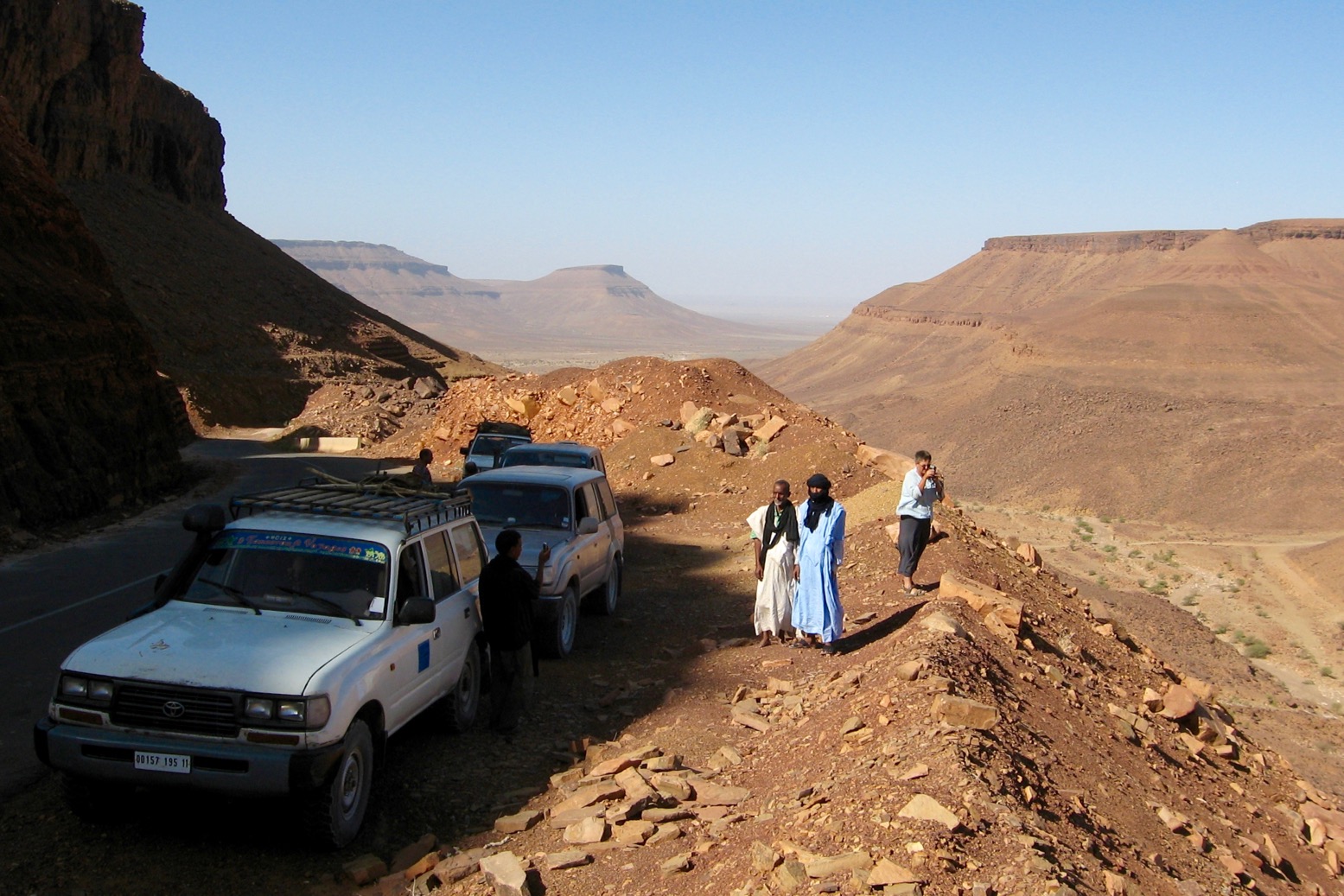
In the old days you curved round this flat-topped outlier of the Adrar massif on the way to the rough climb up the Amogjar Pass for Chinguetti and Oudane. The distinctive summit of Teniaggoûri would have been a key landmark if coming round from Atar or in from the arid playa of El Beyyid to the east. Now the newer and more direct Ebnou Pass (right) climbs straight onto the plateau out of Atar.

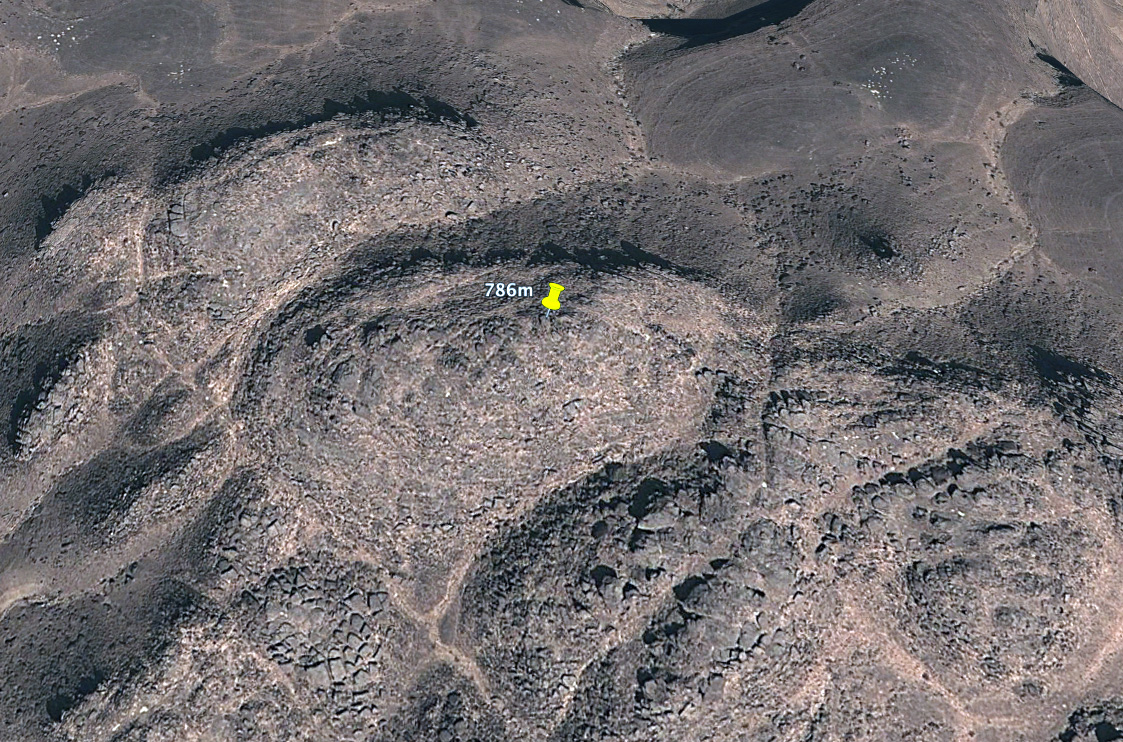
But a quick look at a French 200k map (above) shows an unnamed spot height, 7km to the southwest of Teniaggoûri and which is labelled at no less than 820m. Set in the middle of the ridge, it may not be a prominent prow and landmark like Teniaggoûri, but even Google Earth’s estimated elevation data shows comparative heights of 771m for Teniaggoûri and 786m for the dome cluster. From the Oued Amogjar valley to the south, either point is little over a hundred metres elevation and a couple of miles walk above the desert floor.
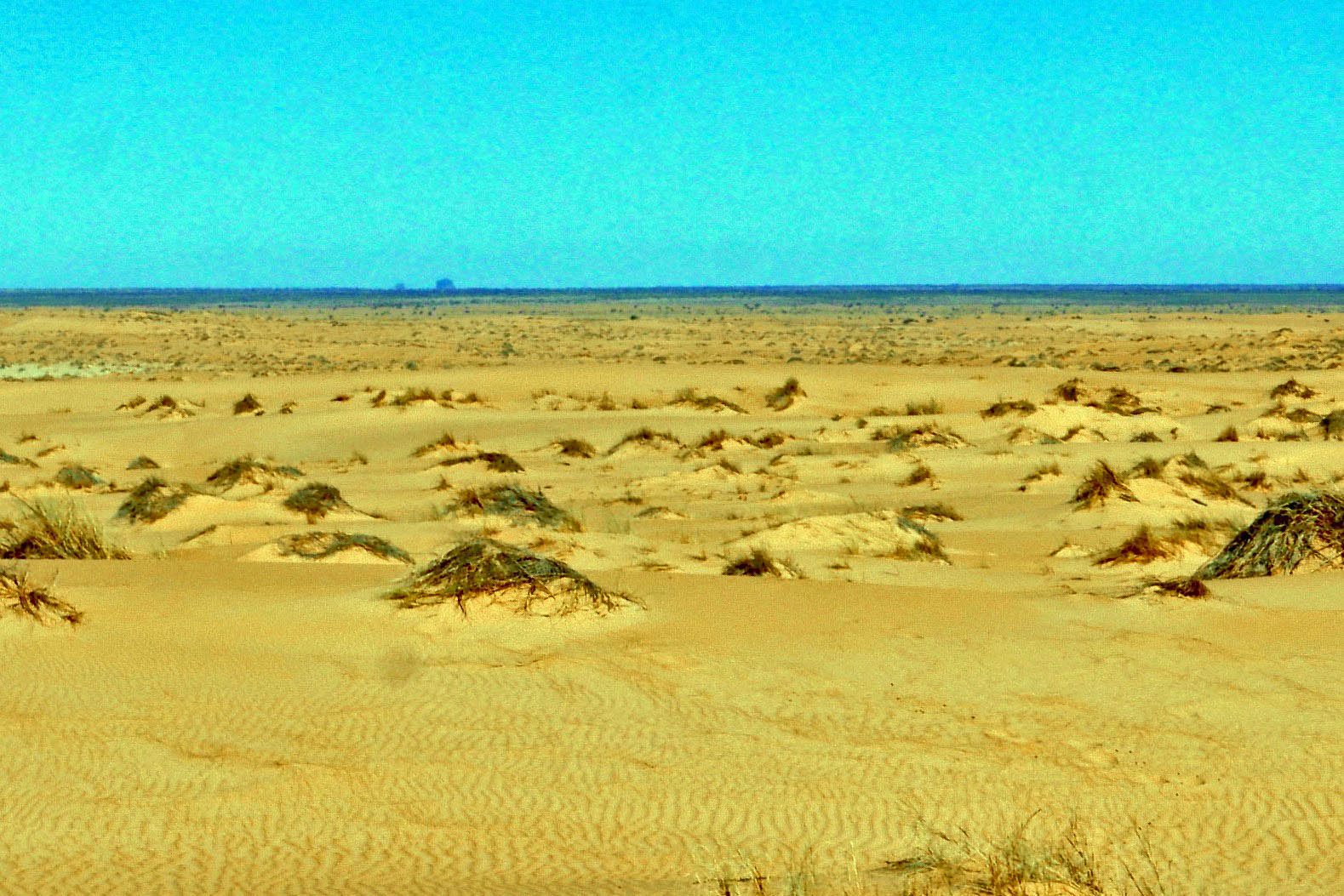
Left; just north of Zarga, the peaks on the horizon are what out guides called ‘Amogjar’ and what could be Teniaggoûri given the impression of additional elevation in the heat mirage.

amogzerg

Of course, it’s quite possible the local name for this entire ridge may be Teniaggoûri (as with Kediet). Nomads don’t give a toss about actual high points, but sure have a use for landmarks. So there may be no real need to rename the point, just the location. Now we know.

Sahara by 2WD Fat Bike

Some images and info from Cyclo Long Cours and Blida Nostalgie

See also: Fat-e-Bike 2022

fatfat

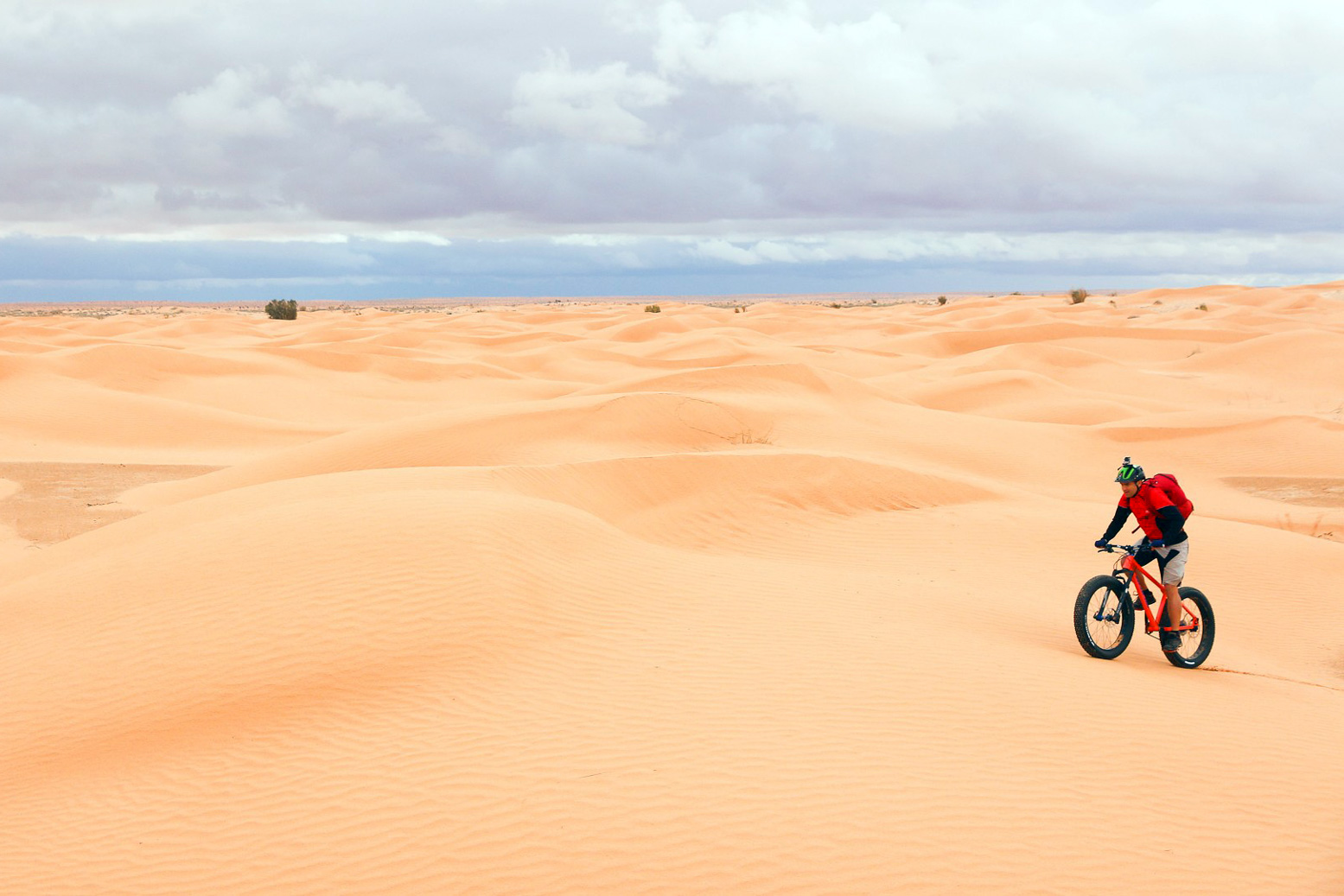
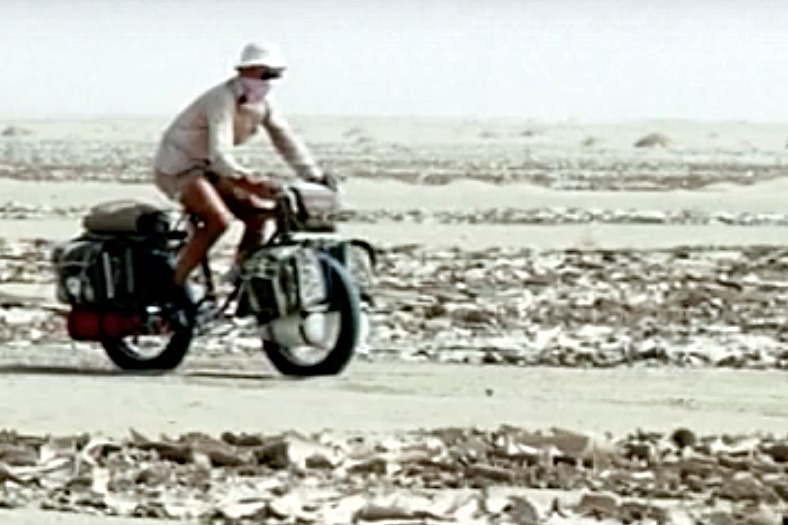
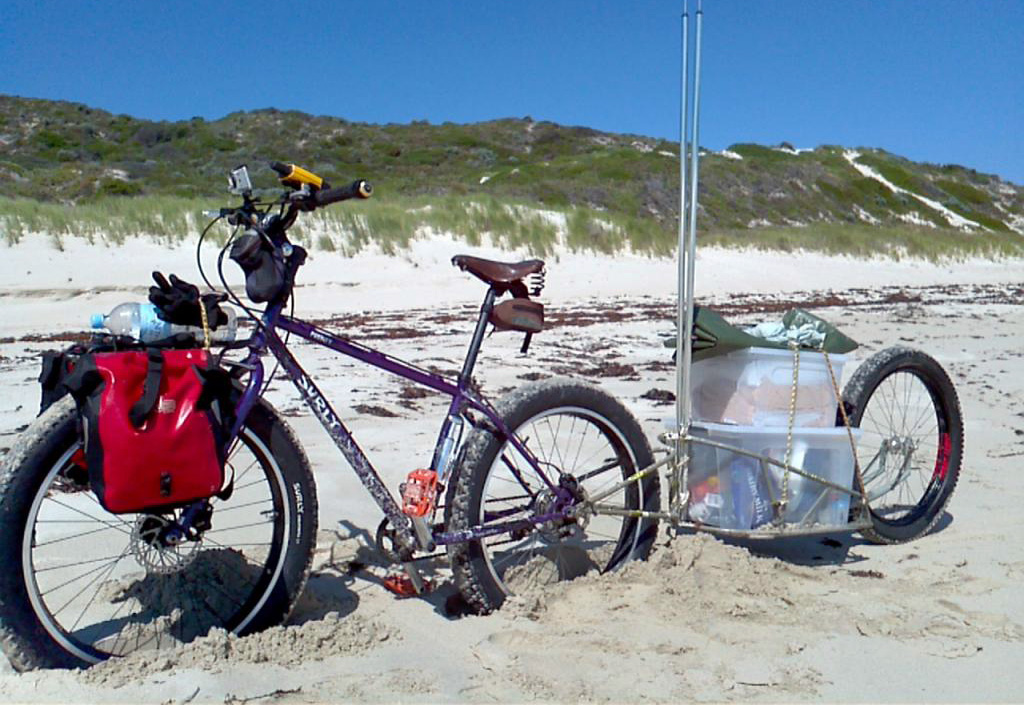
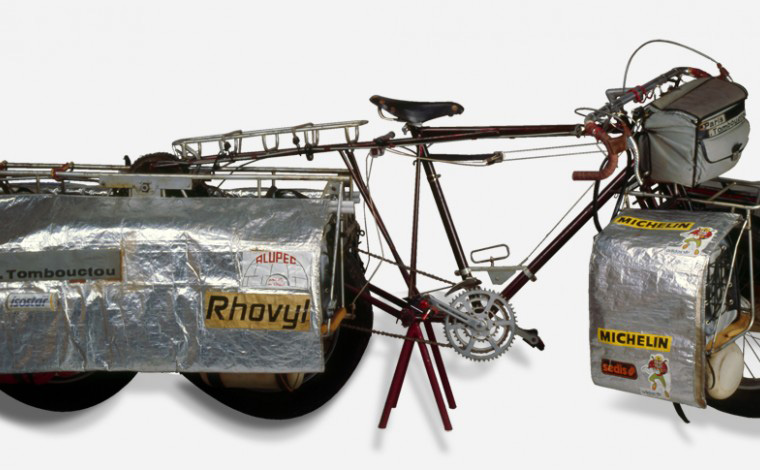
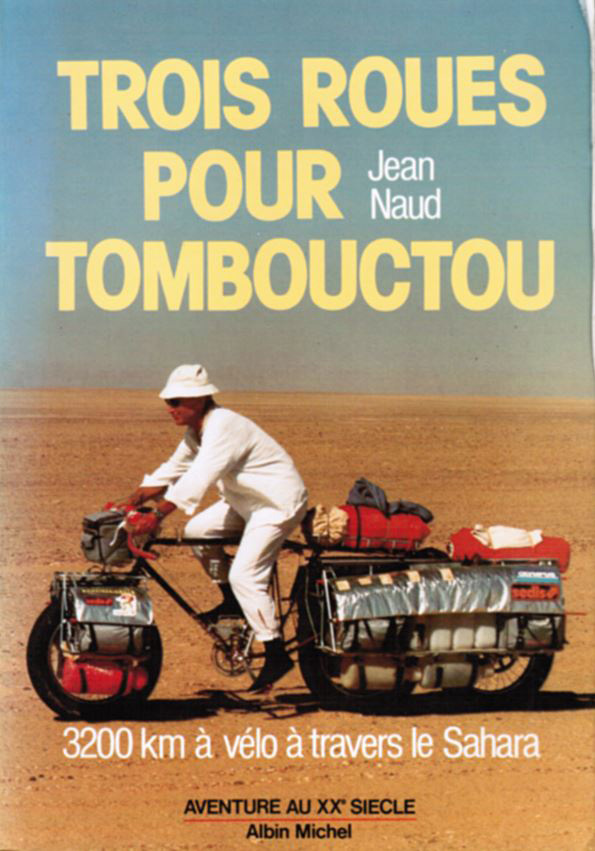
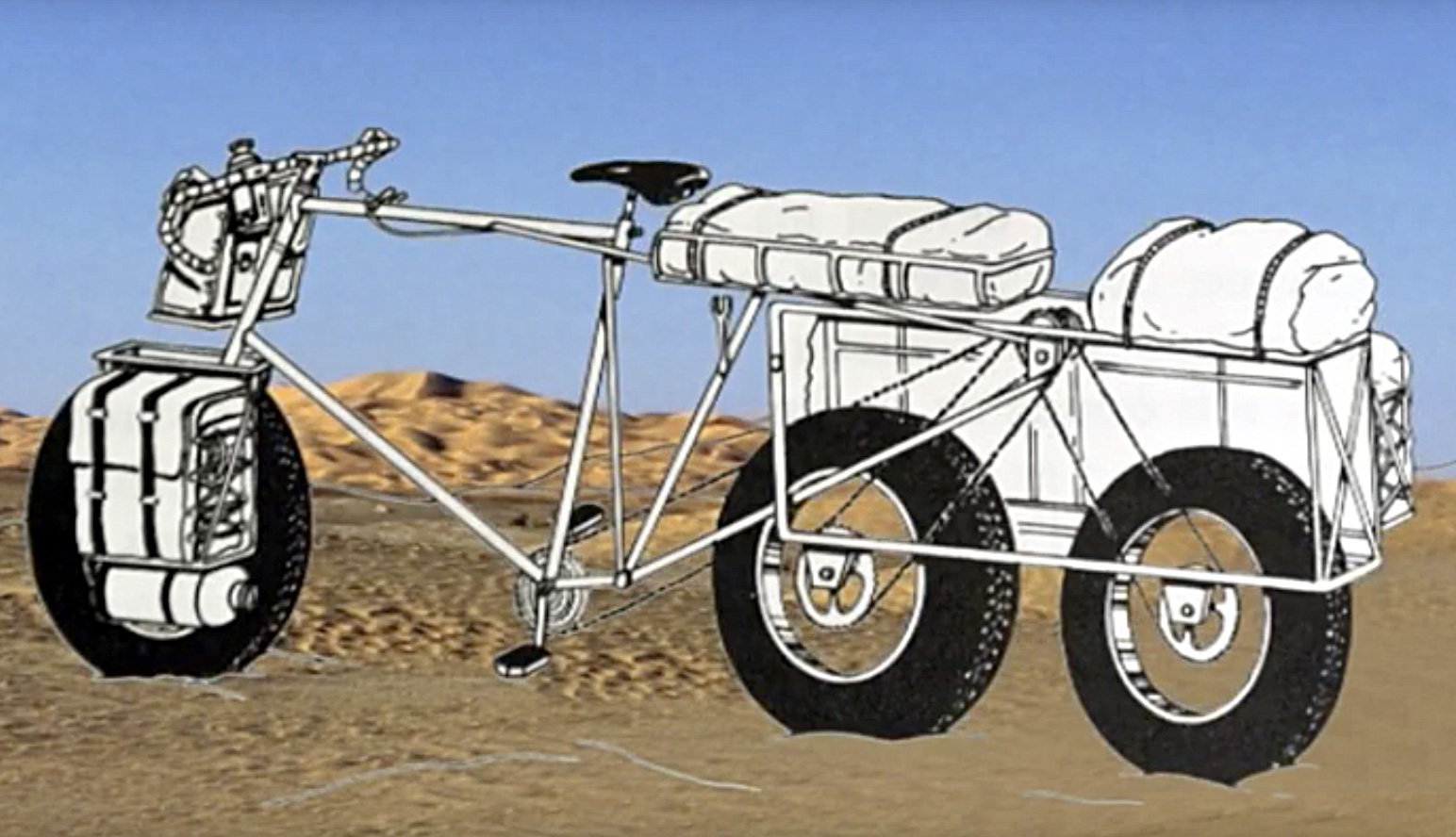
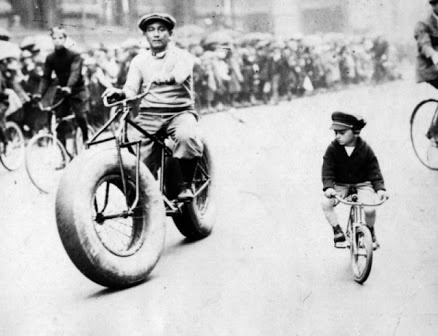
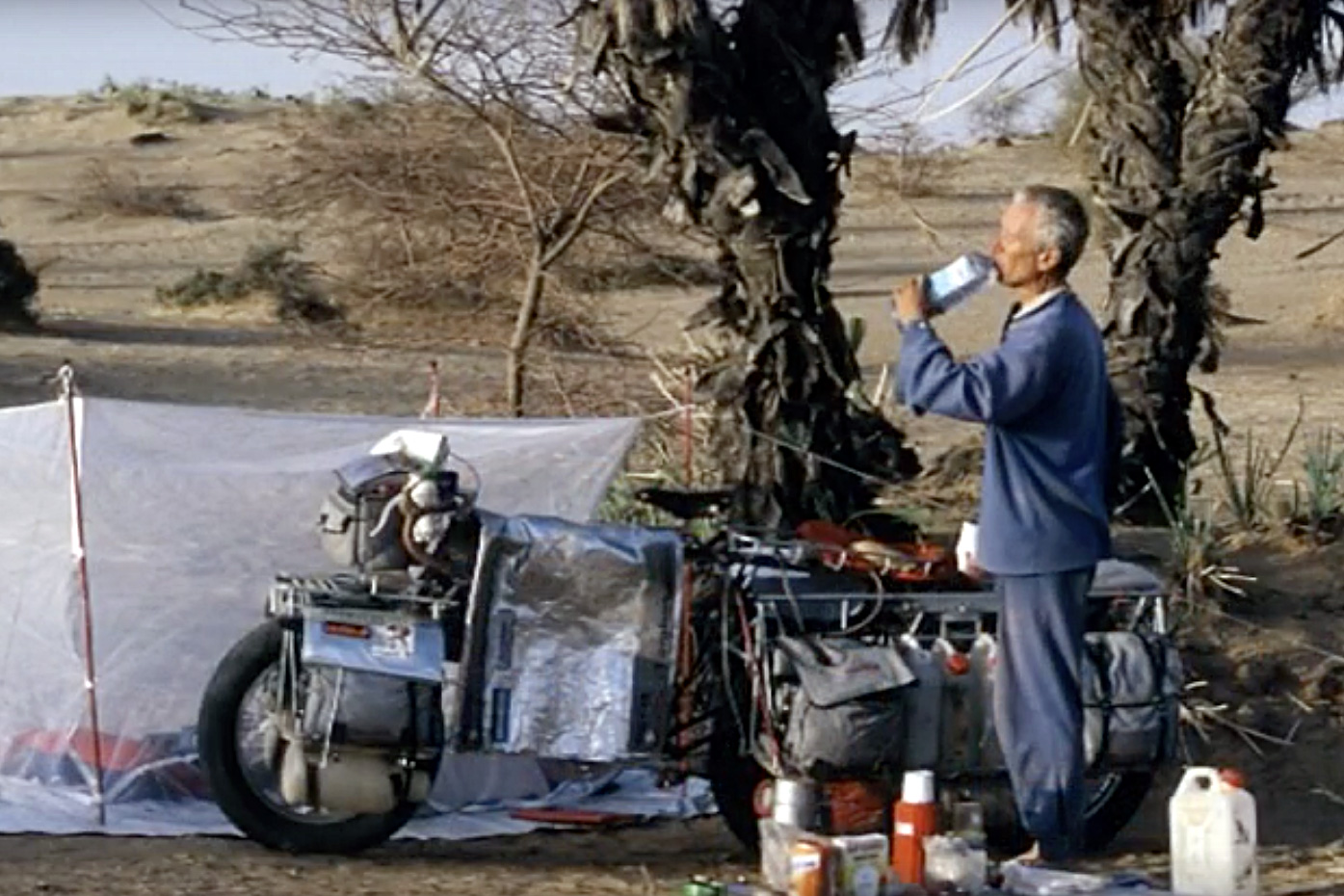
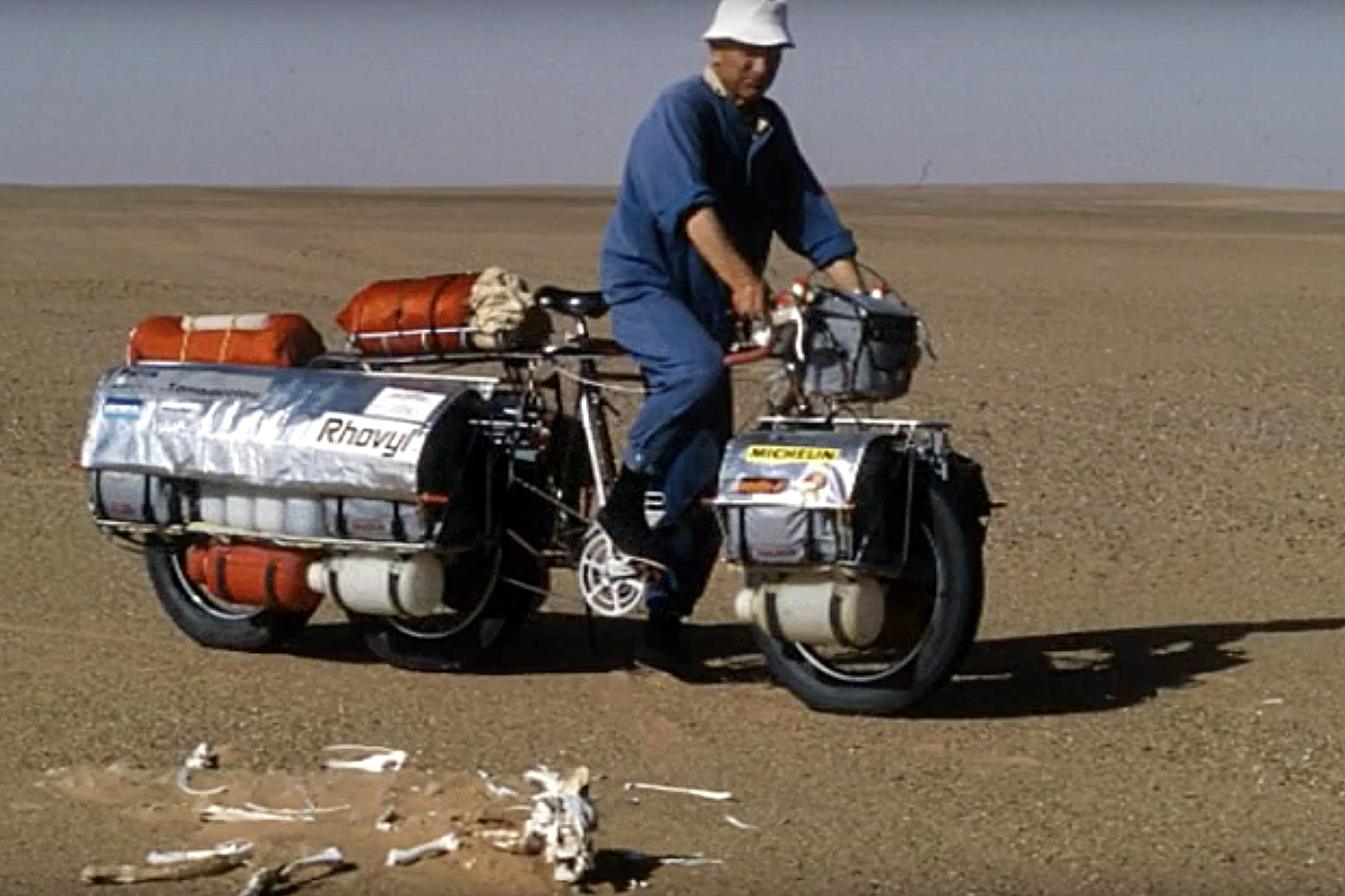
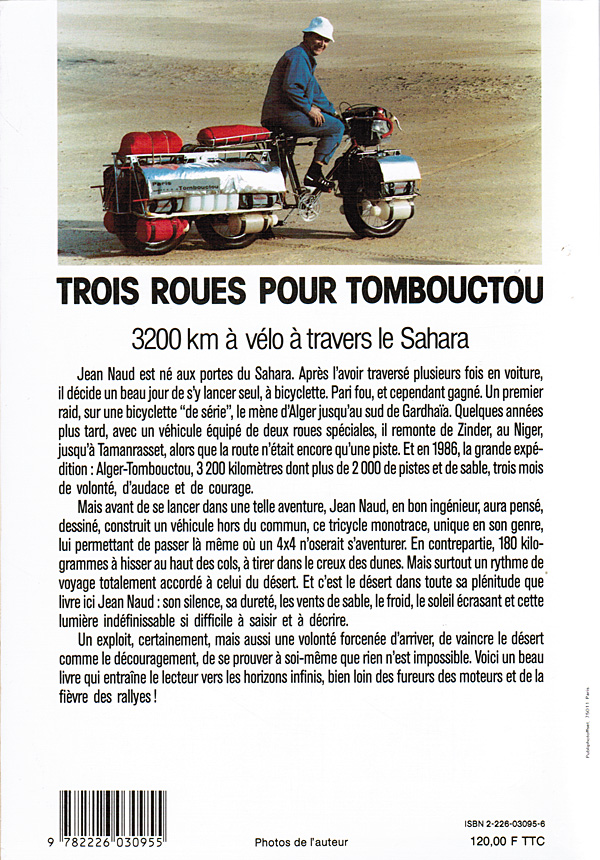
In 1986, long before the current fat-bike fashion (left), Jean Naud, a 55-year-old Frenchman set off to ride his three-wheeled bicycle 3200-km across the Sahara from Algiers to Timbuktu.

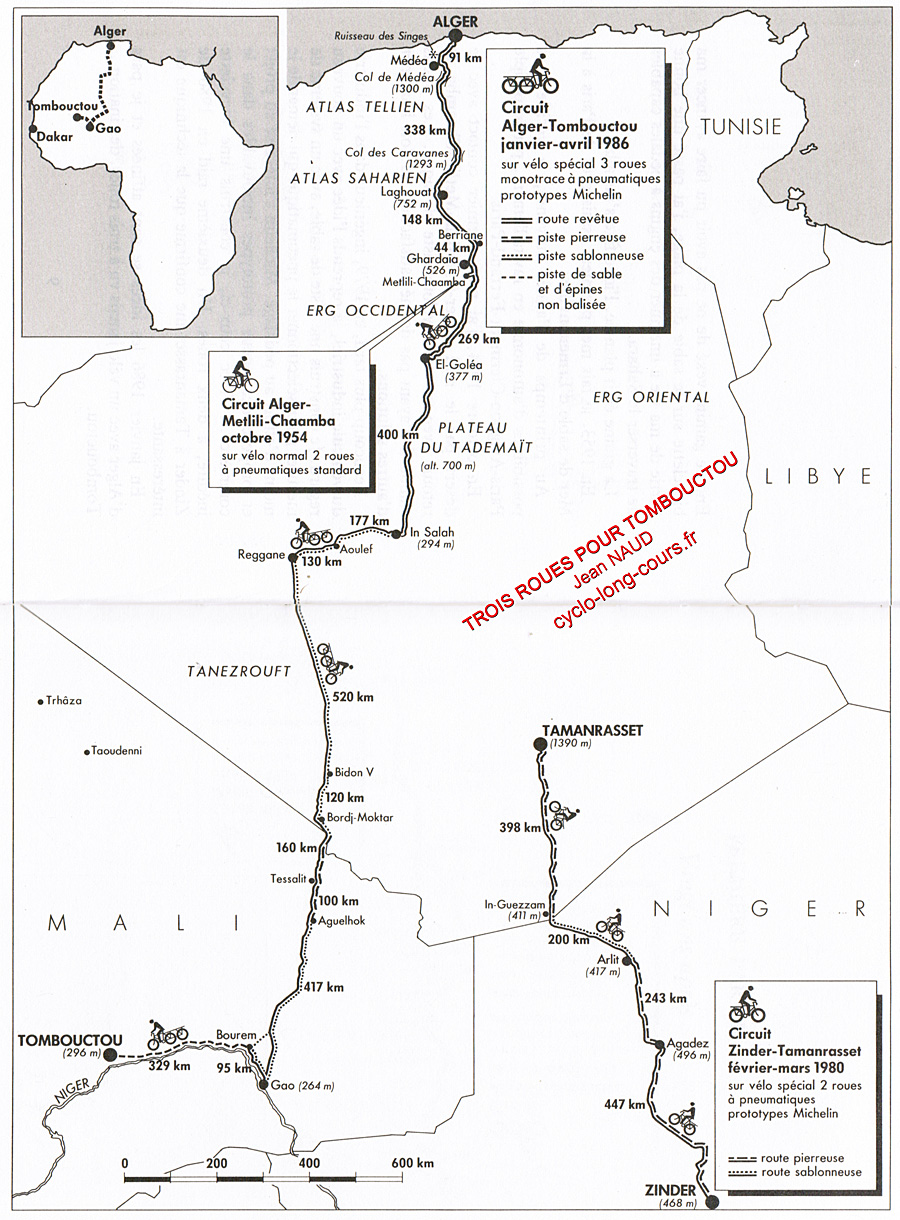
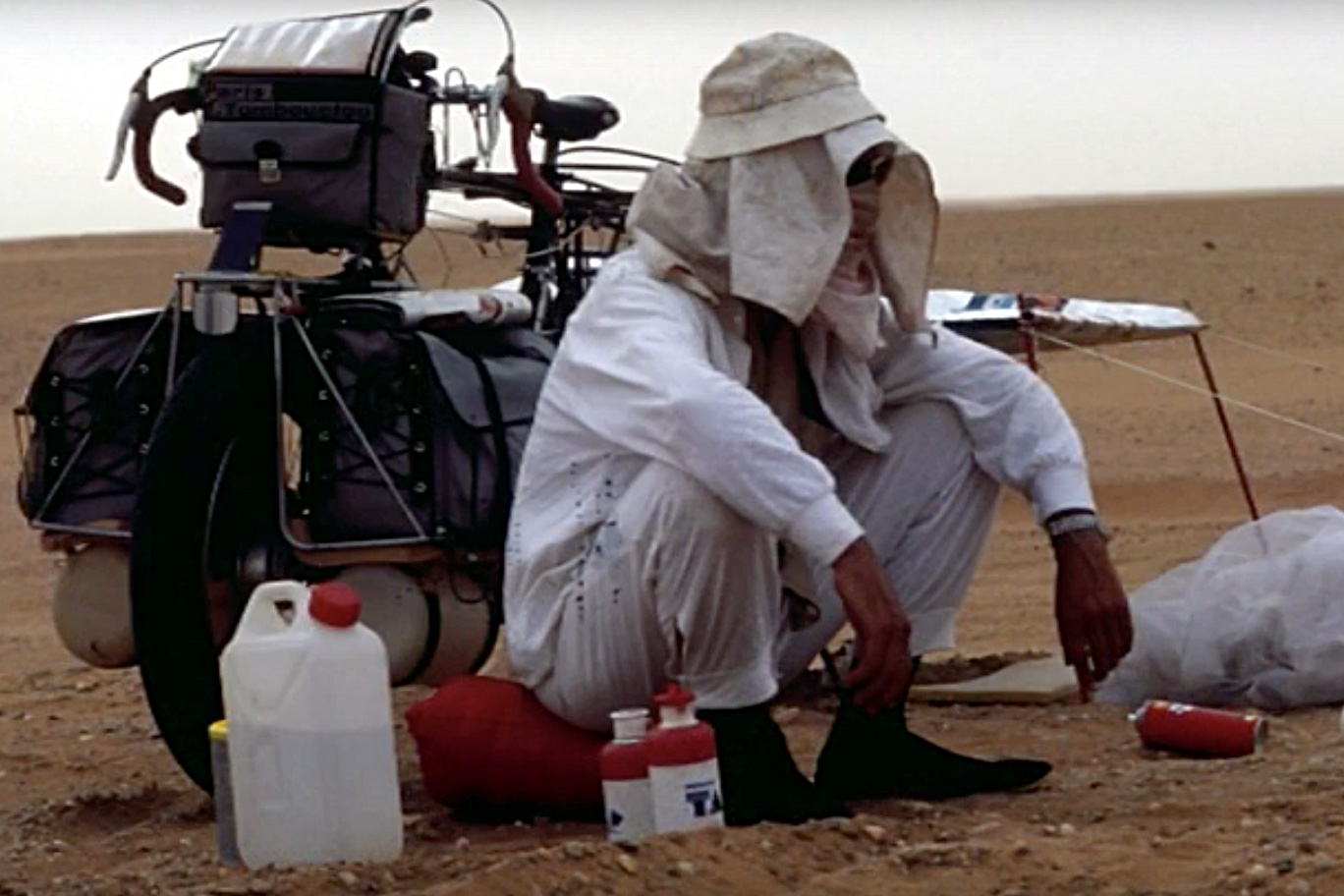
Brought up in Blida, just south of Algiers at the foot of the Atlas mountains, Jean Naud had made two previous cycle tours in the Sahara. Once, as a 23-year-old way back in 1954, from Algiers as far as Ghardaia where he was born in 1931. And another in 1980 (below) from Zinder in Niger, north via Agadez and across the Sahara to Tamanrasset – a distance of some 1300-km. This time he was riding a bike running prototype, low-pressure Michelin fat tyres. At that time this route would have been just about all piste, but he recalls passing some Brits stuck in the sand near the Algerian border in their Peugeot 404, as he cycled silently past.

Although the Sahara isn’t all a wasteland of soft sand dunes, the thin tyres of a regular bike would easily sink or damage the rims on rocks under the required loads needed for desert travel.
I’ve met the odd cyclist in the Sahara. The big problem with off-highway pushbiking is the load needed to maintain autonomy, not least, water. On a conventional bike it’s barely possible without relying on passing traffic, because the tougher the terrain the greater your water consumption. Even in winter in the central Sahara, I’d guess you’d need five litres to cover about 60 kilometres on a sandy piste. And that would be a long day.

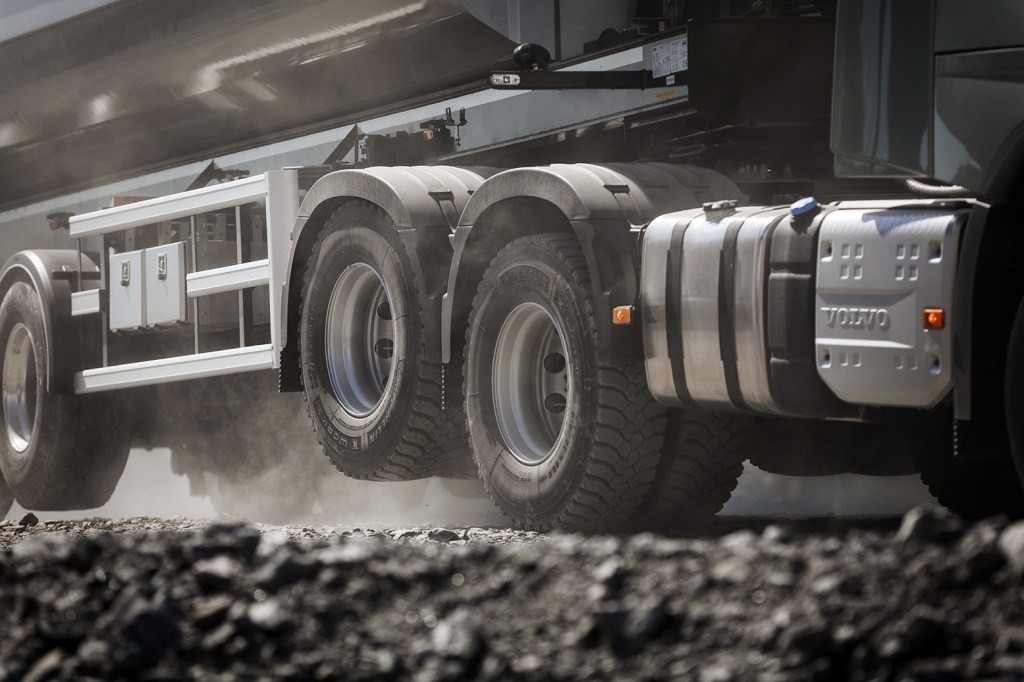
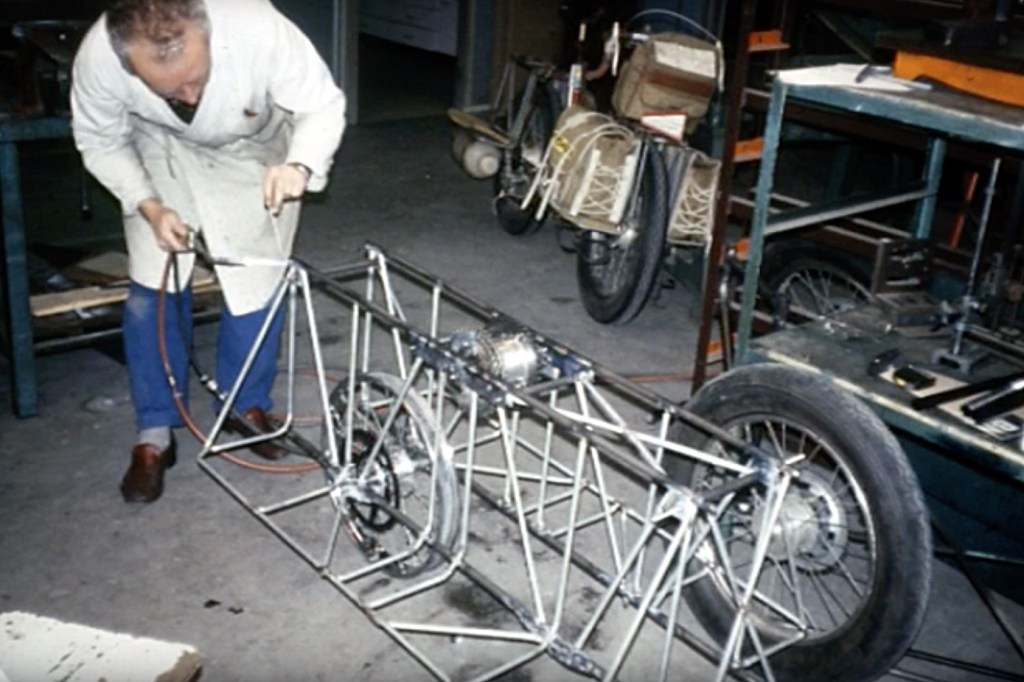
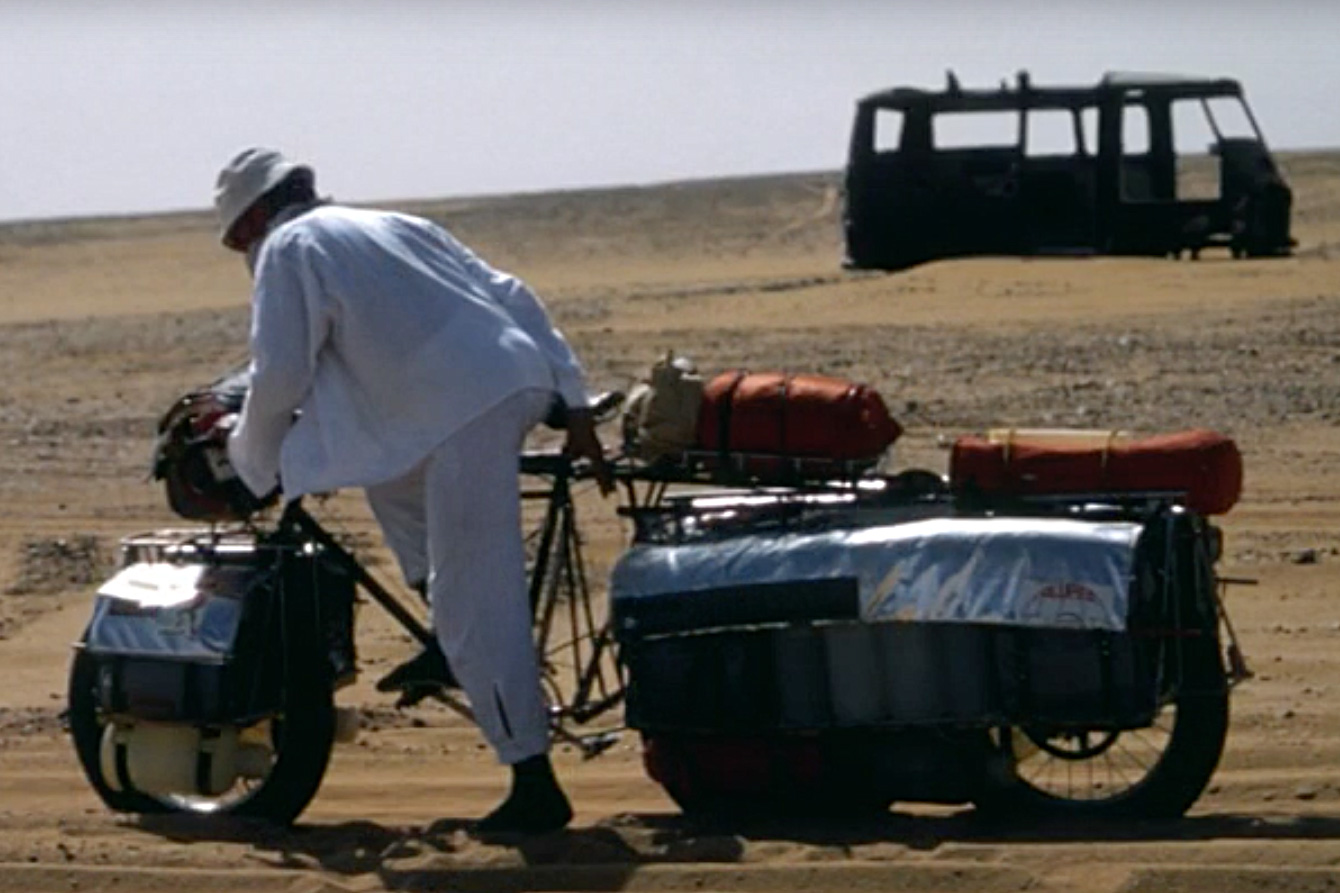
An automotive engineer, Jean Naud’s initial solution was to run fat tyres in 1980 in NIger. This time he added a second driven rear wheel to improve traction and aid flotation at pressures as low as 7psi. He then went one step further and devised a hefty hinged subframe (above) which could both raise and disengage drive from the middle wheel to reduce the drag and pedalling effort on firmer surfaces, or when running lighter loads. Mechanically, disengaging axles (as well as hubs) was commonly done on pre-electronic 4x4s in the 1980s, for the same energy-saving reasons. And today on lorries we commonly see lifting axles.

naud-bob

Using the modern Bob trailer on a fat bike (left) is a similar and probably more efficient solution. The added effort in towing the loaded-down third wheel, rather than powering it as Naud’s 2WD bike could have done, is negated by the weight savings and the lower centre of gravity. You get the feeling Naud was merely experimenting with novel engineering solutions, as he discusses in the video below.

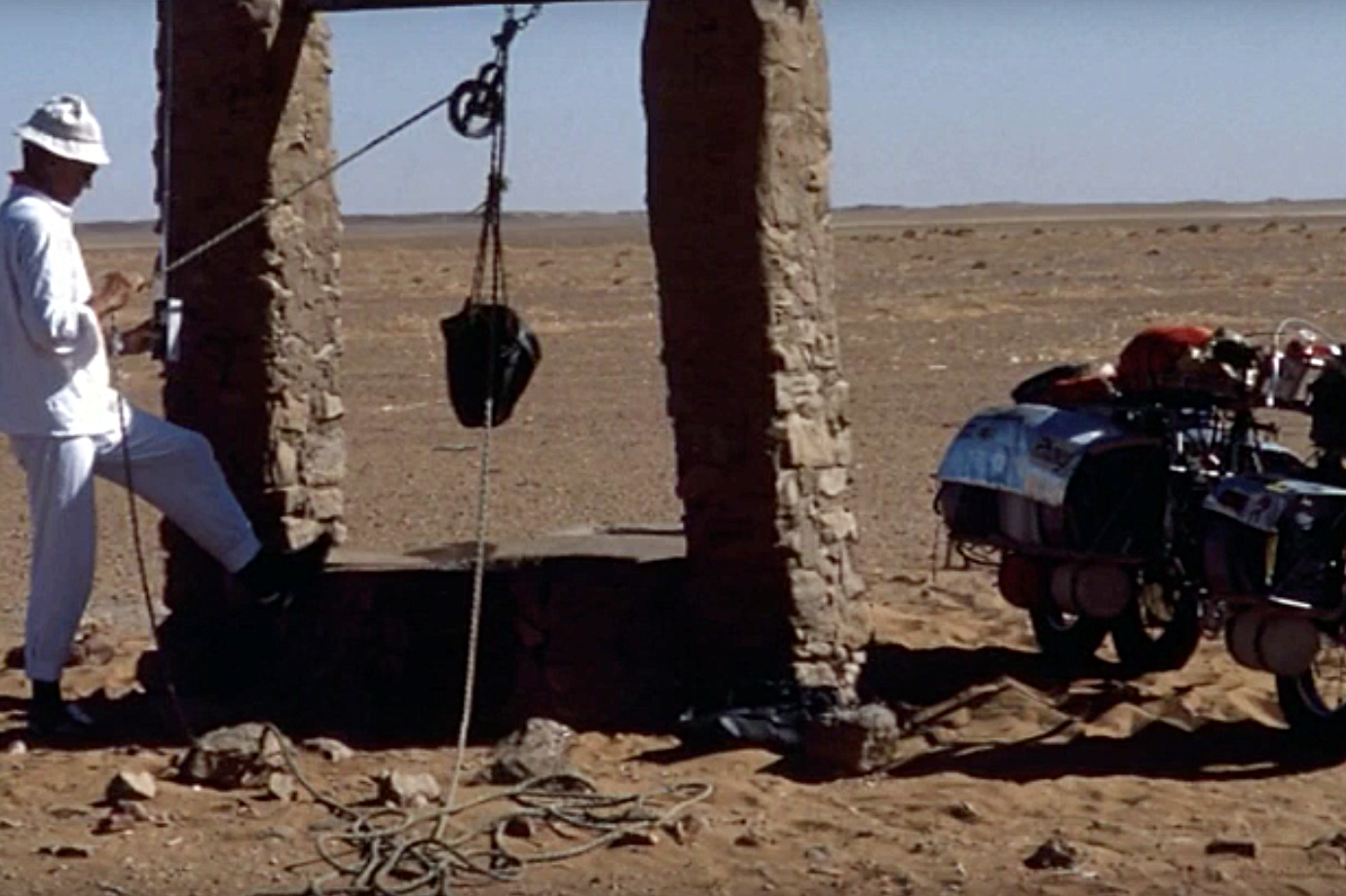
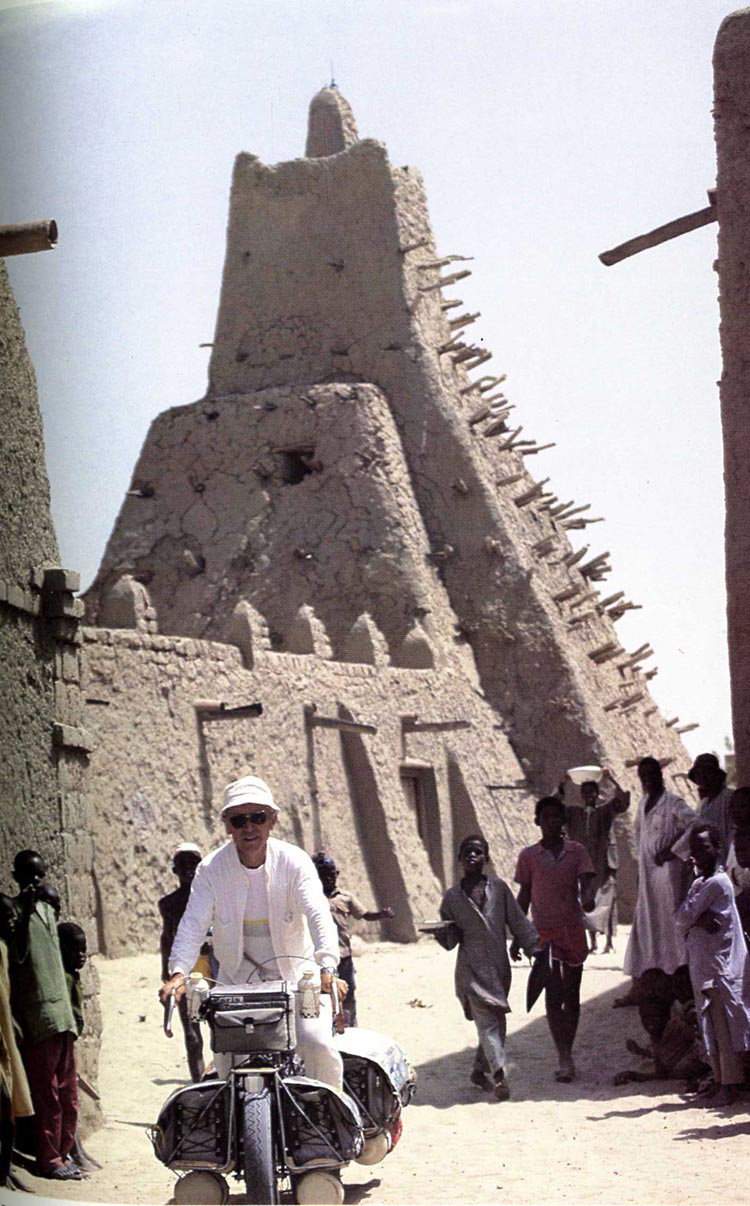
Naud’s three-wheel ride to Timbuktu (below) included at least 2000-km of piste. The route he took to the Mali border across the Tanezrouft is actually a firm gravel plain, about as easy surface to ride or drive as you get in the Sahara. Naud reckoned 20kph was easy. Beyond that, it gets progressively rougher and sandier down towards the Niger River and, having ridden it on a moto in 1989, it’s hard to believe he managed to cycle the final section west along the Niger’s north bank to Timbuktu. It’s very sandy.

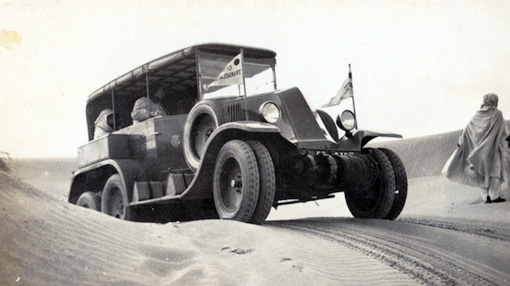
Even then, the Tanezrouft was the preferred route of the earliest Saharan motor crossings from the 1920s onwards by Citroen and Renaults (left; also using a ‘double-wheel’ idea to spread loads). The only problem in Naud’s time, was the Tanezrouft route lacked regular wells compared to the sandier but shorter Hoggar Route which Naud rode in 1980.

After visiting his childhood home in Blida, early in the trip while still unfit, it took Naud no less than eight hours to cover 14km on the climb to the 1300-m Col de Medea where the N1 tops out in the Atlas, before descending to the Saharan peneplain. Once fully loaded with 72 litres of water and another 60kg of gear, his 50-kilo monotrack three-wheeler weighed in at 180 kilos. That’s at least three times more than a modern touring bike, or five or six times heavier once fully loaded. Or, about the same as a small lightly loaded motorcycle ready for the desert. Imagine pedalling that!

Jean Naud died in 2011 aged 80. You can find his 1987 book covering all his Saharan cycling adventures, on amazon France.

His bike may still be on display at the Museum of Sport in Paris

Z is for Zouar – Oxford Uni Expedition 1965

Part of the Sahara A to Z series
oxchad13

Back in 1965 the pro-Western Kingdom of Libya was just fourteen years old. US and UK military bases used the desert for training and testing, then the discovery of high-quality, low-sulphur oil just 200km from the coast transformed Libya’s fortunes. 

Gaddafi’s coup was still a few years away.

oxchadmap


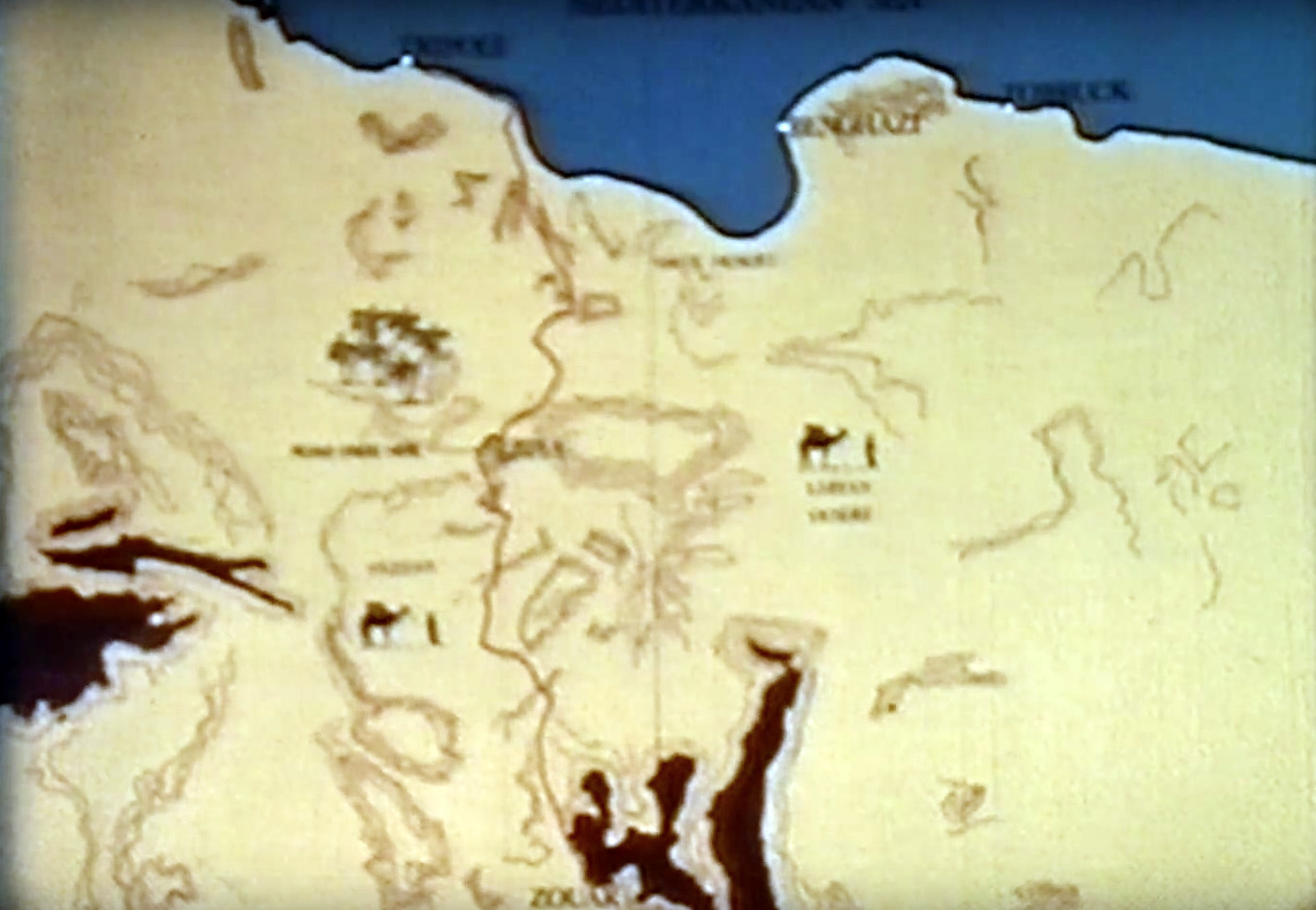
Like many former french colonies, Chad had gained independence in 1960 but, as has been the case on and off since then, France retained military and Foreign Legion bases there. In the film you’ll see a French tricolour still flying in Zouar.

oxchad12

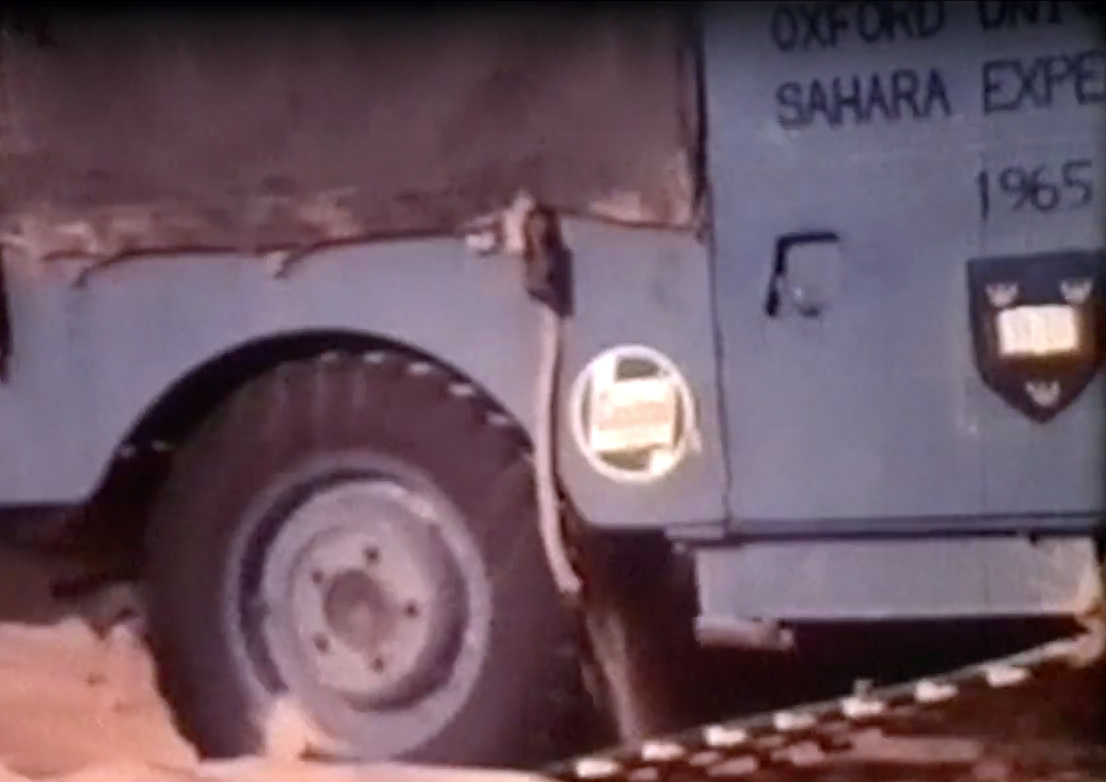
And best of all, the Chadian civil war was still a few months away, so what better time for a bunch Oxford university students to drive 5000 miles to Zouar for their summer hols in a a couple of 88 Landies and a 2WD Ford D-series lorry loaned by Ford. This was a time when it was still common for truck manufacturers to prove their vehicles on Sahara expeditions.

oxchad1

The film includes episodes of Tubu horseplay, lashings of corned beef and a Landrover door that just will not shut!

46-grinder

Interestingly you’ll also see a woman making flour with a grinding stone of the sort still commonly found abandoned all over the Sahara, wherever people once lived. As the narrator says ‘in remote parts of the world it’s hard to tell when such [Neolithic] tools were last used.’ At 14:20 there’s also an engraving of what might be a Garamantean chariot. Germa, the former Garamantean capital in southern Libya, is not so far from Zouar.

S is for ‘Sahara’ ~ the mystique of the desert

Part of the Sahara A to Z series

The desert is ruthless
It strips you of your vanities
Your illusions
Gives you the opportunity to see yourself for who you really are


Character addressing Jesus figure in The Last Days in the Desert (2016)

sol-tazat

More than other wilderness environments, the desert is commonly seen as a place for spiritual rebirth or just some contemplation. Some speculate that it’s no coincidence the world’s great monotheistic religions originated in the desert. Or perhaps it was the other way round: the Fertile Crescent along with timely wheat mutations and climatic cycles spawned great civilisations from which monotheism evolved. Anyway, just being in the desert it’s commonly thought one can be purged, cleansed and reborn. When striped of familiar surroundings and associations, you commonly hear travellers professing an awareness of their insignificance in the great scheme of things. Whatever, it’s always been seen as a good place to get away from it all, including other people.

In the desert you can remember your name
Coz their ain’t no one for to give you no pain

sol-boa

Another one of those periodic ‘I want to cross the Sahara by camel’ posts popped up on the forum the other month. The OP ‘…thought to myself ‘I want to have a life changing experience’ and thought this would be just that adventure.’ Across the width of the Sahara from Atlantic to Red Sea. There followed some clarification, good advice and some scorn, and within a few days the thread blew itself out.
What is it about crossing the Sahara? Why do ordinary individuals get fixated on the idea of ‘crossing the Sahara’ at all costs? I know when I first went there the Sahara was something that was on the way to where I thought I was going, but so was France and the Mediterranean. I didn’t see crossing the Sahara as a life-affirming achievement or any sort of event – I was more looking forward to the simple challenge of some desert biking.
Perhaps the words ‘cross’ + ‘sahara’ add up to a compelling soundbite that anyone anywhere will get instantly, like ‘climbing Everest’ or ‘rowing the Atlantic’, but perceived as a whole lot easier.
I received a similar enquiry. A chap wanted to cross the Sahara with camels – it didn’t really matter where, it was the crossing that mattered. He suggested some catchy start and end points like Casablanca to Dakar without really thinking it through – padding alongside Morocco’s busy N1 highway with a troop of dromedaries strung out nose to tail. I made what I thought were some better suggestions that would give a real sense of travelling in the desert with camels while dodging the worst of the current political complications. I even sent him the camel chapter from the book (short version of this). I never heard back.

sol-rep1
impjor

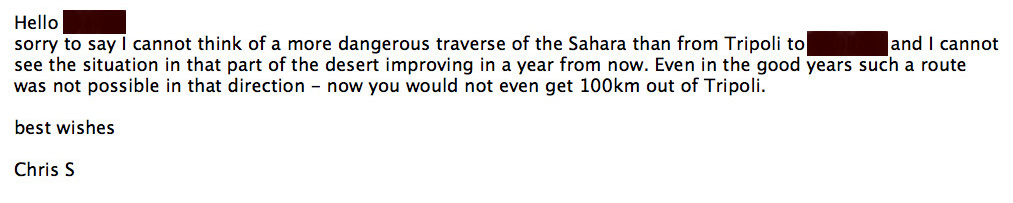
Above is my answer to another enquiry which boldly stated the intention to pull off a hare-brained scheme so I’d have no doubt of the total commitment. ‘Nothing is impossible!’ Never heard  from her again, either. Maybe I am too blunt but I keep these emails as evidence of ‘well, I did warn them’ should they ever crop up in the news.
It seems that people hungry for adventure lose something of their reason when it comes to crossing the you-know-what. They’re carried away by the concept which ignites the dream and set about with a steely determination to make it happen.
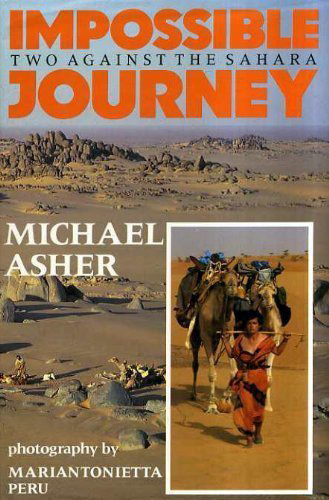
To my mind camel crossing the Sahara north to south and especially laterally requires a solid background of experience which is why I respect the achievement of Michael Asher and Mariantonietta Peru when they did it in the 80s and went on to write Impossible Journey. At least they had a good idea of what they were taking on. These days the journey is a whole lot more impossible.

There must be something about camel trekking across the Sahara that makes it sound relatively uncomplicated and easily done alone. You traverse the wilderness with the unspoken companionship of your caravan and maybe a nomad guide whose language you don’t speak: ‘horses with no names’ who won’t question insecurities or flakey motivation.

sol-cam

Aside from the practicalities or logistics of such a monumental task, what irks me is that very often there’s little curiosity about the environment or the cultures they’re passing through. The conquest trounces all, and the empty Sahara is just a backdrop for a monumental vanity project, as it was for Geoffrey Moorhouse back in the 70s and several others before or since.
As I was told recently by an individual who came close to death in his quest: It was a bad time and I made poor decisions. I desperately wanted it to be “me and the desert” and to have my own experience in solitude. I’m wiser now.

sol-xt

Once I get used to it and feel comfortable I like to be alone out there too, and in the desert that’s not hard to do. If anything it helps you re-evaluate human companionship which may be part of the catharsis some seek out there. But I find there’s no need to go to extremes to do this. One memorable desert camp is all that’s required to consolidate a feeling of well being. For me the image below sums it up nicely. Only a mile off the track to Djanet in 1988. For the moment the bike was running well and so was I. It was nice spot for the evening – comfortably alone. There have been many more nights like that out in the Sahara, with or without other people.

djanet88

Usually though I’ve found travelling alone with a vehicle tends to extinguish any mystical retrospection. On a bike you’re totally preoccupied with keeping upright, not getting lost  and all the rest – and in a car it’s the same plus the noise and the shaking. It is the evenings that are a blessed respite from the task, the heat and the wind and when the appeal of the desert is easily felt.
In a group, walking with camels and crew is a far more satisfying way to enjoy the desert day or night, most probably because there’s so very little to worry about. You don’t have to know any more than how to walk, sleep and eat. It’s the very simplicity of such desert travels that strikes the chord, even if this is a fantasy enabled by the hired crew of desert nomads. The actual practicalities of making it happen and sustaining camelling independently get quite complex as many accounts that I’ve read have shown. And now you have to account for the unglamorous and unromantic political overlay.

I suppose the hope is that when one gets to the Other Side one is reborn or cleansed or at the very least feels a sense of achievement which ought to trump all insecurities. But no account I’ve ever read has admitted to that. Or perhaps midway through the journey there is some sort of epiphany with a closure and acceptance and an understanding that life must go on, at which point the epic challenge may lose its purpose.

After nine days, I let the horse run free,
‘Coz the desert had turned to sea.

Me, I just like being in wild places including the desert. It doesn’t have to get complicated.

sol-edg

‘G’ is for Greeves 250s across Western Sahara, 1973

Part of the Sahara A to Z series

And in summer, too. Slide show of a great story.
Music from Sona Jabarteh, among others.