Exped 233; a 700-km walk from the Eye of the Sahara to Nouakchott
by Simon Cope
December 2025-January 2026
The Richat Structure, often called the ‘Eye of Africa’ is a prominent circular geological feature at the northwestern edge of the Taoudeni Basin, on the Adrar Plateau of the Sahara. The structure gained international attention in the 1960s when astronauts spotted it from space during early space missions. The name of the expedition (233 degrees) refers to the bearing we followed for much of the latter half of the route as we made a direct line to Nouakchott. The estimated distance was around 700km. The actual distance walked was 679km due to short-cuts being taken wherever possible.
Expedition members Husband and wife team: Fatuma Babirye and Simon Cope, FRGS
We started walking from the Richat Structure on 17 December. We arrived on the outskirts of Nouakchott on 1 January 2026. The last day was notable due to thunderstorms (!) in the area. In order to avoid camping in the rain (which would be miserable since our camping kit was not designed for heavy rain) we walked 47km on 1 January to finish the walk ahead of schedule.
Islamic (as opposed to pre-Islamic) grave site
Dangers and difficulties
The main challenge was being able to sustain walking 35-40km per day. This necessitated considerable walking in the afternoon into the sun at its most intense. Although the air temperature was rarely above 29C, the desert sun was strong. In addition, there was no breeze since we were walking in the direction of the prevailing wind. We therefore found many afternoons to be unpleasant. Navigation was not a significant problem since the support vehicle was normally ahead of us at prominent locations (track junctions, crests of dunes/hills) to guide us. There were times when we had no support vehicle for navigation, such as first thing in the morning since they were dismantling the camp or collecting supplies. On these occasions navigation was by compass bearing (often a bearing of 233 degrees) and was relatively straightforward. Fortunately, we did not encounter any sandstorms.
One of the greener areas we walked through
The need for local support
A local tour company, “Tour in Mauritania” was contracted to provide vehicle support, food and water and camping equipment. We considered using camel support instead of vehicle support for a more “authentic” experience. However, camels would be restricted to 20-25 km per day and would need regular food breaks. Having a vehicle instead would give us more flexibility as well as the ability to cover longer daily distances.
Big skies on the coastal plain
Terrain
Minimal elevation gain/loss. The start of the trip near the Richat structure was around 550m whereas Nouakchott was at sea level. The second half of the trip was almost completely flat. The first third of the trip had some areas of deep sand, which considerably reduced our daily distances. Wherever possible we would seek firmer ground such as tracks and trails. Once on the coastal plain, we were able to travel cross-country relatively easily since the terrain was much firmer.
Not all was flat
Observations
Lessons learned.
– The trip was planned to travel in a Southeasterly direction to keep the prevailing wind behind us and to traverse deep sandy areas during the first part of the expedition when we were fresher. On reflection, the expedition would have been more enjoyable if done in reverse since we would have the sun to our rear in the afternoon when it was at its most intense. We would be travelling into the prevailing wind and there would have more deep sand towards the end of the trip, however on balance it would have been more pleasant.
Deep sand
– Ensure that the support team understands the nature of the expedition and the calorific and nutritional requirements of walking 35-40km per day in a desert environment. There were a few occasions where food supplies were running a little low.
– Kit we did not bring but would be useful on future trips:
– Many thanks for Hadrami Bouh, owner of Tour in Mauritania, for vehicle and logistic support and to Imane Kaa who provided accommodation and hospitality in Nouakchott and was able to accommodate our earlier than anticipated arrival.
– Would we do it again? Yes, but a different route. We heard from Hadrami about a previous expedition from Chinguetti to Timbuktu (an estimated distance of 1,200 km) many years ago. This route follows historic caravan trade routes and the pilgrimage route to Mecca. We would love to do this, however, the security situation in eastern Mauritania and northern Mali means this is extremely unlikely to happen in our lifetimes.
As on previous occasions, the route of our camel trek through the Immidir will rest a day at Aguelmam Rahla, a reliable waterhole at the mouth of the Oued Tafrakrek canyon (blue line on map, left) where the Tissedit plateau drops down to meet a band of dunes. I’d been wanting to make a diversion here since scanning Google Earth a few years back and noticing the innumerable pre-Islamic tombs (‘PIZ’) in the area (below).
Tombs around Aguelmam (‘waterhole’) Rahla.
Looking again on Google Earth some time later, less than an hour of nosing around revelled three dozen keyhole, antenna or mound-ring tombs within a few kilometres of the waterhole. I didn’t bother counting the less distinctive mound tombs or just plain tumuli. In fact the proliferation of tombs here isn’t so unusual, given the topographic features already listed: edge of a plateau, former river mouth, band of dunes – all common factors found at former Neolithic occupation sites.
On the first crater tour in 2007 we walked along the base of the dunes, northeast from Aguelmam Rahla, and discovered several grinding stones and other artefacts at the foot of the dunes. And in 2012 one of us came across a near intact pot (left) at the foot of a dune, as well as napping (stone tool chipping) sites. You commonly find ceramic shards or even larger pieces, but I’ve never found an intact pot.
Location of tombs along the Oued Tafrakrek canyon and on the Tissedit plateau, with a cluster around Aguelmam Rahla at the canyon mouth.
There’s something compulsive about Sahara tomb spotting on Google Maps, searching the featureless desert floor for the clear signs of prehistoric human activity. Once out there it can give a purpose to a journey that’s otherwise just agreeable recreation and adds a hint of treasure hunting. It reminds you that the Sahara of 6000 years ago was not a desert, but a much less arid savannah. Among others, KenGrok spent years scanning and collating unusual imagery on Google Earth’s layers, including pre-Islamic tombs in the Sahara. In 2019 Google erased his work, but his baton has been picked up by ‘syzygy‘ on Google Earth Community, as well as Manfred Boelke at archaeoland.eu (his image below).
Broadly speaking, half a dozen tombs styles have been identified with clear regional limits as shown above. The most common is simply a mound of stones or tumulus which can be huge and can have a central depression to resemble a volcanic crater. Sometimes the mound may be surrounded by a ring – a mound-ring tomb. All over the Sahara tombs are usually found in clusters; find one and you’ll find others nearby. It suggests an auspicious place for burials or just a former occupation site with an adjacent burial ground.
A very unusual assembly of three types of tomb on the edge of the Tassili plateau near Djanet. The superimposed mound suggest the keyhole is older. As we know from rock art found in the same area, it’s common to cover what came before.
Antenna or crescent tombs have open arms spanning out from a tomb mound apex at around 120° and can be up to 250 metres or more, end to end. They are prolific in southeastern Morocco (bottom left; 27.6971, -10.8665), but are also found in Algeria by the thousand (25.86007, 4.36847). The finest ones have long, slender arms while small ones can be stumpy and even almost simple hemispheres.
Keyhole tombs are two concentric round or oval rings with the tomb mound near the middle and a corridor leading to the outer ring. Below is a famous keyhole near Djanet at the base of the Tassili n Ajjer plateau where you’ll find them in their hundreds.
A version of the keyhole is called a goulet tomb (below; French for narrow passage, as in ‘gullet’). They have a large perimeter ring with the tomb mound on the ring’s edge and a line or corridot of stones bisecting the circle. I find these much less common.
Huge goulet tomb in the Immidir
A version I’ve read about but not seen is called the rather ill-named compass tomb which is found exclusively in the Tibesti massif of northern Chad (left). In the clearest examples like below, an arm or spike extends from the oval ring to one side, resembling a tadpole, tennis racket or snow show. As always, in the centre of the ring you will see the tomb mound.
Sunrise orientation By now you may have spotted a common directional theme among the non purely circular pre-Islamic tombs: they all have elements which point at about 110° which, at these latitudes of around 25°N is towards the rising sun. Just as with many ancient, pre-monotheistic civilisations, the sun was the key element in their cosmology, with ‘the way to rising sun’ suggesting rebirth or afterlife. But just like builders, occasionally they got it wrong, like the compass tomb above right in the sands of the western Tibesti.
Sunrise and sunset points on the horizon at 25°N (Ie: much of the Sahara)
There is one final category of tomb which is also commonly foiund in the Sahara. The Islamic tomb. Contemporary Moslem cemeteries on the edge of desert towns are relative plain affairs, cleared rough ground covered in plain head stones. The ornate tombs below are out in the desert, far from the nearest village (Arak, Algeria). Usually the headstone is at the eastern end of the tomb, though of course with Islam that’s related to the direction of Mecca, not sunrise. These tombs, which might be said to have an entrance on the left and an east-pointing mihrab (‘altar’ niche) in the perimeter ring, will be a few hundred years old.
Islamic tomb
Not all pre-Islamic tombs fit the above categories. Below left, a keyhole shape but with no corridor, overlapped by a mound-ring tomb. Perhaps the corridor stones were reused for the mound-ring. Below right, a mound-ring with a perimeter mound like a goulet – a descendant’s tomb? I read here that excavated tombs in the Oued Draa of southern Morocco were more like mausolea, with a walled crypt under the stone mound where successive generations were interred. I’ve never read of a tomb being excavated like this in the Sahara, though I’m sure it must have been done, by either grave robbers, archeologists or the curious. I remember one time in the exceedingly remote Gilf Kebir, we came across a plain, desolate tomb (rare in that area) on a day-walk. Someone half-heartedly dug it up but found neither bones nor treasure. It didn’t seem like the right thing to do.
Antenna; unimpressive at ground level
Often this fascination and excitement with pre-Islamic tombs falls a little flat on actually finding one on the desert floor. On a 2012 Immidir trip I was excited about finding a huge antenna tomb that lay close our path on Day 6 or so. On Google (above) the massive structure with a span of over 300m looked amazing, but by the time we tracked it down (left), it was too big to appreciate from ground level. My group seemed to say… ‘and the purpose if this diversion was…?’. ‘Flying’ over these tombs on satellite imagery, like Peru’s Nazca lines, is how they’re best appreciated.
How old are these ‘pre-Islamic’ tombs? Well in the central Sahara I’d say the Islamic era began to have an impact a couple of hundred years after the Arab Conquest of North Africa between AD 647–709. I imagine this swept like a tide west along the south Mediterranean coast, down the Atlantic to present-day Mauritania and then ‘eddied’ back west towards places like Timbuktu. Other eddies may have spun off sooner to places like Ghadames in Libya, following trans-Saharan trade routes into the interior.
Chances are these tombs, like the huge keyhole on the right in the Immidir (above), are only around 4000 years old, maybe double that. That means they followed the apogee of rock art some 6000 years ago following a climate change (the ‘Humide’ in the image below) which briefly repopulated populated what is now the Sahara. By this time megalithic tombs and temples became widespread across the ancient world, most spectacularly in ancient Egypt and western Europe.
You don’t have to venture into the deep Sahara to see keyhole tombs. In southern Morocco, just a short distance from Erg Chebbi and three miles west of Taouz, on the west side of the Oued Ziz are a cluster of tombs. Like Aguelmam Rahla they’re situated on the edge of a plateau and by a former big river as well as an erg – and not all with entrance ways pointing east.
Below, a curious structure on the Oued Tagant valley midway between Tam and Djanet. And below that, another in the Hoggar, just southeast of Assekrem. I’ve seen these elsewhere in southern Algeria but their meaning is unknown. The guides and old Saharan expeditions just call them ‘tombs’ but they look different and newer than PIZs. More about them here.
Eighteen years after the first edition (review), original author Anthony Ham returns with new co-authors to give this huge country another sweep. In that time guidebook sales have collapsed, but by all means knock yourself out online trying to collate the broad spread of information amassed here. Providing it’s done well – never an easy job, even with today’s internet resources and let alone in Algeria – this is why a pocket-sized guidebook still works. And after half a century in the business, LP have a new look which has refined the art of laying out a guidebook to be eminently ‘dippable’ while perhaps dumbing down on old-school authoritative content which made LP the leader in this field. This unimpressed poster on Trip Advisor describes the new look as ‘experience-focussed design’ but flick open any spread and you’ll be drawn to something of interest. My pros and cons below:
Great price for what you get despite the flaws listed below
Reader-friendly design
I don’t know the north, but it looks superficially well covered and interesting
Need for guided tours plus escort aggro not glossed over
Locals’ and influencers PoV and contributions a nice touch.
As before, fails to get the big picture down south
Maps are plain, many with small errors, don’t distinguish main highways from tracks (some non existent), nor show road numbers or some places referenced in the text
Couldn’t find a legend for the tiny, inscrutable map icons
Generic library photos feel disconnected from body text – as if there were two separate editors at work
Loads of repeated info/boxes (eg: Foucauld) plus a few pointless or obsolete boxes carried over too, like 153 Club
Despite apparently being in the Immidir for ‘1000s of years’ (p259), you’d think the Tuareg (pictured on the cover) would make a good two-page spread
Many place names or spellings are unknown or unrelated to long-established mapped precedents
Grumbles about sourcing ancient paper maps; so why not research/suggest an alternative for a device?
‘Bedouin’ tents/tea/etc – in Algeria?
Detailed maps of ‘Sefar plateau’ and Tadrart would be helpful to ID the many places mentioned
Insistence on amusingly alliterative headings doesn’t always work and makes what follows all the more fluffy
Odd absence of other/European sources of background, history, adventure, reading, coffee-table books and so on. Deliberate or just an oversight?
1990s civil war and resultant contemporary social issues also overlooked
Confusion about travelling with ‘… Camel or on Foot’. Despite what’s implied for Sefar (p300), ‘Camp[ing] out under Saharan skies‘ (to quote the back cover) is contingent on pack animals or a jeep. You won’t survive long in the desert without either
To people like me who’ve visited le Grand Sud dozens of times over several decades, Algeria is the Sahara and the Sahara is Algeria. Scenically, culturally and historically it’s all here in one huge, relatively safe and welcoming country. But this being an LP, the populated north (not so safe at the time of the first edition, iirc) gets the full treatment: coastal cities, Roman ruins, Kabylia and the Aures mountains and beaches. We must have beaches. The far west (Tindouf and the the way to Mauritania is not covered nor explained. Despite global tourism’s onward spread, your average Planeteer may need reminding that Algeria resembles Iran, Myanmar or North Korea in terms of visa applications and travel restrictions. Since the 2003 mass kidnappings, you need a local travel agency invite with an approved itinerary followed by chaperoning in the deep south. On a fly-in tour or in a big group, that’s not a problem and can be fun. For travellers used to independence, especially in an enticing expanse like the Sahara, it soon gets costly and frustrating, especially if lumbered with a crap tour agency crew. Dodging the agency escort rule is possible in the north (and, for a couple of years recently, in the south too), but down south there’s a good chance you’ll also get roped into pointless gendarmerie (not ‘police’) highway escorts (including protracted changeover waits), even when travelling with an approved agency. This is addressed openly and repeated often, and is what holds back Algeria’s overseas tourism potential.
What They Say Discover Algeria’s most popular experiences and best kept secrets from sandboarding or quad biking in the spectacular desert oasis of Timimoun; to exploring Tlemcen, an architectural jewel of medieval mosques and palaces; and gazing in awe at the 15,000 prehistoric petroglyphs [sic] at Tassili N’Ajjer National Park. Build a trip to remember with Lonely Planet’s Algeria travel guide:Covers: Algiers, Tipaza, Constantine, Djemila, Annaba, Timgad, Tlemcen, Oran, M’Zab Valley, Timimoun, Beni Abbès, El-Oued, Tassili N’Ajjer National Park, Assekrem, Tassili du Hoggar [not covered].
Review The guidebook is divided into into four sections. Only bold sections below were read end to end; the rest was scanned. Added up, the two Sahara chapters cover about 40% of the Guide section.
PLAN YOUR TRIP – 50pp (Highlights) THE GUIDE 230pp – Algiers – 28pp – Northeast – 42pp Algeria (Roman ruins) – Oran – 20pp – Northwest Algeria – 18pp – Central Algeria and the Grand Ergs – 44pp (Northern Sahara) – Tamanrasset, Djanet and the Sahara – 48pp (Deep south and southwest) TOOLKIT – 14pp (Travel practicalities) STORYBOOK – 14pp (Cultural background)
Opening the book, a striking Shutterstock image of granite monoliths (below) jumps off the Contents page and is reused here. Captioned ‘Tassili N’Ajjer NP’, it didn’t resemble the distinctive sandstone ‘tassili’ ramparts and canyons I knew. Searching online drew no answers, except for this similar image by Tom Sheppard, which I’m fairly sure is in the distinctive Tesnou region west of the TSH and miles from the Tassili NP. This isn’t the first guidebook I’ve reviewed recently that’s entirely illustrated with library photos, with authors now template-filling content providers. But as listed above, it’s common to read an evocative description and think ‘I wonder where that is or what it looks like’. The text and imagery, even the maps, often feel disconnected.
Tassili NP?
Ilmane
Upfront, Plan your Trip lays out highlights of the Guide’s five regions followed by suggested Itineraries. The northern ones look good, but what do I know? Down south ‘Into the Heart of the Atakor’ oddly suggests going from Tam up to Assekrem, then coming back 80km and back up the western approach as far as isolated Ilmane peak (left) which is just 22km west of Assekrem. It’s hard to think why this wasn’t a straightforward 200-km overnight loop via both locales, except later on the missing link is described as a ‘dangerous short-cut’ or ‘perilous clifftop traverse’. Really? There follow spreads including when to go, Ramadan, dress and manners, visiting the desert and choosing an agency (I tried a few; only two replied; usual story), the food scene, getting a visa (pre-approved VoA a staggering €365 for 30 days, vs £85 at a consulate) and the Outdoors.
Algiers kasbah
After the Guide Toolkit practicalities cover arriving, getting around, money (black market recommended, but why US dollars?), lodgings, health and safety (‘avoid Algeria’s border with ‘Western Sahara’; except there isn’t one), women travellers, language and so on. The book ends with Storybook articles which tackle a sketchy History in 15 Places rather than chronologically, a skimpy ‘Meet the Algerians’, Algiers artists, prehistoric rock art and the Algiers Casbah (left) – site of bitter independence battles in the early 1960s and now an ‘old town’ tourist attraction. Storybook would have been a perfect place to expand on the Tuareg, their enduring mystique, origins, traditions, clans, rebellions, persecution and all the rest. Libraries and the web are awash with material. Backing up to the two Saharan sections of the Guide, the Ergs and Oases looks like a pretty good account from El Oued to Taghit via Ghardaia and Timimoun. In El Oued the ‘Top Experience’ spread covering camping and quad biking in the dunes is rather reluctantly rendered, and there’s confusion about the location of the Tademait as well as Ghardaia being ‘south’ of Ouargla (it’s WNW). On p212 there’s another typical example of repetition: a column on the left talks of Convoys (escorts) while the body text alongside has a heading ‘Police escort’ – the same thing. They mean the paramilitary gendarmerie (a big difference), but where is an editor? I also get the feeling that too many of author’s subjective encounters are passed off as typical reader experiences because of a lack of actual background knowledge or context. In the meantime, it looks like I’ve long missed the boat to visit once lovely Taghit; now reduced to a dune-bashing desert resort, like Erg Chebbi, just 190km to the west. Moving on to ‘Tam, Djanet & the Sahara’, as with the previous edition it’s either one or the other with no connection between the two towns or ‘hubs’, other than proposing a flight, which if in daylight ought to be amazing. As mentioned above, the suggested convoluted itinerary into the Atakor (Assekrem) seems odd, and is there really a place called ‘Guelta’ near Terhenanet? Maybe authors no longer get to check finished proofs. And you’d think the beautiful Tazrouk loop out of Tam, let alone the N55 to Djanet would’ve been a great desert itinerary too. Meanwhile, the distinctive Tefedest and Arak Gorge (marked earlier on the ‘Action Areas’ map as an ‘extreme adventure’ locale) share a sentence, then don’t get another word. In Salah turns into a masterful exercise in padding – another sunset dune venue (yawn), while dodging actual POIs, scant though they are. It may only be listed to pitch as a hub to visit the nearby Immidir (below), by which time the author is definitely winging it in full flow. One person can’t be expected to visit every amazing corner of the desert, so why not track down contributors to fill the gaps? In Djanet the famous Tassili plateau walk is listed and illustrated with stock images of the best known places, but doesn’t seem like it was actually done. The now over popular Tadrart (Oued In Djerane canyon, not ‘plateau’) may have been visited – maps for here and the plateau rock art walks would help readers visualise these regions. After that it seems the author was taken on a random drive to Tasset on the Fanoun (no mention of amazing Afara round the corner) followed continuation to dead-end Ifni, of all places. Around here I realised there was not a single image nor mention of the massive megalithic pre-Islamic tombs (below) which you drive right past in these areas.
Pre-Islamic tombs
In the face of hotel booking websites, the formerly tedious job of researching the best lodgings for the reader has been revised down to a quick handful of ‘Places we Love to Stay’, even in the north where you might wander unchaperoned and value curated suggestions. There are only eight in the entire South – three a-piece in Djanet and Tam where the old town centre Hotel Tinhinan is described as a right dump. Thanks for the tip: in five seconds great alternatives where I would love to stay spring up on Google.
Box canyon behind Arak, southern Immidir
In the end the desert south reads too much like a quick update to the first edition which itself was skimpy. A night in In Salah, a couple in Tam ticking off Assekrem, with a bit more time rightly spent in the Djanet area. No serious attempt has been made to get under this amazing region’s skin. That’s a shame but may be the reality of today’s budget-constrained guidebook research and production. To be fair that’s also reflected in the book’s price where you’ll still find 15 quids’ worth (or less on amazon) of ideas and inspiration between the covers.
Over the span of some 2300km, along Algeria’s southern perimetre two largely straight lines (below) radiate northwest to Tindouf and northeast to the Salvador-Anai border tripoint. They mark Algeria’s desert frontier with Mali and Niger. For decades as porous as a string vest, they’re crossed by the original trans Sahara routes established at the dawn of the motor car era in the 1920s: the Trans-Sahara Highway from Algiers via Tamanrasset to Agadez in Niger, and the more desolate Tanezrouft from Reggane via Tessalit to Gao in Mali (below). Both are now largely sealed in Algeria but for years have been off limits to travellers.
In 2011 the already dangerous Sahara was further unsettled as Gaddafi’s regime collapsed, and militias raided arms depots across Libya. Much of that weaponry flowed west across the desert to northern Mali, long controlled by Islamist insurgents (left) or Tuareg separatists.
The quickest route was across southern Algeria, because south of the well-used road between Tam and Djanet, the 200 kilometre band of desert to the unmarked Niger border was entirely unpopulated but easily navigable. Even when we did Route A14 (left) in the early 2000s, we were surprised how well developed and even corrugated parts of this obscure track was. At that time Algeria had its own smuggling networks running between Mali and Niger, but come 2011 had nothing to gain and much to lose from the added instability brought about by the redistribution of Libyan arms. These days controlling the flow of sub-Saharan migrants is probably the bigger concern. In Algeria most come up from Niger around In Guezzam (TSH) or the Chirfa piste (route A3 from the book), and are openly seen walking along the road or wrapped under a speeding pickup tray’s sheet, on the TSH north of Tam, or hanging out in Bordj el Haouas bound for the Fadnoun plateau on the N3, before being rounded up and deported en masse at In Guezzam. I remember way back in 2002 encountering what I later realised where dumped migrants on the Fadnoun, an hour south of Illizi, and later sharing the cliff path climb with others on the ascent to Jabbaren. For migrants this was a short-cut to Ghat in Libya and – long before the advent of Med boat crossings – the possibility of work there.
Berm and patrol road, alongside the Niger border in the northern Tenere close to the Chirfa piste.
The answer to the latter has been an attempt to seal the exposed southern border with a series of double berms (car-blocking sand ridges; above) filling out the long gaps between impassable natural topography. This is just what Morocco did in the Western Sahara decades ago to define a de facto border with the PFZ, and what Algeria has also done along its Moroccan border to reduce illicit traffic.
These efforts may be funded by the EU or other agencies and the berms (part-mapped below, in black) are backed up by new military access- and patrol roads (red, below), all linking scores of bases, some with huge runways (above) in the middle of nowhere. They run near continuously from the In Amenas oil producing area south of Ghadames in Libya, all the way round to Bordj Moktar and beyond. West of there towards Chenachen or Tindouf, the Erg Chech acts as a natural berm.
Berm in black. National highways blue. Border patrol roads in red. Not all roads and places shown. ‘Bases’ may be other, non-military installations.
The 900km High Atlas Traverse is now online with the maop getting 1000 views a day. Download the gpx files at the link above. The H.A.T is like the TMT: quiet backroads and mostly easy trails – but it follows the mountain watershed via the highest motorable passes. Only about 15% overlaps the TMT and it reaches up to 3340 metres (nearly 11,000′) and permanently stays above 1500m from Stage 1 onwards. Bigger bikes and longer vehicles may struggle on some of the climbs. More on the link above and some pics from our recce below.
ScreenshotTime to leave the mothershipH0 near the TestH1 out of IjoukakH1 Coming into AbdallaFuel and coffee break in Aguim (H1)Way above the tree line on H3H3 Zerkane crossingSimon gets mobbed by his TikTok fansH3 The trail sweeps down into DadesHighest through trail in MoroccoH1 Ait QallaH3 Breather on the Zerkane colH3 The high trail goes on for 65kmRoad finished east of ZerkaneH2 Lunch on the Demnate roadLast few chilly miles to Bou Azmou2963mH1 near TiliwineH1 Ait Qalla plateauH3 First 3000-m colImilchil, start of H4Bob & a mosqueH2 Looking down on the old Demnate roadH0, KM0. The H.A.T lays before usH1 Jebel RhatTilmiA shot of v-fuel in AnerguiH3 Nearing the Zerkane colH3 Hidden valley on the Zerkane crossingH3 Leaving Ism Souk for the high crossingCafe Louta in TilmiOver the OuanoJob done. Enjoy the H.A.T!Chilly auberge near Bou AzmouTTR still breathing at 11,000′
For centuries camels were the way to go in the Sahara. Introduced from Arabia around 0AD, they proved to be ideally adapted to transporting heavy loads without needing water (providing they was daily herbage or straw). A couple of centuries ago huge caravans numbering thousands of camels would transport salt, slaces or sold from the souks of the Sahel. Today, camelling is still a satisfying way to travel in the desert. You don’t ride; the camels carry all the provisions. But besides the obvious motos, 4x4s and aircraft, here are some other ways people have chosen to cross the great Sahara.
Steam Powered Landship
Gros porteur heading back to Agadez
In the Edwardian era of luxurious, steam powered ocean liners, why not a desert liner to tame the vast sand oceans of Sahara? Like something from a Jules Verne novel, giant traction wheels would glide over the sands while desert tribesmen looked on in awe. This one never got beyond the drawing board, but today massively overloaded gros porteurs (left) from the pre-electronic 1980s diesel apogee still grind across the desert sands.
Sauterelle Propeller Car
With the advent of the gasoline-powered motorised cart, or ‘car’ for short, traction in the desert sand was the problem with early, low-powered and inefficient engines. Those new fangled flying machines never this issue, so how hard can it be to combine the two? Behold the wingless, deafening wonder known as the Sauterelle propeller car of 1912 which could literally put the wind up you. Nicknamed the ‘mobile guillotine’ (not really ;-) it was tested near Ouargla and never heard of again. Read more here.
Citroen Half Tracks & Renault Type MH ‘Douze-Pneus’
Motor cars were catching on but traction in the desert remained a problem. During WW1 the Brits under Pat Clayton adapted ultra light, 2WD Model T Fords for the Light Car Patrols in Egypt (left). Desert adventurer Ralph Bagnold used these Fords to travel deep into the hitherto unexplored Libyan Desert.
Around this time Citroen were the first to cross the great desert via the largely flat but very long Tanezrouft Piste in a vehicle fitted with ‘autochenille’ or Kegresse half=tracks (below). Very slow but not as noisy or deadly as la Sauterelle, they crawled across the desert and were used by Prince Kemal el Din (left) to ‘discover’ the lost plateau of the Gilf Kebir in southwestern Egypt.
Competitor Renault’s solution to the traction problem was the 6×4 10CV Type MH featuring doubled wheels rubber and twin rear axles. Nicknamed ‘le douze pneus‘ (not really ;-), Renault trounced Citroen’s trans Sahara expedition of 1922 with a full, 23,000-mile trans Africa in 1925, the first cars to cross the continent.
Sand Yachts
You got wind, you got sand, so why not Sand Yacht across the Sahara to Mauritania? Full story.
Chinese Wind Barrow
Regular family cars like Morris Oxfords were now commonly used to cross the Sahara (sometimes ending in tragedy), so lorry manufacturers among others, undertook costly, promotional but essentially pointless Sahara west to east expeditions. People were running out of stunts to stage in the Sahara until 1974 when priest Geoffrey Howard came up with a new angle that sounded like a lost sketch from Monty Python. Lately back from volunteering in Nigeria with his wife, he had a Chinese sailing wheelbarrow built, then set off to cross the Sahara ‘unaided’ from Beni Abbes to Kano, raising money for the poor while also positing a new means for locals to transport their goods (not unlike the initial motivation of the 1980s Africar project). As one reviewer observes: ‘That he was assisted by two British soldiers … in a Land Rover and accompanied him most of the way makes it sound easier – but this was a safety consideration, and he made his own complex rules about how and when they could assist.’
National mountaineering treasure Chris Bonington contributed a harsh foreword: ‘Not much of an adventure’ I thought, ‘pushing this ridiculous wheelbarrow along a well travelled road or track with a [support] Land Rover in constant attendance.’ You’d hope that line is followed by ‘… but Howard’s monumental endeavour changed the face of human powered adventuring…” or some such. I can’t recall, but do remember similar conclusions to CB on reading the book decades ago: a silly stunt that turned into an endurance test. The sail idea soon proved useless so he had to resort to pushing the barrow for the three-month, 2000-mile crossing in his flapping get up. There’s some grainy archive film on the BBC of a lightly mocking Bob Wellings (remember him?) interviewing Rev. Howard training on Morecombe Sands in full costume. He ends with ‘I have no fears whatsoever’ The 1990 book is easily found online, new or used.
Three wheel- 2WD FatBike
A regular bicycle will struggle on the piste to carry more than a couple of days of water. One answer: Jean Naud’s 2WD, three-wheeled fatbike replicating the multi-tyred Renaults of yore. And like a modern lorry, to reduce the pedalling effort, one axle on Naud’s contraption could be lifted and disengaged (left) when payloads dropped or the terrain allowed. It worked too, he crossed the Sahara twice on fat bikes. Read more.
Microlight
In 1988 prolific adventure travel writer Christina Dodwell teamed up with experienced microlight pilot David Young (recently back from a close shave in Nepal) to fly 7000 miles in a Pagasus XL from Cameroon to the Atlantic in what was still the pioneering era of microlighting. I knew of it but never read this one; it’s not a trans-Sahara, more of a Sahel traverse via the Aïr mountains and Timbuktu. From the back cover map it looks like they followed roads and main tracks for navigation, maybe due to range and landing issues. Luckily they didn’t do an Icarus and all ended well in Dakar four months later. There’s a book of course (right), one of Dodwell’s many which is widely available online.
With the 21st century bringing a choice of no less than three asphalt roads spanning the Sahara at 1500-mile intervals, it was time for the rollerblade (or ‘inline skate’) and the humble push-cart sail-tricycle to have their day in the sun. It’s what rollerblades and bitumen were made for. Five thousand clicks from Spain to Dakar, watch Mark Heuss’ cool short film below.
Did I miss any other batty trans Sahara crossings?
In early 2025 we pulled off a deserted new road and headed across the sands to camp at the foot of Mt Tiska. I’d been looking forward to this moment for nearly 40 years. My first view of Tiska’s distinctive but distant conical form was from Djanet’s old aerodrome way back in 1987. As I write in Desert Travels:
One evening Philippe, a skinny middle-aged Frenchman who had the habit of walking around the campsite in a saggy pair of Y-fronts, invited us to the airport to inspect his old aeroplane. He was immensely proud of his historic plane, a twin-engined machine from the Golden Age of Aviation. He was keen to point out the enlarged fuel tank which former owner, Lady Vanderbildt or some such, had fitted for a one-hop flight to the States as the war turned on Germany… Philippe started up the engines, but I was far more interested in the view down the runway. From this flat vantage point … south of Djanet you could clearly see the unmistakable conical profile of Mount Tiska … the first and only landmark in the featureless expanse which lead across the Ténéré to Chirfa and ultimately Bilma, nearly 900 kilometres away. A waterless expanse of flat, soft, sand, this was the route I’d planned to follow with the only partly cognisant Pete: Yamaha Teneres to the Tenere Desert: it could have been adventure biking gold until his breakdown near Illizi had sunk that idea. At that time I knew only a little more than Pete about the realities of remote desert crossings, and it’s no more likely we’d have made it to Bilma than if we’d tried to paddle to Tristan da Cunha in an upturned umbrella.
An ancient, pre-GPS landmark, I’d read of Tiska’s significance while leafing back and forth through the original Sahara Handbook (right) in the early 1980s. We all have books that leave strong impressions in our early years; the first SaharaHandbook would be high on my list. In it Simon and Jan Glen’s description of ‘Itinerary No. 19: Djanet – Bilma’, reads like call to adventure. You can see my annotated pages notes left, and might marvel at the sparse landmarks including Mt Tiska, with some spaced up to 200km apart. At no less than 865km, this was a serious desert crossing and the Glens did not mince their words.
To run out of fuel or have a major breakdown could be disastrous, as it could entail waiting for perhaps three months for another vehicle to pass and find tours with dehydrated corps lying around. This is no exaggeration, as the seven marked graves near Arbre du Ténéré show… Here your life depends on your vehicle. On leaving Djanet for the south, no authorities are interested in how well your vehicle is equipped … [nor] interested in whether you make the journey or not. There are no radio of telex messages as in the case with Bilma to Agadez and In Amenas to Djanet routes. You’re on your own totally.
By the time that was written (final edition three, 1990) the piste to Bilma was little used. It’s said that in 1979 four Land Rovers were lost without trace on this route, and as a result the Algerians closed the crossing and pulled up many of the balises (three-metre-high steel marker posts, below) which the French had erected every 500m from Mt Tiska to Chirfa, the first outpost in Niger and a distance of nearly 600km. That information was not known to Pete and myself when in 1987 we set off with plans to blithely ride across the Tenere from Djanet to Niger on Yamaha XT600Z Tenere motorcycles. It was a very long way on a bike, but with a balises every half kilometre, it felt doable providing we had visibility and could carry enough fuel and water.
About 1200 of these balises once marked the entire Tiska–Chirfa crossing, like buoys at sea. You can just see the next one, 500m in the distance.
Coming up from Niger, the cone of Mt Tiska (and larger mass of Adrar Mariaou 34km to the south) had long been important landmarks on the caravan route between Ghat and Agadez. In 1860 Heinrich Barth wrote.
August 2 … After a stretch of nine miles, an interesting peak called Mount Tiska, rising to an elevation of about six hundred feet, and surrounded by some smaller cones, formed the conspicuous limit of the rocky ridges. The country became entirely flat and level … and there was nothing to interrupt the monotonous plain but a steep ridge, called Mariaw, at the distance of about five miles to the east [probably Adrar Mariaou; 34km south]. The nature of this desert region is well understood by the nomadic Tuarek or Imóshagh, who regard the Mariaw as the landmark of the open, uninterrupted desert plain, the “ténere;” .
But in 1987 Pete didn’t even make it to Djanet on his Tenere. And soon after I arrived I learned what I now know. Since that aborted crossing, I’ve met others who tackled the route anyway and either got in big trouble in Dirkou in Niger (2001), or got brutally robbed before they even made it to the Niger cut line (2002; probably following a tip off in Djanet). Also in 2002, we came up the balise line from Erg Killian, the Monts Gautier and Berliet Balise 21 (below), but from Mariaou headed directly to Djanet across the very soft sands, bypassing Tiska.
Today, an hour or two from Djanet a tarmac road leads off a roundabout in the middle of nowhere near the famous sign (left) and heads south to pass right by Tiska.
It’s part of a vast network of military roads, remote bases or perhaps migrant camps or prisons, and berms (sand walls) which Algeria has put up in the deep south to control smuggling, migration and jihadist movements.
BaseSand berm and border road
We pulled into a sheltered dip at the southern edge of the hill (below) and the cook got a fire going. Normally I’d have at least tried to climb to the top but at 500m above the desert floor, Tiska is bigger than it looks, one of the last outliers of the Tassili N’Ajjer before the ocean of sand that is the Tenere runs south to the Kaouar hills behind Bilma and the isolated Termit massif which is already in the Sahel, close to Lake Chad.
It was sure nice to stretch the limbs after being cooped up in the car for days, but it’s these cars which get us to such places. As always walking in the desert, it’s the tiniest things which catch your eye in the void.
A trove of tin cans dumped by who knows who and who knows when. Anywhere else they’d be rubbish.
More rubbish perhaps dating back to the Neolithic era or earlier when the Sahara was less arid. Ceramic pottery fragments (commonly found) and some sort of grinding tool I’ve not seen before.
Cheap shades probably dropped by a migrant heading north to the Libyan border and a boat to Europe. Long before the current waves we met lines of migrants way back in in 2002, boldly marching over the Tassili towards Ghat.
A locust takes a breather
In the foreground the balise line used to start just beyond the ridge. And on the horizon, the mass of Adrar Mariaou and the piste to Chirfa in Niger.
The granite cone of Tiska. I could run a tour in south Algeria hoping from one granite T-mountain to the next.
Moula Moula bird, the pigeon of the Sahara.
Sunset across the desert sands
Next morning the three of us set off to walk around the mountain while the crew pack up and catch us up. We carried on clockwise round the mountain, into a hidden bandit valley on the north side, and then back to the road.
Heading back to Djanet after a night out on Mt Tiska.
For travellers who don’t expect to be making a lifetime of Sahara travel and haven’t got limitless funds, jerricans provide the simple answer to increasing your vehicle’s range. Available sometimes still unused from military surplus outlets for around £10, they make reliable and robust fuel containers.
Captured WW2 kannister
The standard steel jerrican is a German design (hence the name) from the late 1930s, developed to support their blisteringly effective blitzkrieg invasions. The fact that the design remains unchanged today shows how well they succeeded with the ergonomics of carrying, pouring, sealing and storing fuel. During the war in North Africa, the LRDG prized the discovery of any jerricans, while the Germans were ordered to destroy them on retreat.
LibyaWestern SaharaAlgeriaMali
A jerrican holds 20 litres (4.45 gallons; 5.28 US gallons) when filled in the upright position. This leaves an air gap just below the handles which shouldn’t be filled with fuel (by tipping the can backwards) unless you’re really desperate. The air pocket, as well as the X-shaped indentations on the sides, enable the can’s sides to bulge as fuel expands; especially the case with petrol which is more volatile than diesel. Once warmed and shaken on your roof, take care to open the cap very slowly (the cap’s clamp design makes this easy) to avoid a spurt of fuel, which, besides being dangerous, is messy and wasteful.
Bernd Tesch’s XT500, 1976My XT500, 1982. The jerries were soon sold.
Algeria
A clamp-on spout (some with an integral gauze and breather tube) should make topping-up while holding a heavy can easier. But I find these clamp-on spouts often don’t seal well, fuel runs down your leg and their internal gauze slows down the flow rate, prolonging the effort in holding them up. A wide-bore funnel takes half the time. Rigid funnels get messy with diesel and are awkward to stow, so I prefer the ‘collapsible’ vinyl items with the end snipped off to make the hole bigger. Store them in a plastic bag or flat lunch box. Cutdown mineral water bottles will also do the job.
Pinched or copied following Al Alamein, a Brit WD jerry at Jebel Uweinat (Sudan).A US-army ‘Ameri-can’. Not quite as good. Or not as legendary.
Better still, leave the can where it’s stashed on the car and siphon the fuel into the tank either with a simple tube or a manual siphon-pump. Until mastered, the mouth-sucking method to get a siphon going is understandably unpopular with motor fuel. If you have no siphon pump bury the whole hose into a full jerrican (a flexible, clear, thin-walled hose is best). With the other end fully submerged, put your thumb over the end and draw out the tube which should stay full of fuel. Poke the tube into the fuel tank filler and the weight of the dropping fuel will create a siphon.
Tenere (Niger)Sudan (Selima)
Jerricans themselves can be knocked about for years: I’ve never seen a welded seam leak, though cap seals do leak. You can buy spare seals or, failing that, a chopped-up inner tube clamped across the mouth will work.
Treat ’em rough (laying a fuel cache, Algeria)
Once rust or flaking paint begin to come out of a jerry, either make sure you use a fine pre-filter or get another jerrican. Neat ten-litre versions are available and even mini five-litre models, all using the same clamping cap. They can also be robust containers for spare motor oils and other fluids and make good jack stands when working under a car.
Ten-litre jerries on a Land Rover101FCHandy wheel-stand (Morocco)
There is said to be a small risk from static electricity in the dry desert atmosphere when refuelling vehicles, especially petrol. Earth the car by touching it before opening the cap and pouring in the fuel.
Cheap plastic jerricans (Egypt)Heat up, expand and leak. A few days later
‘Jerricans’ copied in plastic should never be used for long-term fuel storage. The soft slab sides and screw-on caps are unsuited to the expansion and will swell like a balloon before splitting, leaking or bursting. I once drove a car carrying nearly three dozen cheap plastic jerries on the roof. Within a couple of days fuel was running down the sides of the car as the liquid expanded and caps leaked; I even had to use the wipers as it ran down the windscreen. It was very messy and bad for the rubber components.
Rack of easily accessible jerries under an M.A.N.After jerricans come oil drums. Ten times bigger and as cheap or free.
Update 2025: no one’s been here for years and years
My fascination with the Tenere probably started after reading the alluringly sparse route descriptions in the old Sahara Handbook in the early 1980s.
Several stillborn attempts followed, resulting in a clearly inadequate description in my own Sahara Overland guidebook of 2000. I decided it was time to cough up two grand on a tour and enjoy a relaxed recce that wouldn’t put my own Toyota at risk (there was a high chance of losing your car in this area at the time).
No Brit operators covered this part of the Sahara and, looking at various itineraries and prices, I chose Suntours, a German operator long established in the region. I may have communicated better with a French-speaking group, but Suntours’ 22-day itinerary looked the most thorough, including the lost valley or Enneri Blaka deep in the Djado plateau, with its mysterious ‘submarine’ formation which would have got Clive Cussler going. See the vintage helicopter video bottom of the page. I met the group in Paris and we flew straight down the Tanezrouft (no window seat, alas…), reaching Niamey at sunset where it transpired half of the group of nine’s baggage was missing. We had to hang around next day in the hope the bags might turn up from Abidjan that evening. Like most sub-Sahara capitals, Niamey isn’t what you come to Africa for, but for 20p, the museum was a bargain, while brochettes at sunset on the terrace of the Grand Hotel is the done thing. That night a few more bags turned up and, with only three missing, it was decided to take the 1000-km drive to Agadez; the luggageless ones would have to make do. This long drive is a drag. Flying direct to Agadez from Paris would be ideal, though I can see why Suntours don’t trust the Le Pointe’s charters who had a bad reputation for cancelling flights if not full enough. The American tour that got robbed at Temet (more below) suffered a typical, late Le Pointe cancellation on the way out, then had to cough up for a scheduled flight. Glad I missed that trip! As it happens, the night drive in two minibuses wasn’t so bad as most of us could stretch out on a bench seat and get some sleep. Leaving around midnight, we got to Agadez thirteen hours later for lunch at Ewaden Voyages’, the local partner of Suntours. Soon after, two old Sixty-series Land Cruisers and a Patrol were loaded up and we headed for the hills.
AïR I’d been warned that I might find the Aïr a rough and dull drive – it’s not the Tenere. In fact, it was quite satisfying on the way out at least, when it was all new. Out here Tuareg dudes really do wander around from village to village on camels with their takouba swords by their side. I’ve never encountered the semi-sedentary ‘Kel Aïr’ Tuareg before, but now realise how much Tuareg mythology might be based on the colourful culture of this region’s accessible clan.
Tuareg swordsmen
We camped in a oued (“never camp in a oued!”) where Ibrahim cooked the first of many spectacular meals. How long could this last I wondered, and sure enough, by the time we got to the Kaouar in the east, things got a bit plainer, but his outstanding lunchtime salads were works of art, composed of fresh ingredients for much longer than you’d expect in fridge-free motoring. Another great aspect of this tour was letting us loose on foot while the morning (and sometimes lunchtime) camp was packed up by the crew. With a bit of luck you could get a quiet couple of miles under your soles before the cars caught up.
Twin Peak mountain, near Timia.
No one could have complained that too much time was spent cooped up in the cars, although the constant attention the old bangers needed added to frequent cig’ breaks. On the whole trip I doubt if we drove more than half an hour without one car stopping to fix something. That said, it was soon clear these drivers drove their vehicles with great care; a first for me in Africa. I was in the Patrol where Madougou treated the machine like his own. I’d have been happy for him to drive my car (and if you know most desert drivers, that’s quite an admission!). The southern Aïr is a Sahel of low reddish hills which darken and rise towards Timia and the volcanic extrusions thereabouts. Settlements and nomadic encampments focus round the gravely oueds, some with nearby gardens and enclosures. You’re never far from others in the Aïr.
Green route on the way out, blue on the return
With the frequent stops, at times I suspected we were hung out to dry among the cadeau-crazed village kids a little too long for comfort, as if it was pre-arranged ploy so we’d crack and splash out on Tuaregobilia. By the time we got to Timia I sensed the group had had enough of this, and being sent off on a futile tour of this unremarkable village had us all pining for the desert.
The hand pump in Timia
“Do you know Alex Marr?” a young Timia boy asked me in French. Well, as it happened I did. I’ve never actually met him, but Alex was on the front cover of my fourth Adventure Motorcycling Handbook. He came through here on his way to Bilma in 1999, thinking he could ride from there to Lake Chad because of a black line on the Michelin map; not the first to make that mistake. (I noticed Alex also entered the Dakar Rally in 1988). I had the novel experience of receiving a cadeau to pass on to Alex. While deflecting vendors’ parries, I got talking with a French visitor to Timia and an elder Targui, and asked about the robbery at Temet dunes a couple of weeks earlier. Who were the culprits and had they been caught? The old Tuareg shyly slid behind his cheche at the mere mention of the event, while the French guy realised it was associated with the ‘Madame Tortoise’ (Turtle Tours) he’d heard so much about in the village. She worked with Dunes Voyages, an established Agadez agency, but you can see from that link, Irma Turtle’s customers were not a happy bunch, even when they weren’t being robbed. I’d already asked Hans our guide about it, but he pretended not to understood me. I never found out if the rest of our group knew of the raid (known chiefly to the Saharan online community), and if they were bothered about it. Two months later another tourist group like ours was turned over close to where we’d spoken.
The waterdribble near Timia
The volcanic geology around Timia is interesting, including the cascade which reminded me of Mutujulu Springs running off Uluru (Ayers Rock). At this beauty spot an orderly line of vendors sat behind a line of rocks imposed by the European agencies on pain of dropping this stopover from their itineraries. Next day we visited the surprisingly substantial ruins of Assode, the old capital of the Aïr before Agadez became pre-eminent a few centuries ago. With that ticked off, by lunch time we watched the women watering their goats at Tchintoulous well, enjoying more relaxed shopping opportunities as they discreetly laid out their wares near us. Then, at the top end of the Zagado valley we spent out last night in the Aïr facing the Taghmert plateau (below).
Zagado facing the Taghmert plateau
ARAKAO TO THE TENERE TREE We were now traversing the Neolithic borderlands of the western Tenere and soon pre-Islamic tombs became discernible on the hillsides. Stops hereabouts revealed the usual Neolithic artefacts and at one point I found four grinding stones (left), their easily found milling stone (or moule) plates having long ago been grabbed by collectors. Some consider the collection of Stone Age artefacts tantamount to grave robbery, but to me they’re just non-degradable Neolithic relics that tell a story. Finding them is like beach combing and a lot more satisfying than haggling over a silver Tuareg cross. And it’s more acceptable that pinching Tuareg heirlooms like swords and camel saddles from impoverished villagers. But, although the collection of artefacts was not discouraged on our tour, I’ve changed my mind on this practice now. Leave these things in the desert. In many countries it has become illegal to remove them.
Arakao: the crab’s claw
A tongue of jumbled dunes spill through the mouth of the cirque of Arakao (above), dividing the easily visited south side from the less accessible northern half. We camped on the crest of the dune cordon and spread out to explore. As one would expect, a sheltered site like Arakao was inhabited during Neolithic times and probably long before that. We visited several tombs in the southeast corner and kicked about for more artefacts, usually made from the distinctively green flint-like jasperite found in this region.
Fulgarites
Hans, always energetically scanning the sands, found me an amazing rod of fulgarite in the dunes: a brittle, pencil-thin tube of petrified sand caused by a lightning strike. Since I first found some on the edge of Algeria’s Oriental Erg years ago (without then knowing what it was), this stuff has always amazed me: lightning turned into stone: a true wonder of nature. Walking back from a dune summit I found Hans’ spot and excavated another slender undisturbed twig over half a metre long. Who knows how deep it went.
Desert pizza
Traditionally Ibrahim always baked a pizza at Arakao we were told, keeping up the circular theme. A thick and chewy Margarita the size of a Land Cruiser wheel is quite an achievement using just enamel trays and embers, and while we all gave him full marks for audacity and presentation, sadly the dough didn’t quite make it.
Tanakom
We cruised down the east side of the Aïr, stopping to admire the amazingly and bizarre engravings at OuedTanakom and Anakom, at times driving continuously over stones all fashioned into tools over the millennia. One can visualise the Neolithic settlements spread out by a long-gone river running out of the mountains, while wild game and herds grazed on the plains of the Tenere, now covered in sand. At ‘Long Stones Pass’ we could make out the mass of Adrar Madet and the Erg Brusset to the east, and later that afternoon finally shook off the Aïr’s margins and headed across the serir for the Tree.
Or is it Anakom?
THROUGH THE ERG TO BILMA To finally see the Arbre du Tenere after reading about it over the years was quite a buzz. These days there’s a lot more there than just a bad well and the old metal tree (the original is in Niamey Museum looking as interesting as a bag of crisps). Some Japanese recently built a wacky pylon, and there’s the usual litter, other structures and a water tank. There are even a couple of new trees (“tropical species, pah!” exhorted our biologist guide, Hans) which you’re asked to water when you are there. As Tony Gastel reported in 2000, the water is far from ‘tres mauvais’ as the Michelin map states, but it is very deep, taking three men to haul up the bucket nearly 150 feet. While they watered the cars, we had a chance to wash and then headed along the dune corridors towards Fachi.
Deep well at the Arbre du Tenere
Bilma this way
At first we drove over irritating tussocks and I had the impression we were going south. A lunchtime GPS check validated my preternatural sense of direction; Abdullai the local guide having deliberately dropped down a few corridors to pick one which lead directly to Fachi.
Soon the vegetation disappeared and we were passing among the low, pale yellow dunes of the northern Tenere Erg with very few tracks and no balises. To me, sat in the passenger seat, the driving and navigation of this famous route appeared relatively easy, with the odd bogging easily reversed. Occasionally we came across an old azelai salt caravan camp with masses of camel dung and other rubbish, and a little later some abandoned kantus (salt pillars) with the dead camel nearby. But we encountered no actual caravans as Tony had last October: the azelai season.
Salt pillars fallen off the back of a camel
Some gravel pans in the corridors harbour the odd patch of Neolithic chippings. We found tiny arrowheads, something I thought all but impossible with casual fossicking. The fine craftsmanship and variety of these centimetre-long spikes is nothing short of amazing. They may only be a century old of course, but are probably much older. I imagine like moules, they were found and reused for centuries and centuries.
Tiny arrowheads
We camped in the lee of a dune. Next morning we approached Fachi – lovely in Jean Luc Manaud’s famous image, but well camouflaged below the Agram escarpment. The sand-filled streets and tamarisk trees give Fachi a nice, ex-colonial appearance. This was Kanuri (or Beri-Beri) country, not Tuareg nor Tubu, though Hans suggested that Kanuri are merely Tubus of the Kaouar region of eastern Niger. I have read that Kanuri (‘from Kano’) like to deny this. We got watered at the well, checked in with the sultan who was entertaining a Spanish TV crew, and then went for a look around the old town escorted by the sulky sultan’s son. Although I find old ksars as evocative of the Sahara’s romance as anyone, the giant wheat urns inside the old fort was about as interesting as Old Fachi got.
Fachi High Street
Back by the cars, we were left to stew among the cadeau kids until nice and tender. I went for a wander up a street, looked down an avenue and got spotted whereupon a tidal wave of kids surged towards me. I wouldn’t be surprised if each of us was asked 50-100 times for bics or whatever. It’s all part of being a tourist in Africa, but what was the delay? Having had a quiet time since Timia a few days ago, it was clear that the group was getting irritated by this. Maybe it was a way to string out the tour for three weeks.
After a visit to Fachi’s salt evaporation pits (salines) round the back, and lunch in the palms north of town, we headed up a sandy pass in the Agram escarpment where the sand softened noticeably. All the cars struggled and Kaiou’s red HJ60 – which at the best of times smoked like a Ukrainian steelworks – started frying its clutch. We could smell it burning from our car, but he kept pushing and eventually it disintegrated down to bare metal. Luckily Abdullai has a spare and, with the aid of ropes, two jacks and some legs, Kaiou’s Cruiser was running again four hours later.
The cars drove in strict formation. Abdullai up front, Madougou with us in the Patrol and Kaiou last. But Madougou was a bit slow and sometimes Kaiou got ahead, belching his unburned black puke all over us. Sensing our latest irritation, they half-heartedly tried to fix it later, but the car ran so what was the problem? Worn diesel injector pumps are the problem in the Sahara, and the mixture on his car was far too rich. Kaiou ran out of fuel before Bilma. With the ridge of the Kaouar behind it, Bilma is easy to spot. I had the impression that crossing from the Tree was relatively easy. The corridors line up just right and in good visibility you can’t miss the Agram or Kaouar escarpments. Finding the Tree without GPS if coming from the east would not be so easy, but even then, grasses and converging tracks would be a clue that you’re close. Hans described Bilma as a dead town and I find Tony’s figures of 12,000 population unlikely (even for the massive Bilma district). We stopped at a garage for water. An HJ75 was getting fresh oil and a 109 Land Rover waited outside: two classic Saharan cars. On this side of the Tenere you also find plenty of Nigerians washed up on the road to Libya and so English is spoken, but as in much of West Africa, everyone speaks several languages. Our guides chatted in a mixture of Tamachek, Arabic, French, Djerma, Hausa and Tuburi (or ‘Kanuri’). With the jerries full, we drove round to the fort to hand in our passports and pay the provincial tax. Out here you officially need stamps in Bilma, Dirkou and Chirfa which takes up a good page or two of your passport. Near the fort are a couple of market stalls full of Nigerian goods and junk sold by Hausas who I get the impression, are like ‘Moorish traders’ on this side of the Sahara. Knowing this, it made sense to learn that the famous Bilma salt caravans or azelais are organised and managed by Hausa or Peul, not Tuareg, though Tuareg camels and guides are hired for the job. And the good news is that these caravans are far from the dying tradition many think. Tony’s reports of seeing several caravans was no fluke.
DIRKOU TO DJADO AND ORIDA Next day we hit Dirkou, a thriving frontier town that’s the true capital of the Kaouar. Nigerians and other desperadoes head north on top of Mercedes lorries to a life of slavery in Libya, only to get sent back following one of Gaddafi’s purges, sat on the piles of subsidised or stolen goods on the same Mercedes gros porteurs that pass daily through Dirkou.
Mercedes gros porteur. Underneath all that stuff is a full tanker of Libyan diesel
By the compound where Andy and Richard spent their Dirkou detention, is a Tubu technical shot to smithereens and left as a reminder that the government won that particular rebellion. Passports handed in, I had a choice to go see Jerome or check out the town. Lively though Dirkou looked (and free of hassle, I was told later), I went to pay my respects to the late Diesel Prince of the Tenere, finding a friendly old man instead of the money grabbing Shylock I’d expected. He can afford to smile, selling Libyan fuel at a 1000% mark up, but still a tad less than the official Nigerien price. A big Mercedes was unloading and I got talking with the driver who originally came from Djelfa in northern Algeria, while his two boys bounced oil drums off their heads, Tubu daggers tucked in their belts. He was full of praise for ‘Le System Mercedes’ but didn’t have much to say about the run down from Sebha that I could understand; some diesel may have seeped into our brains over the years.
Although 75 years old, Jerome was lucid and delighted to meet a Brit, claiming to have fought for Monty at El Alamein and all the rest. He rolled off a string of generals’ names and dates which sounded plausible, but later Hans suggested had I been German it would have been the same story under Rommel. In fact, a mate who has since met Jerome found out he is indeed an Anglophile, proudly showing an old WWII photo of himself in a Brit uniform. Gerbert van Der Aa, another S-Files Tenere contributor, interviewed Jerome for a Dutch paper a year or two ago before he died in 2003. Back with the group, Luggageless Erich had bought himself a Hausa outfit, complete with hat. Erich was not all there following a bungled operation in his early forties, and was quite a laugh in a subversive, boyish way. Vendors zoned in on his naïveté and he ended the trip, grinning and draped in Nomadobilia.
Bilma and the Kaouar
The landscape of the Kaouar was a bit grubby for my liking. We dropped into the salt works north of Dirkou where natron salt was mined. I noticed Madougou took some with his chewing tobacco, as they do in these parts. By the time we got to Yeguebba – the northern end of the Kaouar escarpment – the colour of the sand was a pleasingly orange again. We stopped to collect some firewood (there’s plenty of firewood here and masses in the Aïr) and drove across to a soak where the last car mired. What a mess, the quicksands wobbled like jelly and it makes you appreciate how easy and clean dry desert sand is to get out of. But with sand plates and a tow, the car was out and we spent the night nearby in the rocks where a fennec (desert fox, sort of) popped in for a visit. Since Bilma it had become clear our drivers were getting tired and probably anxious at being out on the far side of the Tenere in their old bangers. Their banter became restrained and you could see they longed to be back in their own country. We were having an easy time of course, waited on hand and foot and with nothing to worry about other than, for some, grabbing the best camp spot for the night. I couldn’t join in the evening chatter but it didn’t bother me, though I can now say ‘schpoon’ in German. Anyway, with time to myself I had a fresh batch of hare-brained schemes to nurture through their delicate development stage. Years ago, I recall reading in the Sahara Handbook about the importance of finding Pic Zumri to get to Seguedine from the north and now, there it was and the village laid out in the dip below. Here, the Adadez truck piste from Achegour splits, heading northeast behind the Djado plateau for Tumu and Libya or even east for Chad – a long closed route. Following a visit to Seguedine’s checkpoints, multi-coloured salines, and some gentle bartering with the wily Tubu women, we set off northwest across stony plains, passing petrified wood, the landmark of Oleki peak, and stopping for lunch at Sara ‘oasis‘. A hot wind was blowing from the southwest today, hazing the sky and raising the temperature to the high 30s. But lunch with Suntours was never less than a shady two-hour siesta, finished off with three glasses of ‘chai’. On this occasion Abdullai resoldered his burst radiator on the fire. Earlier, I noticed he’d tried to use clay dust as we’d done in Algeria years ago. I can report that bodge is no less effective at the hands of a wizened Tuareg desert driver than in mine… Hans was a great guide and had a good way of melting the ice at checkpoints by bringing photos from previous visits (this was still the camera film era). At the Chirfa control post, where the guys in their football kit always have a gun close by, the photos caused much delight, as they did in Chirfa village where we picked up some water and veggies from the garden. All through this trip it was clear that Suntours has developed a close rapport with many communities and individuals over the years. At many places Hans discreetly handed over medicaments to the village pharmacy (eye drops and aspirins were much in demand).
Djado plateau
I’d been urged to make sure our tour visited Old Chirfa (aka ‘Tebeza’) a short distance from Chirfa village, and sure enough, it was on our itinerary. The old citadel is part of a string of medieval fortified towns that run up from Seguedine and maybe once even Bilma and further south, tracing a defunct trading route which explorers Clapperton and Oudney followed in the 1820s down to Lake Chad, later followed by Barth and Hans Vischer in 1906 (see Shadows Across the Sahara). Strolling around Old Chirfa was thrilling but for me the true highlight of the trip, as expected, was mysterious Djado, the following morning.
DjadoMore Djado
Djado from the air
Djado (photo Klaus W.) is a huge complex which must have housed thousands a few centuries ago. In winter it’s surrounded by a lake of brackish water which I’m told oddly, disappears in the rainy season. In autumn the whole of Chirfa moves here to harvest the dates from the many palms; their zeriba huts ring the ancient ruins. Exploring the crumbling town was incredible, every corner revealed a stunning view of distant escarpment, desert sands and waving date palms. My camera had passed out in Fachi, but luckily Klaus had a bag full of lenses and film and agreed to keep shooting for me. Hans poured scorn on the theory of pseudo archeologist Uwe George in Geo magazine. He’s discovered a room with a cross relief (now called the ‘eglise’) and who went on to claim that Christians migrated here from Ethiopia in the first millennium. I’m all for interesting theories, but it does indeed sound implausible if not an outright publicity stunt which some publicity-savvy academics are fond of pulling off.
Djado
We were about to enter a region controlled [at that time] by unreconstructed Tubu outlaws – an anomaly tolerated by the Niger government who let them have the remote Djado plateau to themselves (and maybe pull off the odd tourist and car heist on the edge of the Aïr?). No longer did our guides stop to chat with every passing car, mumbling a string of greetings. Now it was just ‘get out of my way’ crabbiness you’ll find in any city. We crossed a sandy ridge near the no less photogenic ksar of Djaba and stopped at a Tubu checkpoint where Abdullai gruffly handed over a 5000 CFA ‘tax’ without so much as a “Sallam alei…
Djaba in winter
Ahead of us rose the massive monolith of Orida prominent since yesterday, and behind it the arch and the forbidden rim of the Djado plateau beyond. The landscape and warm colours evoke the tassilis of the Ajjer and Akakus with which the Djado plateau is contiguous. Most Ewaden guides would not come this far into Tubu territory, let alone reach out towards the intriguing Enneri Blaka (which was listed on our itinerary but we didn’t visit). Lunch was under the palms near Djaba. Some Tubu girls parked up and set up their trinkets on a mat. This sort of ‘silent trading’ was much more agreeable and relaxed than the bombardment we got in the Aïr villages. But it works both ways: Tuareg tend to make more agreeable company than grouchy Tubu.
We returned to Chirfa to pick up more water and our passports, then headed out along the Djanet track to the Col de Chandeliers (aka ‘Pass de Orida‘). A cozy camp was set up among the sun-warmed rocks while to the west, the plain of the Tenere du Tafassasset spread out like a becalmed ocean. It’s a corny simile for the desert I know, but this is the first place I’ve seen in the Sahara where it was appropriate. This was the real Tenere – a word usually used to describe the whole of northeast Niger and the Tamachek translation of the Arabic ‘Sah’ra’ or empty quarter.
ADRAR BOUS, TEMET AND CHIRIET The awe of this emptiness was lessened next day by the clear tracks running west to Arbre Perdu (which we visited on bikes in 2003) and on to the isolated hills of Grein. But further on, beyond the northern outliers of Erg Capot Rey, even the tracks and wind-aligned ripples disappeared until it was hard to tell if we were moving at all, baring the drone of the engine as it hit a soft patch. Running at these high speeds caused a whole new set of problems for the aged Toyotas and while a puncture was fixed, Ibrahim prepared a quick lunch in the shade of the cars. We continued west through the void and in the late afternoon the profile of Adrar Bous mountain loomed out of the western haze.
Only 200km from somewhere
Adrar Bous is well known as a locality of Neolithic knick-knacks, and we parked up by a Stone Age ‘chip pan’ and shuffled around for more arrowheads, then camped in a sheltered creek; an old Tuareg hide-out from the days of the rebellion. All of our crew were former rebels who’d fought in the bitter war of the early 1990s. Since then, the Tuareg of the Aïr have won some concessions on the organisation of tourism; the whole of Niger’s tourism depends on their kudos after all. But in the poor villages of the Aïr, aid still struggles to make much impact. All the better then is tourism like this where our money goes straight into the hills. From Adrar Bous we were back on the tramlines of the Tenere Loop which winds down the eastern side of the Aïr into the dunes of Temet where the Austrian and American groups had been robbed a couple of weeks earlier. I’ve since got the full story from one of the people involved (see link above) and it was no hit and run raid, but a thorough and thoroughly intimidating robbery of all involved, and in which the drivers of the American group from Dunes Voyages excelled themselves in stopping all the cars being taken. One hears it may have been renegade Mali Tuareg behind it; they’ve been behind most of the tourist (and rally) robberies over the last couple of years, though such events are always blamed on ‘foreigners’. I’ve since read the ‘leader has been caught’, hopefully not just any old Tuareg in the wrong place at the wrong time. We had lunch at the site of the robbery where I probed our drivers, but didn’t get much of a response so left it and walked up the huge dune with the rest of the group. Since then, there was another raid of a German group in Timia in March. A winding corridor led east out through the dunes and we spent the evening at Izouzadene, the striking outcrop of marble veined with cobalt salts known as the Blue Mountains. From a distance they do have a distinctive pale blue hue, but close up the grey veins look less impressive and the masses of tracks in the area could almost make it Morocco.
From here we drove south through the dunes to Adrar Chiriet, visible from the summits of Izouzadene, enjoying the classic east Aïr panoramas of dunes lapping against a backdrop of purple-grey plateaux. Driving into the massif, Ibrahim stopped to grab a bunch of wild grass to concoct a herbal infusion for later; a change from the endless Tuareg tea we drank daily. West of Chiriet, a rocky track led to Tchou-m Adegdeg well. Just on the other side of the Teghmert plateau was the point at the Zagado valley where we’d emerged from the Aïr nearly a fortnight ago. Here Tuareg nomads watered their herds and a camel sipped from the bowl in which my shirt stewed in detergent.
Two axes and a few thousand years in between
Between here and the nearby Tezerzik well is a lovely scenic drive through dunes featuring a distinctive lip below their crests. At Tezerzik the drivers bought a nomad’s sheep for a tenner and slung it on the roof. At the nearby camp in the dunes I watched them slaughter and butcher it with the same casual effortlessness they’d employed to repair the clutch a few days earlier. Interestingly, there’s not much blood when the throat is cut and once the hide has been peeled back the thing in hung on a stake, its ribs pulled apart and the innards removed for the drivers subsequent delectation; we got the tender meat in a cous-cous. Normally I find cous-cous an over-rated North African ‘must-eat’, but the way Ibrahim prepared it, both the millet and the sauce were as good as it gets.
BACK INTO THE AïR FOR AGADEZ From here the desert section of the tour was over and we had a dreary three-day drive back down through Iferouane and the main track via El Meki to Agadez. It was March now and the nights were irritatingly windy, but the drivers were brightening up, pleased to be back on home turf. I had the feeling these last days to Agadez were strung out with unnecessary stops to fill the time. The third night in yet another creek full of thorns and dung, just a couple of clicks out of Agadez seemed unnecessarily stingy. In my experience a tour should end on an upbeat note if possible, not dribble away the final days. I gather the others also complained about this retracing through the Aïr – ‘for fresh vegetables’ they were told, but our last lunch in the bush was all tinned. Despite the day lost in Niamey, maybe we could have nipped out to Enneri Blaka, after all, but I know well you do need to keep a few days in hand, especially somewhere edgy like the Djado plateau. I’m sure Suntours have developed their itinerary carefully over the years, but leaving the desert at the very last minute – along the track from the Tree to Agadez for example, would have been more satisfying.
Agadez mosque
We had an option for a hotel in Agadez that night and, wanting to check the town out in my own time, I took up the offer with the two couples and spent the night the Hotel Tidene near the mosque. I checked out some other agencies but as advised, Agadez itself doesn’t have much to offer. Next day the tour regrouped and set off for the long hot slog back to Niamey, getting home by the skin of our teeth following an Air Afrique strike and cancelled flights. Should I return with my own vehicle I think I’d repeat the recent tour of an Italian friend: leave Djanet without checking out and with stacks of diesel and a Niger visa, then do my own thing in the northern Tenere around Grein, Adrar Bous and down as far as Chiriet maybe. If you get caught at least you have a visa and if you don’t, no one knows any better and you slip back into Algeria (as we did in 2003 on Desert Riders). If anything, doing it this way is less prone to getting hijacked than the local tours whose timetables and routes make them easy targets. But it’s a risk that will probably never go away (and within two years got very much worse).
SUMMARY This tour indeed proved to be a great recce of the famous Tenere I had long wanted to visit. I found the Aïr and its Tuareg life more interesting than I thought, and the run in both directions across the Tenere less impressive than I imagined. The whole Djado region is of course amazing, as are parts of the eastern Tenere bordering the Aïr, but the Tenere is no longer the wild Sahara of my imagination. TV crews and tours have put the place firmly on the map and, beautiful though it is in its entirety, getting off the tracks would have been more fun, something that you can only do yourself and in good vehicles.
I found this nice IGN half million map of the Air in Niamey. Dating from 1991, it’s a similar style to the Niger country map from IGN but I can’t say I’ve ever seen this one in Paris. In many ways it’s superior to the one million IGNs which are pretty old now and don’t show recent roads. Mine cost me 50FF, plus old paperback and a small argument from the side of the Grand Hotel.
I returned to the Tenere with my own tour for the Eclipse of 2006, and visited many of the same amazing places with another great crew (and ran into Abdullai in Chirfa). Our two-weeker was a perfect Saharan adventure.
Year’s ago I owned a prized copy of Francis Rodd’s, The People of the Veil (now free online) documenting his travels and studies among the Aïr Tuareg in 1922-3. Not sure I ever actually read it cover to cover, but it remains one of the most detailed ethnographic studies of the Aïr- or southern Tuareg in English. Herni Duverier had written Les Touareg du Nord sixty years earlier while travelling in Algeria’s Hoggar and Ajjer regions. And a decade or more before that, the indefatigable Heinrich Barth had travelled south from Ghat, over the Tenere, down through the Aïr, all the way to Timbuktu then back the long way via Bilma, before dying in Berlin, aged just 44.
I’ve travelled twice through the Aïr (2001, 2006) and both times was struck by how much more ‘picture book’ the Tuareg of the Aïr were (below), compared to those in Algeria. Even if they were playing up for us tourists, it all helped fulfil one of the best Saharan circuits you could do at that time.
Tuareg swordsmen and women (who do not cover their faces)
Born in Kirkwall, Orkney, aged 20 Angus Buchanan (1886-1954; bio) emigrated to Canada where he briefly ran a construction business before serving in the East Africa Campaign during WW1. By now with a keen interest in natural history, in 1919 he travelled by camel from Kano as far as Iferouane, later writing up Exploration of Aïr: Out of the World, North of Nigeria (right). Rodd was a Mayfair-born aristocrat, colonial administrator, diplomat and banker, and invited himself on Buchanan’s second, 1922-3 expedition to the Aïr. Again with the support of the British Museum and 2nd Baron Rothschild (a keen zoologist), Buchanan was tasked with amassing animal specimens. Perhaps because he covered it all in Out of the World, Sahara is not a chronological travelogue, but covers diverse vignettes such as caravan life, camp fires, raiders and so on. One chapter is a rather cheesy first ‘person’ biography of Buchanan’s beloved camel, which promptly died soon after they parted ways, 14 months later, and to whom he dedicated the book.
The only map in the book. Note the British habit of separating the [French] ‘Sahara’ from the [more British] ‘Libyan Desert’.
Rodd’s travels 1923 (route highlighted)
Rodd returned from the Aïr after nine months, while cameraman T. A. Glover completed the whole 3500-mile trek to northern Algeria with Buchanan. But beyond this brief credit up front: “My companions were: Francis Rodd… and the cinematographer… T. A. Glover” – these two pass entirely unmentioned in the text, bar at the very end for Glover. Rodd does not even get a picture. They must have shared many experiences, and in Rodd’s book (his route, left) Buchanan is mentioned over two dozen times. Perhaps they went their separate ways once in the mountains? Or perhaps they did not get on, as so often happens in the Sahara. Or, lacking a family crest, ancestral pile and Eton & Oxford education, could the class gulf have been too great for the self-made Buchanan? The rather tortuous paragraph below from the preface of his earlier book hints at an insecurity about his ‘uneducated’ status as a gallant explorer. But like the similarly ‘low-born’ René Caillié, their achievements in advancing our knowledge of the Sahara speak for themselves.
It might be said that the traveller [himself] was a rude man, for he was untutored in the deep studies of the scholar of many languages, as in a measure might be expected and understood of one whose occupation called him from day to day to don rough clothing and shoulder a rifle and march outside the frontiers of civilisation.
Elahu, ‘[Buchanan’s] head camel-man, and a ceaseless worker of exceptional ability. He is one of those very fine natives whom a white man may win and come to hold in esteem, conquered by sheer value of labour and fidelity.
In his earlier book, he described the Tuareg as ‘the strangest race I have ever come in contact with independent, haughty, daring, unscrupulous, and lazy in leisure, yet fit to rank among the finest travellers and camel-riders in the world.’ And in Sahara, the chapter titled The People of the Veil (like Rodd’s book), he elaborates on the aloof, mysterious and warlike nomads: … they who are pre-eminently a class unto themselves, and they who are responsible for much of the romance that has given to the Sahara a world-wide mystical fame. He’s not the first to distinguish their noble demeanour from other desert dwellers, so aligning the Tuareg with what were considered the best ‘white man’s’ values. As you’d expect, some captions and observations show the casual racism of that era, implying the superior character of the ‘almost white‘ Tuareg to those around them – something you rarely see said of an Arab (unless you’re Wilfred Thesiger or T E Lawrence). Battier theories have aligned the chivalrous Tuareg with a lost tribe of Crusaders, often misattributed to the popular Tuareg cross.
An interesting episode describes joining the ‘Taralum’, better as known the great Tagalem or azalai salt caravan covering 800km from the Aïr foothills east through the dunes to Bilma oasis and back. Though Bilma had been a French outpost since 1906, it’s possible that Buchanan and Glover may have been the first Europeans to undertake, or at least record, the famous forced march leading many thousands of camels to bring back salt cones from the Bilma salt ponds (below).
Bilma 19232006
Along the way Buchanan manages to give a vivid description of the remote oasis of Fachi (‘A City of Shadows’) and its Beri-Beri (or Kanuri; ‘from Kano’) occupants, as well as the ancient origins and commerce of Bilma. These chapters read with a little more vitality, possibly because they cover new territory for Buchanan. A few years later he went on to write a novel, The City of Seven Palms whose title is based on Fachi.
salt pillar and mould, 1923Collection fallen salt pillars (2001)
In the style of the era, Buchanan heavily romanticises his travels, the people he meets and the stories he hears. A chapter called The Hand of Doom recounts what sounds like a tragic Tuareg legend about a chief who doggedly pursues bandits who’d abducted his wife Kahena, ‘the belle of the tribe‘, only for them to die in the desert once reunited. It bears a resemblance with the novel, L’Atlantide, also from that era The narration of this tale slips into a goofy, proto-Shakespearian prose, but fear of raiders was still a very real menace in the 1920s, whether ‘Arabs’ from Ghat, Tubu from the east, or just other Tuareg clans on the prowl. In fact right into the 2000s and the advent of jihadist ransom kidnappings, bandits would occasionally rob tourist groups and agency cars in the eastern Aïr, while other parts of the Sahara remained relatively safe.
Dead aardvark
Sahara draws to a close with a listing for no less than 207 birds and 64 mammals, some unknown to western science. The expedition’s primary mission was to shoot and collect these animals for museums back in the UK, and Buchanan was bitterly disappointed that he missed the chance to shoot the last lion of the Aïr. It had been speared while harassing villagers near Timia. Meanwhile… Giraffe was seen only once, he adds, but on a number of occasions their fresh tracks were crossed. These were left unfollowed, as a specimen of the species was not wanted. Along with many places names, another odd omission were pre-islamic tombs and prehistoric artefacts and rock art (below) which Buchanan must have come across, and Rodd records in his account. There’s no mention of either in his earlier book, either.
Anakom: spaceman with handbag
Though also not mentioned, research elsewhere reveals that the French had only a few years earlier forcibly cleared out the Aïr’s Tuareg clans, which was how many ended up in northern Nigeria. As a result, Buchanan frequently describes an impoverished land of rude dwellings and destitute, starving people. Indeed, the sand-surrounded oases were almost as appallingly barren as the desert around them, except for their groves of dates, which bore no fruit at that season of the year.
Another disappointment was that no description was given of the final crossing from the Air into the Hoggar and across Algeria. The striking image above was found somewhere online, and the basic map does indicate a couple of exploratory circuits in the Hoggar before swinging out west into Adrar Ahnet on the way to In Salah and Ouargla for the rail head at Touggourt (below). Here the camels were unburdened of their vast trove of specimens, and the two Brits (left) – presumably deeply exhausted after well over a year on the trail – continued with their loyal manservants Ali and Sakari to the UK. As mentioned, his steadfast camel soon died, as had most of the 35 camels who left Agadez, as well as two of the crew.
Back in England the press ran with the adventure and a film, ‘Crossing the Great Sahara‘, was soon produced. All four (and possibly some camels) went on to become part of a travelling roadshow in the UK and Europe. Left, a girl posses with Ali and Sakari and a camel at a screening of the film in Southampton.
The film is archived at the BFI, but while not viewable online, you can easily walk into the BFI’s Mediatheque viewing library on London’s Southbank and search for it the database. It’s the oldest Sahara film listed, but unfortunately only the first couple of reels survived or got digitised. In 20 minutes all you see is the grand departure from Liverpool, some British dignitaries in Nigeria then various Hausa and Fulani bush folk performing for the camera. What there is is well shot; what a shame the rest is missing and we never get to see the Aïr. It must have been a huge effort to shoot it all. One interesting caption was an observation along the lines of ‘Was this where Blues originated?’, presumably in response to hearing African music. I know that connection was widely repeated once World Music came on the scene in the 1990s, but did not know it went that far back.
In fact, so popular was Crossing the Great Sahara that in the same year a spoof, Crossing the Great Sagrada, was also released, decades before Monty Python or ‘Ewan and Thingy‘ got in on the act. We watched that too at the Mediatheque. It’s a bit silly.
All in all, I ended up wondering if Buchanan’s account of his first foray of the Aïr may have been a better read, thrilled as he would have been by the novel experience, even though it ended with a debilitating fever.
Rodd too was clearly deeply influenced by his shorter spell in the Aïr. His gravestone in Presteigne cemetery (above) features the Tuareg cross of Agadez, as well as the enigmatic Tifinar epigram embossed on the cover of his book (below) which Rodd translated as ‘Naught but Good’.
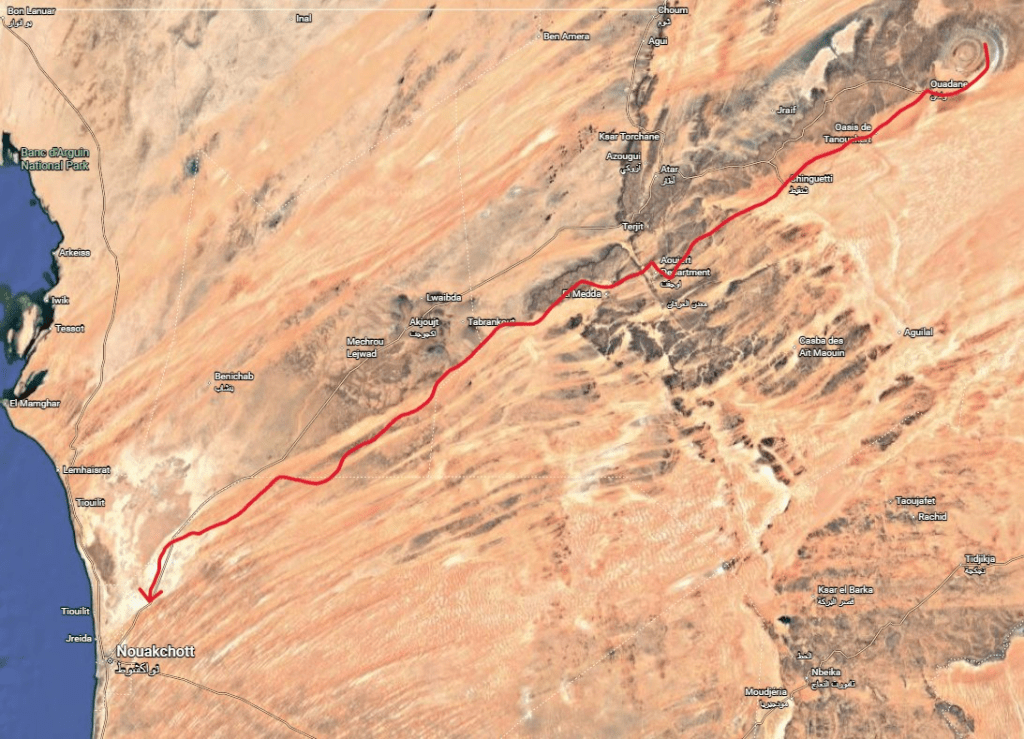
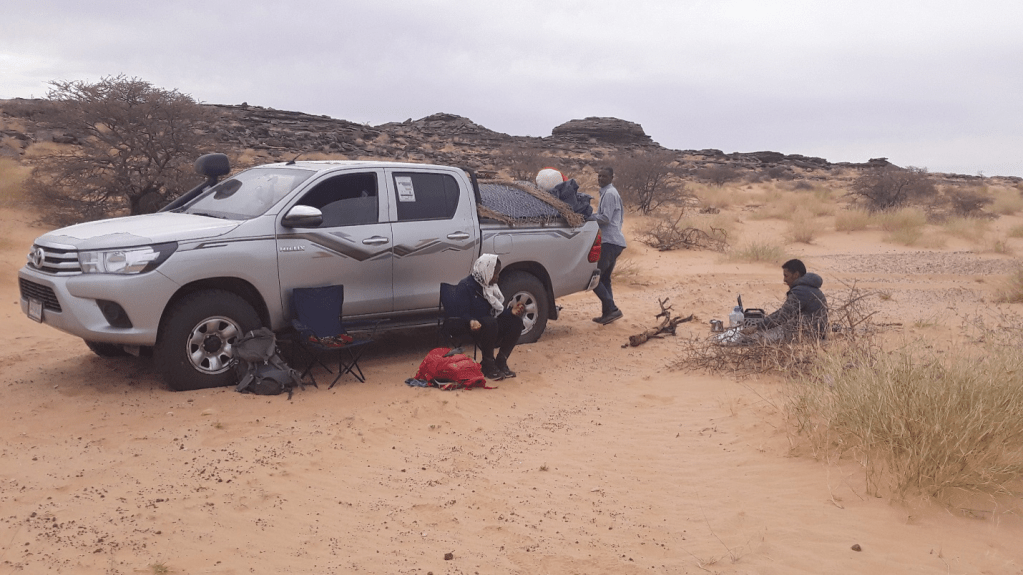
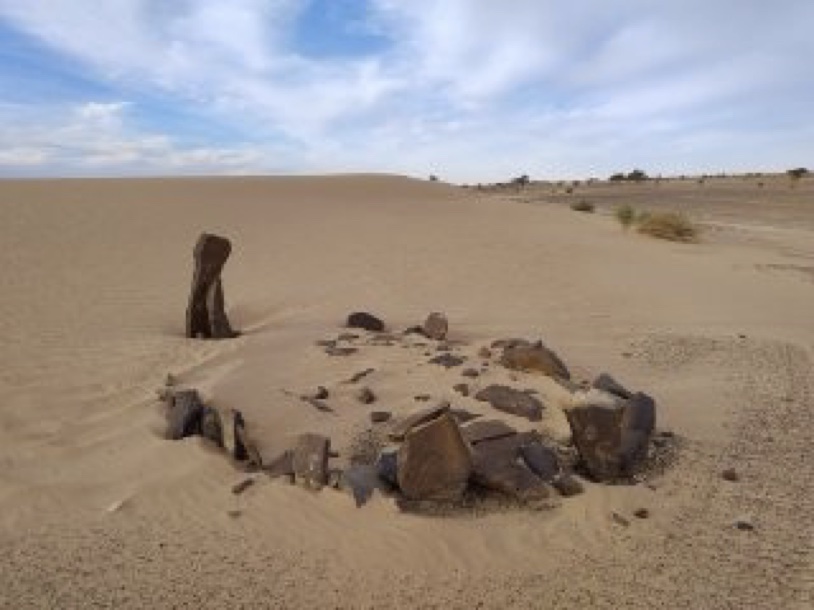
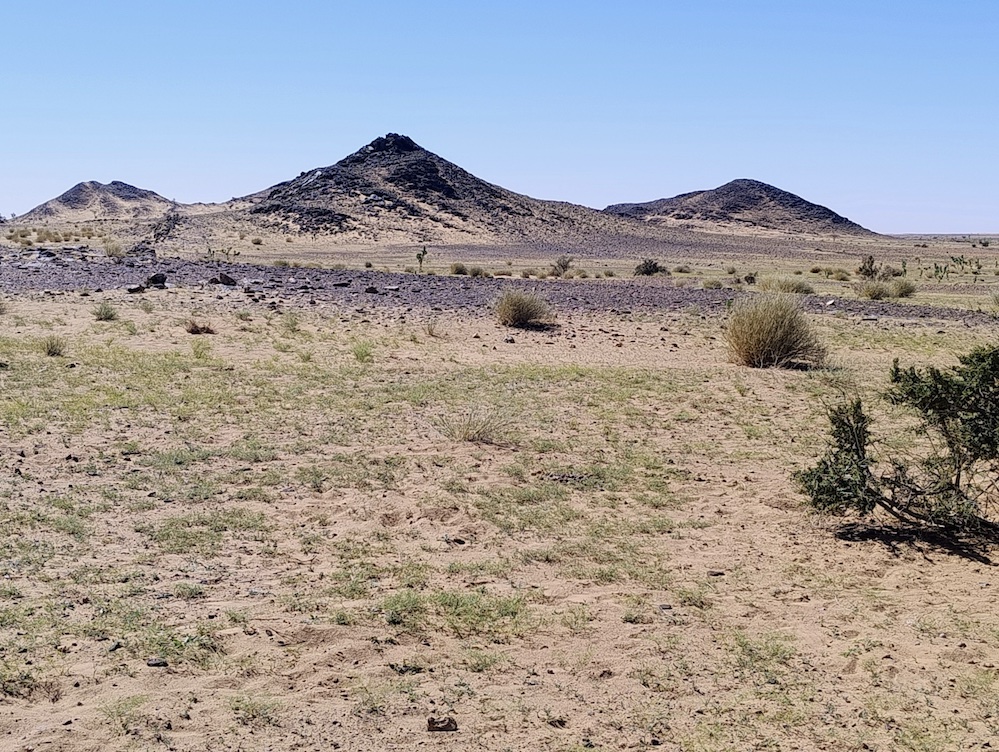
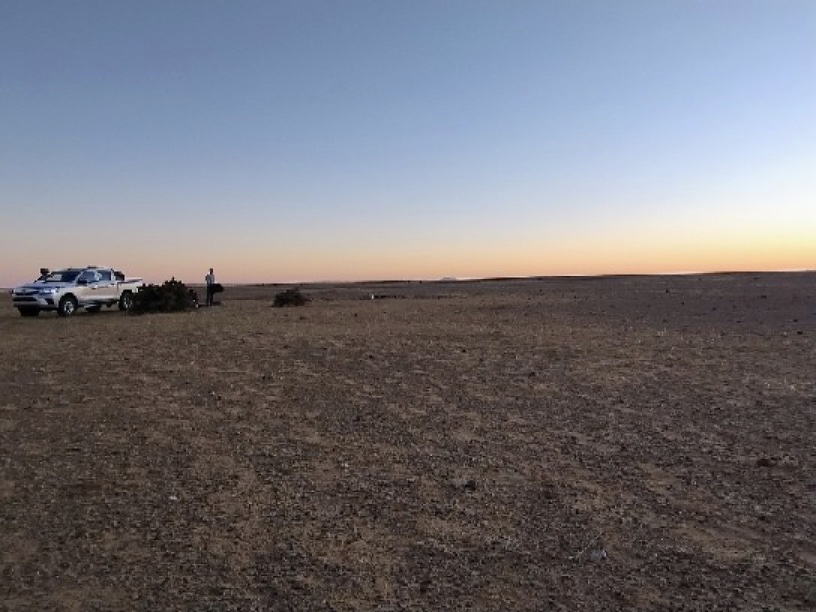
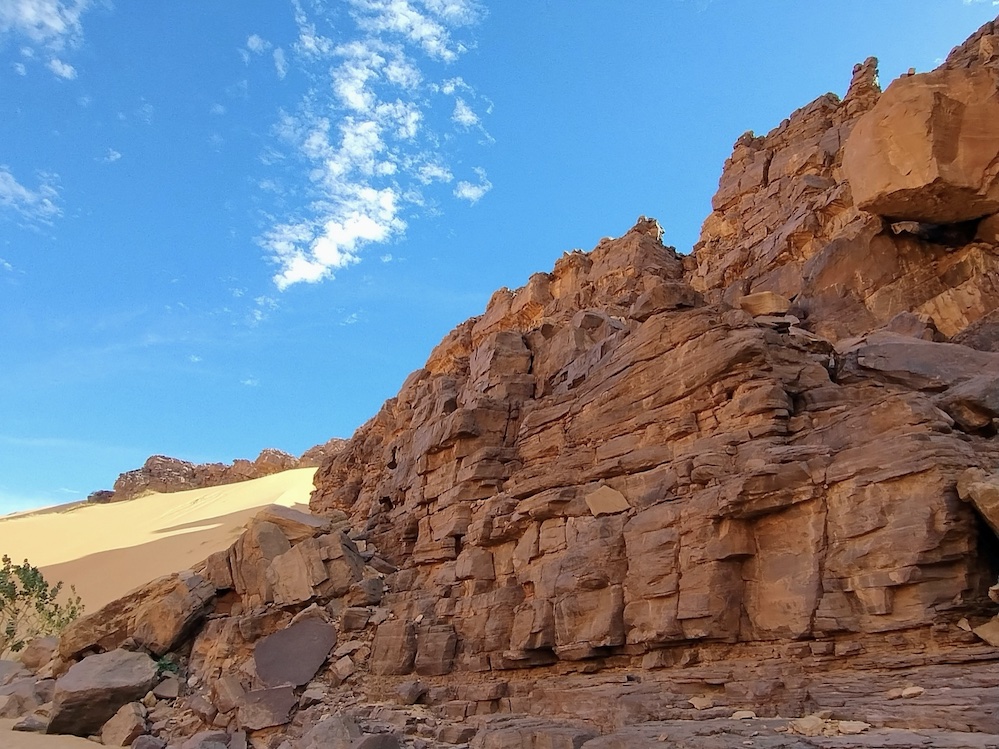
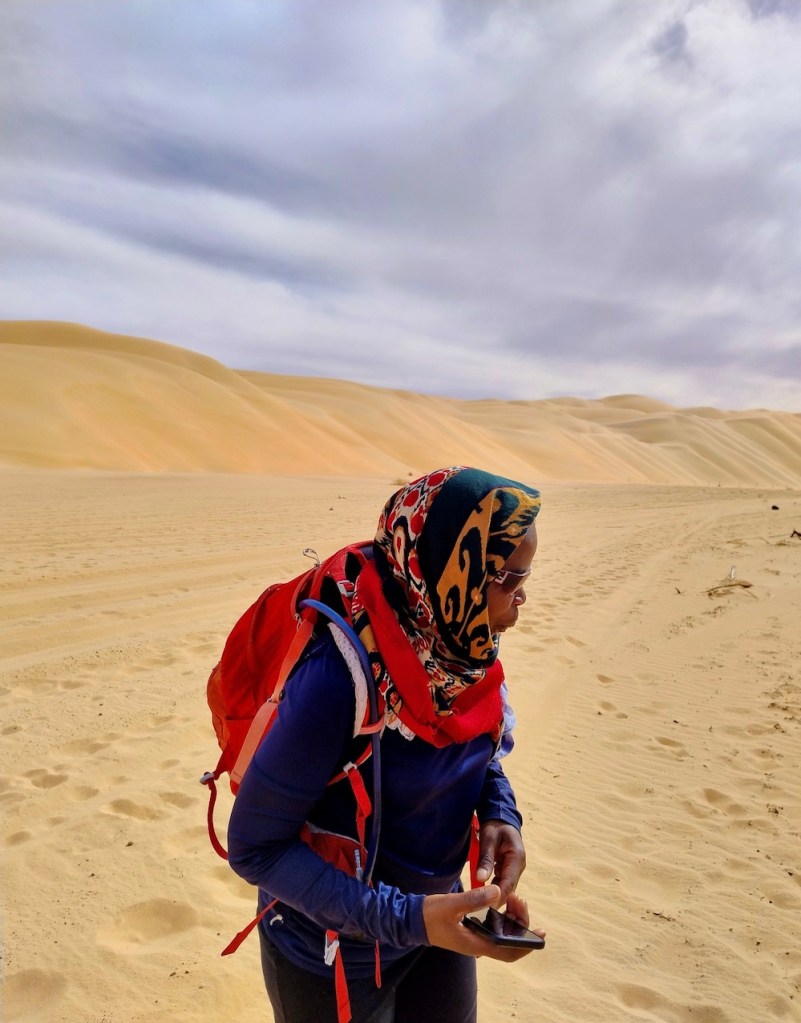
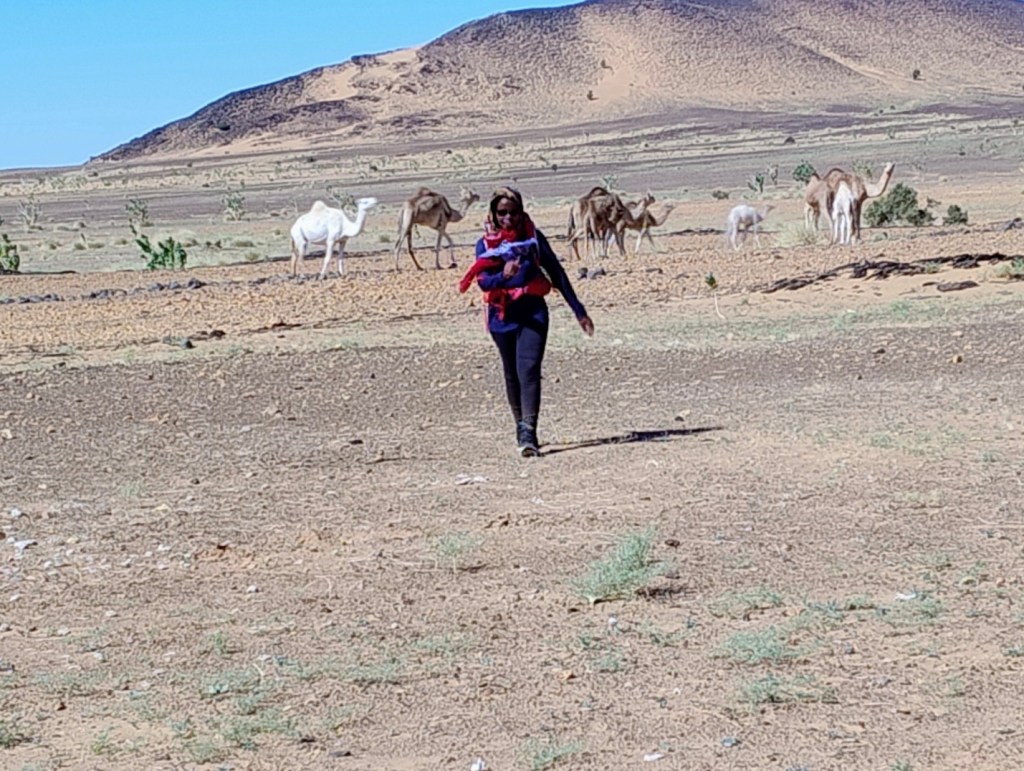
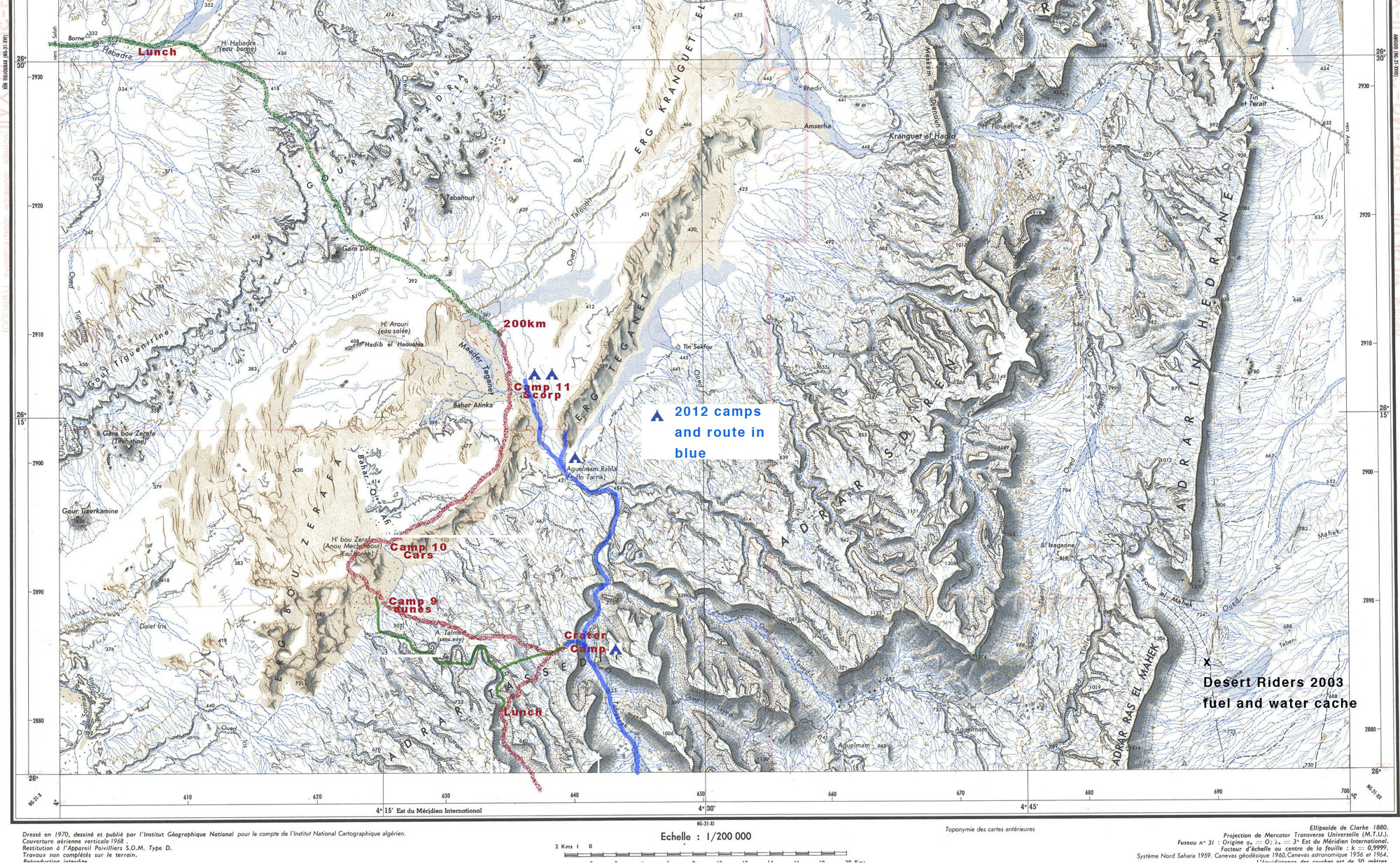
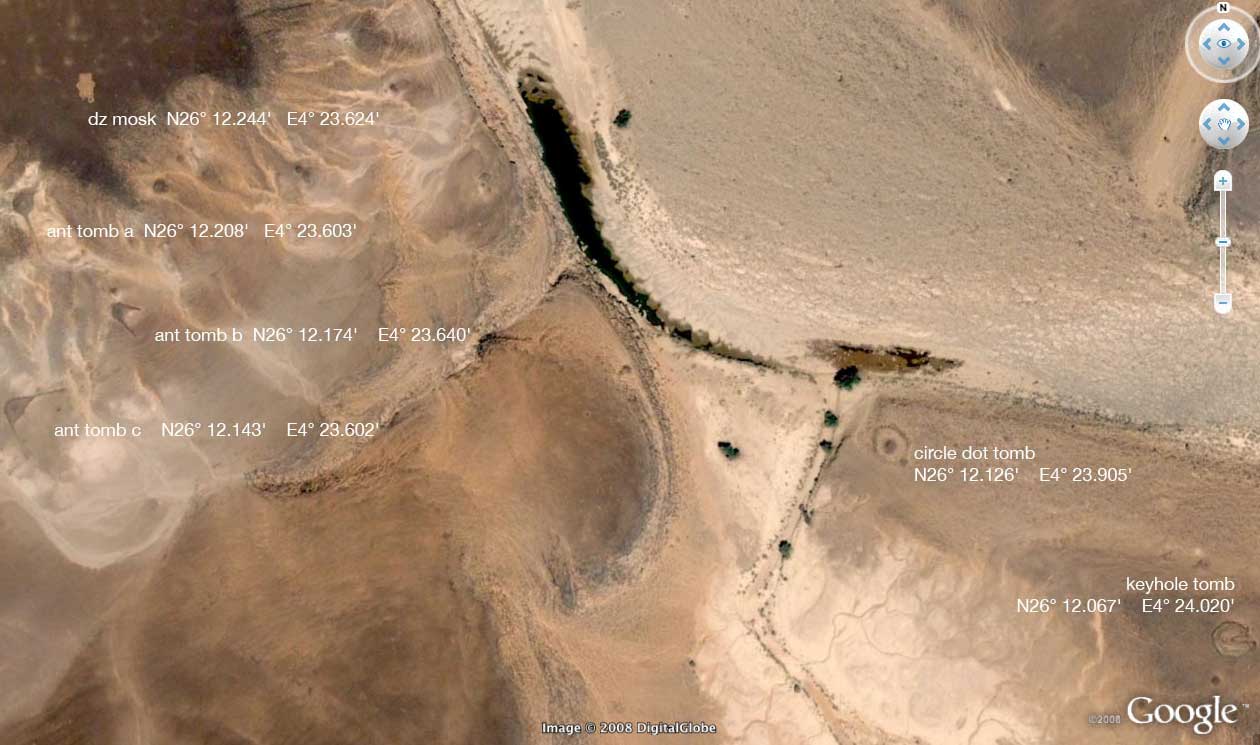

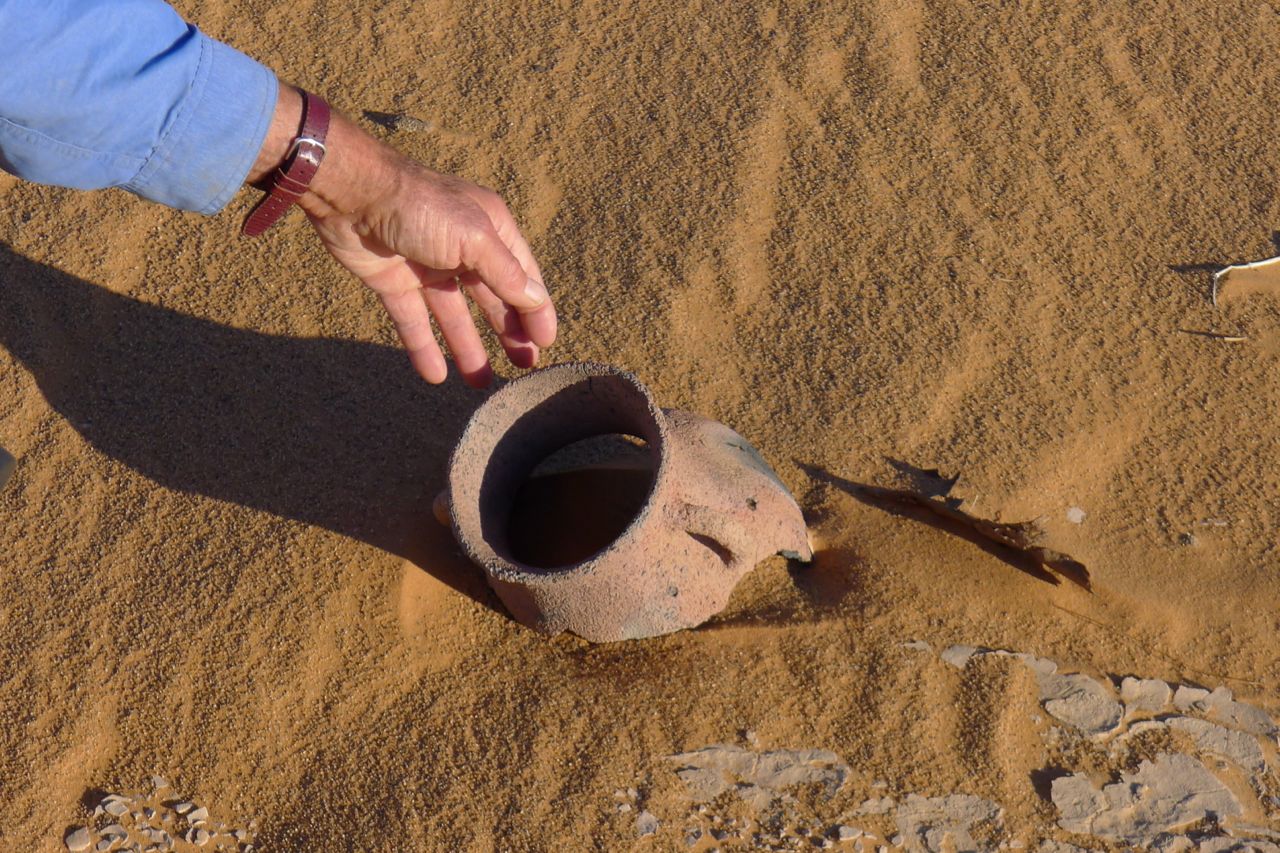
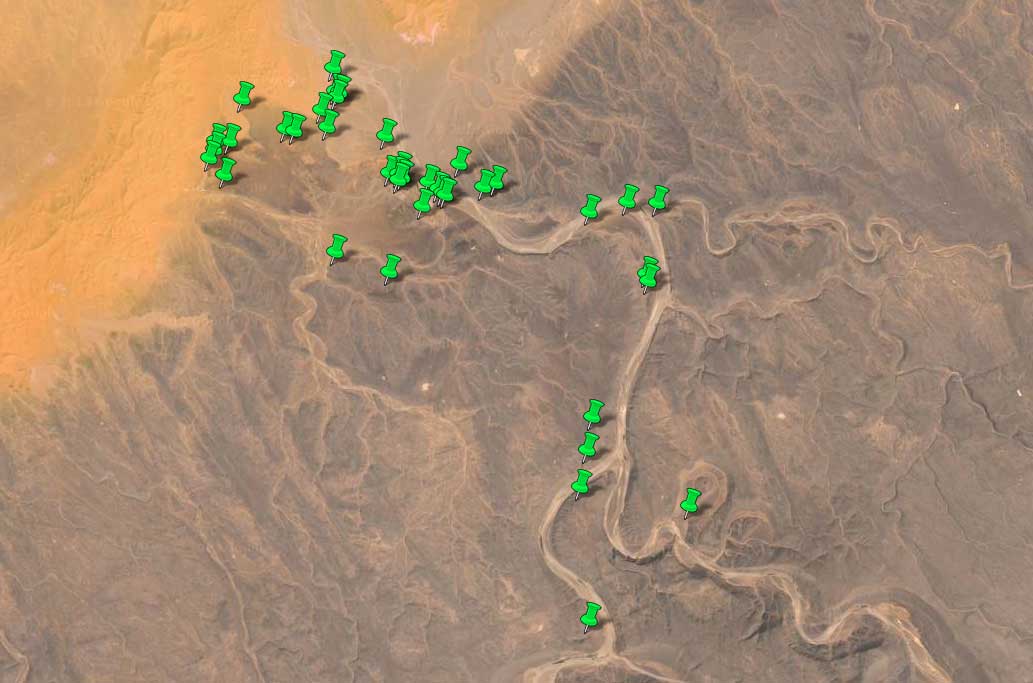

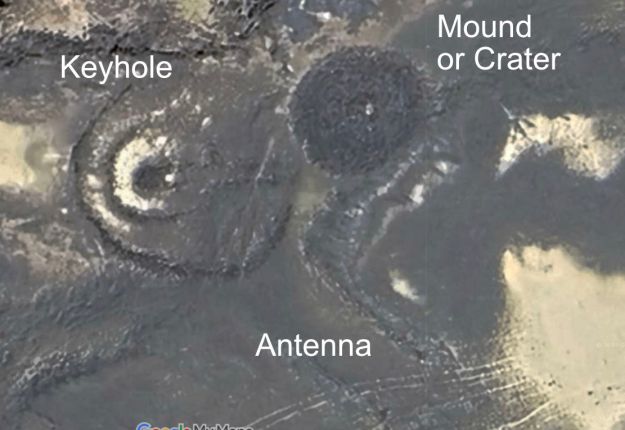
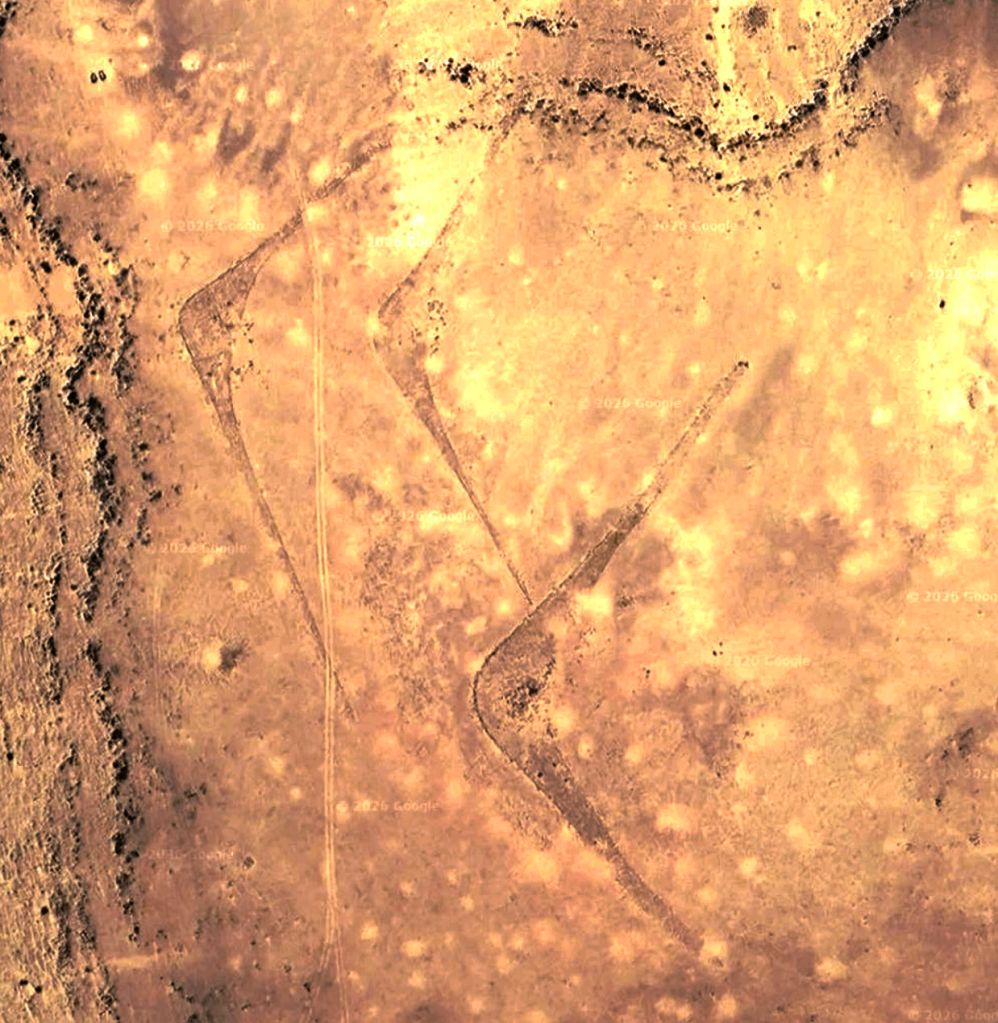
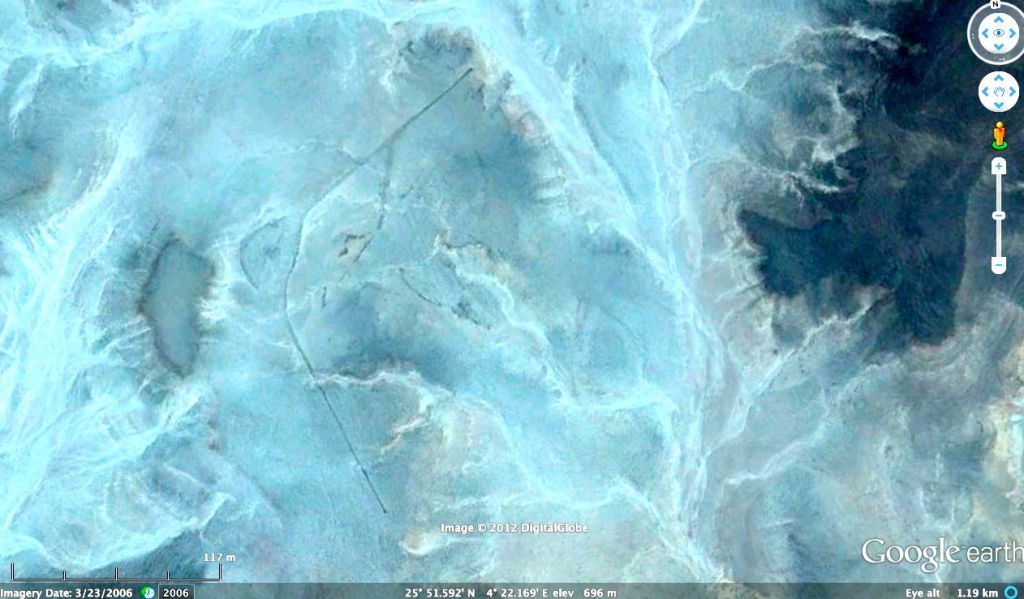
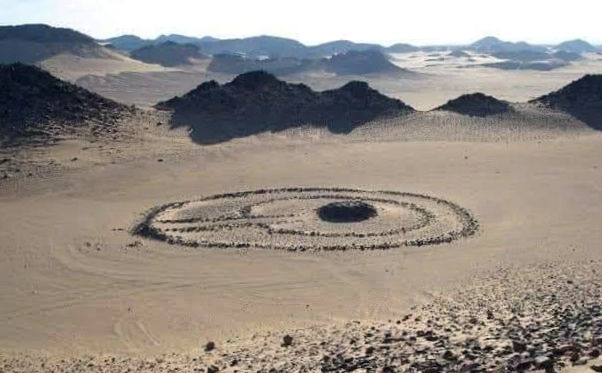
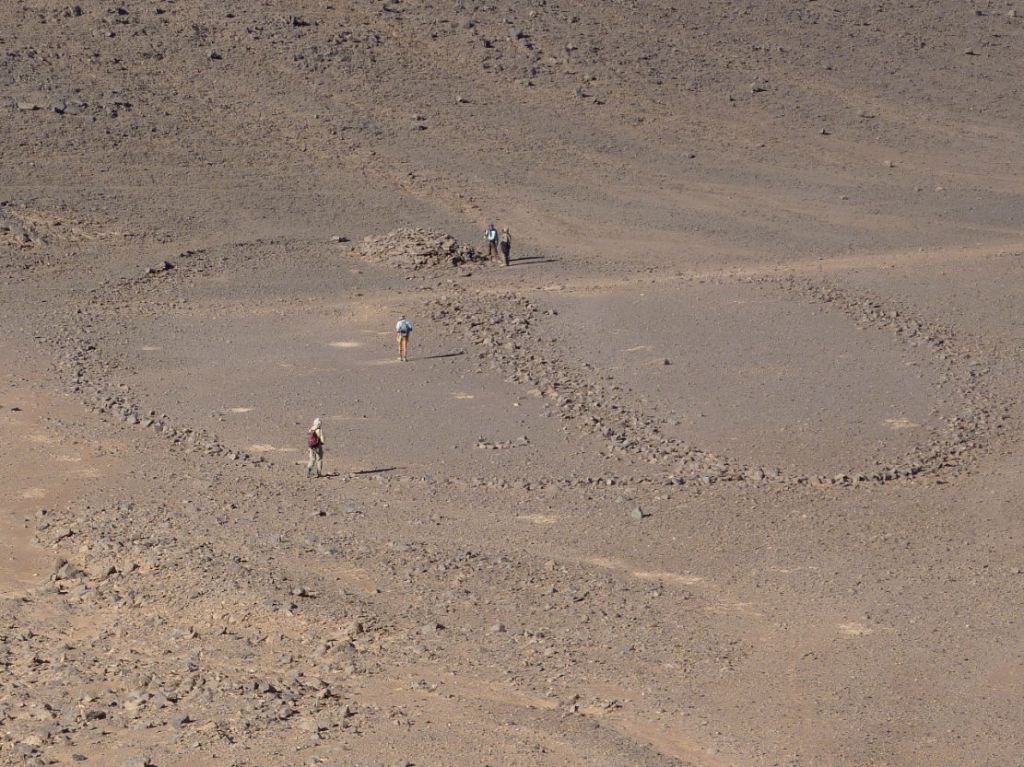
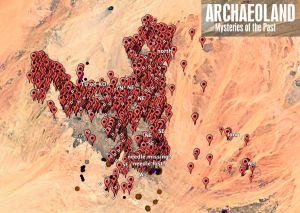
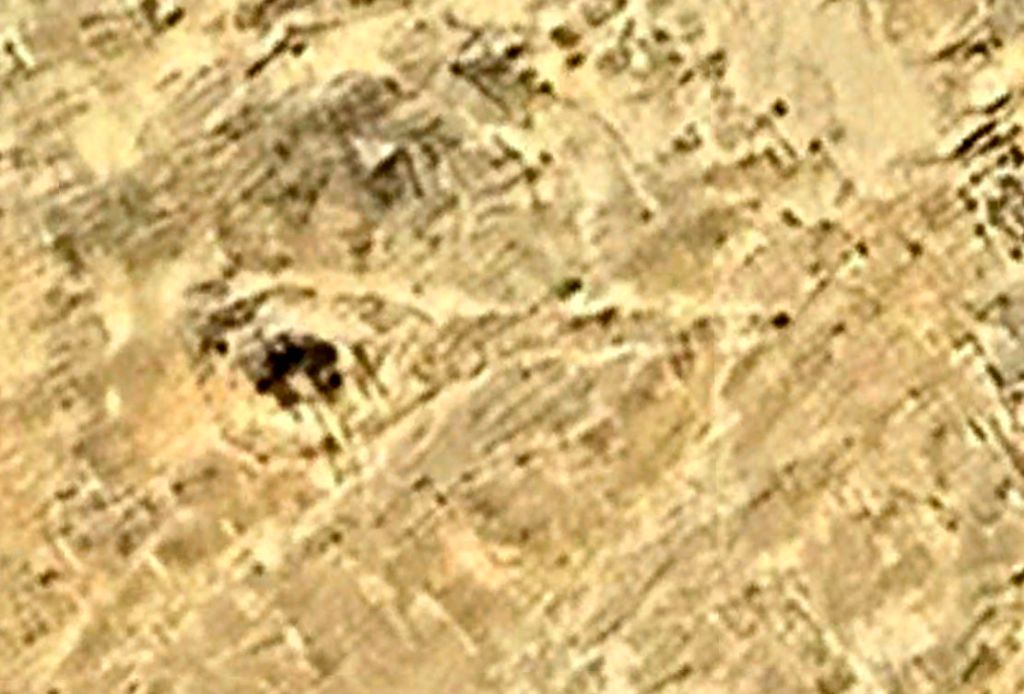
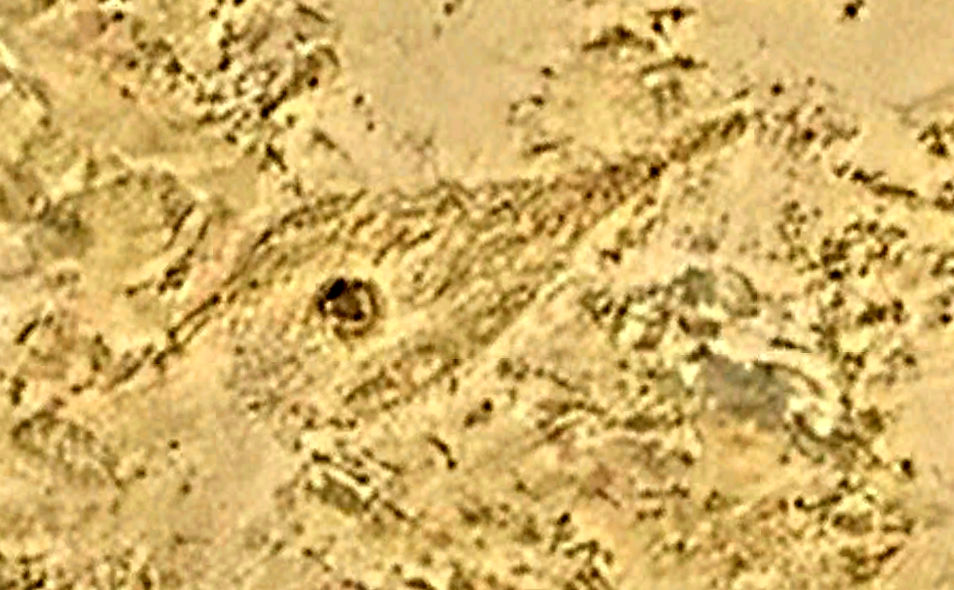
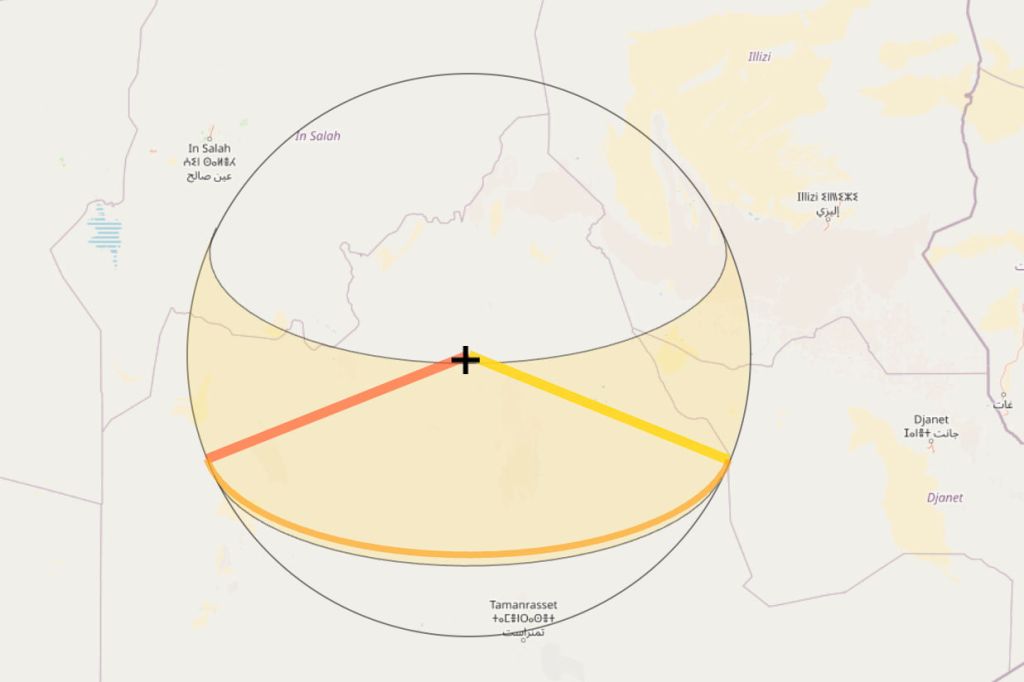
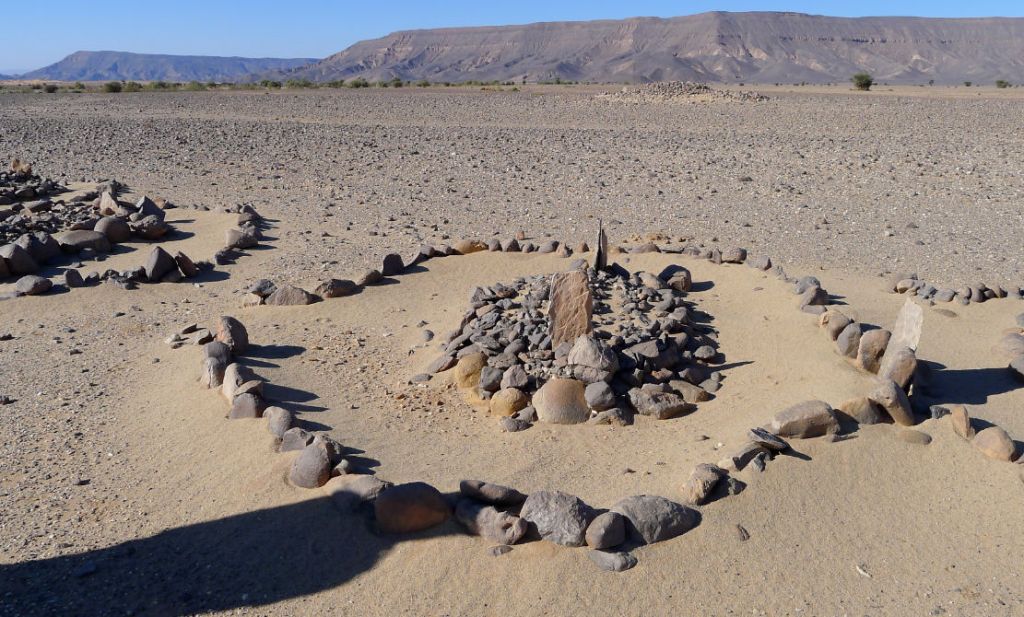
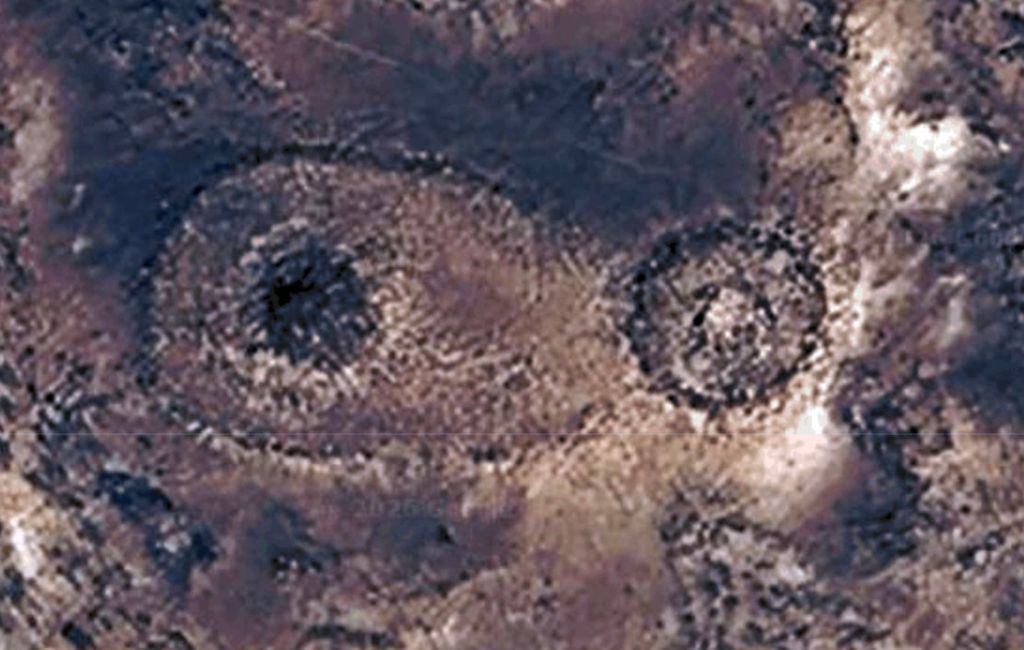
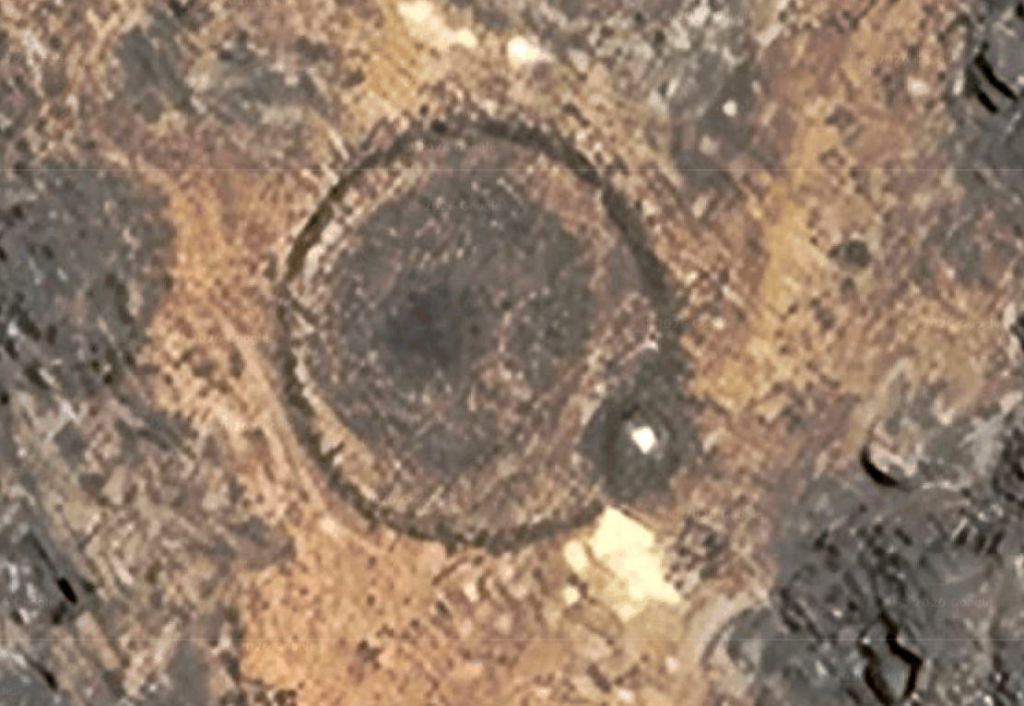
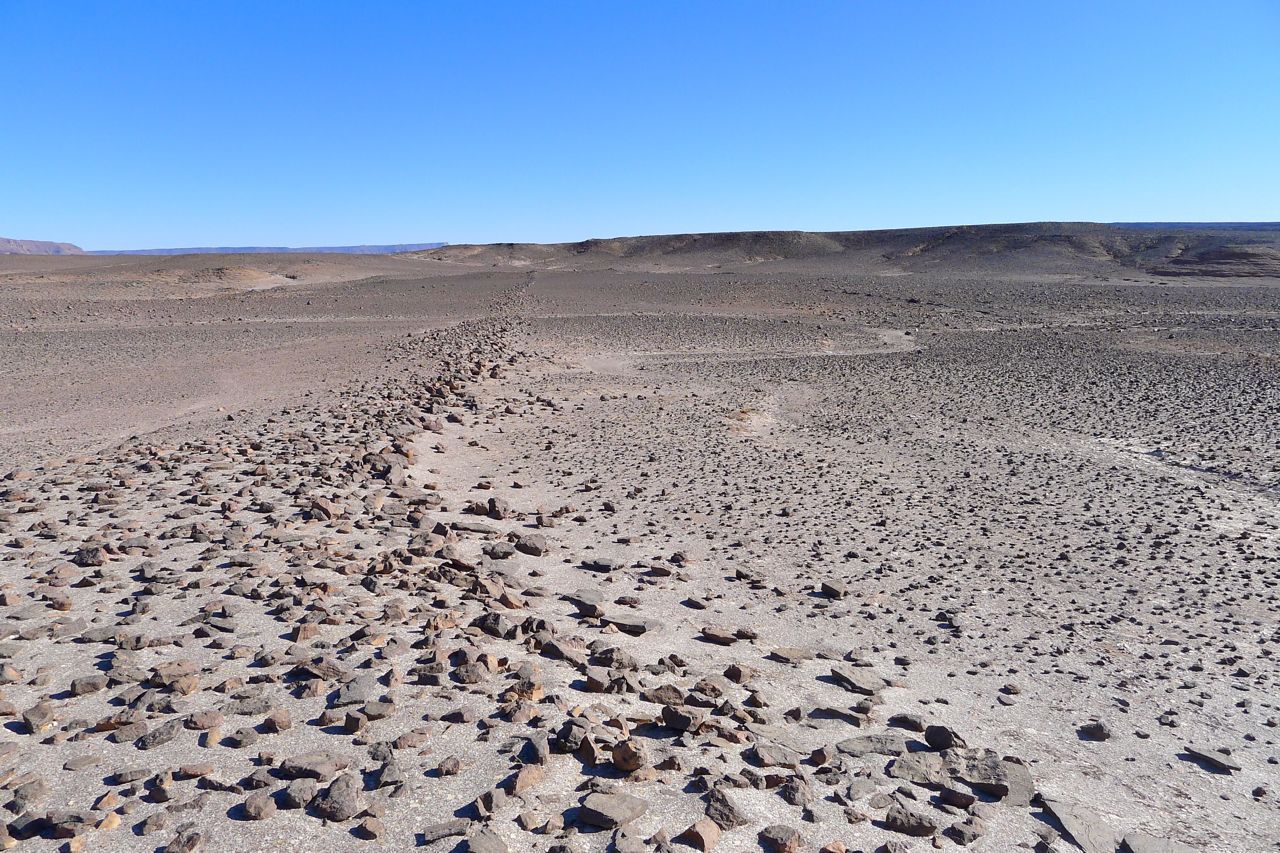
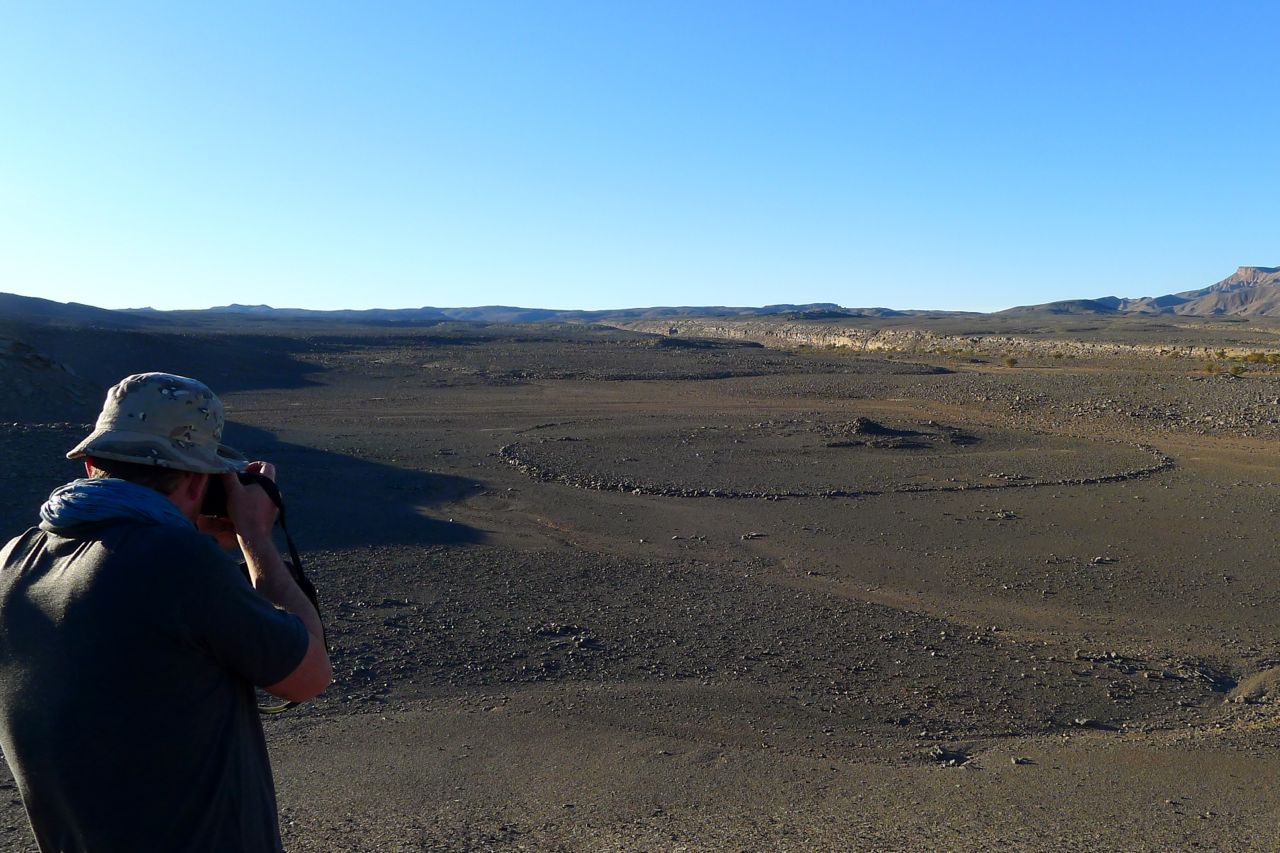
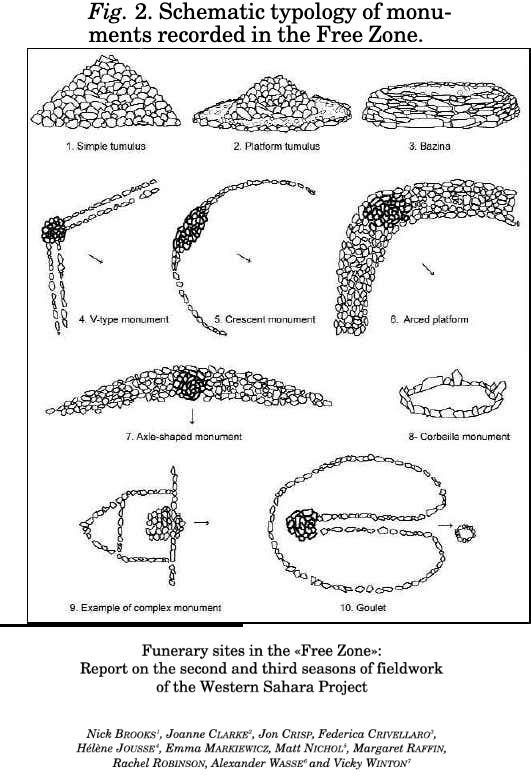
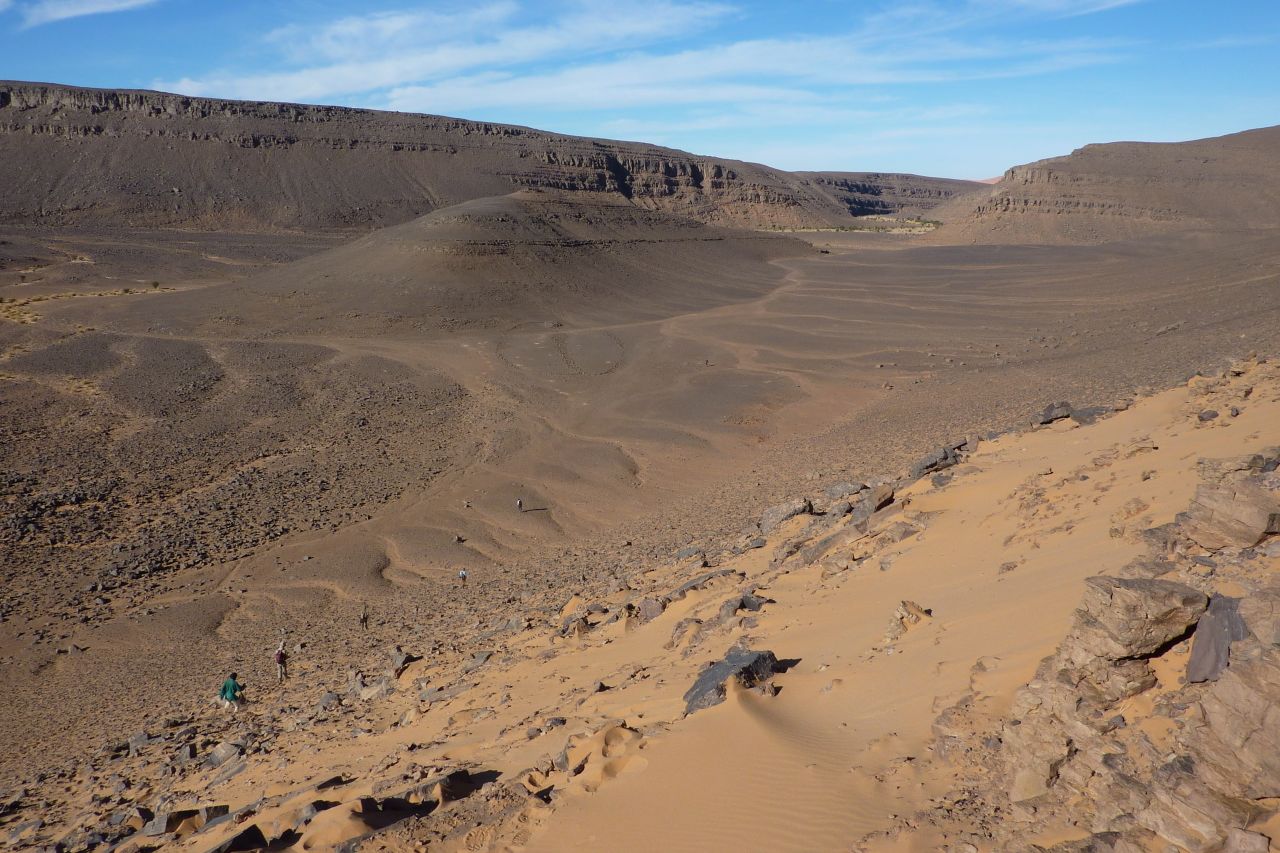
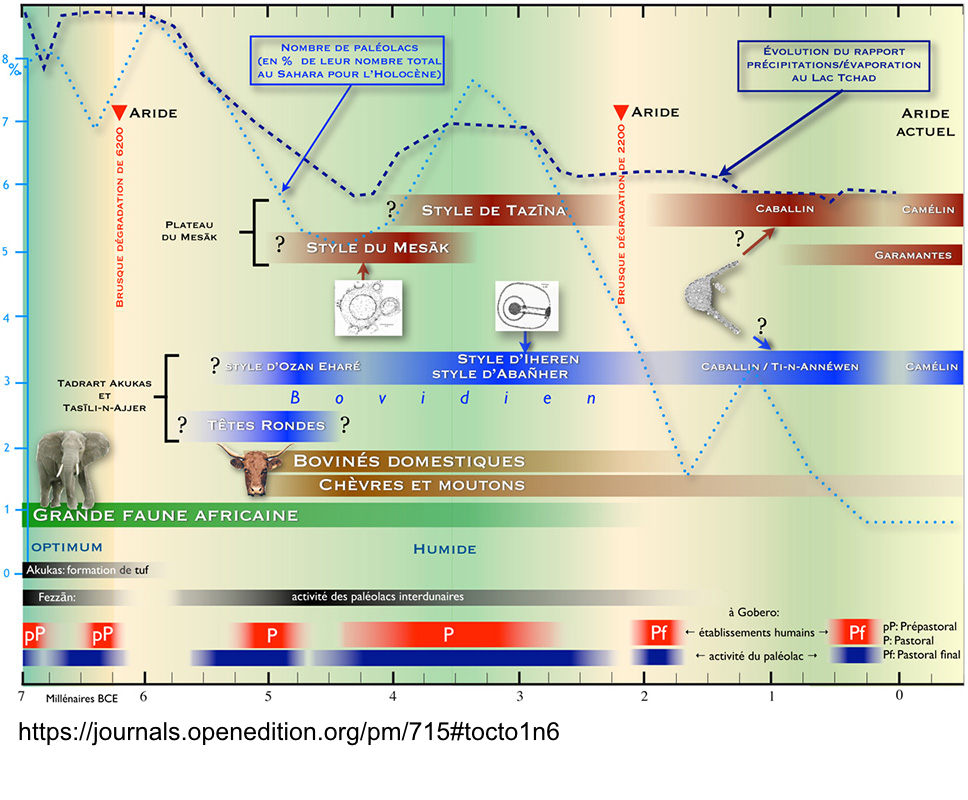
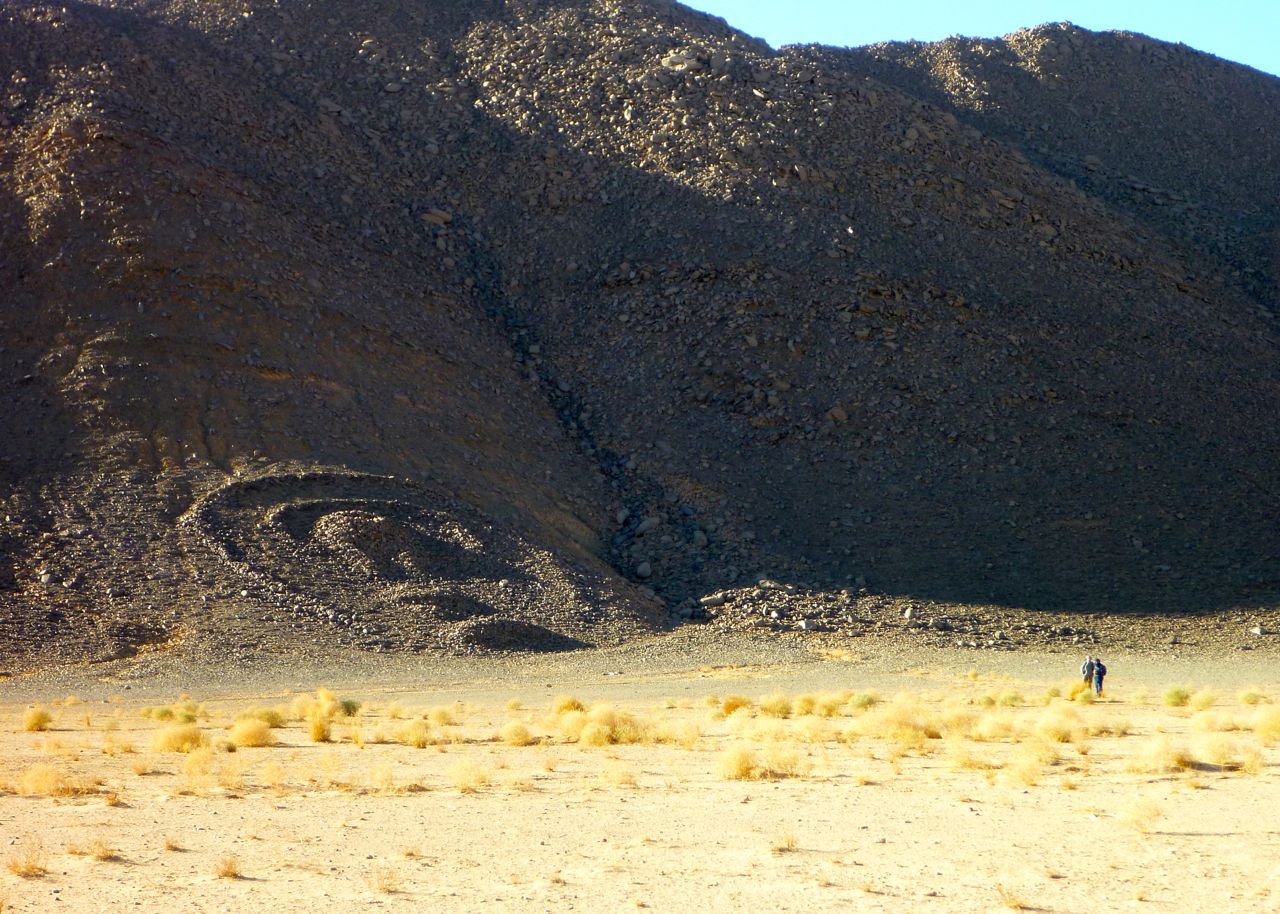
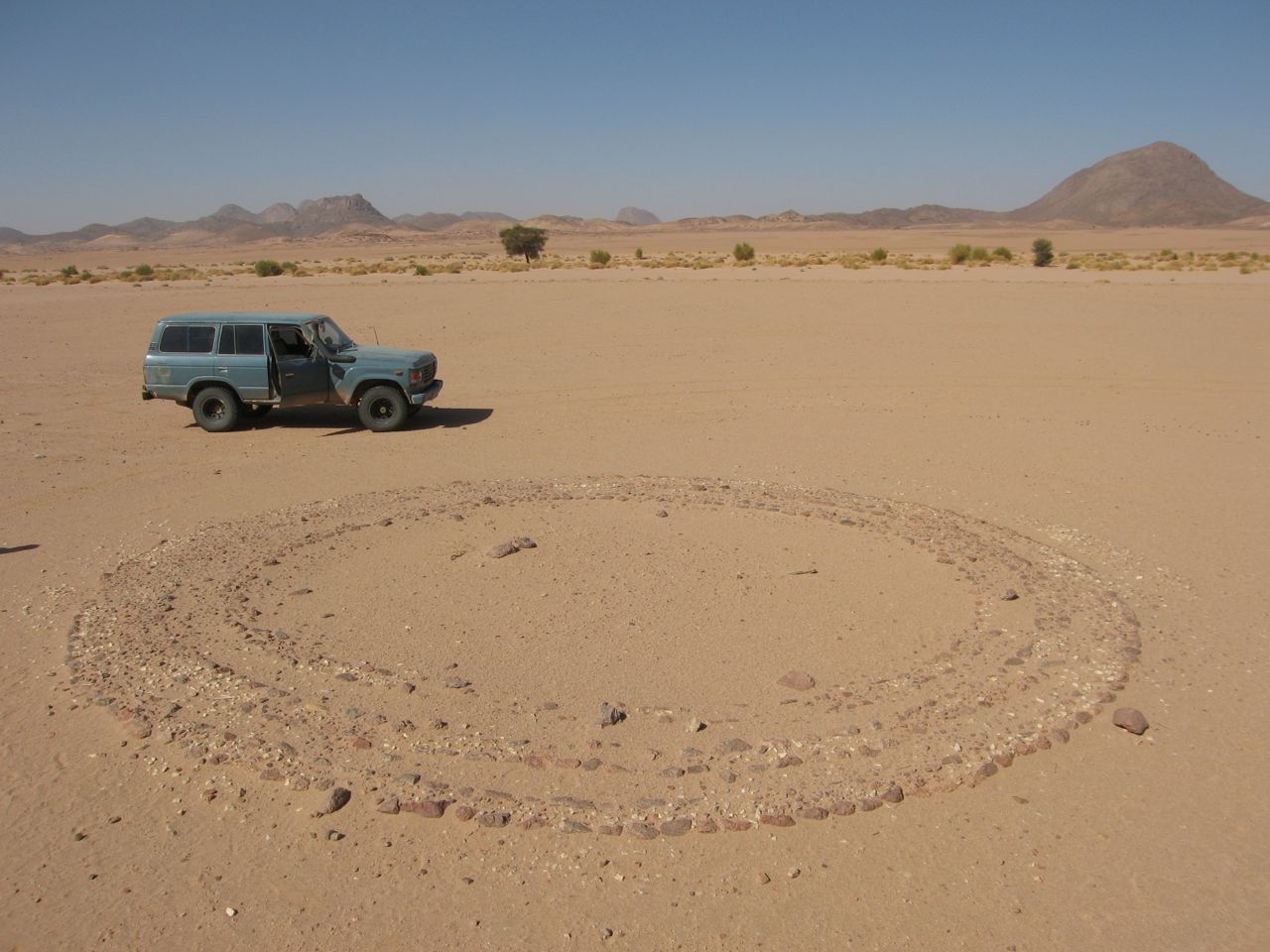
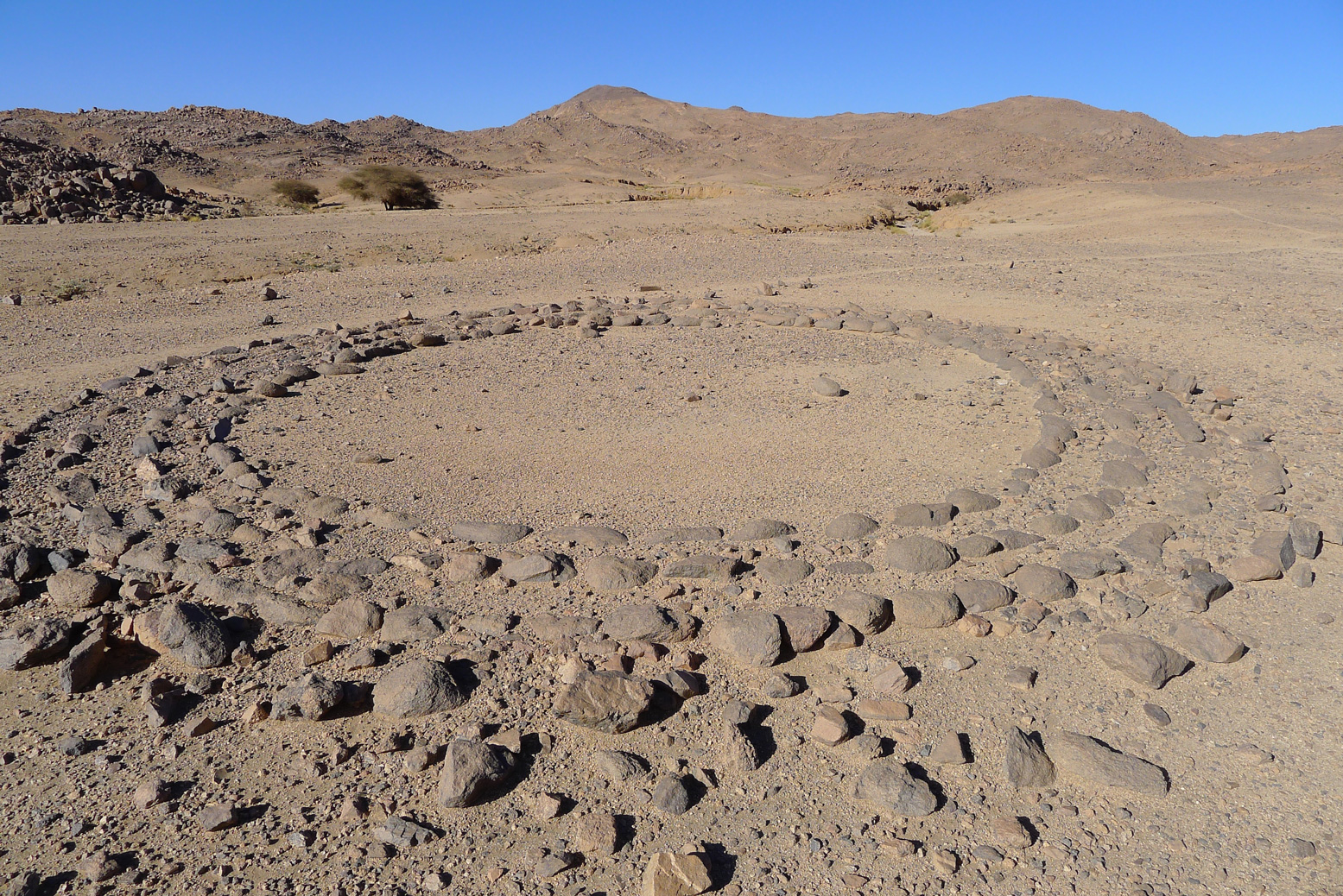



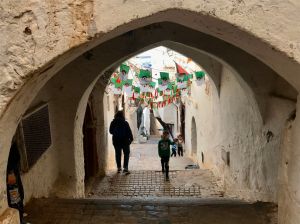
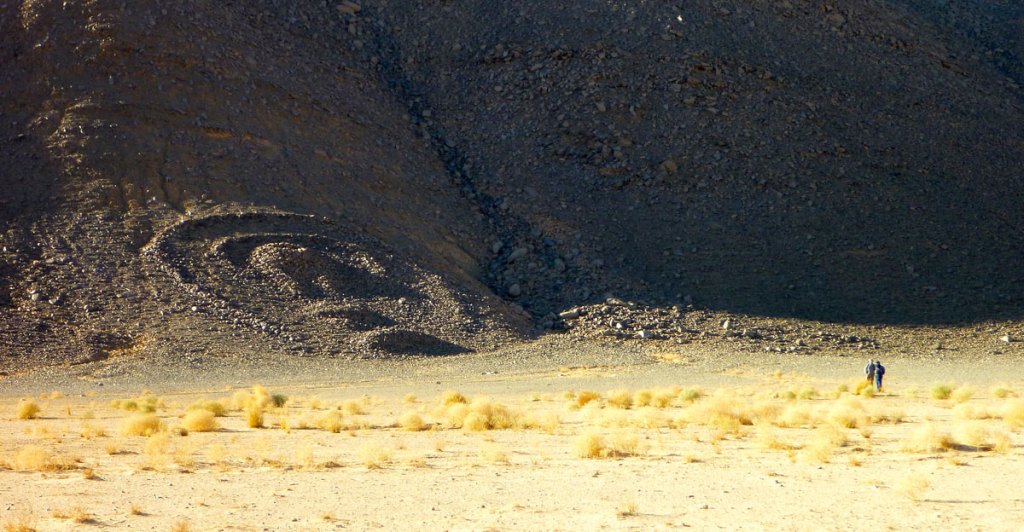
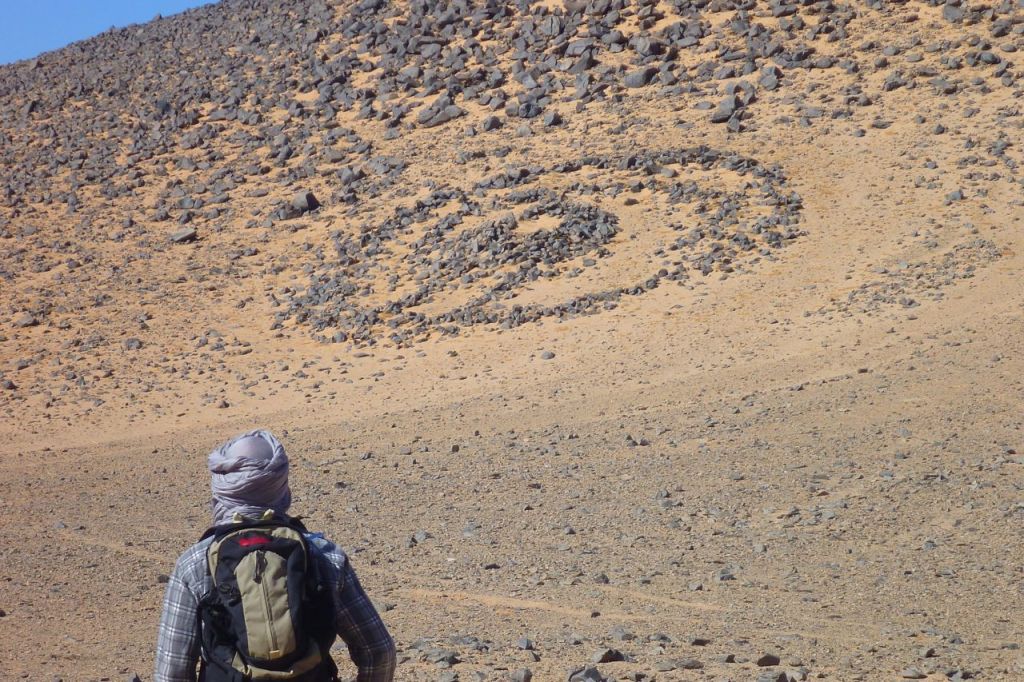

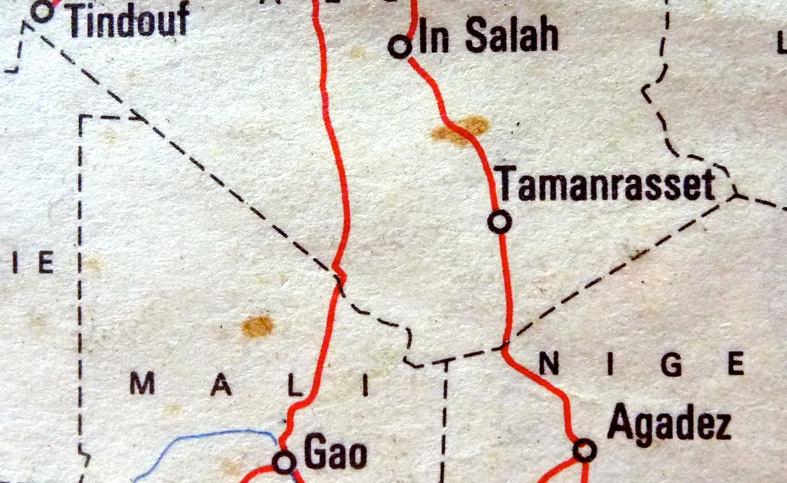
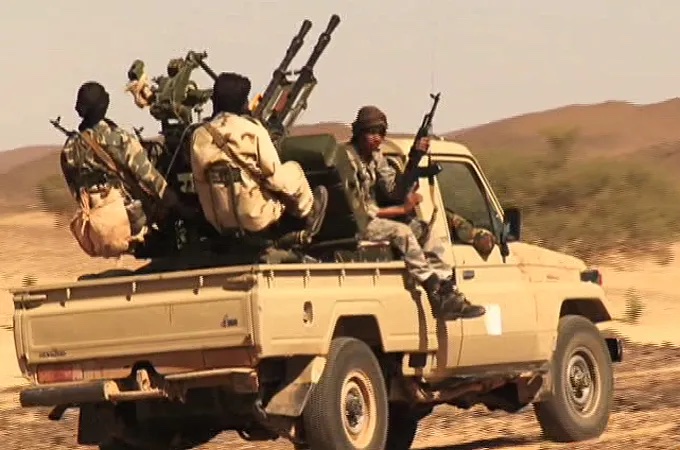
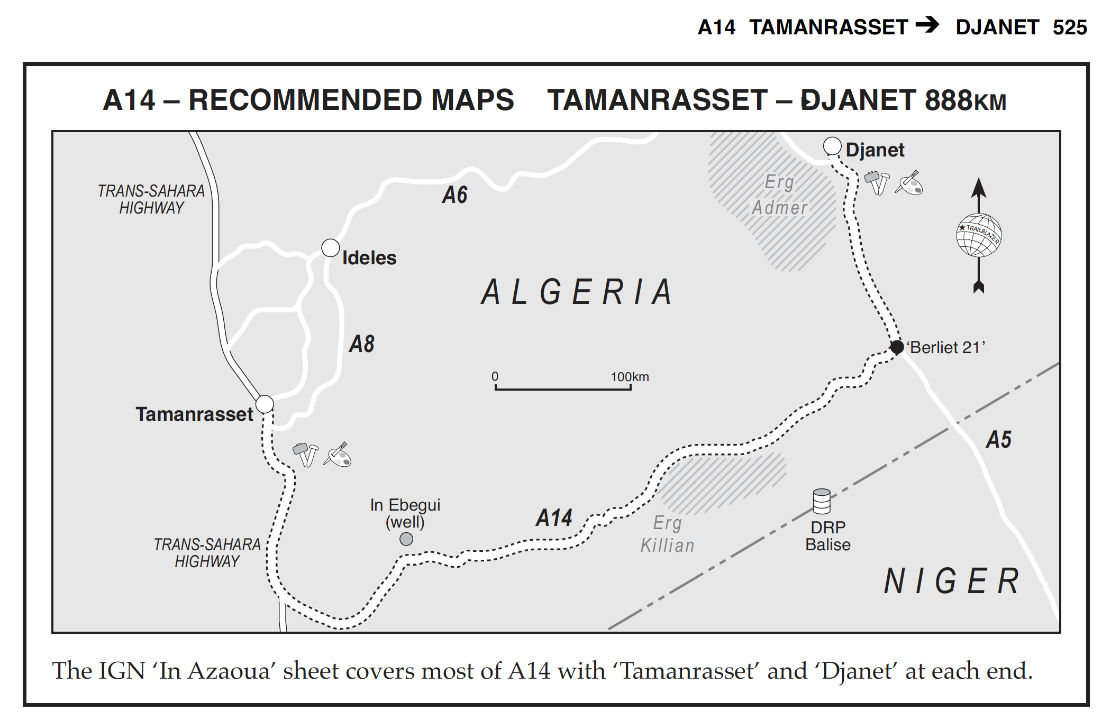
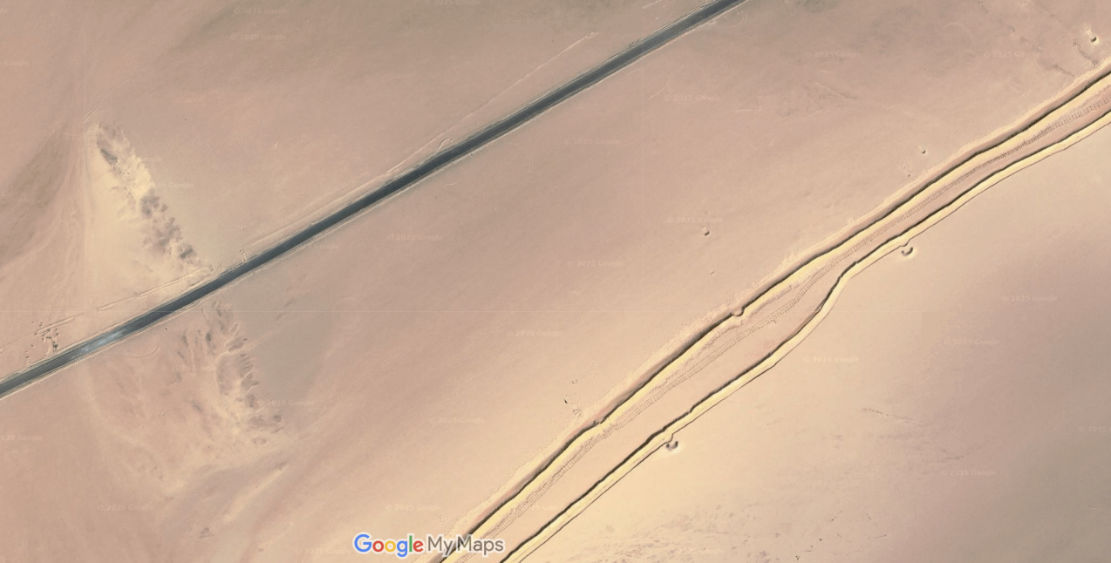
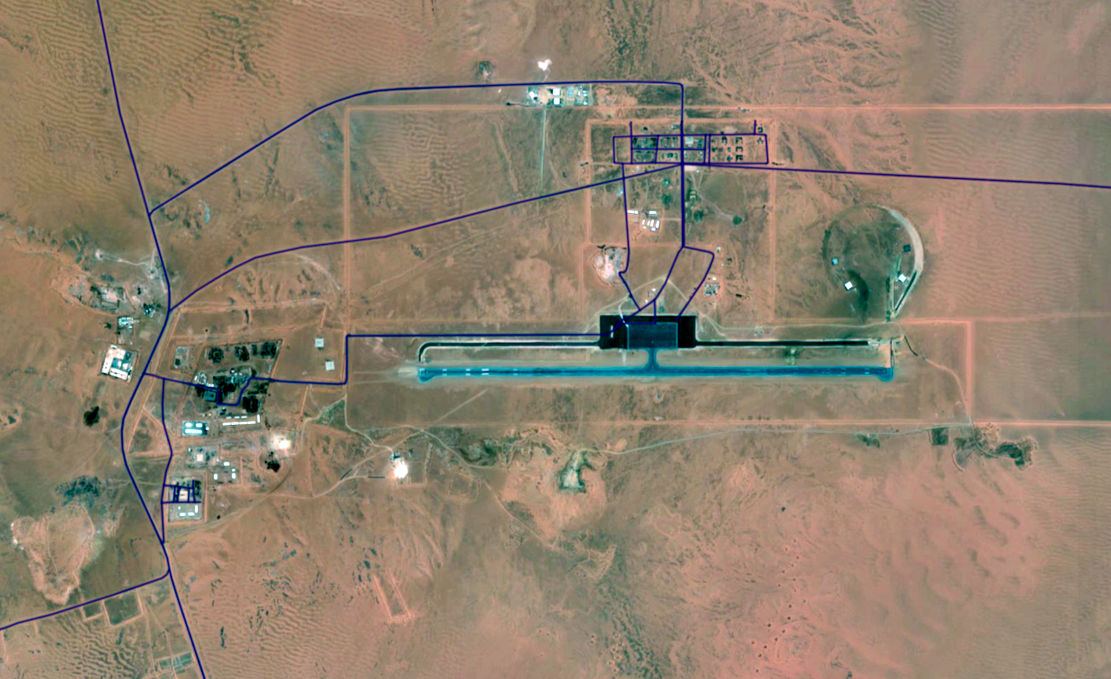
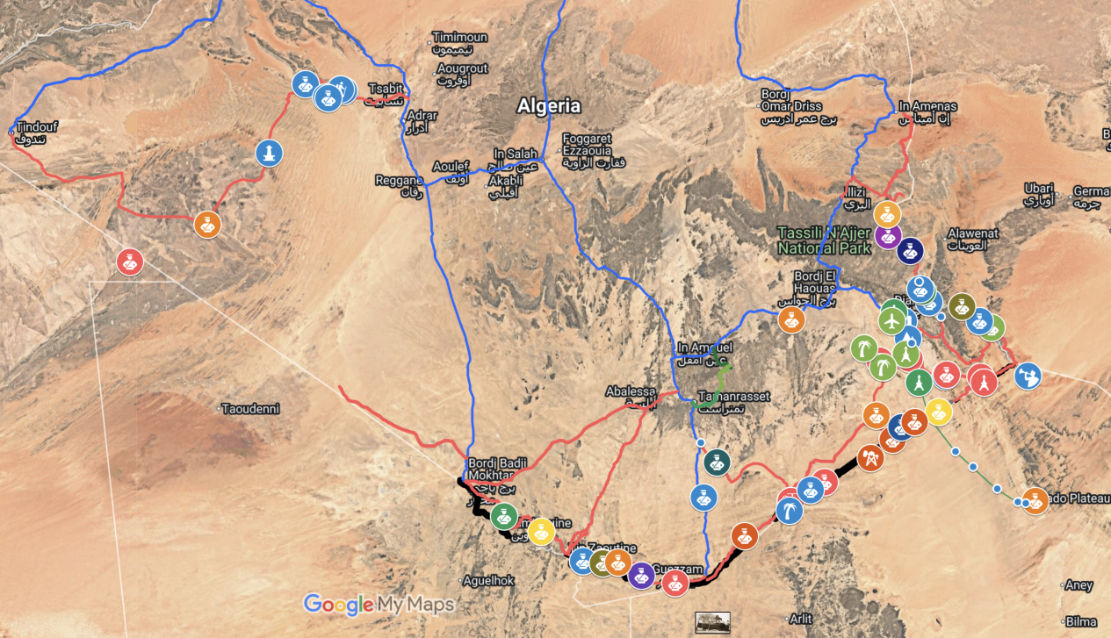

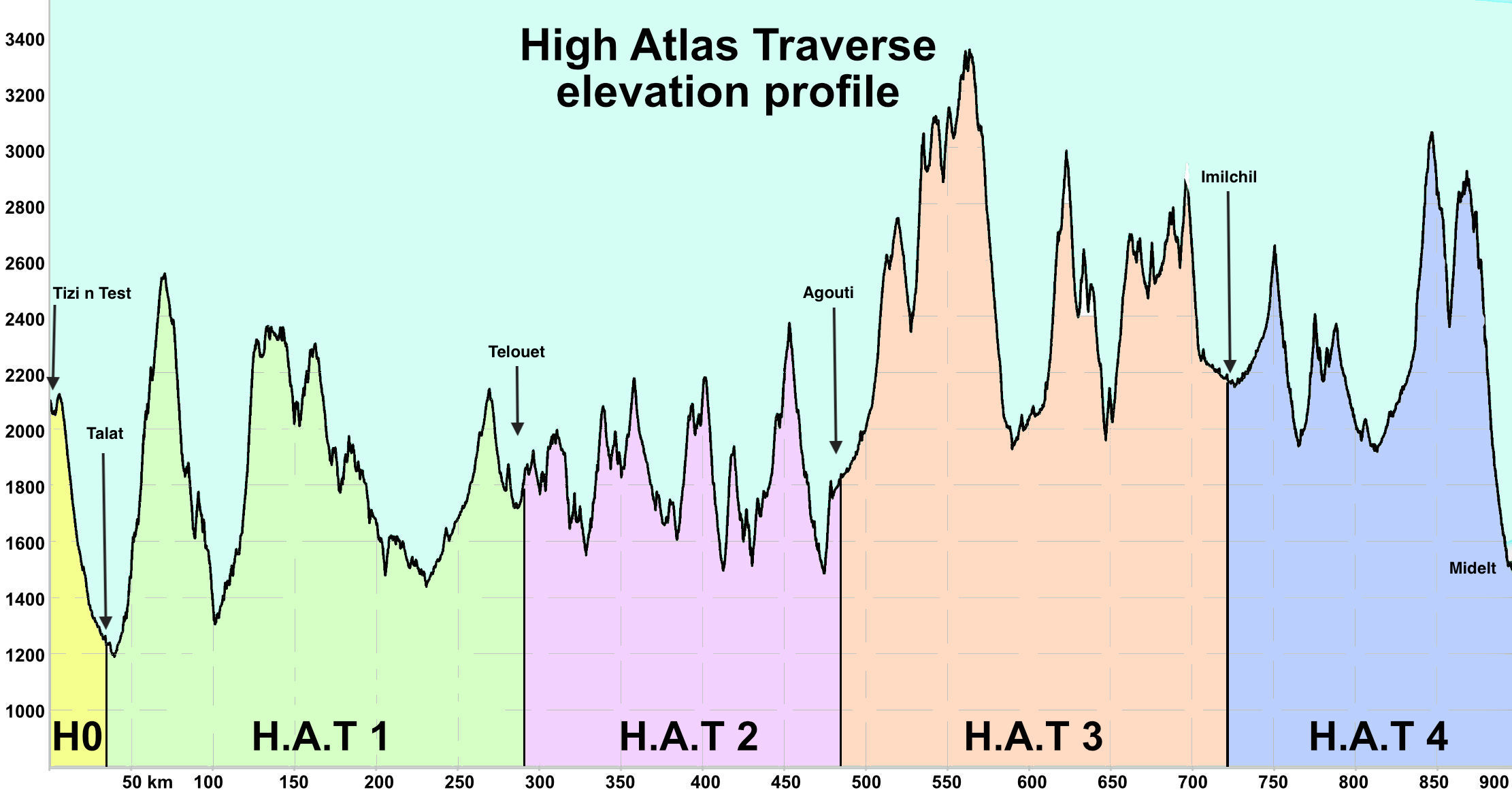


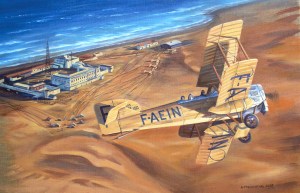
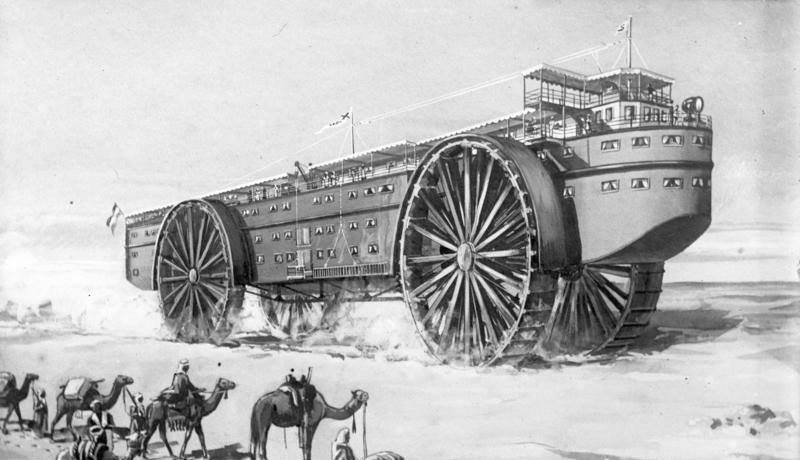
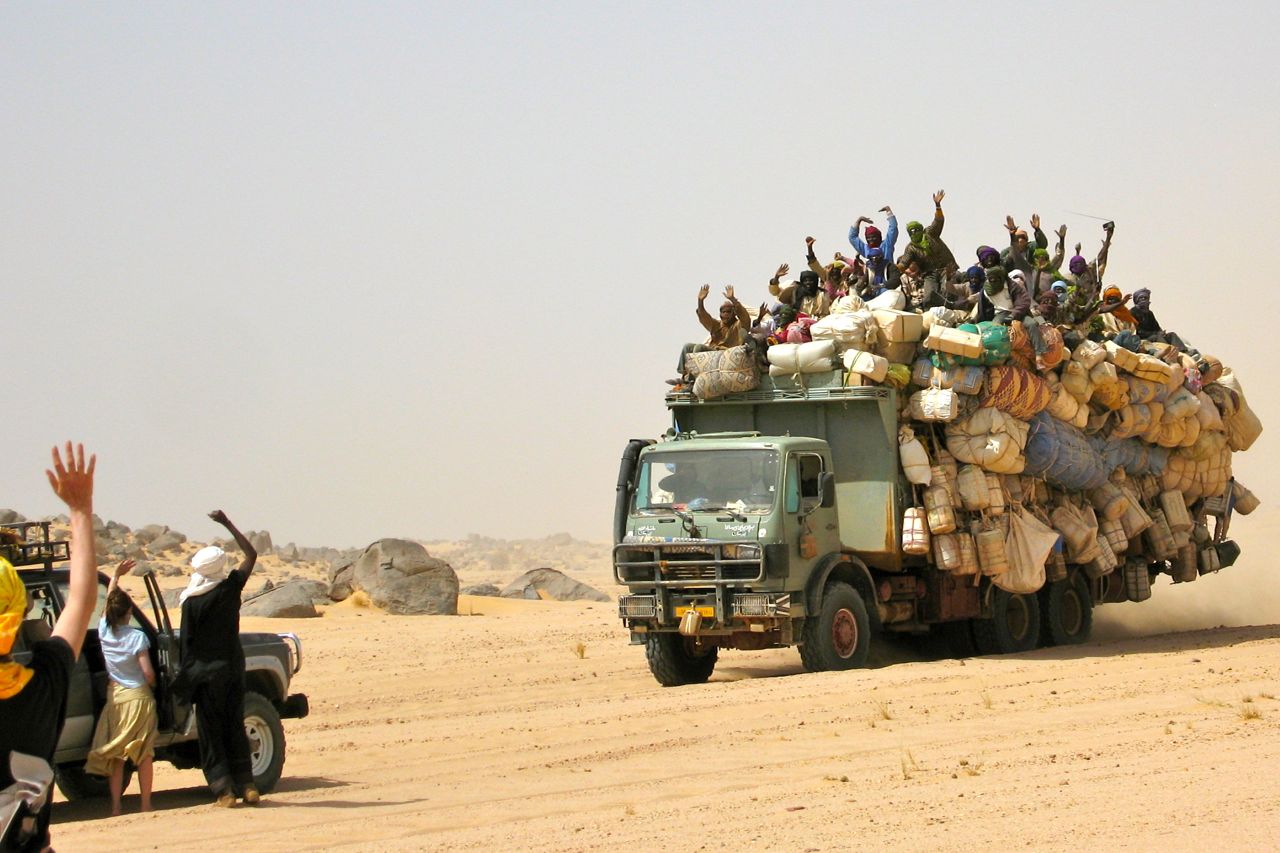
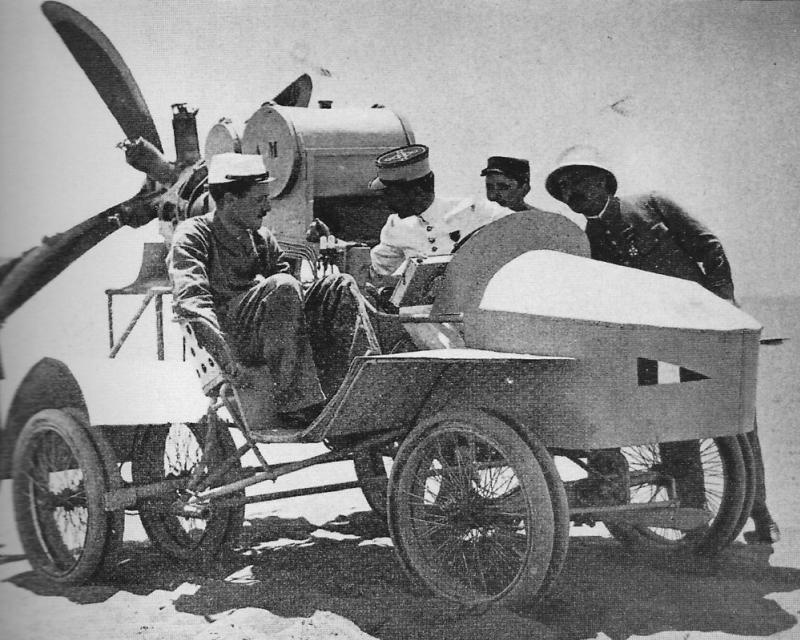
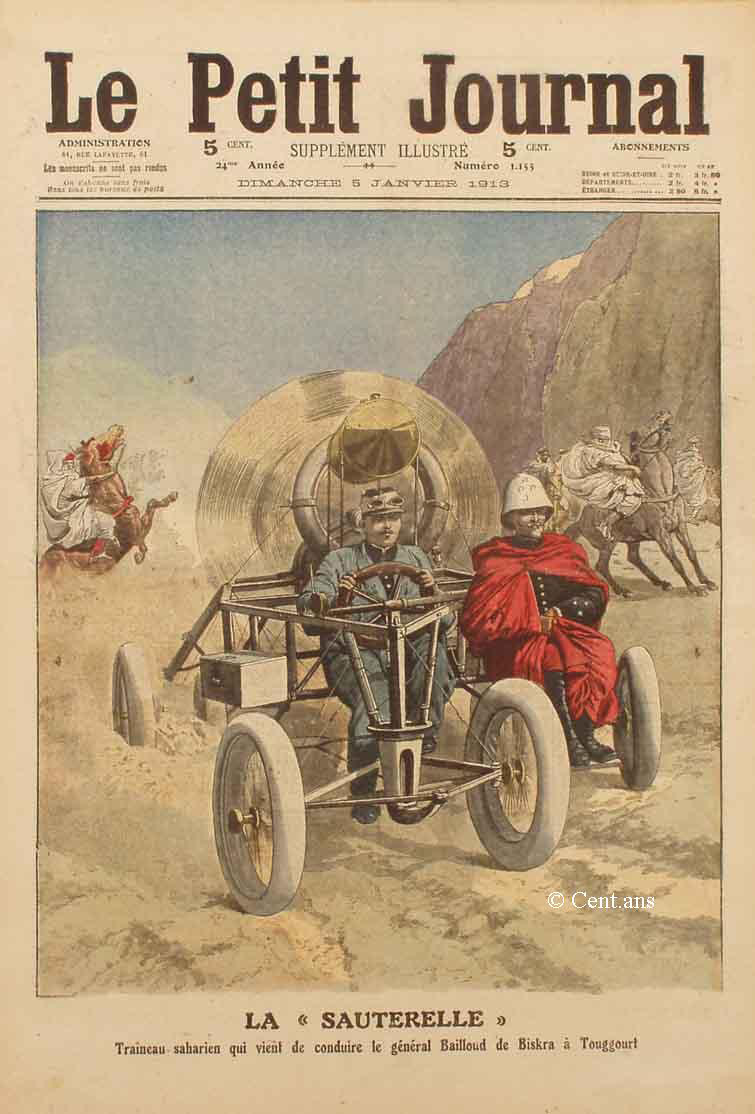
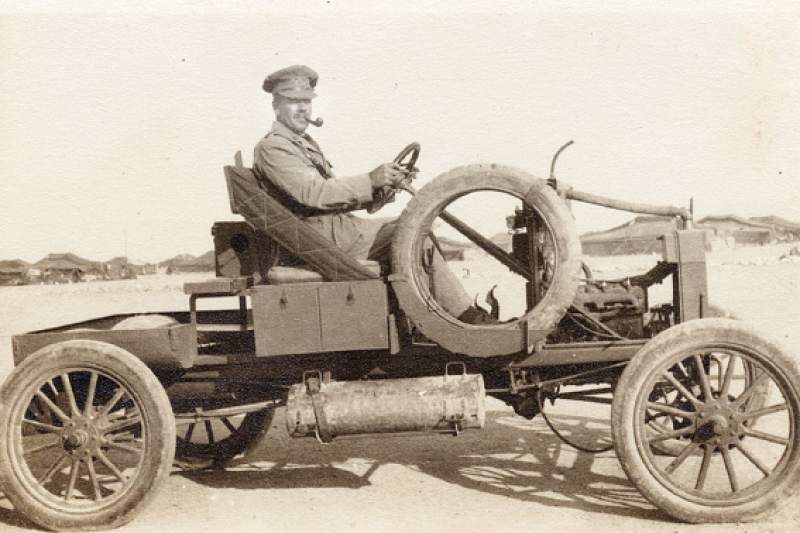
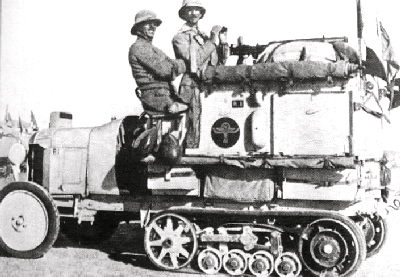
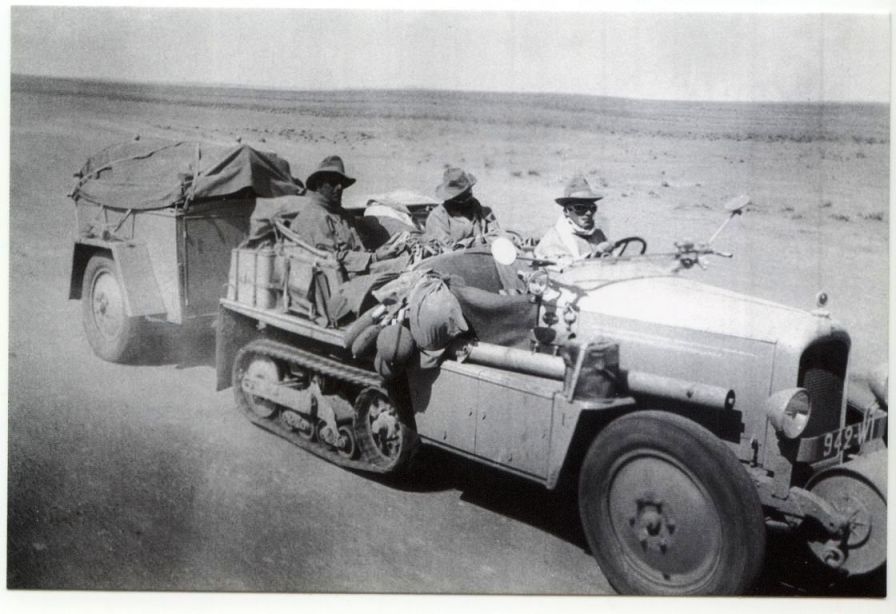
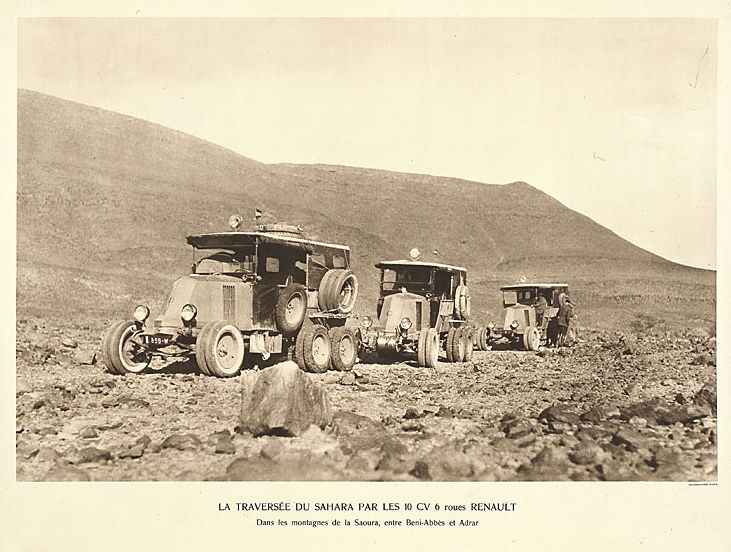
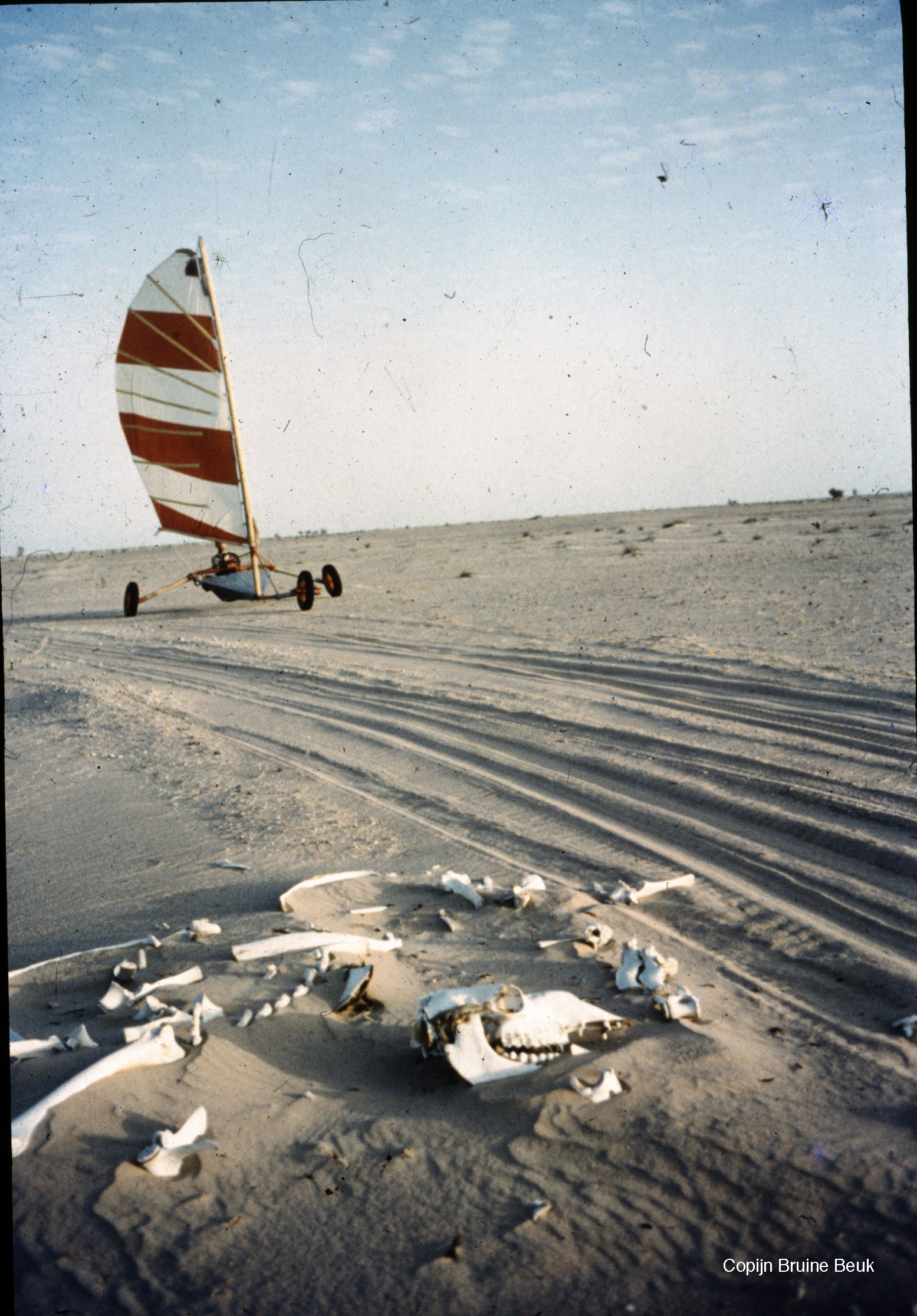
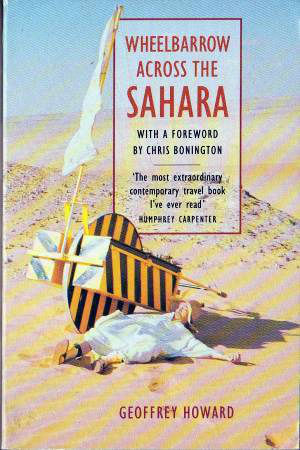
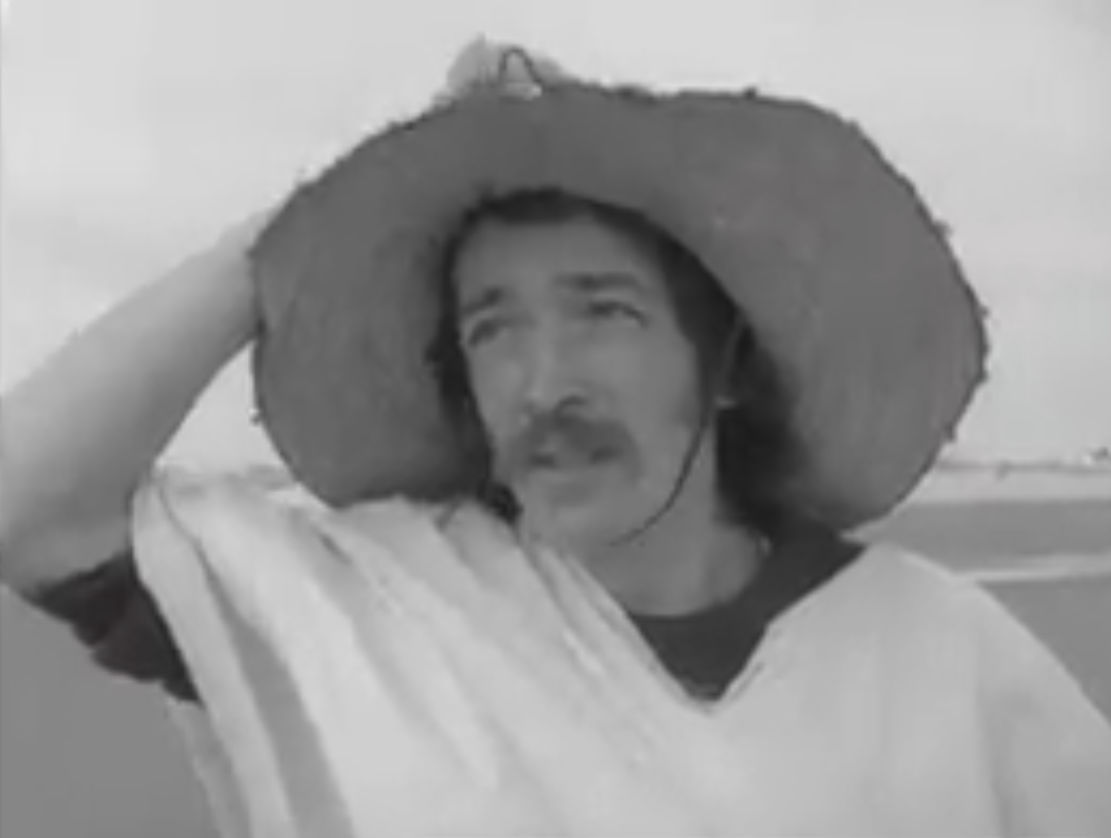
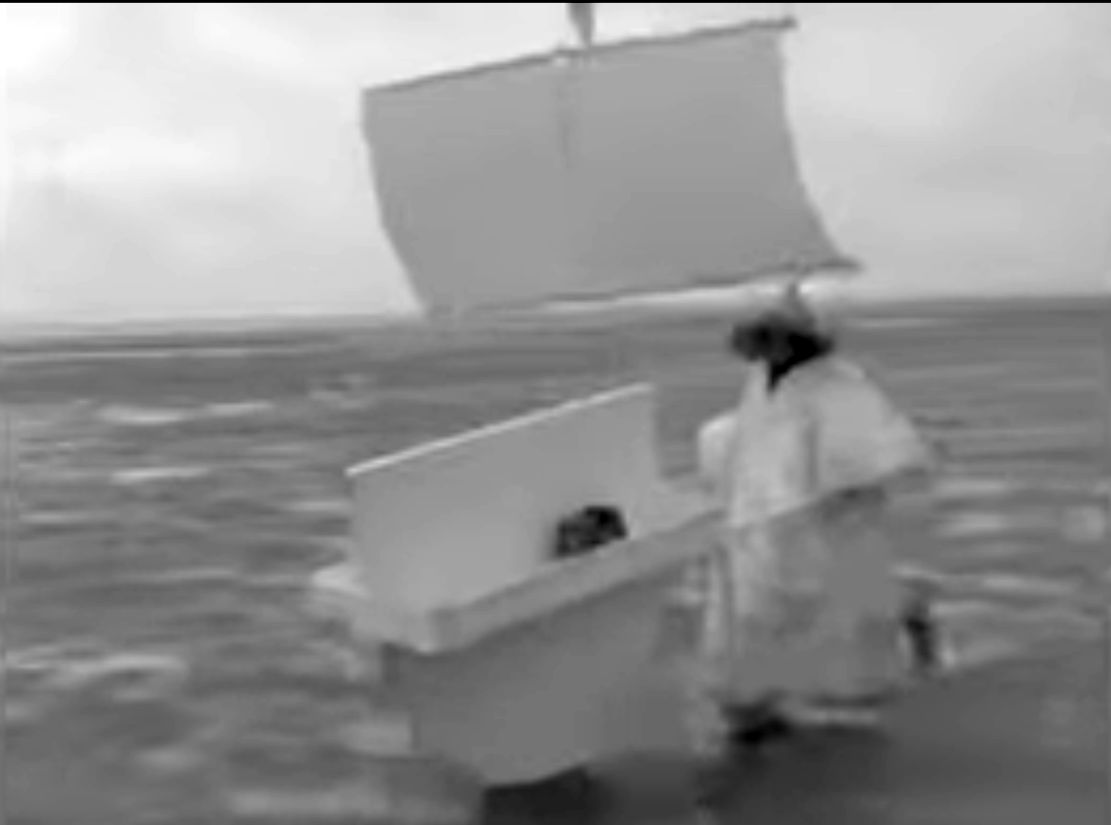


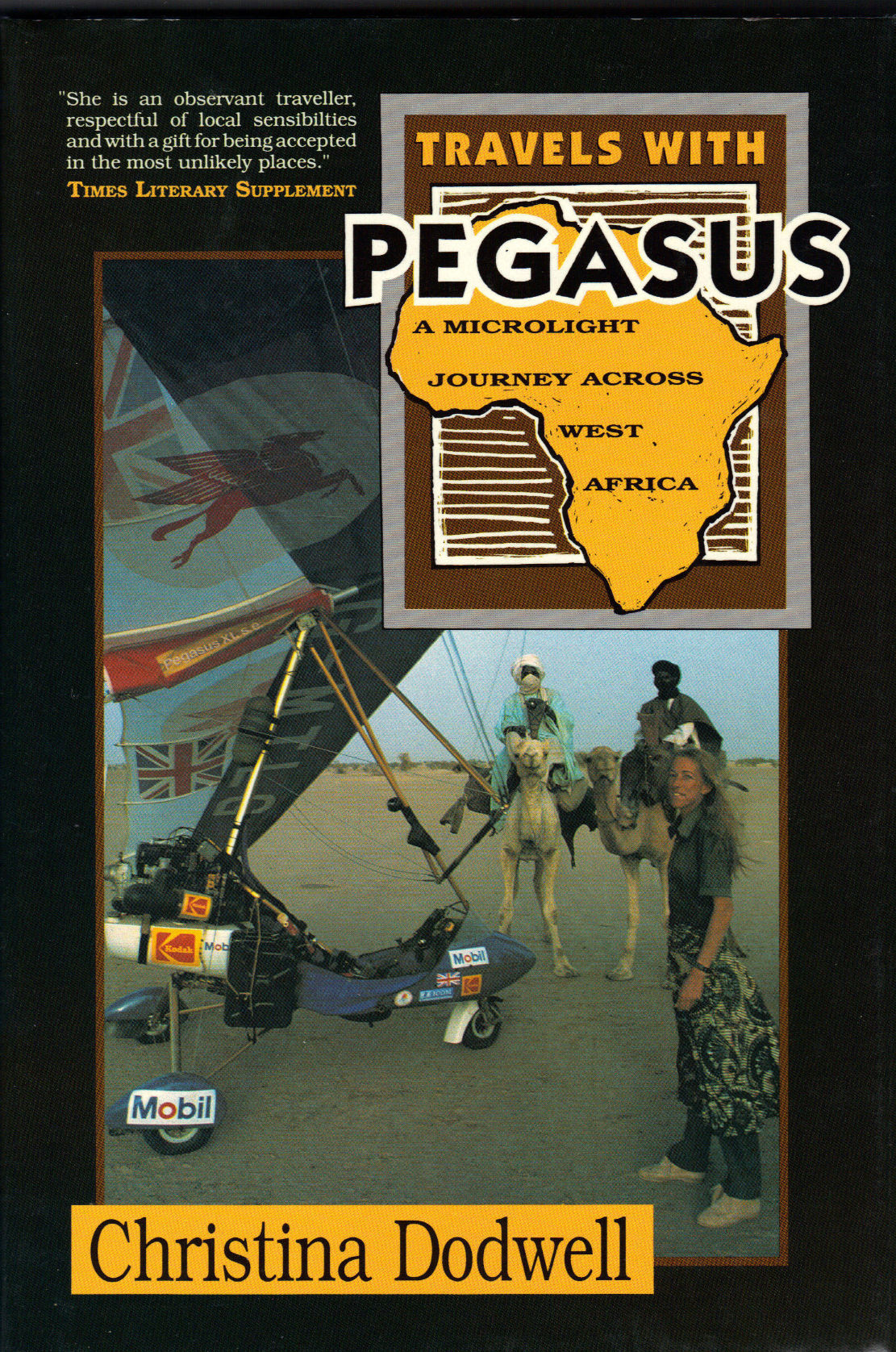
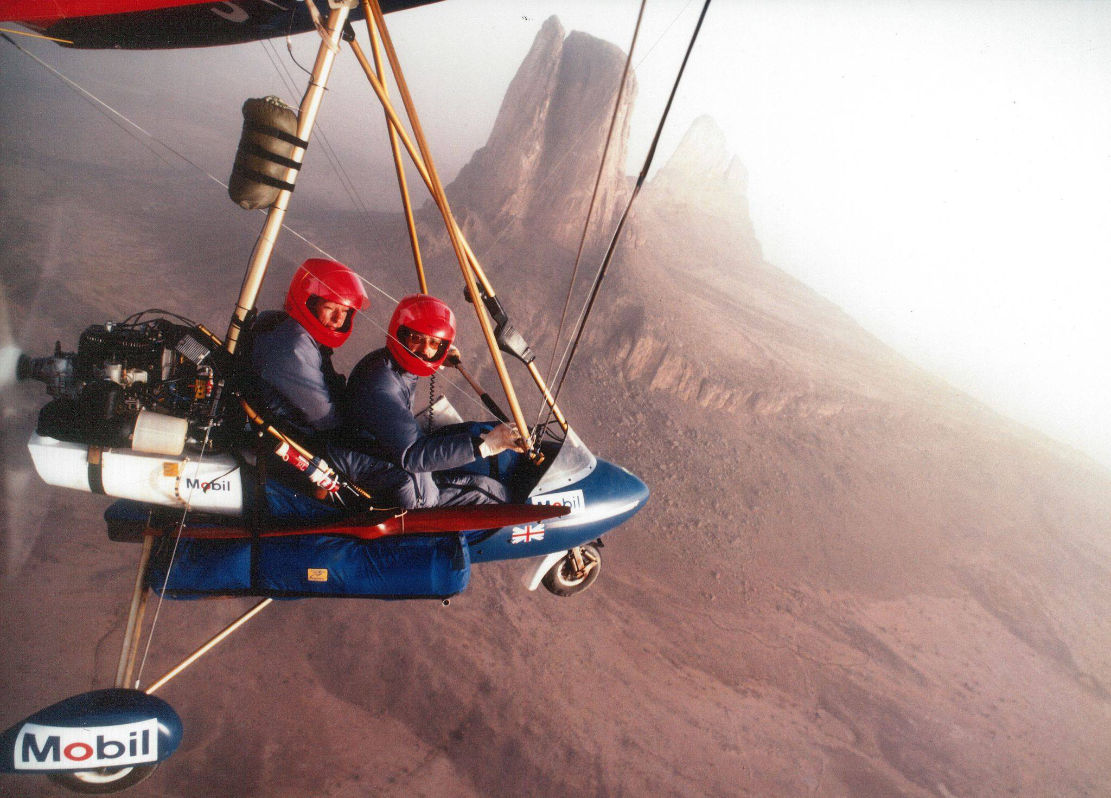
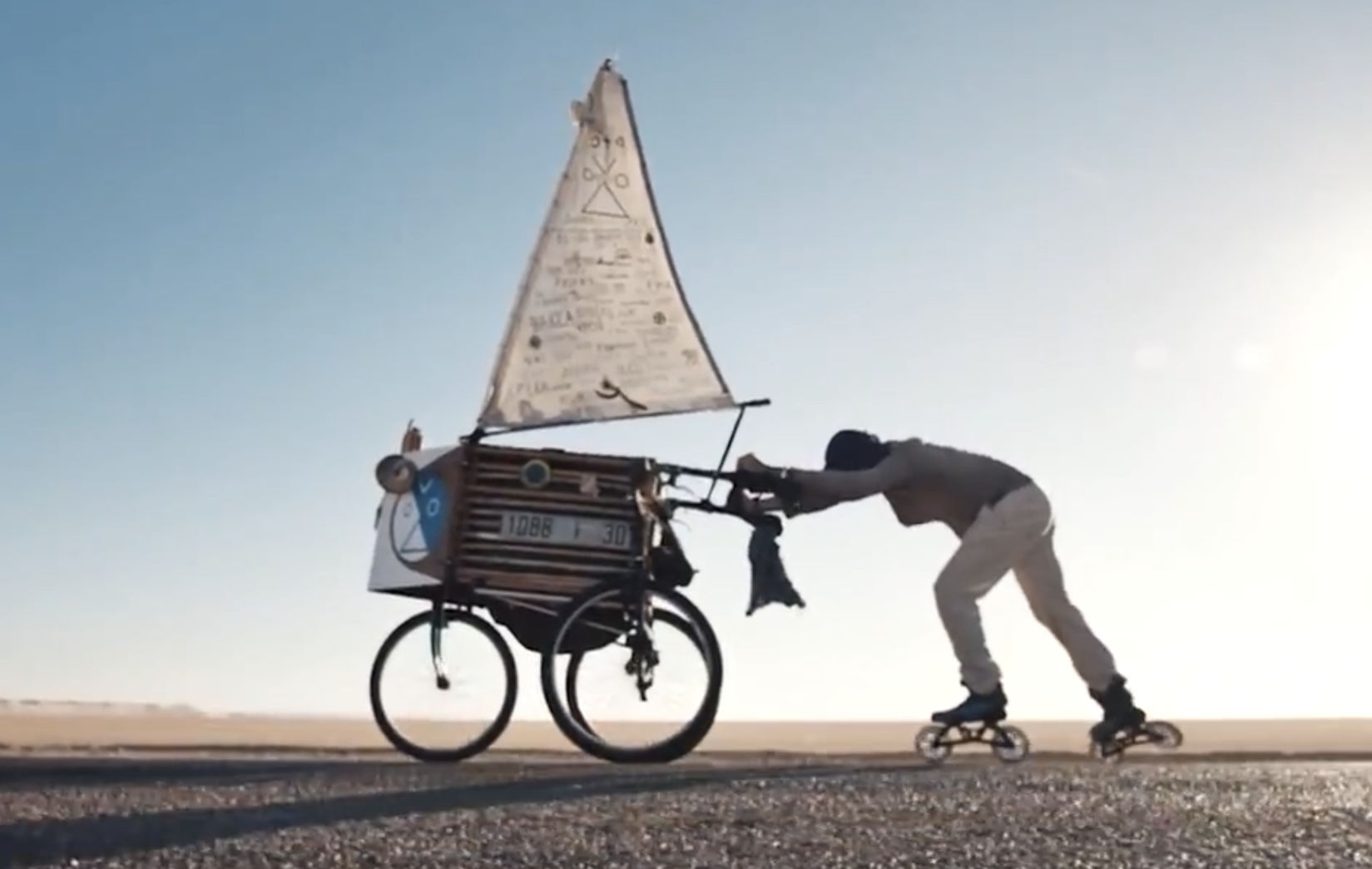
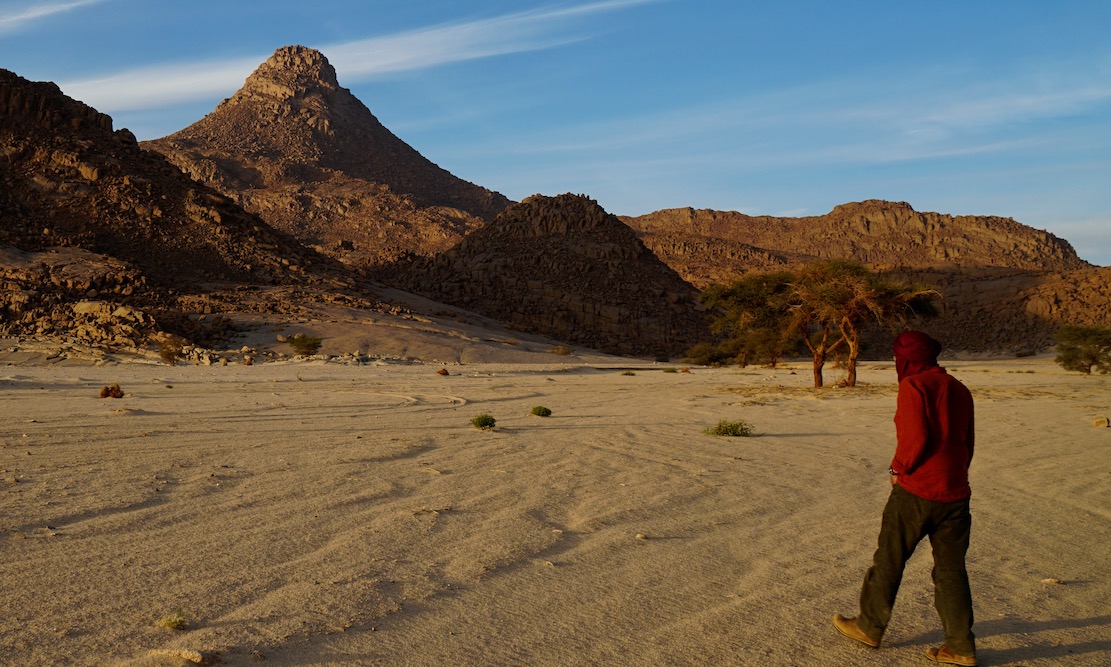
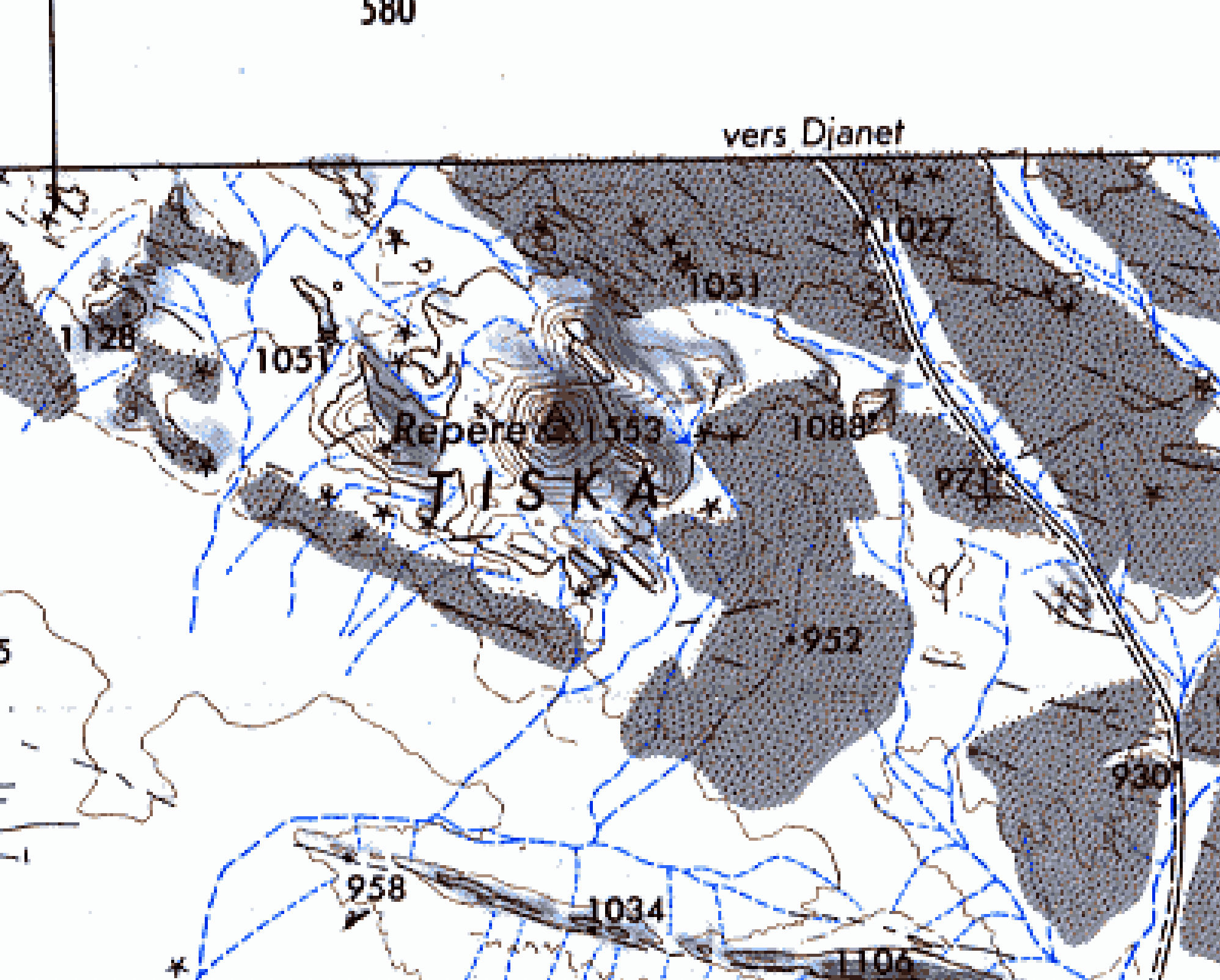
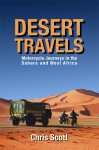
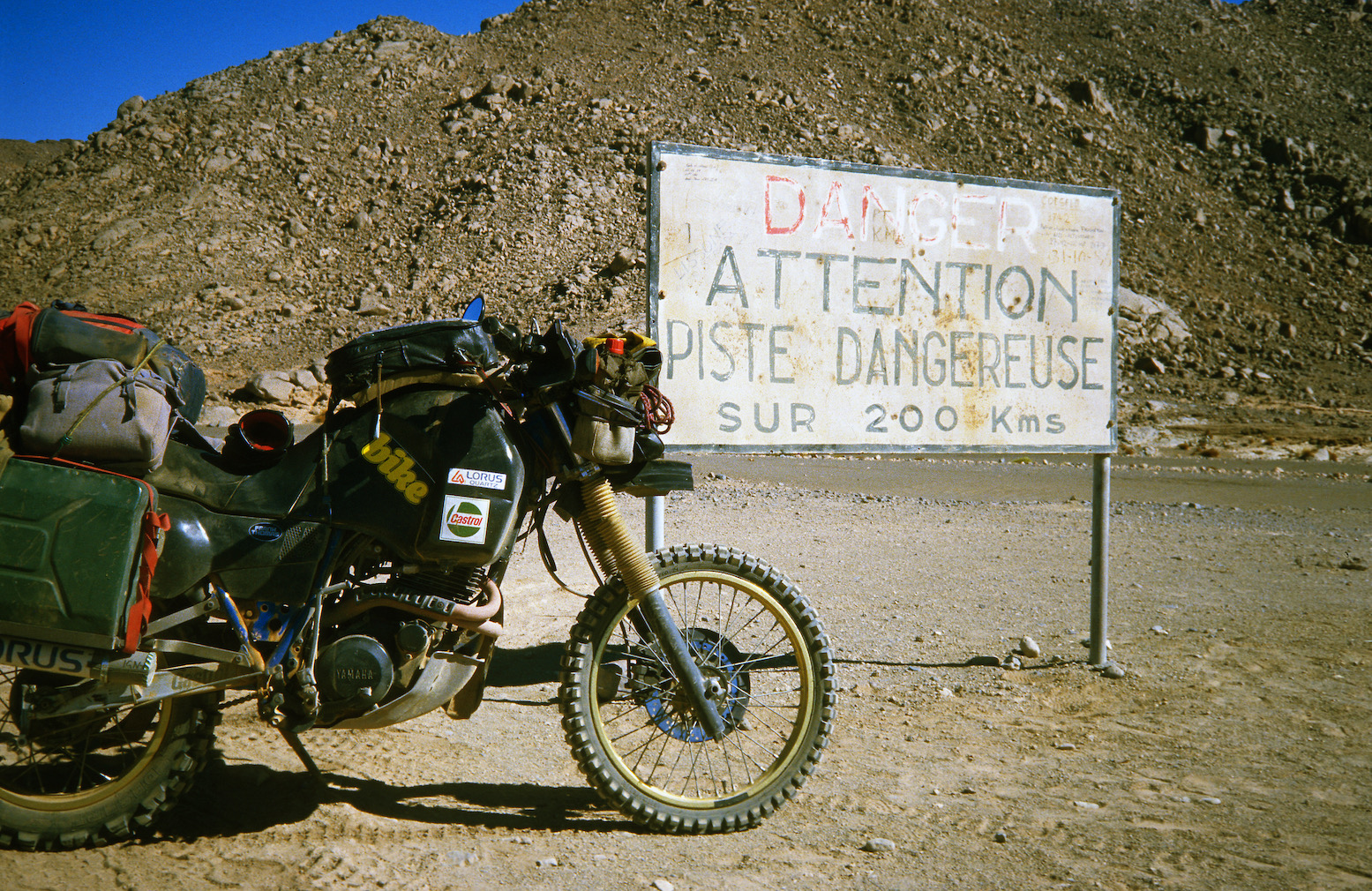
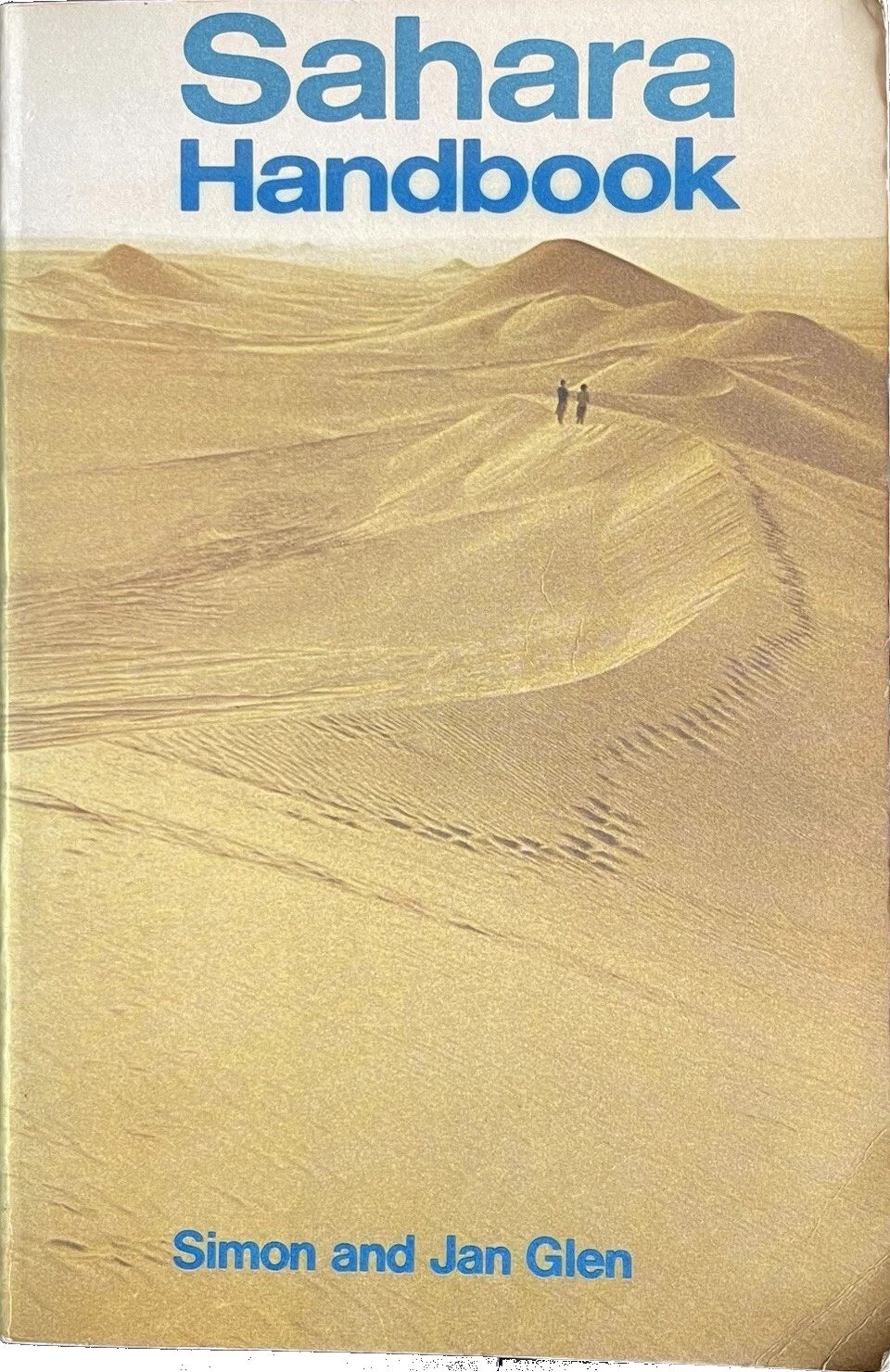
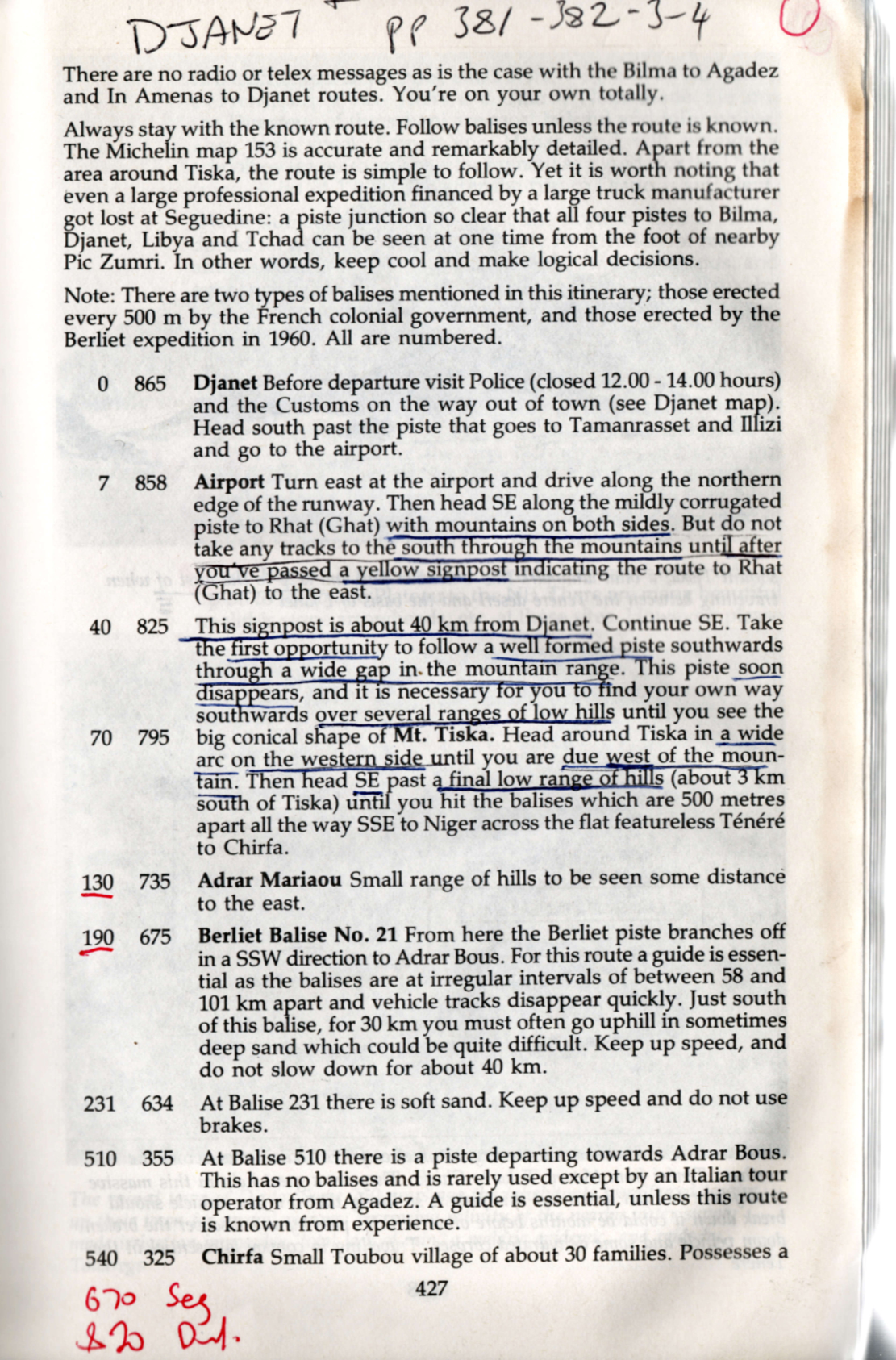
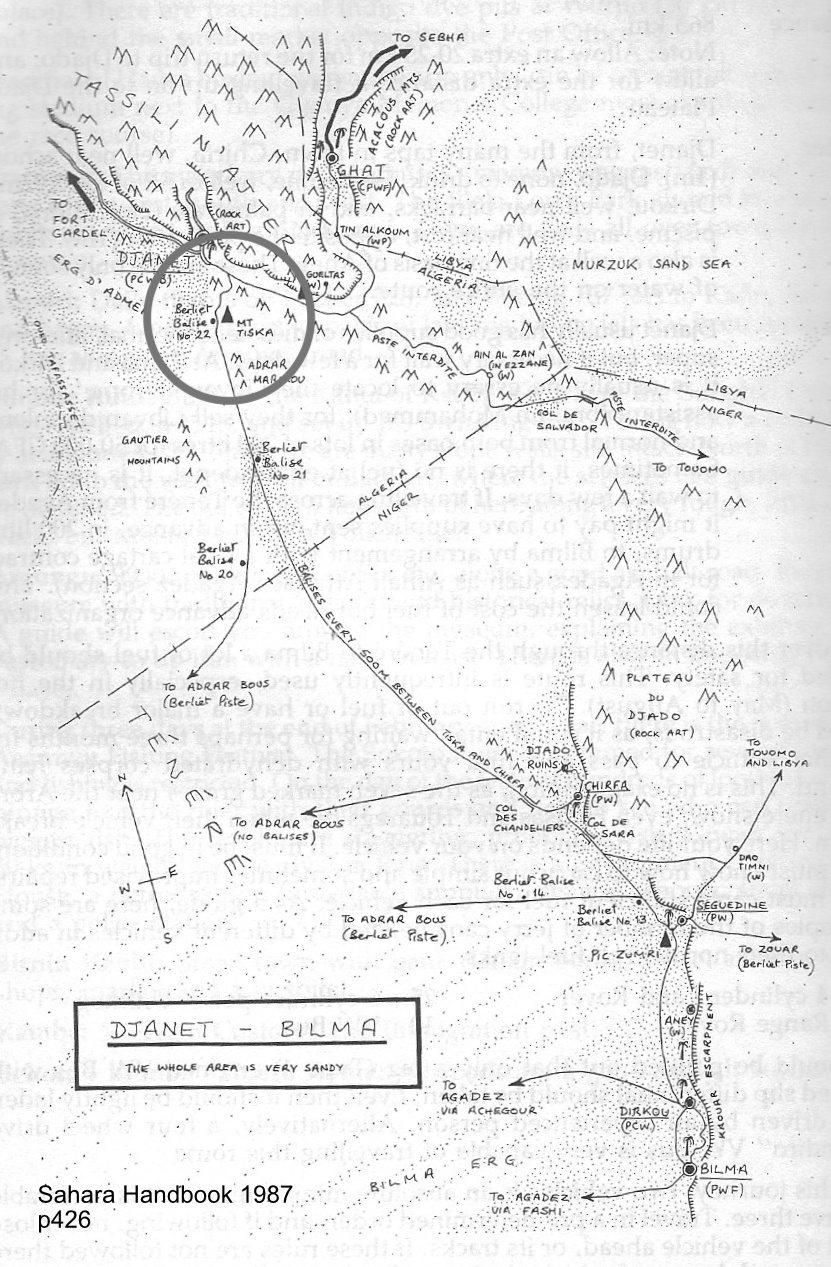
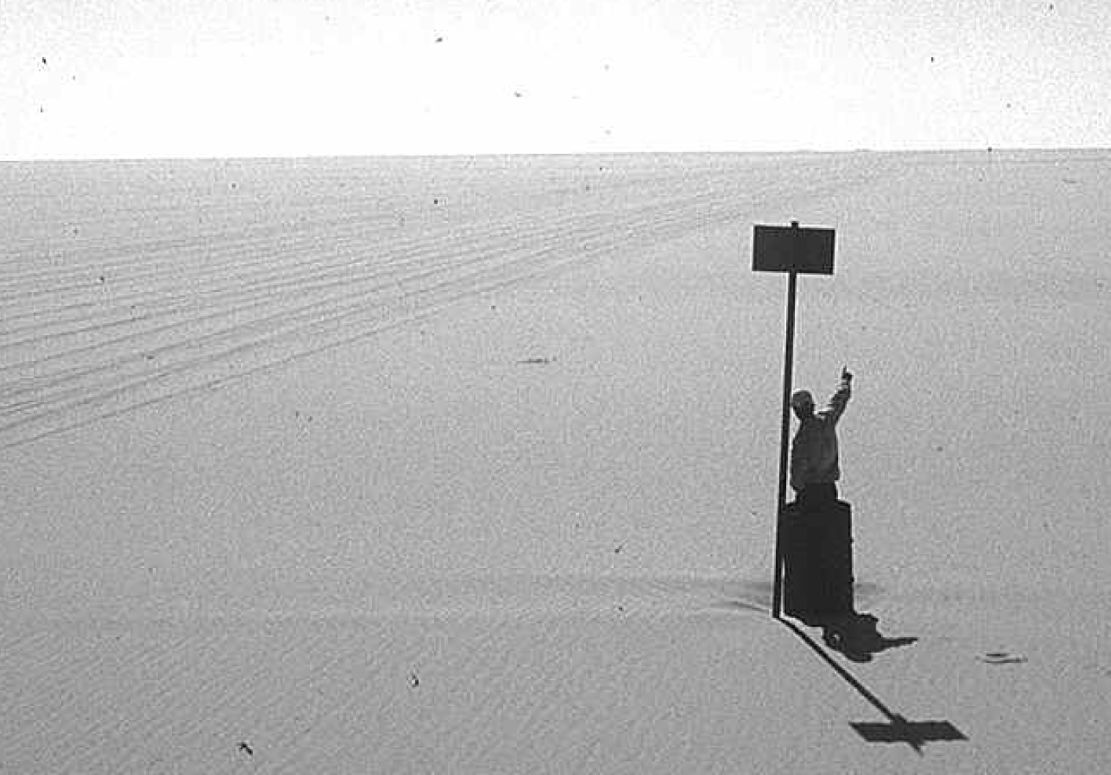
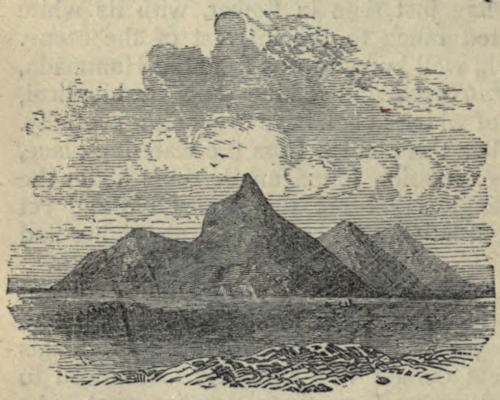
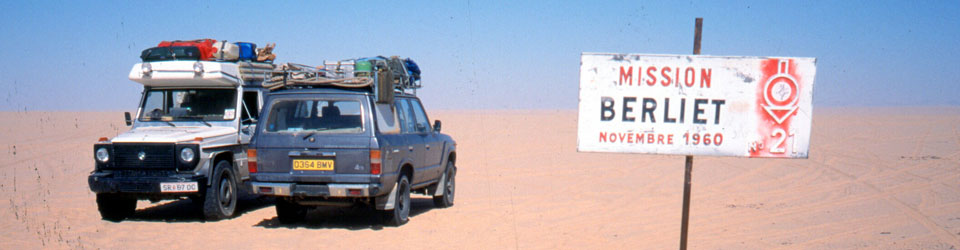
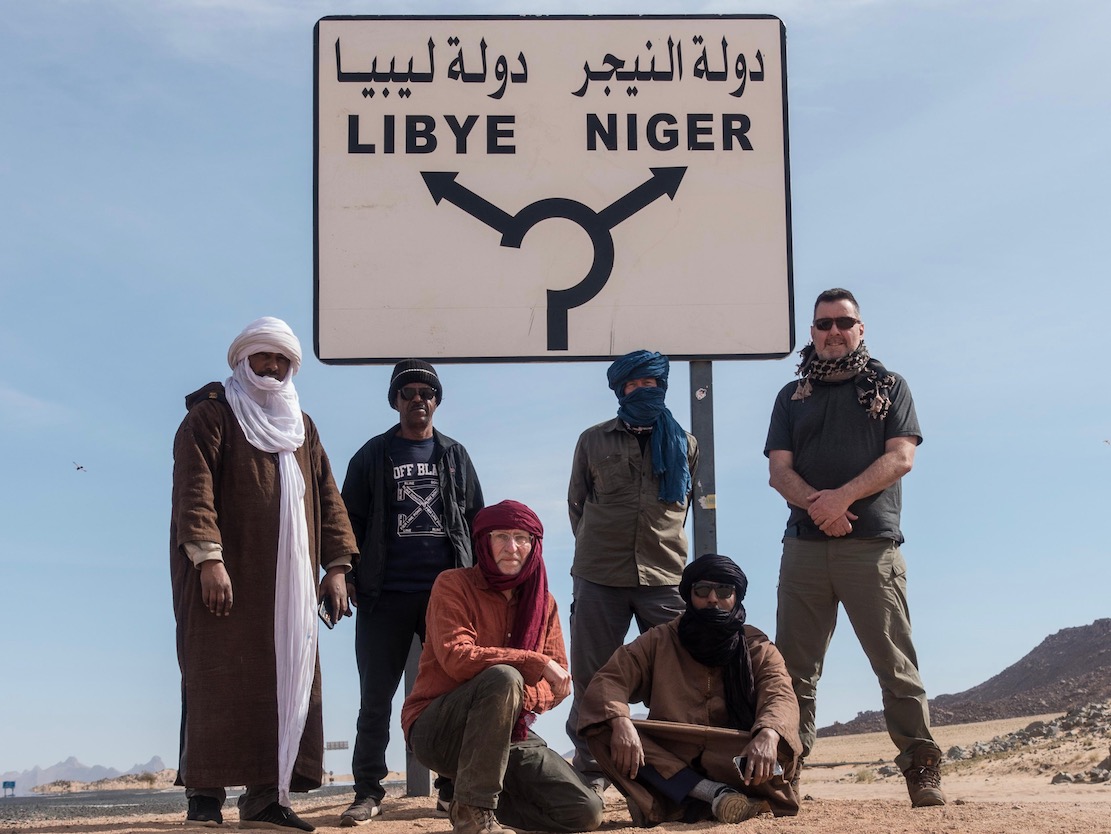
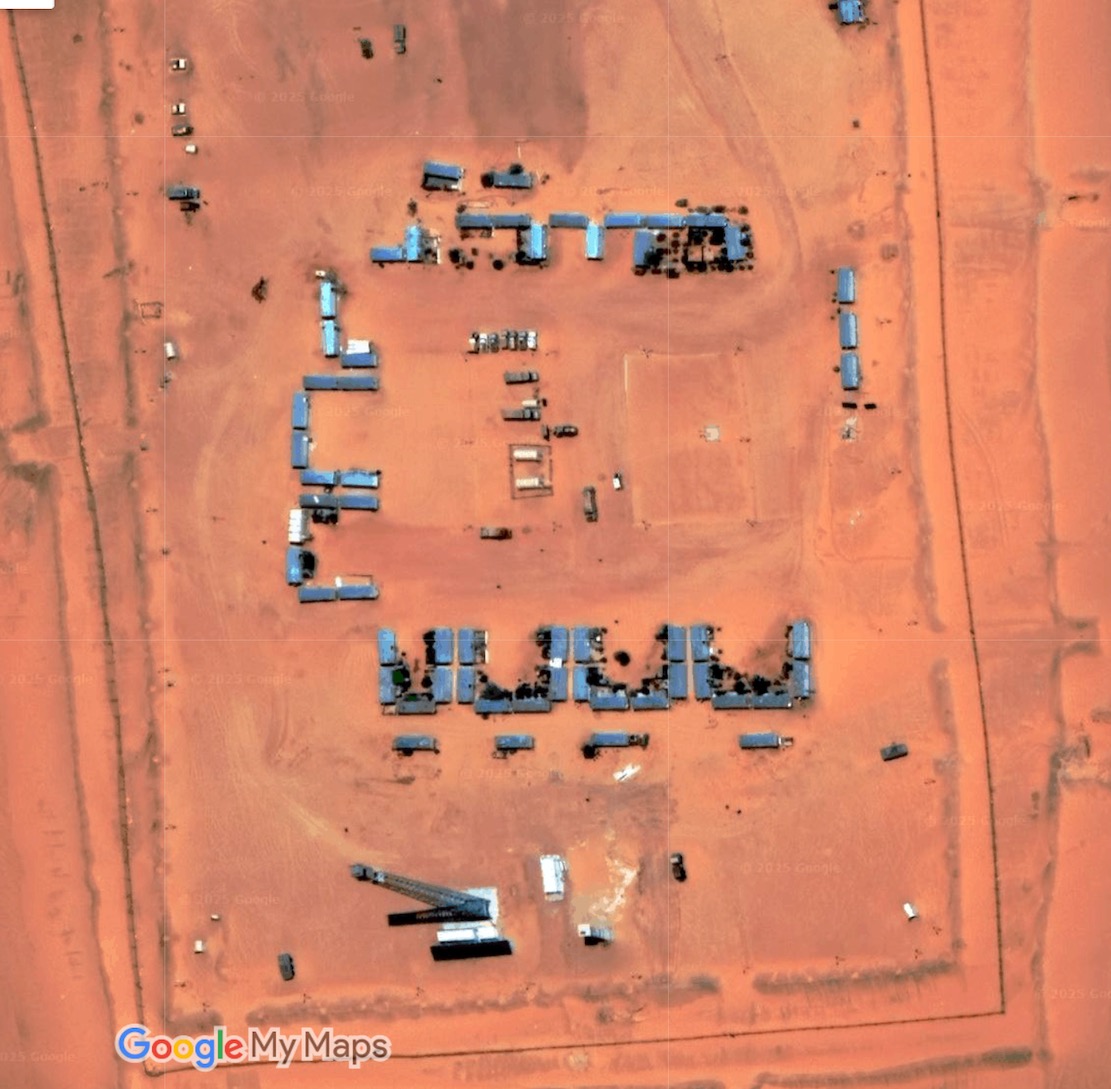
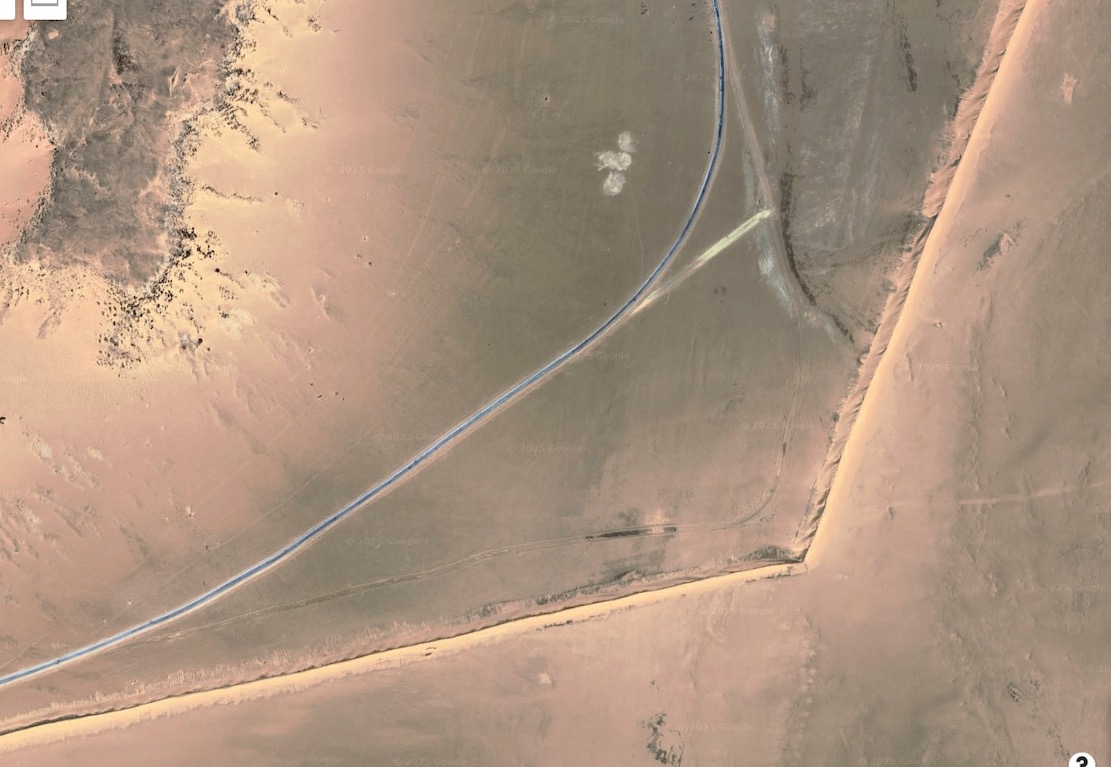
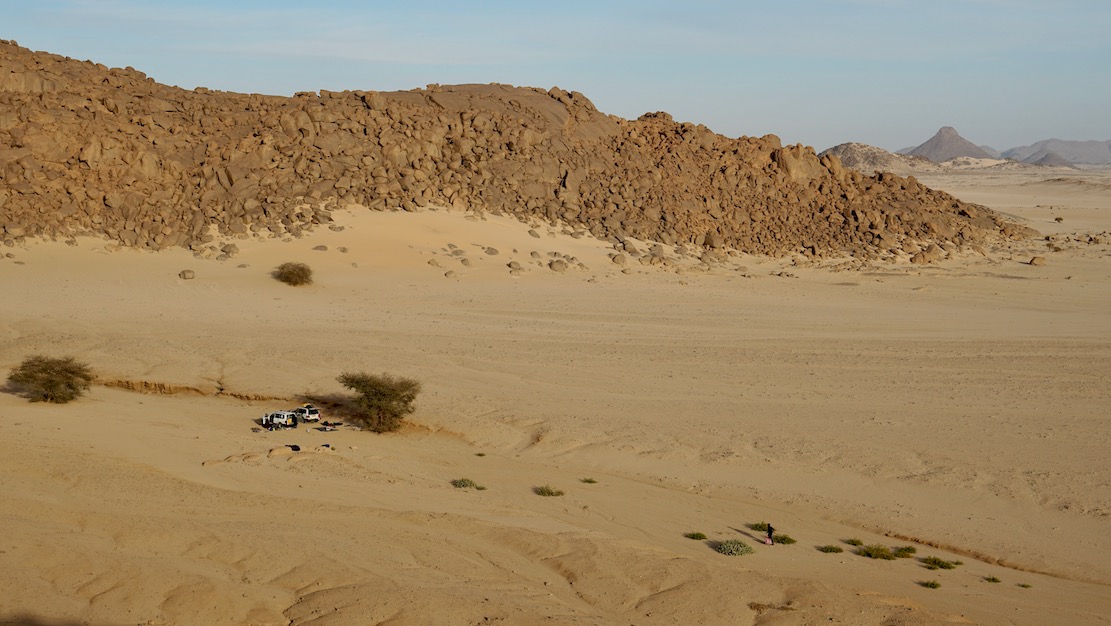
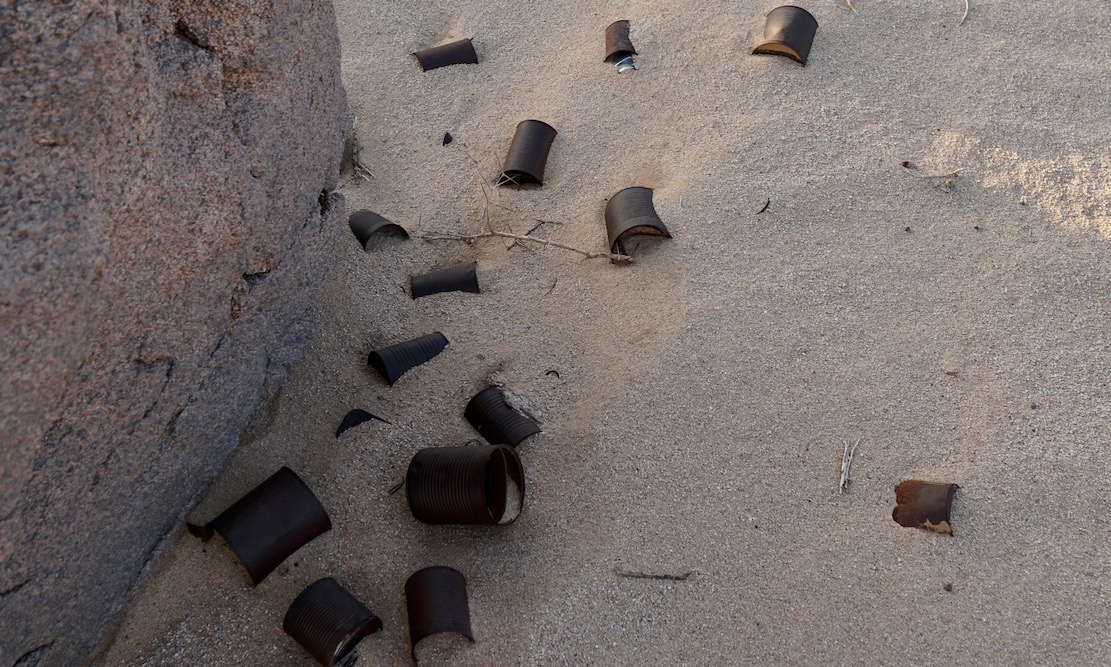
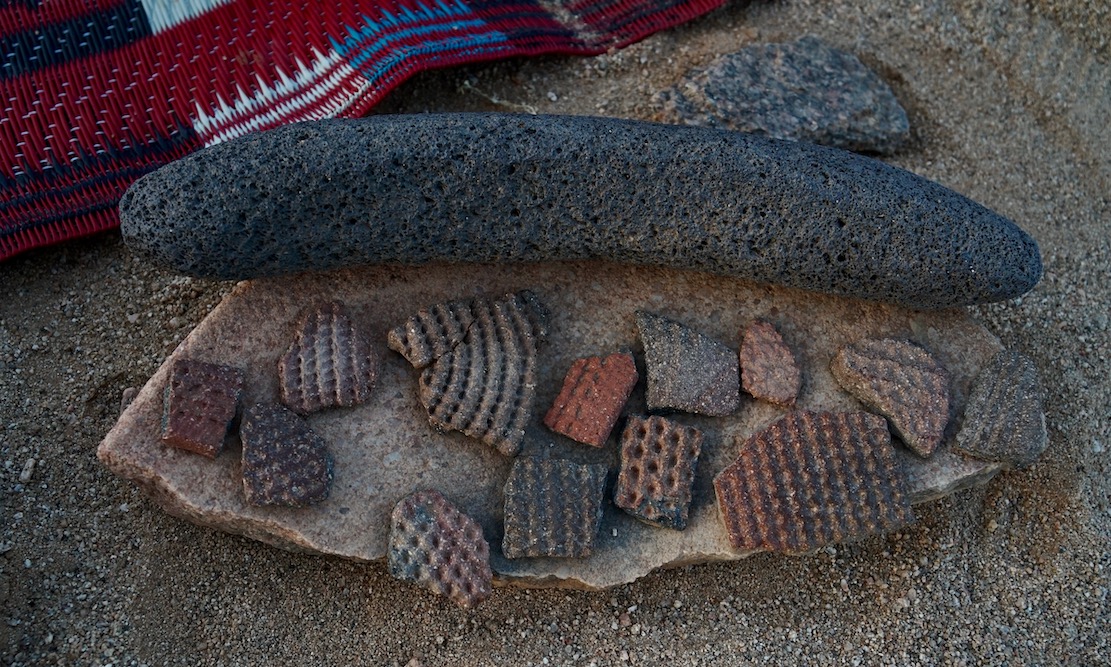
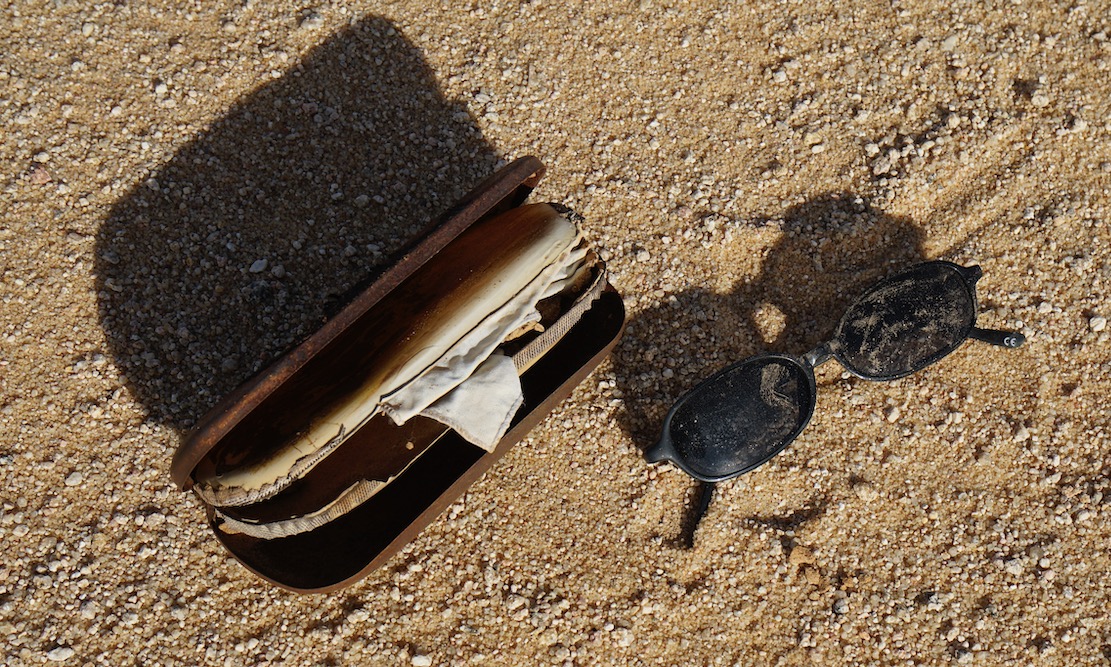
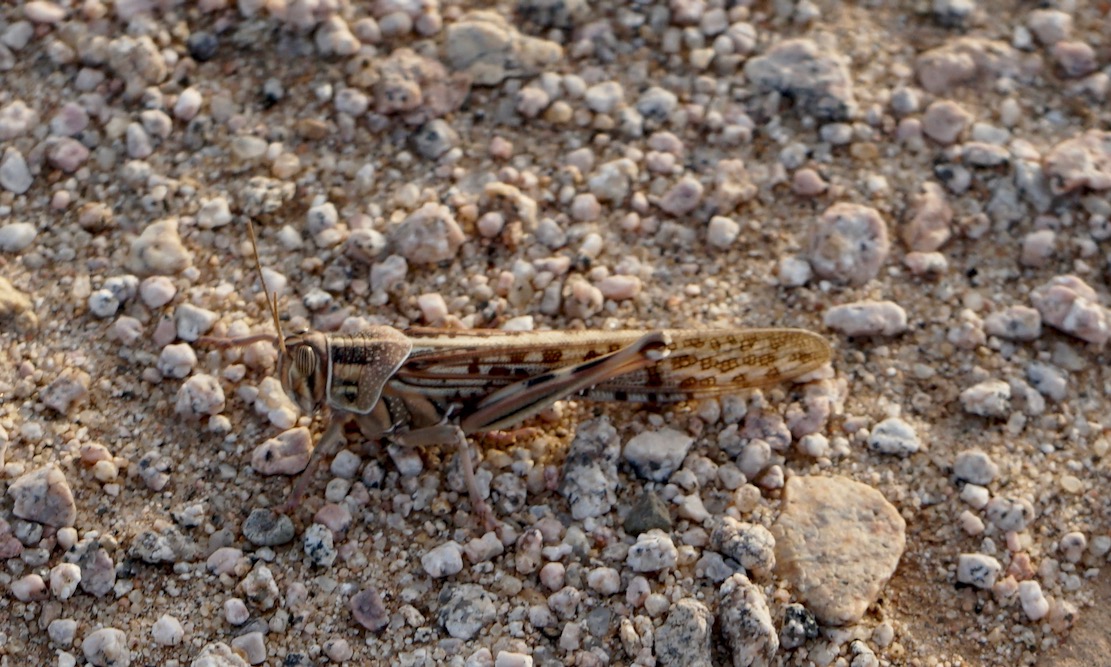
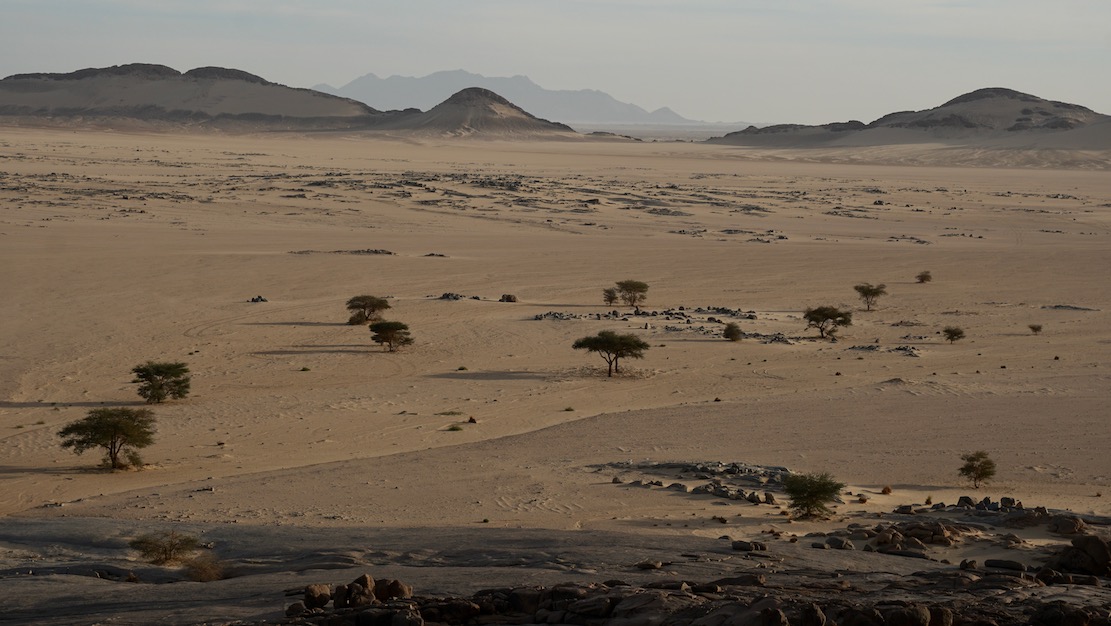
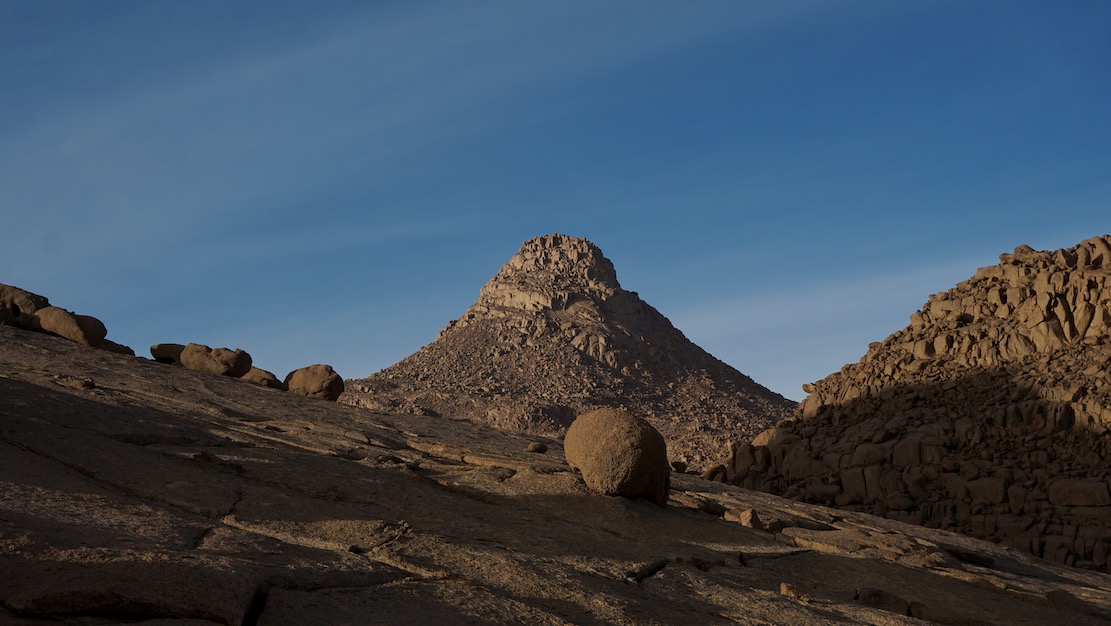
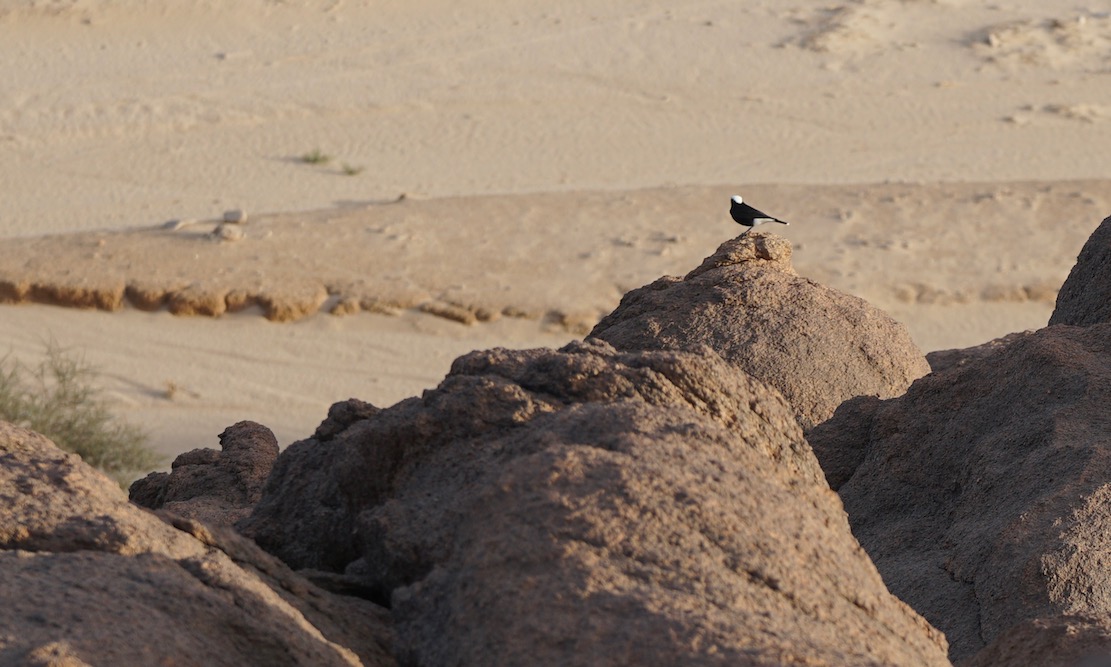
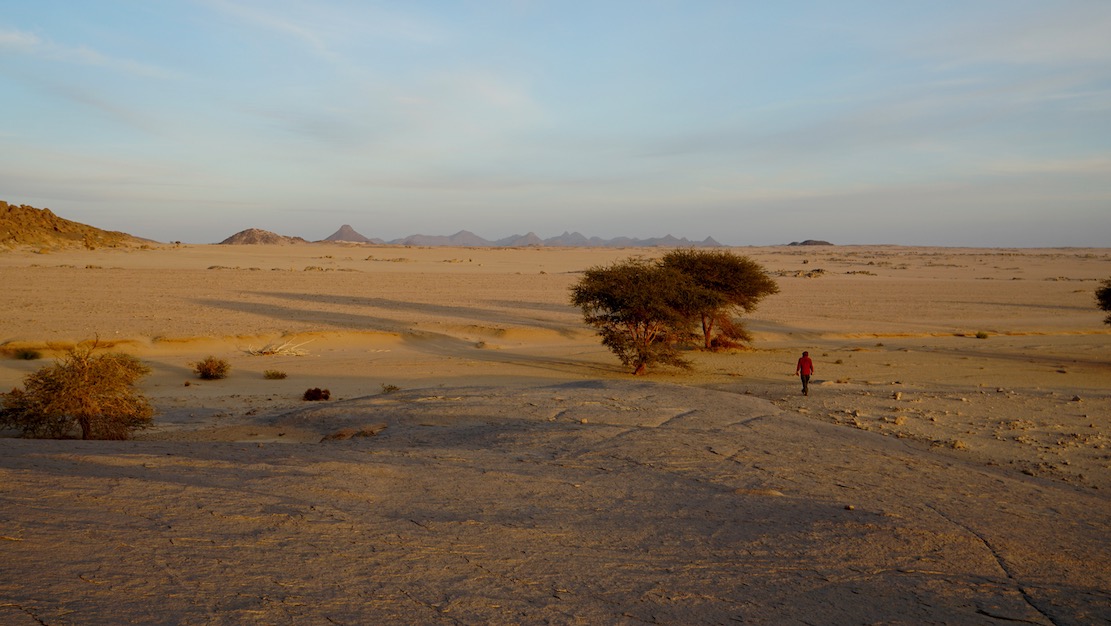
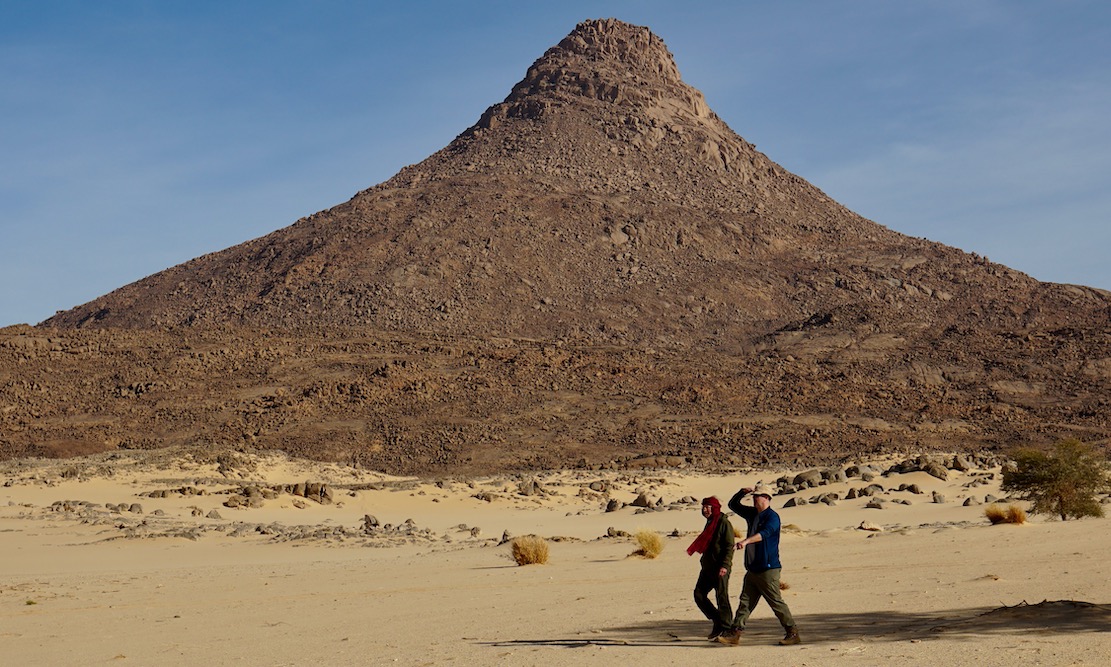
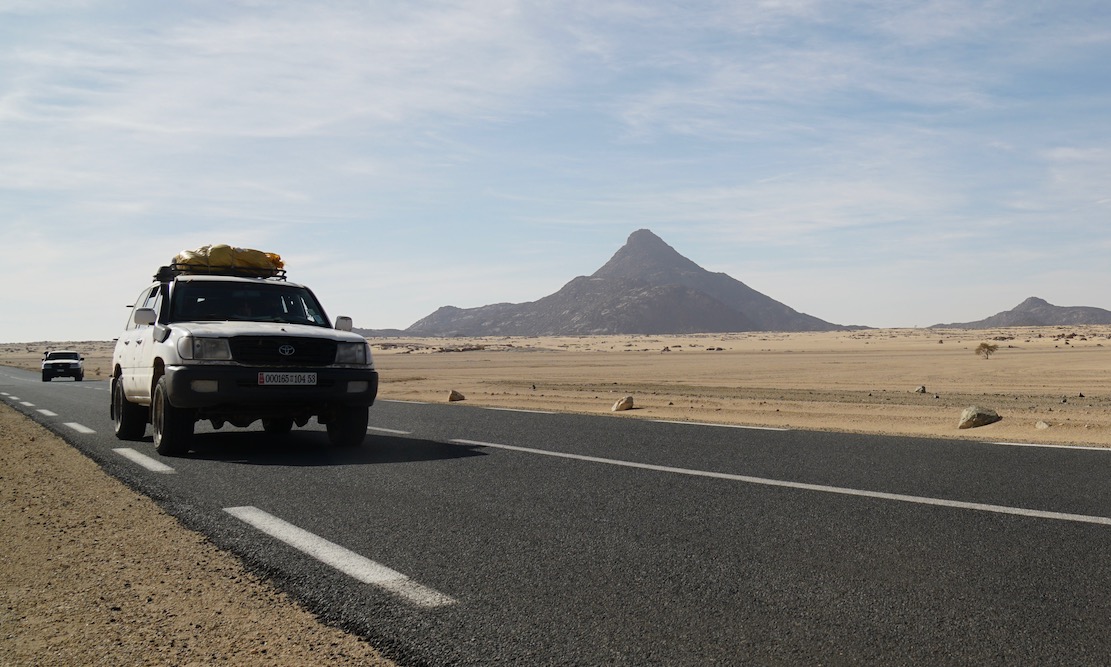
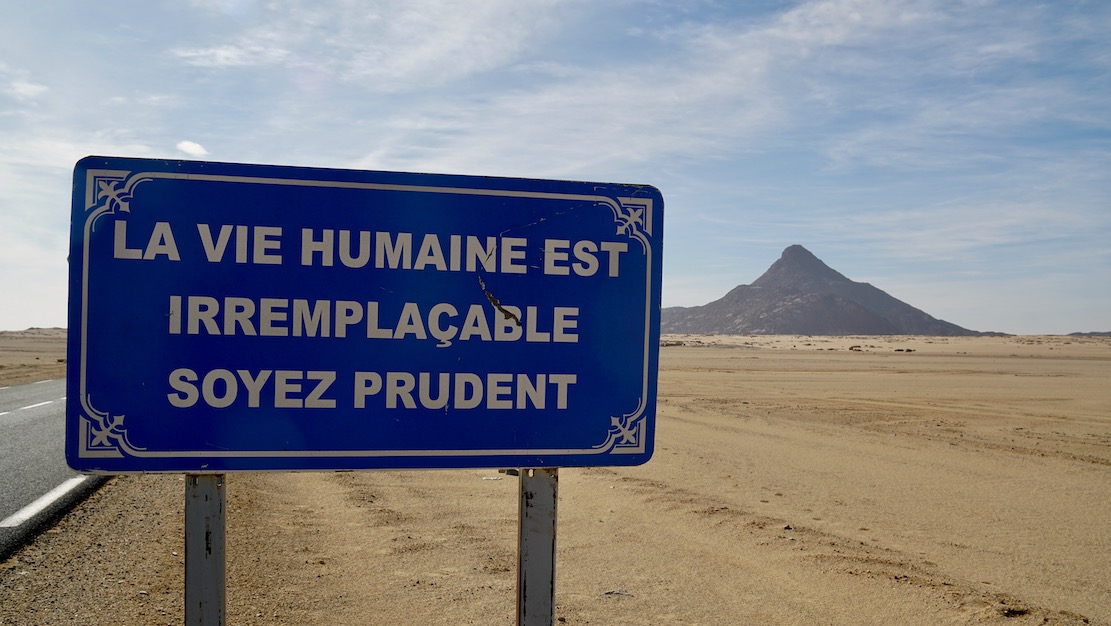
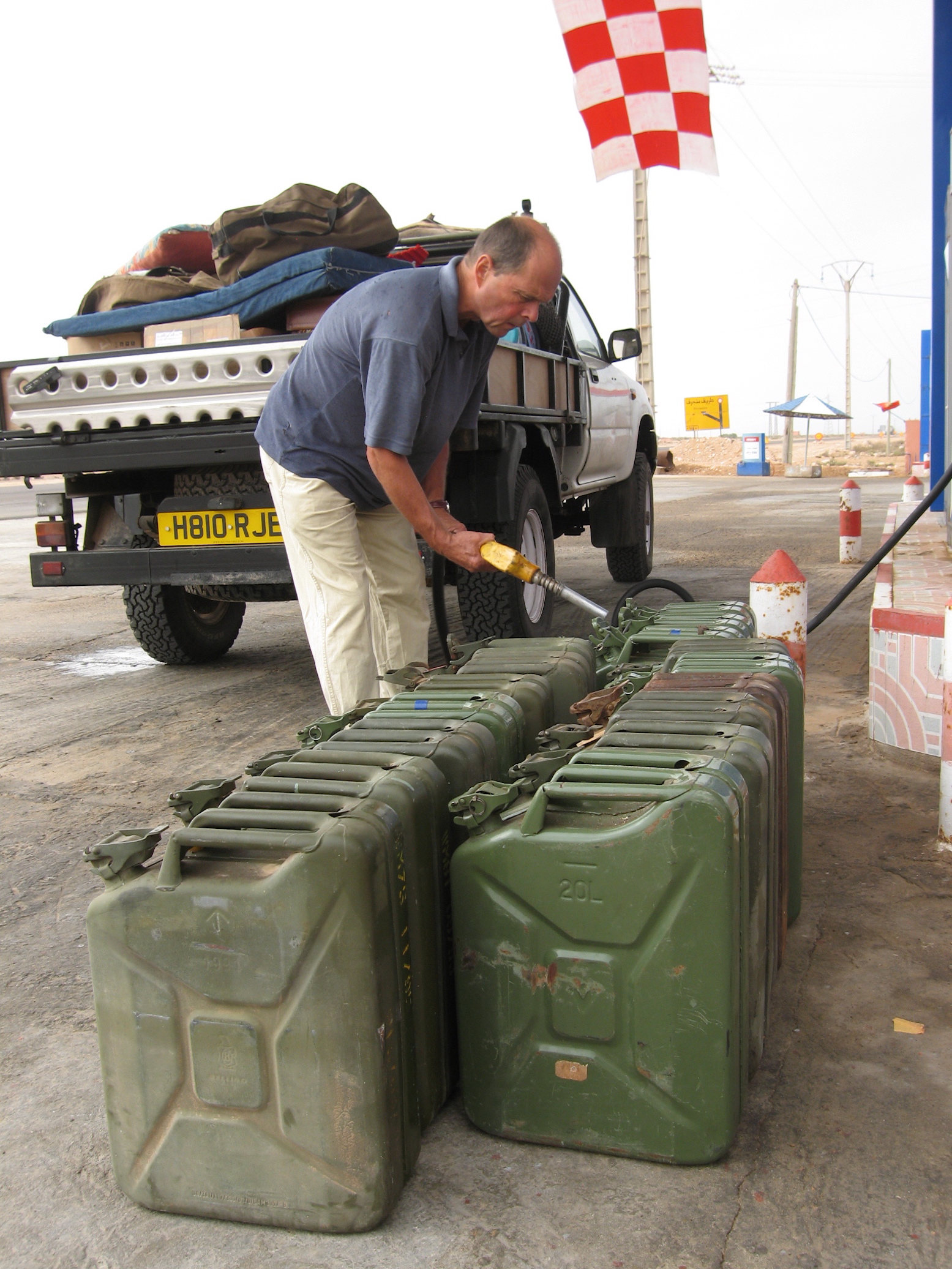
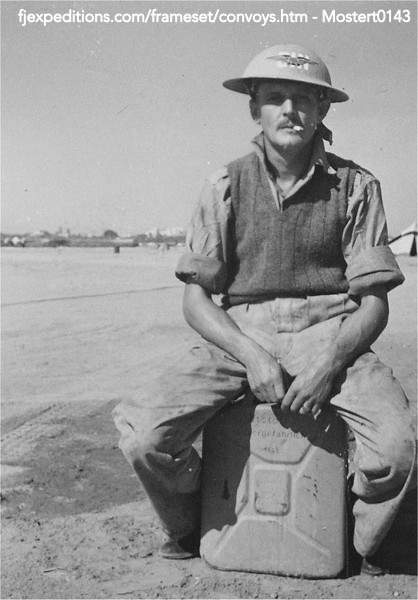
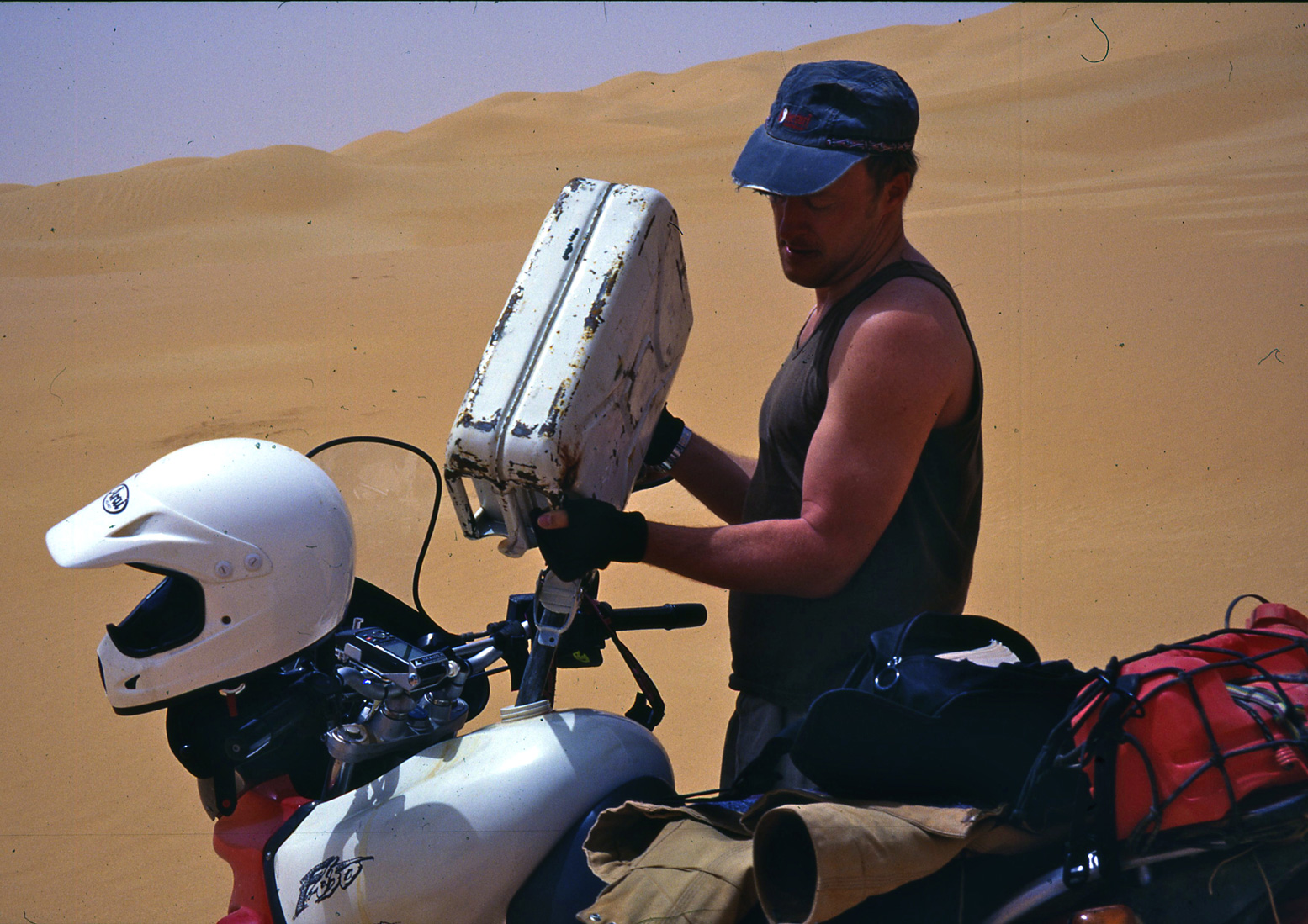
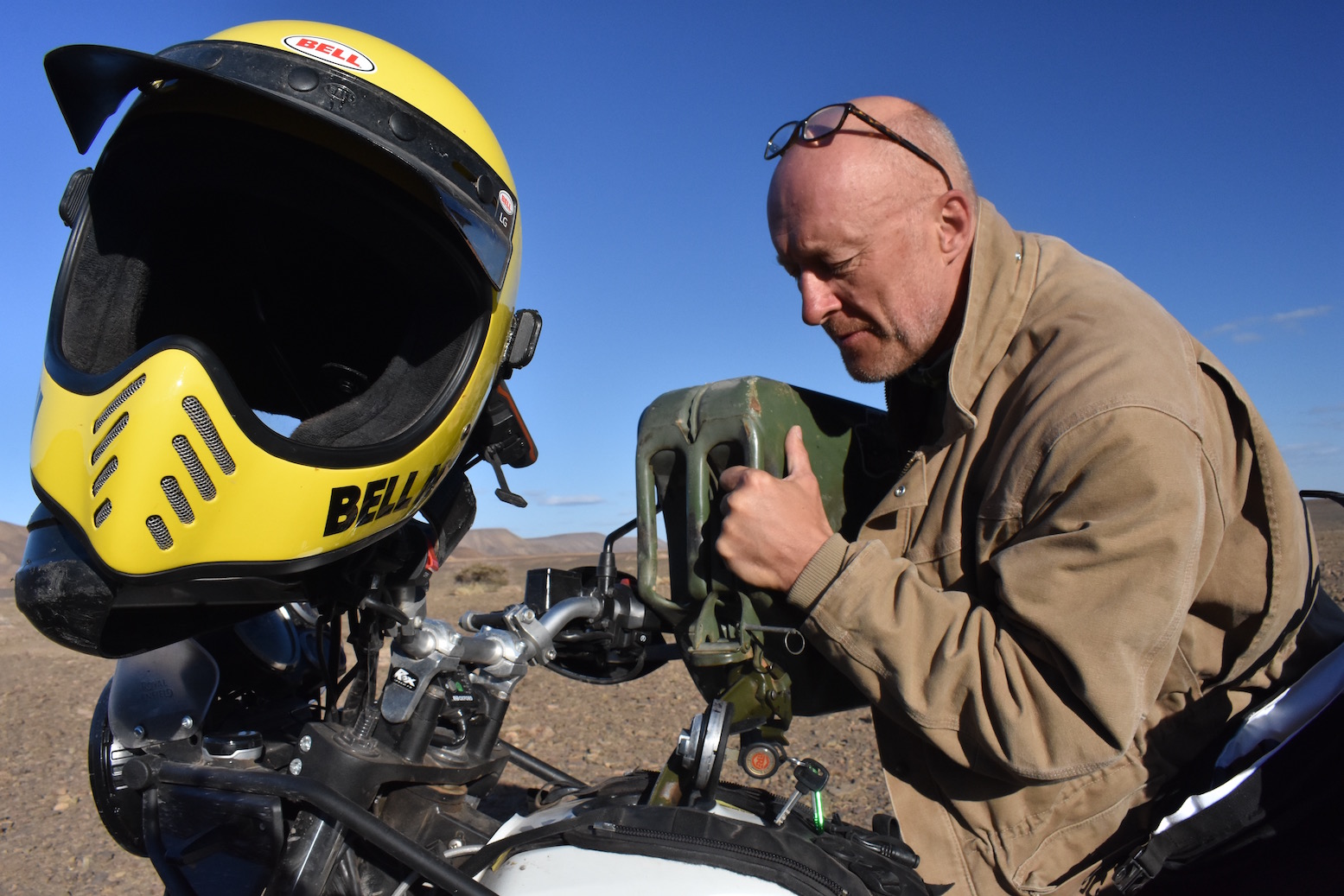
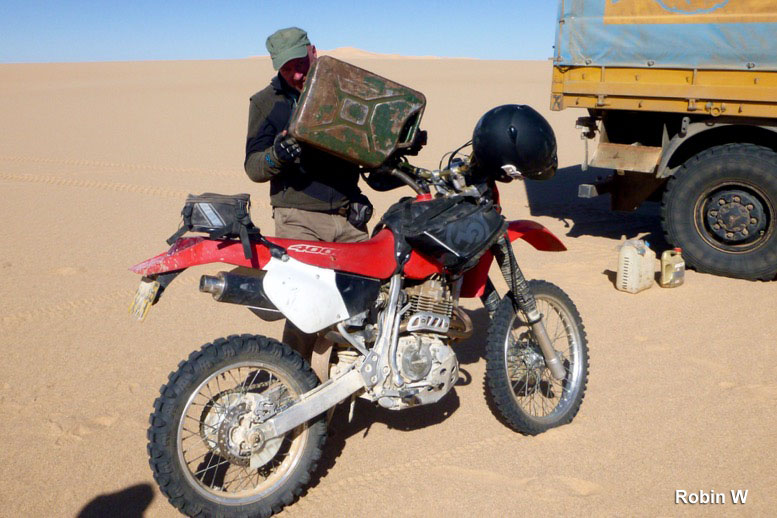
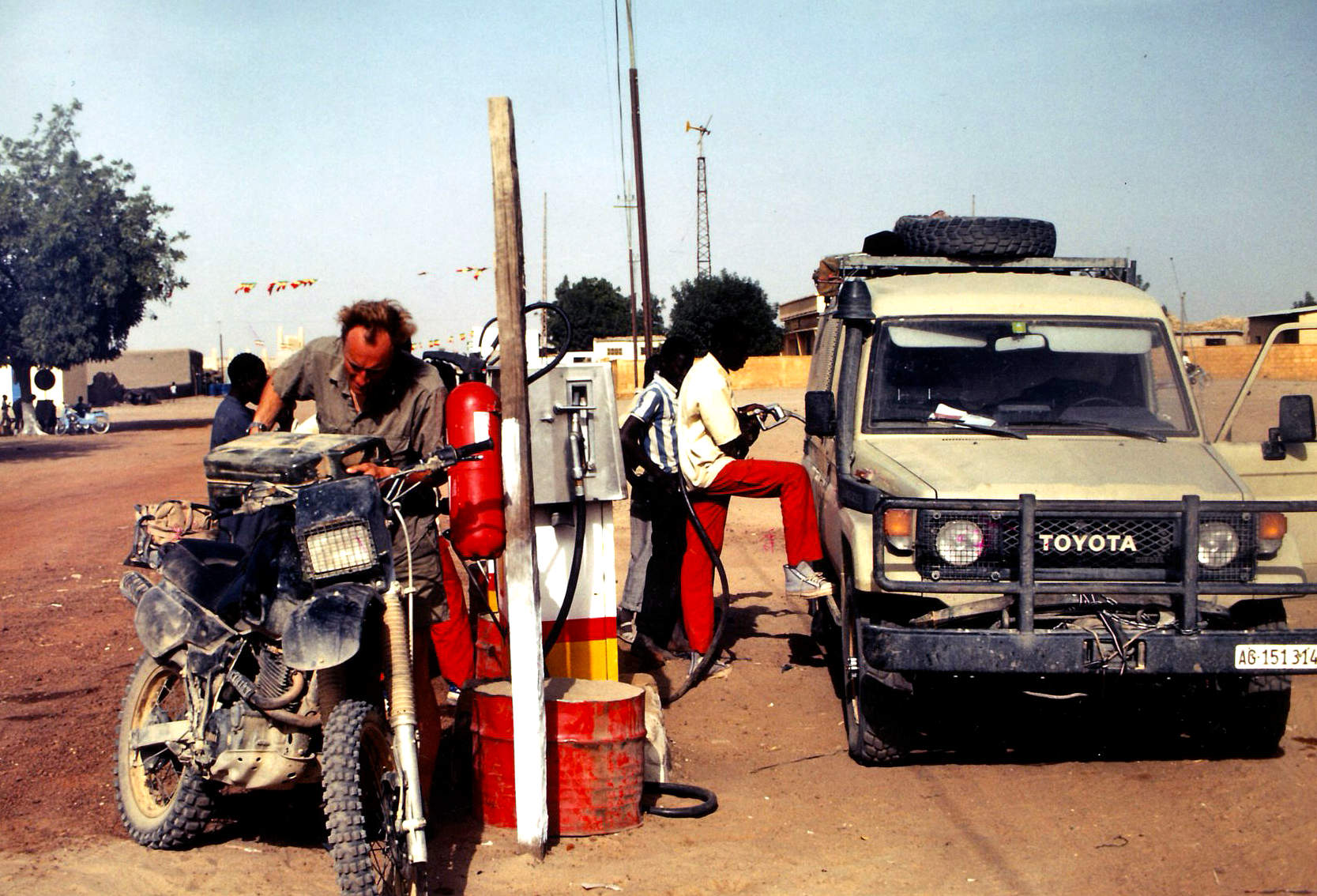
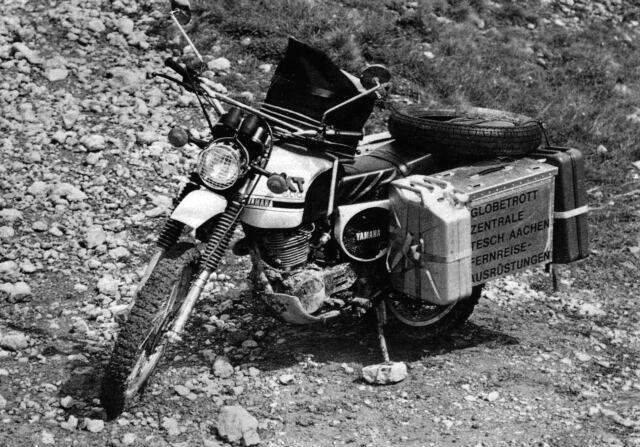
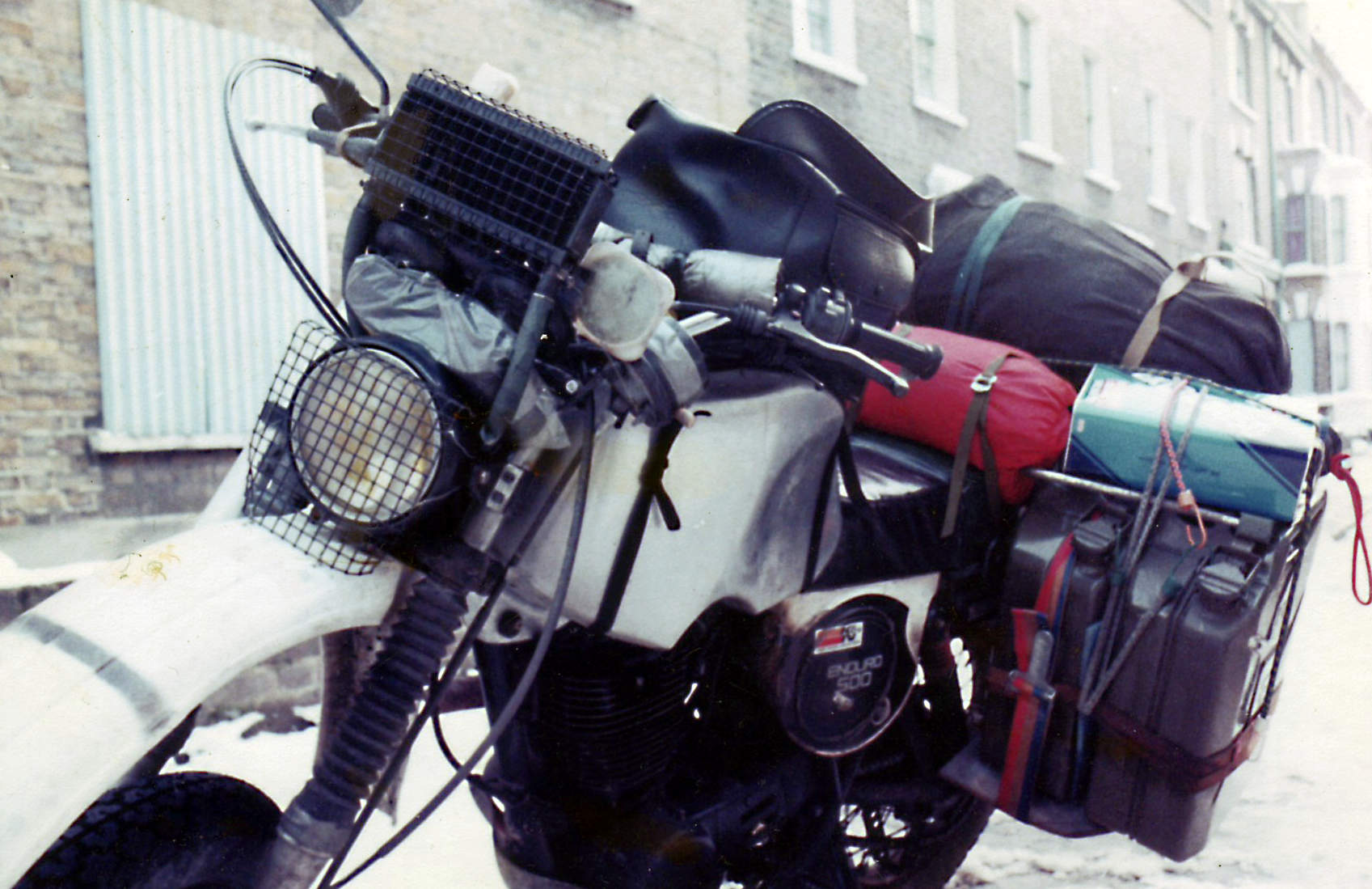
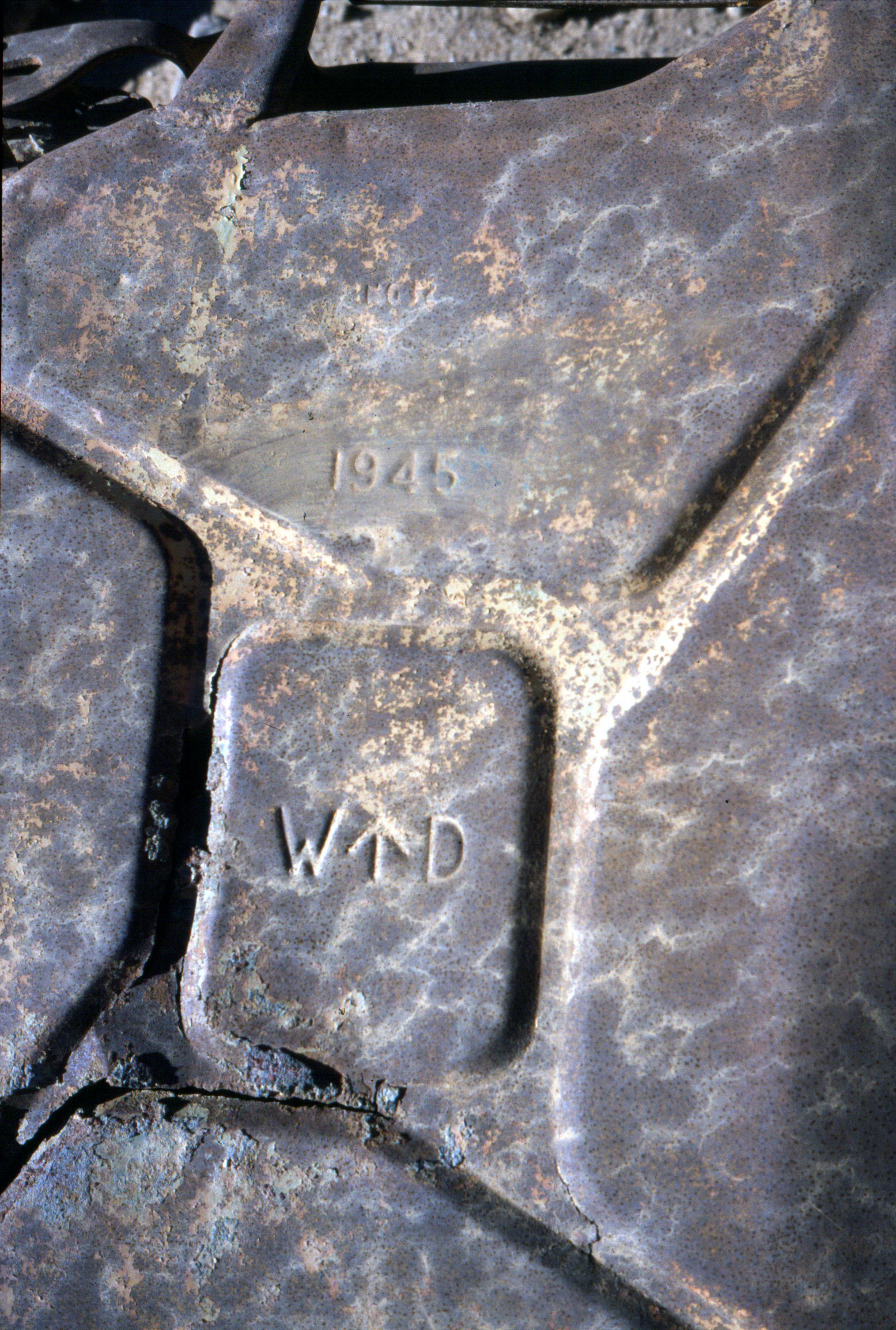
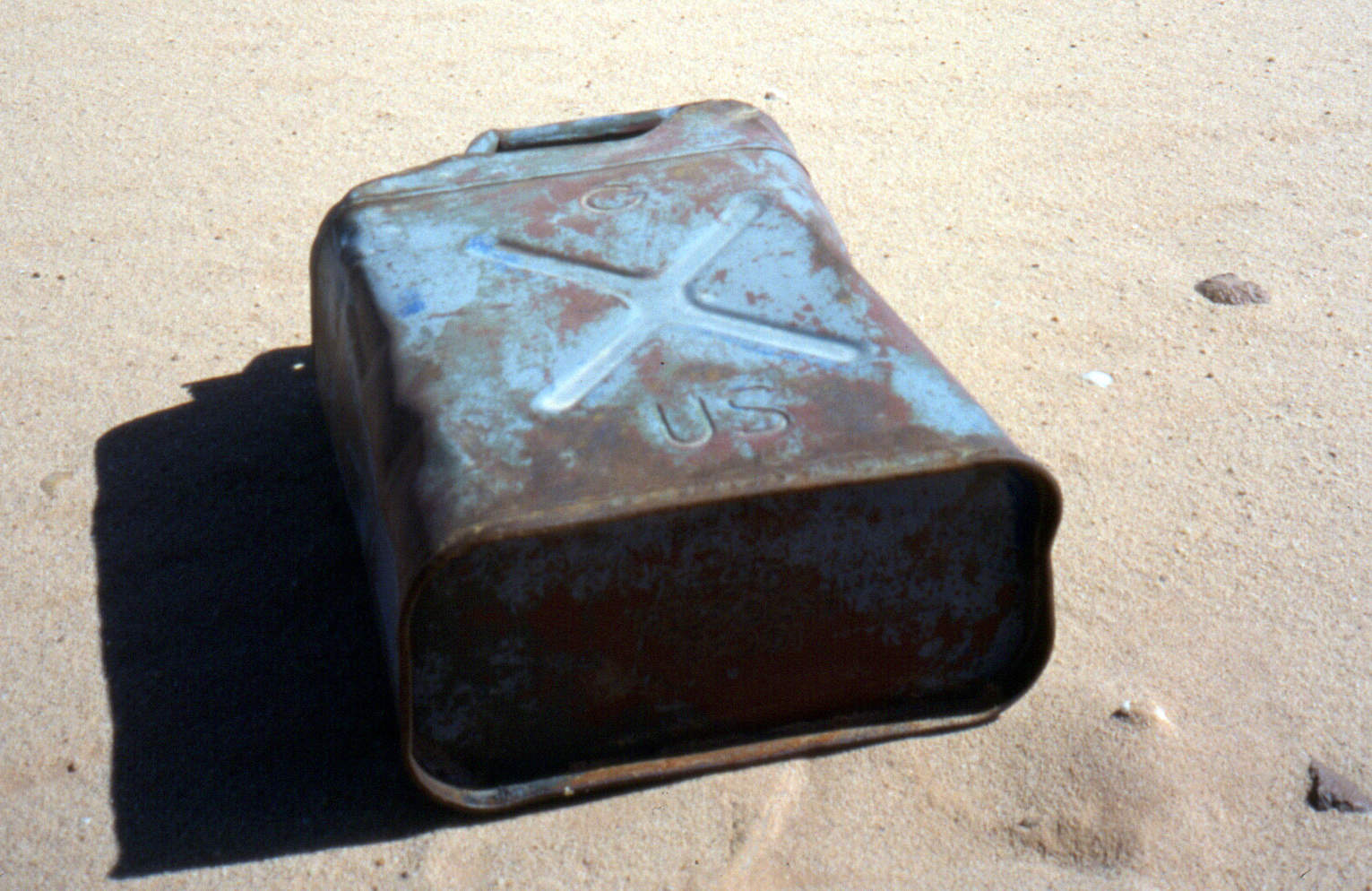
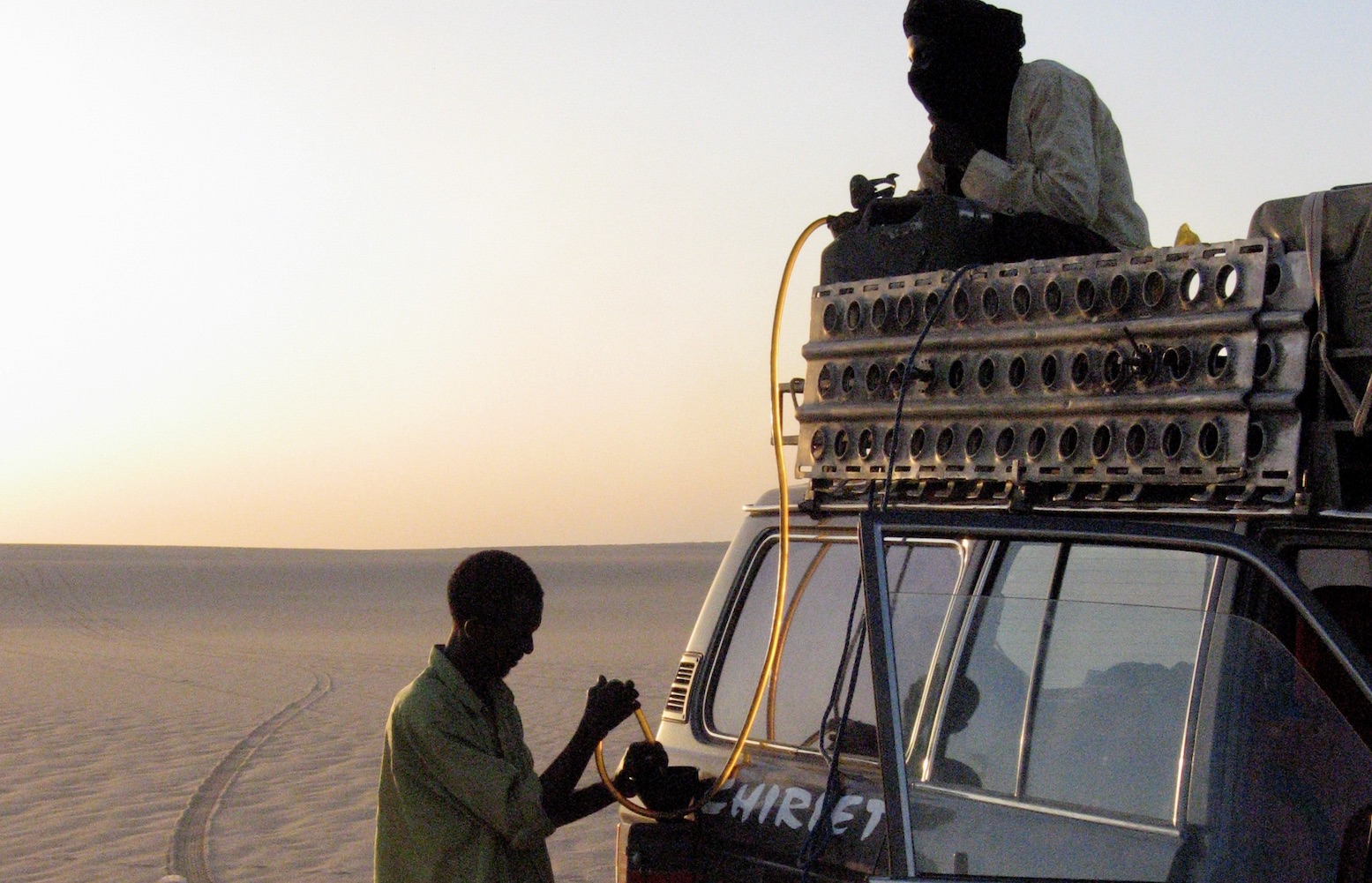
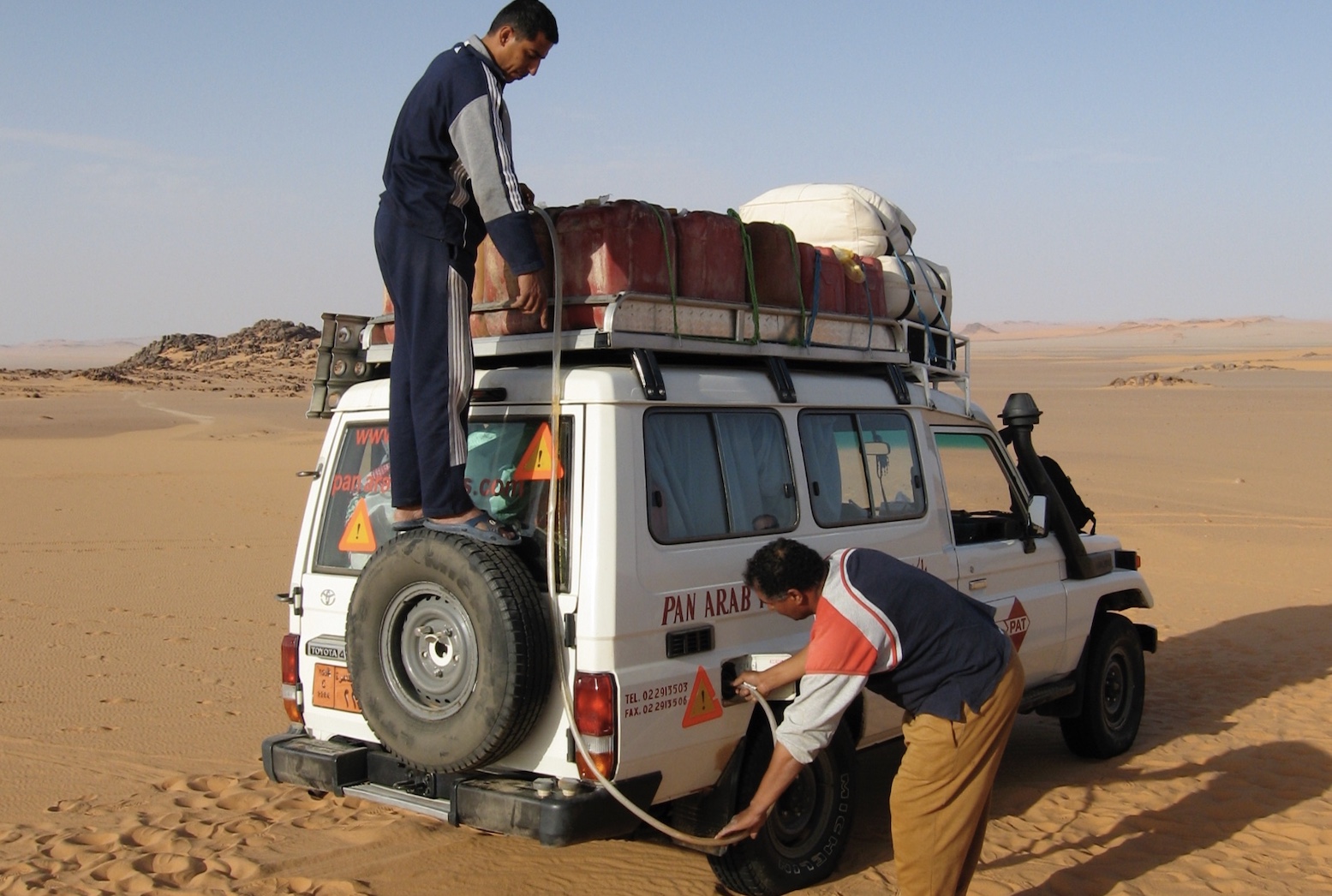
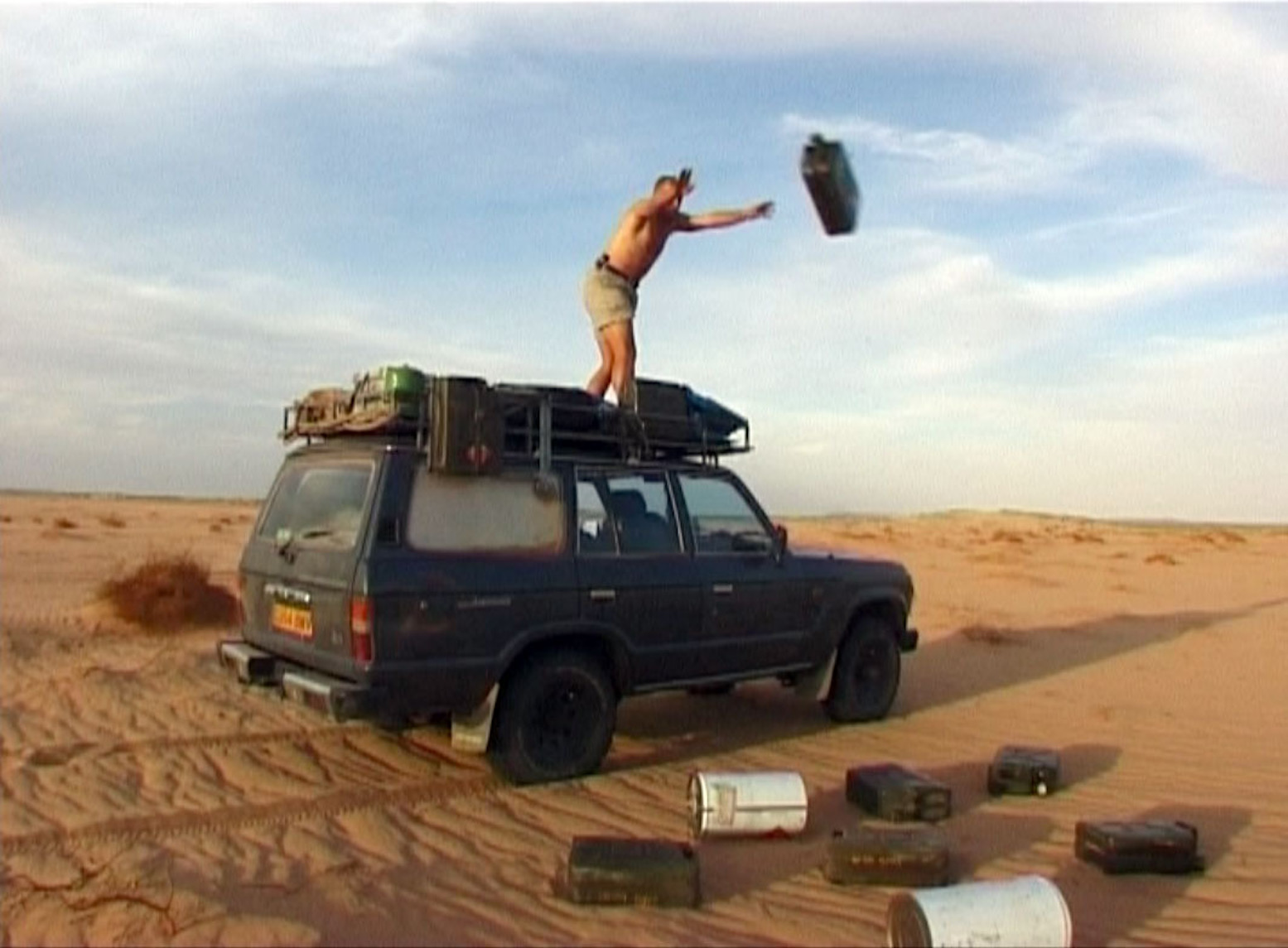
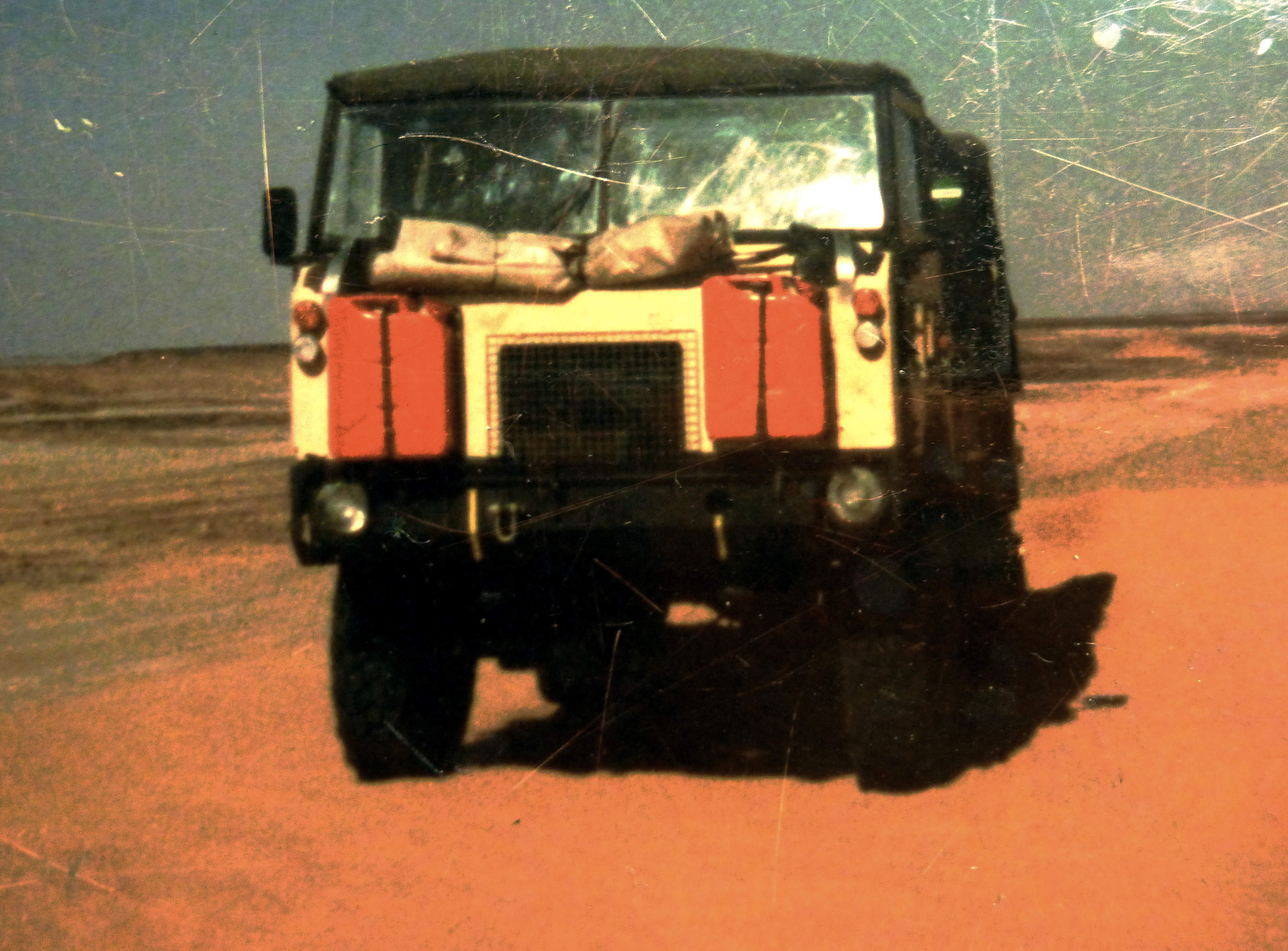
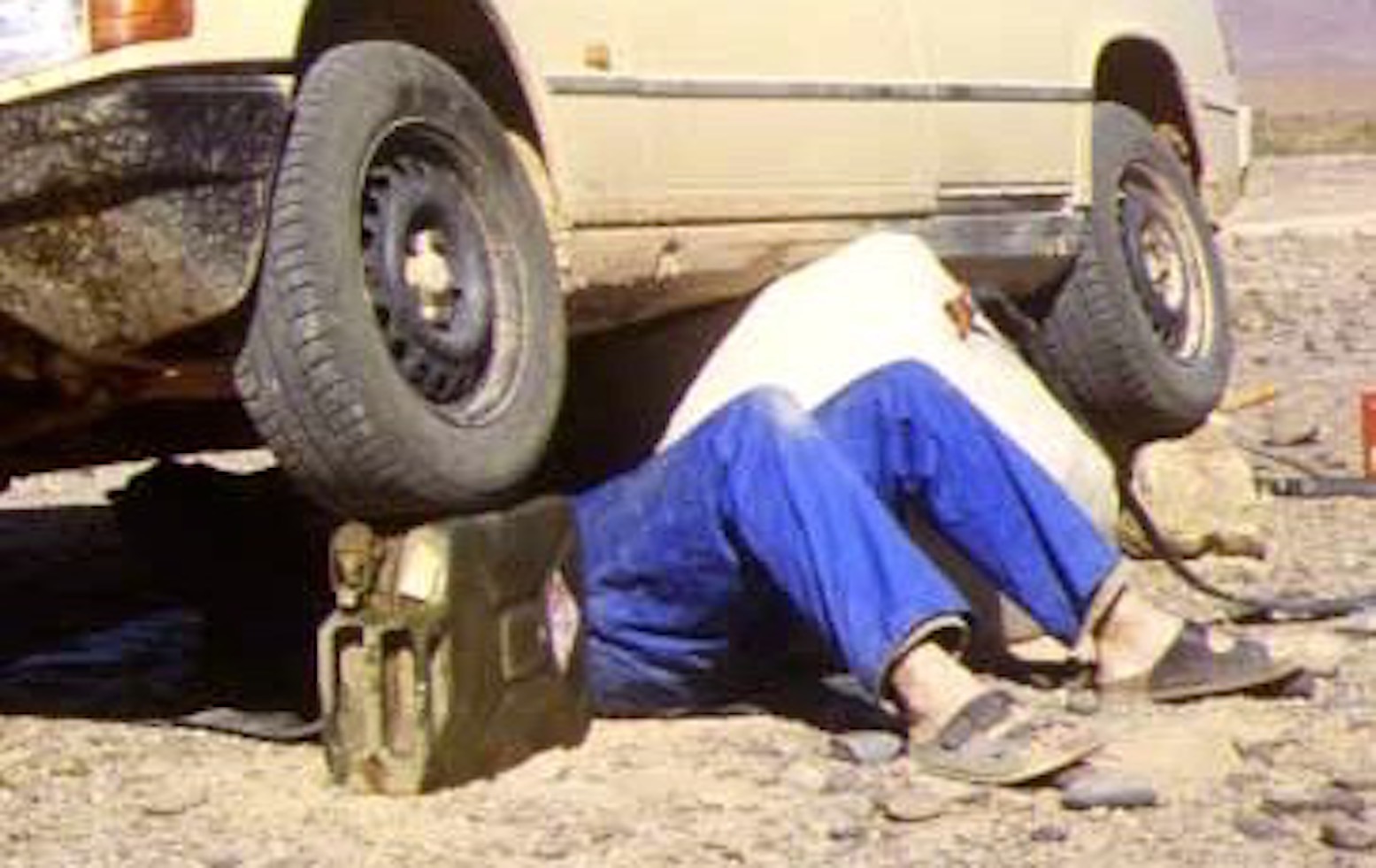
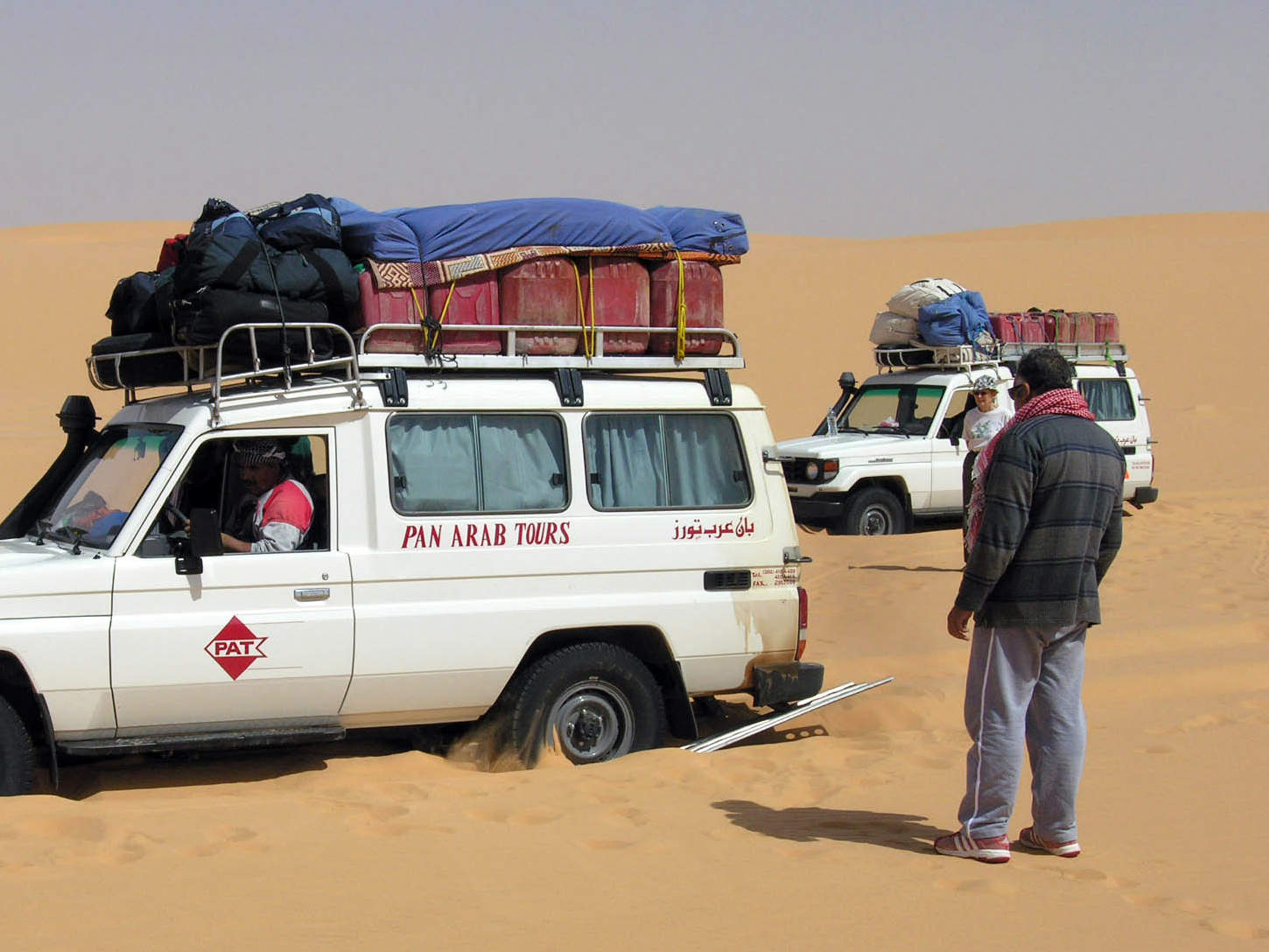
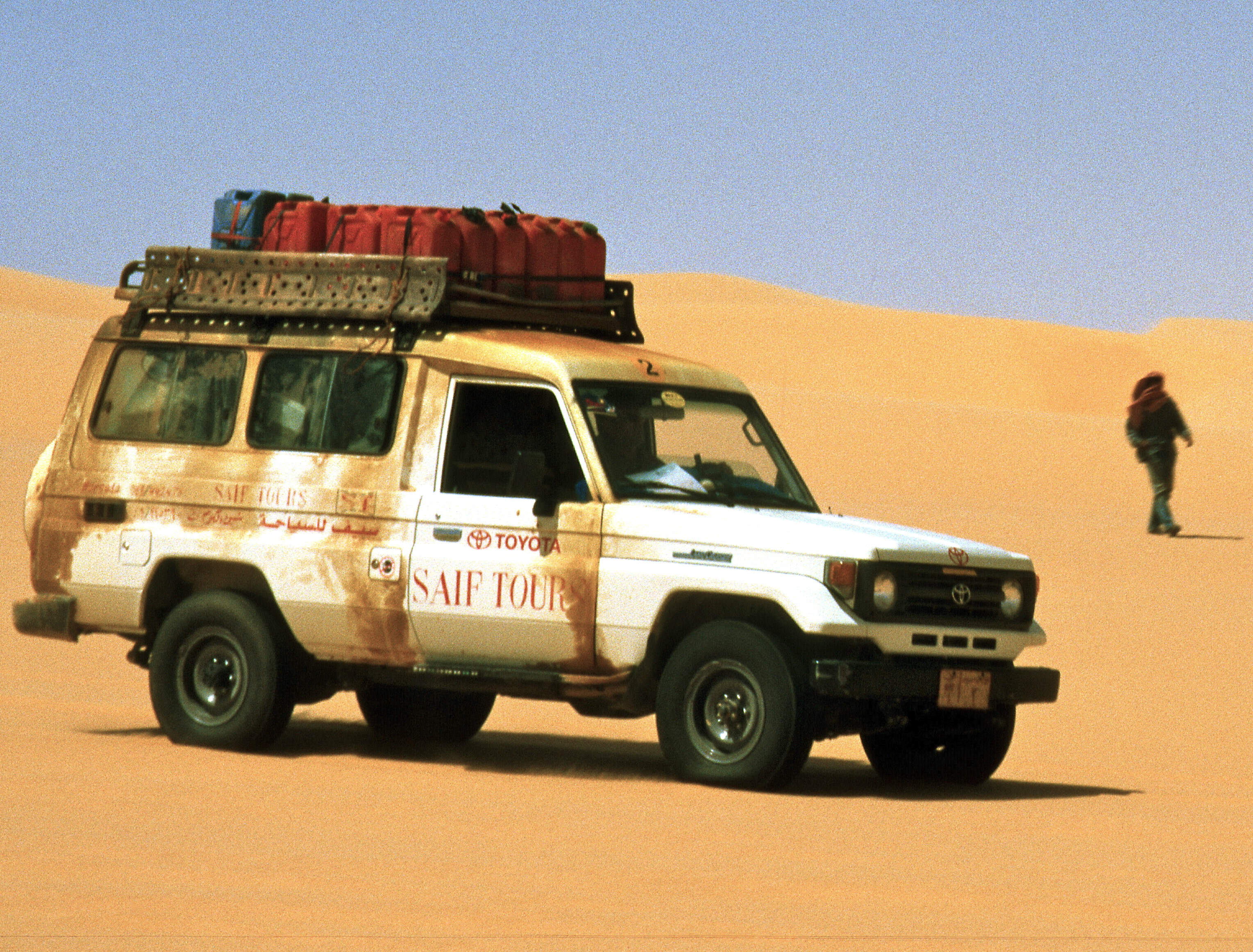
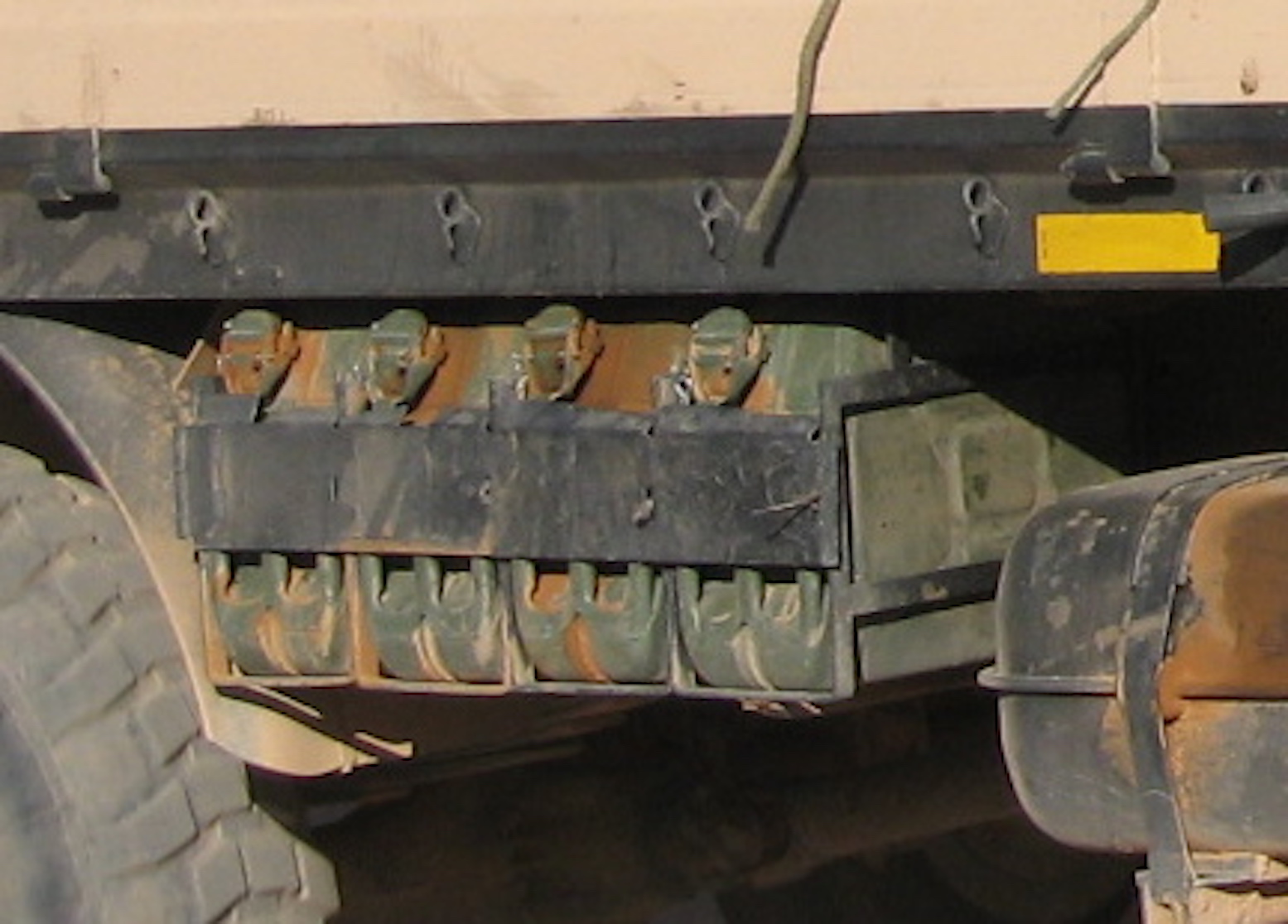
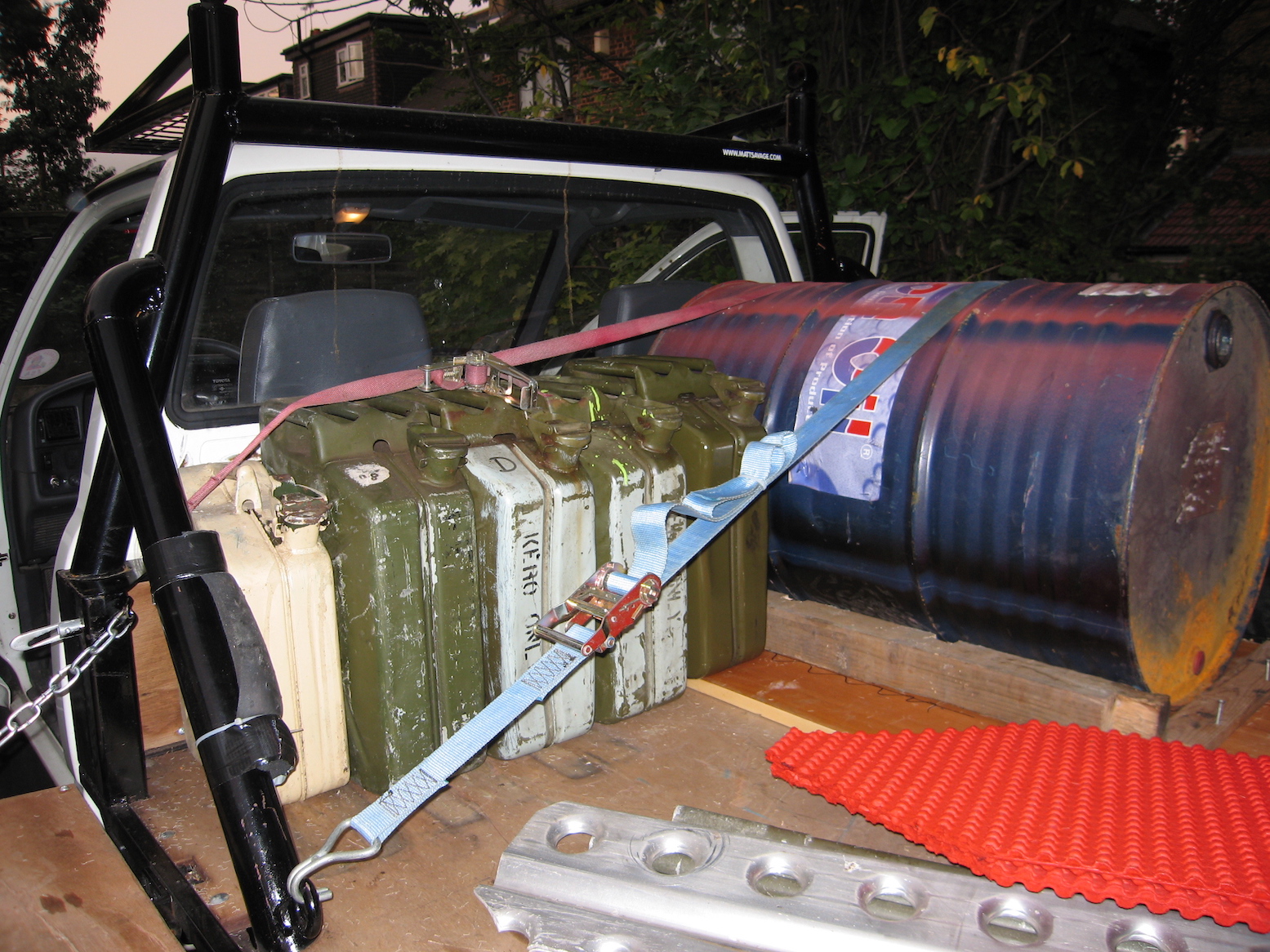
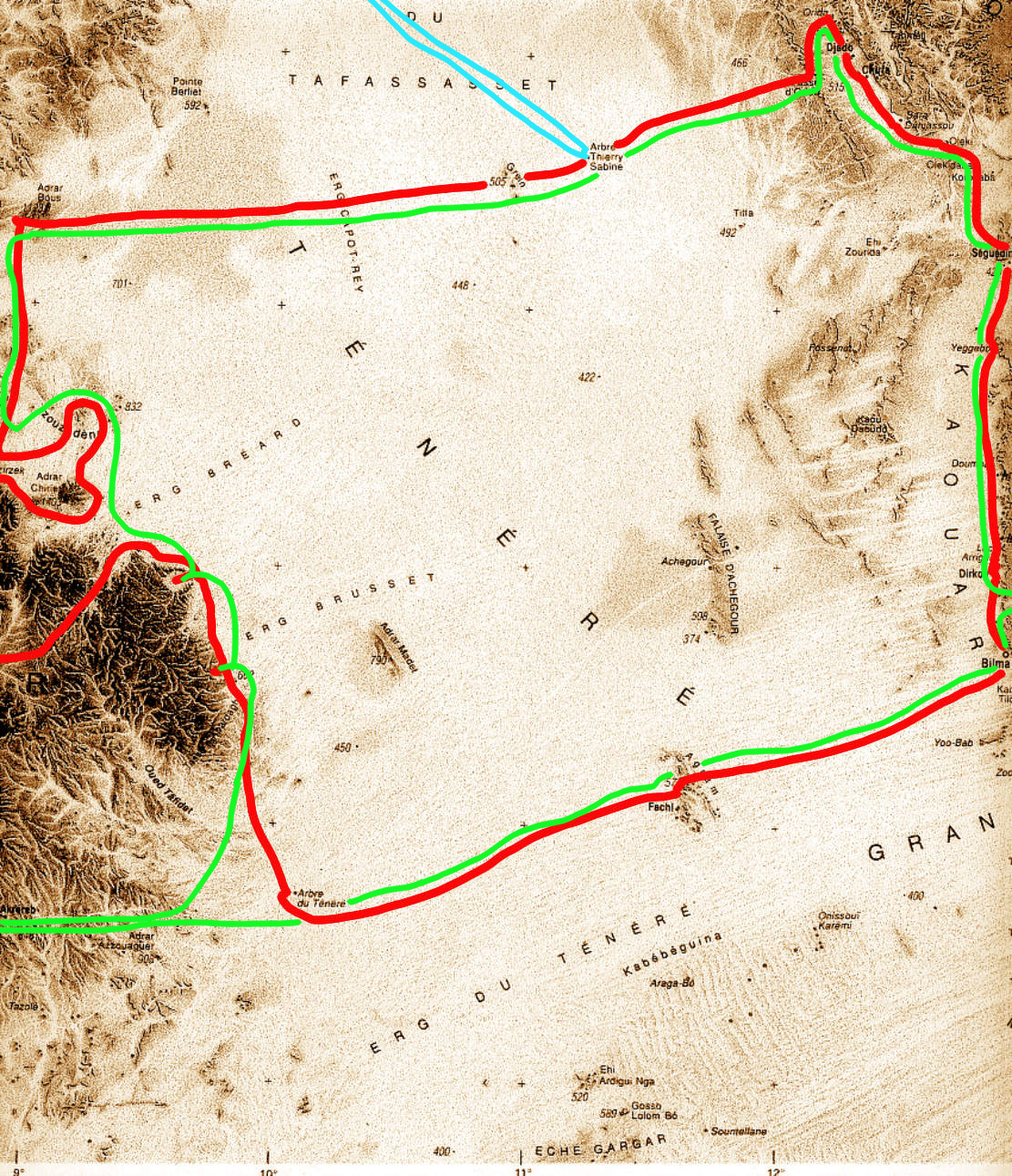

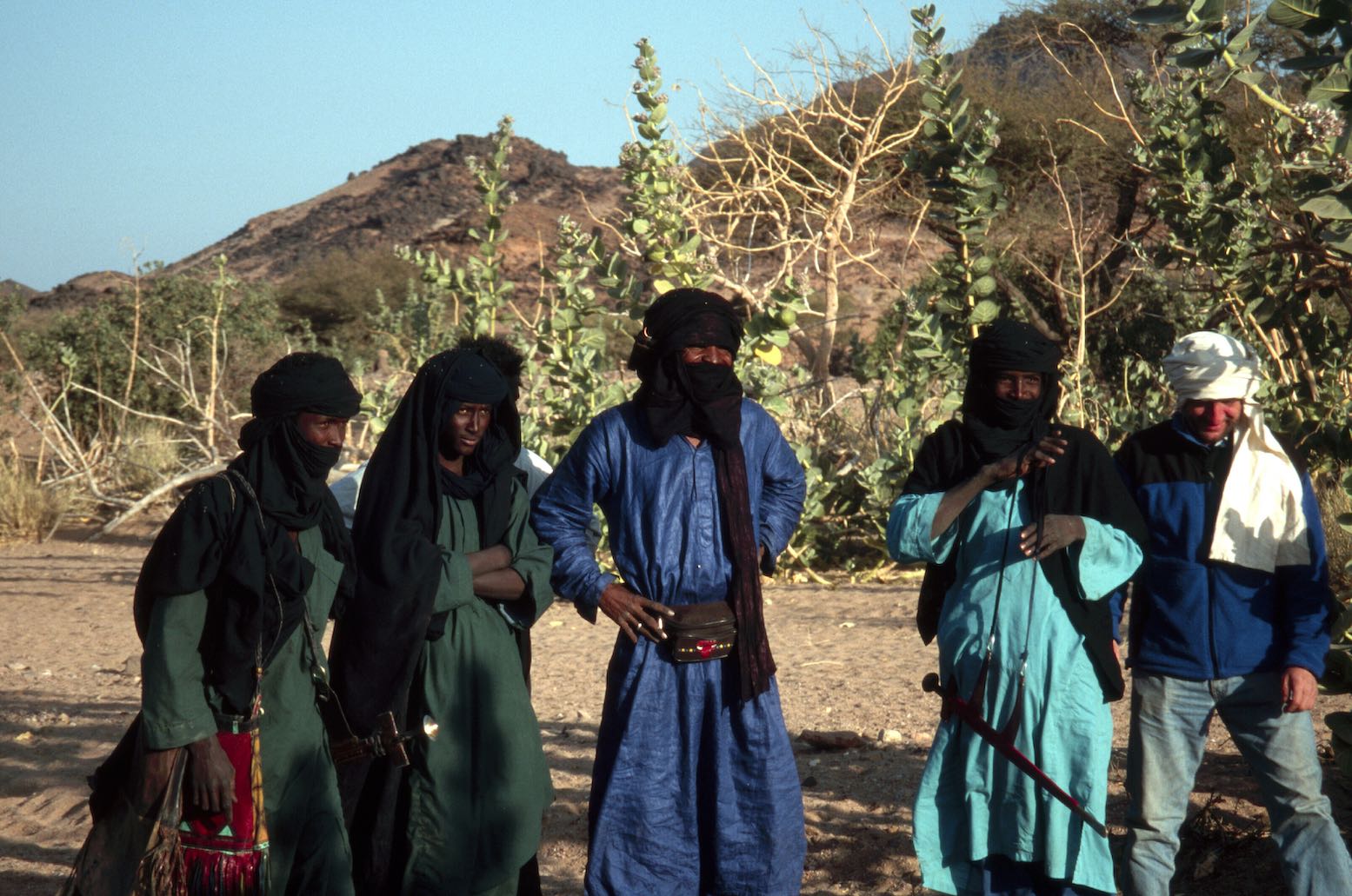
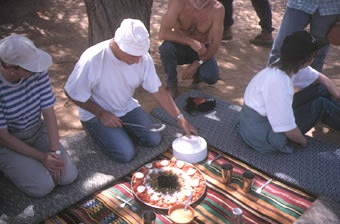
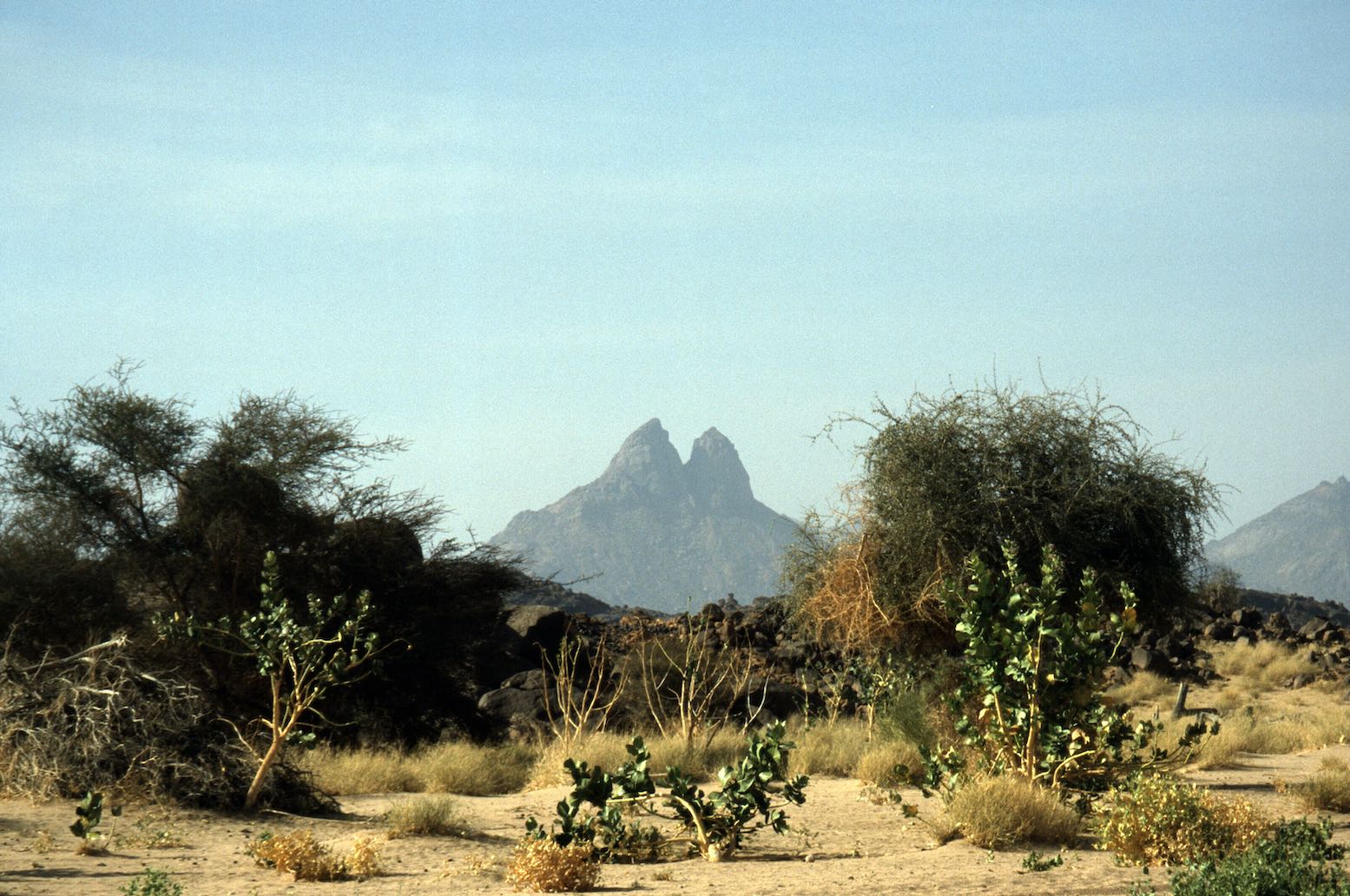
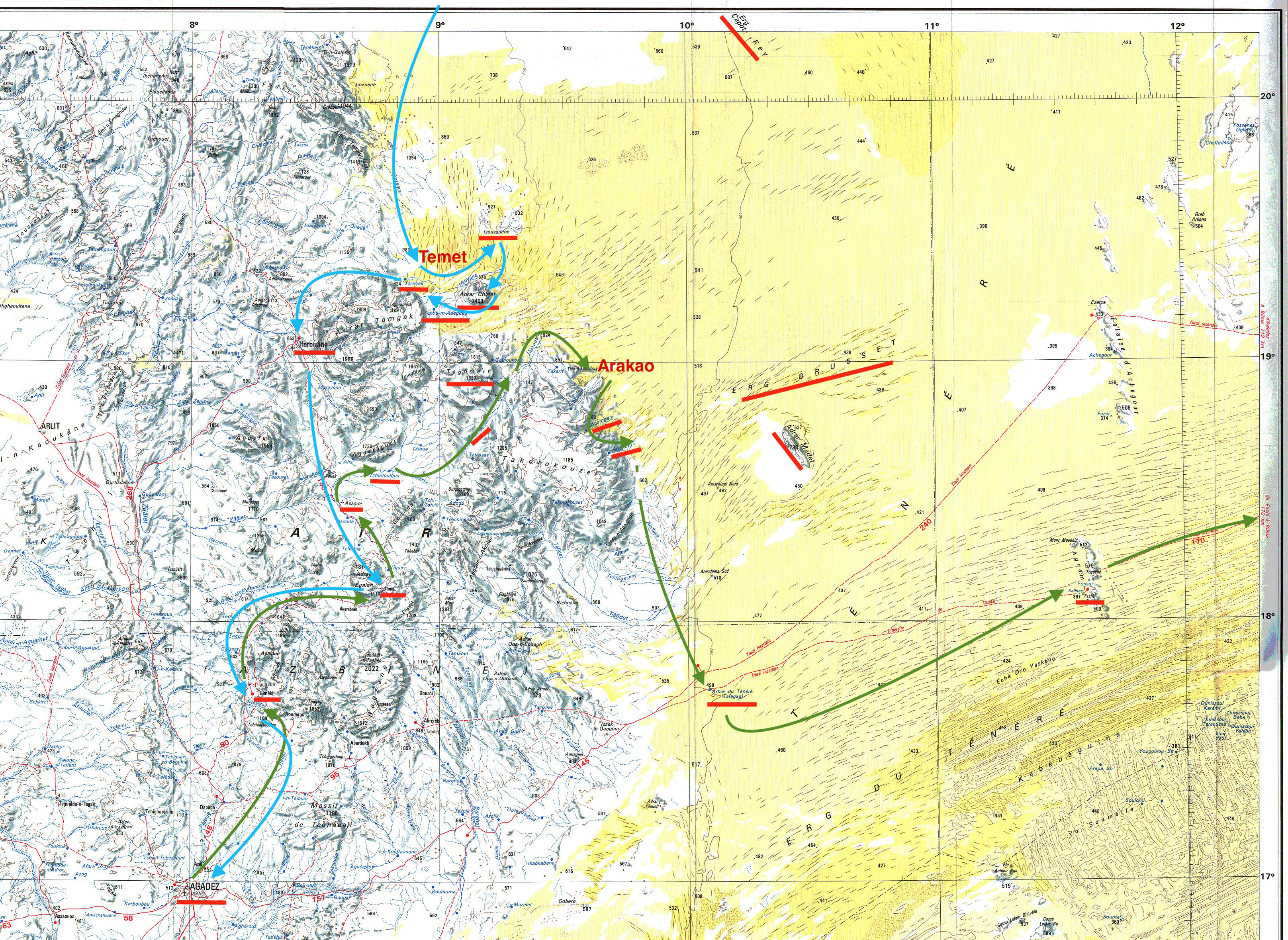


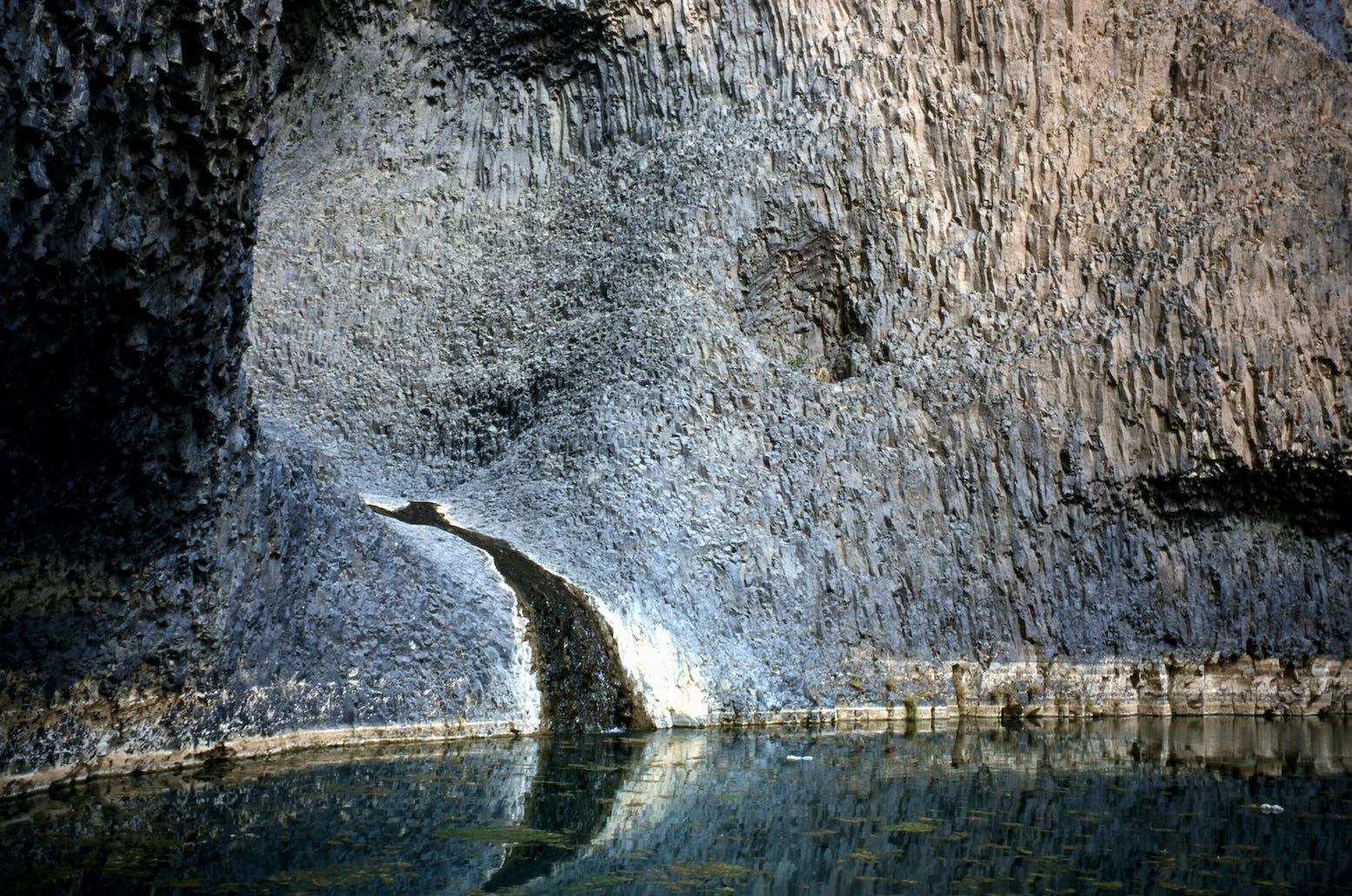

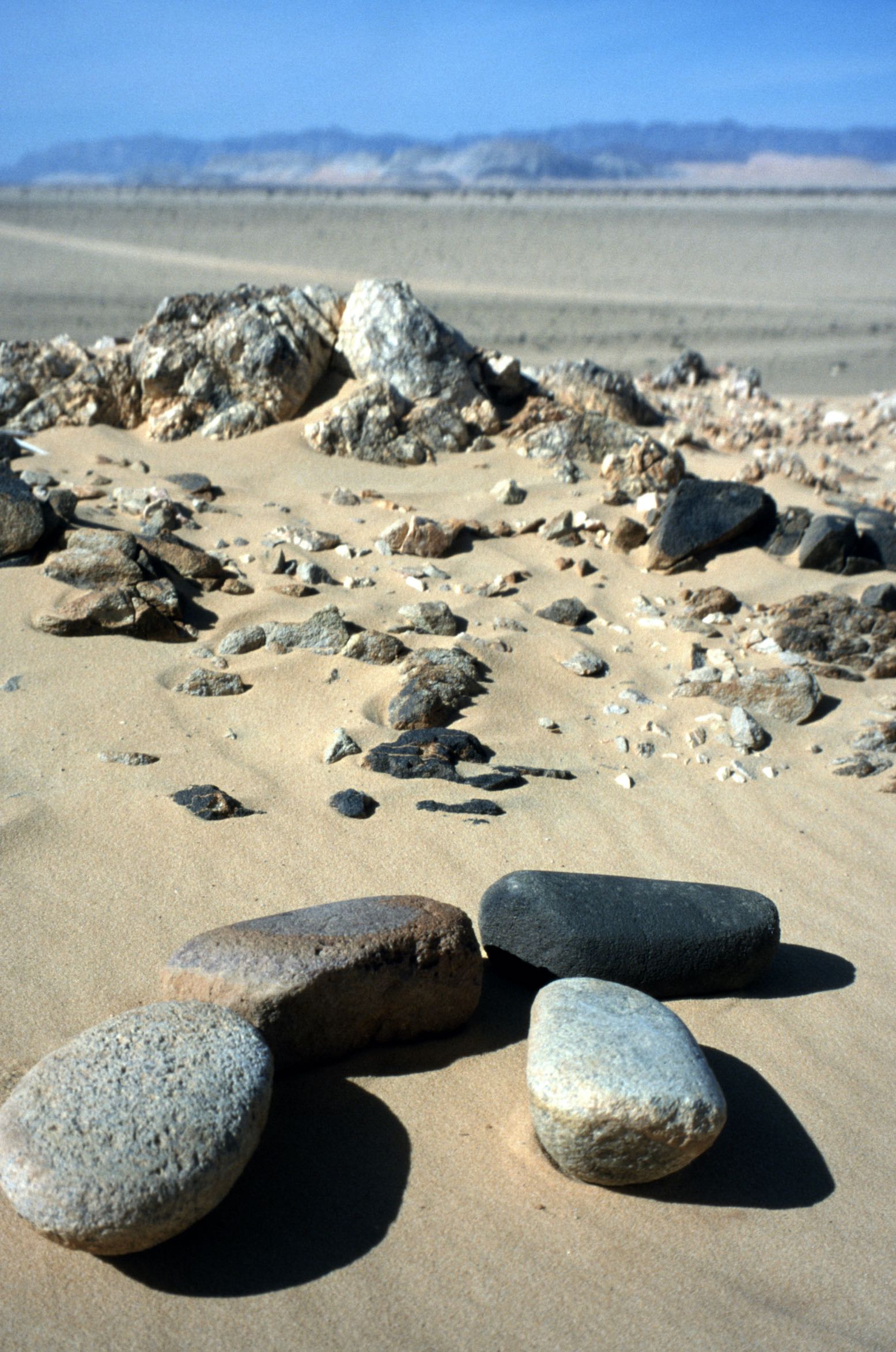

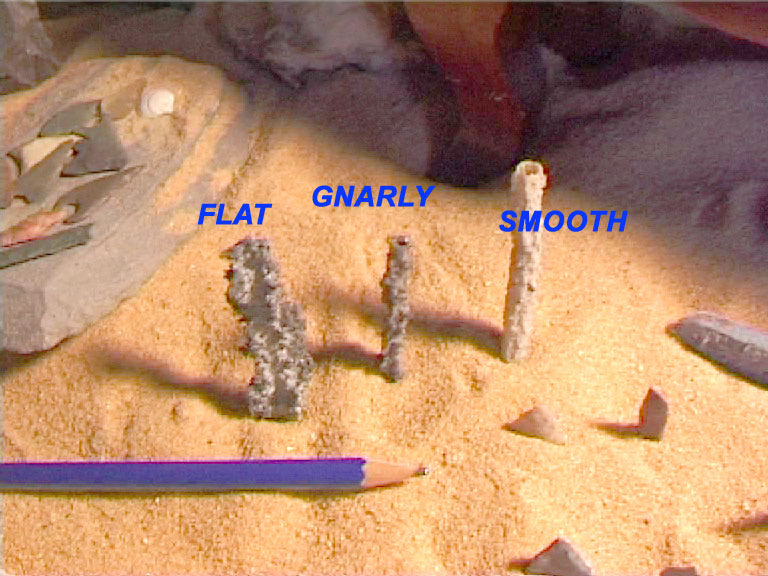
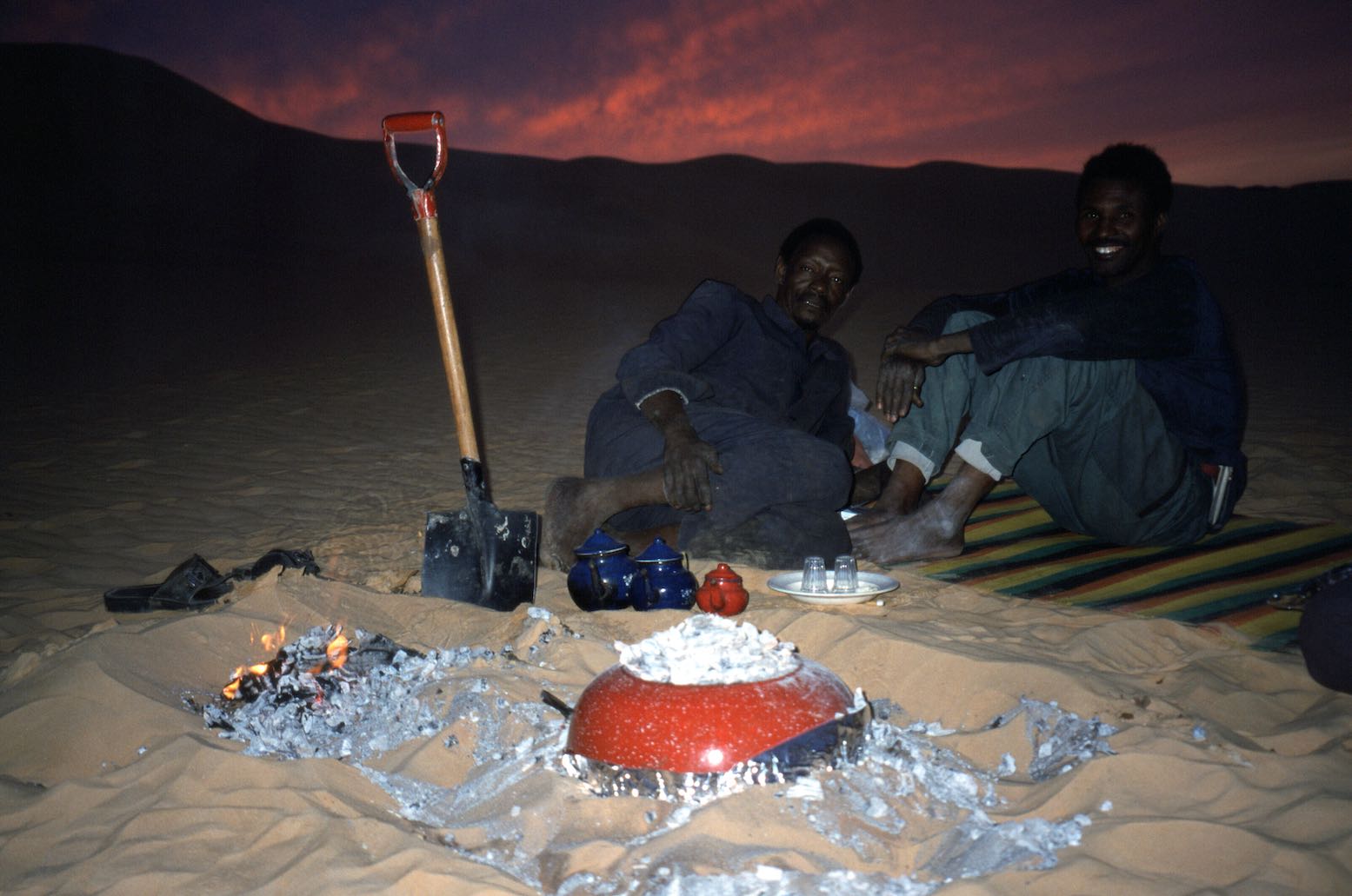


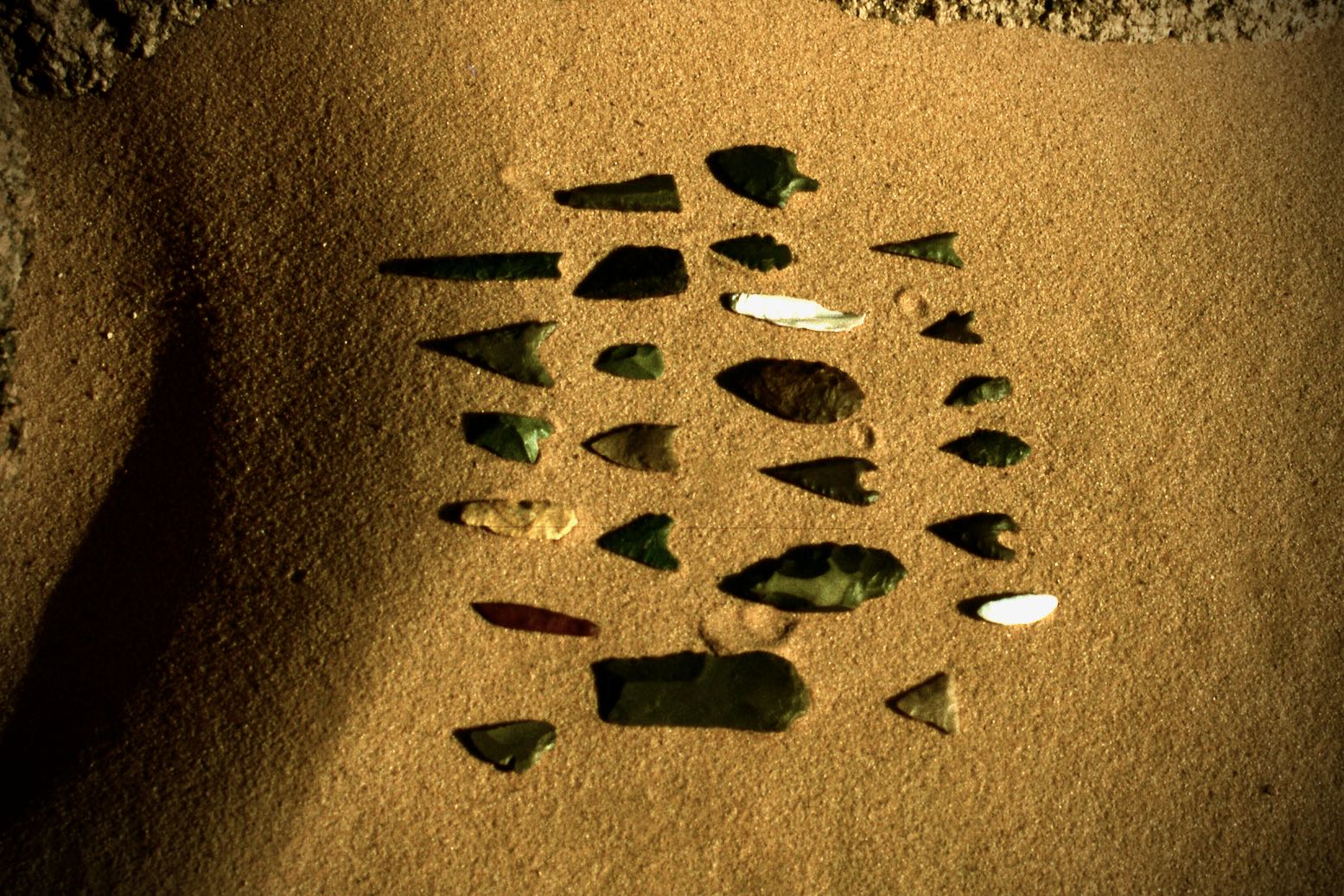
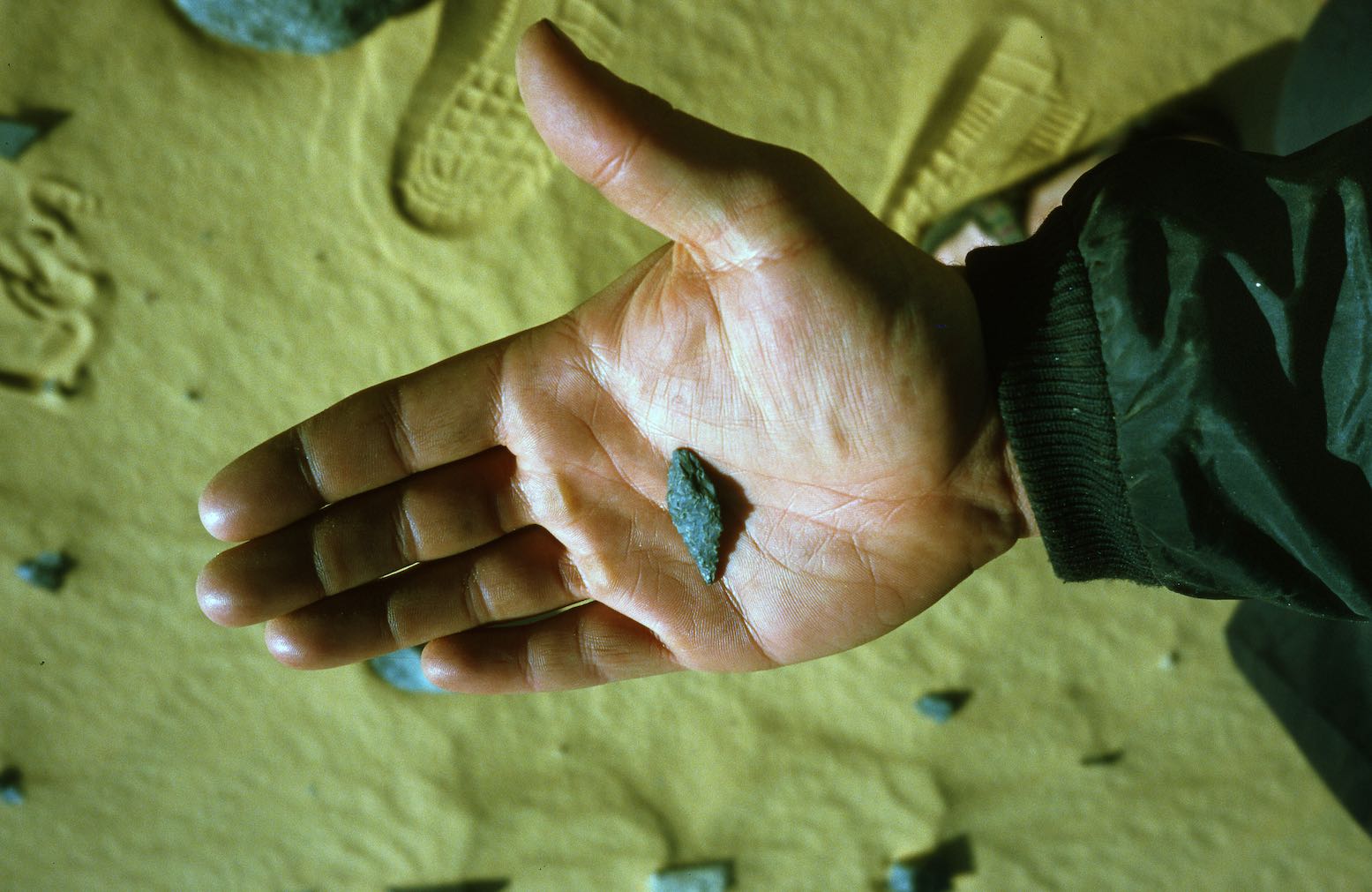

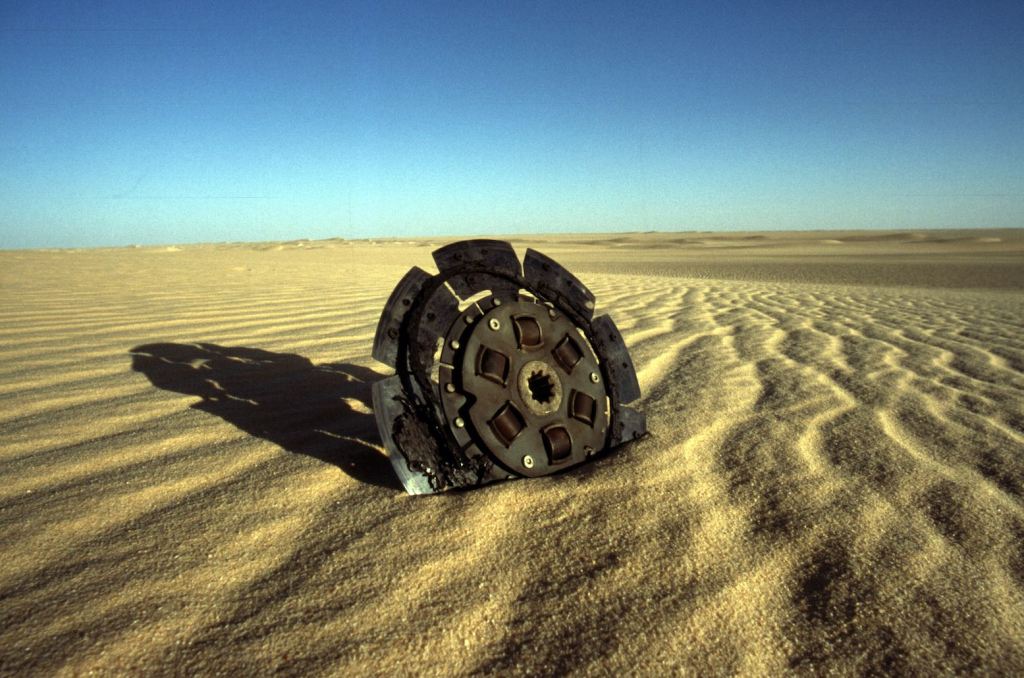

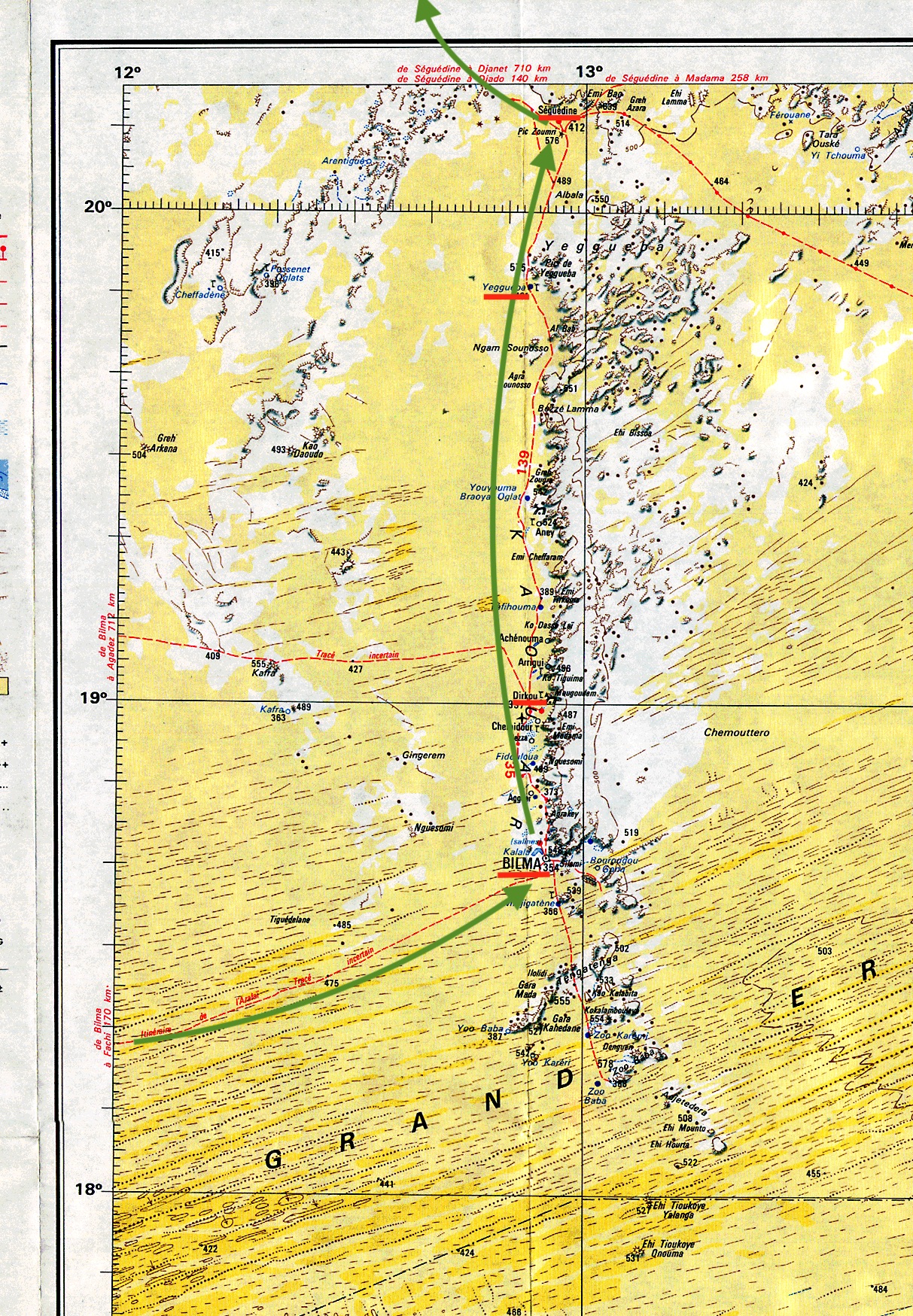
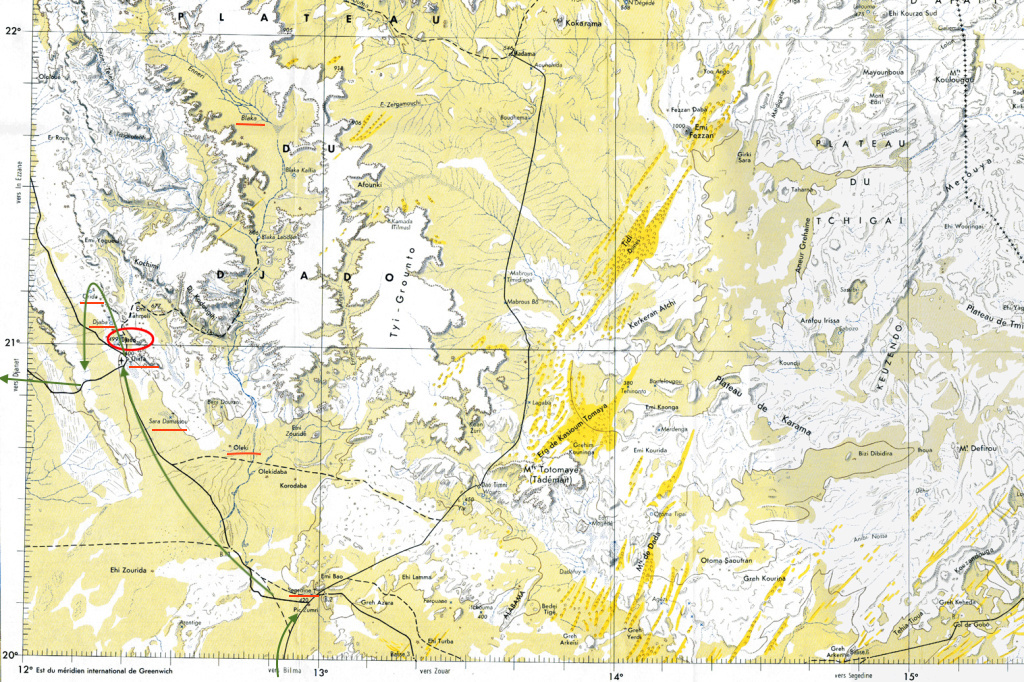

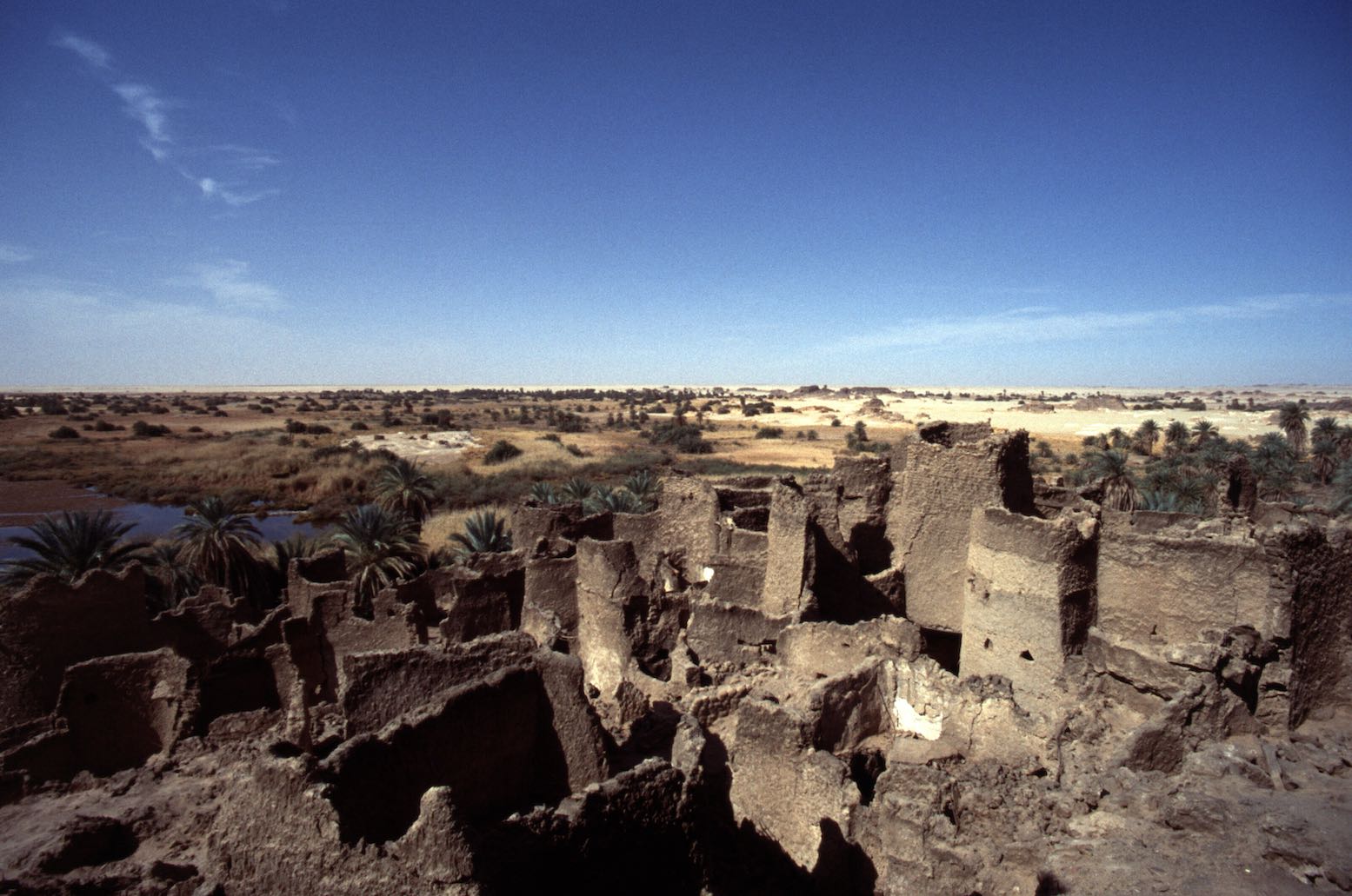

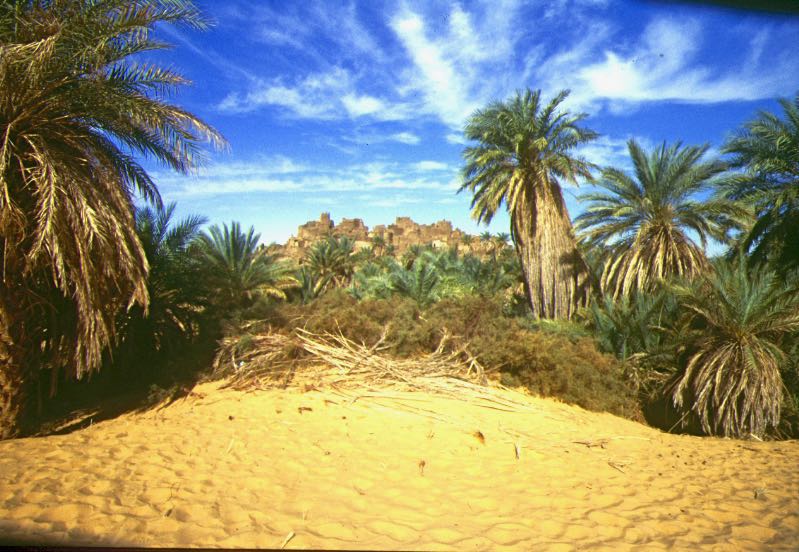
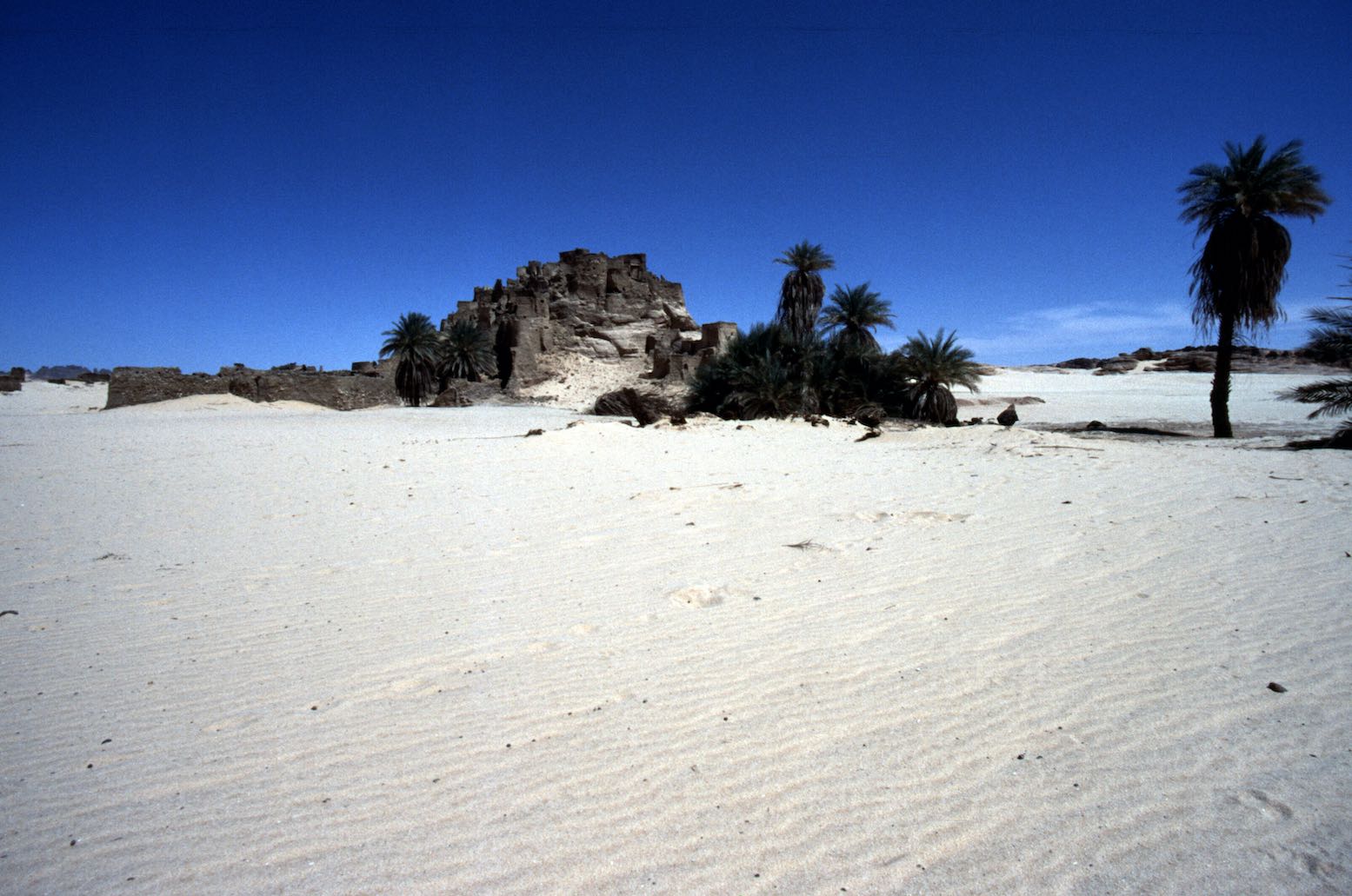
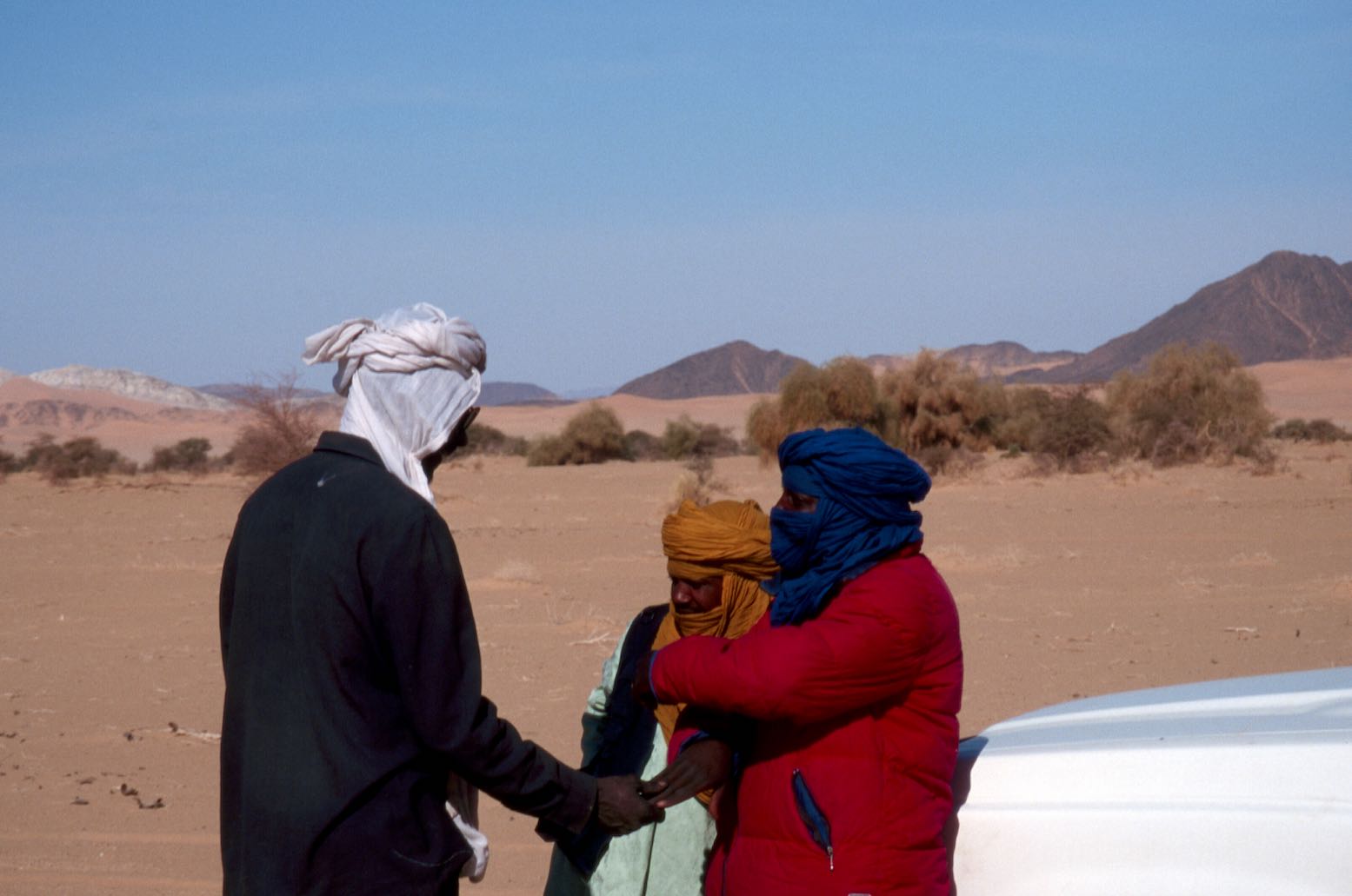
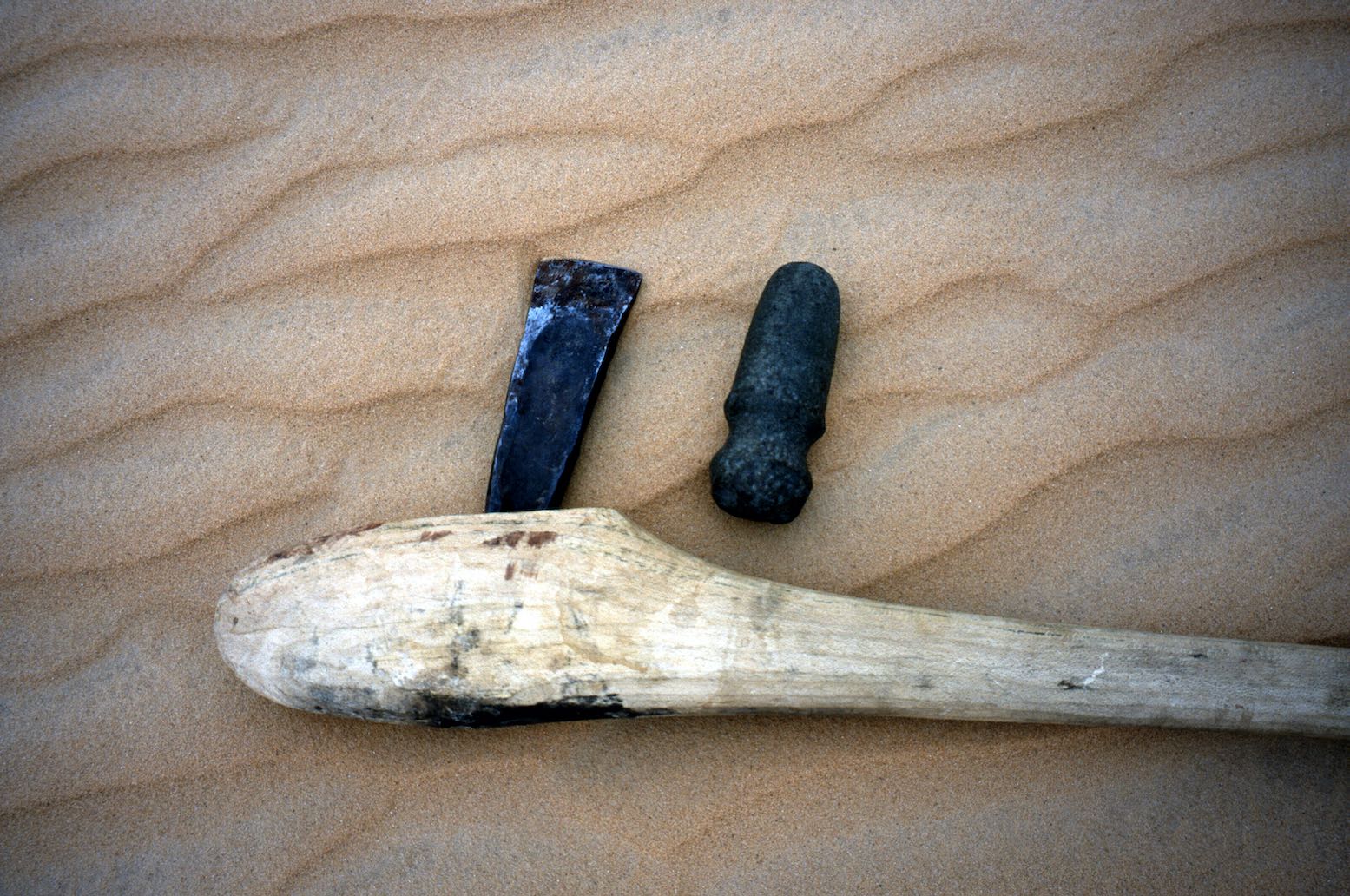
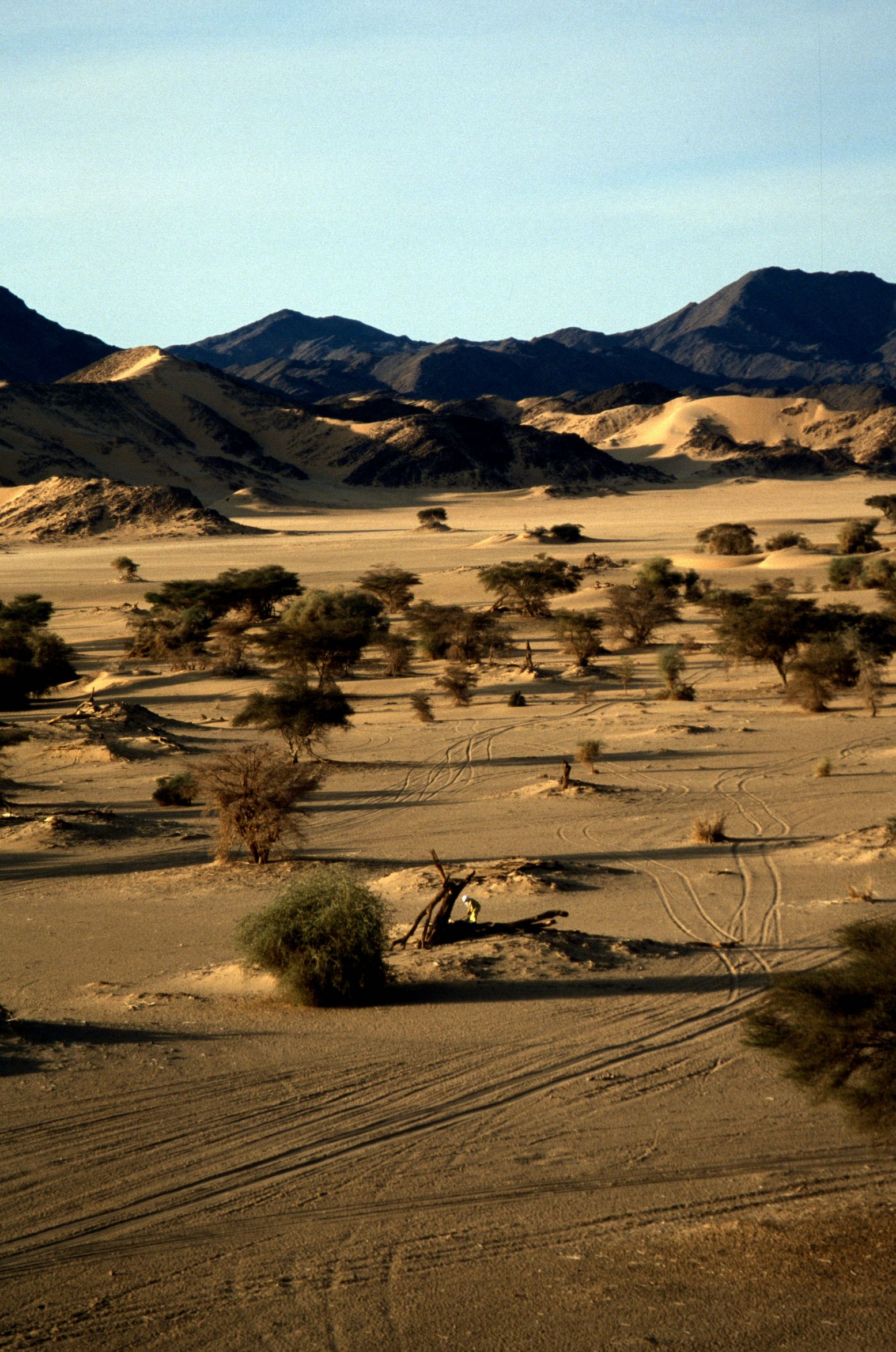

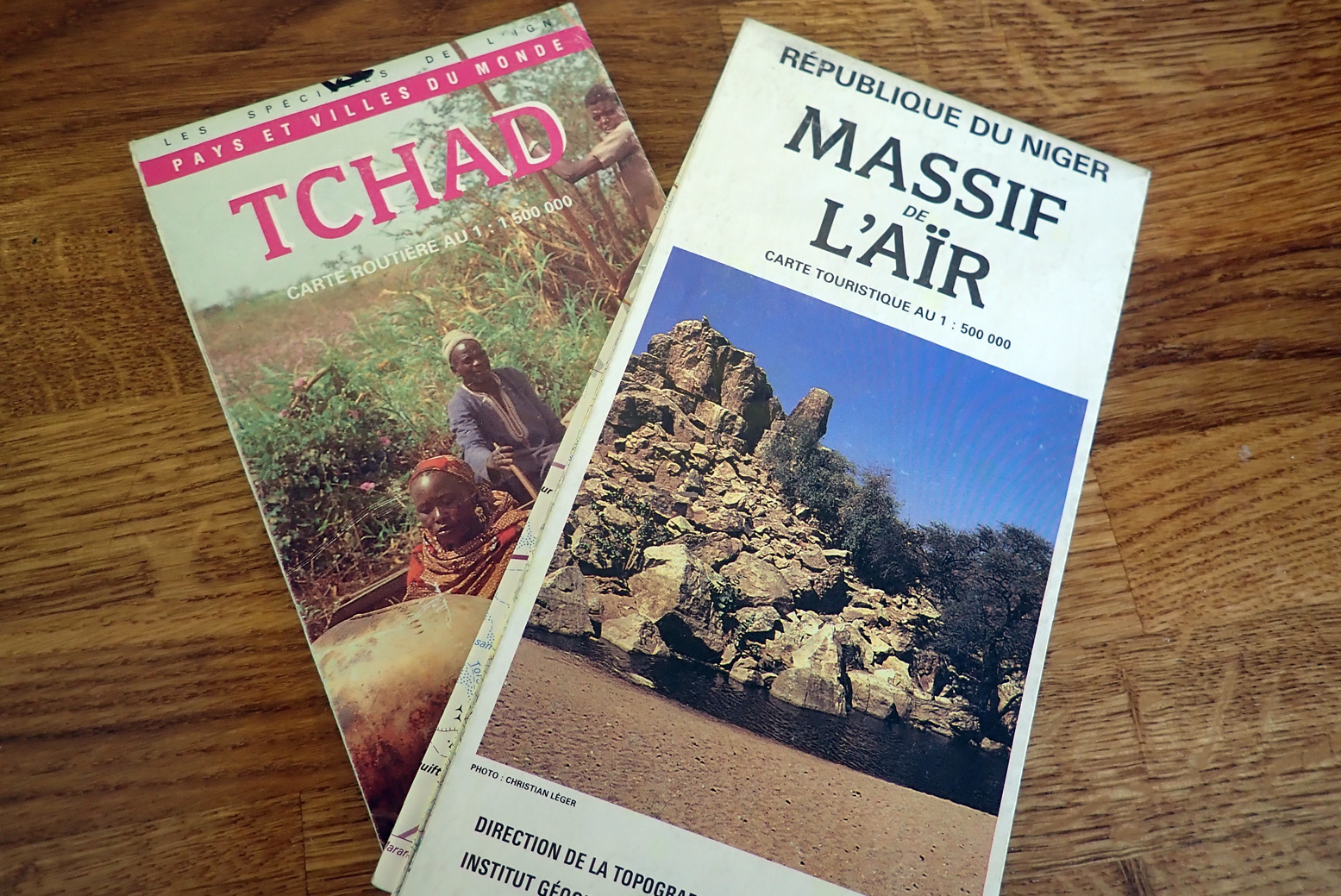
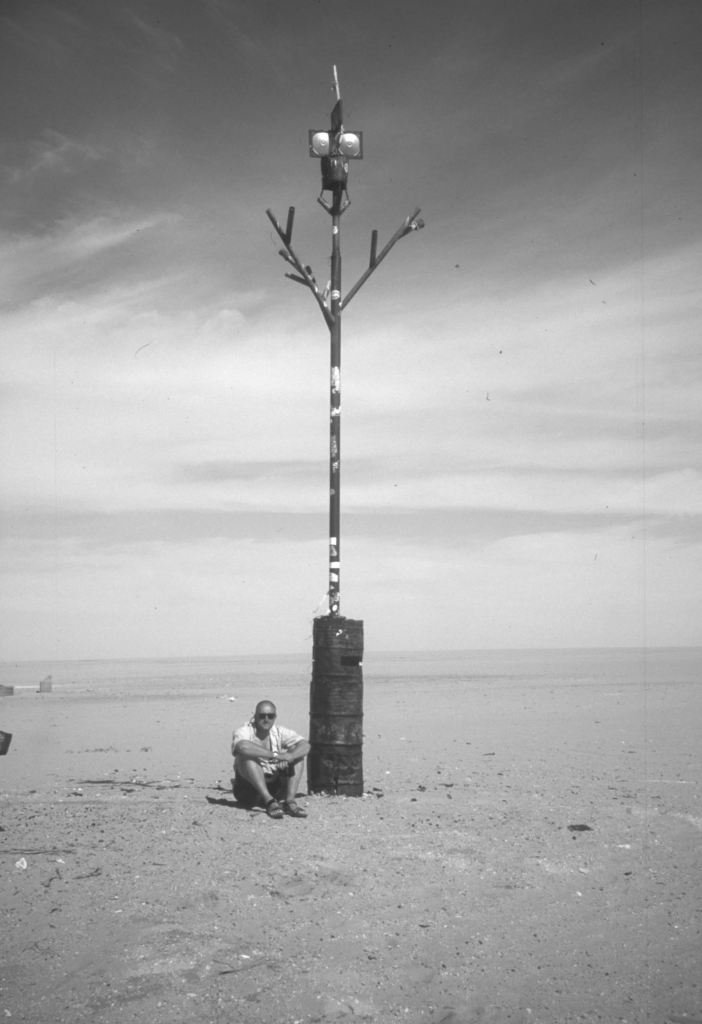
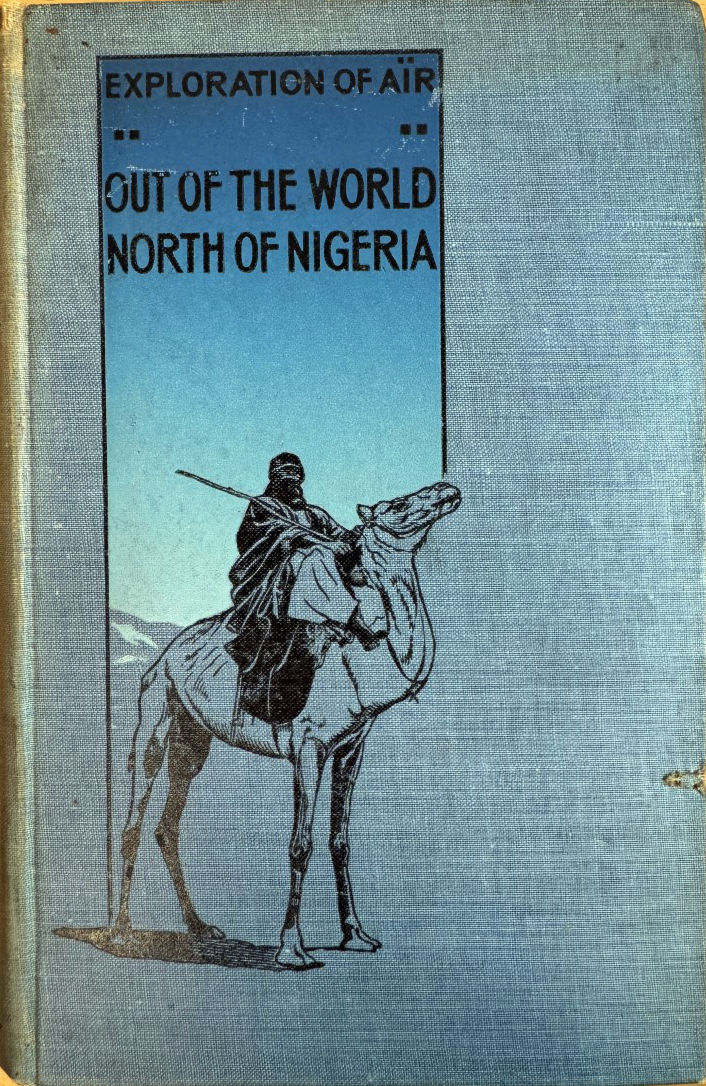
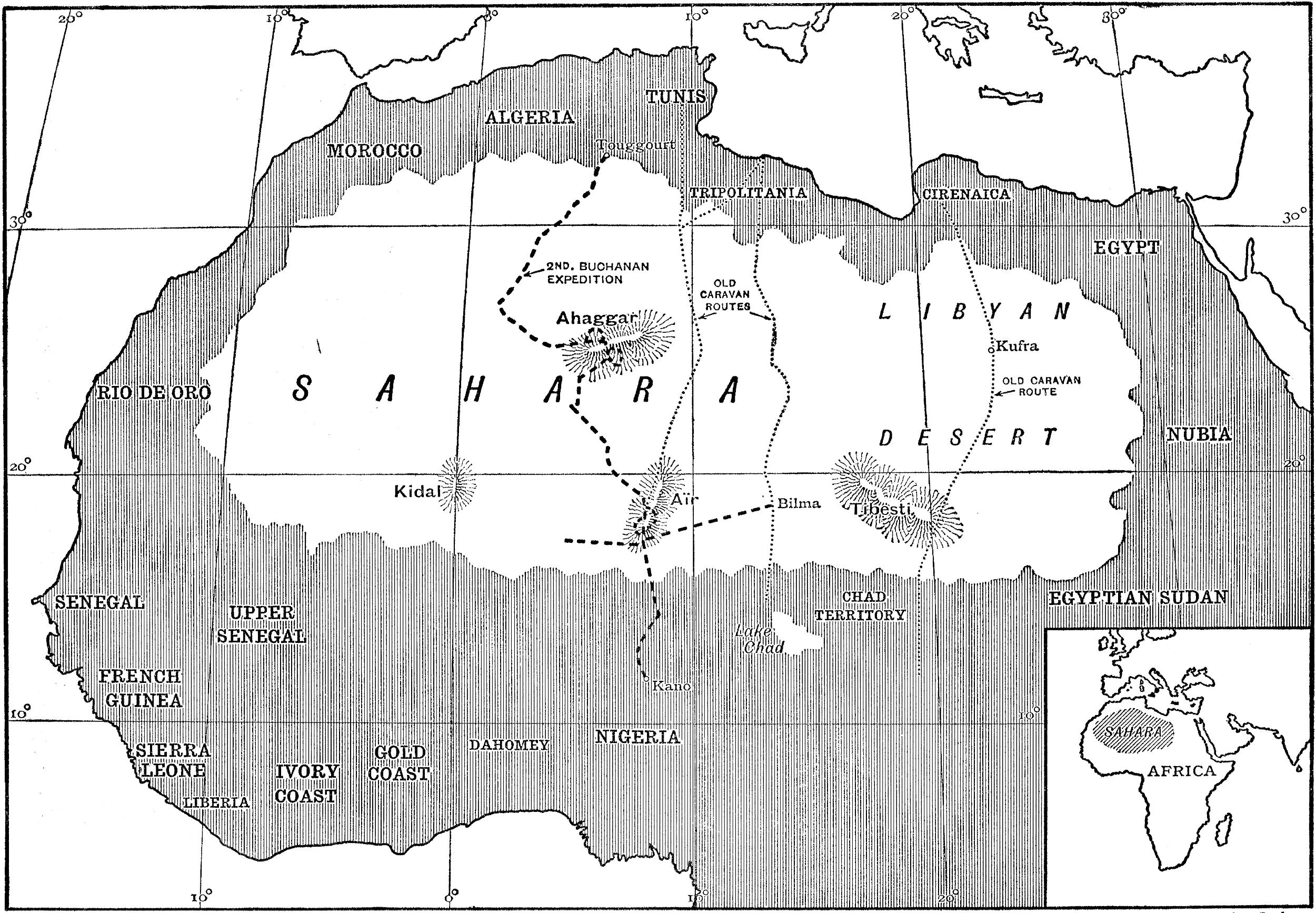
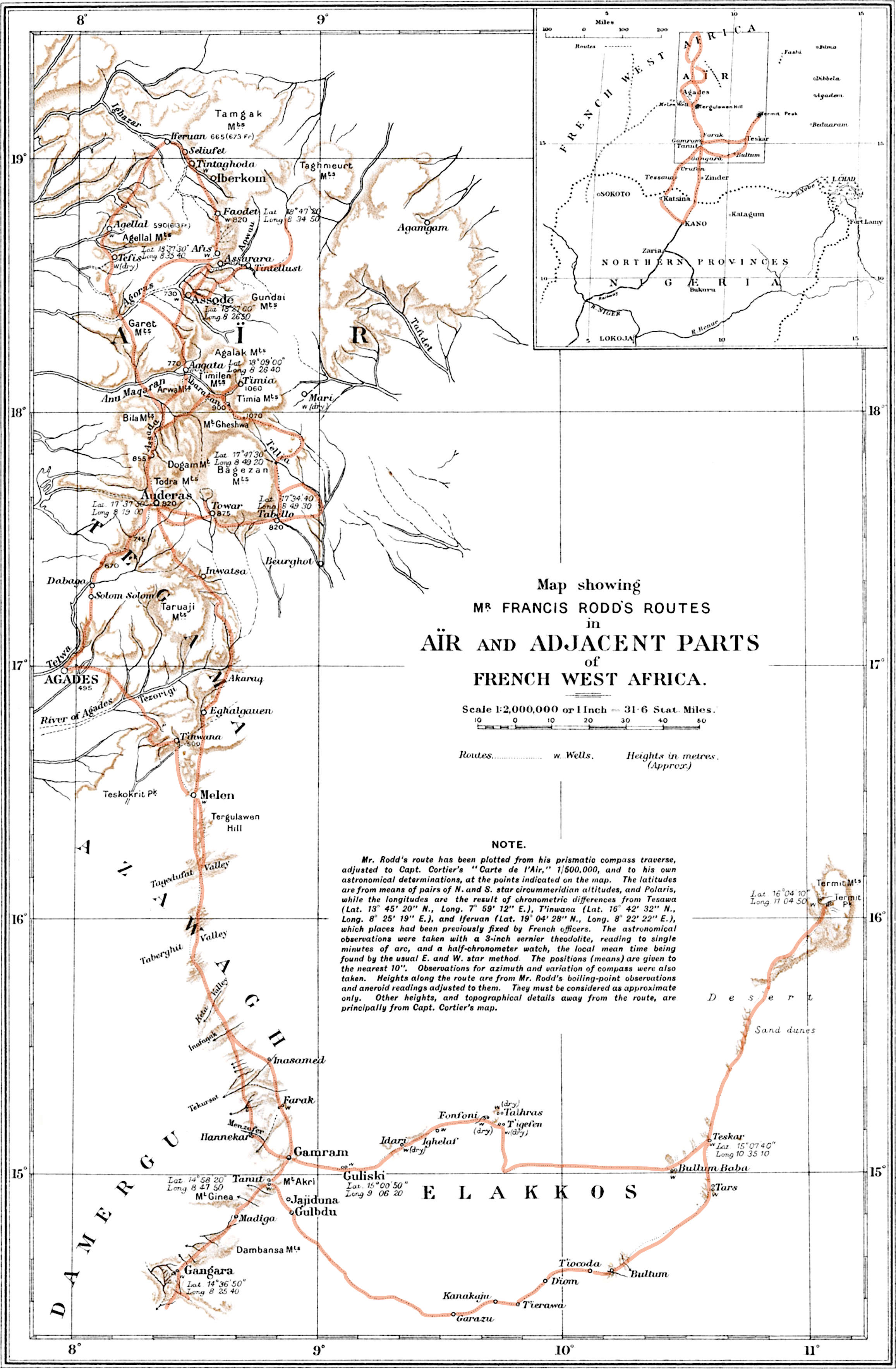
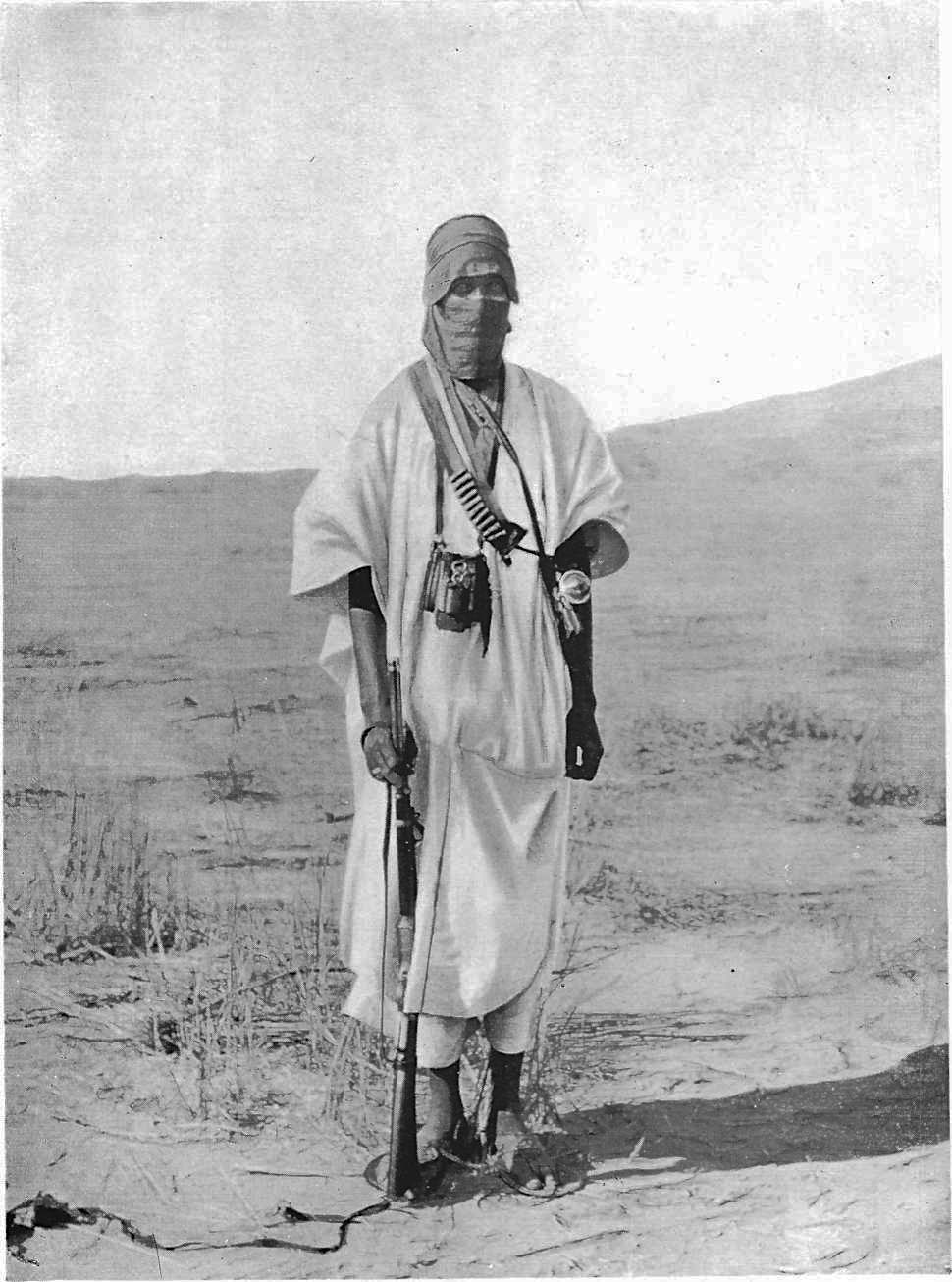
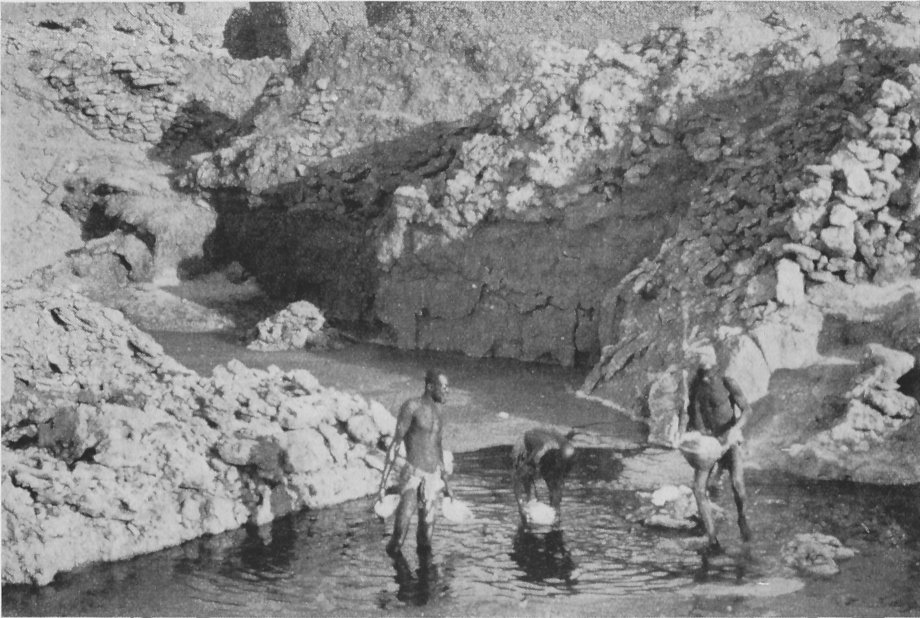
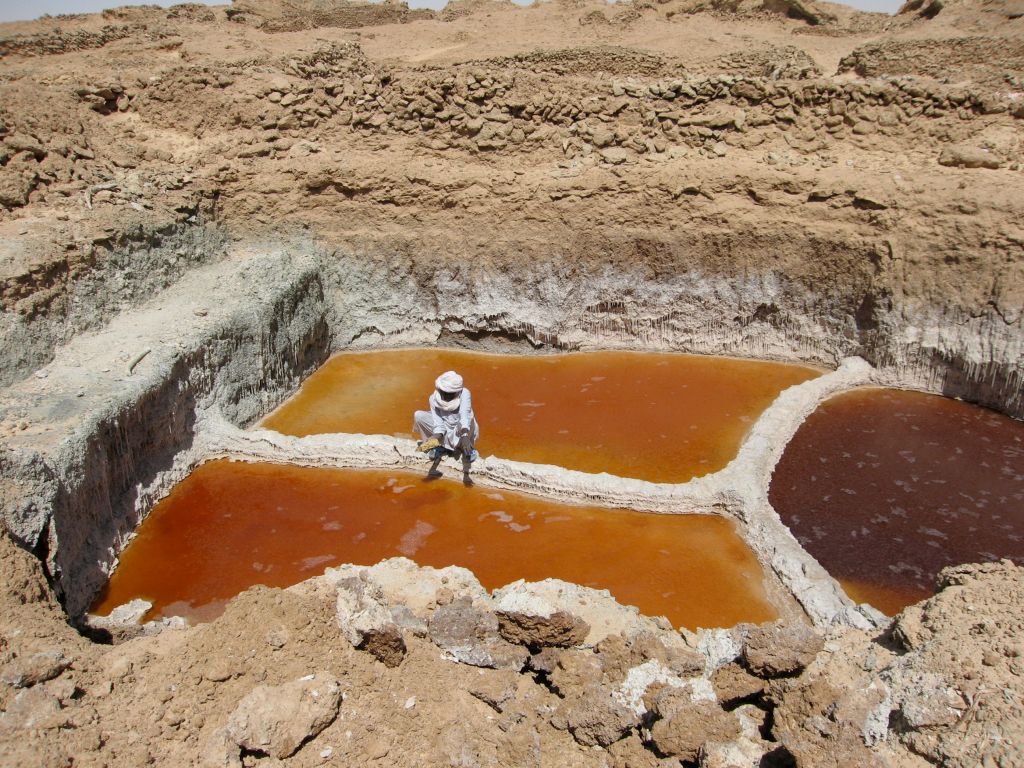
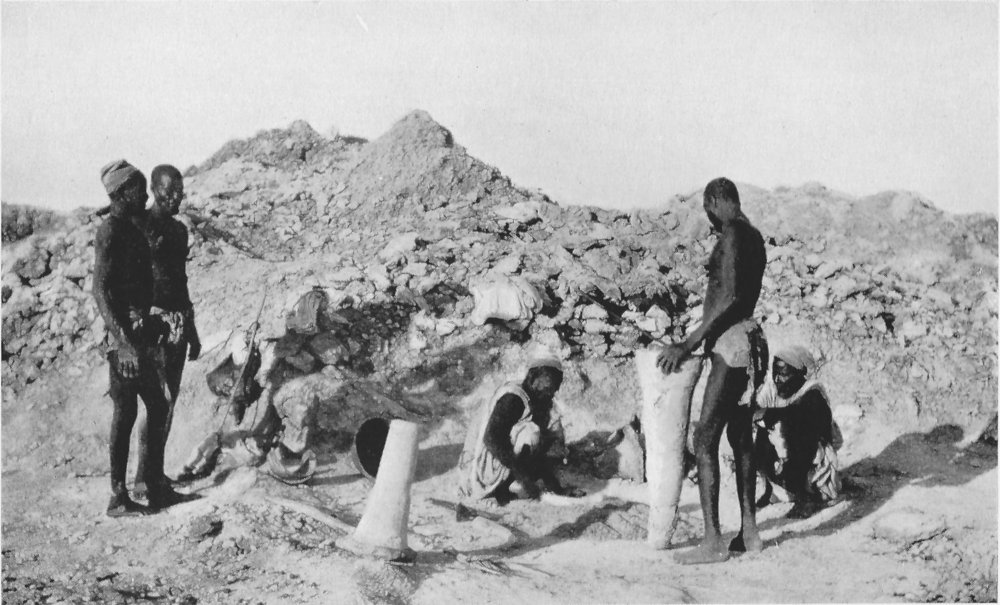
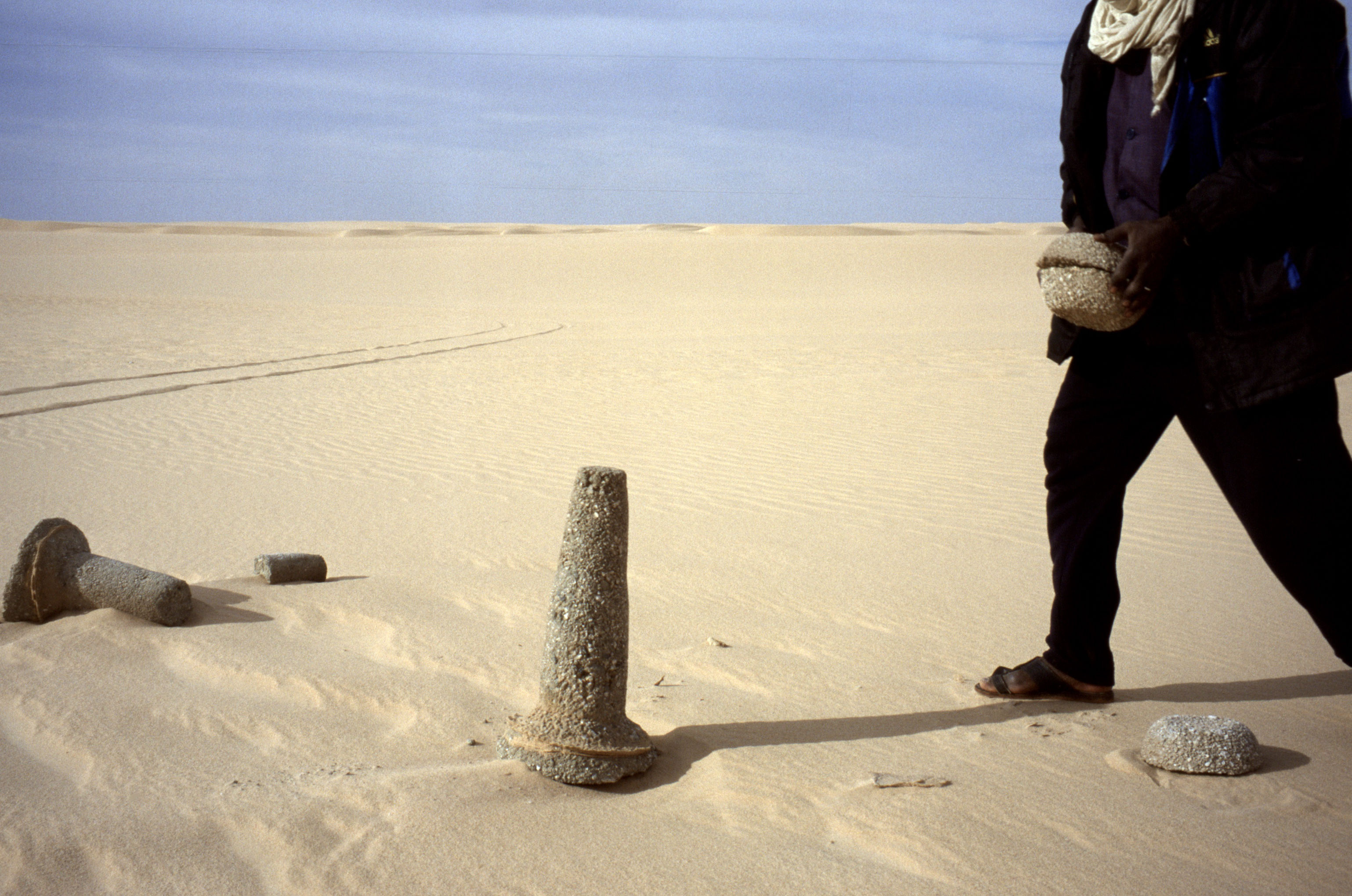

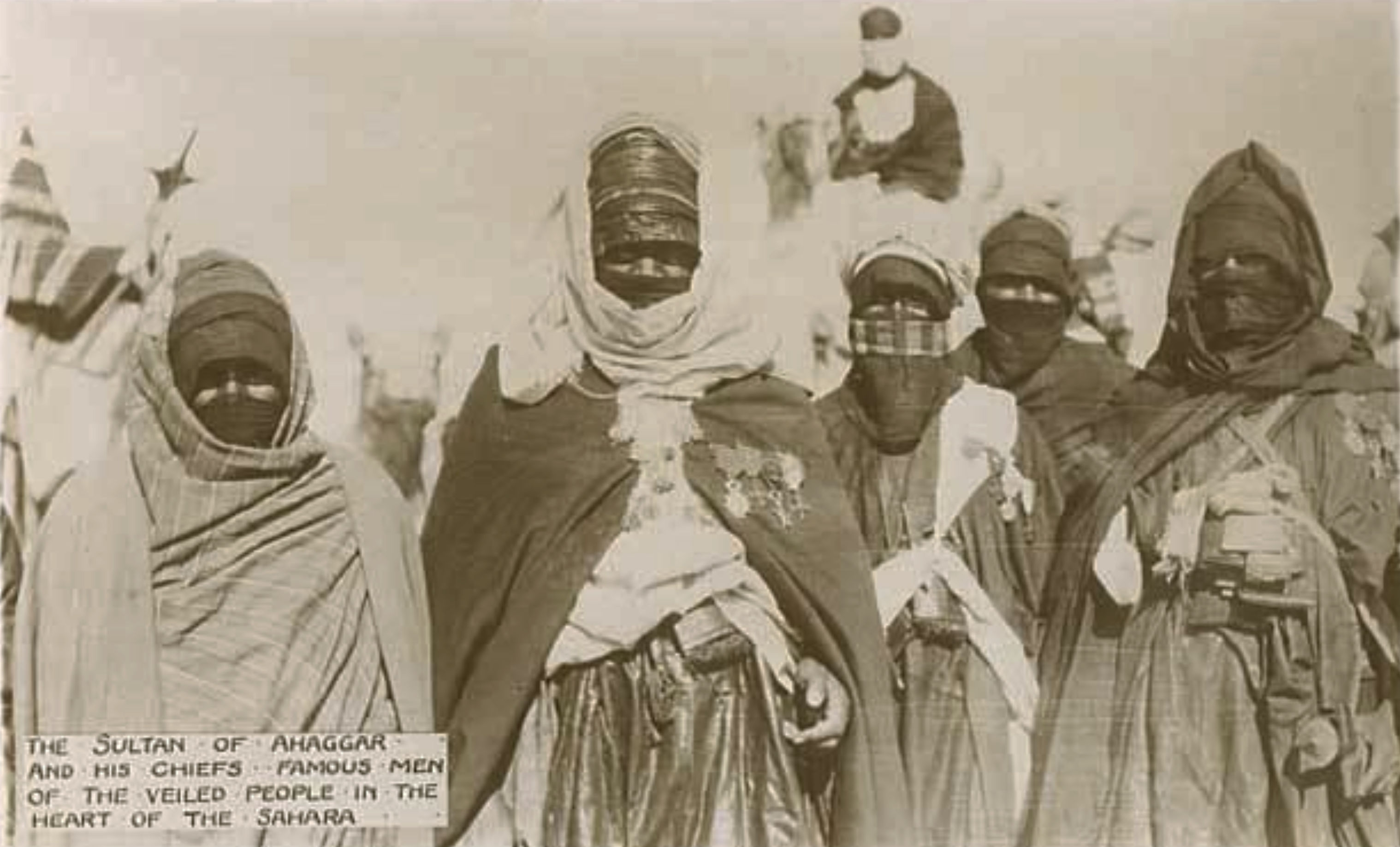
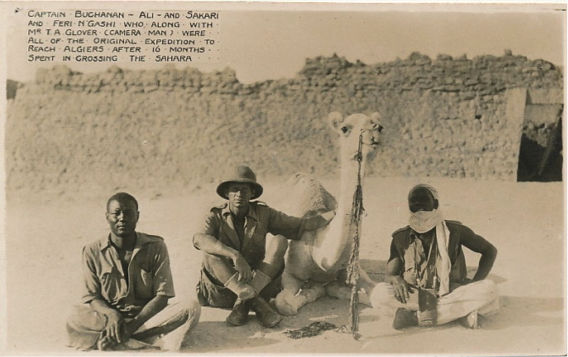
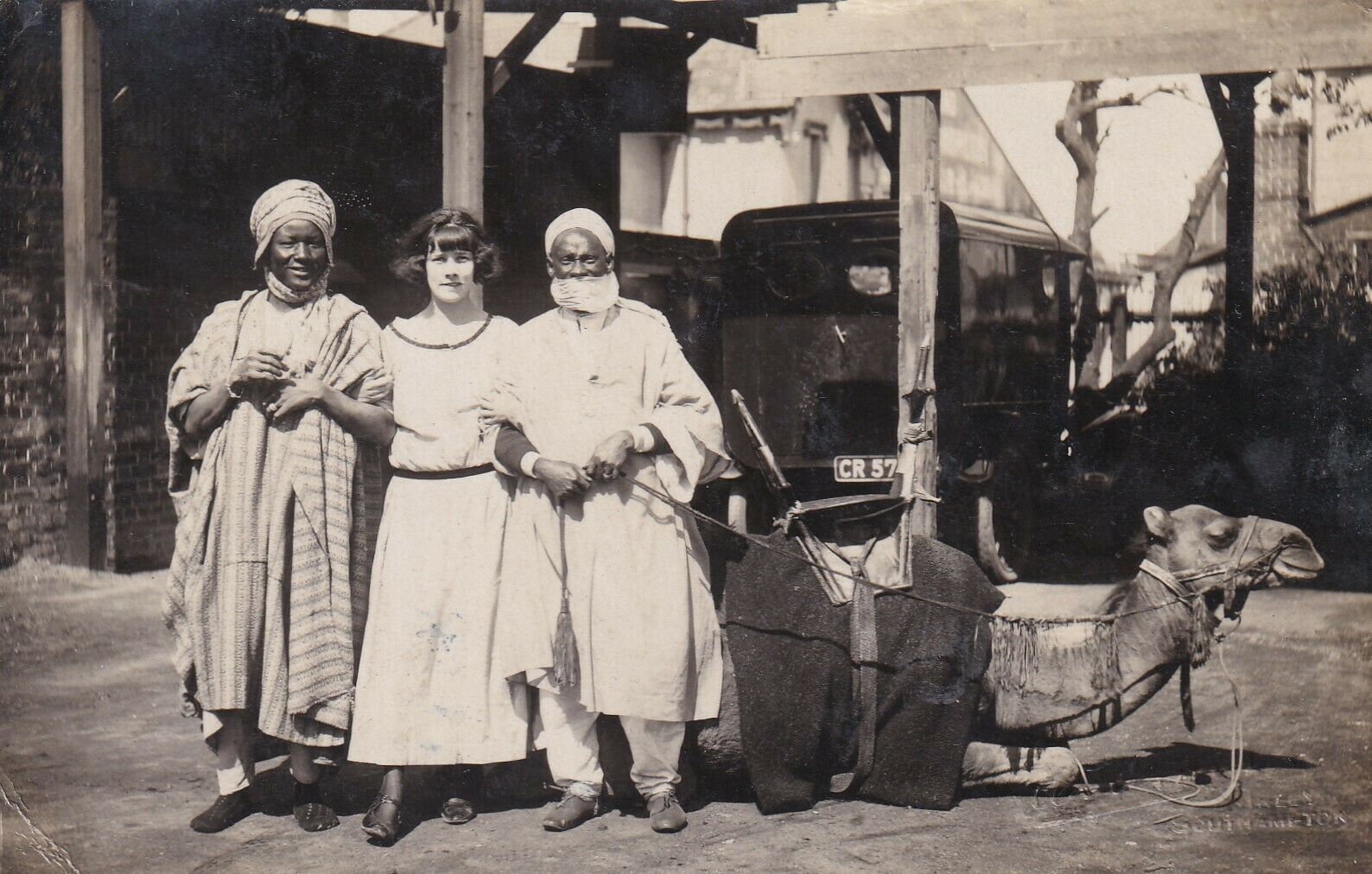

 Sahara Overland