Sahara Overland camel contributor Alistair Bestow gives an account of the Bilma salt caravan in Niger. See also the Sahara Trekking ebook
For a few years now, on my office wall at work I have had a Jean-Luc Manaud calendar, with evocative images of Niger, particularly of the Tenere Desert. It is well out of date, and has been stuck on the image of Fachi for months. I had resolved to get there this winter, and to see both Bilma and Fachi, by camel if that was possible.
I arrived in Agadez on 30th December 2005, after having travelled from Niamey by bus, and hunted down one of the guides recommended by Lonely Planet. Moussa Touboulou was in town and available to be my guide, if we could work out an itinerary for such a trip at a reasonable price. I was told that it was only really possible to travel both to, and from, Bilma by camel caravan, if I arrived in Agadez in October. There is apparently an ‘October Rush’ being the most favourable time to go for the camels. Therefore it would be possible to go to Bilma by vehicle, and then wait for a caravan to leave Bilma for Agadez.
We nutted out a deal, whereby Moussa would organise the travel by truck to Dirkou (600+km), and then 4WD from Dirkou to Bilma (40km) and then by camel from Bilma back to Agadez. He would travel with me for the full distance, organise the permit -still required for travel in this area- food, water and accommodation, if needed in Dirkou and Bilma. His fee was CFA55000 per day (approx £55 per day). We worked out a daily rate, because the number of days to undertake the travel was not certain, and I have had experience in a guide wildly over-estimating the number of days for a journey, thereby making the daily cost quite expensive. It proved to be the case here too, -Moussa estimating 30 days, but in fact the trip took only 20 days in all.
There was a few days to wait in Agadez before a truck was going to leave for Dirkou, but one was located, and on Wednesday 4th Jan 2006, we went by taxi to the edge of town where indeed a large Mercedes truck was waiting. We climbed aboard on top of the goods, along with 30 or so others for the journey to Dirkou. It proved to be nearly two days travel, the truck being overloaded, and lumbering along quite slowly over the flat, flat desert. It was quite an experience to travel this way, being crushed in with everyone else, but was thankful that it was only 2 days, and that we were not as overloaded as some of the other trucks that we saw en-route.
We arrived in Dirkou, being a surprisingly large town, on the morning of Jan 6th. We stayed overnight at a ‘friends’ house, which left me time to explore the markets under the shady trees, and to marvel at the flat absolute desert to the west. Moussa organised a lift in a 4WD the next day for Bilma, and we arrived there on Jan 7th.
Bilma is everything I had imagined of an oasis, but being larger than I expected. There are shady sandy streets -large trees I think which may have been planted by the French, groves of date palms, watered gardens of fruit and vegetables, an aging, crumbling fort, and a Grand Source of water, being a large pool of water inhabited by small fish, and frequented by birds including a spoonbill. To the north west of the oasis, are the salt works, where pools of saline water are created to allow the salt to crystallise on the surface. The workers then disturb the crystals on the surface, sending them to the bottom from where they are collected and dried. These crystals are then broken up by a hammer, have water added to them, and than are placed in moulds of one shape or another. The moulds are either a basin or two sizes, or a cone, made from the truck of a palm tree and covered with leather. The salt is turned out, and then dried into the robust forms which are carried by caravan to Agadez and beyond.
I was in Bilma for 2 days, before the caravan Moussa had located and negotiated with, was due to leave. The day before our departure, I went to the salt works where the caravan was located, and watch the parcels of salt being made ready for transport. Generally two or three cones, were packed with several basin forms of salt, in damp palm matting, and tied up with rope. The large parcels were barely able to be lifted by a man. The salt is supported, when on the camel by goat skins filled with dates -also being sent to Agadez and beyond.
On Monday 9th Jan, we joined the caravan, and at 1.00pm said farewell to Bilma. It is noted that in contrast to the caravan travel I have done in Mali, to Timbuktu-Taoudenni, that this trip saw us rent some capacity from the caravan itself, rather than having our own camels. This meant that Moussa and I were ’embedded’ in the caravan. On the Timbuktu-Taoudenni trips it has been difficult sometimes to convince the guide to travel with the salt caravans, because it is easier and faster to travel with the guides own camels.
The desert here was quite different from that of Mali, the Tenere being much sandier, having less vegetation, and more dunes, but at the same time being less variable in its appearance, than the desert of Mali. It was four days of travel to reach Fachi,. There was plenty of time to admire the wonderful creamy dunes along the way, of which there are many. We travelled from 9 in the morning to about 10 at night non-stop. It was clearly well planned, as the caravan carried exactly the correct amount of feed for this sector, until they picked up another 4 days worth of feed that they had left in Fachi on the way to Bilma. After the eighth day, we reached the Arbre du Tenere monument, and there after there was sufficient feed to be found for the camels en-route for the last 7 days of travel to Agadez, making a total of 15 days by camel.
The last 6 days of travel was through stony desert, with frequent patches of vegetation for the camels to eat, and we passed a number of villages, and nomadic Tuareg with their sheep and goats. We also travelled for a few less hours per day than had been the case for the first 8 days.
The caravan actually was not going to finish its journey until Tahoua, some few hundred kilometers later. On the last night , I said my farewells to the camelliers whom I had got to know over the previous 2 weeks. They had made me feel very welcome, and it was a great journey.
L’Universo is a journal of the Italian Istituto Geografico Militare in Florence and the current 160-page special edition features the 1933 expedition to Libya led by Captain Oreste Marchesi.
Sahara specialist Michele Soffiantini organised a special visit to the Uweinat area from the Libyan side in 2010 while researching the Marchesi expedition in detail. The journal includes an in-depth analysis of the mission’s objectives in reaching to the southernmost corner of Libya, most probably to gain a foothold at the strategic landmark of Jebel Uweinat mountain, beyond the oases of Kufra which itself had only been wrested from the Senussi by the Italians in 1931. The cartographical aspects of the survey are also described as well as a study of the mission’s surveying equipment.
It’s all in Italian of course, so I’m not much the wiser, but it’s interesting to parallel it with the better known explorations of around the same time by Ralph Bagnold from the Egyptian side, as well as Laszlo Almasy. The glossy journal reproduces some great archive photos by Giuseppe Tschon from the ground and the air, as well as some fine maps produced as a result of the expedition.
Uweinat expert Andras Zboray of FJ Expeditions was part of 2010 trip with Michele and describes their finds here, along with scores of great photos – some of which also appear in the journal. On that occasion Michele and a pal climbed the 1251-metre Cima Marchesi, a peak on the very western edge of the Jebel Uweinat massif (1934m) and therefore well inside Libya, then and now.
A short photo and video commentary of this trip appears on the Desert Driving dvd. Additional maps at the bottom of the post
Part of the occasional Sahara A to Z series Hang around long enough and you’ll get the full set
What sets the Libyan Desert apart is that it is ten times more arid than the rest of the Sahara: the Libyan Desert is the über Sahara. In an area the size of the UK through which we’d be travelling there is just one usable well and that single well outnumbers the permanent population. Looking out my window I can see more trees than we saw in two weeks and 2500km of travel. Even by Saharan standards, the Libyan Desert is extreme.
Abbreviated to ‘the Gilf’, the Egyptian part of the Libyan Desert is a mini Sahara in itself, encapsulating all the archetypal desert landforms. The Great Sand Sea lived up to its name, a dune field 200 kilometres wide and 600 long with dunes 200-feet high. It was here where the earliest experiments in driving cars on sand were made in the 1920s by the likes of Clayton and Bagnold (left). Its southern edge spilled over the massive Gilf Kebir plateau only discovered by Egyptian explorer Kemal el Din in 1925 using Citroen half-tracks.
South of the Gilf a sand sheet led to the isolated mountain of Jebel Uweinat which sits right across the borders of Egypt, Sudan and Libya. Our 2003-4 expedition was to last a fortnight and cover some 2500 kilometres. The plan was to pass down the east side of the Sand Sea to the Gilf, explore its eastern valleys and push on south to Uweinat mountain which we hoped to climb. From there we’d head back up to the southern cliffs of the Gilf, visiting the real Cave of the Swimmers made famous in the English Patient movie, and then skirt up the western edge of the plateau and plough through the heart of the Sand Sea for a couple of days to the oasis of Siwa, famed since the visit of Alexander the Great.
Our crack team of Saharaholics included photographer Toby Savage who co-presents my Desert Drivingdvd, Dr Kevin White who’d worked with Toby on the Fezzan Project in Libya over several seasons searching for prehistoric lake beds, and Oxford climatologist Richard Washington whose bedtime reading included Applied Principles of Arid Zone Aeoleonics, or ‘dust storms’ to you and me.
We’d all travelled in the Sahara with our own four-wheelers, but shipping them to Egypt was never an option: too far, too expensive and, for the three weeks we’d given ourselves, bureaucratically maddening. Better by far to get Toby’s Egyptian mate Mahmoud to lay on three vehicles for the 2500km trip. Mahmoud already had plenty of experience exploring the area himself in his old Series III. For all of us used to looking after ourselves on our own desert trips, being pampered in this way was a bit luxury. Normally navigation, the vehicle, cooking and everything else would be down to us; on this trip we could sit back, enjoy the desert scenery and let someone else carry the load for a change.
A week before Christmas, Mahmoud met us at Cairo airport in a suped-up minibus and whisked us off for lunch on the Nile before we set off for the 400-km slog south to Bahariya oasis where the vehicles awaited us. On the way we speculated as to what those machines might be because, as I knew myself from a recce tour three years earlier, the ‘Gilf’ was tough on cars. Six hundred litres of fuel – 130 gallons per vehicle – was a typical payload, let alone food and water for a fortnight. We’d expect to see no one during out travels, with only the wadis around Jebel Uweinat offering the chance to replenish the single resource: firewood.
Driving desert highways at night is always a spooky experience. Small dunes shone in the moonlight and up ahead a cluster of lights signalled a lonely roadhouse, surrounded by trucks and vans serving the towns of the Western Oases. We pulled over for a brew to find everyone on both sides of the counter huddled around a dusty TV screen, On it a hirsute and spaced-out Sadaam Hussein was getting his gums probed by Special Forces, having just been dragged out of his lair.
Next morning in Bahariya we met up with Mahmoud’s pumpkin-bellied mate Loutfi who ran a local hotel and tourist excursions into the desert and nearby hot springs. Mahmoud and the vehicles were down the road a way: he had left before dawn for Dakhla to pick up the military escort which every tour in the Gilf requires. So we bundled into Loutfi’s 60-series Land Cruiser for the drive south to Abu Mungar and a rendezvous with Mahmoud in the desert. All around us lay barren desert sands rimmed by the arching 600km escarpment that defines the Western Oases of Bahariya, Farafra Dakhla and Kharga.
In Pharaonic times what lay beyond was known as the Land of the Dead and even today, 5000 years later, the wilderness of dunes, sand sheet and rocky plateaux is still unpopulated, with just half a dozen towns of any size lay between ourselves and the Atlantic, 2000 miles to the west.
Loutfi’s 60 had just had an engine transplant, a grunty 12HT 4-litre turbo diesel, but by lunchtime it was getting distinctly hot. The needle was sitting in the red, there were burning rubber smells coming through the vents and the turbo was making an audible whine. Maybe this wasn’t the machine we’d be wanting in the Gilf after all. Our quartet of backseat drivers watched the needle and muttered, waiting for the turbo or head gasket to blow. Loutfi pulled over to let the machine cool down and, once satisfied the needle had backed off, headed on south. Again the Tojo was cooking itself but Loutfi then confounded us by pulling off the road into the desert. None of us knew quite what was going on, but heading solo off-road with overheating problems seemed unorthodox. We churned over a few sandy passes, stopped off at the famous White Desert chalk outcrops and then bundled on to who knows where.
Presently we got back to the highway where Loutfi seemed unsure whether to turn left or right. He drove down the road a bit, looking out west, then turned back north. He spoke no English so we had no idea what was going on; had he lost something? Then he turned round once more, looking hard out to the west. He slammed on the brakes and did a U-ey. Ah ha, there it was: a hooned-out sand circle, a small cairn and three sets of tracks leading out into the void. Following these, within a few clicks we came upon a desert camp, the cars locked in the customary Gilf ‘U’ formation against the northerly wind. Mahmoud was there to greet us with smiley Ibrahim in his Bedouin head-dress, our ‘guard’ Hamed in a snazzy maroon shellsuit, Faraq the mechanic and Aisa, a cool dude in a pair of knackered cowboy boots and matching hat who was to be our cook for the next fortnight.
The identity of our three desert machines was revealed: Mahmoud’s Series III-bodied Toyota, a 110 Land Rover, which also had a 3.5 litre Tojo bus engine and gearbox, and Loutfi’s other car, a red HJ45, the old squared-off Land Cruiser from the late Seventies, but also with a newer six-cylinder 12HT turbo engine crammed under the lid. With potentially the best engine, the 45 was the load carrier; inside it, three 200-litre drums of diesel were lashed down with rope while on the roofs of all cars were additional jerries of fuel which, with the full tanks, added up to 2000 litres, more than enough for as many kilometres over the next fortnight. But with no car running an original engine or less than two decades old, we could see that spannerman Faraq wasn’t going to have a holiday.
That evening, in the cozy shelter of the U-camp, Richard and I keyed in our sat phones with Mahmoud’s so we’d have some sort of comms if we got separated and things turned pear-shaped. Mahmoud outlined tomorrow’s route: we were in the very edge of a series of parallel dunes running north-south; crossing the dunes would be impossible with the cars in their current overloaded state, but we could hopefully run down the 500m-wide corridors between the dunes as far as possible and ease over any low passes to gain ground to the west.
Next morning, knowing that things would get off to a slow start, Toby, Wash and I set off for a wander into the dunes to let the cars catch us up. After an hour there was still so sign of them, so we sat down on a high dune and scanned to the east, ears primed. Finally about 10am they turned up, having had problems getting one of the engines to fire up. We all hopped in and set off down the nearest corridor to see how far we could get. I was in the white 110 which inside looked like it had been a prop in The Birds, with every surface pecked to bits and wires hanging off the dash like splashed spaghetti. Still, the engine sounded good and it carried its weight well.
It didn’t take long before one of the vehicles struck trouble: the 45 had brake problems, but whatever it was Faraq fixed it in a jiffy and we moved on until the next: Mahmoud’s ‘Lanyota’ could not shift into low range. Faraq crawled in and tightened up the linkage with a bit of wire. The rack was also sagging in the alloy roof gutters which, on Defenders, means you can’t open the doors. (You couldn’t anyway as the door handles were buggered.) And the air bags which were backing up the rear parabolic springs were squeezing out like bars of wet soap.
These were fixed as best they could be and we moved on. Even in dune corridors the sand can change imperceptibly; one minute you’re clawing along at a decent pace, next thing the car sinks like a stone – but if you’re fast with the shifting and accelerator you’ll get through it. Momentum is the key to dune driving; once you’ve lost it you may as well pull up and put the kettle on. All of the vehicles got mired in soft patches several times and we all got stuck into pushing the cars back out, the quickest way of getting going if the driver has stopped early enough.
Part of the problem was that the Toyota gearboxes in the two Land Rovers were not optimised to the Land Rover axles, creating gaps in the gear ratios big enough to frighten Evel Kineval. Mahmoud’s Land Rover had an even more alarming habit of getting on two wheels while cornering hard, something which Mahmoud tended to do with gusto; I sure was glad I wasn’t in his car. By comparison, Ibrahim in the white 110 was a steady and smooth driver, never taking risks while struggling with the same mixed-up gearing and, it turned out later, no power steering.
By late afternoon we needed to get west, but high dunes were blocking the way. Mahmoud was nosing about for a way through but the heavy vehicles were struggling in the corridors, let alone trying to get up the sand banks. At one point Mahmoud took an oblique blast at a low dune but his angle was all wrong: halfway up, the wheels on the low side hit a soft patch and the vehicle keeled over to within a couple of degrees of tipping (it’s the front cover of Desert Driving). I knew from personal experience that these sort of recoveries where very tricky. Loufti’s 45 blasted up the dune to help and got mired too, but Ibrahim managed to get the 110 into position to fix a rope on the high side of the Leaning Rover. By backing up, the Series III was heaved up to a less jaunty angle and then, after a bit of digging and with Ibrahim holding it in tension, Loufti pulled it back down onto level ground. Back on the flat, Mahmoud spun round for a good run up, this time getting the wheels a foot in the air, and made it over. Me, I was happy to be in the car with Ibrahim behind the wheel.
That evening we camped at the cairn of Regenfeld, built by the German explorer Gerhard Rholfs in 1872, the first European to venture west into the Libyan Desert. It was here that his party gave up and turned north with their camels, weeks later reaching Siwa by the skin of their teeth. Rholfs left a message in a bottle in the cairn, and since then it’s been the custom for the few passing travellers to do likewise. We left our regards to whoever came next and then spent the night by the dunes as Rholfs and his crew had done 140 years earlier.
Next morning we carried on south and emerged from the dune corridors into a sandy plain dotted with cone hills; outliers of a long-since eroded plateau. One of these cone hills was Abu Ballas, or Pottery Hill. In 1912 the British explorer, Dr John Ball, discovered a cache of smashed clay urns at the foot or the hill and the truth behind an ancient local myth was revealed. Legends had it that for centuries the people of Dakhla suffered raids from “the black raiders from the west” even though everyone knew that ‘west of Dakhla’ was a waterless sea of sand, well beyond the range of a camel caravan. One day the Dakhlans decided to follow their tormentors into the feared desert. They never caught them but their tracks led to Abu Ballas hill and the stash of water urns. They smashed all the urns, destroying the vital water cache, and the raiders never returned, probably dying of thirst on their next raid. Today the remains of urns still litter the base of the outcrop while on its flanks delicate engravings of Ancient Egyptian deities survive. Well out of the dunes by now, from Abu Ballas we turned west, following what might be called the only track in the Gilf, a braided network of ruts use by the occasional military patrols and exploratory tours like ours.
At one point we passed a perfectly straight line of 5-gallon Shell petrol tins, half a kilometre long. Marking a temporary WWII landing strip, these flimsy fuel containers date from the 1930s before the superior ‘jerrican’ was pinched from the Germans (hence “gerry can”) and adopted by the Eighth Army, LRDG and Halfords. Like the AK-47 or Douglas Dakota, the original jerrican is a functional design classic, unchanged and unimprovable.
Negotiating our way around low outcrops, isolated hills and small dunes ranges, our next destination was the Gilf Kebir plateau. By that evening we were close and camped in the lee of a dune close to Saviem Balise 22. Balise is French for marker post and in 1975 Saviem (later Renault) sponsored an expedition that tried to establish a new trans-Saharan route from the Atlantic to the Nile (see Sahara: West to East). About as useful as a fridge to an Eskimo, the Piste Saviem ‘from nowhere to nowhere’ was never used. All that remains today are the blue and white beacons they left to posterity along the way.
Leaving the lone marker post, we continued west and slowly, from the horizon’s haze, the low ramparts of the eastern Gilf began to rise. By mid-afternoon we were driving up Wadi Bakht, one of the three major valleys that drain their sands onto the plain. Six thousand years ago, during the brief humid phase before the Sahara reached its current state of desiccation, this valley was occupied by Neolithic hunter-gatherers, much like the Bushmen of the Kalahari. We camped that night at the site of a major Neolithic occupation, where we kicked up stone tools (above) and grinding stones (left) left by the ancestors of the pharaohs. It was a cold, windy night so Ibrahim grabbed an empty jerry and got a Bedouin singalong underway while we wrapped ourselves in everything we had and eyed-up Aisa’s bubbling stew longingly.
Having spent the previous night in one of the valleys winding into the Gilf Kebir plateau, we rounded a spur and powered up the sand banks to the dissected summit of the plateau. Some of the cars had trouble getting a good clear run and so to lighten the load we walked while they took a few runs. Approaching the plateau top required some hairy driving over nasty wavelets of sand and Mahmoud’s Land Rover was again getting on two wheels. We discussed what the cause might be and decided the vehicle was way over-sprung at the front. Throw in the more flexible parabolics plus a heavy roof load and it didn’t take much cornering force to get some air under the tyres.
We parked up near the summit where a cave looked out to the south like a gun emplacement. Inside, the ceiling was adorned with finely drawn beasts which would have grazed here 6000 years ago, something that was hard to imagine as we gazed out across the arid landscape of isolated hills and the distant sand sheet.
From the cave we descended the west side of the plateau and made our way south towards the Prince Kemal el Din Monument, a cairn built in 1932 by the real English Patient, the Hungarian explorer Laszlo Almasy, to honour this Egyptian royal who gave up the Egyptian throne for a life of freedom and desert exploration.
The monument is tricky to find, hidden among low hills, and as darkness encroached we blundered around looking for a way through. Suddenly our cars stopped; up ahead the drivers had spotted some lights below the cliffs that had gone out as soon as they saw our group.
The Sahara is still a wild enough place to be unnerved when you see other vehicles, and in places banditry prevails as it always did, but such encounters are unknown in the hyper remote Gilf. This lot appeared more nervous of us than we were of them; they were almost certainly smugglers. A lot of trafficking goes on between Libya and Sudan, avoiding the Libyan border posts around Uweinat by slipping through far to the south via Chad or around the Egyptian Gilf, as was happening here.
Mahmoud flashed his lights to draw them out and eventually a Toyota pick-up drew up out of the dark with a bunch of people perched on stack of drums in the back, wrapped up in blankets. Mahmoud had to coax them into talking as they were clearly edgy and wanted to press on, but once they realised we were just tourists and our military escort was packing nothing more than a notebook and a woolly hat, they relaxed a bit. The other two or three vehicles stayed out of sight. It transpired they were Sudanese guest workers taking a short cut home from Libya with more duty-free items than the transit lounge at Dubai airport. As soon as they could, they sped off into the dark to regroup with the other vehicles and moved on out of sight.
Kemal al Din cairn
Next morning Richard and I walked the few kilometres to the monument on a GPS bearing and got there just as the cars arrived. Inside, just as at Regenfeld, an old tin contains notes from passers-by, including one of the old promotional stickers for my Sahara guidebook. We turned southwest now for Jebel Uweinat, 150-km away, passing isolated volcanic craters poking out of the sand sheet like blisters. As we neared the mountain Mahmoud decided to skirt round the east side into Sudan to pay a visit to the Ain Murr well as our guard seemed OK about it. We spotted a long-abandoned border post right on 22°N, some old portacabins and other junk, and crawled through the rubble foothills until we were back on the sand sheet, with the fin-like outcrop of Jebel Kissu a few miles away. We turned west again and soon located the entrance to the shallow valley below the southern cliffs of Uweinat. As the valley narrowed and got stonier we passed some stone ruins and a stripped-out aeroplane fuselage. Once the cars could not continue, we walked on to discover the distinctly manky, algae-rimmed soak that was Ain Murr well – not a water source to rely on out here.
The bones of a dead Barbary sheep lay by the track and Ain Murr was the only place we heard the buzz of flies on the whole trip. Rubbish left by previous visitors underlined how much better it is to camp out in the wild desert. That night Aisa took even longer than usual to serve the meal, by which time some of us had turned in. But then again, he was up till 1am making his delicious flat breads, rolled out with a jack handle and fried on the lid of an old oil drum. Slow though he was some nights, Aisa managed to serve fresh food for the entire two-week trip, pulling it out from his various roof rack crates. I had endured awful food on my previous visit to the Gilf and Aisa’s far superior offerings reminded me that, just like an army, an expedition also travels on its stomach.
Near the camp we found a jerrican stamped ‘WD 1945’ and a pair of engine cowlings, probably part of the fuselage that later research revealed to be an Italian Savoia bomber sabotaged in 1942 during an LRDG raid when the place had been an Italian base.
We drove back round to the Egyptian side next day and into the much bigger valley of Karkur Talh. The valley is half blocked by a minefield, though why mine a dead-end valley with no water was anybody’s guess. Keeping a wide berth between us and the skull and crossbones signs, we powered over the sandy banks as Toby clung on in the back of the red Cruiser, doors flapping, to get some full-frontal action shots of the Rover-bodied cars.
Around here it rains about once a decade and the valley of Karkur Talh drains the entire eastern side of Uweinat mountain, the only haven of vegetation and talh or acacia trees in the entire arid expanse of the Libyan Desert. It wasn’t only us that appreciated it. Several thousand years ago Neolithic people grazed his animals here and, as at similar sites elsewhere in the Sahara, evidence of his life survives in the painted and engraved rock art on the cave walls and the odd stone tool.
A couple of us were hoping to have a crack at climbing to the 1932m-summit of Jebel Uweinat, a demanding two-day trek along whatever route the mountain offered. In a bit of a strop with his car, Mahmoud needed some persuading to continue up the valley far enough so we could have a shot at it, but as the sky lightened next morning, Richard and I strode up the dry creek bed with three bottles of water and a sleeping bag, soon followed by Toby and even Mahmoud who decided to come along too.
One of the big frustrations on this trip had been the slowness of the crew to pack up and get going in the morning. In the desert it’s customary to get up just after dawn and move off an hour or so later, parking up to enjoy some daylight before sunset. On this trip the drivers were still snoring away at 9am and, with regular problems getting one vehicle or another to fire up, it was always mid-morning before they set off. On Uweinat we were determined to seize the day!
This was all before the miracle of Google Earth so I carried a pixelated print of a sat photo showing a route taken a year or so earlier by another group which followed a likely looking valley up to the summit plateaux. Unfortunately I’d failed to lay an accurate long-lat grid onto this image and so, even with GPS, our position was just an estimate. In the end we started the day in Sudan, wandered north in to Egypt and, after an agonising late-afternoon up a boulder-filled valley, camped in Libya, about 500m below but still three kms direct from the summit – quite possibly the first people to camp there since the late Holocene. On the way up Mahmoud had discovered a new art site and our clearing even came with a bit of firewood. We were all knackered from staggering around all day on the rubble slopes and as the route onward was no less clear and would get much steeper, we returned to base next morning, getting back to the cars on the last dregs in our water bottles. The mountain would be there next time.
Uweinat was our southernmost point and from here it was north all the way, around the Gilf Kebir plateau to Siwa, still about 1000 miles away. We headed for the Gilf and the Wadi Sora cave, made famous as the ‘Cave of the Swimmers’ in the English Patient movie. As we neared the cave later that day we passed some clothes scattered in the sands, the remains of Somalian refugees who’d been dumped here by unscrupulous people traffickers while on their way to Benghazi and better opportunities in Europe. Loutfi had come across their bodies some months before. Besides the old favourites of guns and drugs, right across the Sahara it is now migrants from sub-Saharan Africa and Asia who made money for the smuggling mafias. I’d passed a similar group in Algeria a year earlier, dumped the night before on a plateau, 100km from the nearest town.
The famous ‘swimming’ figures in the cave at Wadi Sora are nothing special compared to the wonders in Karkur Talh, but the cove scooped into the south-facing escarpment of the Gilf made a great place to camp. It was Christmas Eve and from my suitcase I pulled out a pyramid of Ferrero Rocher chocolates to pass among the desert ambassadors settled around the fire.
Before I’d left the UK I’d been given a mysterious waypoint, said to be for an intriguing and at that time secret new rock art site discovered nearby, just a year earlier. Not knowing quite what to expect, we were amazed at what we found when we located the point: an overhanging shelter 30 feet wide covered in layers of rock paintings and engravings, both mundane and obscure, and all like nothing I’d seen before. We sat back in amazement, snapping away, again and again finding new detail and connections. Mysterious headless creatures shared the wall with handprints, rows of dancing figures and long-vanished beasts. Said to be the most significant rock art discovery in the Sahara in 40 years, it shows that the Sahara has many secrets to give up yet.
We were now heading around the west side of the Gilf, at times creeping over the Libyan border on to easier terrain, not that there was anyone there to stop us. Without the plateau’s protection, the north winds blew down on us and chilled the day, and next morning Mahmoud’s Land Rover was so groggy it needed a good session with the gas stove under the sump before being towed reluctantly into life.
We curved back east towards the edge of the Gilf and found ourselves on a trail of camel bones: the old raiding route from Kufra in Libya to Dakhla (via Abu Ballas, see above). By mid-afternoon the plateau receded and before us the pale dunes emerged: the final run through the Great Sand Sea to Siwa which, even with the now lightened cars, would be the most difficult part of the route.
We came upon a group of cairns marking an entry point to a northbound corridor which led to the so-called Libyan Desert Glass Field, discovered in the 1930s by one of Bagnold’s chums. At the time the origin of the pale green LDG (above) was still a mystery: the result of melted sand following an extra-terrestrial impact, or a more prosaic flint-like concretion of sediments? Kevin had his ideas as we strolled around the gravel corridor like beachcombers, unearthing fragments of glass. Even though no evidence of an actual crater has been found, since out visit shocked quartz has been detected in the bedrock of the LDG field. This supports the theory that it was indeed formed by a meteor impact some 28.5 million years ago, rather than an atmospheric airburst (passing airborne meteor) which can also melt the surface rocks. Similar green glass is found in heat-fused sand at nuclear bomb test sites.
Some bits had even been carved into Neolithic tools, and a few years ago it transpired that an emerald-like gem in a piece of Tutankamun’s jewellery (left) was in fact LDG, suggesting the pharaohs (or people they traded with) roamed further west of the Nile than was originally thought.
We left the glass field, with 500km of dune driving ahead of us. The Great Sand Sea is composed of dunes that run in parallel lines for hundreds of kilometres from the Siwa Depression to the Gilf Kebir in the south. But the further north you go the more confused the dunes become; the easy corridors close up so that by the time you near Siwa the dunes are in a complex, non-linear jumble that makes progress very slow and dangerous, even with our greatly reduced payloads. I’ve never been a fan of dune driving and was not looking forward to this section; besides the dangers, dune driving is hard on the cars and your nerves, and is not even that interesting. Although it’s exhilarating when you get it right, because of the need to maintain speeds or sink, it’s only a matter of time before you blow it.
It was my turn to be in Mahmoud’s car that morning and I wasn’t thrilled by the prospect. Over the previous few days, either the flexing body or the need to really slam the doors shut had cracked the windscreen which was now held together with stick-on shading. Then, when the back passenger door I was leaning on flew open as Mahmoud executed one of his signature swerving manoeuvres, I decided enough was enough – I would rather take my chances being brained by the oil drums in Loutfi’s Toyota than put up with Mahmoud’s erratic driving.
By the end of the day the gravel corridors closed up and filled with sand and we began to tackle the dune banks to reach the adjacent corridor leading north. We were all secretly pleased when Mahmoud decided against pushing on for the direct route to Siwa and instead chose to skirt around the less severe formations to the west, along the Libyan border. Even then, the cars regularly sank into unseen soft patches. We ended the day close to the Libyan border, knowing that tomorrow there was no choice and we’d have to head northeast, back into the Sand Sea, to reach Siwa.
A heavy dew covered us all the following morning, a sign that we were in the more humid Mediterranean climatic zone. The dune lines kept pushing us away as the drivers scanned for a low pass to make a hop to the east. At one point Mahmoud was on the very crest of a drop when a harsh gear change popped a half shaft – not surprising with a 3.5-litre bus engine turning the original Rover axle. In fact, it turned out to be only a stripped hub drive flange and was easily changed while we warmed ourselves in the sands over a quick brew.
With drive restored Tobe got into position to film the cars coming down the slope. Loutfi rolled down in the red Tojo then Mahmoud eased over the crest, but for some daft reason eased to the left where a slight hump pushed up the wheels and slowly tipped the top-heavy Land Rover on its side with a thump and a clatter.
For a few seconds the upside down engine turned over, sucking sand through the snorkel and oil into the cylinders. A few moments later it stalled and Mahmoud emerged from the capsized wagon unhurt and flopped down in the sand in shock, followed by Aisa and Faraq the mechanic. Luckily Mahmoud had had a cargo barrier fitted which had stopped gas bottles and the like bouncing off their heads, but the roof rack’s contents spilled down the side of the dune.
While these were collected, Ibrahim brought the white Rover down the dune with no drama and a rope was run from the fallen car to the powerful Tojo. The conspicuous silence from the crew made it clear that they too thought that Mahmoud had been an accident waiting to happen, though as it turned out it was his pride which received the biggest dent. Excuses that the parabolics sprang back and pushed him over were diplomatically dealt with as the car was dragged down the slope and pulled back onto its wheels (see video below). Faraq set about ejecting the oil from the cylinders and removed the sand-caked air filter which could be cleaned later. Just an hour after the tumble the Mahmoudmobile started with a puff of black smoke and settled down to a steady tickover.
Chastened by his experience, we continued cautiously northeast, now recce-ing possible passes on foot and easing gently down the slip faces, knowing that it wasn’t over until it was over. Limestone pavements protruded from the dunes and bits of vegetation popped up here and there. At one point we discovered some fulgarites (sand petrified by lightning into a glassy helix tube) as big as an arm. Our homesick crew could smell Siwa and were keen to press on, not least Ibrahim whose wife was expecting their seventh child any day. But by dusk we did the right thing and stopped a couple of hours out of Siwa on a chalky outcrop studded with fossilised sea-shells.
By mid-morning next day we’d worked our way through the dune maze and were looking down on the inky blue lake which led to Siwa, feeling like we’d finally come ashore from a long sea voyage. On his home turf now, Ibrahim led the way through the dunes to the hot spring of Bir Wahed (above) where were scrubbed off a fortnight of Saharan grime and ordered a string of Oranginas and crisps as if they were the very fruits of Eden.
Towards the end of Desert Riders in 2003, Jon and I met Rainer Bracht and his party in Tam (left), a couple of weeks before they were all abducted off the Graveyard Piste (Route A2 in the book) along with what eventually proved to be 27 other tourists.
The 6-month journey of Group 2
Part of ‘Group 2’ who did the full six months and ended up in far northern Mali, rainer co-wrote 177 Tage Angst with his wife Petra who waited in Germany for his release. At the time I considered having their book translated, but in 2004 was told by my German reader (a bike rider but not a Saharan) that is wasn’t so good. Then in 2015 I came across parts of their story archived on a German Motorrad (page now a 404) magazine’s website from 2004. Even reading it through Google translators helped fill in the many gaps in their baffling ordeal – not least how they got from a canyon near Illizi, right across Algeria to northern Mali as far as Taoudenni (see map above). In 2019 the links were no more (actually they got renamed) but I had the foresight to copy the translations and pictures which are a gallery at the bottom of the page. As you can read, I didn’t make any attempt to tidy up the translation. At this time I also came across this interesting article (now paywalled) in the New York Times, which includes video footage from the event.
Hostage drama in the Sahara, Part 1
The Nightmare
177 days of the Sahara driver Rainer Bracht was with 31 other hostages in the hands of Algerian terrorists. At home, his wife Petra experienced during its one of the most spectacular search and rescue operations in postwar history. In a multi-part documentary MOTORCYCLE now published the records of the two. What happens when a motorcycle vacation for inferno?
Sahara hostages
Petra: Tomorrow is Sunday, the 9th March Rainer’s birthday. Slowly, I am in great trouble. For a week of Rainer and the other three boys no sign of life from Algeria. On 7 they wanted to be on the ferry. Something’s not right. Yesterday called on Christian’s friend Esther, totally excited. Christian was overdue for a week. I reassured her still, he was sure stayed with Rainer, Martin and Arjen longer. But the latest from Genoa to Tunis or Rainer would have reported it! He has frequently called by this tour. Said that I’m missing him. Normally we always travel together, but due to a surgery I’m not going this time. In his penultimate call from Djanet he raved about the beautiful dunes that told how well run everything, the mopeds, the tour. From Illizi he reported yet, that they have abandoned the planned route over Tarat or Qued Imirhou – the Tarat-east route is only an unattractive junk slopes and Qued impassable after heavy rains. There go to the graves runway tomorrow. As much as I would like! As much as I love myself on a previous trip to Africa into this landscape, the red sand with black stones and green bushes. And then he added that he call back from Tunisia! And would never go on vacation without me, because that would somehow nothing! Thanks, Rainer. I am glad that he missed me! Arjen friend Marten ringing through. Where is Arjen? In the night I call the emergency number of the embassy in Algiers. Everything in me is terrified! I feel that something has happened. Petra Bracht senses instinctively that Rainer can not stop calling. However, they do not know that he is being held by Islamist militants for the past two weeks. Approximately 24 hours after the call from Illizi was the holiday of four desert rider with one blow to end. Rainer: It is the evening of 23 February. We camp just before the fountain Ain el Hadjadj in the dunes. Suddenly bikes are heard. Really strange, because usually no one goes in the twilight. I look carefully and discover a convoy on the graves slopes. Several pick-ups with fitted machine guns, a red Toyota Hiace and three bikes. Back top long-bearded passenger with Kalashnikovs slung. Does not look good. When I turn around, I discover my passengers are visible from afar on a dune. Damn! The convoy promptly turn off in our direction, the armed men grouped around us. Strangely, I have no fear. If it were fundamentalists of the GIA, it would not have taken the other, but equal murdered. As it turns out, they belong to a Salafist Group for Preaching and Combat, GSPC. We have nothing to fear, they assert. Once a few “little things” would be regulated, we could go again. But first we have to come. We pack and start each with a guard on the bike after a short runway graves to the south. These side slope is extremely difficult and the pillion-riding in the dark plus hairy. In a heavy rock passage Arjen crashes, dislocated his arm. He can drive, but has a lot of pain. At least the shoulder is not dislocated. Completely exhausted we camp at daybreak in hiding. We are to eleventh. The Swiss Toyota crew Marco Hediger, Reto Walter, Sibylle Graf and Silja Stäheli and Frank Gottlöber, Jürgen Matheis and Sascha Notter with two KTM and a Africa Twin. They were taken the night before us. Under cover of darkness, the convoy sneaks into the next night on. We build on the desert slopes just 20 km until dawn. Three nights is the way until we reach the final hiding place. We must be about 90 kilometers southwest of Illizi. Petra: On Monday, the 10th March Algiers confirmed that the four men did not leave the country. I totally messed up. What do you do now? The Foreign Office has been informed by Christian’s mother. The idea of going to the police, I reject. ‘m Afraid to hear my husband had grown up, and anyway, who go to Algeria would not be surprised. The sub-forum on the web! That are closer! Who has the four Endurists Martin Hainz, Christian Green, Rainer Bracht and the Dutchman Arjen Hilbers last? On the same day we put the members first demand the net. The Foreign Office to take the matter seriously, however, not really. They probably have their reasons, but at the moment I am almost mad. It will be better when we explain to assume the cost of cars and helicopters. Finally, the search begins. On the graves runway first. A friend of Tamanrasset reports by mail from previous heavy rains in the region. They may have difficulty getting by. Let there be progress but also bandits and raid possible. Esther thinks about flying to Illizi. She speaks fluent French and has a valid visa for Algeria. I ponder half the night: When the four a technical problem forced to stay in an unhappy place … We had Qued Imirhou years ago just such a situation. Nightmare! The idea of being surprised in the night by a half meter high mud avalanche … Meanwhile, more and more people are signing in forum Sahara give untold information. The nights I sit at the computer during the day often up to eleven hours on the phone. Can call, call: the information go back and forth. And Martin’s parents in Bad Tolz do not have an internet connection! I think they laboriously by phone to date. Martin was always of the view that the Internet is a waste of time killing machine. For me it has become the hub of the world. Rainer: By day, our hiding place turns out to be a partially covered with stone slabs crevice in a canyon of Tamelrik Mountains. Two meters wide and 20 to 30 feet long. »Hotel mujahedin,” as it is called our guards. Since October live some of them here, even built the connection to the graves slopes and managed everything you need for a hostage-taking approach. Within sight of the guards we can move relatively freely in the canyon, build a stone seating set and table out of my tent over a solar sail. Loamy brown water, there are a few holes in the bottom of the gorge. Some of us are disgusted, but I decided to drink and eat everything that is there. In the morning there is bread as much as we like, noon and night lentils, beans, rice, pasta and cereal in various combinations. Marc conveniently, nor can save jam, cereal and other goodies from his Toyota before the car was left on the road with motorcycles. We were allowed to take our luggage. Some even still cheat by camera and film, while GPS, maps and guidebooks migrate to the kidnappers stocks. The one needed for the jihad, the Holy Krieg.Petra: Search on the graves runway is terminated unsuccessfully! Meanwhile, the sub-forum announces another missed group: four Swiss Toyota driver, also overdue since the end of February. I’m in the greatest excitement. When the storm had passed through a disaster, but then you would have to find something! Garments, motorcycle parts, tents … something! One could certainly save themselves! It just can not be that all fall at the same time a mud avalanche victim. Arjen’s relatives say suddenly, our people had never arrived in Illizi! Arjen’ve only spoken of Tarat and Qued Imirhou and this is also stored in his computer. Ominously, provide neither tents nor sleep in Illizi proof of the group. Maybe the stupid registration forms were not merely been filled … I’m now almost crazy because it all depends on my memory of the last call. Rainer was Illizi – I’m sure. Repeatedly call people who were themselves in Algeria or tell me who might have seen her last. Including tour professionals like Gerhard Göttler, Axel Därr, Dieter Werner and Hoepfner Nöther. Especially they are important people! I do not know what I do without them würde.Rainer: Soon we come with our guards talking and find out that their organization GSPC, an offshoot of the Islamic FIS party was, who won the early 90s, the elections in Algeria. However, this was subsequently annulled by the military, after which the GSPC moved against the regime in Algiers in underground fights. A motley group sits around us, from the farmer to the university graduates, only united by the belief that an Islamic society is the solution to all problems. The GSPC is organized into nine divisions, each comprising 40 to 50 fighters and a commanding Emir. We are prisoners of the 5th Division with the Emir Abd el Razak Amaria Abu Haidara – as a former paratrooper and Army deserter also called Para el. He is regarded as extremely ambitious, experienced in abductions and manages our action supposedly alone. The troupe was apparently been on his way to Niger to buy weapons. As they hit the slopes the graves, they came up with the brilliant idea to fund their arms purchases by kidnapping tourists who are traveling on the slopes. Petra: A new motorcycle group is missing. Jürgen Matheis, Frank Gottlöber and Sascha Notter. They are not on the 14th for Booked ferry and arrived in March were also on the graves piste. In the opposite direction, from Bordj Omar Driss to Illizi. When I think of the German Embassy in Algiers by giving the new development Maas woman, she almost loses his composure. Now is finally clear that something very different is behind it as getting lost or mishaps. Rainer 9 March, today is my 46th Birthday. It’s pretty bad. Although Sibyl and Silja even muster a bouquet of desert flowers, I can not repress the thought of home. Normally, I would come home today, and we would have celebrated. Petra is now final for a certainty that something bad must have happened. I hope she keeps it by. The next day the Mudjahs appear with four other hostages. Accidentally discovered by our guards, as they sought an escape route for road Illizi Fort Gardel. A path through the deep canyons they did not, but the four Augsburger, who made their all-wheel Iveco’s on a guelta, a water point, pause. With Kurt and Erna Schuster and Michaela Spitzer and Witek Mitko we are now to the fifteenth. It is tight in the Felsspalte.Petra: To limit the search area, we ask Ms. Maas on scanned again that our people may have entered at a military outpost in Hassi Bel Guebbour, El Adeb or Larache In Amenas. The thing now seems to be taken more seriously. Zermürbenderweise are the Dutchman Arjen records unchanged for the view that our group had never arrived in Illizi! The chaos in my head is continually increasing. Why I remembered the last phone call not accurate? But who would ever have guessed how important this would not? The search is directed to the opposite direction. Esther has now finally flown to Algiers. Messed with the nerves she called. I do not get it right what she wants. Just that it is now looking even. With Mr. Zegri, the campground operator of Illizi, she drives two days long from the Tarat-piste, while helicopters and search there on Qued Imirhou from the air. Mr. Rainer Zegri knows, and I put all hopes on him. But the search has no result, after two days they returned with ruined tires back from driving too fast on the crummy slopes. So also on the route Tarat nothing. I am driven by the fear that we are looking in the wrong place. I express the Foreign Office to assume that they may have been arrested by the military near the Libyan border. Could not be, it is from Berlin, an incident should be reported within three days of the German authorities! Well, the good man has never been outside Europas.Rainer: With a small radio we hear German wave. Thus we learn that we are at least missing. Apparently, there are suspicions that we had lost our way, as the Americans would eventually shut off the GPS because of the early Iraq war. Or be drowned in a wadi or left lying without gasoline. No word of a Bekennerschreiben.Petra: In sub-forum, travelers who have obviously made the last picture of our boys report. It shows it on the afternoon of 21 On February Tin Taradjelli Pass. Tragically, the pass is before the crucial bifurcation Tarat slope or Illizi. So the key question remains open. Now all three groups. All disappeared between 23 and 25 February and must have been in the area of the dunes along the Oued By Stieges Samene. Arjen’s members have taken leave and research team. I find it even more difficult for alone, either friends or traveling far away. Finally I will make with our brothers and sisters the “free table everyday crisis.” We try to give each other and Rainer Kraft. Rainer: Finally! With the disappearance of the Augsburg seems to be clear that a crime exists. Algerian army helicopters circling suddenly over the region. We must now crevice day no longer leave. First, we are totally euphoric, try to enter characters, painting at night SOS in the sand. But they circle and circle, turn off again. They need to see us! Eventually, they stay away. Frustrated, we slump back into the now adopted lethargy. Almost a month it is now already. Up the smokes tobacco, read everything readable, already played the homemade card games list x times. Some shimmy from day to day, hoping constantly new, I’m trying rather to adjust to the situation. Worst of all, never to be alone. As the source dries up under the rock with the beginning of the summer, I volunteer to fetch water at a guelta. An hour way. Easy. But it’s a change of pace. But when others then wash with the high difficulty towed water hair or feet, it is difficult to remain friendly. X. will tablets. We have a few, but ration them for really severe pain. X. is depressed, it was probably before. An attempt to break the journey, which now went completely wrong. I do not know how you have to be built to endure this eternal waiting. Unstable anyway nicht.Petra: In sub-forum offer all people who wanted to continue for now to Algeria, their help! We ask them to warn other tourists, because so far hardly anyone knows about the matter. They distribute leaflets with messages Search on the ferry, beat them on the campsites in Tunisia and Algeria. However, in Algeria they disappear immediately. On 17 March brings PICTURE first little article. The beginning of an avalanche! Rainer: On the fiftieth day a helicopter lands near and burns down a pick-up of fundamentalists. They see us in the rugged terrain not? We must immediately leave the hideout and pull 500 meters into a cave. Petra: On 19 March flies Maas woman from the embassy with a Swiss colleague itself to Illizi. You rent cars at all, which can roll and provide Mr. Zegri commissioned to conduct the search operation. Weird is how I learn later that all search teams, 17 against clock every day back. Strange in the size of the area. I often wonder which side of the Algerians are actually. It was decided to send out a camel caravan that was to scour the area for two weeks. So you would see more than cars, they say. Luckily, the Swiss have money there. The people down there so far, all expenses on their cap. Sometimes I am speechless. On 24 March breaks up the caravan. Parallel to this increase helicopter with thermal imaging cameras. And by the night when Illizi there is still no evidence. Rainer: On 30 April 19th is our Wedding day. A day that we hardly register at home. Here it feel quite different. To me it goes bad, and I’m afraid Petra also. I think a lot of sie.Vor some time, the Emir has disappeared with 20 fighters, only runs via radio contact. Finally, the message is that this squad has taken 17 other tourists as hostages. Now there are 32 prisoners, but not claiming responsibility. Meanwhile, food is scarce, rationed the bread and the water content in the soup steadily larger. Christian tries to speed up negotiations by our release. As a result, our leader Osama comes to such useful things like new shoes, otherwise nothing will change. In my opinion we do not negotiate, but other than us. With this view I am quite alone. That would probably beyond my horizon of “wait and see”, they say. I hate illusions. But I’m pretty patient and keep good relations with ordinary warriors more important. Like Osama, who regularly zusteckt us something, or Abu Hafsa, who sometimes secretly bread for us backt.Petra: More and more tourists are reported missing! Now the authorities are wide awake, so many well-equipped teams can not just disappear. On 1 April is the Foreign Office a crisis. Slowly all understand what happened. But if it’s a kidnapping – why is there no demands? Police report, I must now make a missing persons report. Note Rainer’s personal information. And take fingerprints and hair for DNA analysis … I hope that you will not ever need. I know they live! Part 2 follows in MOTORCYCLE 25/2003
The hostage drama in the Sahara, Part 2
The Wait
In the second diary part of the 177 days’ duration abduction by the mujahedin Rainer Bracht depicts the liberation of the hostages and the first subsequent grueling run through the Algerian desert. Meanwhile, his wife Petra followed the increasingly complex rescue attempts by the German government. And both try to survive the months of anxiety and waiting. He in Algeria, they in Detmold.
Rainer: For nearly three months, we are now sitting in the holes of the rocks Tamelrik Mountains, and nothing moves. The search helicopter not come for a long time, the food is scarce and nothing more depressing. We just doze off in front of us. The Constitution in our group is different. I, by nature, more patient, it is quite good, the other is our captivity to pretty. Some are depressed. The heat is more extreme. It’s almost May soon as the summer begins. Some time ago, the boss of the kidnappers has gone to a second group hostage, holding only by radio contact. Petra: The matter has now reached the highest levels. Foreign Minister Joschka Fischer and Schily were in Algiers, Chief Federal Prosecutor Kay participants initiated an investigation against an unknown terrorist organization, GSG 9 is located in Algiers on standby as well as officials from the Federal Criminal Police Office and Interpol. No one would have ever expected such a thing! One suspects a daunting logistics behind it all. There are now 31 people disappeared, including vehicles. 15 German, ten Austrians, four Swiss, a Swede and a Dutchman. And to hide and care for them is not so easy in the Sahara. It is now convinced that the disappeared live. But there is still no claim of responsibility. Rainer: On 5/13/03 added a radio and a radio message saying our guards into euphoria: the other 17 hostages were free. They congratulate us, in three to four days was safe for us all over. Our group is in high spirits. Only Martin and I remain skeptical. We believe that only if the Mudjas without us disappear on the horizon, we are truly free. The hiding place we have to evacuate in haste and join the rest of the remaining troops. After four days of runway wild ride we meet the emir (commander) in Erg Issouane, north slope of the graves. What we learn is disillusioning: Non negotiations had our fellow redeemed, but the Algerian military. The hostages were unharmed, but some of it Mudjas to-come. Now there’s danger, the kidnappers are now on the run. Spread over several pick-ups, a new hiding is searched. Petra: Meanwhile, the detectives take care of the matter in Germany. Twice a week they come over, are quite touching. With them, everything will be better. I finally contact. The previously competent Foreign Office moved out voluntarily not a syllable. The officials also help me as mundane things like Rainer’s work situation, to regulate the health insurance and pensions. The absences are always longer, and besides, no one knows what state he comes back … Thank god Rainer employer behaves extremely fair.Rainer: After a few days we find a small and steep dunes boiler, which is available only from the air. By radio Mudjas order the food and spare parts that a little later – brought – presumably by members of the base of supporters. The kidnappers are well organized. Already on the way here we passed depots with fuel and food. We remain five days to repair the dilapidated and battered car accidents. Since Arabs only screws, if properly what is broken, there are regular periods. To pass the time we help. Missing a hole somewhere, it is promptly shot into the Kalashnikov. The heat is bad. We only have one side attached to one of Toyota’s plans, under which we crowded together like sardines squat. The water is transported in 200 liter barrels that previously fuel, oil or chemicals contained, thus affecting the taste impact is not always positive. One of the women prisoners, the question arises whether it is possible for the drink, but it was a health hazard. Leave it, I tell her, then you’re thirsty tomorrow, or drink it, then you might get in 30 years Krebs.Petra: We have an appointment at the Foreign Office! He-wait, I was not too much of it. However, I’m getting ready for the day as much as possible. We learn to work with the Algerians course good, everyone give his best. But it was a lot of tact necessary in order not to bite on granite. Even if we had trained hostage rescue teams like the GSG 9th From the family circle, I’m the only one who was ever in Algeria and can not imagine working with African authorities halfway. Rainer: Finally we leave, head north-west through the erg, again crossing the graves in the north runway and pass the dunes of Erg Tifernine. From there it goes through the slopes of Bordj Omar Driss to Amguid, direction Arak. Sometimes we are on the go 36 hours without a break, the day in the meantime mercilessly scorching sun. The pace is grueling, often we can just cling to the open shop space. Multiple roll over the pick-ups, but miraculously no one is seriously injured. It is really bad when the Mudjas see gazelles. Gazelle meat tastes delicious, like deer. With up to 100 km / h then rush yourself otherwise level-headed driver with us through the terrain, firing wildly until the animal killed ist.Petra: The press has finally added weather and reporters stationed in Illizi. As they get little information as soon circulate more audacious speculation. In general I can put away the things. But if in local stations now and leaves strangers any bullshit about Rainer tell me sometimes go through the nerves. On 5/16/03 we are in-vited to Berlin again. The atmosphere is more relaxed than last time I trust gradually, that everything possible is being done to rauszuholen our people there. In the evening I write a letter to the Algerian President Abdelaziz Bouteflika, thank him for his cooperation with Germany, hit him my trust and hope from. Maybe it helps. Meanwhile, another German is still missing. Klaus Bockelmann, Archaeologist. I ver-seeking, endure with Arab peace. Oddly enough, I am convinced that the hostages are not abused. As past kidnappings in Yemen have shown that. I know Rainer is alive and strong in crisis situations. This also makes me strong! He is with me every second, we are one. Rainer: After a few days we will reach a water point in the Mouydir mountains, north of Arak. But all around is Kamelkot, the water is contaminated by urine. Hassan, with 72 of the elders assured, the Qur’an says, camel urine is healthy … Maybe rub the warts, but to drink? Two days later, we prefer to walk another hour to three beautiful lakes. Paradise we call this place, where we will stay for three weeks. There are water without end, we can even swim. In addition, we are out of sight of Mudjas and may move freely. Only at mealtimes, we come together to see about three months finally almost like privacy. How we have longed for it! Each dozing in a corner, up to 16 hours a day. However, there are poisonous vipers horn. Their tracks are visible in the morning sometimes 20 to 30 inches from the head end of the sleeping bag. In three weeks, we killed nine pieces. But since we are not on the menu for the Vipers, only danger is when one enters or proposes to one. But probably not affect us anyway too viel.Petra: On 13/05/03 logs suddenly by 21 clock the Cid Bielefeld. There had been a hostage rescue in Algeria. But not all are free. Whether they are still likely to come over? Course. Keep calm! It does not feel as if it would be Rainer. Confirm it when they arrive. There were two groups, and one had been freed by the military. All the hostages alive. One officer stayed here. No one knows what will happen in the next few hours. As of now, there is a news blackout – no info, even to close family members no longer. The next morning, it’s the top news on the radio, the freed Austrian ex-hostages texteten it euphoric in the mics at the airport, all are free. Unfortunately, only all Austrians. The phone is ringing is hot – endless calls and congratulations I must reject, no, Rainer is not there. Despite a news blackout, I now inform the next of kin. Rainer: The Mudjas were shopping. In addition to clothing and food they bring a large bottle of perfume for each of the women. Touching! In the ver-western clothes we suspect that it is the “estate” of the freed hostages. A camel is killed, which greatly improved the supply situation again. Only our vegetarian feels weak because he refuses even pasta and rice that have been cooked with the meat. Poorly comprehensible principles. As an avowed hater now I would eat carrots and carrots. Petra: 05/15/03. The Austrian newspaper Krone sold the expedition leader Gerhard winter dish exclusively the terrible experiences of the ten Austrian hostages under the scorching desert sun, Michaela and Andrew Joubert Kiehlechner also report on the weeks in the hands of the Mujahideen and their happy deliverance. It is almost unbearable. At 16.5. We are once again loaded into the Foreign Office. The relatives of the freed hostages no more. Foreign Minister Joschka Fischer talks about his recent visit to Algiers and a long conversation with President Abdelaziz Bouteflika. Again, they emphasize the loading hutsamkeit, which must be negotiated with. The following Sunday, I write one more time to Bouteflika, but also to Joschka Fischer, Gerhard Schröder and Schily. I am now convinced that everything conceivable is done to bring back the remaining hostages unharmed. Wait, wait again. I grit my teeth. The rest I can do also, definitely. I have to stay strong! Rainer will take me when he comes back. In the evening, I ask the police to talk to Rainer’s parents. I think she does not trust me anymore. The cops can something beruhigen.Rainer: On 06/25/03 our guards shoot a video and write a letter of confession with our help. Addressed to the Swiss and the German Embassy. Arjen gets nothing because his Dutch representative is not in the guide. When we read that the Emir calls for 45 million euros for us, we are horrified. His confidants reassure us. Firstly, three million per person would be clear, on the other hand it was indeed only the basis for negotiation. Originally, he had wanted to extort 150 million and the release of Algerian GSPC members from custody. Of which they would have dissuaded him. We also have the opportunity to write a personal letter. Sybille my translated into French, so that it can be controlled. I report that we have no worries, because our “tour guide” takes care of everything. Even the weather was good, no one would freeze. With such stupid jokes Petra will notice that I hale and hearty bin.Petra: On Monday, 05/19/03, chaos breaks out again! The remaining hostages were on their way home, it trumpeted from all channels. The phone is not standing still. But again, it’s not true. An unconfirmed report, many of which could be carried away. Even Claudia Roth announced that four Augsburg were on their way home. It is their constituency. The children have decorated the apartment. A day later we can see in “Beckmann” Family Bleckmann in the ARD. At 21.5. Family Rupping on ZDF in “Johannes B. Kerner.” Day after, there is a major earthquake in the near Algiers. But I’m sure the hostages are far enough away. On Friday, 5/23/03, there are 90 days! I am getting tired, which is not to describe. The moment at which we can take us back into the arms will come. And only ours. Our 19 Wedding day! Somehow I pack also. Send love letters friends. Rainer: When the written letter of confession and our belongings stowed in the car, nor will quickly patched the tire, then we leave. Add up to 48-hour marathon stages we race towards the southwest. To Mali, as we suspect. The water supplies are replenished way. In a former French nuclear test site. No problem, the secretary of the Emir claiming radioactivity is washable. Petra: Gerhard Schröder and Joschka Fischer Schily have meanwhile written back. I have read several times Mr. Schilys letter. It is very personal and helps me badly. Meanwhile, soon is Pentecost. With the Africa Festival in Lißberg to which we have been going for many years. Since I can not away, I pray, read a message. Also, in the Sahara Club and the “DÄRR ‘meeting. There they even want to take a minute of silence for the hostages. I can not put into words how I am pleased that! Thank you that it is people like you! Soon available on my second hip replacement surgery. I’m afraid not to be there at the crucial moment and have to force myself not to cancel the surgery. Today is the 113th Day since the last time we talked. We have not seen us already four and a half months. At that time there was snow. The almond tree that Rainer so like, he did not see bloom. Meanwhile, we already harvest the cherries. Rainer: The Sahara summer is upon us, and the heat becomes increasingly worse. Often prevail loose 50 degrees in the shade. It exists only rarely. With us on the open shop space, the kidnappers chase through the desert südalgerische. As the water points are far apart, they ration the water. Sometimes two liters per day. I share it in, every hour a sip, the chewing and long in the mouth for. It is grausam.Petra: On 17.6.03 I have to go to the hospital. A serious way. I explain the situation in which I am, and it shields me, as much as possible. The operation runs smoothly, and I’m recovering surprisingly quickly. One less problem! The last day I treat myself to a visit to the hairdresser. It is glorious. After two weeks, I’m back home with crutches. Everyday life is arduous. I learn that a member wishes to be self initiative now, with an Austrian expedition and without professional police force. I hold my breath, people do not know this country. The parents of Martin and Arjen put him gently back against it. It should go well and it will turn out good, everything possible is being done – I leave no other thoughts. And I am convinced Rainer also nicht.Rainer: The 29.6.03 is one of those unbearably hot days. On an ongoing basis wältigen me obsessions of cold drinks – beer, water, milk shakes. Afternoon we rest scattered in sparse shade of acacia and tamarisk. Suddenly, someone hears a scream. Sascha, paramedic by profession, Michaela found before in a coma. Together with Abd el Aziz, the chef and physician, they give her a bag of saline infusion. More is not there. To save them, two to three liters would have been necessary. After an hour she dies, having obtained without consciousness. We buried her at night in the headlights of Iveco. It is awful. The Mudjas affected. Even completely exhausted, comes to me for the first time, the idea that our abduction could take a bad end. Not by violence of the fundamentalists, but I do not know how long we the heat and still withstand inhuman driving around. Not death scares me, Michaela died peacefully and without pain, but not afford to let alone the feeling of Petra. I feel that she needs me, waiting for me. Charged me very much that I could not help her with her surgery. The next day we reach a What-serstelle. So we could have had enough reserves to prevent Michaela’s death. Sasha is not about long hinweg.Petra: In Berlin letters have been received! The abductees re-port that they go well and they were well treated. I am infinitely glad Rainer buy new shoes. At 26.7. notify the police with me, there was a call. In Esther, Green Christian friend: all are healthy, have reported on a French. Not more. But it is enough. The police is preparing for further calls. The 155 Day. I have completely retired. Think of experiences that Rainer and I had together. Also funny that I have to laugh again. Presumably, they tell each other stories in the desert also. Three days later, on 7/29/03, the police shows up again. Michaela Spitzer was dead apparently died of heat stroke before some time. I’m as stunned. The rumor of a death already circulated a while. Christian Schuster, the son of the elderly couple Augsburg is, almost by-shot it. I have said repeatedly, without confirmation, I do not believe it. Now it is there. I’m hard to get over. Once again I call the family to free daily crisis table together. I would love to scream so loud that they can hear it to the Sahara: Stop finally on! It is enough to come to an end Rainer: We race on towards Mali. The kidnappers hoped to better negotiate there, the government is more cooperative. On the radio I get the message, the Algerian military would consider a corridor open to allow our passage to the neighboring country. Someone caught a glimpse of a GPS – we are located 35 kilometers south of Timiaouine. We did it, we are on Malian territory. First part and last part 23/2003.Dritter MOTORCYCLE MOTORBIKE in 26/2003
The hostage drama in the Sahara, Part 3 (archive version)
The exemption
In the last diary of the nearly six-month kidnapping by Algerian terrorists Rainer Bracht portrays the grueling escape through Mali. Petra Bracht persecuted under which the struggle of the German Government to a breakthrough in the negotiations. As on 17th August finally the saving “You are free,” sparks through the airwaves, it can no longer really believe.
Rainer: Finally we have crossed the border to Mali and may a few days to rest near a fountain. For weeks we have been in the now red-hot South Algeria with our kidnappers on the run. At the well succeeds Sascha, unnoticed to make a Tuaregs attention to our situation. In fact, the message a little later reached the mayor of Tessalit. There comes a radio message that we should contact you. But not as hoped by the German authorities, but the mayor of Illizi in Algeria. The kidnappers are now back on his feet! Way immediately! The limit is still too close to prevent access to the Algerian army. Petra: On 29 7 03, the 158 Day at 20.30 clock calls to the police. I would have the opportunity to write a letter Rainer. In half an hour they would fax it to Berlin. In my mind, chaos breaks out – there’s so much to ask and tell. And now find the right words in a hurry …. Actually ringing half an hour later a police officer to pick up the letter. Shortly after, it occurs to me that I have not even thought about kissing mitzuschicken! Rainer: A grueling long-distance journeys further phase begins. Up to 36 hours we will be shaken up in the SUV without a break. After a few days we arrive exhausted a dry river bed, where we stayed for some time. Fighters of 9 Rebel Division are with us for a while. You should support the action because they know here and allegedly have connections in Mali. Eventually a young Tuaregs marched boldly with his camel through our warehouse. Only when he has all greeted with a handshake, discover the Mudjas him and send him away. Petra: Only a day later he receives a letter from Rainer. It is overwhelming! Amazingly, he is exactly the questions that I have answered yesterday. I call on parents and siblings and I read each and every one before the letter. Our parents come immediately want to see the list with your own eyes. He reassures her, even if he spent five weeks old ist.Rainer: The kidnappers turn again a video. First a group shot, then everyone should greet his family. In a written statement, they explain that Michaela Spitzer’s death was a tragic accident bedauerter by themselves and we were well treated. We must all sign. We fervently hope that Michaela’s death was at least the sense to clarify the seriousness of our situation. As the kidnappers set we now all hopes for the Malian government. It is regarded as cooperative as the Algerian and could finally get things moving. Even I am cautiously optimistic. The next day, the emir (commander) breaks up with a squad to negotiate. Our fellow Christian Green take them with you. He and his girlfriend in Berlin fluent in French, so that the Mudjas hope to establish direct contact with the German government. Petra: On 31 7 03 announces the police a video of the hijackers. I am extremely anxious and drum up the rest of the family together. Nobody knows what to expect. How will they look like? I’m afraid. By 18 clock are all there. Also the police. We can not imagine the band would leaked to the media. It was eleven days old, all the hostages are to see it, and everyone says a short sentence. »Rainer Bracht, Allemagne, many greetings to the family and to Petra,” Then said Christian, that they needed medication, the extreme heat and the food supply are problematic and they mourn Michaela Spitzer’s death. And hoped for a speedy end. You see relatively good, are neatly dressed and not emaciated. But tired and annoyed. When the family is away, I am a completely hedgehogs, need rest, absolutely. My thoughts are with Rainer. Rainer: is brought to Bamako Even during the film to the German Embassy, we set off. 36 hours non-stop, it goes in the northwest Mali. A total of 600 miles. For the first time it starts to rain and we have water in abundance can swim and even do laundry. Petra: On Friday, the first 8 03, an interview with me, which I have never been displayed in the “world.” I think you can not sink deeper in journalism. Over the weekend I try to find my energy and patience again. I succeed, but there is also no other way. Hopefully Rainer and the others have not yet lost their. In Heiligenkirchen a memorial service for the hostages will be held, and a lady of a sect called already for the third time. You have written poems and wanted to help with the proceeds of the hostages … In the evening, the PC crashes. Diagnosis: disk is destroyed and all data gone. So start from scratch and re-enter everything. On Tuesday, the computer has made so far that you can work on it. My navel to the world. A day after another goes by, and I fall into a depression for a week, want to talk to anyone because I just constantly erupting into tears. Feel empty, tired and beaten. I mobilize all forces to get out of the hole. The only one who could comfort me, sits in Mali. Rainer: After two weeks of popping a few faithful of the Emir on again. Together with the SUV of the Malian government. Now what really seems to move. We are almost euphoric. They not only medicines and bottled mineral water, but letters from home! Petra! She answered my questions. How they survived the operation, which make the family and especially my ailing grandmother, as my pay comes without ends meet and so on. Only much later did I learn that at that time they had not even my letter. They just knew what would move me. I’m happy how close we stehen.Petra: On 9 8 03 held another meeting at the Foreign Office. Since I am handicapped by the operation, it sent me home a summary of the conversation. This finally the persistent rumor is denied, some hostages were sick. Only sciatic pain from a few hard chairs seem to plague, otherwise all are ok. Furthermore, Christian Green has apparently made telephone contact between the kidnappers and the German government, and the negotiations that have been conducted, a Tuareg leader named Iyad Ag Agaly, now governs the governor of Gao. A military action may not be remembered in Mali in order not to endanger the life of the 14th I sometimes think that Rainer and this fate will never leave me. Rainer: The Islamists are now as excited as we constantly have the radio on the ear, so not to miss a message. Partial several times daily sparked with the Emir. However, I am now experiencing the only threatening the entire hostage situation that emanated from the kidnappers themselves: When we want to look during the rain in one of the SUVs protection as agreed, trying to stop us because a fighter. Angrily, I reminded him of our agreement, which he in turn uses a Kalashnikov furiously and loaded by in front of me. Fortunately, his colleagues overwhelm him in time. What had happened? Amazingly, they believe my statement and apologize for their quick-tempered buddy. Why I was not afraid? With a joke I Wiegele the thing ab.Petra: State Chrobog flies on 12 8 03 to Algiers and then on to Malian President Amadou Toumani Toure in Bamako. The talks take hours, but then Chrobog expressed very optimistic. It will not be long. A few weeks, maybe even days. I hangele me from one branch to another. Chrobog send a postcard with the image of a rusty padlock. Feel the need to thank him. Rainer: After two weeks, we set off again, roaring back in a southwesterly direction. Something seems to have changed, because the kidnappers not to hide, but to use for the first time normal slopes. However, they continue until a fatigued driver overlooks a wave and the car almost rolls over. Only then slept. And then repaired the Toyota. Mostly it would go faster if they drive a little slower, but that contrary to Arab mindset. Petra: The 175 Day I suddenly feel that something is happening. And my feeling has always been the most reliable indicator. I know Chrobog get the thing out. How difficult the negotiations must be, can be only guessed. In Algeria, the government could be dissuaded with difficulty by a second military operation. Then – as should all arrive intact to Mali? And there will be rebuilt trust between kidnappers and negotiating partners? As a transfer can take place without the kidnappers fear of being shot immediately? The Algerian military had reluctantly an escape corridor for terrorists held open – but they are still on the Mali border on the lookout. I’m afraid that in the end even use weapons is commanded. But I was assured that just should not happen … Rainer: We stock at an agreed meeting point, wait for the Emir. It is the same place where we had parted from him two weeks ago. A good sign. I just bring in the Mudjas to eat, sounds as motor noise. They immediately jump into their battle vests and shoot into the air. Intended for professional reception Emir Abd El Razak, who returns with his negotiating team. Personally, he appears to us prisoners, and solemnly declares that everything is regulated, we would be free! Petra: On Saturday evening, 16 8 03, a journalist friend informs me that the release was at hand, probably in the night from Sunday to Monday. It would be nice, but for me, it’s just THE call. The police asked me to now be available continuously. I can feel it tingle formally. Then it happens, on 17 8 03 calls to the CID at 22.37 clock – they are free! Berlin just have it officially confirmed. I weep with happiness. Rainer: We have to pack up and merged a few miles away with a group of Malian military and Tuareg. Including Ag Agaly, a legendary leader of the Tuareg rebellion in the early nineties. They had taken over the role of mediator, and to them we are now passing. It’s really over. Most fundamentalists say goodbye with Arab courtesy and friendly pats on the back from us, invite us even like to come back to Algeria, nothing would happen to us. However, other travelers threaten our fate, they emphasize the same time. Express, the driver with lenses like glass blocks, thinking about my health and forcefully admonished me not to smoke and to avoid pork and alcohol in the future. I promise to do my best, but suspect that I will not succeed. Recently, the Emir still want my email address to let them know, if they had recovered my BMW, if the Algerian military to take care not drum. The situation is grotesque. I’m not even angry them – they probably do not even know what they did to us haben.Petra: at 22.45 clock, it comes in the news. I stare numbly at the screen where Chrobogs is to see happy face in front of the cameras – he has really come, the moment. After 177 days and nights. I just celebrate a little with Andrew and Steffi from our house, as once again the phone is ringing at midnight. Who is calling now for? “Hello,” “Hello, it’s me, Rainer” In my mind there is complete emptiness? “Rainer, which Rainer” “Yes, Rainer, your husband,” Then I break into tears, immediately followed by croaking connection together!. He was, THE call. And I do not even know Rainer vote! Incredible! When he calls shortly afterwards a second time, I am aggregated. He says that he’s fine, if they had just eaten and went to sleep right now. For some reason, I wonder if he still had his sleeping bag. No, long gone. They slept so in the sand. Out of sheer noise I understand very little, but it’s overwhelming. Rainer: With the onset of darkness, we set off on our last trip. Around midnight stop the Tuaregs at a water point with dry wood to make tea. By satellite phone we can call home. Petra’s turn, but stunned, probably did not expect me. But it is wonderful to hear them. Petra: A little later, the first journalist to dive in front of the house, there’s no dodging, “How do you feel, how’s your man, you already had contact” day they assail Steffi in going for shopping right at the seventh?. She takes with Andreas incessantly bimmelnde the phone that can not be stopped because of possible further calls by Rainer. The next morning, the aircraft is expected to arrive in Cologne. Two CID officers want to go with me. I am pleased when I hear who it is: it all started with these two, they had made contact with me and helped more than once, to prevent the worst. Rainer: At dawn we set off, to Gao is 500 kilometers to go. Lunch will be served up in a village tea, milk and cookies, then it goes on as soon as possible. At dusk we reach the city and a little later the governor’s palace. After several speeches, during which I yearn mainly after a beer, it goes on by plane to the president in the capital, Bamako. He was instrumental in our release, as I hear from people mitfliegenden by the Foreign Office in Berlin. They tell me of Petra, what great job they made in Germany, how much optimism and replaced it had spread. Petra! Thankfully, I lean back. My worry about them falling off with talents seriousness, I am happy and a little proud. She seems to have moved a lot for us. Petra: With a pocket full of clothes, pipes, gummy bears, chocolate and the shoes that I had bought a few weeks ago, we set off at dawn to the airport. When we arrive, there is still enough time, and I watch the window, as the machine from Bamako lands. Now there are no search images on TV, now it’s reality. The moment when Rainer comes through the door, finally overwhelmed me. Very narrow and deep brown, he has become, has trained as a marathon runner. A mattress and a bag he still has one left not left of his possessions. Therein some clothes that never belonged to him, two stones from the desert, half a bangle and a small fossilized spine … When I take him in the arm, I still smell the dust and the dry air of the Sahara. “Finally,” I do not bring out more. I will never forget is his happy laughter at this moment. It is vorbei.Rainer: Now it’s finally back home to Germany. Of sleep is not to think of many conversations the night passes literally flew by. Suddenly a final conflict among us surges 14 – one of the Swiss do not want to pass on to the police, the coordinates of Michaela’s grave. Only needs to be discussed in the group what to do with it. My God! I am infinitely glad that it is over. But before I can really upset me, I discover Petra. And everything else faded to nothingness. I have arrived.
Conclusions
It is my great desire to thank all the people and agencies whose work ultimately led to our rescue. I’m overwhelmed by solidarity and support that Petra has received from the Sahara Club, the company Därr and countless private individuals members. If I had all of this would be even suspected, I liked my odyssey easier. Is difficult to accept, however, that local agencies and tour guides, months before the kidnapping of “peculiar people” did to the graves runway, but did not pass on the information. In addition, the Algerian military ignored the Tuareg messages in Tamelrik Mountains camps would create. And despite great gratitude that there later everything possible was done for us – the Federal Foreign Office travel warning for southern Algeria was definitely too late. The Sahara Club had already on 19 3 03 pointed out some missing. Rainer Bracht
Some attractive cards featuring Saharan themes dating from around the middle of the 20th century. They’re being sold inexpensively by euro-cards on ebay. I have to say on the bottom one it looks like they have have got their tribal categories mixed up, but the Dutch ones (5 and 6) are especially attractive to an ex Tintin/Look & Learn fan.
I met Belgian couple Luc and Catherine in Sebha last November where they were planning to cross the Ténéré to Agadez and then sell their old BJ40 Land Cruiser in Togo. Had it not been for the fortune I’d spent just getting that far myself I’d have gladly joined them. As we parted Luc and Catherine were heading up to Ghadames to meet some friends for the drive down to Ghat. Here they hoped to continue south. Five months later I got this message…
Ghat did not seem to be a good place to travel to Niger via Algeria, so we decided to return to Sebha to get more information about the conveys going to Dirkou. The advice was that we should go to Al Gatrun and wait there for the trucks going to Niger. Arriving in Al Gatrun, little more than a desert village with one filling station and a Niger consulate we soon met Mohammed Tager of the Wadi Alhikma Travel & Tourism Agency (Tel/Fax: 0735-2901). He ran a camping ground in the old Italian Fort which is very nice. Mohammed offered to organise guides for Chad ($600) or Niger ($400). This was much too expensive for us so we decided to do it our own way. We went to Tajarhi, 80km south of Gatrun to wait there for the convoys that did not come. The only traffic was Niger-bound smugglers passing through at night.
We waited patiently in Tajarhi for four days during which time we got talking with people in the village. We met some Toubous who were planning to drive to Niger with four Toyotas. They were smuggling stuff that they get almost for free from the government: rice, flour, diesel. We also saw a brand new car covered on a truck. They invited us to join them.
Like everyone else it seemed, we left one evening at 9pm. The first part of the piste was terrible, about 100 km. of very soft sand. After one hour we had only covered about 500 metres and could still see the lights of Tajarhi behind us. The others seemed unruffled and unbelievably navigated following a single star. There were no tracks.
After two hours the conditions improved so were able to keep moving. Suddenly, while we’d stopped to check the engines five military Toyotas pick ups fitted with machine guns tore out of the darkness and surrounded us. Catherine and I nervously listened to them talking over the radios and at this moment thought our trip was at an end. But after a brief talk with the others and some shaking of hands we were allowed to continue. Clearly some arrangement had been made. In fact the army knew the smugglers, because we saw one of the soldiers the day before taking money from the Toubous. The reason stopping us in the night was in my opinion to show they could find us anyway, even in the middle of the desert at night. So leaving without their permission would be impossible.
The drive to Madama unfolded exceptional landscapes and every day we met yet another overloaded truck taking Africans to Libya. It’s not a highway but there is traffic anyway We ended the next day just before Madama where we spent the night with the Toubous. In the morning we drove up to the military post and handed over our passports. At long last, after several weeks we were officially in Niger! At Madama we met up with a big Slovenian truck carrying eight tourists and we decided to continue with them as we still had another 500 km to get to Dirkou. Their truck was an old military TAM, about the size of a new Unimog, but with only 120 PS for 10 tonnes! On the way south we passed through two more military check points in Dao Timmi and Dirkou.
In Dirkou we met the famous fuel dealer Jerome the Libyan who sold us diesel in 205-litre drums. Luckily we were able to share it with the Slovenian truck as we had no room for so much fuel. Jerome is a very strange and funny man, he is about 84 years old and tells stories about the second World War during the battle with Rommel and Montgomery in Tobruk. He has lived in Dirkou since 1958. We rested two days in Dirkou during which time we checked over our vehicles and visited the very nice market.
Eventually we managed to find a guide to take us across the Ténéré to Agadez. Mohammed Toufoutou was very good but expensive, charging 1500FF for the 650km trip no matter how long it took. The Ténéré seemed to us very easy driving. We had the impression that it was very flat and only once in a while did we hit patches of soft sand. Some of the parts were so flat and featureless it was hard to keep in a straight line. The guide was incredible. We drove 250 km straight to the Arbre du Ténéré which we found a very dirty place, but anyway we saw it. On our way to Agadez we passed many Africans going north to Libya to find work, perched on the top of big 6×6 trucks overloaded to the hilt.
Very impressive were the salt caravans, some of more than 200 camels heading for Bilma via Arbre du Ténéré and Fachi: 450 km in just fifteen days. At one stage they have to cover about fifty kilometres a day through the dunes to get between the wells of Arbre du Ténéré and Fachi.
When the camels leave Tazolé (160 km east of Agadez) apparently they can become nervous. We saw many dead beasts that did not make it to the next well abandoned by the piste.
The second day, about 200 km from Agadez, the Slovenian truck’s alternator expired. Three times I had to tow-start it to get the engine running. Later when I noticed the whole roof of the BJ shaking, I realised pulling the 10-ton truck over the sand had torn away the rear chassis cross-member.
Arriving in Agadez there was a good ambience but as we were the only tourists, they all jumped on us to sell something.
Having made our repairs the Slovenians found someone to drive with them to Arlit and on to Tamanrasset. From there they planned to continue back up to El Oued and Tunisia. We were going south to Togo, so we said our goodbyes. How they did work out, I don’t know, but I knew that together we had done something special. We were very pleased with our achievement, to have crossed the Sahara and the famous Tenere from Libya to Agadez. I surely want to do it again sometime!
Luc DE WULF and Catherine THOMAS
PS. The Slovenians arrived home safely after their trip through Algeria
Gerbert Van der Aa (see Chad with Mercs) also did this route in October, 1999
Last October I travelled from Libya to Niger with my girlfriend. We had a 15 year old Nissan Patrol diesel. We bought our Niger visa in Sebha (100 dinars each). It took just half an hour. We did not take the carnet as we thought 250 dinars was too expensive. In Gatrun we stayed in the old Italian fort which is something of campsite now. Some bad stories circulate about the owner Mohamed Tahar, but I think he’s really okay. We paid 35 dinars search for the formalities. Staying at the fort was free. Mohamed Tahar offered to organise a guide for the trip to Niger, but did not bother when we said we didn’t need one.
We left Gatrun alone, two people in one car. The sandfield just after Tajarhi is easy with 0.5 bar in the tyres. We drove on the truck piste and saw about four other cars every day. We did not follow the old Marlboro-piste, but drove 20km further west. We reached Tumu in two days and then drove on to Madama, where we were met by some nervous soldiers who initially seemed to think we were Tubu rebels.
We bought insurance for 450 FF. Still alone we continued to Dao Timni, Seguedine and Dirkou.
The piste was clear. Only shortly after Madama we took a wrong branch, and probably arrived on a smugglers piste. We did not really know if the real piste was to the west or to the right. We decided to stop for the night and watch for trucks. In the night it’s much easier to see cars passing by. At the beginning of the night we saw them miles away to the west. So then we knew we had to go west in the morning. We slept well.
We arrived in Dirkou early in the morning, two nights later. We met Jerome and bought petrol with loads of sand in it. We ate something and left in the afternoon. No one told us to take a guide. If we had stayed in town longer, things may have turned out differently. We crossed the Tenere on the truck piste via Achegour. A lot of soft sand, but our Patrol did not have any problems, even without sand tyres (we had 215 R 16 Bridgestones M&S!).
Agadez was calm. We bought a carnet for 50 FF and continued south. We drove to Niamey, Gao and Bamako There we wanted to sell the car, but no one was interested. So we decided to continue to Nara, Nema and Nouackchott. Finally we sold the car in Dakar for 12.000 FF (the same price we paid in the Netherlands).
I don’t think it was dangerous to do Libya-Niger with just one car. Local truck-drivers do the same. As long as you stay on the tracks nothing can go wrong. Tuareg-rebels do not seem to be a problem anymore. Although I wonder what’s going to happen to the Paris-Dakar when they travel through the north of Niger in January 2000. I suppose some people will get robbed. The target is just too easy.
Riding a bike in the desert is almost the most fun a person can have, so when I saw an advert in TBM for a three week trip to the Algerian Sahara, I jumped at the chance. The trip offered a rare opportunity to travel with legendary desert rider Chris Scott, author of ‘Adventure Motorcycle Handbook’ and ‘Sahara Overland’. Chris is a well known figure in the Sahara (which became clear when he was mobbed by a group of adoring fans during the trip, at a roadside café in Arak). He isn’t a professional tour operator, but he does occasionally take groups out into the desert to help fund his own adventures. Chris is a very easy going character who doesn’t take himself or anything else too seriously.
The route chosen by Chris took us in a 2600km anticlockwise loop, heading west from a pretty oasis town of Djanet in the south of Algeria, and stopping halfway at Tamanrasset to visit the Assekrem (a hermitage in the Hoggar mountains), before looping back east to Djanet (click map right). Chris’s unique experience and knowledge enabled us to explore remote and normally inaccessible regions, riding largely off-piste in the most beautiful desert I have ever seen. Apart from Djanet and Tamanrasset we spent all of our nights camping out in the desert under the stars.
Support During the trip, Chris drove the MAN support lorry which carried all our food, water and fuel, and occasionally, the odd broken bike. Experienced desert rider Jon Escombe was the pace bike rider, and, since it has been obligatory in Algeria to have a local escort after the tourist kidnappings there in 2003, we were also accompanied by two entertaining local guides in a 4WD Toyota Land Cruiser.
Riders and Bikes The seven riders on the trip were a very experienced group, most having previously ridden enduros or desert rallies, and all had travelled a fair bit. Oddly enough, out of seven riders – five were TRF members: Mike (who is now TBM’s ‘Mud Life Crisis’ columnist), Nick and Gerald from Cornwall, and Dave and myself from Surrey. Sean from Surrey and Ken from Scotland completed the group.
We each rode our own bikes on this trip. Chris drove the bikes to Djanet in the MAN and we flew out to meet them. There were two KTM 450s, one Beta 525, one Dominator and almost the complete range of Honda XRs (250, 400, 600 and a 650L with 40l tank!).
Preparation I had decided to splash out on a KTM 450EXC for this trip, as the horrors of kick-starting my recalcitrant XR250R in the desert didn’t appeal. Chris Hockey, aka Dr Shox, did a great job of lowering the KTM (as I’m just 5’6”) and set it up for my weight and the type of riding I do. (Chris sorted out my shocks and forks by POST!).
I fitted a beautiful Scott steering damper to calm the legendary KTM speed wobble, and this also had the beneficial side-effect of raising the bars to a much better position. I also fitted Michelin Desert tyres, a KTM cooling fan (essential) and a 13l Clarke fuel tank.
Bike Performance The KTM turned out to be a great choice for the desert – its light weight, electric start, fantastic suspension and responsive ‘point and squirt’ power characteristics made riding a joy. The steering damper took the big impacts, and kept the bike on line with much less effort on my part, greatly reducing fatigue. The combination of Excel rims, heavy duty spokes and stiff Desert tyres meant that I didn’t have to worry too much about punctures or dented rims when riding at speed over the more rugged terrain, although the Deserts might sometimes have been a little too stiff for the light bike to gain enough traction in the really soft sand.
The KTM ran well on the local Algerian fuel (89 octane), and the need for bike maintenance was minimal. A daily check of oil and water, chain tension, nuts and bolts and spoke tension, plus a single air filter skin change and engine oil change was all that was needed. The chain didn’t need any adjustment. The bike didn’t use any oil, and the water needed topping up only once when the radiator boiled over (after the cooling fan became accidentally disconnected during a slight tumble.) Odd spokes and the one or two nuts which I had missed with the Loctite came loose due to the heavy pounding the bike took.
Dave’s XR400 probably had the best size, power and handling characteristics for this type of ride, but all bikes performed well, although Mike’s XR250 was nailed the whole way as his KTM 525EXC hadn’t been ready in time for the trip. Gerald’s four year old KTM 450EXC was the only bike to have any mechanical problems, although this might have been due to lack of cooling fan. The bike overheated and ran completely dry, resulting in its ultimate demise, and the end of the trip for Gerald at Tamanrasset.
Routine During the trip, the days and nights quickly settled into a routine. Each morning, we were woken in our tents by the distant burble of the volcano kettle, signalling the imminent possibility of hot tea and breakfast. I would then emerge from my layers of sleeping bag, bag liner, thermal clothing, rustling emergency space blanket and bike jacket. Yes, the nights were a bit cold!
After breakfast, we would pack up and ride out with Jon, meeting up with Chris and the truck at agreed waypoints for lunch and the evening camp. In the evening, Chris cooked the dinner while we rested and munched on snacks. After dinner, we would sit around the camp fire to chat and watch the stars.
Catering for nine people is a challenge in the desert. There are no shops, no refrigeration and no water, but oddly enough, Chris’ claim that the desert is a sterile environment is perfectly true. UHT milk kept very well decanted into a plastic bottle on the lorry, as did a 3kg block of cheddar. Baguettes also kept well in a black bin liner. Chris baked fresh bread for us a couple of times which was lovely (both the act and the bread), and one evening our guides went off into the desert and came back with warm camel milk – though, sadly, the taste fell somewhat short of my romantic expectations.
Riding I found the trick on this trip (as any other) was to relax and try to ride with maximum technique and minimum effort. You can’t ride flat out for three weeks without becoming exhausted. The remoteness of the region and lack of possibility of any medical intervention in the event of accident means extra care is needed at all times. The riding requires constant vigilance, constantly re-checking the foreground looking for ridges, boulders and ditches, and looking well ahead for larger obstructions like oueds or dunes which may need to be skirted, and in which the unwary can be separated from the group. The weird optical effects of the desert also mean it’s difficult to judge distances.
The bikes mostly travelled independently of the truck, so were able to travel off piste, which provided some great technical riding over a huge variety of terrain. There are fast, exhilarating sand plains, sometimes with unexpected flood channels and ditches which are very difficult to see. There are island outcrops of basalt and exfoliated granite in golden white sand seas, and beautiful sandstone formations and arches reminiscent of the Utah Arches national park. (Mike couldn’t resist exploring one). In between the larger outcrops and formations there are valleys of soft sandy ruts. Often there are enormous boulder fields or lava fields where the outcrops have broken down over thousands of years and become spread out in a carpet over the desert floor. The black lava fields are sometimes marked by white, narrow, twisty camel trails, formed over centuries by each passing camel shuffling its feet in the footsteps of the preceding camel to form a path through the shattered, pointy rocks. Dune fields are the most fun, it’s incredibly exhilarating playing in the dunes, but they can be dangerous. In the really big ones, it’s easy to get disoriented with no sense of which way is up or down, just white sand in all directions, and on all dunes the crests can hide unexpected vertical drops, so it pays to stop or ride along the crest first to check the descent before going over the top.
Oueds were the particular feature of the desert that provided most entertainment for our group. Oueds are dried out river beds, containing channels, ledges and deep ditches, and boulders which have been washed down from the mountains many miles away. In between the boulders, acacia bushes have sprung up and become covered with sand, forming close-spaced soft sandy clumps and humps. These features all combine to form an interesting enduro course, where picking a line is sometimes impossible and it’s often easier just to ride straight over everything except the very deepest troughs and channels. The oueds became a familiar experience on the trip, and became known as the ‘boondocks’. Crossing the wider boondocks caused the group to scatter in all directions in a mad scramble, to emerge erratically on the other side with wild grins.
Parallel and close spaced fields of transverse sand ridges (giant sharp-edged ripples) up to five feet high were a particularly dangerous feature of the terrain. They are usually found in the areas between large rocks or dunes, and are difficult or impossible to see, especially with the sun behind or above, when there is no shadow.
We had one serious crash during the trip when Sean hit a series of the afore-mentioned sand ridges and launched his XR600 30 yards over the top, suffering a broken shoulder, other minor fractures and 2 sprained ankles. There was no possibility of being airlifted out as only the military have helicopters in Algeria, so Sean had to endure an uncomfortable couple of days being driven out of the desert in the Toyota.
Crises do bring out the best in people though. Chris showed great calmness and pragmatism, and also sensitivity, when looking after Sean after his accident. Sean was incredibly strong and stoic. Even when helpless with painful injuries, hanging half off a makeshift orthopaedic board/sand ladder in the middle of the night in the desert, he was reluctant to wake anyone up to help, and suffered in silence. The guides were also really kind looking after Sean during the following days, and even gave up their sleeping blankets.
Conclusion I was originally slightly wary of going to Algeria in the current political climate, and, being female, I was concerned about how I would be treated. However the reality of the trip was far removed from my fears, and full of lovely surprises, including the fantastic riding, the genuine warmth and generosity of the local people who made tea for us in the desert and invited us into their homes, and the staggering beauty and purity of the landscape. Oh, and finding hedgehogs in the sand dunes was a bit of a surprise too.
I would do this trip again in a heartbeat. For me there were moments of sheer joy and exhilaration, and also a sense of personal achievement. I am really grateful to the people who made this trip possible and enjoyable. Chris’ openness and willingness to share his world with us for a short while, Jon’s capable care, and the Algerian guides’ concern, generosity and humour, and of course, my fellow riders for their company and willingness to chip in and look out for each other in true TRF fashion made the whole thing a brilliant experience I will never forget.
Of all the many bike trips I have been on, this was definitely the ultimate off road bike trip.
Considering its influence on global weather patterns, very little data exists about the climate of the Sahara.
Dust plumes from summertime sand storms can reach right across the Atlantic to the Americas, having a bearing on the formation of hurricanes in the Gulf of Mexico as well as a beneficial effect on the ecology of the Caribbean and Amazon basin. In western Europe we’re familiar with occasional reports of ‘Sahara dust rain’ settling on smooth surfaces like car bodies. In March 2014 the Daily Mail reported on the outrage of Saharan dust settling on then Prime Minister Cameron’s car in Downing Street (right).
In 2011 and 2012 Project Fennec set out to expand the knowledge of this area by gathering climatic and aerosol data across the arid ‘Empty Quarter’ of the western Sahara. Covering northern Mauritania, northern Mali and western Algeria, it’s known to meteorologists as the ‘Saharan Heat Low’ (SHL) and is the world’s largest source of airborne dust. Manned weather stations were established in Zouerat, Mauritania and Bordj Moktar (‘BBM’) on the Algeria-Mali border (see map above left), while automated weather stations (AWS, above right) were planted across the 1000 miles between the two bases, in the remote Erg Chech region.
In 2006 we traversed the southern edge of this ‘Empty Quarter‘ between Ouadane and BBM, crossing only the infrequently travelled Timbuktu-Taoudenni piste in some 2000 km of off-piste driving. On the way we collected dust samples for what became Fennec.
Following its 2005 Bodele dust-research expedition to Chad (BodeX), in 2012 the Fennec ground observations were backed up by a series of flights at high and low altitude across the region using aircraft crammed with recording instruments (above right).
Below is a short film about the Fennec project. It’s not click and play; it has to download itself.
While reworking Desert Travels ahead of a small reprint, I came across this video from 2005 about an Italian expedition that set out from Bamako for Oualata north of Nema. Oualata was once as celebrated as nearby Timbuktu for being a place of Islamic learning, and the video spends a lot of time depicting the intricate bas-relief patterns for which the houses of Oualata are famous. As DT recalls, when I was there in 1989, no time was allowed to have a good look around, far less stay over.
Then, amazingly to me at least, the Italians manage to track down a surviving Nemadi family, a survivor of the pariah-like tribe of dog hunters mentioned in Bruce Chatwin’s semi-fictional Songlines study of nomads. They live in what the vid calls the ‘Sarakolle’ desert. Not heard that designation before, but it seems Sarakolle also means Soninke, a tribe who live along the Malian border but who are indigenous to Africa and not Moors. Some sources attribute or connect them to the Imraguen fish catchers north of Nouamghar, also outsiders in Mauritania’s Moorish culture. Wiki makes a link for the etymology of ‘Nemadi’, something to do with Azer or dog master, but I just assumed it means ‘people from around Nema‘, like Saharawi. As you can see, the guy doesn’t wear the usual blue robe and his tent is not a Moorish raima, but more of a bent wood humpy. His camel too has no saddle to speak of and it looks like he sits behind the hump. But other items like the three-legged tea table are also used by Moors. At no point in the vid is Nemadi man separated from his ancient rifle.
I thought the Nemadi used to live along the Dhar Tichit beyond Oualata. There is a place call Aguelt Nemadi (Ogueilet en Nmadi) about a hundred miles NNE of Tidjikja or 300 miles NW of Oualata. That might mean ‘Nemadi waterhole’ but lost in the dunes, it looks a pretty lonesome spot on the map, perhaps a watering hole on the old caravan route between Tichit and Ouadane.
The video has no commentary, a few Italian subtitles and some great music. It looks like they set out to cross the 400km to Araouane in their Sixty-series Tojos, but something broke so they came back. The Nemadi guy appears at about 25m.

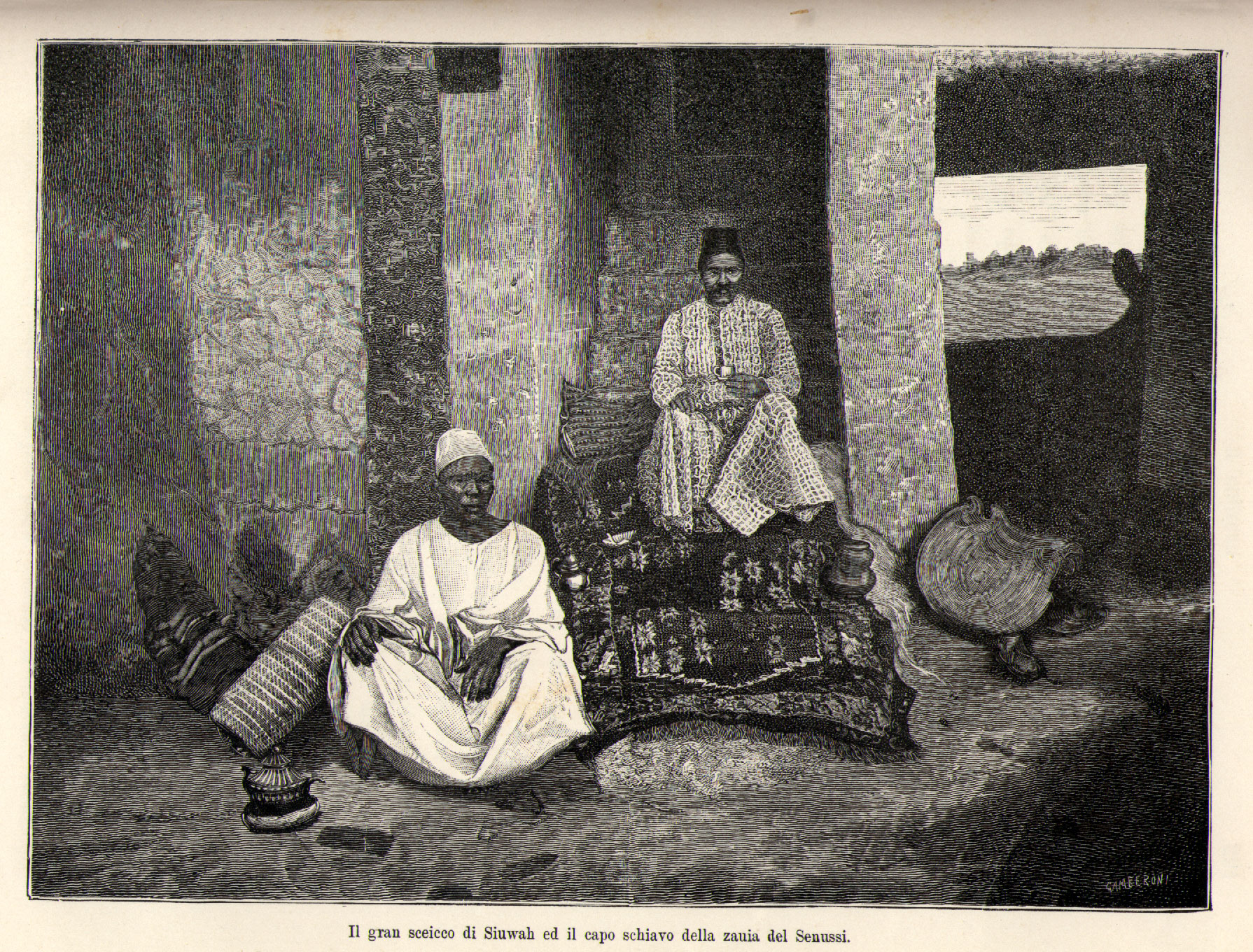
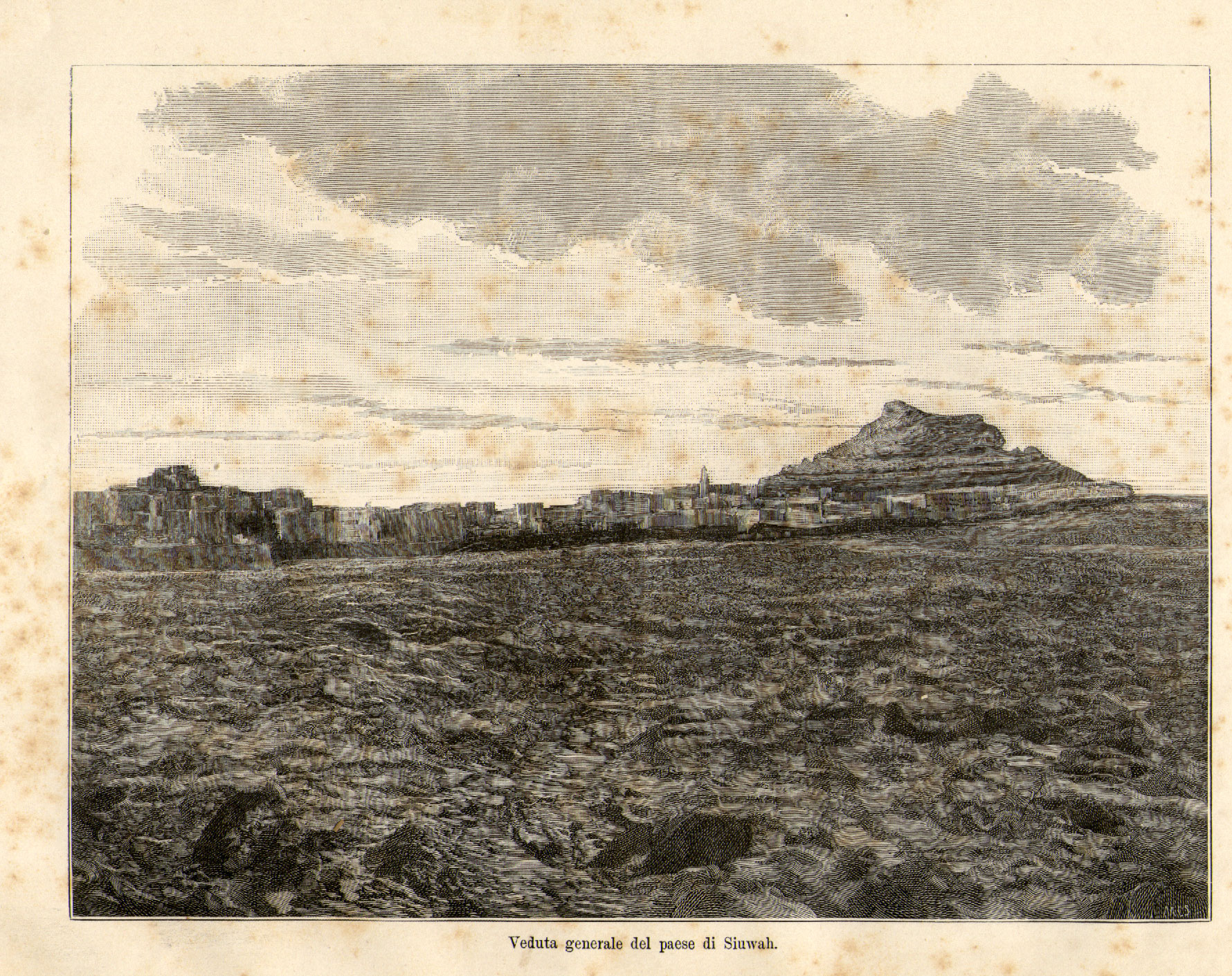
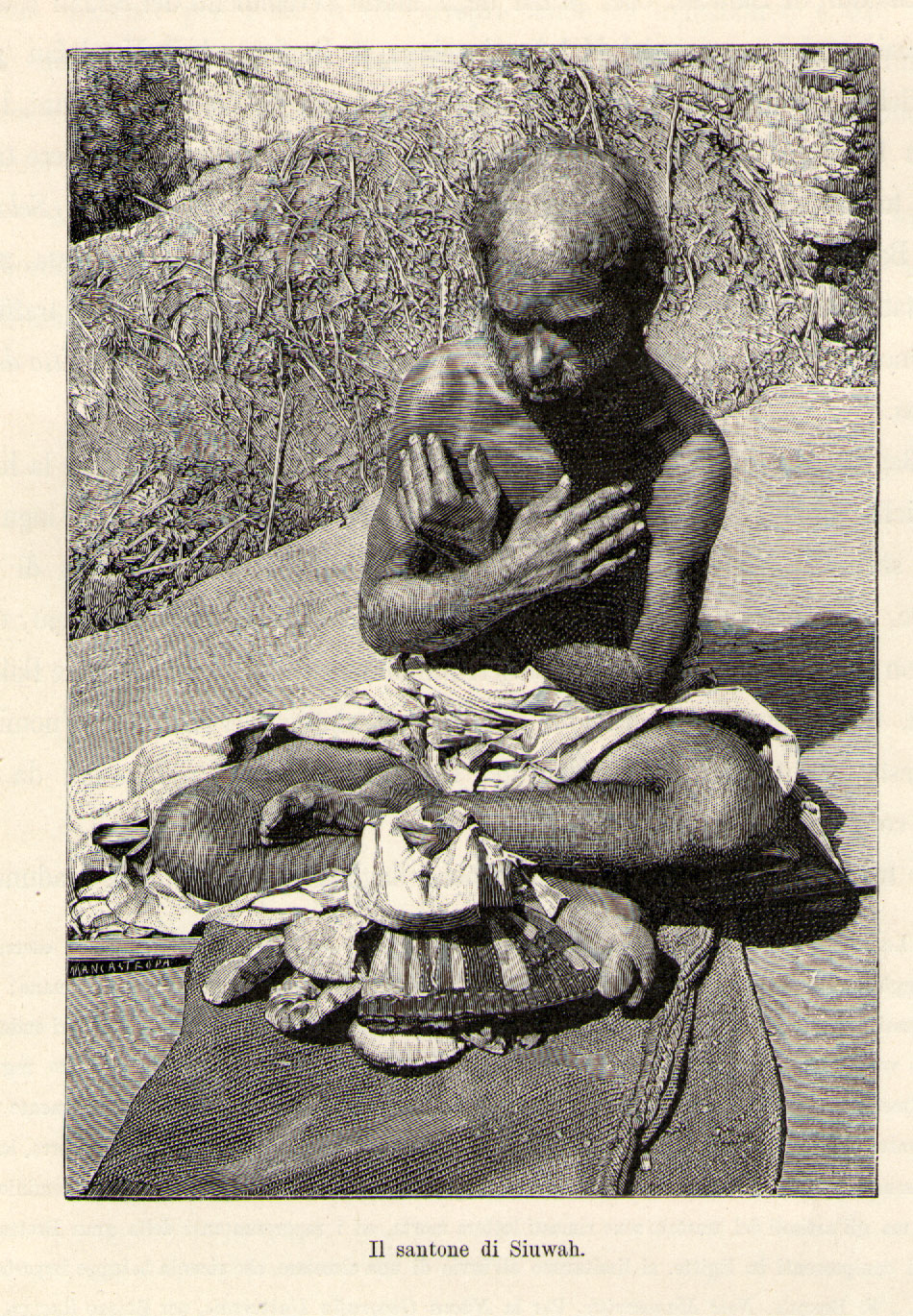
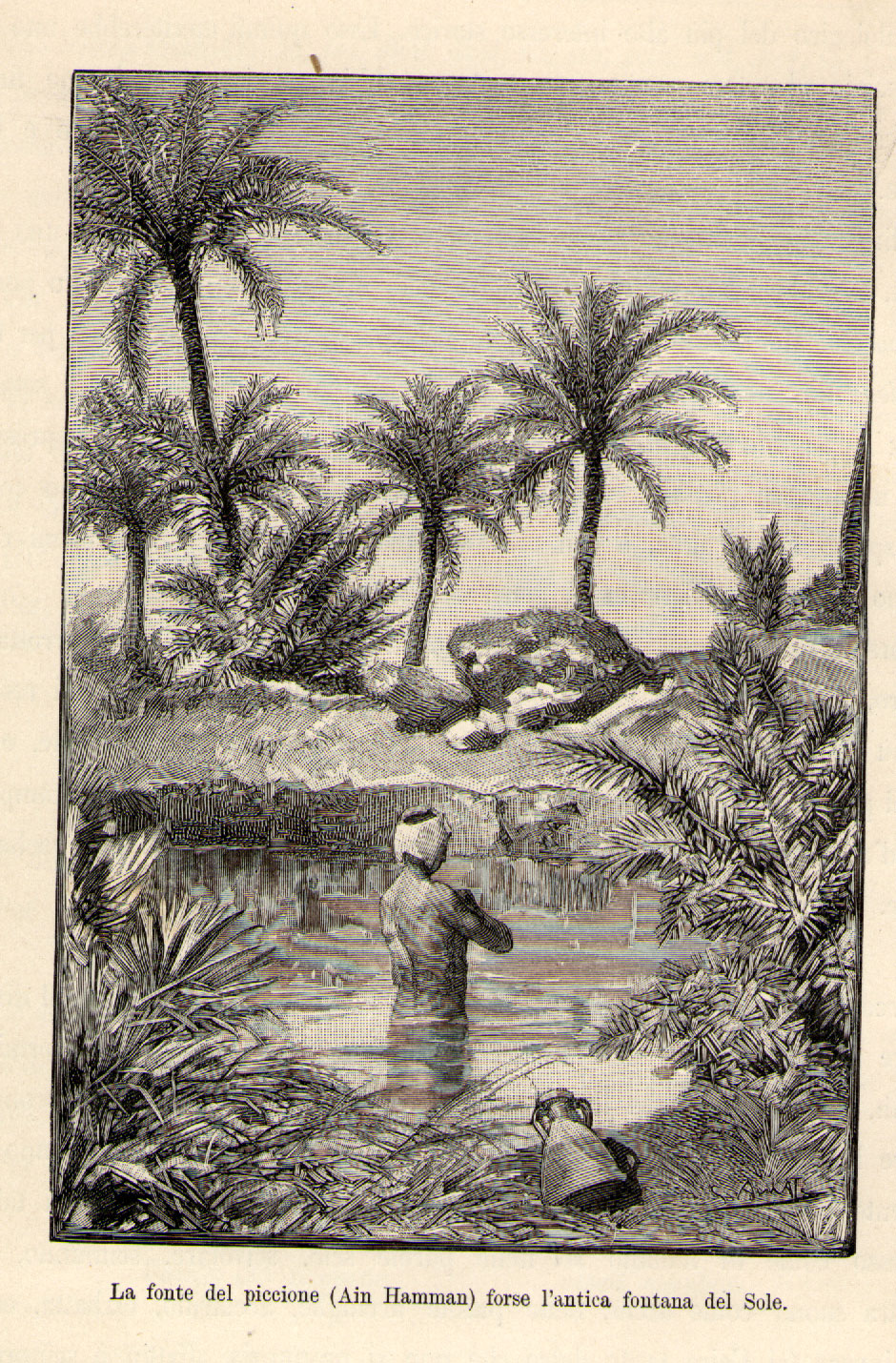
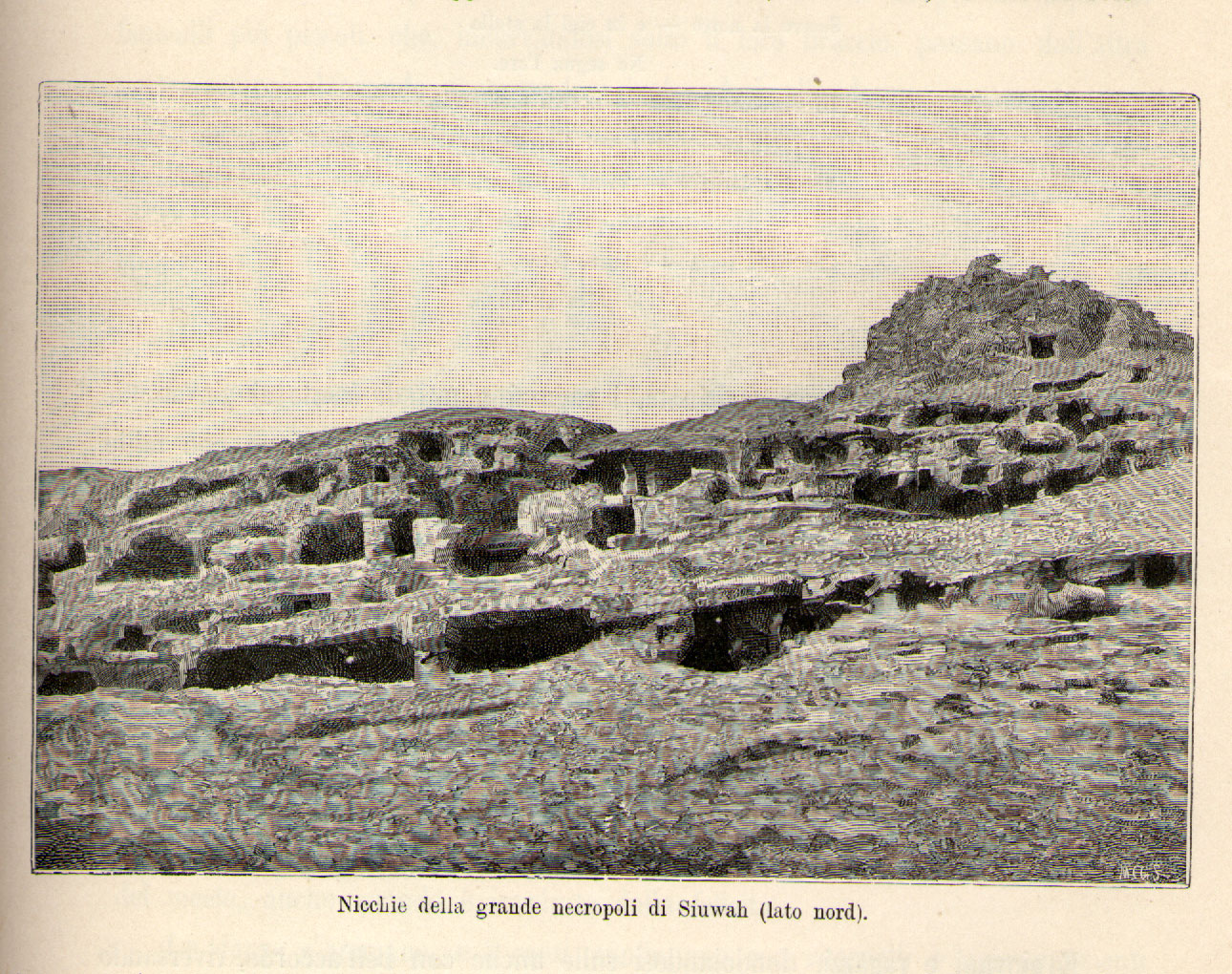
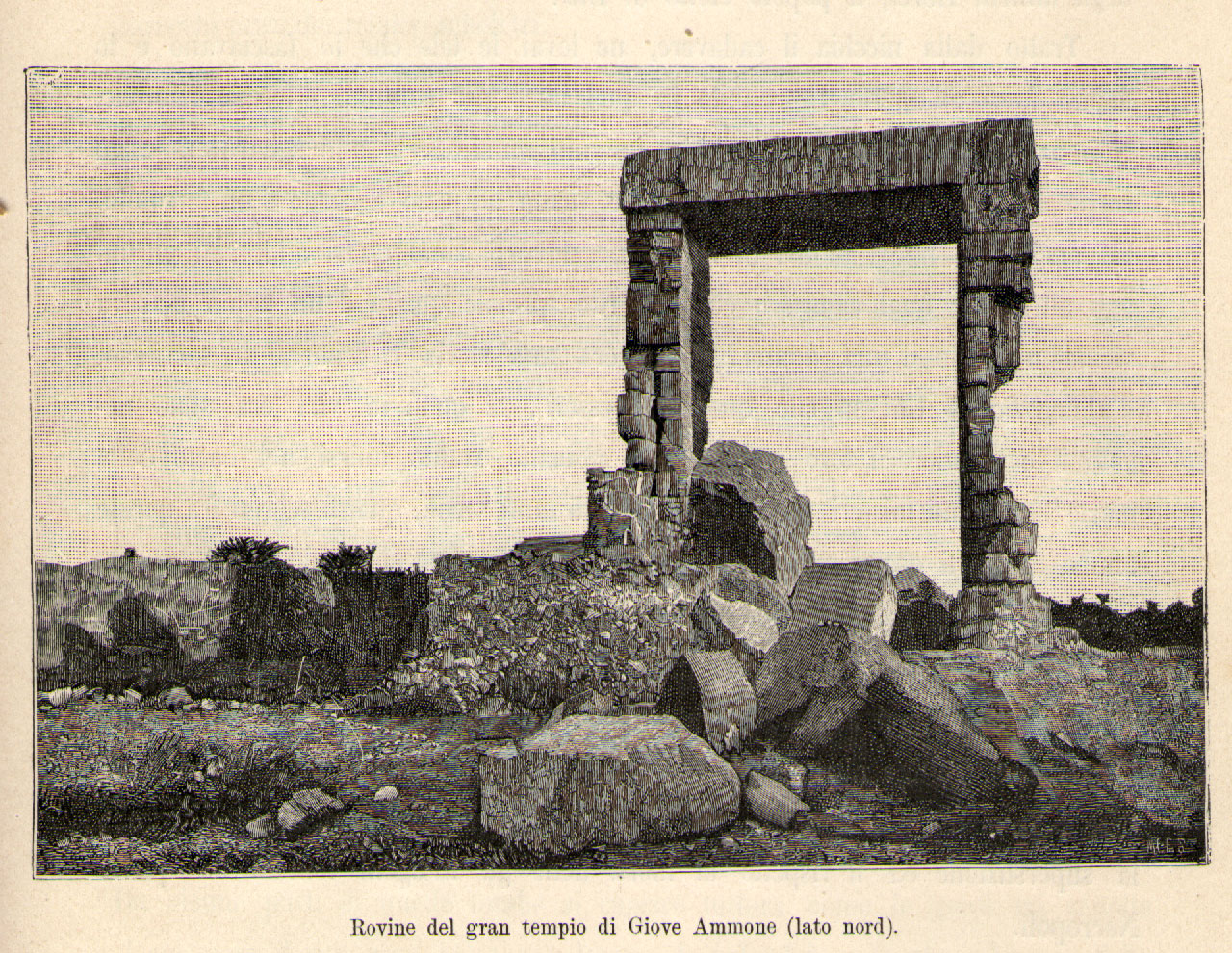
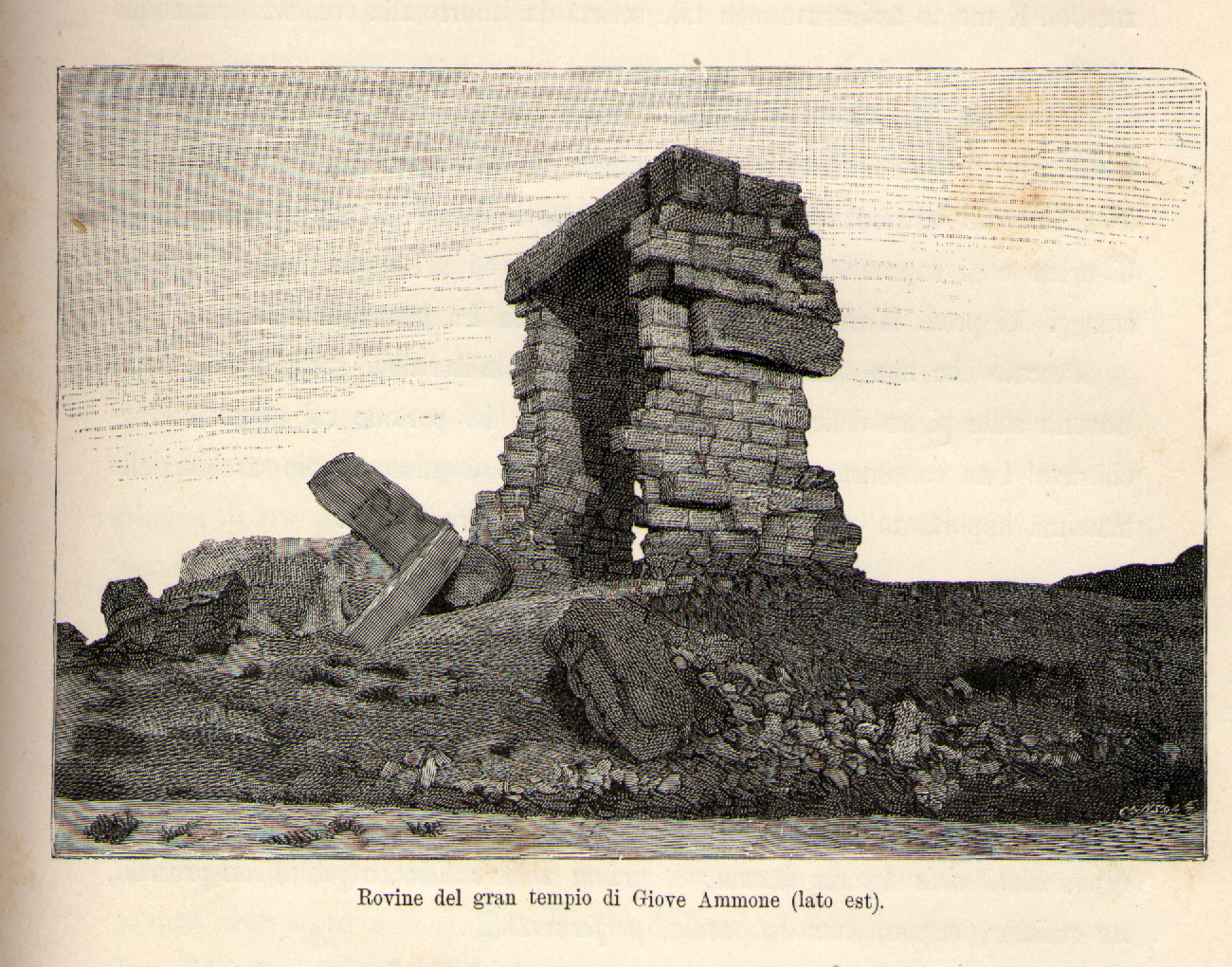
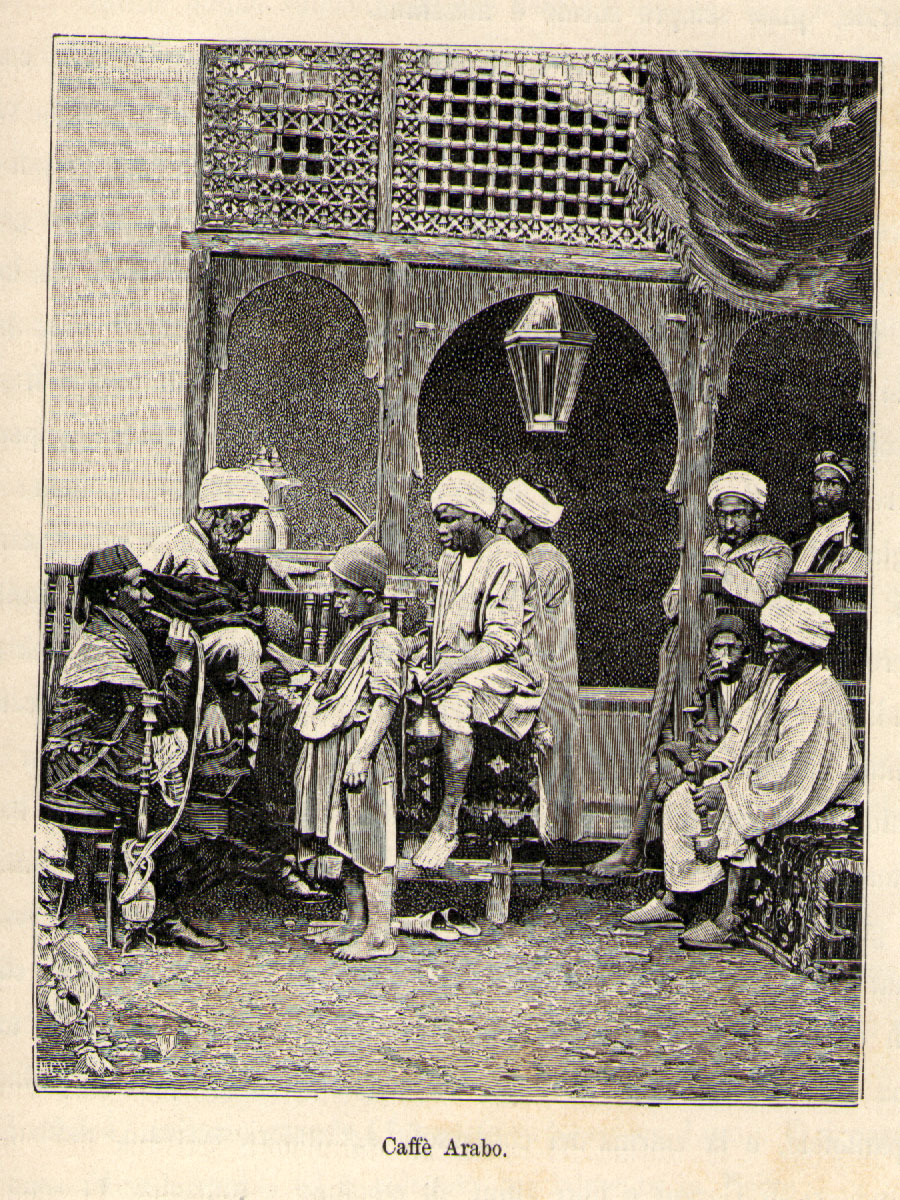
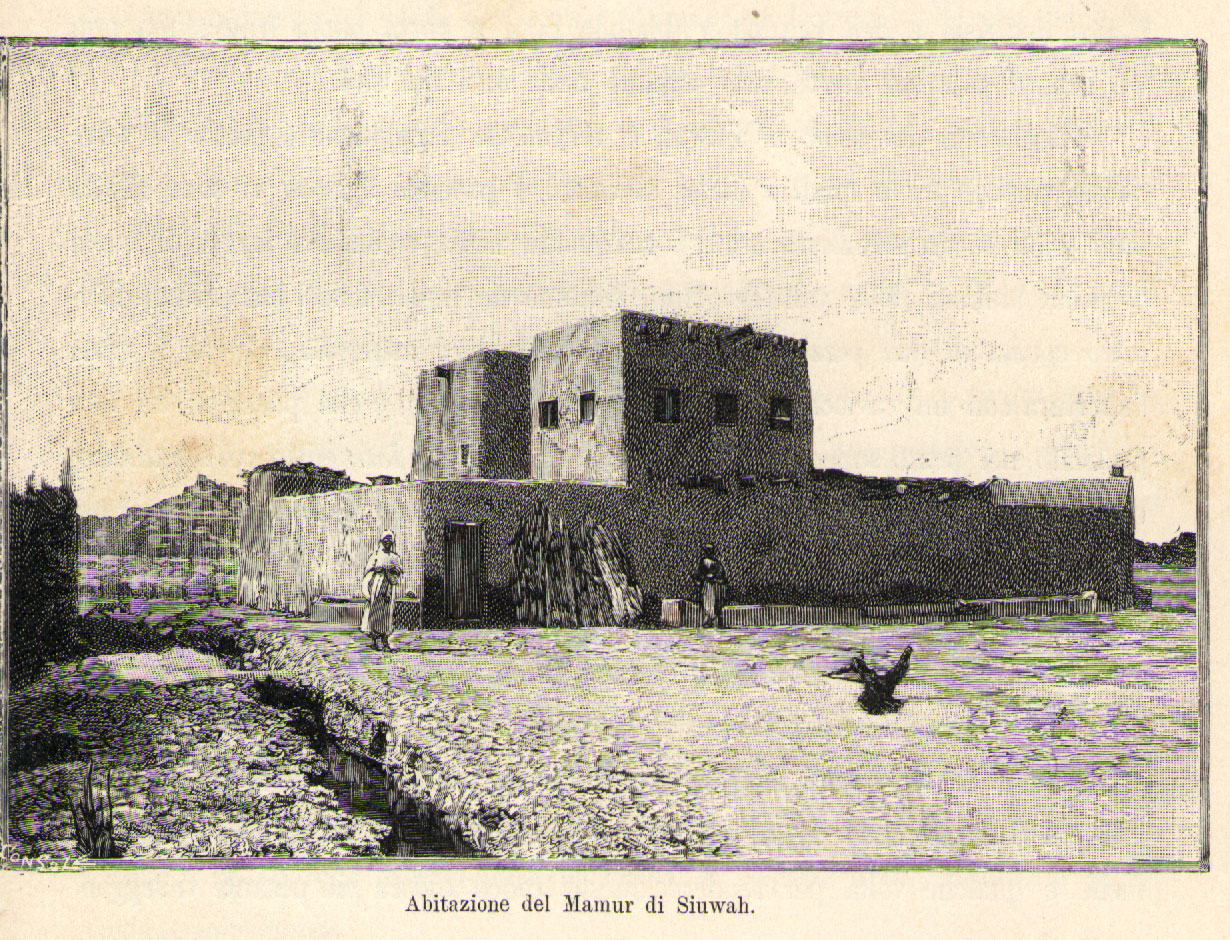
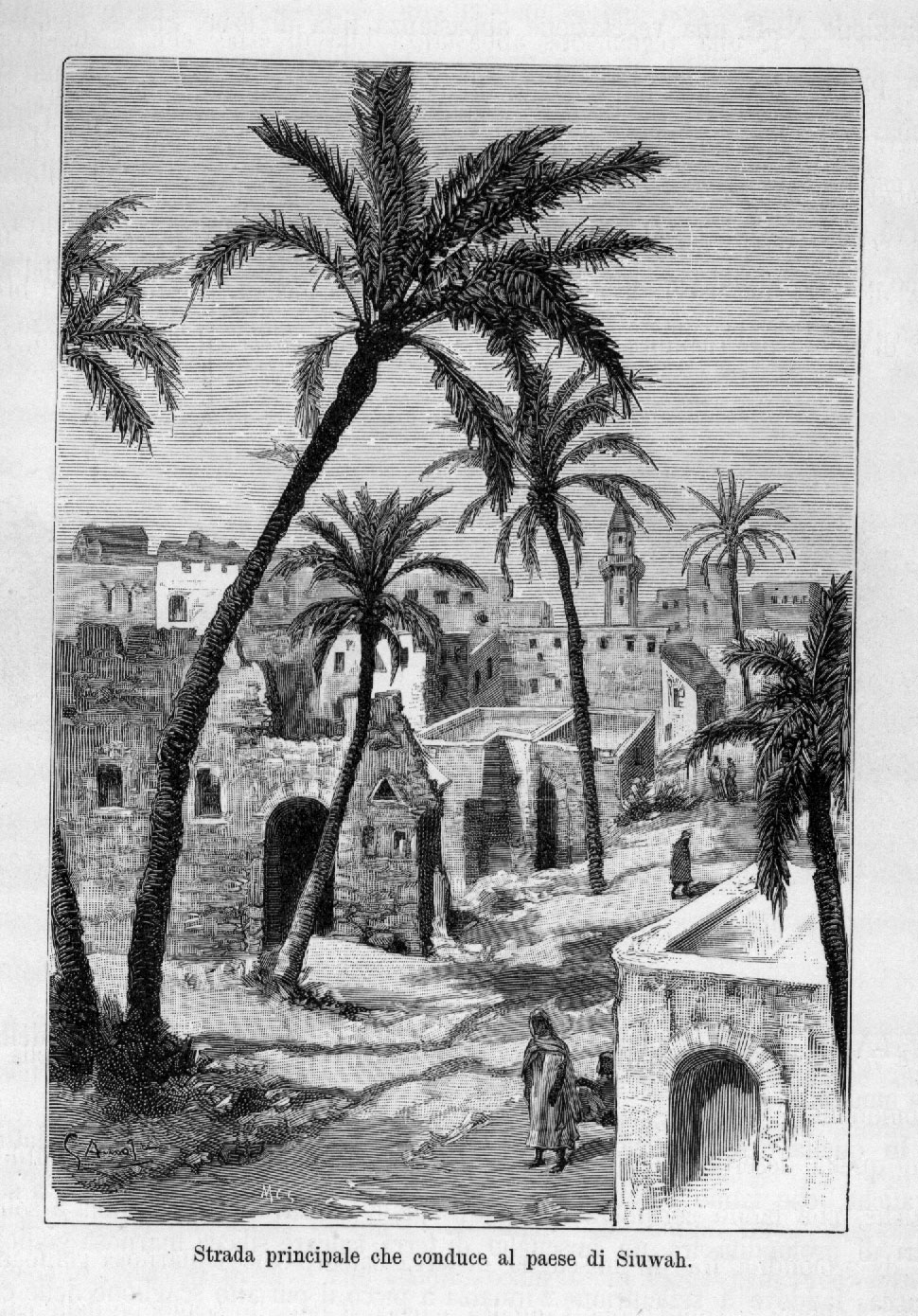
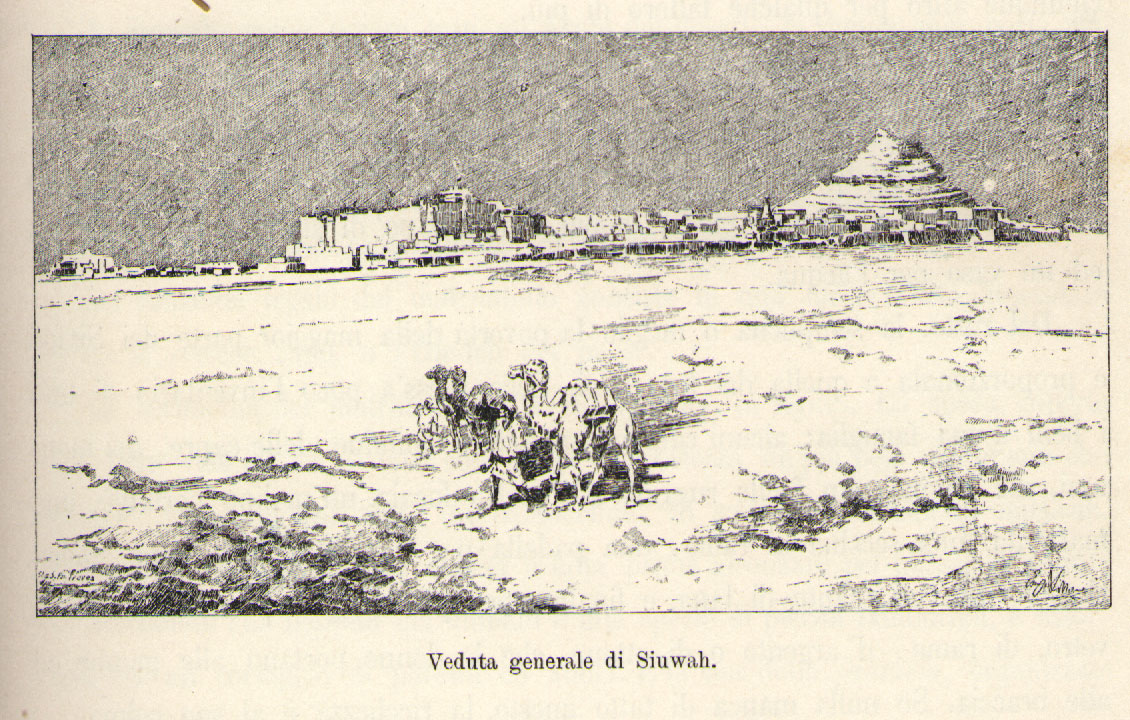
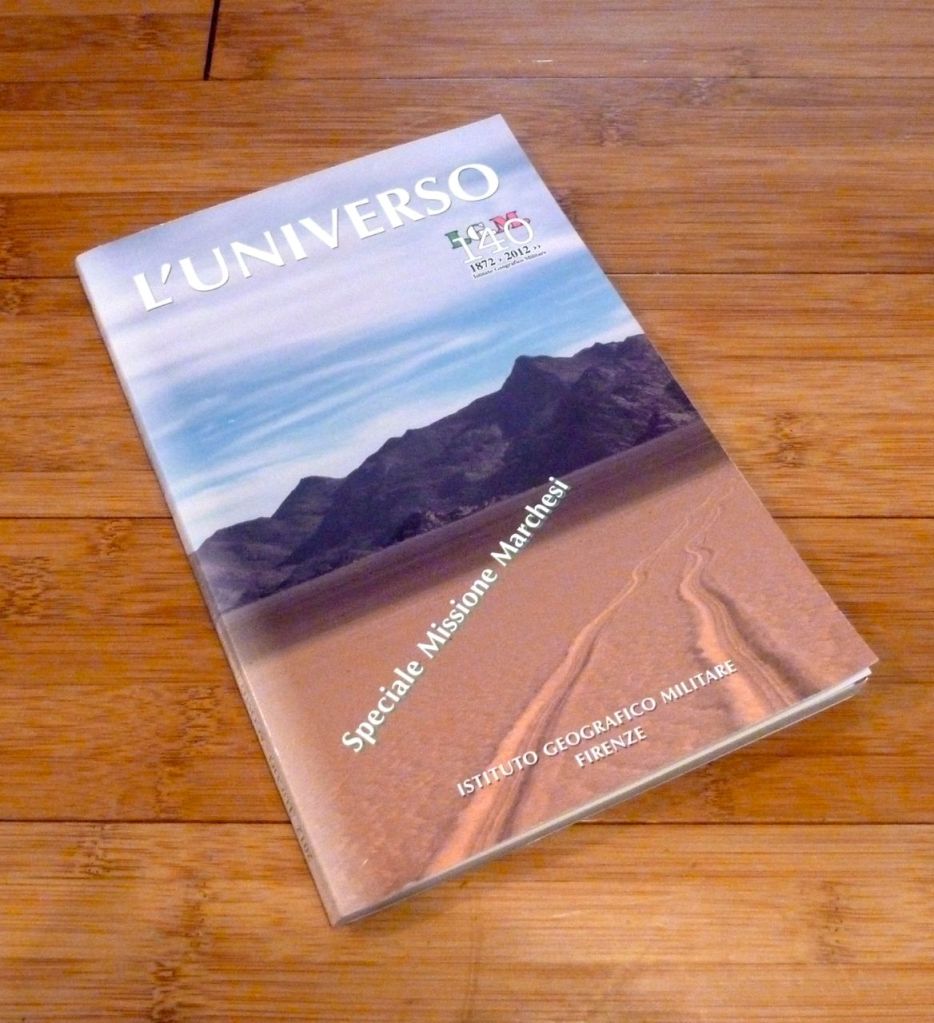
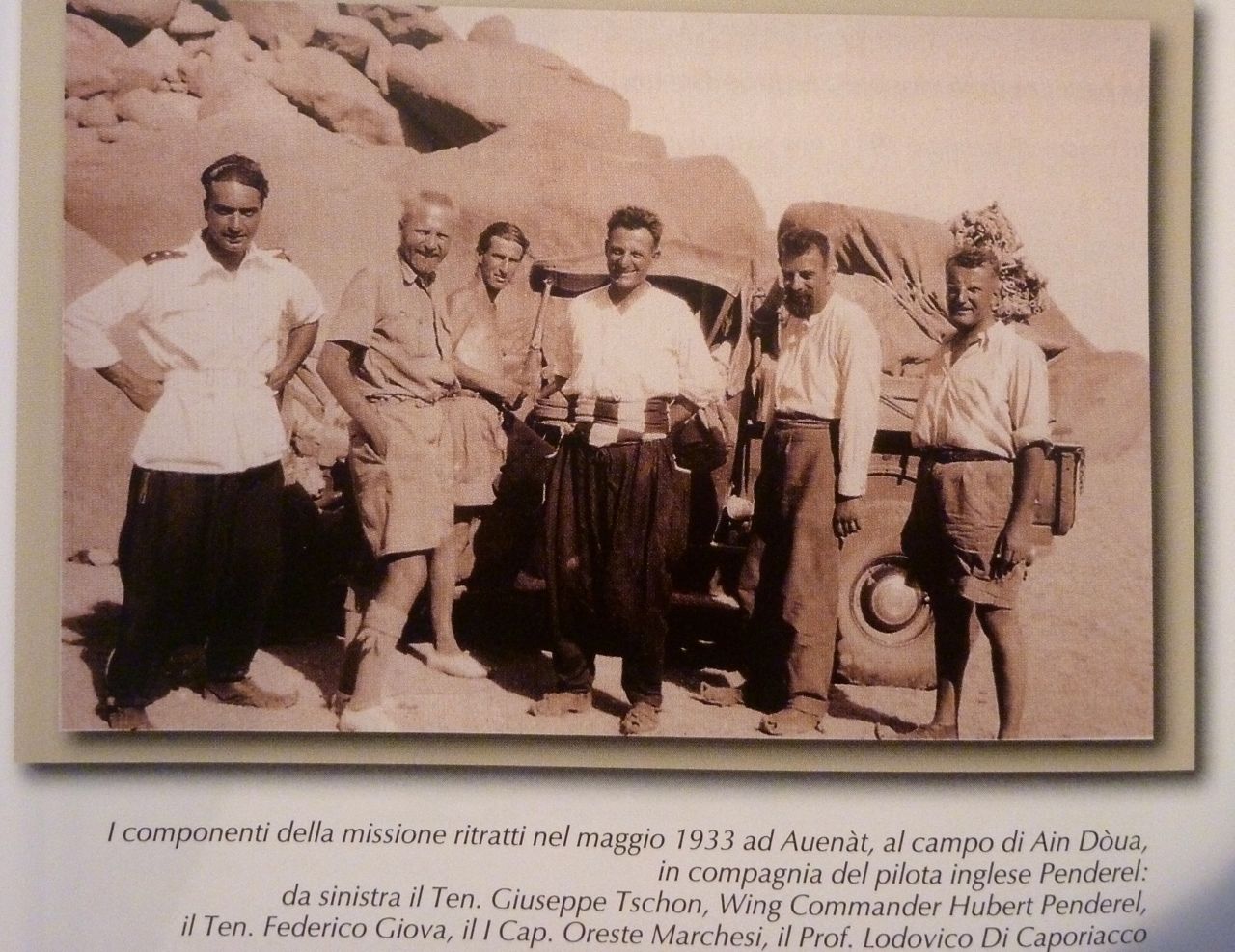
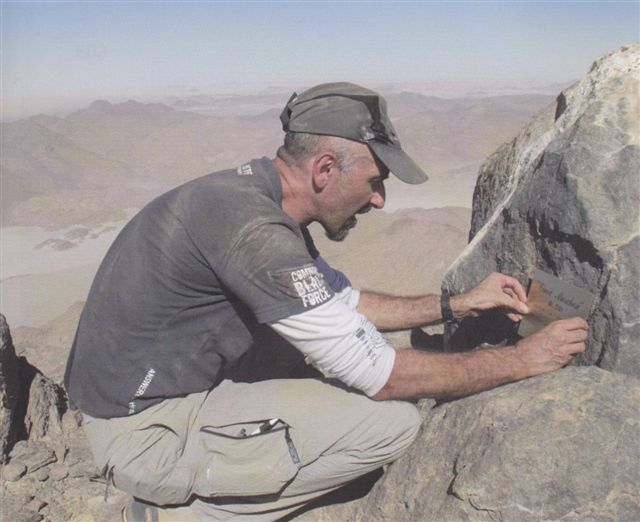
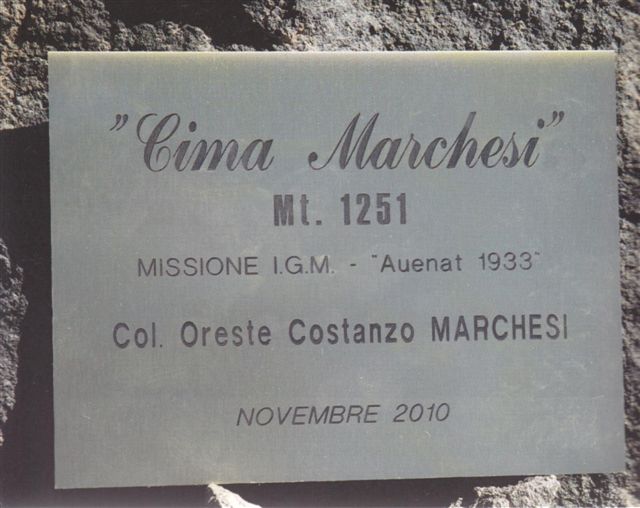
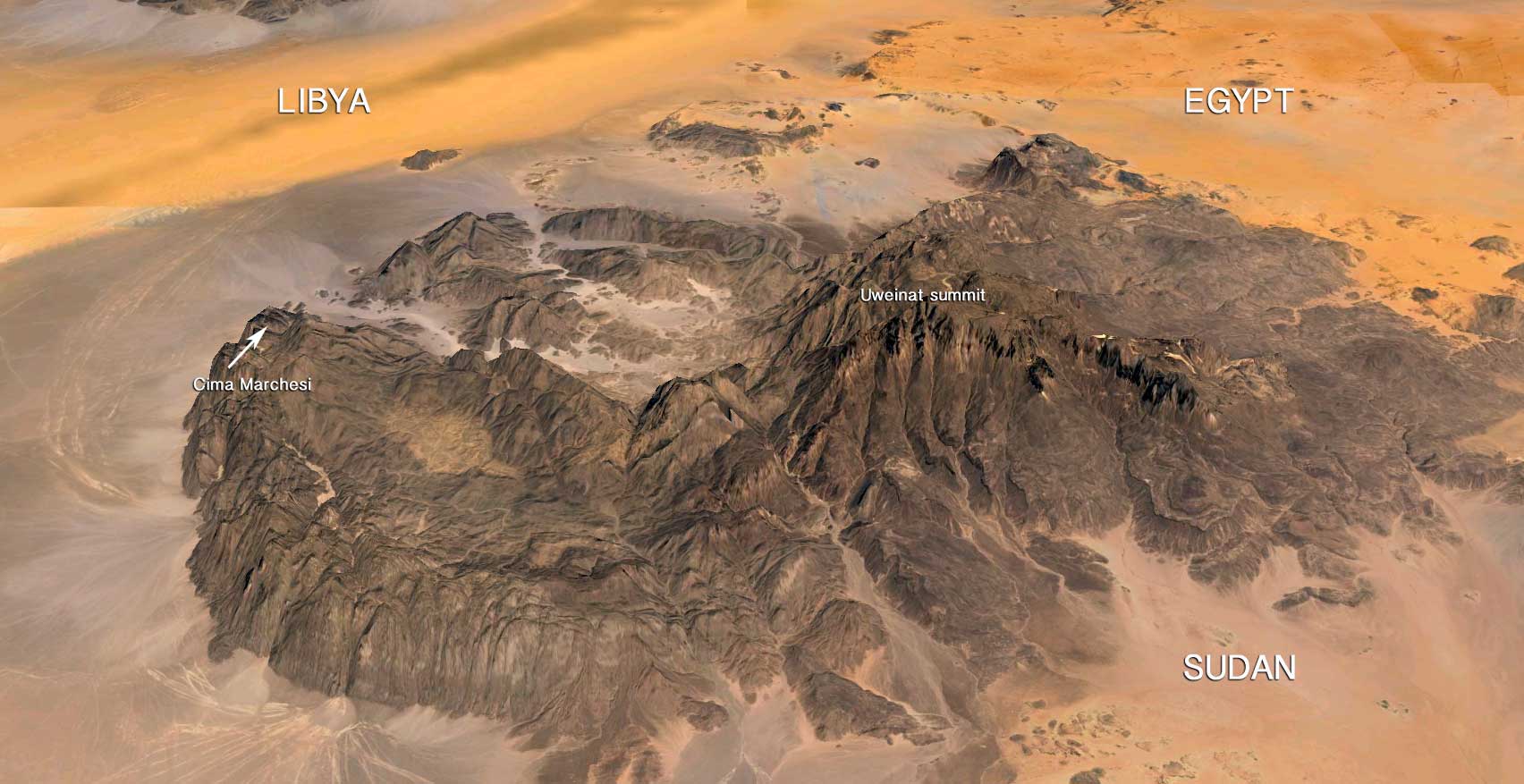

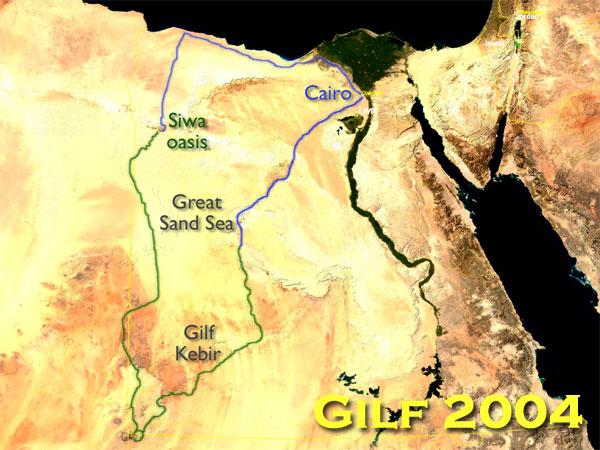

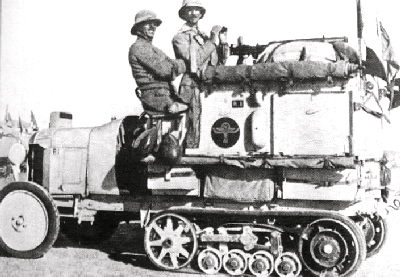
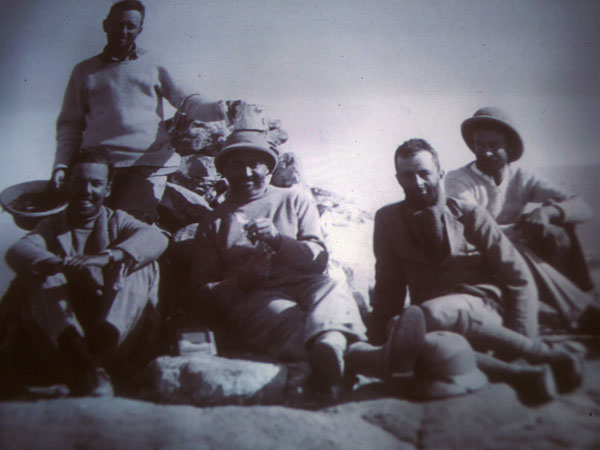
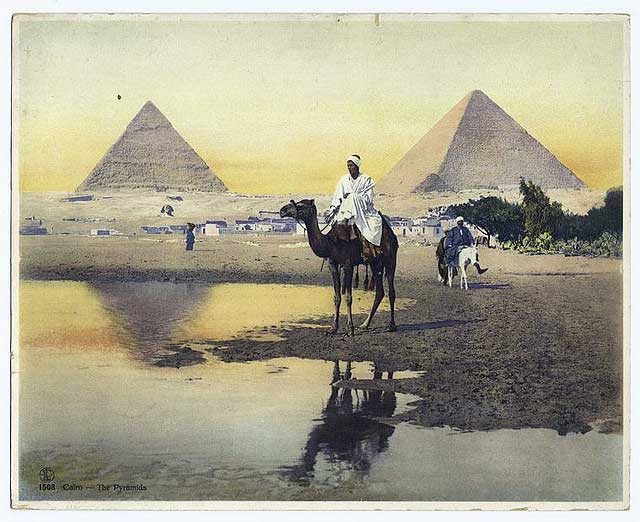

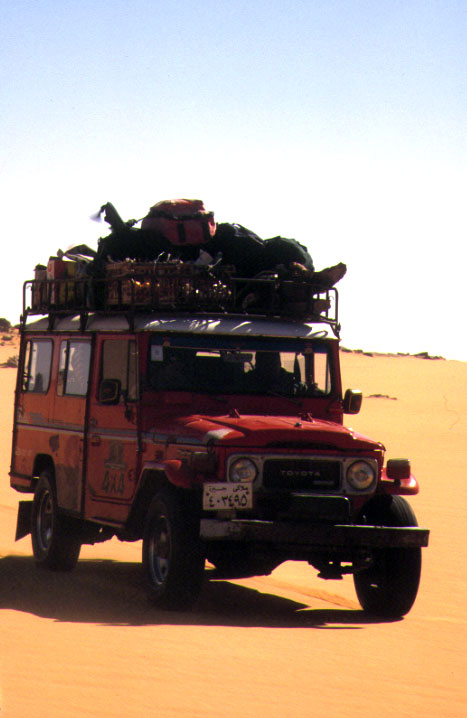
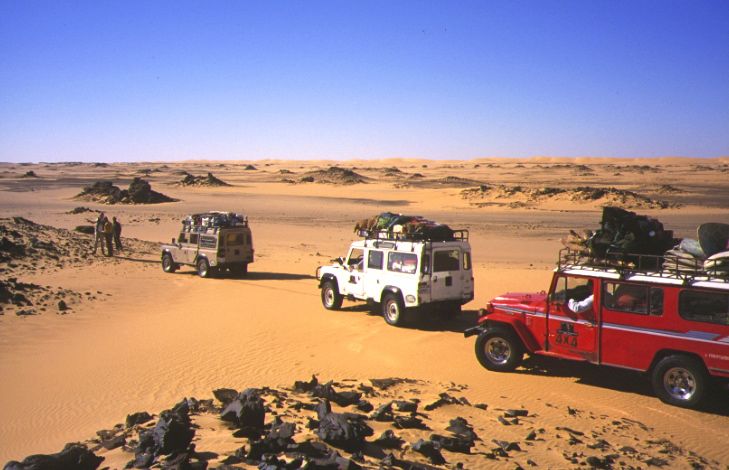
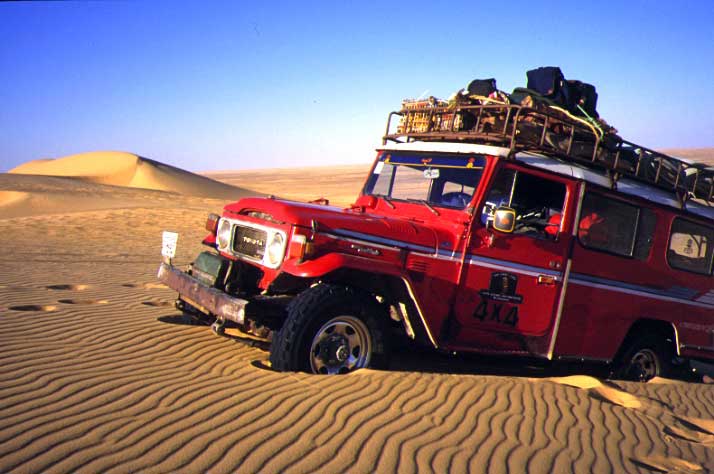
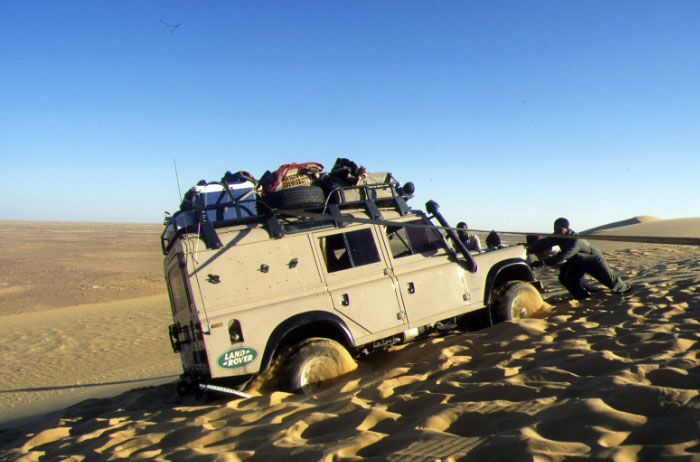
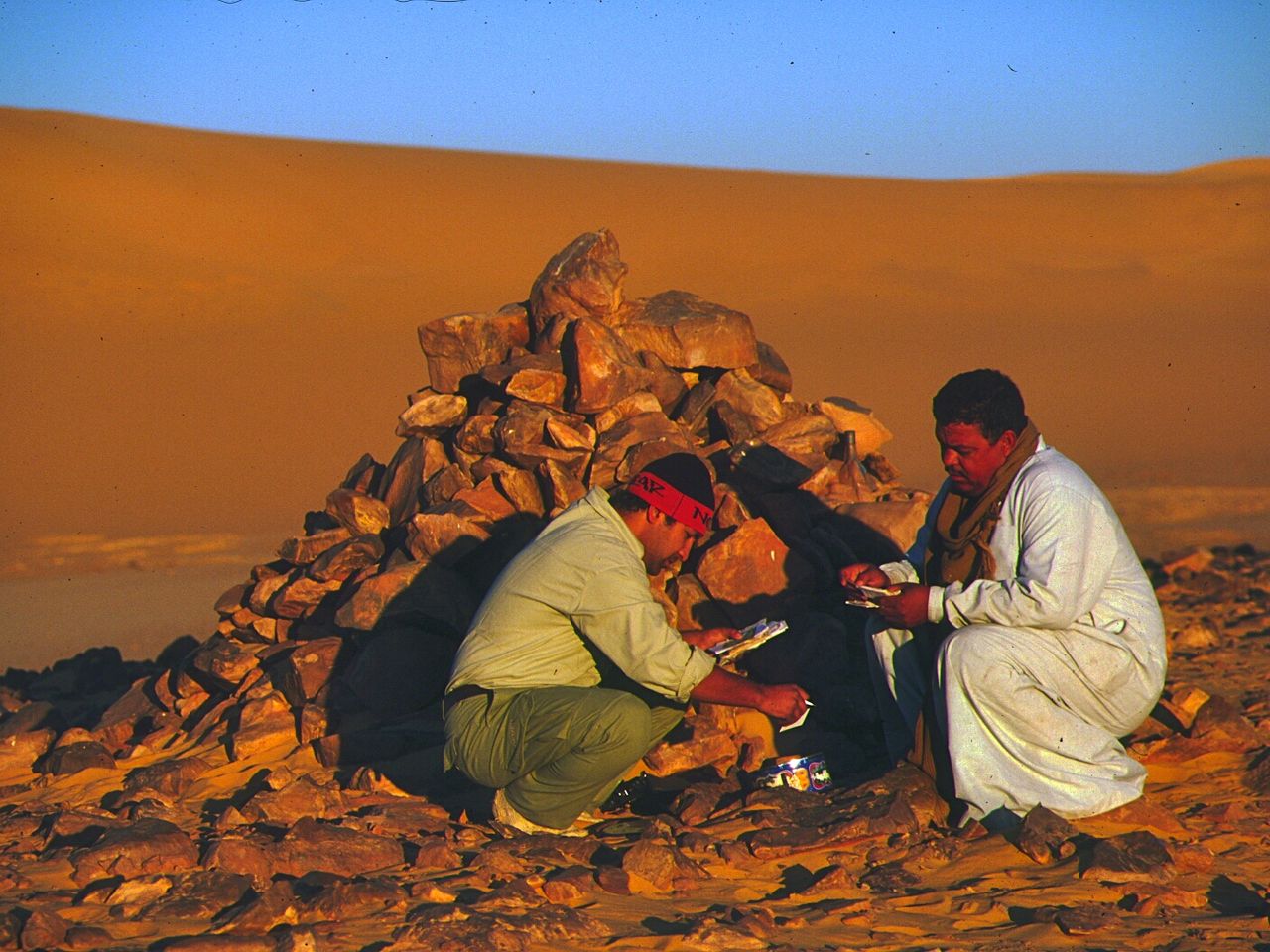


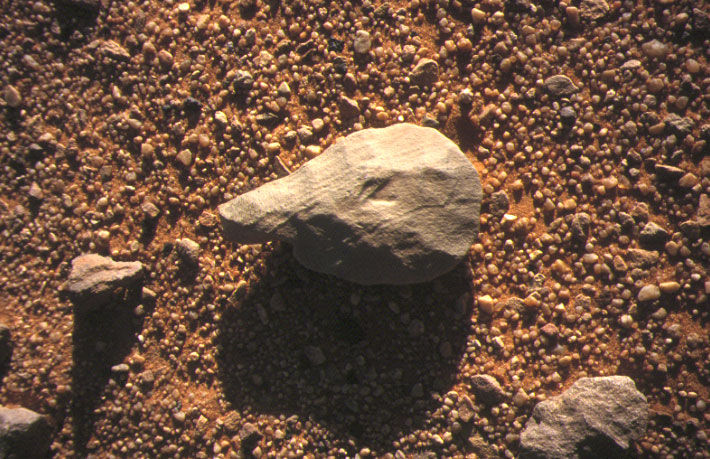
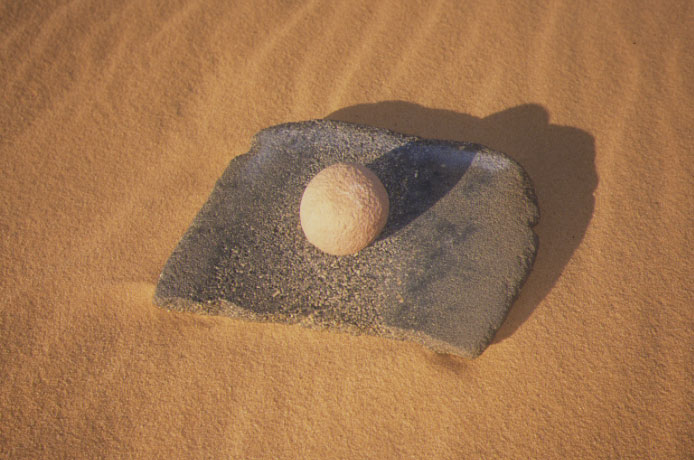
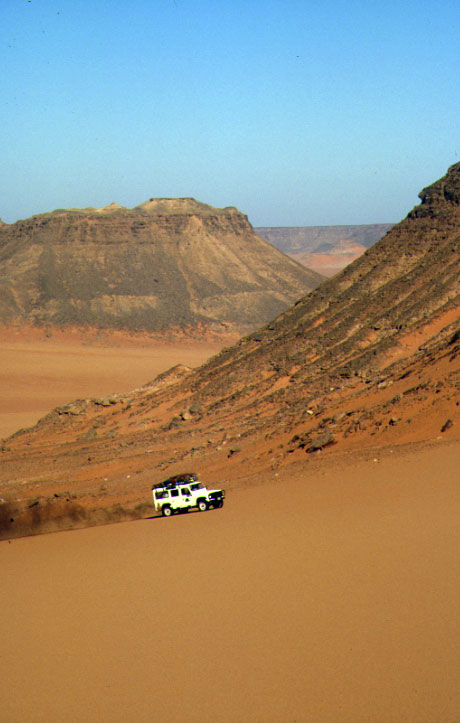
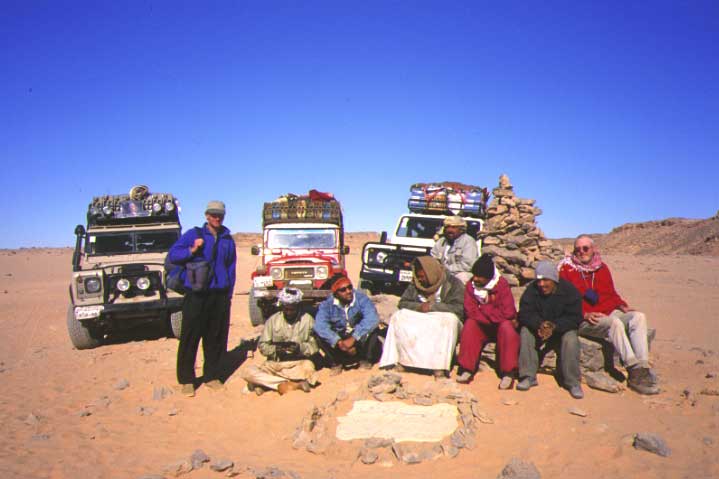
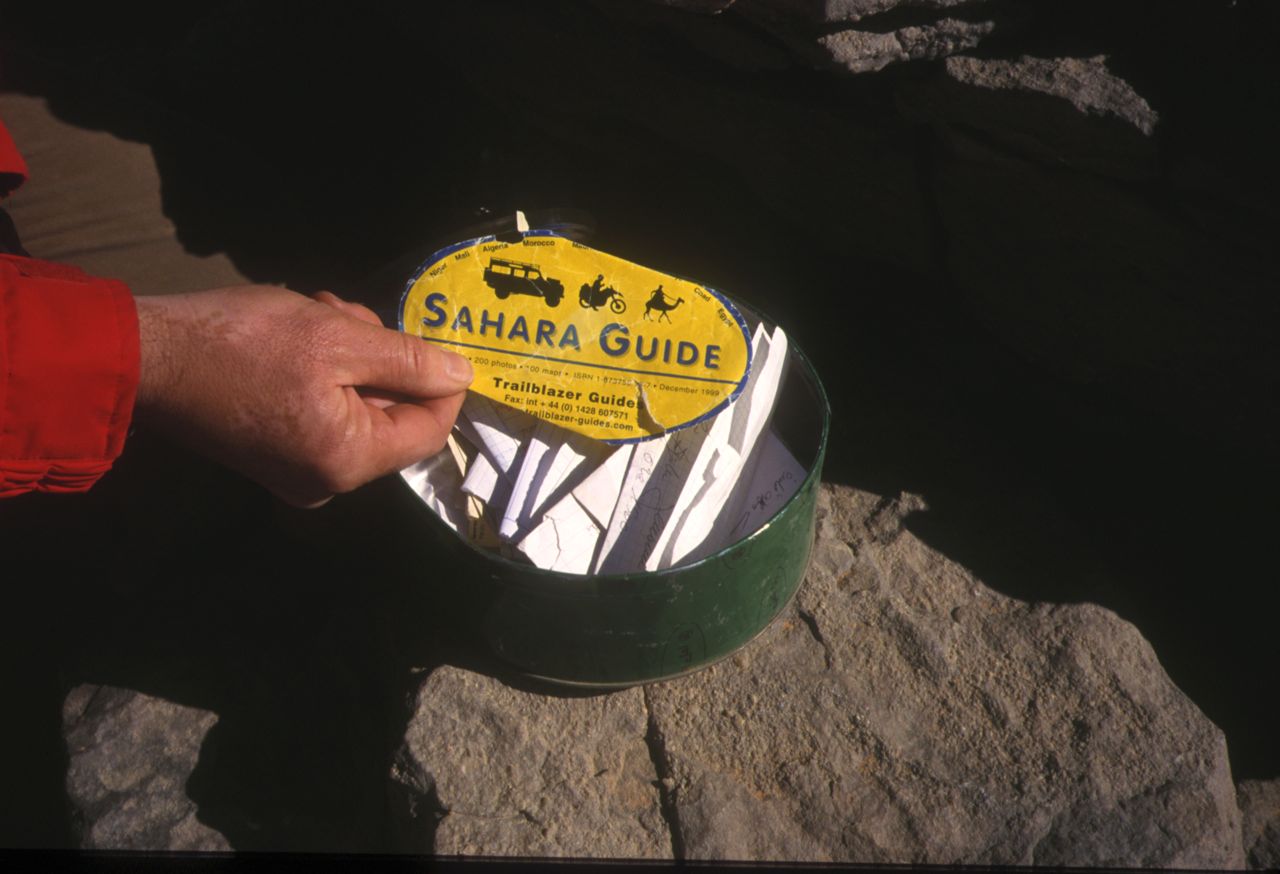

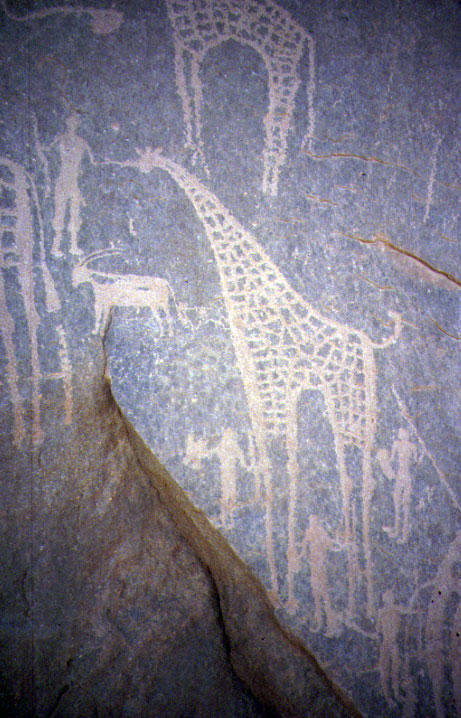
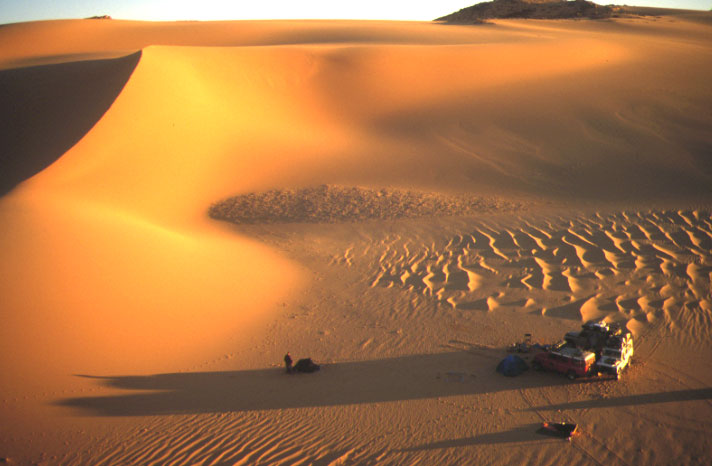
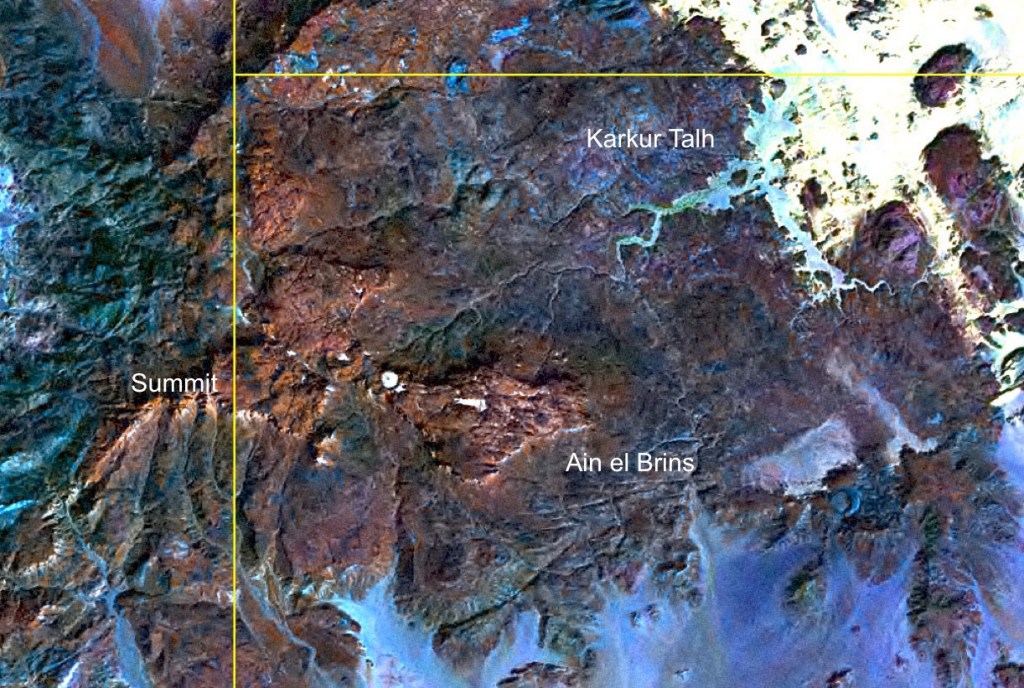

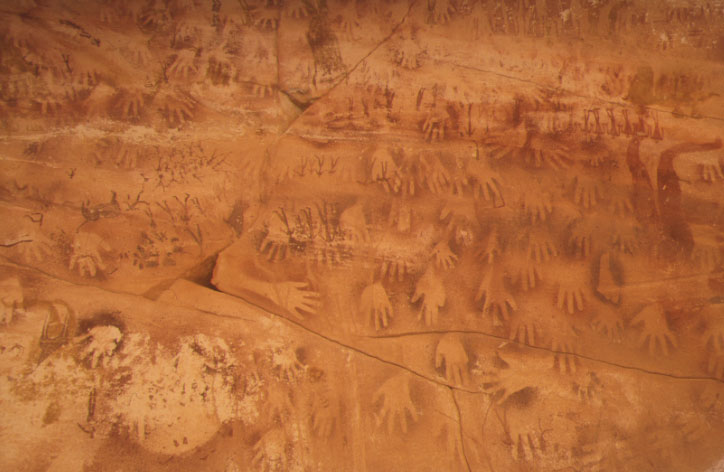
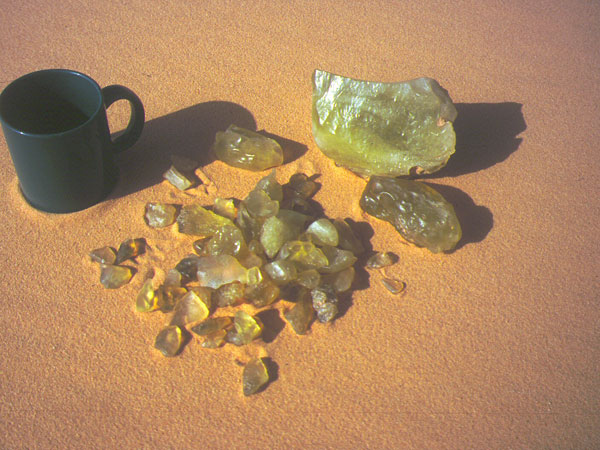

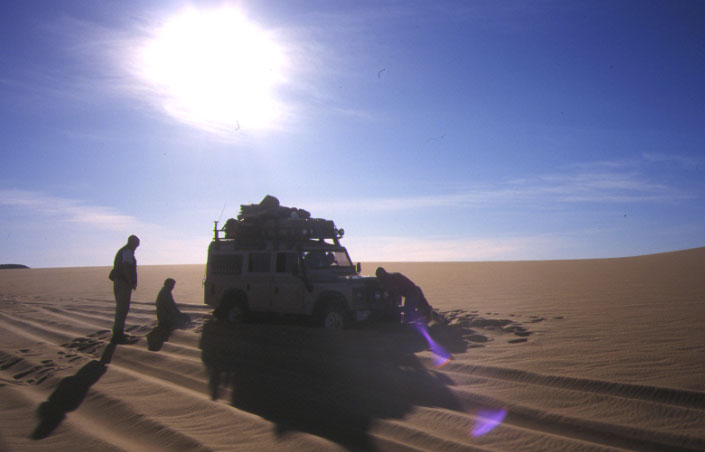
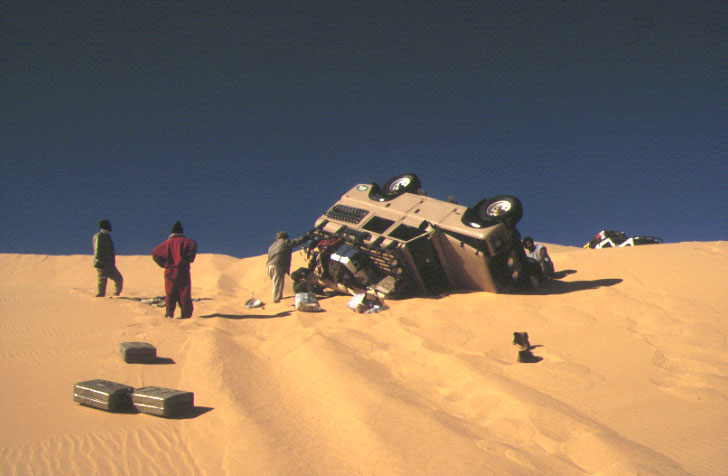


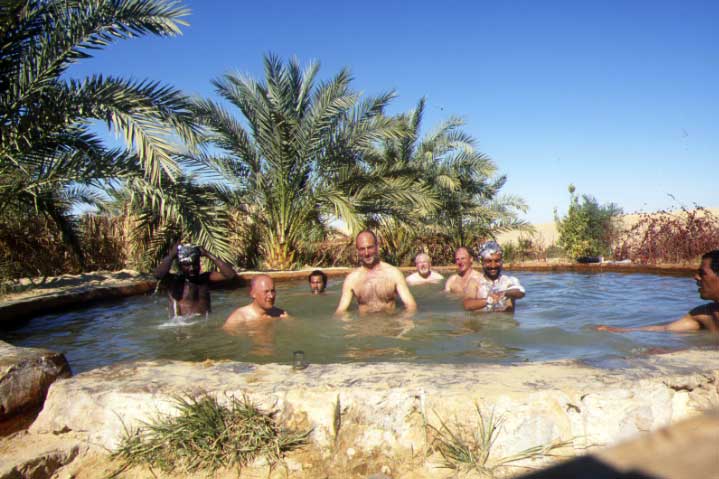


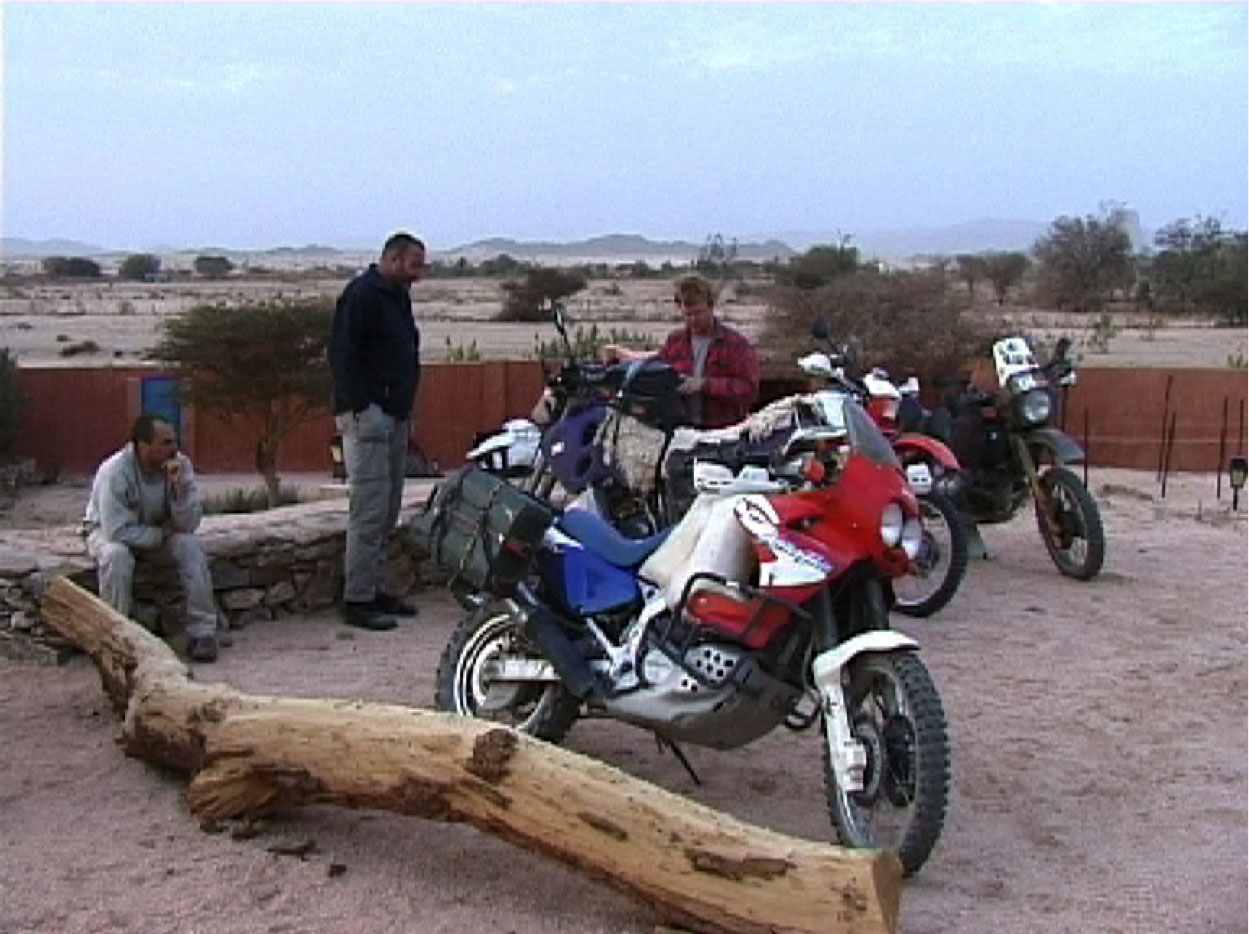
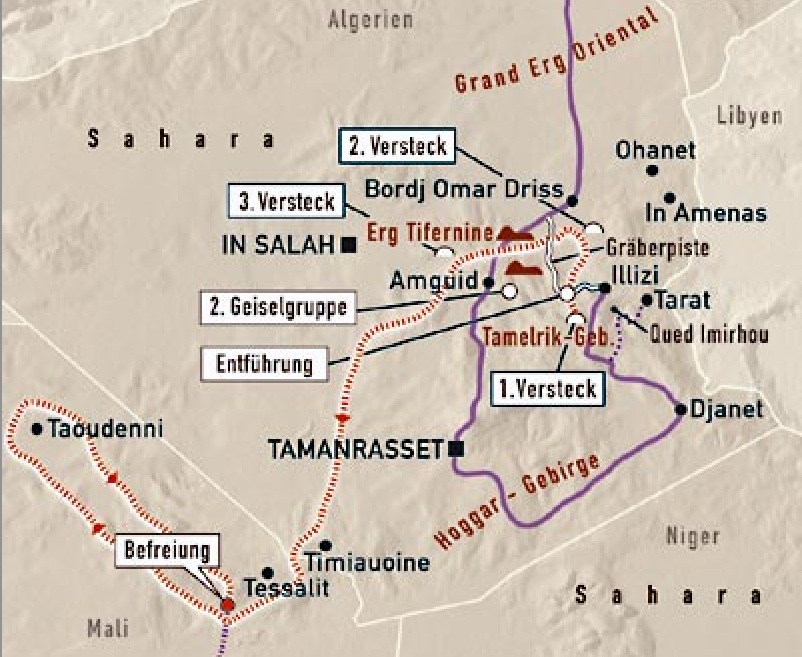
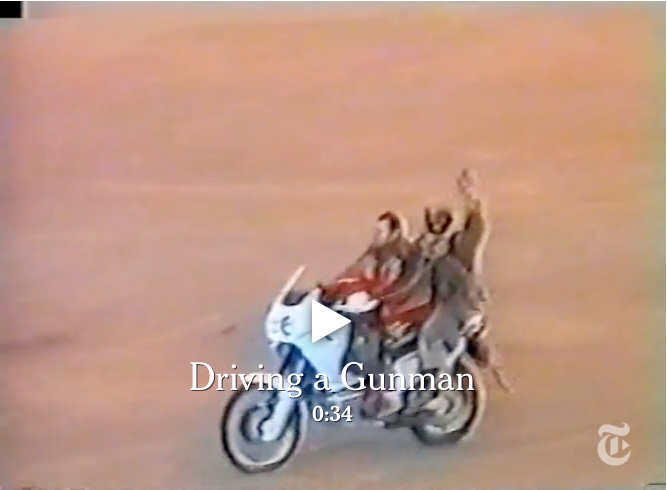
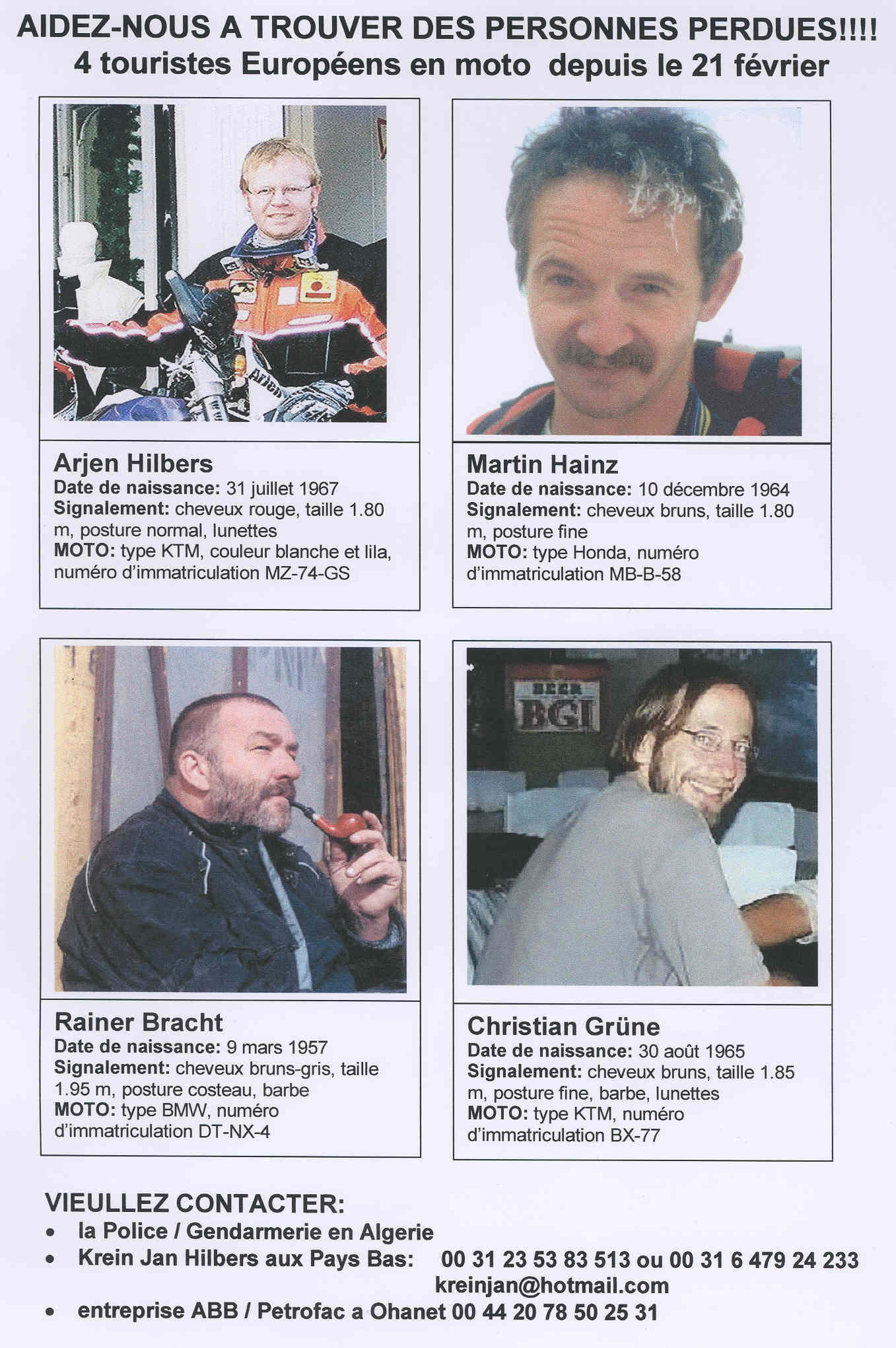
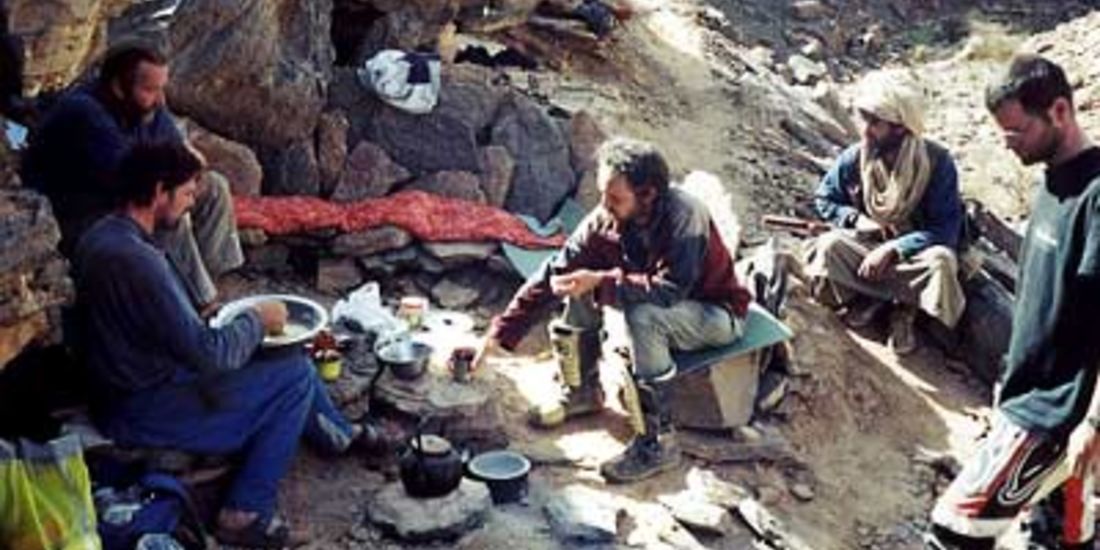
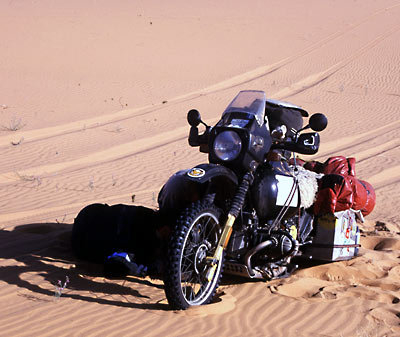
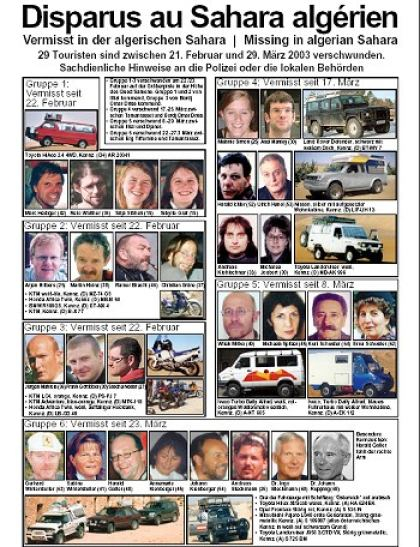
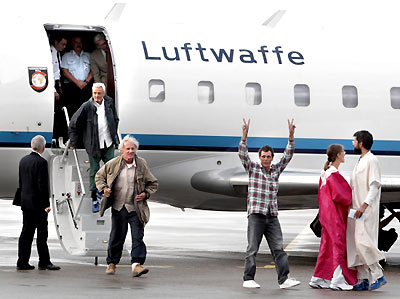
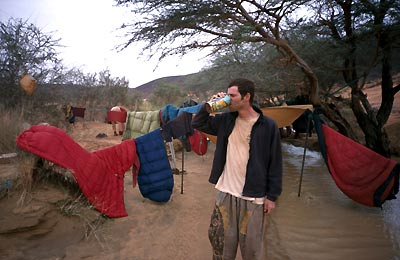
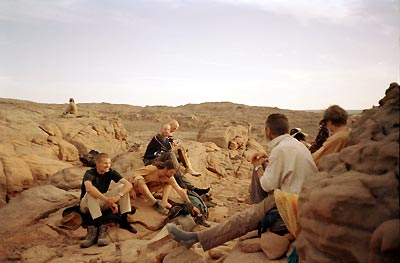
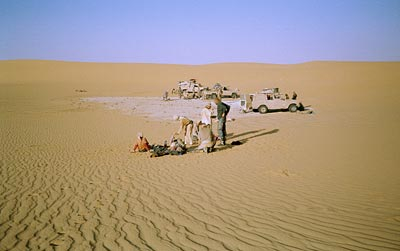
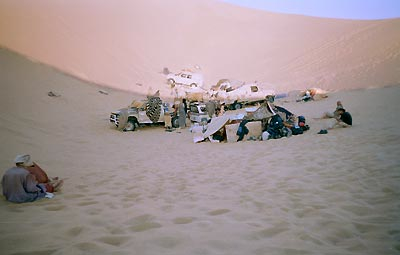
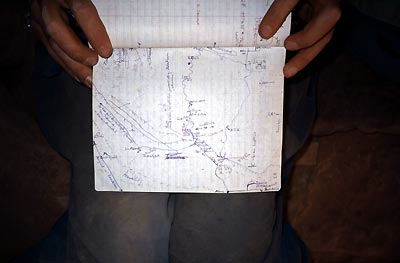
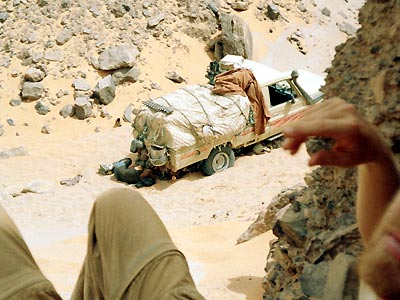
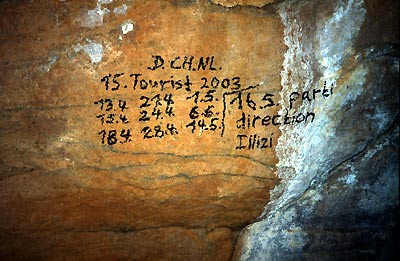
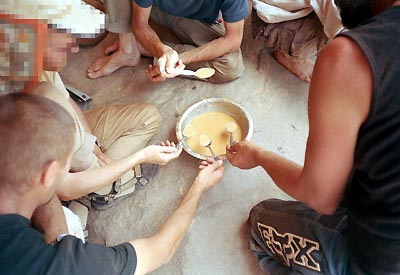
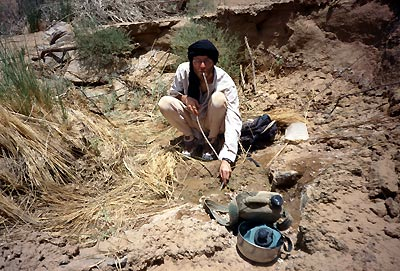
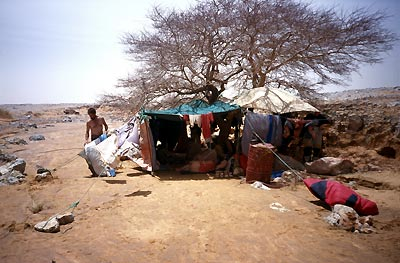
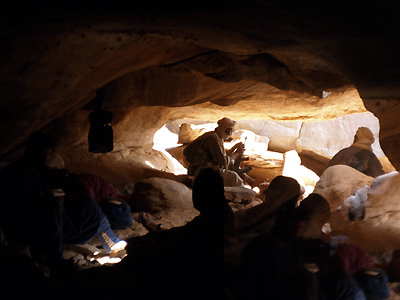
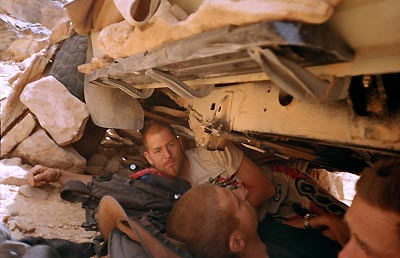
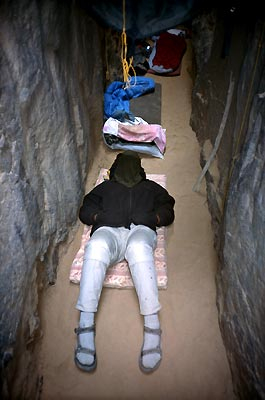
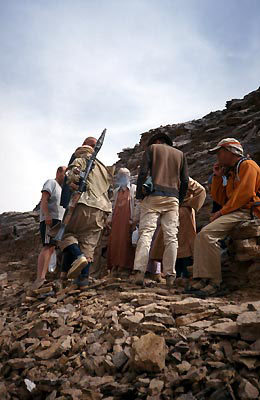
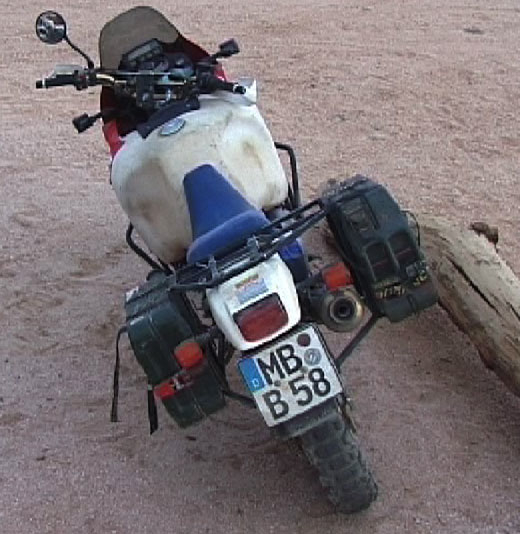
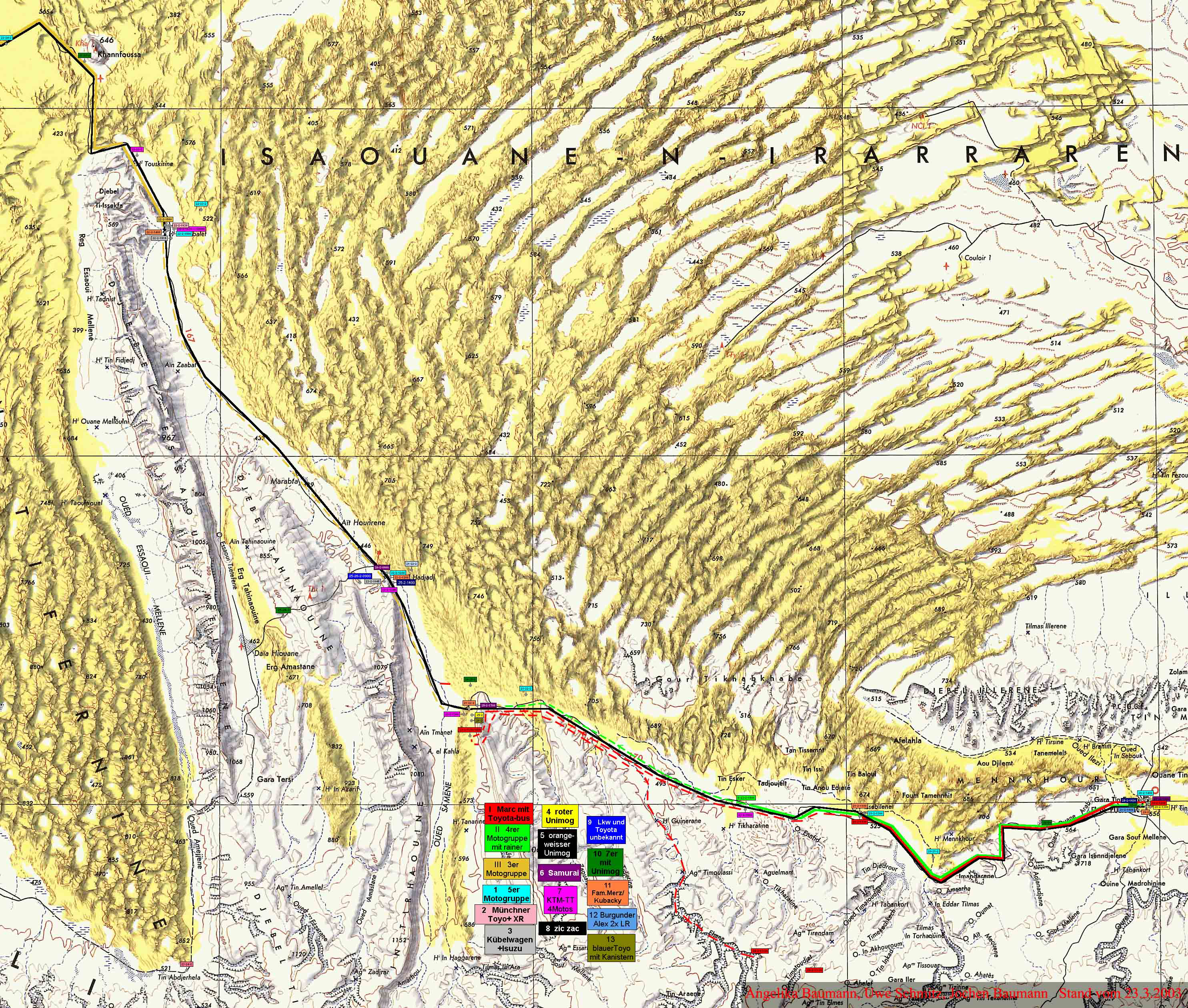




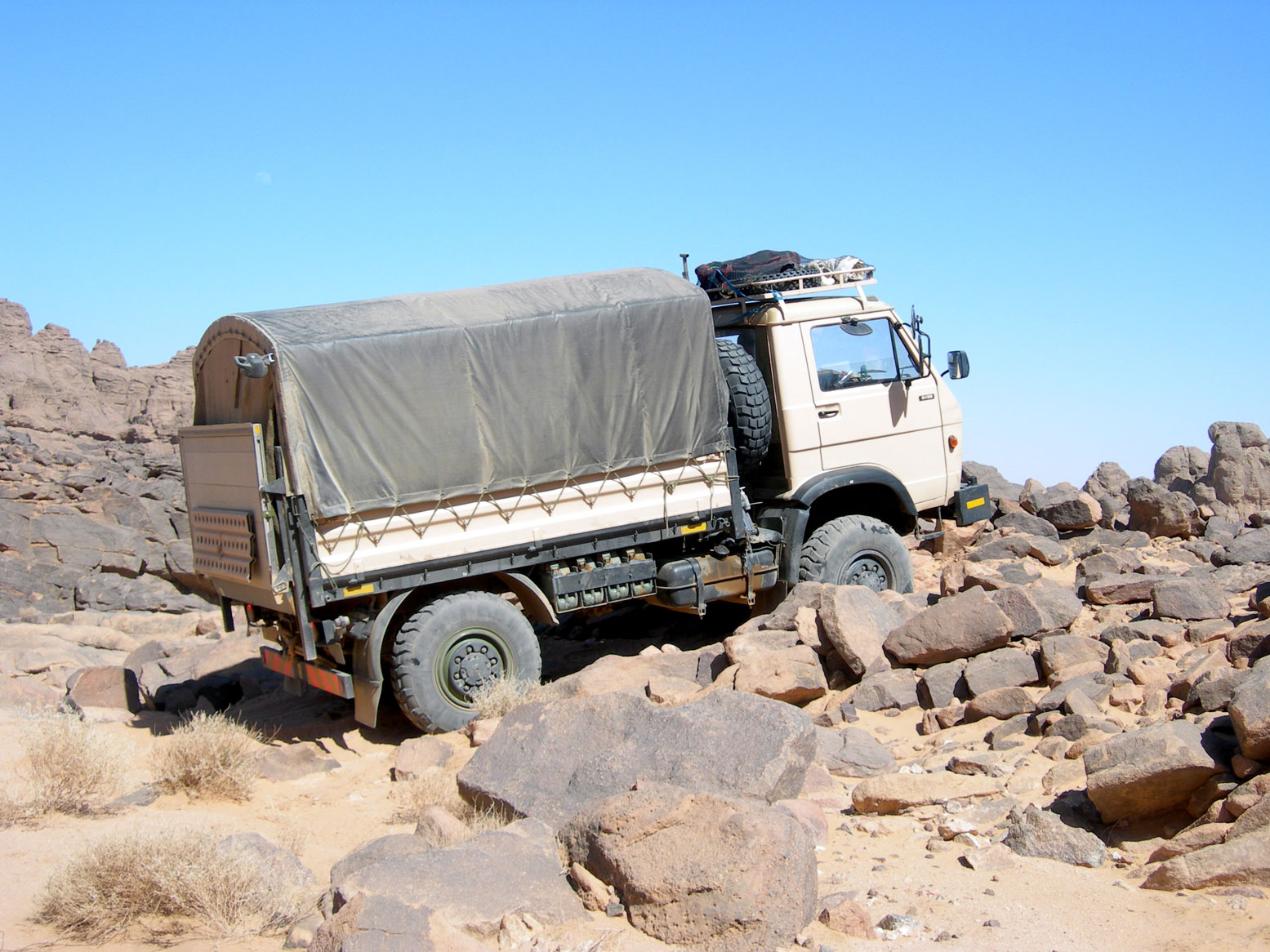
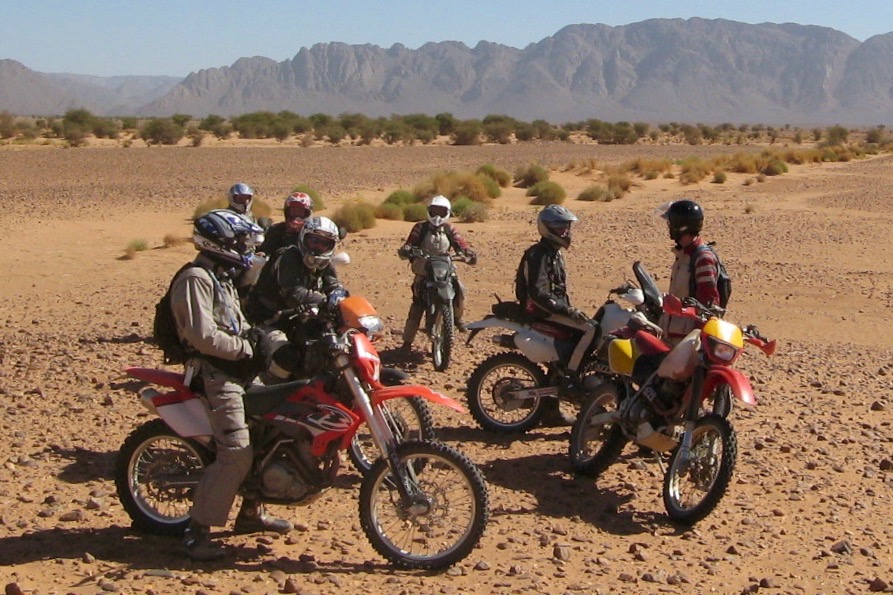
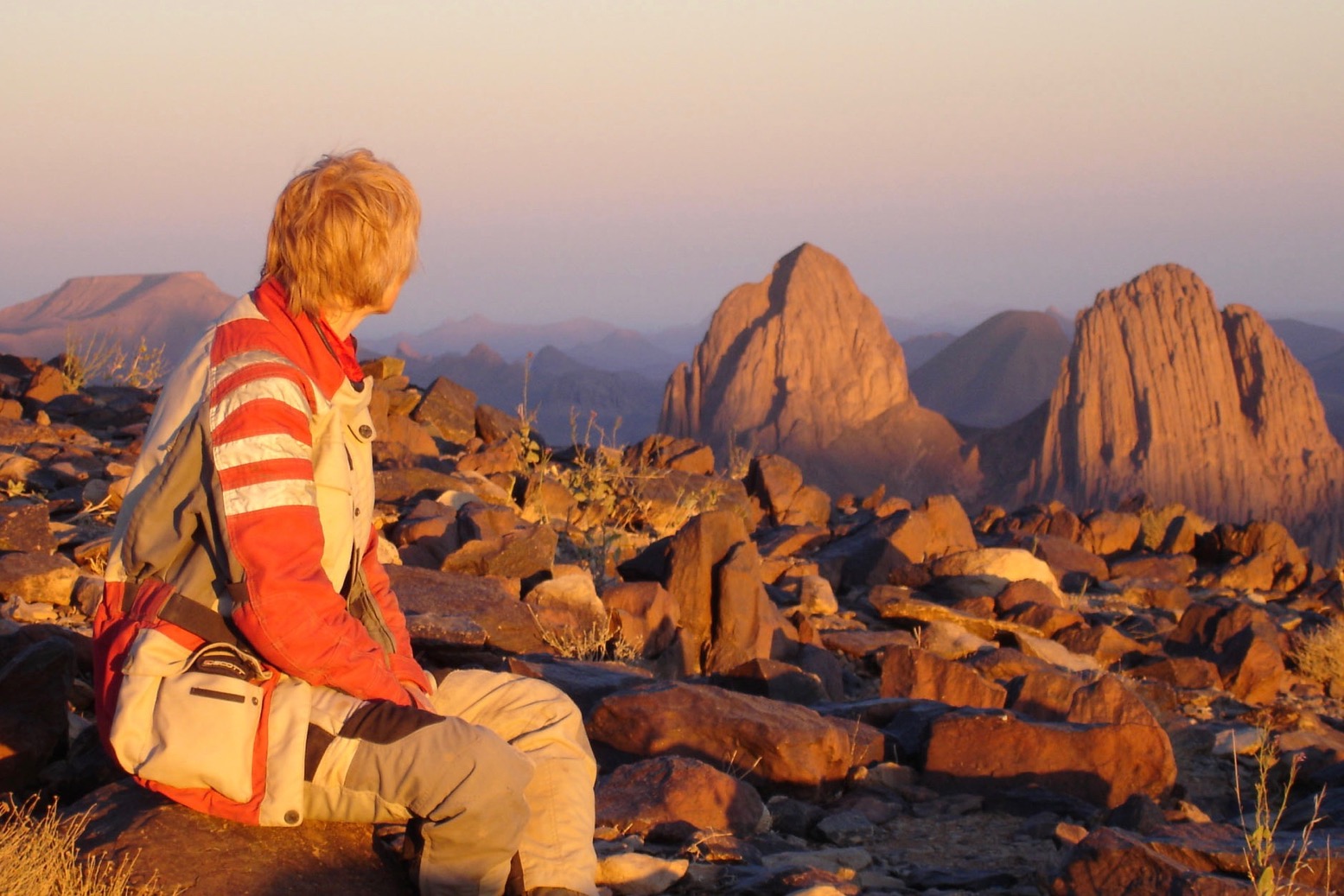
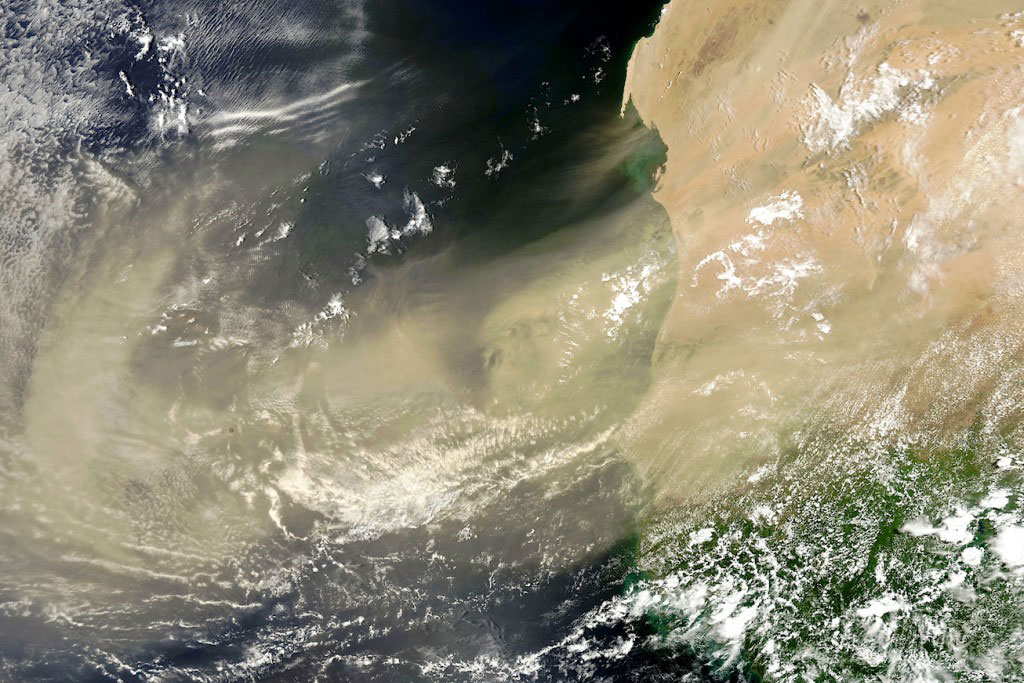
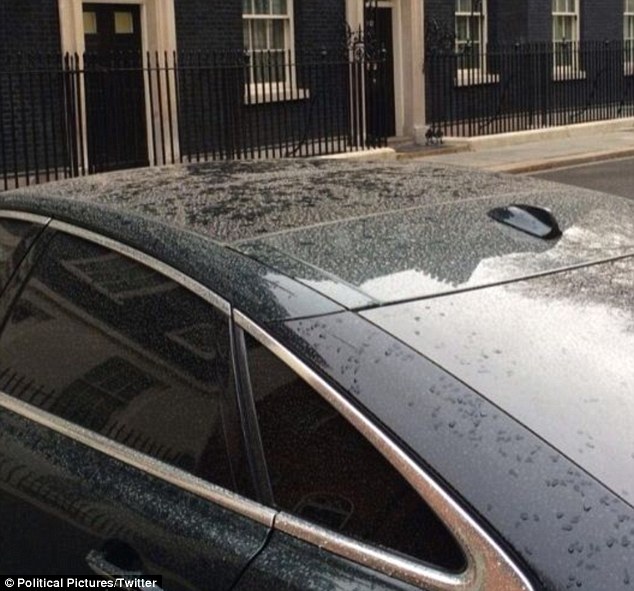

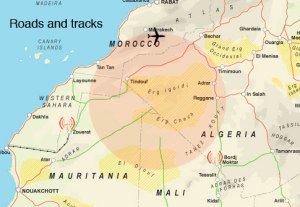
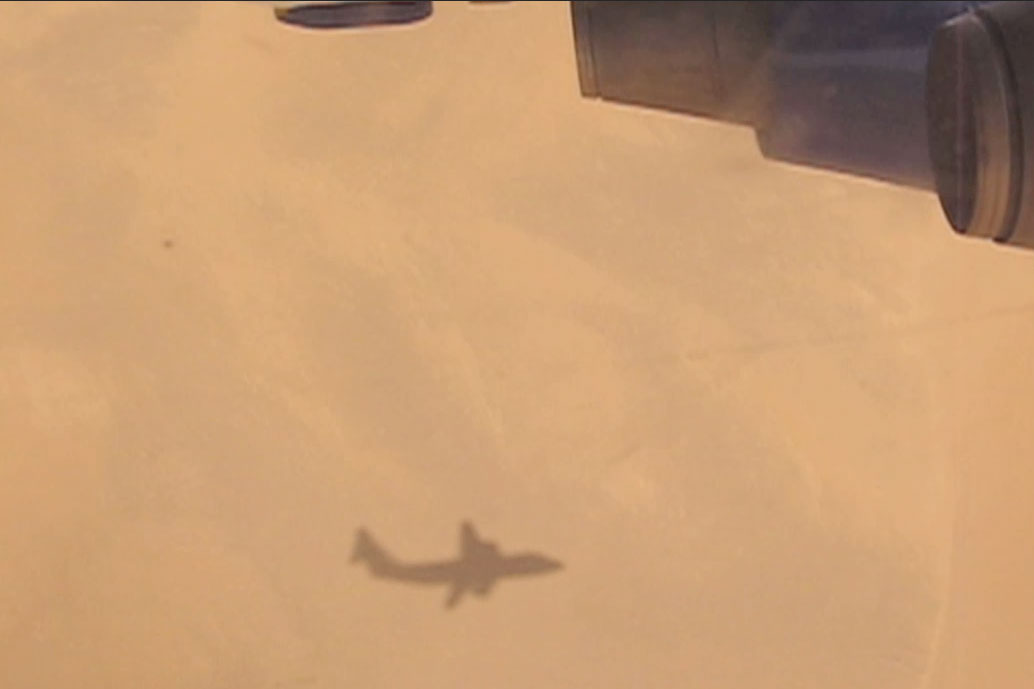
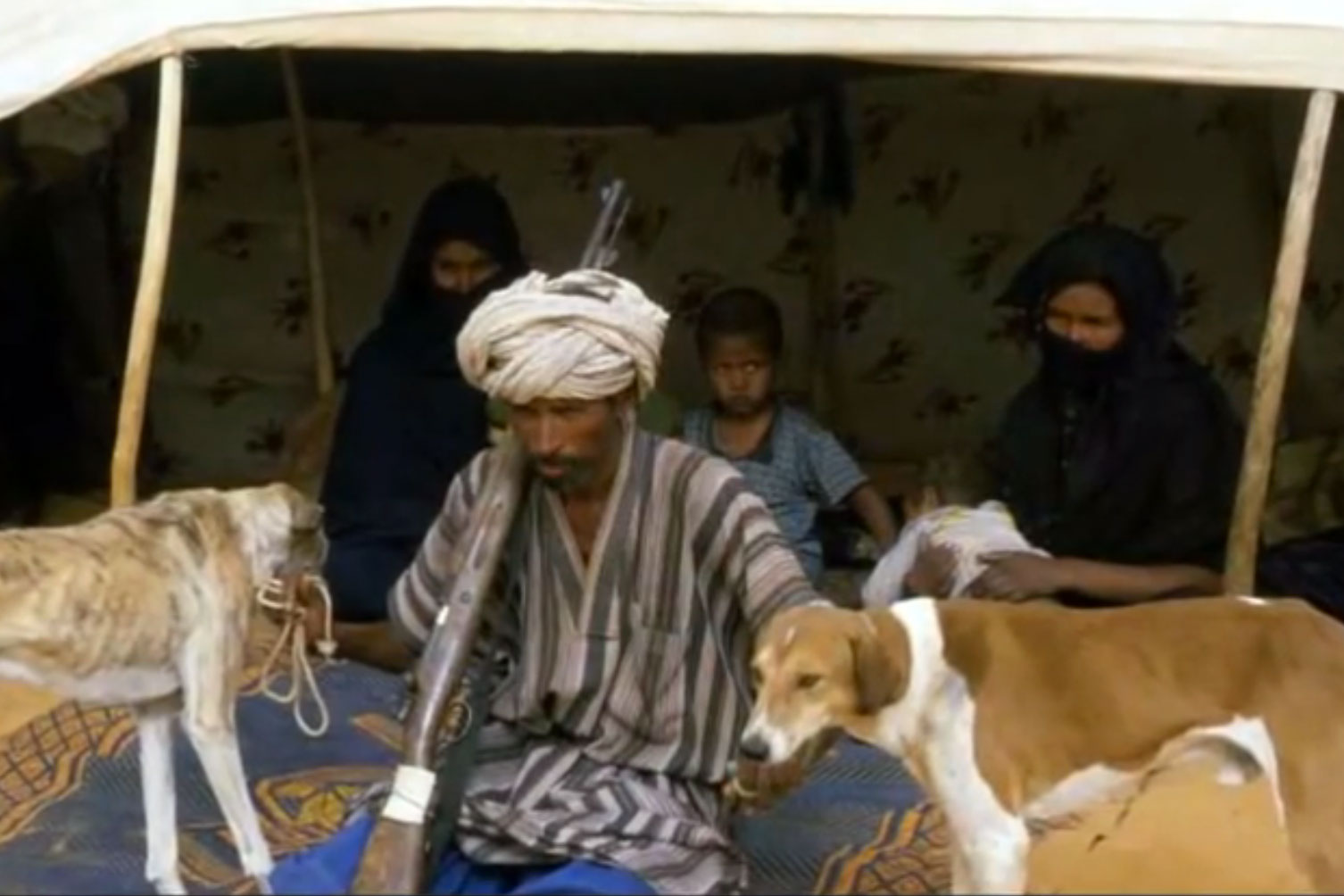

 Sahara Overland