Yearly Archives: 2017

Z is for Zouar – Oxford Uni Expedition 1965

Part of the Sahara A to Z series
oxchad13

Back in 1965 the pro-Western Kingdom of Libya was just fourteen years old. US and UK military bases used the desert for training and testing, then the discovery of high-quality, low-sulphur oil just 200km from the coast transformed Libya’s fortunes. 

Gaddafi’s coup was still a few years away.
oxchadmap


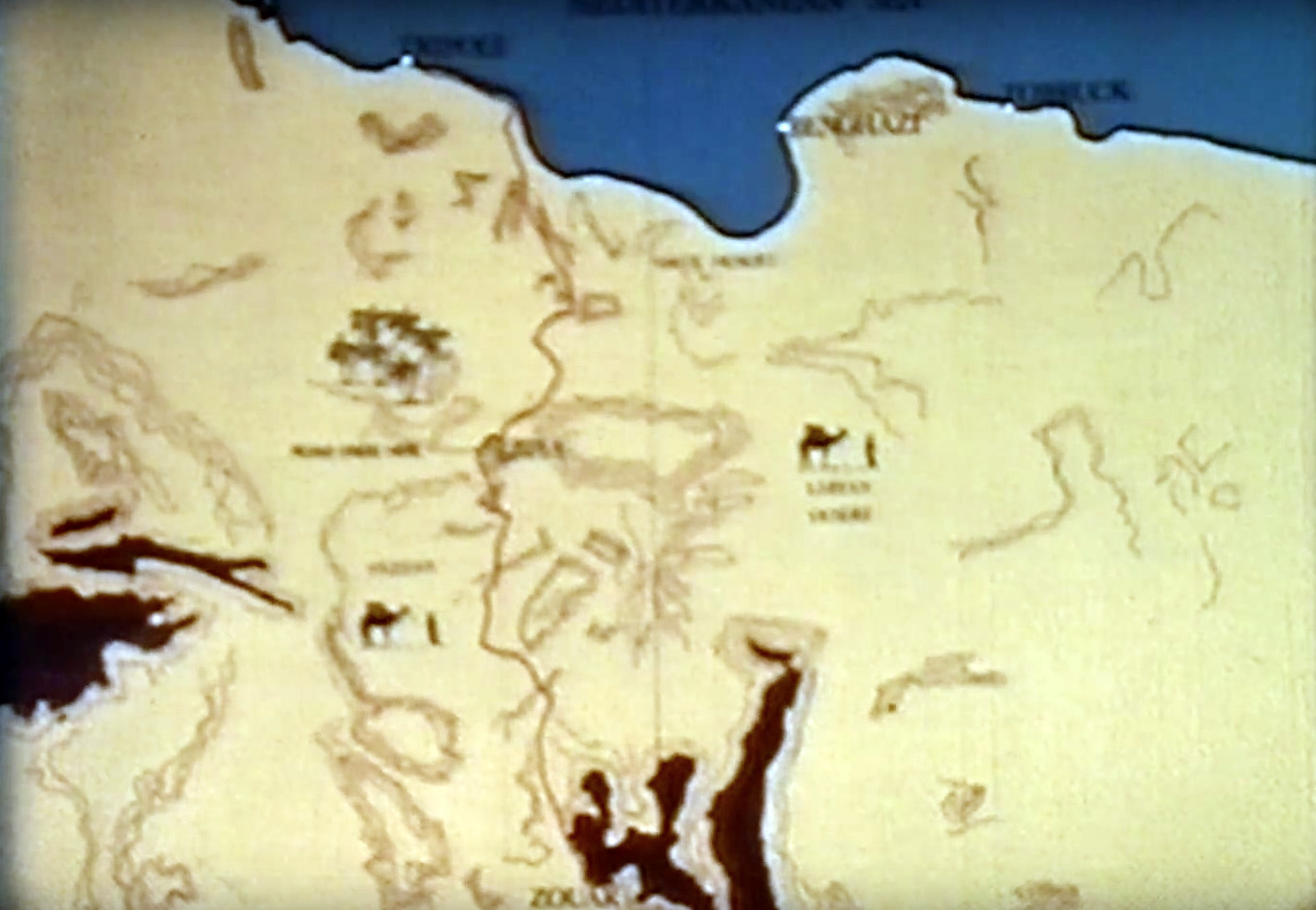
Like many former french colonies, Chad had gained independence in 1960 but, as has been the case on and off since then, France retained military and Foreign Legion bases there. In the film you’ll see a French tricolour still flying in Zouar.
oxchad12

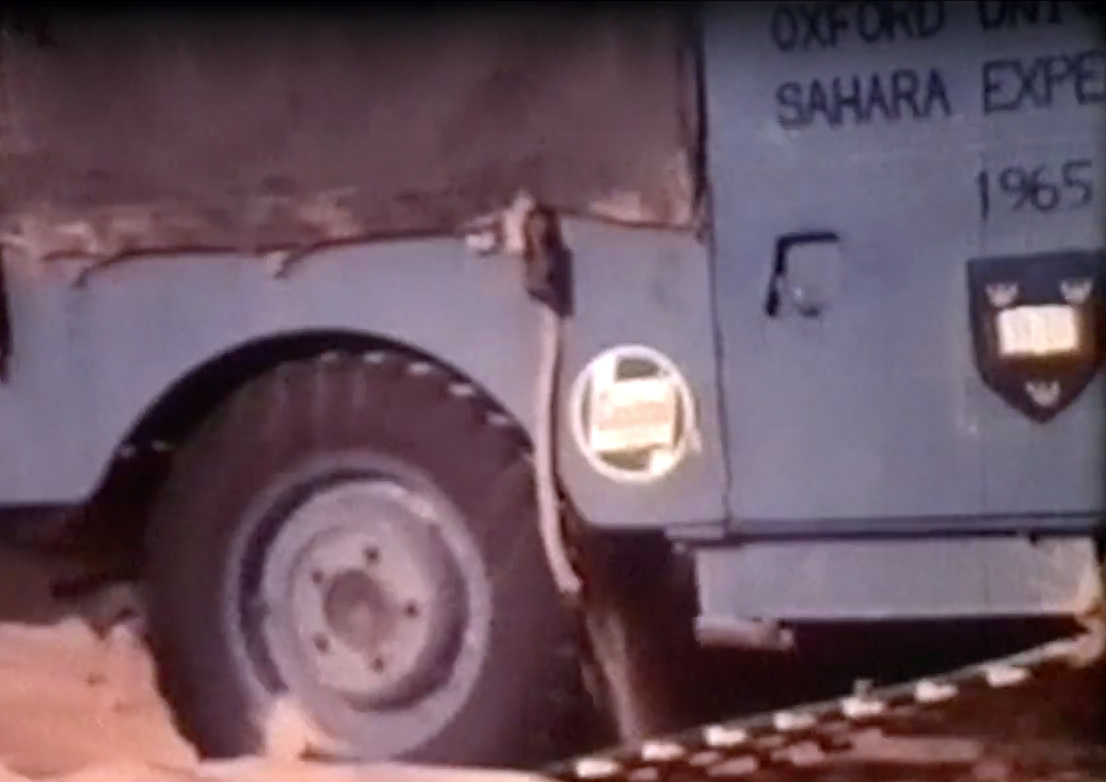
And best of all, the Chadian civil war was still a few months away, so what better time for a bunch Oxford university students to drive 5000 miles to Zouar for their summer hols in a a couple of 88 Landies and a 2WD Ford D-series lorry loaned by Ford. This was a time when it was still common for truck manufacturers to prove their vehicles on Sahara expeditions.

oxchad1

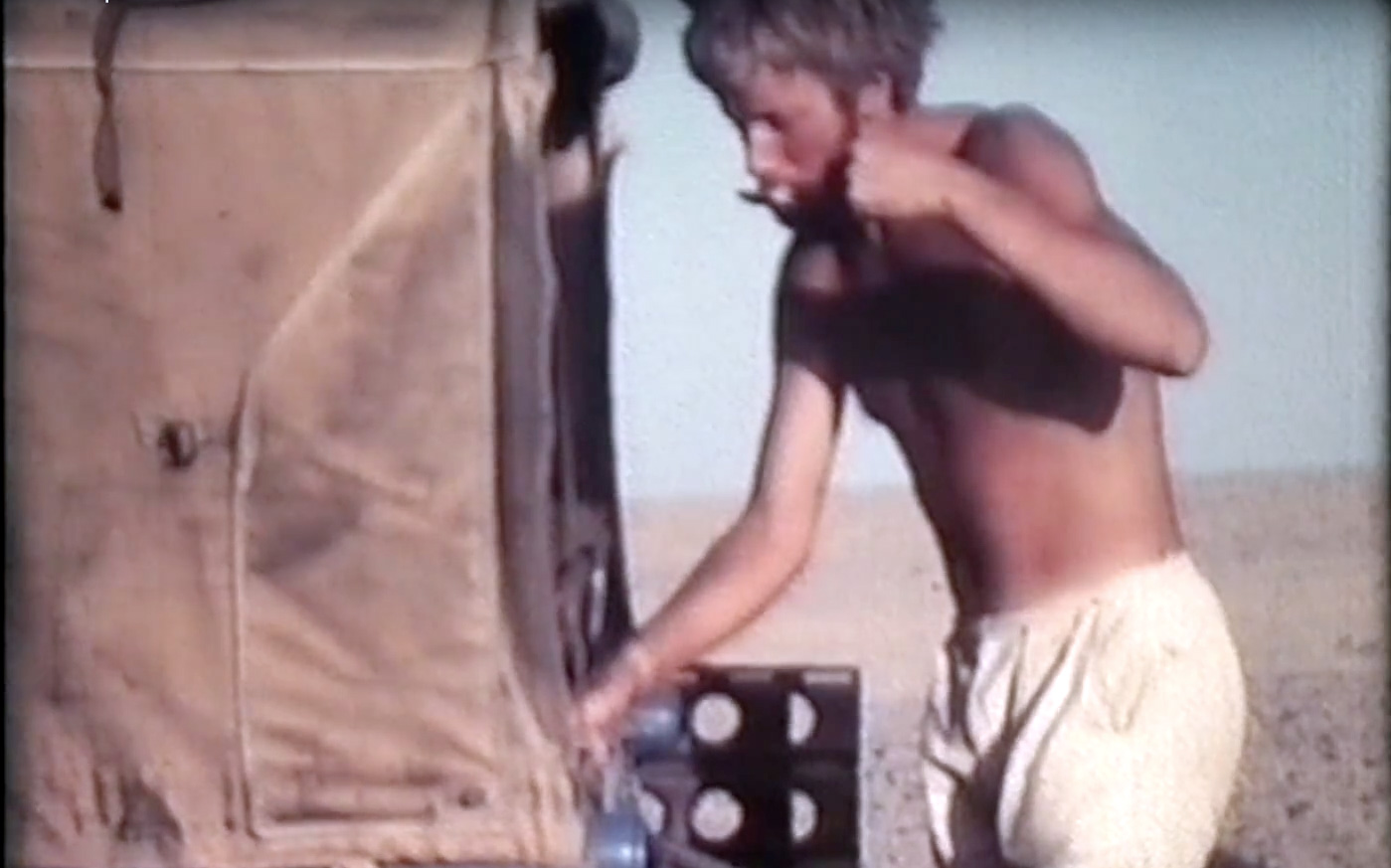
The film includes episodes of Tubu horseplay, lashings of corned beef and a Landrover door that just will not shut!

46-grinder

Interestingly you’ll also see a woman making flour with a grinding stone of the sort still commonly found abandoned all over the Sahara, wherever people once lived. As the narrator says ‘in remote parts of the world it’s hard to tell when such [Neolithic] tools were last used.’ At 14:20 there’s also an engraving of what might be a Garamantean chariot. Germa, the former Garamantean capital in southern Libya, is not so far from Zouar.

How to navigate by the stars

star
near the Gilf kebir
ahb
hblo

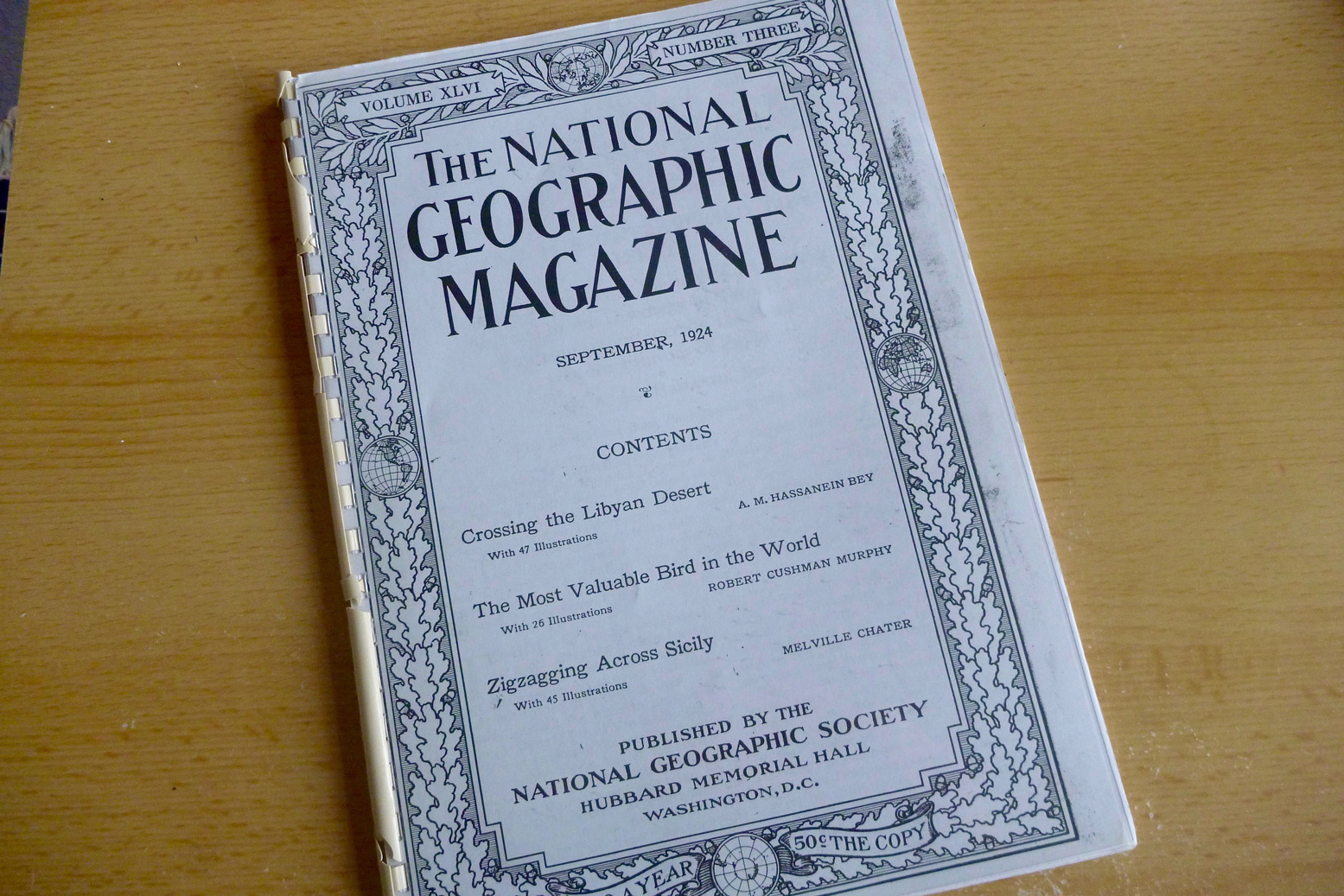
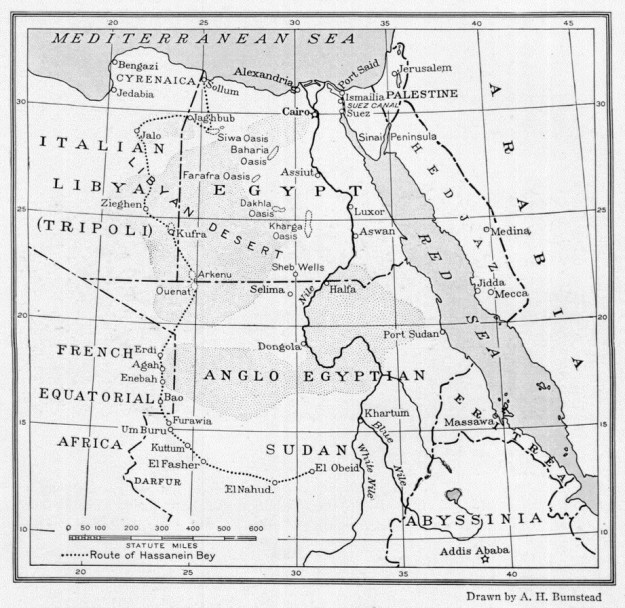
I recently read Ahmed Hassanein Bey’s 1924 National Geographic article about his six-month camel journey from Saloum on the Mediterranean to El Obied in the Sudan. (Read an online version here).
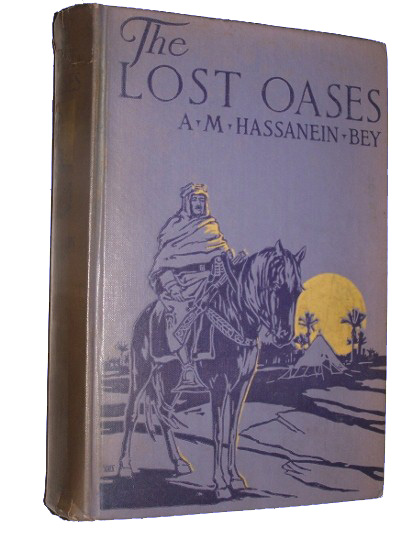
Two years earlier he’d travelled as far south as Kufra in sotheast Libya, then at that time the centre of the xenophobic Senussi sect. And in 1925 he published The Lost Oases which the NG article summarises and which is still available in print at normal prices.

ahbju

On that 2200-mile journey he located the ‘lost oases’ of Jebel Arkenu and Uweinat (see map above). At Jebel Uweinat he speculated correctly that the rock art depictions of animals he saw there must pre-date the 2000-year-old camel era which were not present in the imagery.

northstar

At one point in the latter half of the trip when the caravan is forced to travel at night to avoid the intense daytime heat, he describes how the guide navigated by the stars when there were no faint landmarks to aid orientation. It surprised me by being rather less intuitive and mysterious than I thought.

The manner in which a Bedouin guide finds his way across the desert at night is a source of wonder to the uninitiated. In a region which provides no familiar landmarks he depends solely on the stars. As we were proceeding in a south-westerly direction during most of our night trekking the pole star was at the guide’s back. He will glance over his shoulder, face so that the pole star would be behind his right ear, then take a sight on the start of the south in that line. He would march for perhaps five minutes with his his eye riveted on this star, then turn and make a new observation of the pole star for of course the star to the south was constantly progressing westward. He would then select a new staff of guidance and continue. 

He goes on to explain that the technique floundered around dawn and dusk when the stars weren’t visible and at which point he took over with his compass.